In This Guide
- The 4 RV Families Compared for Sweden
- Class A (Integrated) - Best For winter rv rental in Sweden
- Price Comparison by RV Class in Sweden
- Class SI (Semi-Integrated) - Best For winter rv rental in Sweden
- Class C (Alcove) - Best For winter rv rental in Sweden
- Class B (Campervan) - Best For winter rv rental in Sweden
- Side-by-Side RV Class Comparison Table for Sweden
- Our Recommendation for winter rv rental Travelers in Sweden
- What are the best RVs for winter camping in Sweden?
- Is it worth it to RV in Sweden in winter?
- How much does it cost to rent an RV in Sweden?
- What are the challenges of driving an RV in Sweden in winter?
- Where can you RV in Sweden in winter?
- How do I prepare an RV for winter travel in Sweden?
- Can you wild camp in an RV in Sweden in winter?
- What are the best campsites for winter RVing in Sweden?
- What equipment do you need for winter RVing?
- How do you heat an RV in cold weather?
- Is it safe to RV in Sweden in winter?
- Can you RV to see the Northern Lights?
- How to find RV water and dump stations in winter Sweden?
- What are the rules for RV travel in Sweden?
- Do I need special tires for winter RVing in Sweden?
- Are RV resorts open in Sweden during winter?
The 4 RV Families Compared for Sweden
RV family choice significantly impacts a winter trip in Sweden due to varying terrains, extreme climate conditions, desired trip length, and group size. Selecting the right RV ensures comfort, safety, and optimal navigation through snow and ice, balancing spaciousness with maneuverability. Whether you're a couple seeking a cozy getaway or a family embarking on a grand adventure, understanding the distinct features of each motorhome class is key to a successful winter RV rental in Sweden.
Class A (Integrated) - Best For winter rv rental in Sweden
Class A integrated motorhomes, typically averaging 7.5 meters in length and sleeping around 4.4 people, are ideal for travelers seeking maximum comfort and luxury during a winter RV rental in Sweden. Our fleet typically shows these vehicles accommodating about 4 adults, offering extensive living space and a generous average load capacity of 209.5 kg, ensuring ample room for winter gear. With a common fuel consumption range of 11-12 liters per 100 km, their larger size provides superior insulation and robust heating systems crucial for Sweden's cold climate. They are best suited for larger groups or families prioritizing spaciousness and amenities, although their size can be a trade-off for navigating narrow, snowy roads or finding parking in smaller towns. Remember, driving slowly and carefully, you can drive almost anywhere without issues. No need to stress - just use common sense and pay attention.
Price Comparison by RV Class in Sweden
RV rental prices in Sweden are dynamic, changing daily based on availability, seasonality, and supplier decisions, much like flight tickets. The table below pulls real example prices from Bandana's live search for various durations and RV classes in Sweden, offering a clear comparison for your winter trip planning.
Live April Price Comparison — RV Class × Trip Length
| Trip length | Class A | Class B | Class C | Class SI | Class TC |
|---|---|---|---|---|---|
| 1 week 15/04 → 22/04 | Check prices | 820.48 $ AU | 1,638.00 $ AU | 1,463.00 $ AU | 2,064.96 $ AU |
| 2 weeks 15/04 → 29/04 | Check prices | 1,411.60 $ AU | 2,804.42 $ AU | 2,655.20 $ AU | 3,871.80 $ AU |
| 1 month 01/04 → 30/04 | Check prices | 2,624.82 $ AU | 5,551.70 $ AU | 4,997.90 $ AU | 6,977.99 $ AU |
Estimates only — flex-rate prices change daily based on availability and season.
These prices are estimates and can change daily based on demand, availability, and specific rental dates, so always use the search box at the top of the page for the most current numbers. For couples, a smaller Class B Campervan or Class SI (Semi-integrated) motorhome might range from €80-€150 per day, providing a cozy and efficient option for two. Families with kids, on the other hand, will likely find Class C (Alcove) motorhomes, often around €130-€250+ per day, more suitable due to their extra sleeping capacity and living space, though prices depend heavily on the vehicle's features and age.
For those hoping to snag last-minute winter RV rental deals in Sweden, while prices are dynamic, availability can still exist. Don't be afraid to check closer to your travel date, especially during non-peak winter weeks. Flexibility is your friend here; by being open to various dates or even different pick-up locations in Sweden, you can often find cheaper motorhome rentals. Always compare final prices across our 50+ suppliers to ensure you're getting the best deal with full transparency and no hidden fees. When budgeting for your journey, consider ancillary costs like fuel (which can be higher in winter due to lower efficiency and longer engine warm-ups), campground fees, propane, and tolls. For tracking these expenses easily, remember that RV PLANET routes allow you to itemize and track every expense along the way. On the routes offered through RV PLANET routes, you can itemize and track every expense along the way for easy budgeting.
Class SI (Semi-Integrated) - Best For winter rv rental in Sweden
Class SI (Semi-integrated) motorhomes, averaging 6.9 meters in length and typically sleeping 3.8 people, represent a balanced choice for winter RV rental in Sweden, suitable for couples or small families. Our fleet commonly sees these models accommodating about 3.4 adults and offering an average load capacity of 72.2 kg, providing enough space for essential winter luggage without being overly cumbersome. With common fuel consumption of 10-11 liters per 100 km, they offer a good compromise between the spaciousness of Class A and the maneuverability of Class B, making them easier to handle on snowy Swedish roads than larger units. These RVs often come well-insulated, performing effectively in winter conditions, and are ideal for travelers who want comfort and amenities without the footprint of a full-sized integrated motorhome. Consider exploring our options for a Weekly RV Rental in Sweden - Pricing 2026 to see how these versatile models fit your budget.
Class C (Alcove) - Best For winter rv rental in Sweden
Class C (Alcove) motorhomes, averaging 7.5 meters in length and offering the most sleeping places at 5.8 on average, are exceptionally well-suited for families or larger groups seeking a winter RV rental in Sweden. Our fleet indicates these vehicles can accommodate about 4.4 adults, with the distinctive alcove providing an extra bed above the cab, making them a cost-efficient option for maximizing sleeping capacity. These RVs typically have a common fuel consumption range of 10-12 liters per 100 km and an average load capacity of 42.4 kg, allowing for practical family travel. Their robust construction and often excellent winterization packages make them a strong contender for navigating Sweden's winter roads, balancing space, warmth, and relative ease of driving compared to the largest Class A models. Imagine cozy evenings with your family after a day of winter exploration, perhaps preparing a warm meal in your rented Class C's kitchen.
Class B (Campervan) - Best For winter rv rental in Sweden
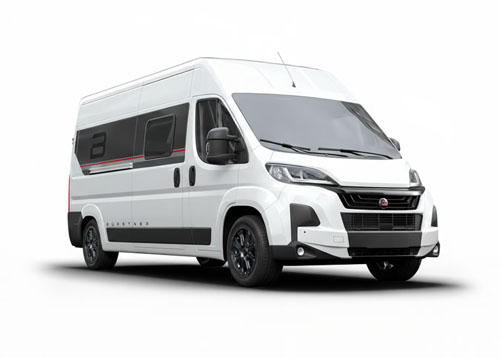
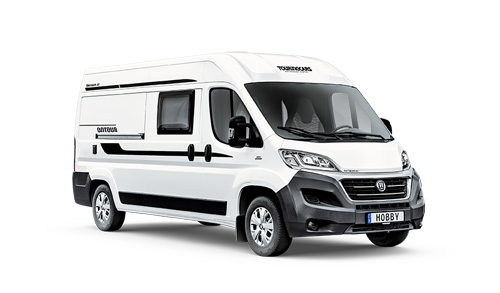
Class B (Campervan) models, averaging 5.8 meters in length and typically sleeping 3.2 people, are the top choice for adventurous solo travelers or couples prioritizing maneuverability and fuel economy during a winter RV rental in Sweden. Our fleet shows these compact vehicles accommodating approximately 2.7 adults, with an average load capacity of 37 kg, making them highly agile for navigating narrow, snow-covered roads and parking in urban areas or remote spots. With a common fuel consumption of about 10 liters per 100 km, they are the most fuel-efficient option, which is a significant advantage given Sweden's fuel prices. While smaller, many modern campervans are well-insulated and equipped with efficient heating, making them suitable for winter, particularly for those who value flexibility, ease of driving, and accessing off-the-beaten-path locations. For those considering a spontaneous trip, you might even find a Last-Minute RV Rental in Sweden - What to Expect 2026 that perfectly suits your flexible plans.
Side-by-Side RV Class Comparison Table for Sweden
Choosing the right RV for your winter adventure in Sweden involves weighing factors like size, sleeping capacity, and fuel efficiency against your travel style and budget. This comparison table highlights key characteristics of the available motorhome and campervan families:
| Family | Avg Length (m) | Sleeps (Avg) | Fuel Use (L/100km) | Best Use Case in Sweden (Winter) |
|---|---|---|---|---|
| Class A (Integrated) | 7.5 | 4.4 | 11-12 | Luxury, large groups, maximum comfort, long trips |
| Class SI (Semi-Integrated) | 6.9 | 3.8 | 10-11 | Couples/small families, balanced comfort and maneuverability |
| Class C (Alcove) | 7.5 | 5.8 | 10-12 | Families/larger groups, extra beds, cost-effective space |
| Class B (Campervan) | 5.8 | 3.2 | ~10 | Solo/couples, maneuverability, fuel economy, city/remote access |
This table provides a quick reference to help align your travel needs with the most suitable RV type for Sweden's winter conditions. Remember that all these vehicles typically come with essential features like a stove, refrigerator, and heating, ensuring you can prepare meals and stay warm. For some delicious ideas on what to cook, check out our RV-friendly recipes playlist on YouTube.
Our Recommendation for winter rv rental Travelers in Sweden
For most winter RV rental travelers in Sweden, we primarily recommend a Class SI (Semi-integrated) motorhome. Its average length of 6.9 meters offers a crucial balance of comfortable interior space for cold weather, effective insulation, and manageable driving on snowy roads, making it versatile for both scenic routes and urban exploration. The semi-integrated design typically provides excellent heating efficiency, essential for Sweden's winter climate, without the larger footprint or fuel consumption of a Class A. As a strong runner-up, especially for families, the Class C (Alcove) motorhome is an excellent choice. With ample sleeping for 5.8 people and robust construction, it provides the space and winter readiness needed for groups, making it a practical and comfortable base for a family winter adventure.
What are the best RVs for winter camping in Sweden?
RVs best suited for winter camping in Sweden are typically well-insulated Class C (Alcove) and Class SI (Semi-integrated) motorhomes, often equipped with robust heating systems, winter tires, and good battery capacity. These classes (Class C averaging 7.5m, Class SI averaging 6.9m) generally offer superior insulation and dedicated heating solutions, such as Truma or Alde systems, which are critical for maintaining warmth in sub-zero temperatures. Look for models with a 'winter package,' which often includes heated waste tanks, double floors, and enhanced window insulation, providing better protection against freezing pipes and improving overall thermal efficiency. Vehicles equipped with powerful auxiliary batteries and inverters are also advantageous for sustaining onboard systems during periods without electrical hookups, while mandatory winter tires (studded or friction) are essential for safe driving on icy and snowy roads. When comparing your options, check for features like a large fresh water tank (e.g., 100-150 liters) and a robust heating system to ensure a comfortable winter experience.
Is it worth it to RV in Sweden in winter?
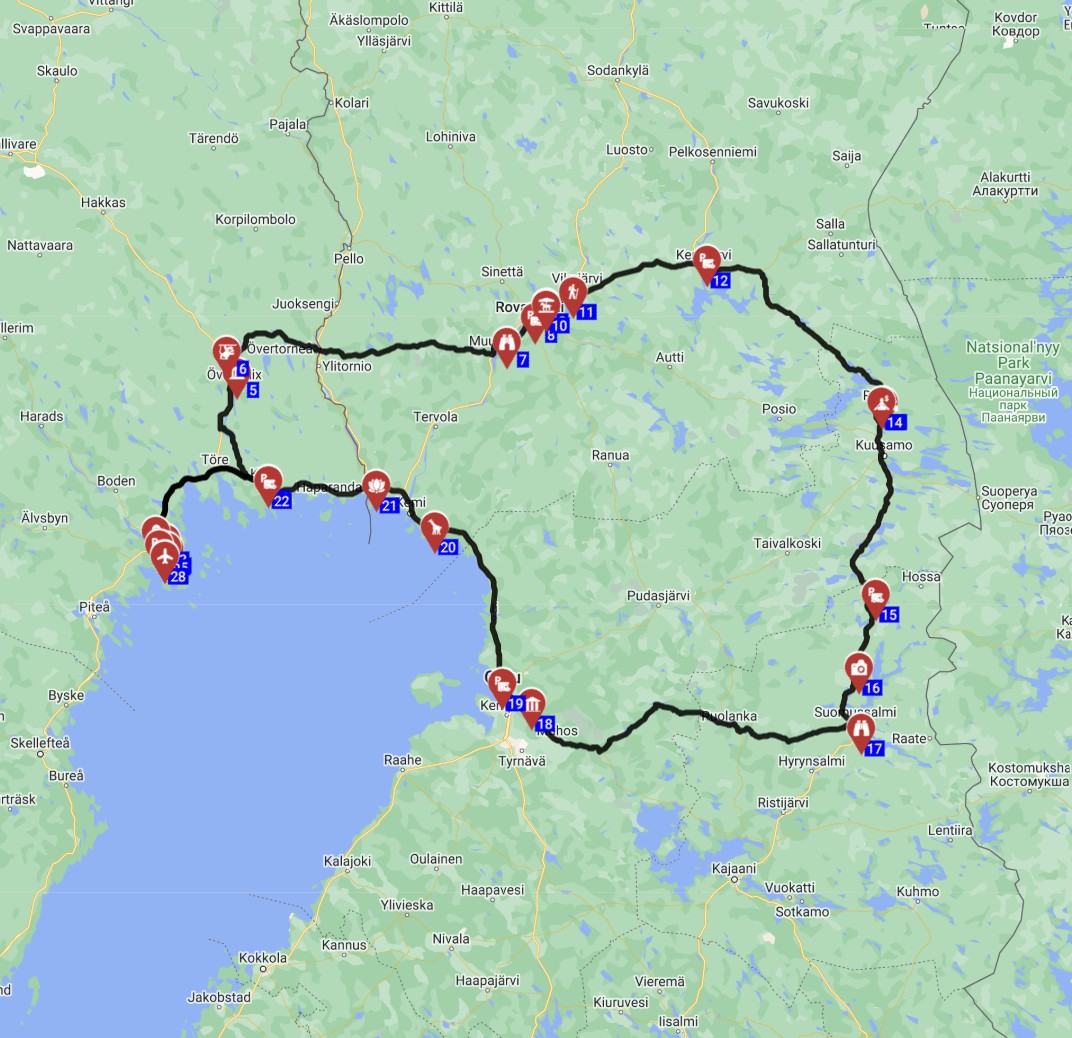
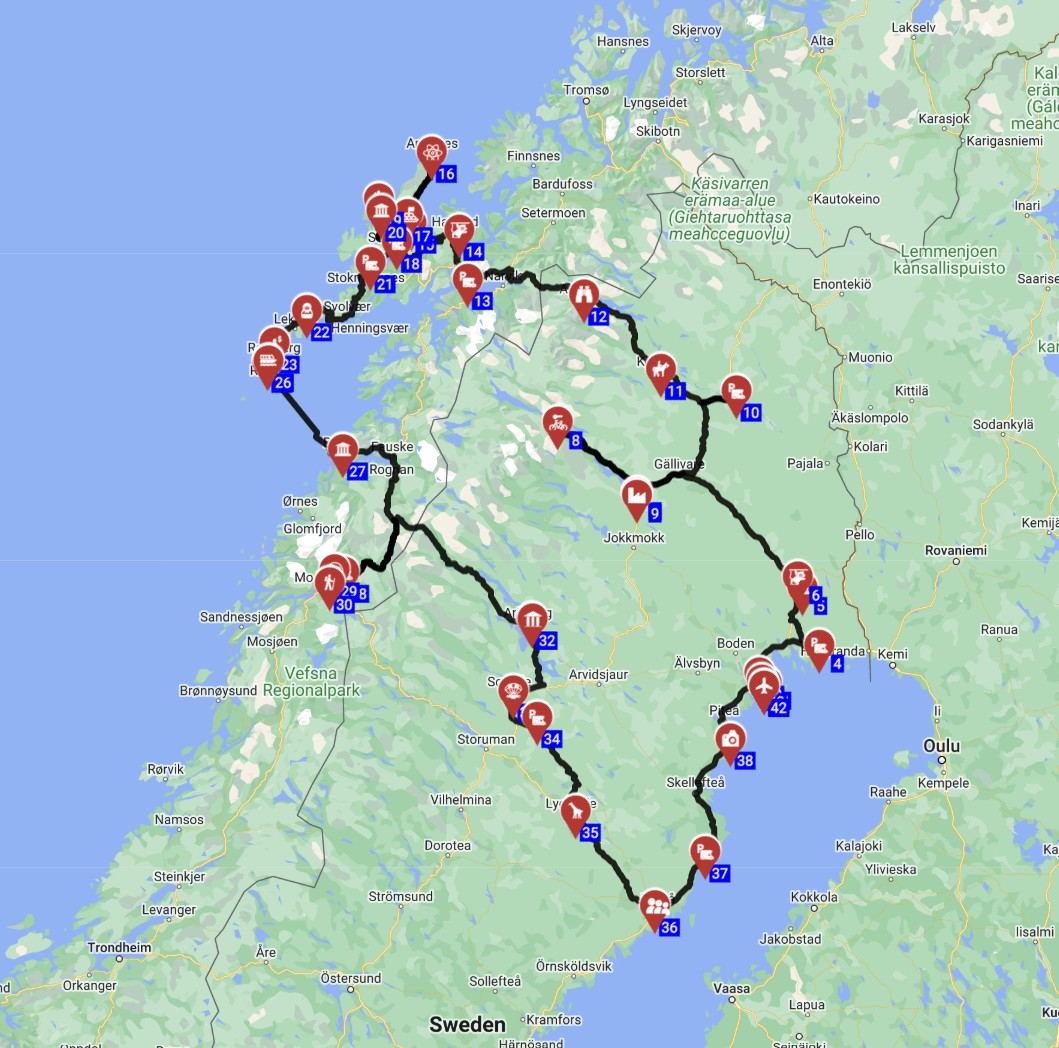
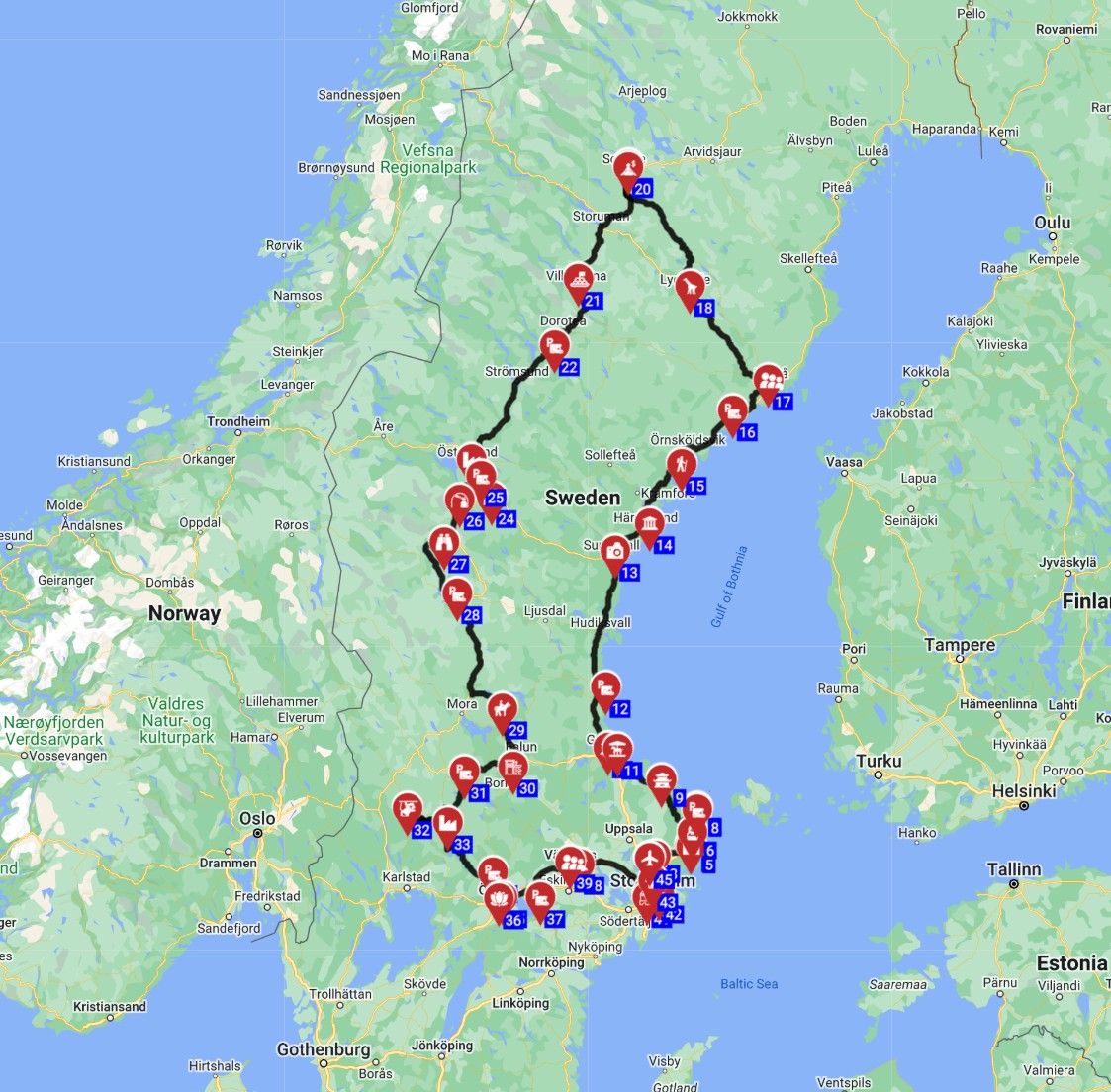
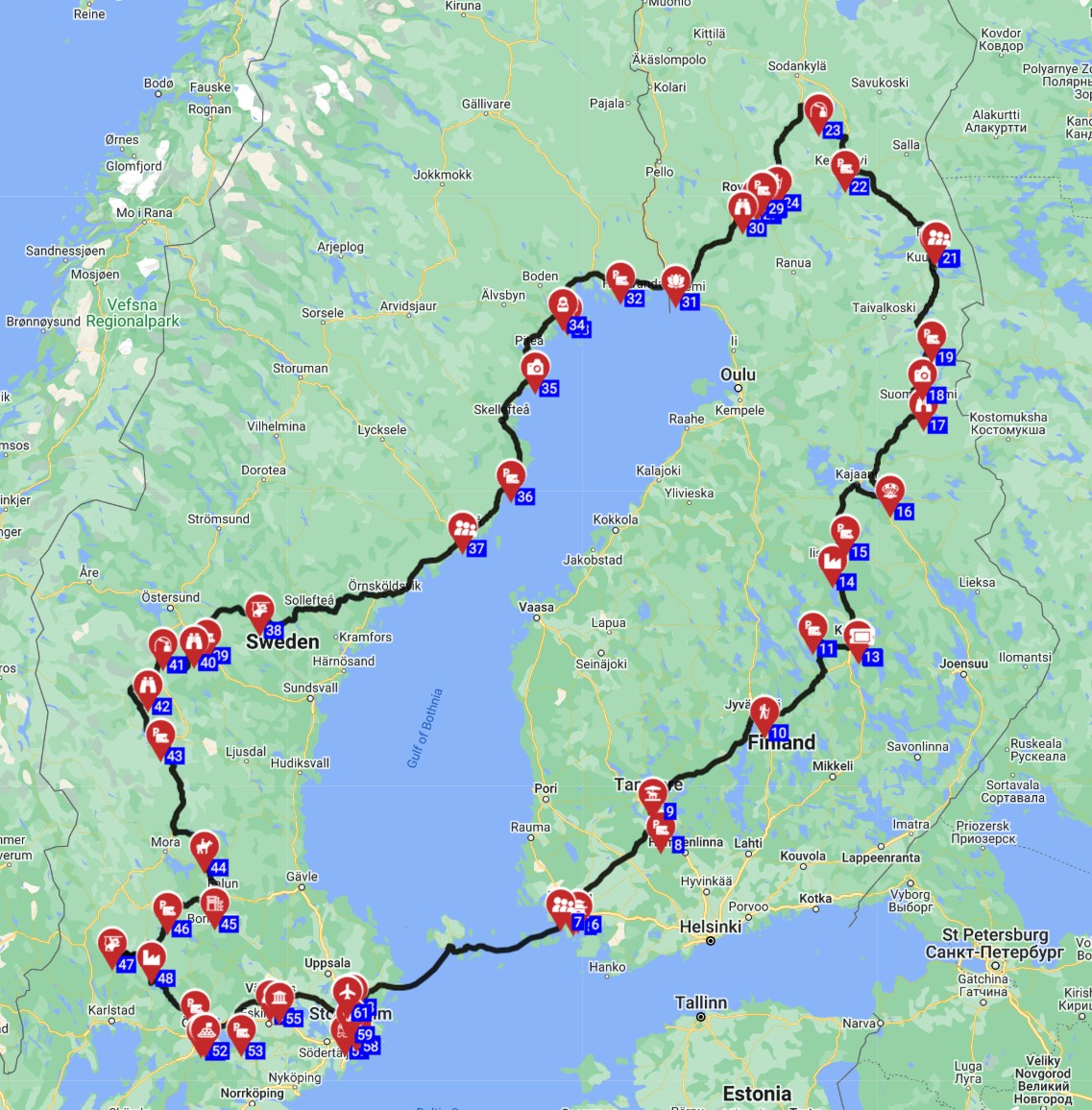
RVing in Sweden during winter offers a unique opportunity to experience stunning snow-covered landscapes, potentially witness the Northern Lights, and engage in winter sports, making it a worthwhile adventure for those prepared for the conditions. The primary advantages include witnessing the magical Northern Lights (especially in Swedish Lapland), enjoying winter sports like skiing or ice skating in picturesque settings, and experiencing a quieter Sweden with fewer tourists. However, travelers must be prepared for short daylight hours (as little as 4-6 hours in central Sweden), extremely cold temperatures (often below -10°C), and potential driving challenges due to snow and ice, which require a well-equipped RV and careful planning. Despite these challenges, the ability to chase clear skies for aurora viewing and access remote, beautiful locations makes a winter RV trip an unforgettable and deeply immersive cultural experience. Our Rent&Plan service can help you craft an itinerary like the "Rovaniemi Round trip - Fjord Dreams: A Northern Road Trip through Finland & Sweden" (18 days, 3751.5 km), guiding you through the best winter experiences.
How much does it cost to rent an RV in Sweden?
The cost to rent an RV in Sweden varies significantly based on RV class, rental duration, season, and provider, but generally ranges from €80 to €250+ per day, with winter often offering slightly lower rates outside of peak holiday periods. Winter rental rates can sometimes be more affordable than peak summer, but additional costs like mandatory winter tire fees (often €50-€150), extra heating fuel (LPG/diesel, a 11kg bottle can last 3-7 days), and potentially higher insurance for winter conditions should be factored in. Beyond the daily rental fee, budgeting for fuel (which is generally expensive in Sweden, averaging €1.8-€2.0 per liter), tolls, ferry crossings (e.g., for island hopping to Gotland, costing €50-€100 one-way for an RV), and winterized campsite fees (€25-€50 per night for a powered site) is crucial. Travelers should also account for groceries, activities, and potential parking fees, and consider optimizing fuel consumption by choosing a Class B Campervan (around 10 L/100km) or Class SI (10-11 L/100km) for longer trips. For more detailed insights into various costs, check out our "RV Rental Deals in Sweden - Latest Offers 2026" guide.
What are the challenges of driving an RV in Sweden in winter?
Driving an RV in Sweden during winter presents challenges primarily related to snow, ice, reduced daylight, and limited access to certain services, requiring careful planning and adherence to specific winter driving regulations. Road conditions can quickly change from clear to icy or snow-covered, making mandatory studded or friction winter tires essential for grip and safety from December 1 to March 31. Reduced daylight hours, especially in northern Sweden where daylight can be just a few hours around noon, necessitate careful scheduling and reliance on headlights, while sub-zero temperatures (down to -20°C in some areas) can affect fuel efficiency and risk freezing water and waste systems if the RV is not adequately winterized. Furthermore, some remote roads or attractions may be closed seasonally, and finding open dump stations, water refill points, or LPG/propane may require advance planning, with mobile connectivity also potentially patchy in very remote areas. Our "Driving an RV in Sweden - Complete Guide 2026" offers more detailed advice.
Where can you RV in Sweden in winter?
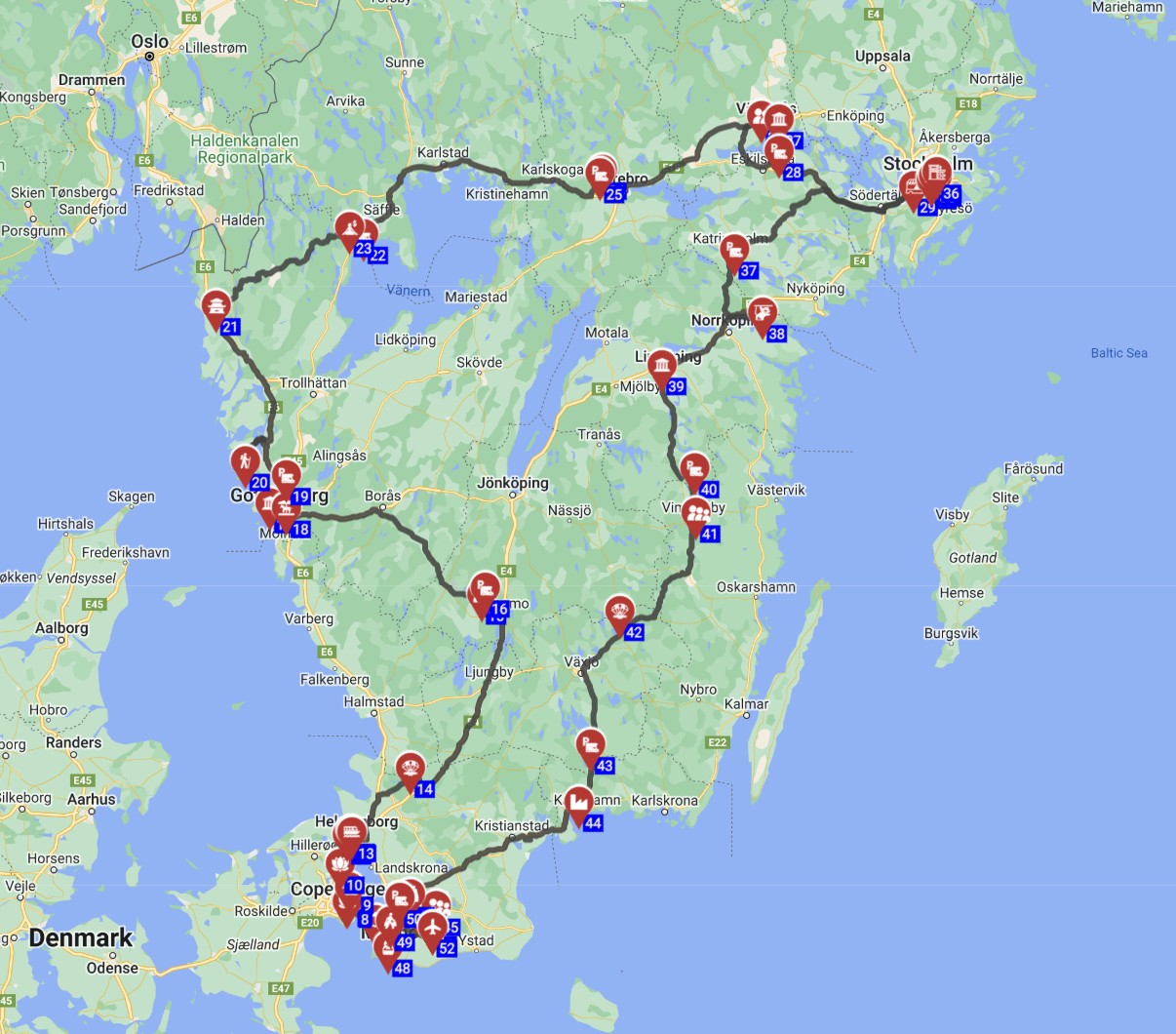
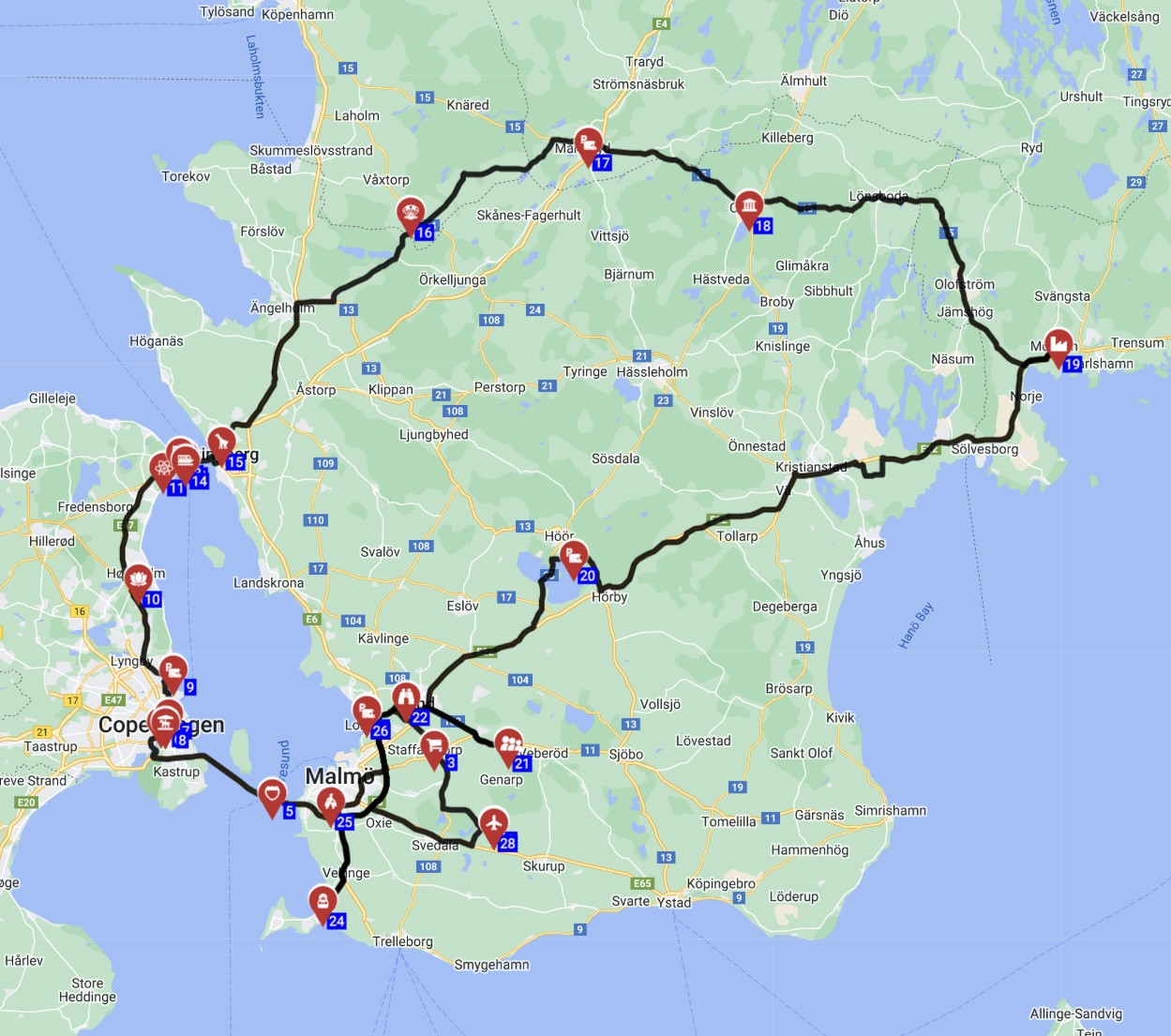
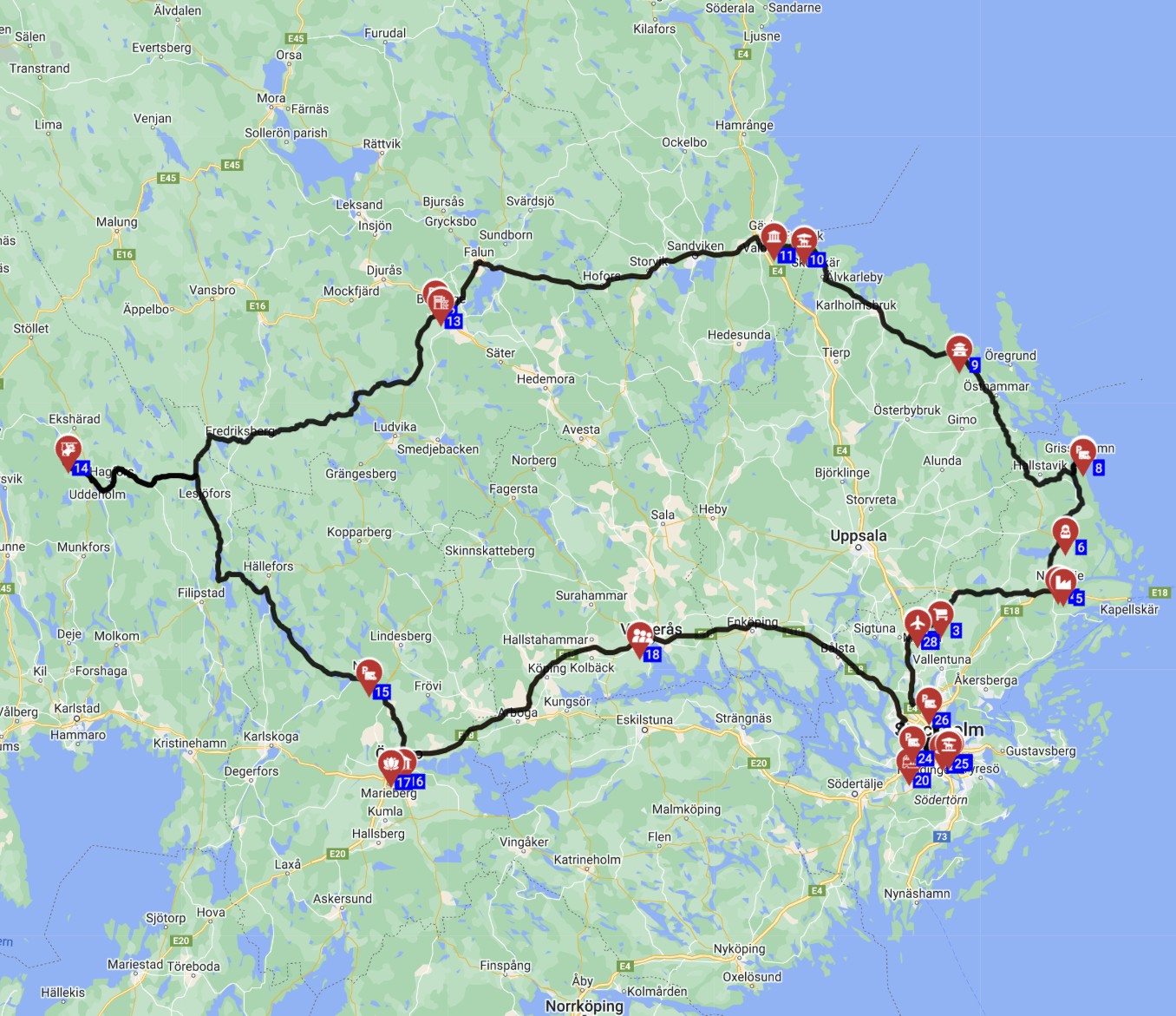
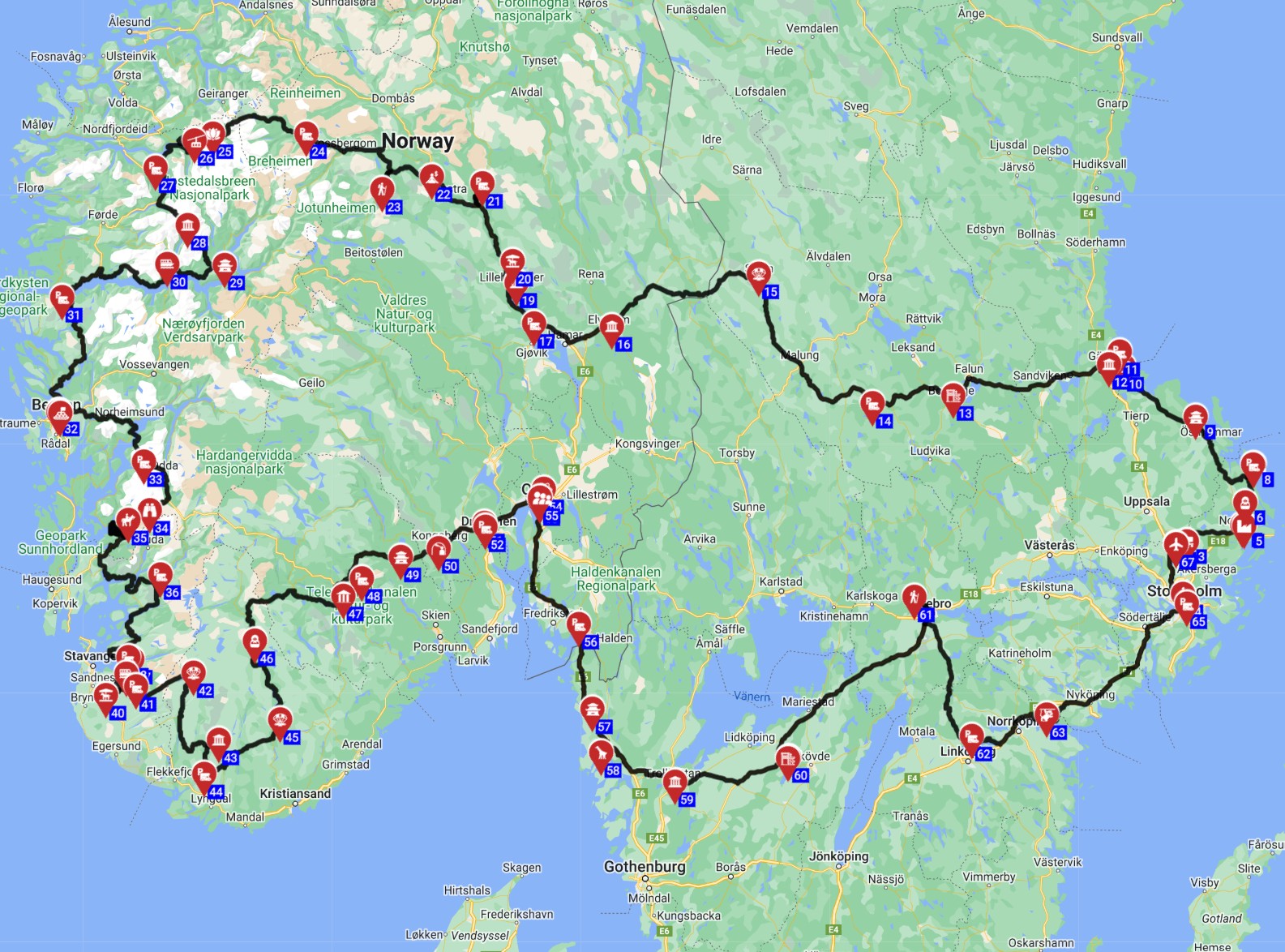
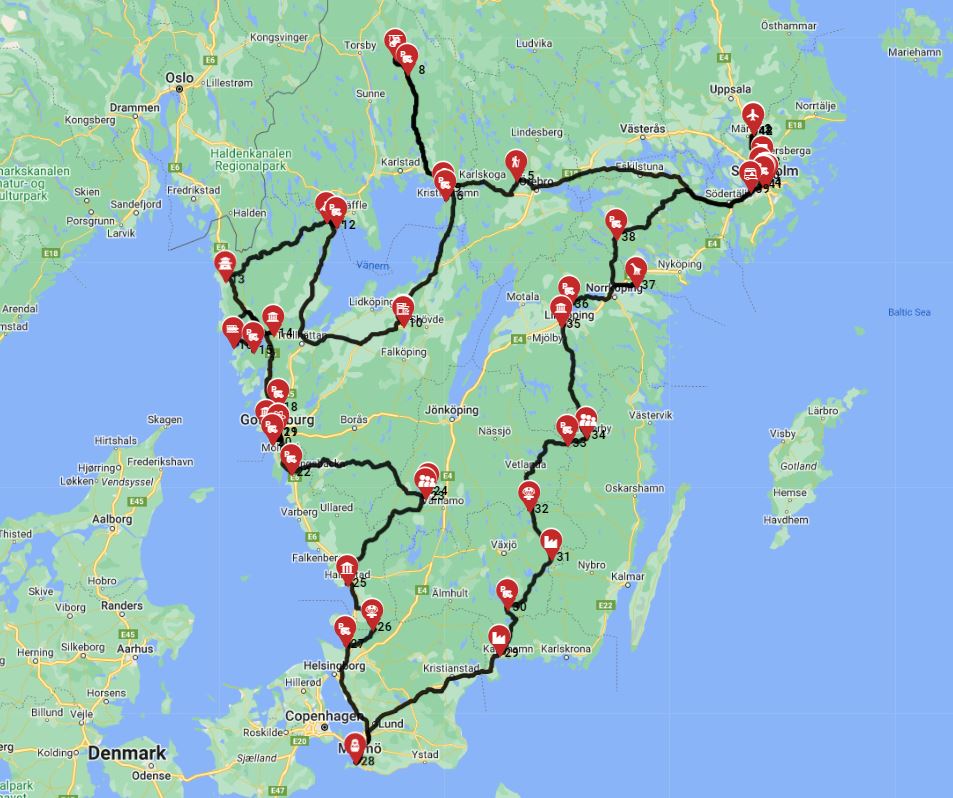
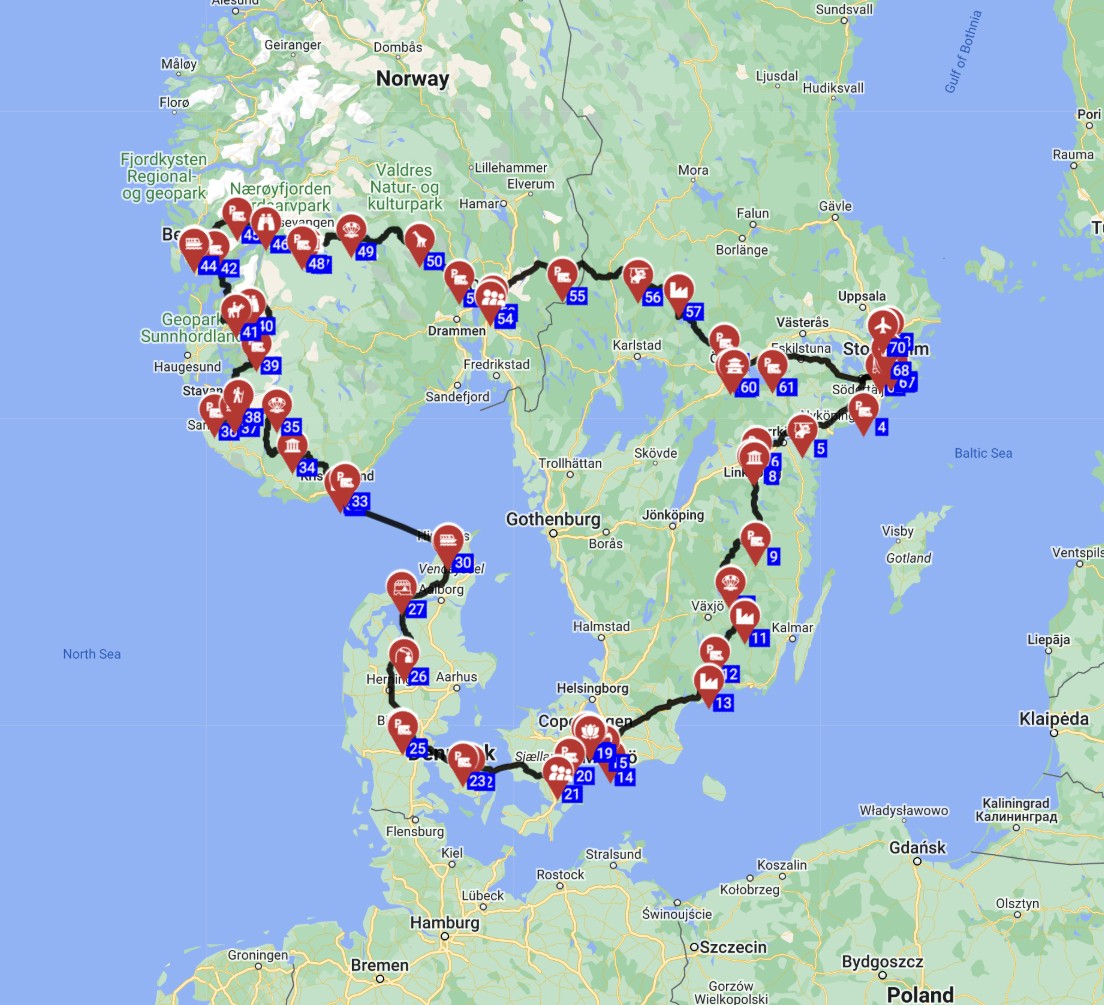
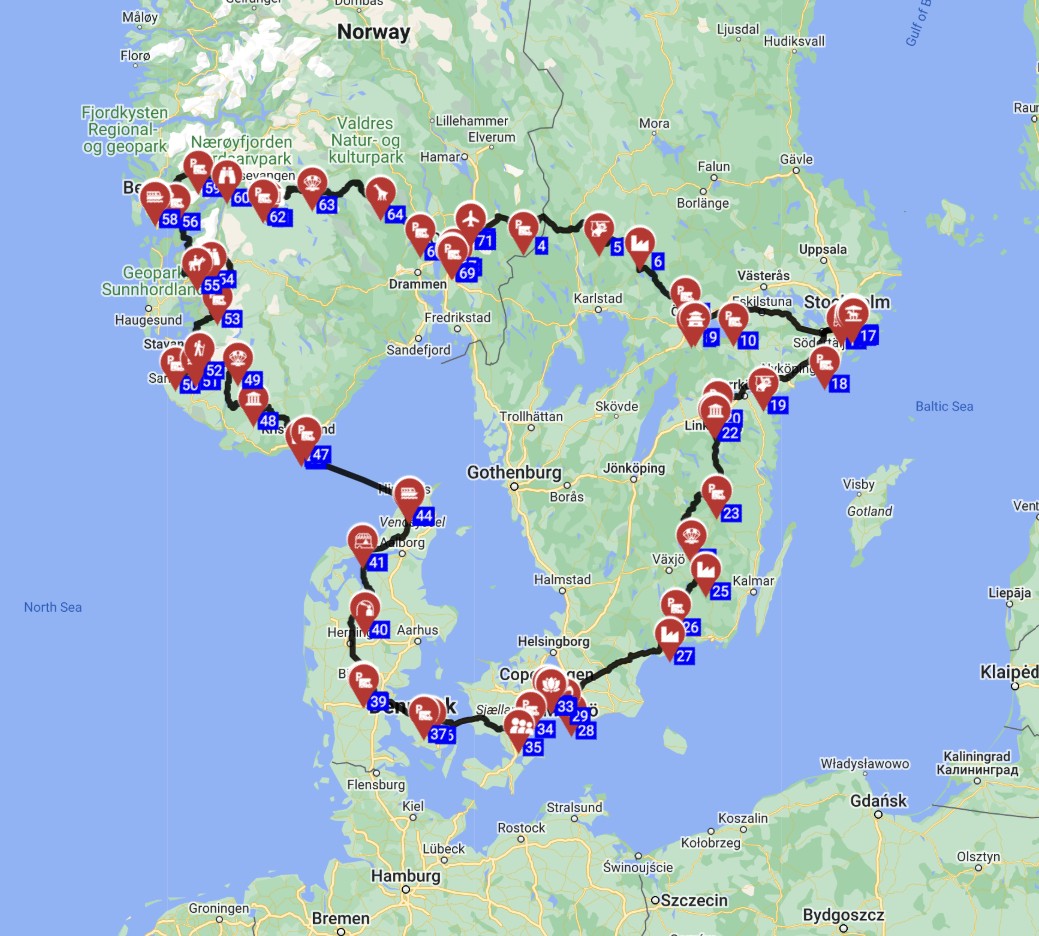
In winter, RVing in Sweden is possible throughout much of the country, with many campsites remaining open and excellent opportunities for exploring both southern coastal areas and northern regions known for winter sports and Northern Lights viewing. Southern Sweden offers charming towns and coastal routes, accessible via well-maintained roads, with winterized campsites providing essential hookups and services. For an authentic Arctic experience and Northern Lights viewing, Swedish Lapland, particularly areas like Kiruna and Abisko, is a prime destination, though requiring rigorous preparation for extreme cold and potentially challenging driving conditions. Specific practical logistics include checking ferry schedules if planning to visit islands or coastal routes, as winter services may be reduced, and ensuring mobile connectivity is available, especially when venturing into remote areas. Consider a comprehensive itinerary such as the "Stockholm Round trip - Sweden, Denmark and Norway Family Adventure" (22 days, 3673.6 km), which includes 6 museums and 3 natural features, or the "
How do I prepare an RV for winter travel in Sweden?
Preparing a rented RV for winter travel in Sweden involves ensuring the vehicle is fully winterized, equipped with appropriate tires, and stocked with essential supplies for cold weather, including antifreeze, extra insulation, and emergency gear. Crucially, verify that your rental RV has a robust heating system, adequate insulation (especially for windows), and that its water and waste systems are protected against freezing with appropriate non-toxic antifreeze suitable for RV plumbing. Ensure the RV is fitted with proper winter tires (studded or friction, as legally required between Dec 1 and Mar 31), and consider carrying snow chains for very challenging conditions, though they are rarely needed on main roads. Stock up on sufficient LPG/propane for heating (many RVs have two 11kg tanks, which can be exchanged at larger gas stations), pack a comprehensive emergency kit including a shovel, warm blankets, jump leads, a first-aid kit, and ensure you have reliable mobile connectivity or a satellite communication device for remote areas. If you plan to cook many meals in your rented motorhome, our RV-friendly recipes playlist can offer great inspiration.
Can you wild camp in an RV in Sweden in winter?
While Sweden's 'Allemansrätten' (right to roam) allows for wild camping, doing so in a rented RV during winter requires extra consideration for weather conditions, accessibility, waste management, and safety, often making designated winter-open sites a safer and more practical choice. The Right of Public Access does not extend to motor vehicles on private land or within proximity to residential areas, meaning you cannot simply park an RV anywhere you please; always look for clear signs or ask locals if unsure. Finding safe, accessible spots in winter can be challenging due to snow-covered roads and limited turn-around space, and the lack of facilities means careful planning for waste disposal (black and grey water must never be dumped into nature, and waste tanks can freeze) and fresh water refill. For enhanced safety and emergency preparedness, especially regarding extremely cold temperatures, wildlife encounters (like moose), and ensuring communication in remote areas, utilizing a winterized campsite with hookups is generally advisable.
What are the best campsites for winter RVing in Sweden?
The best campsites for winter RVing in Sweden are those specifically designated as 'winter-open' or 'year-round,' offering heated facilities, electricity hookups, snow clearance, and often proximity to winter activities. Look for campsites that advertise amenities like heated service buildings (showers, toilets, typically heated to 20-22°C), electric hookups (typically 10-16A), and snow-cleared pitches, which are essential for comfort and functionality during cold months. Many popular winter camping destinations are located near ski resorts (e.g., Åre, Sälen) or national parks known for winter sports, while others in northern Sweden specifically cater to Northern Lights tourism, providing essential infrastructure for longer stays. These sites typically also provide critical practical logistics such as water refill stations, dump stations (often indoors or heated), and sometimes LPG/propane exchange, which can be hard to find elsewhere in winter; always book in advance to ensure availability. For finding campsites and campgrounds during your trip, we recommend using RV PLANET (rvplan.net) - a great resource for locating available spots along your route.
What equipment do you need for winter RVing?
Essential equipment for winter RVing in Sweden includes winter-grade tires, extra insulation, a reliable heating system, antifreeze for water lines, a snow shovel, and robust cold-weather clothing and bedding. For the RV itself, ensure it has either studded or friction winter tires, extra insulation for windows and doors (thermal blinds are highly recommended), a powerful and well-maintained heating system (propane or diesel options are common), and a stock of non-toxic antifreeze for the fresh water and waste tanks to prevent freezing at temperatures down to -25°C. Personal gear should include layered waterproof and windproof clothing, insulated boots, warm hats and gloves, and sleeping bags rated for sub-zero temperatures, especially if you plan to venture into very cold regions. Additionally, a snow shovel, ice scraper, jump starter cables, extra fuel/LPG, a reliable GPS with updated winter road information, and a means of mobile communication (a local SIM card from providers like Telia or Telenor will give best coverage) are critical for both comfort and safety.
🎬 Video coming soon
How do you heat an RV in cold weather?
RVs in cold weather are primarily heated using built-in propane or diesel heaters, often combined with electric hookups when available at campsites, and enhanced by good insulation and proper ventilation to prevent condensation. Most modern RVs feature integrated heating systems that run on propane (LPG) or diesel, circulating warm air throughout the cabin and often heating the water supply; ensure your tanks are full (an 11kg LPG bottle typically offers 3-7 days of heating) and functioning before embarking on your winter trip. When connected to shore power at a campsite (usually 10-16 Amps), supplementary electric heaters (if safe for RV use and permitted by the rental agreement) can provide additional warmth and conserve your propane/diesel supply, which is particularly useful given the challenges of refilling LPG/propane in remote winter areas. Effective insulation, such as double-glazed windows and insulated walls/floors, significantly reduces heat loss, while regular ventilation, even for short periods, is vital to manage condensation buildup (a common issue in cold RVs) and maintain healthy air quality.
Is it safe to RV in Sweden in winter?
RVing in Sweden during winter can be safe with adequate preparation, appropriate vehicle equipment, and careful adherence to winter driving conditions and emergency protocols. The primary safety concerns revolve around driving on icy and snow-covered roads, requiring mandatory winter tires and cautious driving (speed limits are lower for RVs, typically 80-90 km/h), as well as being prepared for potential wildlife encounters, particularly moose, which are active in winter and can weigh up to 600 kg. Ensure your RV is equipped with a functioning carbon monoxide detector and that heating systems are properly ventilated, and always carry a well-stocked emergency kit including first-aid supplies, breakdown tools, and communication devices for remote areas where mobile signal might be weak. Planning your routes to include regular stops at winter-open campsites for resupply and warmth, and staying updated on local weather and road conditions via Swedish Transport Administration (Trafikverket) are crucial steps for a safe and enjoyable winter RV experience.
Can you RV to see the Northern Lights?
Yes, RVing is an excellent way to chase the Northern Lights in Sweden, offering flexibility to move to clear skies and reach remote, dark locations away from light pollution, especially in the northern regions like Swedish Lapland. The best time to see the Aurora Borealis in Sweden is typically between September and March, with the northern parts of the country, particularly above the Arctic Circle (e.g., Kiruna, Abisko), offering the highest chances between 9 PM and 2 AM. An RV provides the unparalleled advantage of mobility, allowing you to drive away from clouds or city lights to find optimal viewing conditions, and then retreat to the warmth of your vehicle while waiting for the display, perhaps with a warm beverage. Ensure your RV is well-equipped for extreme cold, as Northern Lights viewing often involves waiting outdoors in sub-zero temperatures, and plan your stops near services to stay supplied for these remote excursions. This flexibility is what makes a rented motorhome so perfect for aurora hunting.
How to find RV water and dump stations in winter Sweden?
Finding RV water refill and dump stations in winter Sweden requires checking campsite availability, using RV-specific navigation apps, and being aware that many facilities in non-winterized areas may be closed or frozen. The most reliable sources for water and dump stations during winter are year-round, winter-open campsites, which typically maintain heated facilities to prevent freezing. Utilize popular RV navigation apps such as Campercontact or Park4night, filtering for 'winter open' or 'year-round' facilities, but always cross-reference or call ahead, as real-time status updates can vary. Many major gas stations (e.g., Circle K, OKQ8) on main routes might also offer limited services, but this is less common in winter. It's advisable to fill your fresh water tank whenever possible (a typical 100-liter tank will last 2-3 days for basic use) and carry emergency drinking water, as facilities can be sparse, and to empty grey and black water tanks only at designated, functional dump stations to comply with environmental regulations and prevent freezing, which can damage the RV's plumbing. Remember Bandana RV doesn't find campsites during your rental, but these tools will help!
What are the rules for RV travel in Sweden?
Rules for RV travel in Sweden include adherence to general traffic laws, specific winter tire regulations (studded or friction), understanding 'Allemansrätten' for wild camping, and pet travel requirements if applicable. Drivers must follow standard Swedish traffic laws, including speed limits (typically 80-90 km/h for RVs on open roads, 30-50 km/h in urban areas), using headlights at all times, and adhering to strict drunk driving laws (0.02% BAC limit). Between December 1 and March 31, or when winter conditions prevail, it is legally mandatory for RVs to be fitted with approved winter tires (studded or friction), which your rental provider should ensure, but it's wise to verify. While Allemansrätten allows public access to nature, it generally doesn't permit parking motor vehicles on private land without permission, and specific rules apply to waste disposal; for pet travel, ensure your animal has an EU pet passport, microchip, and up-to-date vaccinations, especially for rabies, to meet border crossing requirements if entering from another EU country.
Do I need special tires for winter RVing in Sweden?
Yes, special tires are legally required for winter RVing in Sweden, specifically either studded tires or friction tires (all-season with specific winter rating) between December 1 and March 31, or when winter conditions prevail. This legal requirement is critical for safety on Sweden's icy and snow-covered roads, providing necessary grip and reducing braking distances (which can be significantly longer on snow/ice). Rental RVs operating in Sweden during the winter season will typically come equipped with these mandatory winter tires, but it is always prudent to confirm this with your rental company prior to booking. Understanding the difference between studded tires (which provide superior grip on ice but can be noisier and have certain usage restrictions in some cities) and friction tires (which are quieter and suitable for mixed conditions but less effective on pure ice) can help inform your expectations for winter driving performance. Ensure your chosen rented motorhome or campervan meets these safety standards for your winter adventure.
Are RV resorts open in Sweden during winter?
While not all RV resorts in Sweden remain fully open during winter, many larger, year-round campsites and specialized winter camping destinations do operate, offering essential services like electricity and heated facilities. Smaller, seasonally focused campsites often close down completely or offer very limited services outside of the peak summer months, especially in more remote or less populated areas. However, a significant number of well-equipped 'camping' or 'stugby' (cabin village) sites, particularly those popular with winter sports enthusiasts or located near major tourist attractions, are designed for year-round operation. These winter-open resorts are vital for RV travelers, providing necessary services like electricity hookups (typically 10-16 amps), heated amenities (showers, toilets, kitchens), water refill points, and dump stations, and it is highly recommended to book pitches in advance, especially during holiday periods like Christmas or Easter, as these popular spots can fill up. This ensures a comfortable and worry-free winter RV trip in Sweden.
What You Shouldn't Miss
- Northern Lights Hunting in Abisko: Venture into Swedish Lapland, particularly Abisko National Park, which is considered one of the best places on Earth to see the Aurora Borealis due to its "blue hole" microclimate.
- Skiing or Snowboarding in Åre: Experience world-class winter sports at Åre, Sweden's largest ski resort, offering diverse slopes and a vibrant atmosphere.
- Visiting the Icehotel in Jukkasjärvi: Marvel at the ephemeral beauty of the original Icehotel, rebuilt each year from ice and snow, offering unique art suites and a magical ambiance.
- Exploring Stockholm's Gamla Stan: Wander through the enchanting cobblestone streets of Stockholm's Old Town, adorned with festive lights and snow, offering cozy cafes and historic charm.
- Ice Skating on Natural Lakes: Embrace the Swedish winter tradition of ice skating on vast frozen lakes, a truly invigorating experience unique to the region (ensure ice safety).
- Fika by a Cozy Fire: Immerse yourself in Swedish culture by enjoying a traditional 'fika' (coffee break with pastries) in a warm, inviting café after a day of outdoor activities.
Final Thoughts
Embarking on a winter RV rental adventure in Sweden is more than just a trip-it's an invitation to experience the extraordinary. From chasing the elusive Northern Lights across vast, silent landscapes to cozying up in a warm motorhome after a day of snowy exploration, Sweden offers a unique charm during its colder months. With the right preparation and the perfect rented camper, you're set for an unforgettable journey.
Remember, planning is part of the fun! Whether you prefer to organize every detail months in advance or embrace spontaneity, we're here to support you with full transparency and dedicated assistance. Our mission is to make RV travel accessible, transparent, and joyful for everyone, and a winter wonderland adventure in Sweden is truly a testament to that.
So, go ahead, compare your options, imagine the crisp Scandinavian air, and get ready to discover the magic of winter in Sweden with a comfortable motorhome as your base. Your epic Nordic adventure awaits!
Compare Winter RV Rental Prices for Sweden Now!