In This Guide
- The 4 RV Families Compared for South Europe
- Class A (Integrated) - Best For
- Class SI (Semi-Integrated) - Best For
- Class C (Alcove) - Best For
- Class B (Campervan) - Best For
- Side-by-Side Comparison Table
- Our Recommendation for winter RV rental Travelers in South Europe
- How much does it cost to rent an RV in Spain for a month?
- Is it worth RVing in Europe in winter?
- Where can you RV in Europe in winter?
- Is it legal to sleep in an RV in Spain?
- Is RV life cheaper than rent in Spain?
- Is it safe to drive an RV in Europe?
- Do RVs have good heating for winter?
- What is the best way to travel around Southern Europe?
- What You Shouldn't Miss
- Why Book with Bandana Caravan
- Final Thoughts
- Frequently Asked Questions
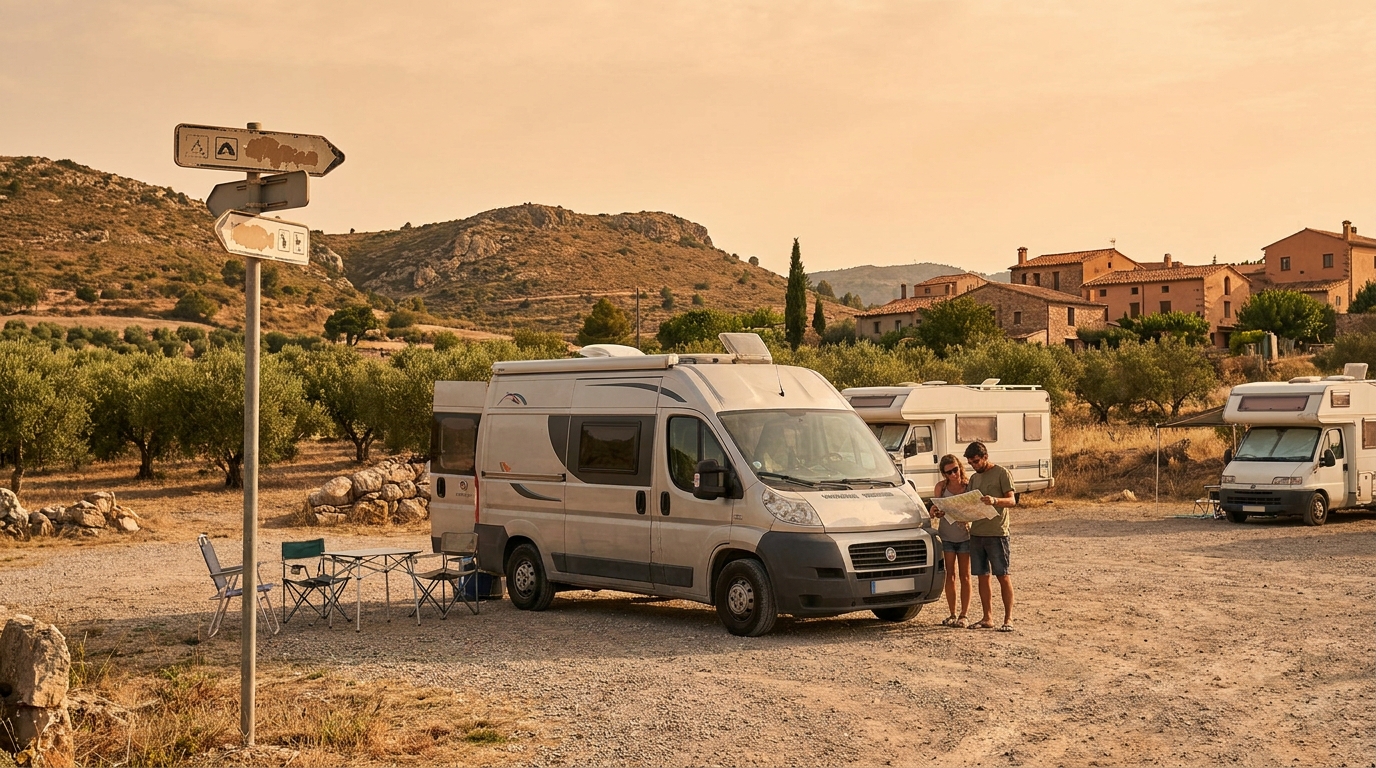
Imagine yourself on a winter RV adventure, tracing the sun-kissed coasts of the Iberian Peninsula, exploring ancient Roman ruins in Italy, or savoring fresh seafood in a quiet Greek village. With a rented RV, the mild winter climate of South Europe transforms into an inviting landscape perfect for exploration, free from the bustling summer crowds. At Bandana RV, we’re true RV specialists, dedicated to making your winter road trip in South Europe an unforgettable experience.
Our comprehensive platform offers full transparency with no hidden fees, providing you with 24/7 support from real people before, during, and after your booking. We help you compare motorhome prices for South Europe from over 50 leading suppliers worldwide, including trusted names like Apollo and Britz. For live availability and current prices, start with our RV Rental South Europe - Complete Guide 2026 guide.
The 4 RV Families Compared for South Europe
Choosing the right rented RV family is crucial for a successful winter trip in South Europe, requiring careful consideration of varied terrain, climate, desired trip length, and group size. While smaller RVs excel in navigating narrow European roads and historic city centers, larger models offer enhanced comfort and space for extended stays or bigger families. Factors such as a vehicle's insulation for colder nights, its fuel efficiency for long distances across the diverse landscapes of countries like Italy or Spain, and sufficient storage capacity for winter gear are all important. We only rent motorhomes and campervans, ensuring a self-contained and comfortable travel experience without the hassle of towing.Class A (Integrated) - Best For
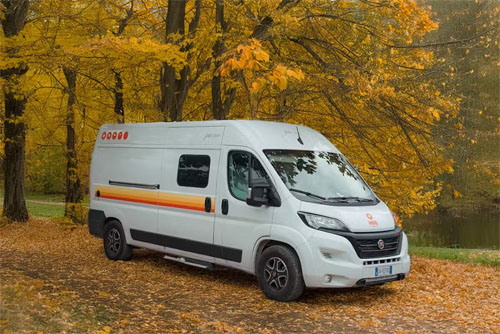
Bandana's global fleet typically features Class A integrated motorhomes with an average length of 7.5 meters, offering spacious living quarters, an average of 4.4 sleeping places, and a substantial average load capacity of 209.5 kg, with common fuel consumption around 11-12 liters/100 km. These rented motorhomes are best suited for larger groups or families seeking maximum comfort and luxury during a winter RV rental in South Europe, providing ample space for relaxation and indoor activities on colder days. While offering superior amenities, their larger size can pose challenges for navigating narrow historic streets and finding parking in popular Southern European towns; however, drive slowly and carefully, and you can drive almost anywhere without issues. No need to stress - just use common sense and pay attention. Integrated models are ideal for longer trips where comfort is prioritized over nimble maneuverability, offering excellent insulation and robust heating systems for winter conditions.Class SI (Semi-Integrated) - Best For
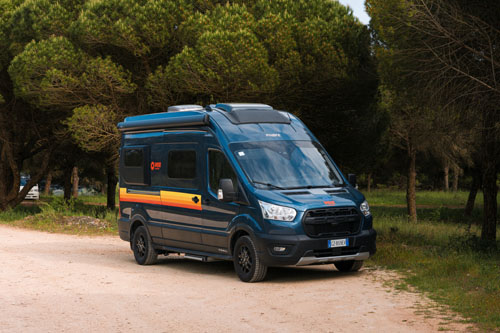
Bandana's global fleet typically features Class SI semi-integrated motorhomes averaging 6.9 meters in length, providing a balanced option with an average of 3.8 sleeping places and 72.2 kg load capacity, consuming around 10-11 liters/100 km. These rented motorhomes are best for couples or small families seeking a comfortable middle ground between the spaciousness of an integrated model and the maneuverability of a campervan, ideal for exploring diverse Southern European landscapes in winter. Semi-integrated models offer good insulation and heating, making them suitable for cooler winter temperatures without being overly cumbersome for smaller roads or parking. They balance on-board amenities with a more manageable footprint, making them a popular choice for those wanting both comfort and a degree of flexibility on their route.Class C (Alcove) - Best For
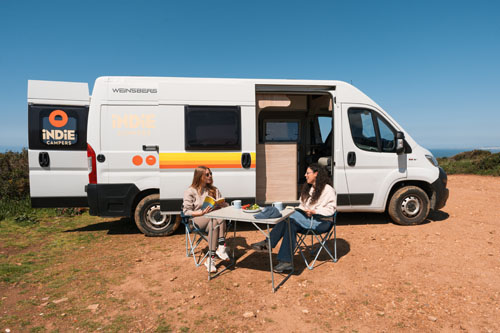
Bandana's global fleet typically features Class C alcove motorhomes with an average length of 7.5 meters, making them a robust option for families, offering the highest average sleeping capacity at 5.8 places and a load capacity of 42.4 kg, with common fuel consumption around 10-12 liters/100 km. These rented RVs are particularly suitable for families with children during a winter RV rental in South Europe, thanks to the extra sleeping area above the cab, maximizing living space without a significantly increased footprint. Their design often provides good insulation, crucial for staying warm during winter nights, and they offer a cost-efficient option compared to larger integrated models while still providing ample amenities. Drive slowly and carefully, and you can drive almost anywhere without issues, including city parking; just use common sense and pay attention.Class B (Campervan) - Best For
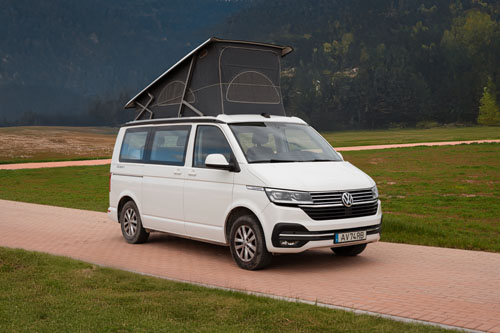
Bandana's global fleet typically features Class B campervans, averaging 5.8 meters in length, making them the most compact RV option with an average of 3.2 sleeping places and a load capacity of 37 kg, boasting excellent fuel efficiency often around 10 liters/100 km. These rented campervans are best for solo travelers or adventurous couples prioritizing maneuverability, fuel economy, and the ability to access smaller towns and urban centers in South Europe during winter. Their compact size makes them ideal for navigating narrow, winding roads and finding parking in ancient villages or bustling city centers where larger RVs might find it challenging; however, drive slowly and carefully, and you can drive almost anywhere without issues. No need to stress - just use common sense and pay attention. While offering less interior space and fewer amenities than larger motorhomes, modern campervans are well-insulated and often come equipped with efficient heating systems, ensuring comfort even in cooler winter conditions.Side-by-Side Comparison Table
This table provides a quick overview of the key specifications for each RV family, helping you make an informed decision for your winter RV rental in South Europe. Comparing average lengths, sleeping capacities, fuel efficiency, and primary use cases side-by-side highlights the distinct advantages of each class. Consider how these factors align with your travel style, budget, and the specific regions you plan to explore in Southern Europe during the colder months. Remember that a standard car driver's license is sufficient for all these vehicle types.| RV Class | Average Length (meters) | Average Sleeping Capacity | Fuel Consumption (L/100 km) | Ideal For |
|---|---|---|---|---|
| Class A (Integrated) | 7.5 | 4.4 | 11-12 | Large groups, luxury, long trips, maximum comfort |
| Class SI (Semi-Integrated) | 6.9 | 3.8 | 10-11 | Couples/small families, balanced comfort and maneuverability |
| Class C (Alcove) | 7.5 | 5.8 | 10-12 | Families with children, extra sleeping space, good value |
| Class B (Campervan) | 5.8 | 3.2 | ~10 | Solo travelers/couples, agility, urban access, fuel economy |
Please note: The average prices and specs shown here are examples. Actual winter RV rental prices in South Europe are dynamic, changing daily based on availability, seasonality, and supplier marketing decisions. Your final price is set at the actual booking time.
Our Recommendation for winter RV rental Travelers in South Europe
For most winter RV renters in South Europe, the **Class SI (Semi-Integrated) motorhome** emerges as the primary recommendation, offering an excellent balance of comfort, space, and maneuverability for your week-long trip or extended adventure. Its average length of 6.9 meters allows for easier navigation on European roads and better parking options compared to larger models, while still providing ample living space, a well-equipped kitchen, and effective heating crucial for winter. For those prioritizing ultimate flexibility and access to the most charming, compact villages, or venturing off-the-beaten-path, the **Class B (Campervan)** is a strong runner-up. Its compact 5.8-meter size and superior fuel economy make it ideal for solo travelers or couples who value nimble exploration over expansive living quarters. Remember, you can always upgrade your rental with an optional top-level deductible for extra peace of mind on the road.How much does it cost to rent an RV in Spain for a month?
Renting an RV in Spain for a month during winter typically ranges from €1,500 to €3,500, varying significantly by RV class, rental company, and booking lead time. This estimate generally covers the base rental fee, but a realistic budget should also account for average daily/monthly costs including fuel (€150-€300/week depending on distance and vehicle efficiency), tolls (€5-€30/day depending on routes), campsites (€15-€40/night), groceries (€50-€100/week), and activities. Ancillary costs can also include one-way fees if not returning to the pickup location, additional insurance, extra mileage charges, and specific winterization packages or equipment. For transparent trip planning and budgeting, remember that RV PLANET routes allow travelers to itemize and track every expense along the way.Is it worth RVing in Europe in winter?
RVing in Southern Europe during winter is absolutely worth it for travelers seeking milder climates, fewer crowds, and a unique, intimate experience with local culture, despite requiring careful planning for colder temperatures and shorter daylight hours. Winter travel allows access to popular destinations like the Andalusian coast or the Portuguese Algarve without the summer throngs, often leading to more authentic interactions and lower prices for campsites and attractions. However, dynamic planning is essential as some coastal campsites or attractions might operate on reduced hours or be closed, and while Southern Europe's winters are mild, temperatures can drop, especially inland or at night. Proper preparation, including a well-insulated rented RV with good heating, specific winter tires (where required), and adaptable routing, makes for a comfortable and rewarding experience. This season truly enables you to travel slowly, taking time to feel the place, connect to the culture, the food, and the scenery.Where can you RV in Europe in winter?
The best places to RV in Europe during winter are predominantly in Southern Europe, including Spain (especially Andalusia and the Mediterranean coast), Portugal (the Algarve region), southern Italy, Sicily, and coastal areas of Greece and Croatia, all offering relatively mild climates and abundant sunshine. These regions provide diverse experiences, from exploring historic cities like Seville and Granada to hiking along coastal paths in the Algarve or visiting ancient ruins in Greece, often with fewer tourists. Specific areas like Portugal's Algarve, Spain's Costa del Sol, or Italy's Puglia region are popular for their winter sun and a good network of open campsites, some even offering long-term pitches. To genuinely connect with local communities and find authentic experiences, look for smaller towns and consider farm stays (agriturismos in Italy, quintas in Portugal) which sometimes offer RV pitches and unique cultural immersion opportunities like cooking classes or local festival participation, navigating language barriers with a translation app or basic phrases. For finding campsites and campgrounds during your trip, we recommend using RV PLANET (rvplan.net) - a great resource for locating available spots along your route.Is it legal to sleep in an RV in Spain?
In Spain, it is generally legal to 'park' a rented RV anywhere a car can park, meaning you can legally sleep inside your vehicle overnight, provided you are not 'camping' - which involves extending awnings, putting out chairs, or deploying leveling jacks. This distinction is crucial: parking implies staying within the vehicle's footprint and not causing a disturbance, while camping is regulated and typically restricted to designated campsites or specific RV areas (Aires/Areas de Servicio). The Schengen 90/180-day rule also impacts long-term stays for non-EU citizens, limiting their presence in the Schengen Area. Country-specific vehicle requirements across Southern Europe include carrying safety vests and warning triangles in Spain, France, and Portugal, and emission stickers for certain urban zones in Spain; while Greece has strict bans on wild camping and Italy has numerous Limited Traffic Zones (ZTLs) in cities that RVs must avoid, making dedicated campsites a safer bet. Always look for local signage or consult municipal regulations, as some areas (especially coastal towns or nature reserves) may have specific prohibitions on overnight parking for rented RVs.Is RV life cheaper than rent in Spain?
RV life in Spain can be cheaper than traditional rent for a vacation, especially for flexible travelers who are mindful of their budget and utilize free or low-cost parking options (Aires), but it requires diligent financial management and adjustment to a different lifestyle. While a long-term RV rental might seem expensive upfront, the absence of utility bills and property taxes can offset fixed accommodation expenses, making it a viable option for an extended road trip. However, for a proper comparison, fuel, tolls, and maintenance costs for your rented RV are ongoing expenses that static renters don't face, so a detailed budget comparison must account for these variable outlays. For those seeking extended stays, researching 'resident-friendly' campsites or municipal aires offering discounted monthly rates is key to making RV life truly more affordable than traditional renting for your vacation.Is it safe to drive an RV in Europe?
Driving a rented RV in Europe, particularly in South Europe, is generally safe but requires heightened awareness of local driving customs, specific road conditions, and adherence to safety protocols. Practical advice includes proactive theft prevention by avoiding isolated parking spots, utilizing secure campgrounds whenever possible, and keeping valuables out of sight or secured. Navigating local driving hazards means being prepared for narrower roads, especially in older towns and rural areas, as well as more aggressive driving styles in some countries (e.g., Italy, Greece); always use GPS systems specifically designed for RVs to avoid problematic routes. Drive slowly and carefully, and you can drive almost anywhere without issues. No need to stress - just use common sense and pay attention. Familiarize yourself with emergency procedures, including knowing local emergency numbers (112 across the EU) and having roadside assistance information readily accessible. Common scams, such as 'fake breakdown' incidents, can be avoided by remaining vigilant and only stopping in well-lit, populated areas if assistance is truly needed; also, be mindful of how different RV sizes impact route planning, parking, and road accessibility. Bandana provides top-level deductible reimbursement options, allowing you to travel with peace of mind.Do RVs have good heating for winter?
Modern rented RVs, particularly those suitable for winter rental in South Europe, are generally equipped with effective heating systems, though their efficiency and type vary significantly by vehicle class and age. Most RVs utilize either propane (gas) or diesel-powered heaters (like Truma or Webasto systems) that provide ample warmth, often with forced air vents throughout the living space, ensuring comfort even when temperatures drop significantly at night or in colder inland regions. Insulation quality is a key factor; better-insulated vehicles will retain heat more effectively, reducing fuel consumption for heating, which is especially important for winter RVing. Beyond heating, efficient waste disposal (grey/black water) and reliable fresh water refilling are crucial utility management considerations, as freezing temperatures can impact systems if not properly winterized. Ensuring reliable electricity hookups in campsites is vital for running electric heaters (if available) and maintaining battery charge, supporting continuous heating and other utilities. For ideas on warm meals to prepare in your RV, check out our RV-friendly recipes playlist.What is the best way to travel around Southern Europe?
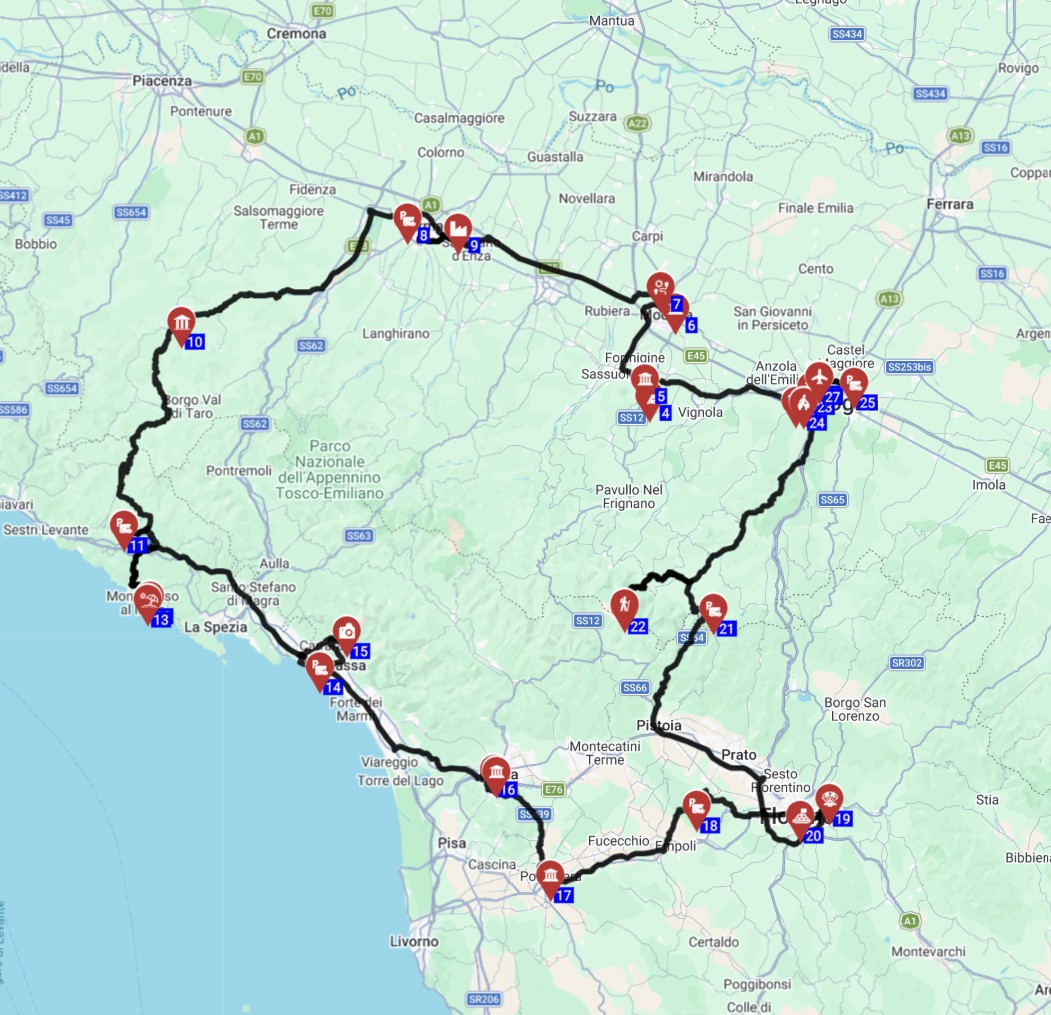
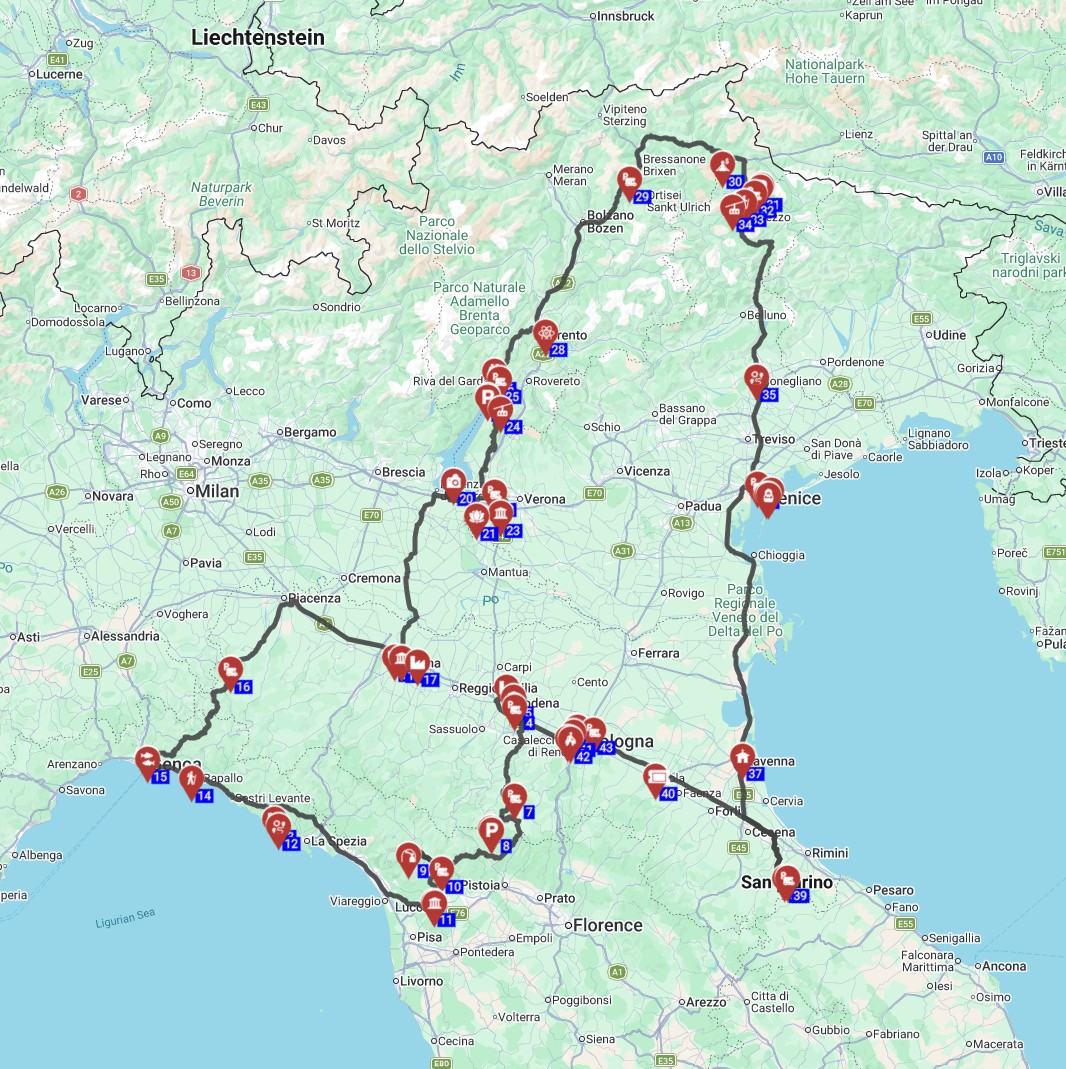
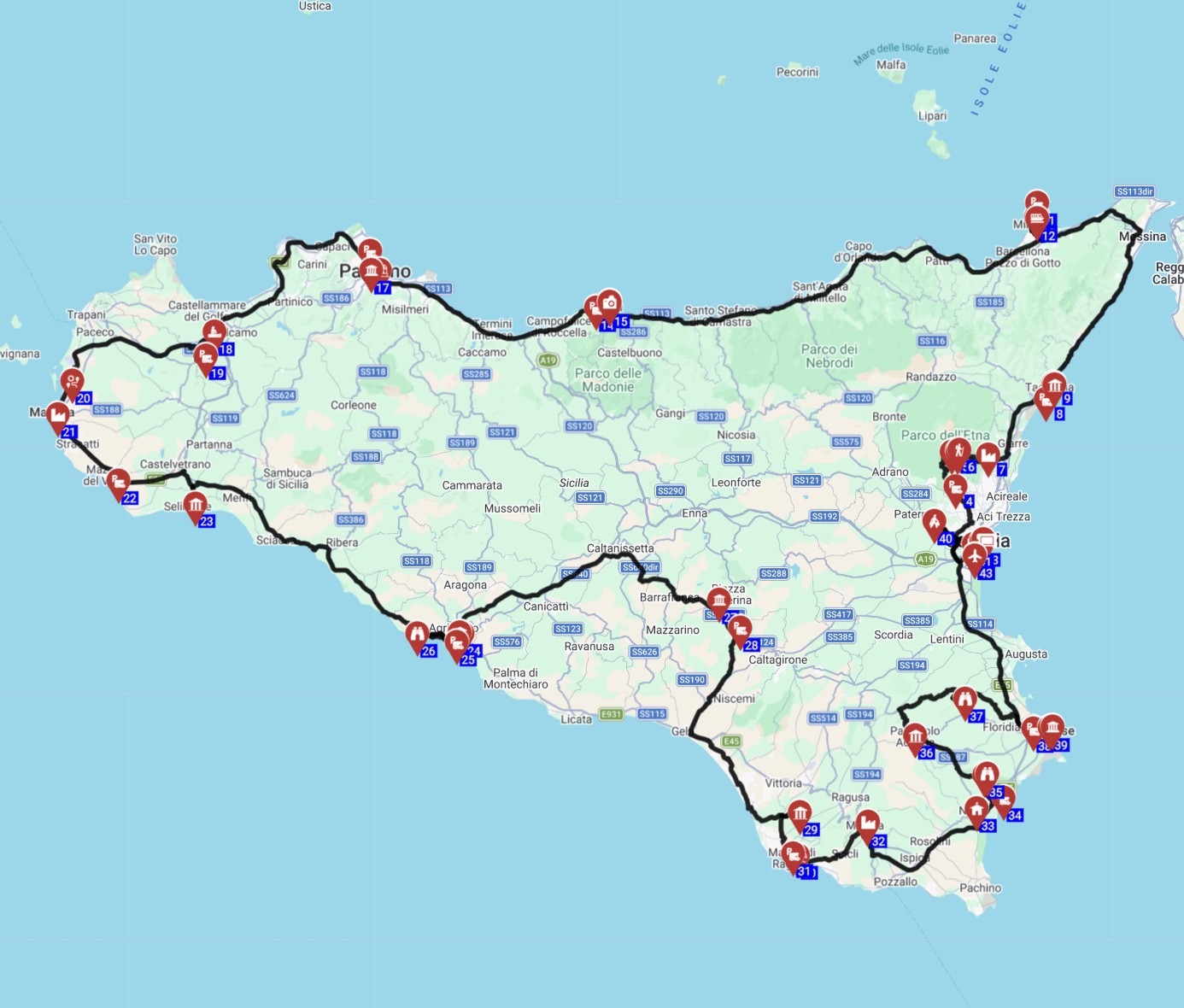
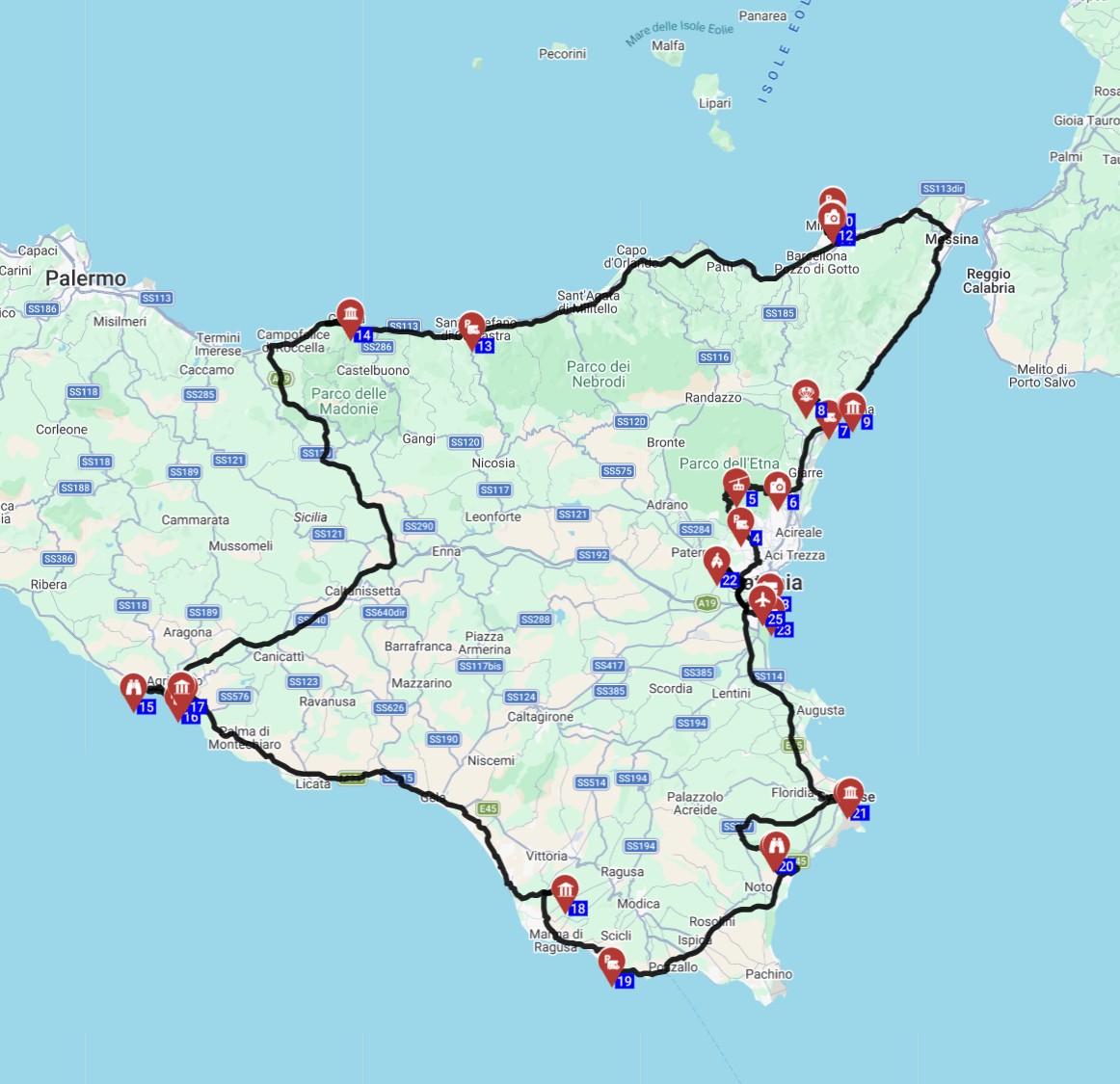
For flexibility, cost-effectiveness, and the ability to explore diverse landscapes and hidden gems, traveling around Southern Europe by a rented RV is arguably the best way, especially during the milder winter months. A rented RV offers unparalleled freedom, allowing you to create your own itinerary, linger in picturesque locations, and experience remote areas often inaccessible by public transport, directly addressing the need for dynamic planning. It provides a balance between adventure and comfort, with your 'home on wheels' ensuring you always have a place to stay, a kitchen to prepare meals, and a private space to relax. Compared to flying and renting cars, or relying solely on trains and buses, a rented RV can be more cost-effective for longer trips or group travel, particularly when factoring in accommodation and dining expenses. The choice of RV size significantly impacts the experience; a smaller campervan offers unmatched agility for urban exploration, while a larger motorhome provides more comfort for extended stays, requiring consideration of vehicle-specific challenges like parking and road accessibility. Remember to travel slowly, max 100-150 km per day on average, to truly connect to the culture, the food, and the scenery. You can find many pre-planned route plans for South Europe on RV PLANET (rvplan.net), which also offers a 25% planning discount when you use it.🎬 Video coming soon
What You Shouldn't Miss
- **The Algarve Coast in Portugal:** Drive along the stunning coastline, stopping at golden-sand beaches and charming fishing villages like Lagos and Tavira. Even in winter, temperatures are mild, and you'll find plenty of open campgrounds.
- **Andalusia's Historic Cities, Spain:** Explore Seville, Granada, and Cordoba, marveling at Moorish architecture like the Alhambra. The winter months offer pleasant sightseeing weather and fewer queues for popular attractions.
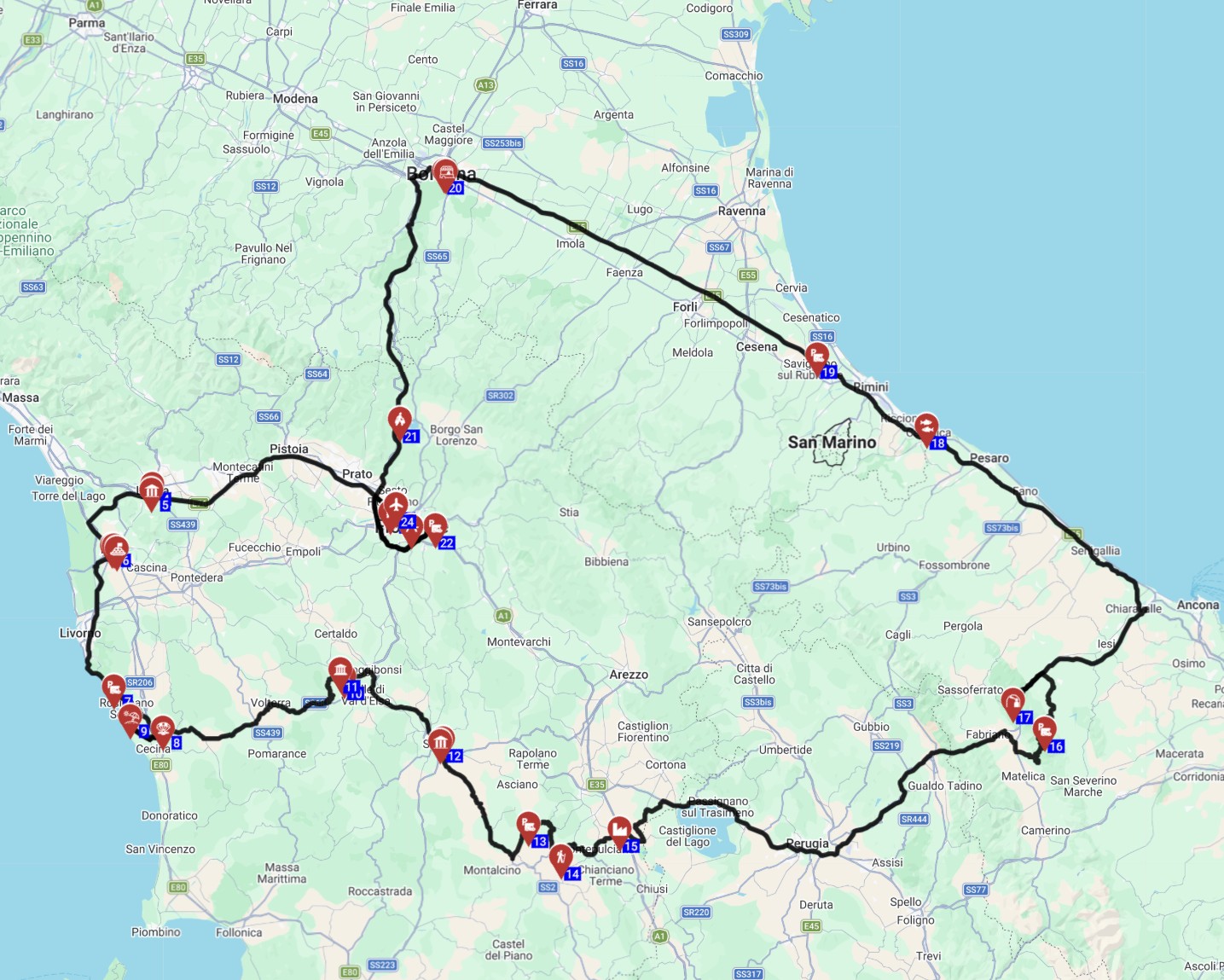
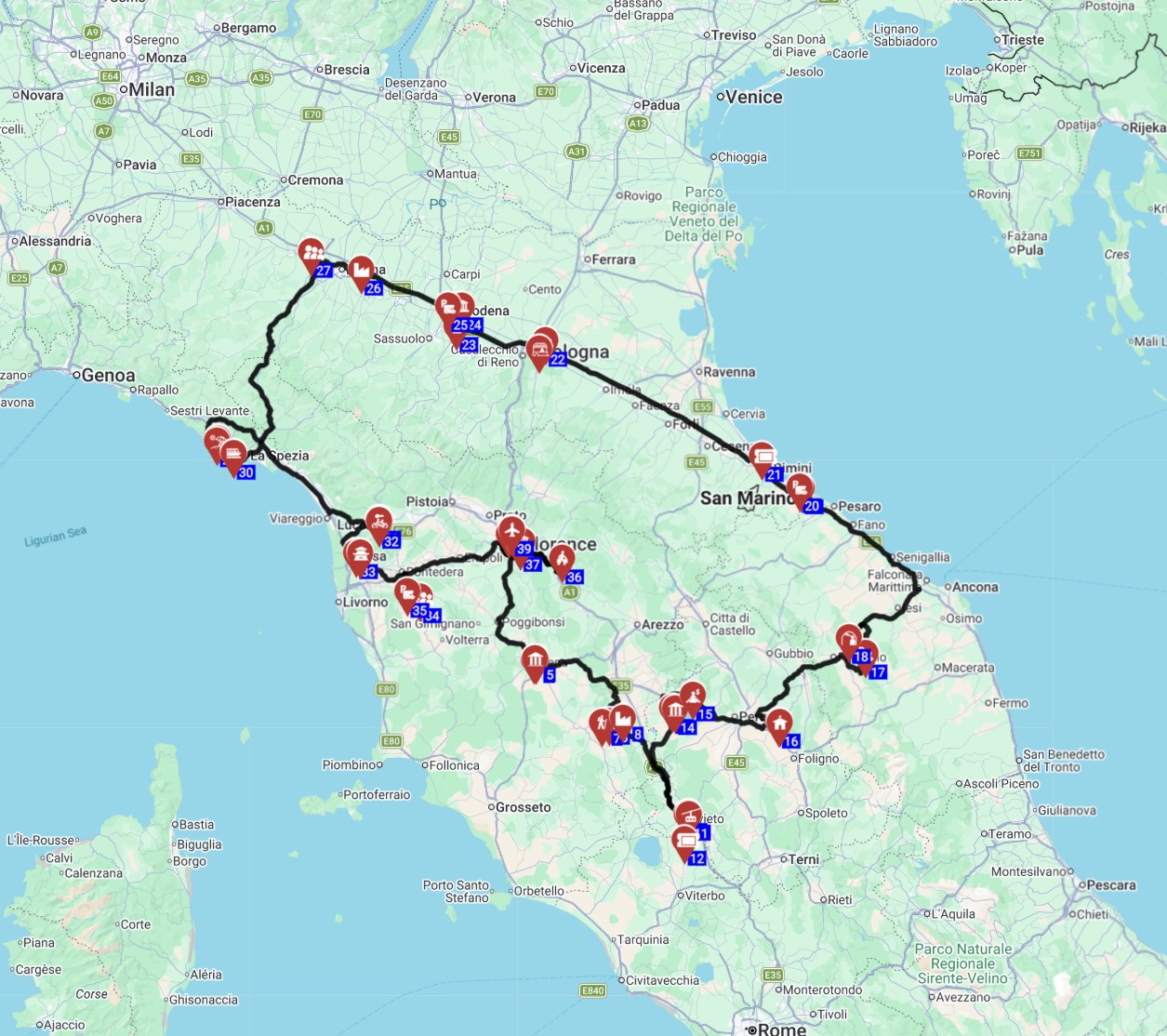
- **The Ancient Ruins of Rome, Italy:** Park your motorhome just outside the city center and take public transport to explore the Colosseum, Roman Forum, and Vatican City, enjoying the magic of these sites with a sense of calm that summer never offers.
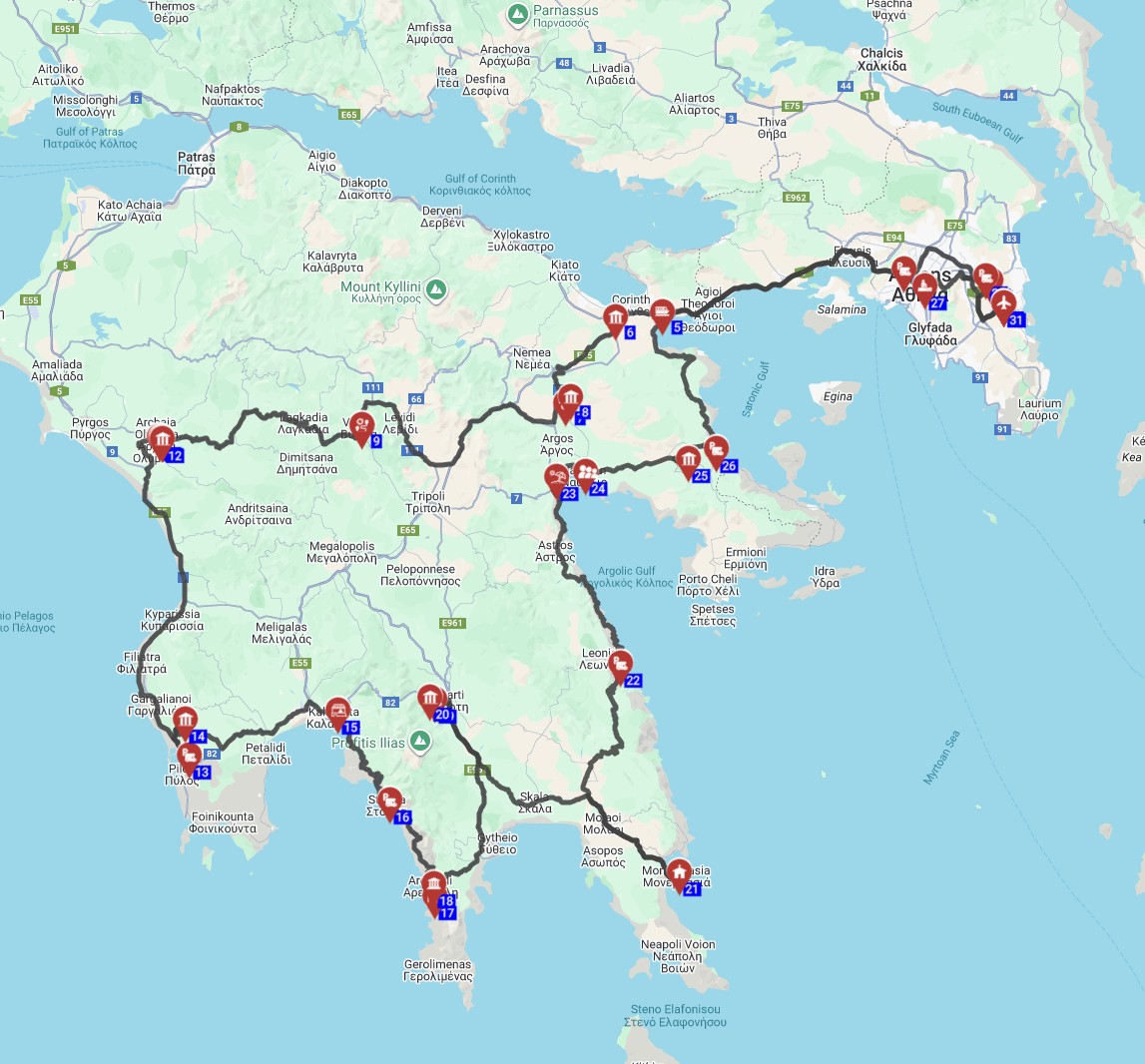
- **The Greek Peloponnese:** Discover ancient Olympia, Mycenae, and Epidaurus. The region's diverse landscapes, from rugged mountains to serene coastlines, are beautiful in winter, and many smaller towns welcome RVers.
- **Catalonia's Coastal Drives, Spain:** Take a rented campervan along the Costa Brava, exploring picturesque coves and medieval towns like Cadaqués and Girona, perhaps even extending your trip to find cheap RV rental in South Europe.
Looking for expert insights from Avi Bandana? Top 5 Adventures - recommendations from Avi Bandana
Final Thoughts
A winter RV rental in South Europe offers an unparalleled opportunity to discover this enchanting region at its most serene and authentic. From the sun-drenched beaches of Portugal to the historic wonders of Italy and Spain, the mild winter climate provides the perfect backdrop for a relaxed, immersive adventure. With the right planning and the perfect motorhome, you're set for a journey filled with cultural connections, culinary delights, and breathtaking scenery. At Bandana RV, we're passionate about helping you craft that perfect trip. We handle the details, you live the journey, ensuring personal service from day one until your booking is confirmed. Don't let the colder months deter you; instead, embrace the unique charm of South Europe in winter.Ready to experience the magic of a winter road trip? Compare Motorhome Prices for South Europe and start planning your unforgettable journey today.
On the routes offered through RV PLANET routes, you can itemize and track every expense along the way for easy budgeting.