In This Guide
- The 4 RV Families Compared for Scandinavia
- Class A (Integrated) - Best For
- Class SI (Semi-Integrated) - Best For
- Class C (Alcove) - Best For
- Class B (Campervan) - Best For
- Price Comparison by RV Class in Scandinavia
- Side-by-Side Comparison Table
- Our Recommendation for Winter RV Rental Travelers in Scandinavia
- Can I rent an RV in Scandinavia in winter?
- How cold does it get in Scandinavia in winter?
- Do you need winter tyres in Norway?
- What are the RV rules in Norway?
- What are the rules for wild camping in Sweden?
- Is it safe to wild camp in Norway?
- Can I drive an RV in Norway?
- Top RV Rental Cities in Scandinavia
Imagine yourself surrounded by snow-covered forests, perhaps with the Northern Lights dancing overhead, all from the comfort and warmth of your rented motorhome. Winter RV travel in Scandinavia offers an unparalleled adventure, allowing you to chase the aurora, hit the ski slopes, or simply cozy up in a festive village. While the thought of cold-weather RVing might seem daunting, with the right vehicle and preparation, it's an incredibly rewarding experience. For live availability and current prices, start with our RV Rental Scandinavia - Complete Guide 2026 guide.
At Bandana Caravan, we are true RV specialists, dedicated to making your Scandinavian winter adventure seamless and unforgettable. We understand the unique challenges and joys of exploring this stunning region in the colder months, which is why we partner with over 50 leading RV suppliers worldwide, ensuring you find the perfect winter-ready camper or motorhome. We offer full transparency with no hidden fees, providing you with confidence and peace of mind from your first click to the moment you return your rental.
The 4 RV Families Compared for Scandinavia
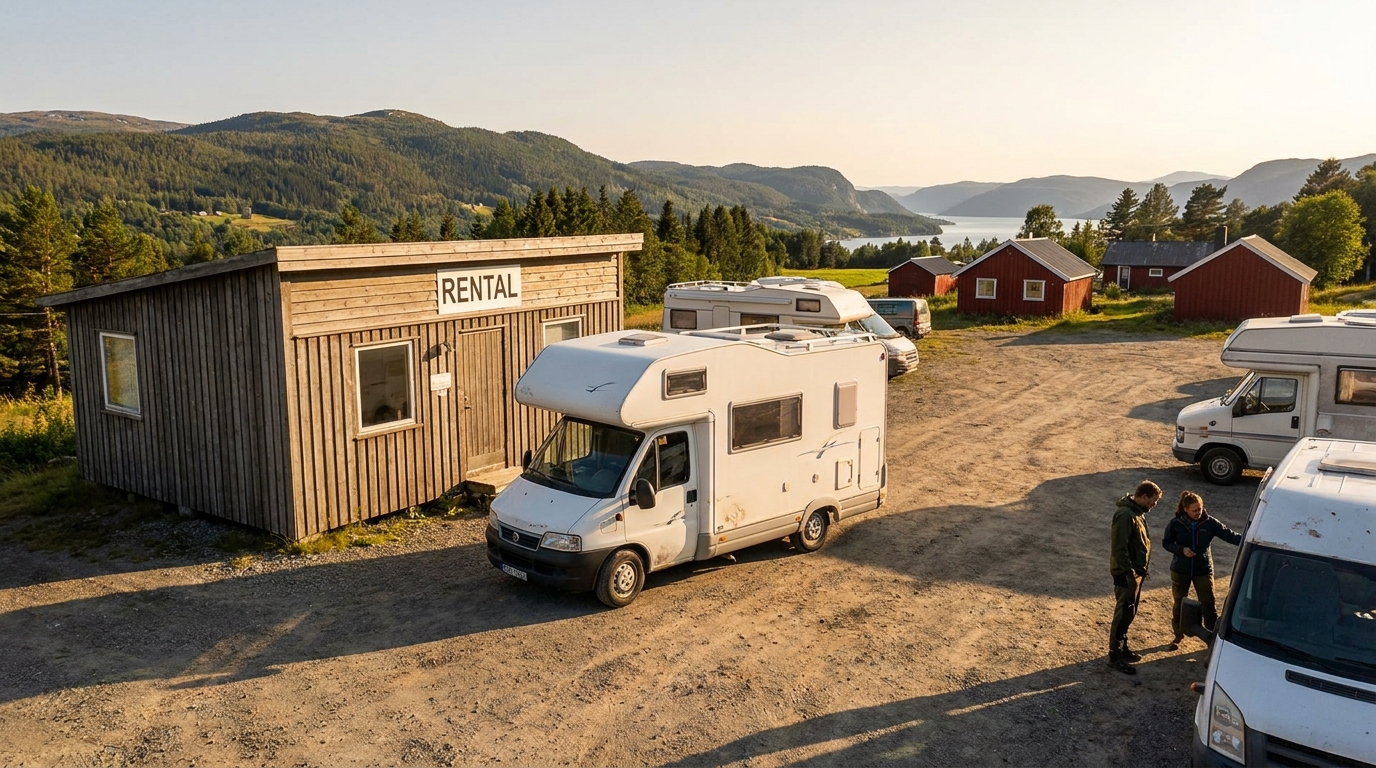
The choice of RV family is crucial for navigating Scandinavia's diverse winter terrain and climate, impacting comfort, maneuverability, and overall trip enjoyment. When selecting your ideal rented RV, consider your group size, the length of your trip, desired fuel efficiency, and the level of comfort required in potentially extreme cold weather conditions. Smaller, more agile campervans or compact motorhomes often excel on Scandinavia's narrower, snow-laden roads, while larger Class A or Class C motorhomes provide greater interior space and amenities for extended stays.
🎬 Video coming soon
Class A (Integrated) - Best For
Class A integrated motorhomes, averaging 7.5m in length and sleeping around 4-6 people, offer the most spacious and luxurious winter RV experience in Scandinavia. These larger vehicles provide superior insulation, expansive living areas, and high-end amenities, making them ideal for longer trips and larger families (typically accommodating 4 adults comfortably). A Class A motorhome, such as the "brent rv example E3" or a similar luxury model, comes with a substantial average load capacity of around 209.5kg, perfect for ample winter gear like skis, snowboards, and warm clothing. Fuel consumption for Bandana's Class A fleet typically ranges from 11-12 liters per 100 km, reflecting their size and comfort. These are best suited for travelers prioritizing ultimate comfort and space, who are comfortable navigating larger vehicles on Scandinavian roads.Class SI (Semi-Integrated) - Best For
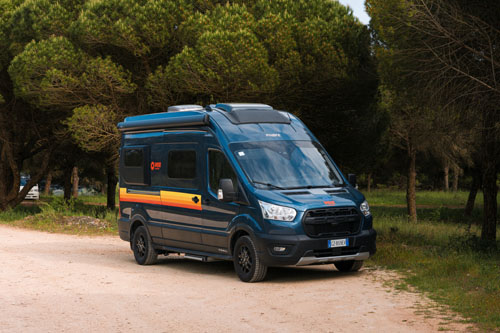
Class SI semi-integrated motorhomes represent a balanced choice for winter RV travel in Scandinavia, offering a good compromise between space, comfort, and maneuverability, typically averaging 6.9m in length. These motorhomes usually sleep around 3-4 people (often 3 adults) and are ideal for couples or small families seeking comfortable living spaces with easier handling on varied Scandinavian roads compared to larger Class A models. Bandana's fleet typically sees common fuel consumption around 10-11 liters per 100 km, offering better fuel efficiency than Class A. With an average load capacity of approximately 72.2kg, there's sufficient room for typical winter clothing and smaller sports equipment. An example would be the "2 Berth Rover" or "2 Berth Tamar" from our partners, which are winter-ready options.Class C (Alcove) - Best For
Class C alcove motorhomes are exceptionally well-suited for families exploring Scandinavia in winter, providing an average of 5-6 sleeping places (typically 4 adults) thanks to the characteristic over-cab bed. Averaging 7.5m in length, these vehicles offer ample living space and robust construction, often making them a cost-efficient option for larger groups. While they might be slightly less aerodynamic, their solid design handles Scandinavian road conditions well, and Bandana's fleet typically consumes 10-12 liters per 100 km. With an average load capacity of about 42.4kg, there's enough space for family winter gear. The "24' Class C Motorhome" and "4 Berth Deluxe" are popular choices in this category, offering comfort and practicality for your frosty adventures.Class B (Campervan) - Best For
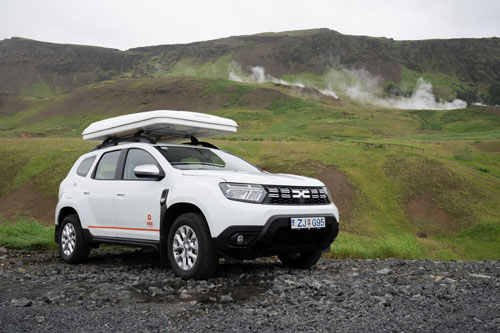
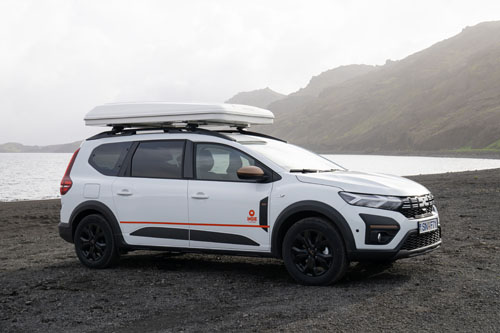
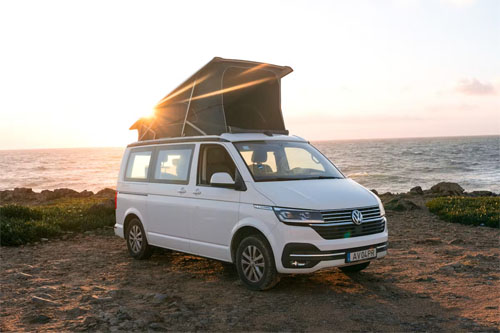
Class B campervans are the top choice for agile winter exploration in Scandinavia, praised for their maneuverability, compact size (averaging 5.8m), and excellent fuel economy. Ideal for solo travelers, couples, or small groups (averaging 2-3 sleeping places, typically 2 adults), they navigate narrow mountain roads and city centers with exceptional ease, offering greater flexibility for spontaneous stops. Bandana's fleet typically achieves 8-10 liters per 100 km in fuel consumption, making them very economical. Though smaller in interior space and load capacity (averaging 37kg), their discrete size is beneficial for wild camping where permitted, blending in more seamlessly than larger motorhomes. The "2 Berth Hi Top" or "Active Standard" models are great examples of winter-ready campervans.Side-by-Side Comparison Table
This comparison table provides a quick overview of the key specifications for each primary RV family available for winter rental in Scandinavia, aiding in your decision. Consider average length for maneuverability on Scandinavian roads, sleeping capacity for your group size, and fuel efficiency as a significant factor in overall travel costs. The 'Best Use Case' column highlights scenarios where each RV class truly shines, helping align your travel style with the most suitable vehicle for your Nordic adventure.| RV Class | Average Length | Sleeping Capacity (Adults) | Fuel Economy (L/100 km) | Load Capacity (kg) | Best Use Case |
|---|---|---|---|---|---|
| Class A (Integrated) | 7.5m | 4-6 | 11-12 | 209.5 | Luxury, large groups, long trips, maximum comfort |
| Class SI (Semi-Integrated) | 6.9m | 3-4 | 10-11 | 72.2 | Couples/small families, balanced comfort & maneuverability |
| Class C (Alcove) | 7.5m | 4-6 | 10-12 | 42.4 | Families, cost-efficient for larger groups, robust |
| Class B (Campervan) | 5.8m | 2-3 | 8-10 | 37 | Solo/couples, agile, fuel-efficient, city-friendly, discreet wild camping |
Do you need winter tyres in Norway?
Yes, in Norway, it is legally mandatory to have appropriate winter tires fitted to your RV between November 1st and April 15th (or May 1st in certain northern regions like Tromsø), and outside these periods if winter conditions occur. These tires can be studded or non-studded (friction tires), but they must be marked with the 3PMSF symbol (3-Peak Mountain Snowflake) to indicate they are suitable for severe snow conditions, directly addressing a critical vehicle-specific practicalities gap. Ensure your rental RV is equipped with these specific tires for safe driving on snow and ice, as well as carrying snow chains for extreme conditions, especially on mountain passes like those found on the RV PLANET routes. Ignoring winter tire regulations can lead to fines and, more importantly, compromise safety on unpredictable Scandinavian winter roads, increasing the risk of accidents on icy surfaces.What are the RV rules in Norway?
RV rules in Norway largely align with standard European road regulations but include specific provisions for winter driving, tolls, and wild camping, which are crucial for navigating unique infrastructure. Key rules include mandatory use of winter tires (as mentioned, with 3PMSF marking), respecting speed limits (generally lower for RVs, for example, 80 km/h on open roads unless otherwise marked), and carrying essential safety equipment like high-visibility vests and warning triangles inside your rented motorhome. Toll roads are common, especially around major cities and on specific routes; Norway's AutoPASS system often requires online registration for seamless payment, addressing a navigation infrastructure gap. Waste disposal must occur at designated facilities, easily found at campsites or specific emptying stations ('tømmeanlegg'), emphasizing respectful and sustainable travel. Drive slowly and carefully, and you can drive almost anywhere without issues. No need to stress - just use common sense and pay attention.What are the rules for wild camping in Sweden?
Wild camping in Sweden is largely governed by 'Allemansrätten' (the Right to Roam), a unique public right allowing individuals to access and enjoy nature freely, provided they 'don't disturb, don't destroy'. For rented RVs, Allemansrätten typically permits overnight parking for one night in a suitable spot that is not private land, cultivated ground, or too close to residential areas, as long as you are not causing disturbance or damage. However, specific local regulations may restrict RV parking in certain areas, particularly near residential zones, national parks (like Abisko National Park), or designated conservation sites, with variations between Sweden, Norway, and Finland. A deep dive into Allemansrätten reveals key responsibilities: leave no trace, respect wildlife, ensure privacy for landowners, and avoid open fires during dry periods, making it distinct from unregulated wild camping in other regions, especially critical during the winter months.Is it safe to wild camp in Norway?
Wild camping in Norway is generally safe, especially when adhering to Allemansrätten principles and prioritizing preparedness for unique Scandinavian conditions, but demands awareness of environmental factors and local regulations. Safety involves choosing a legal and suitable spot (not private or cultivated land, away from homes), leaving no trace of your stay, and being prepared for rapid weather changes and wildlife encounters (e.g., moose, reindeer are common, with road signs warning of their presence). For winter, additional safety measures are crucial: ensure your rented motorhome has sufficient heating and fuel, a fully charged phone with emergency numbers (112), and an understanding of emergency procedures in remote areas where cell service might be limited. While Allemansrätten allows for freedom, dedicated campsites offer amenities, security, and a reliable power supply for staying warm, often a safer and more convenient choice during the harsh Norwegian winter, with over 150 campsites open year-round in popular areas.Can I drive an RV in Norway?
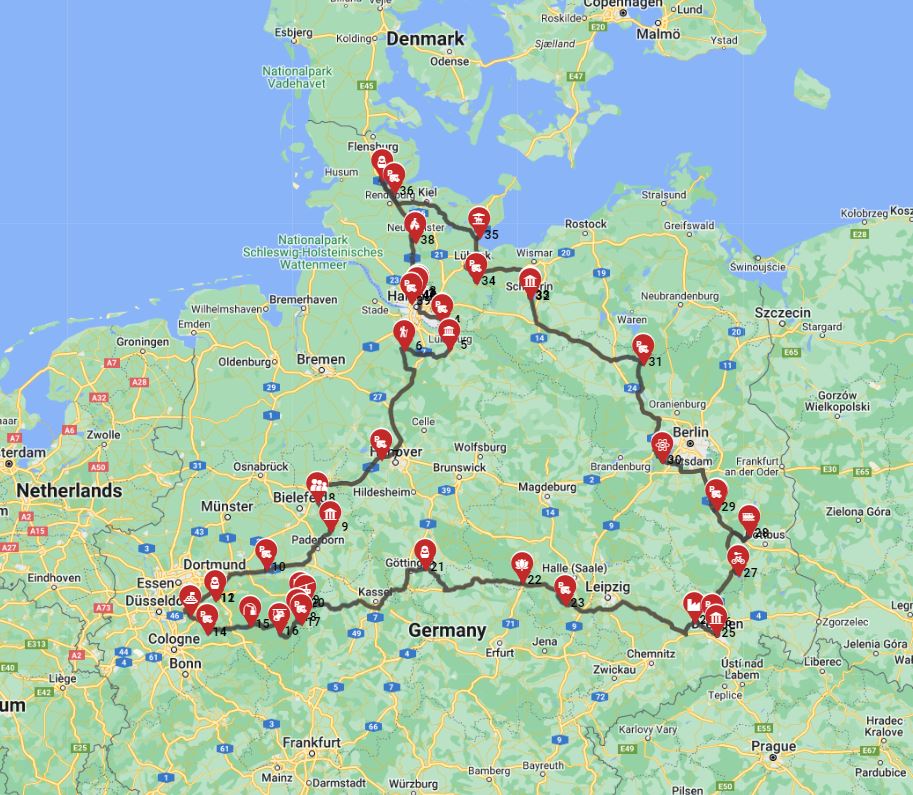
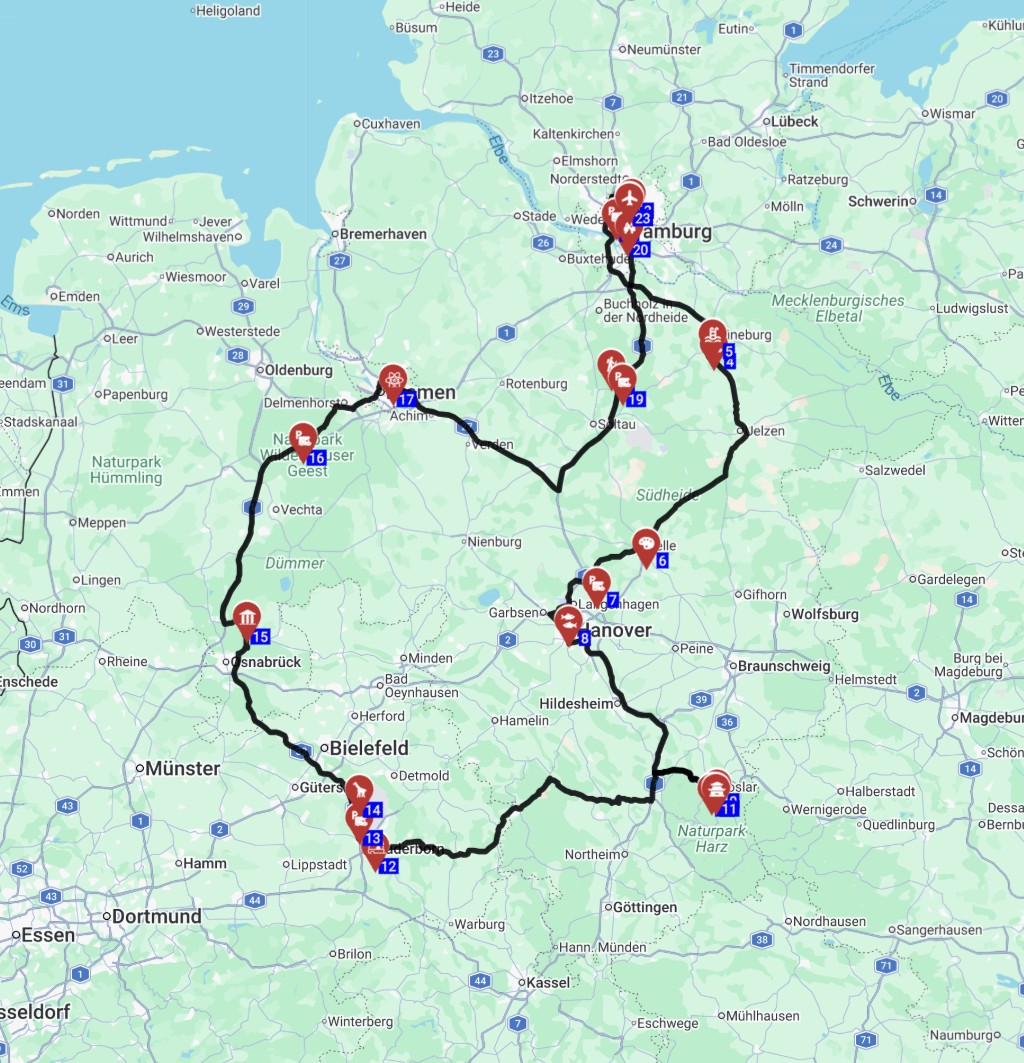
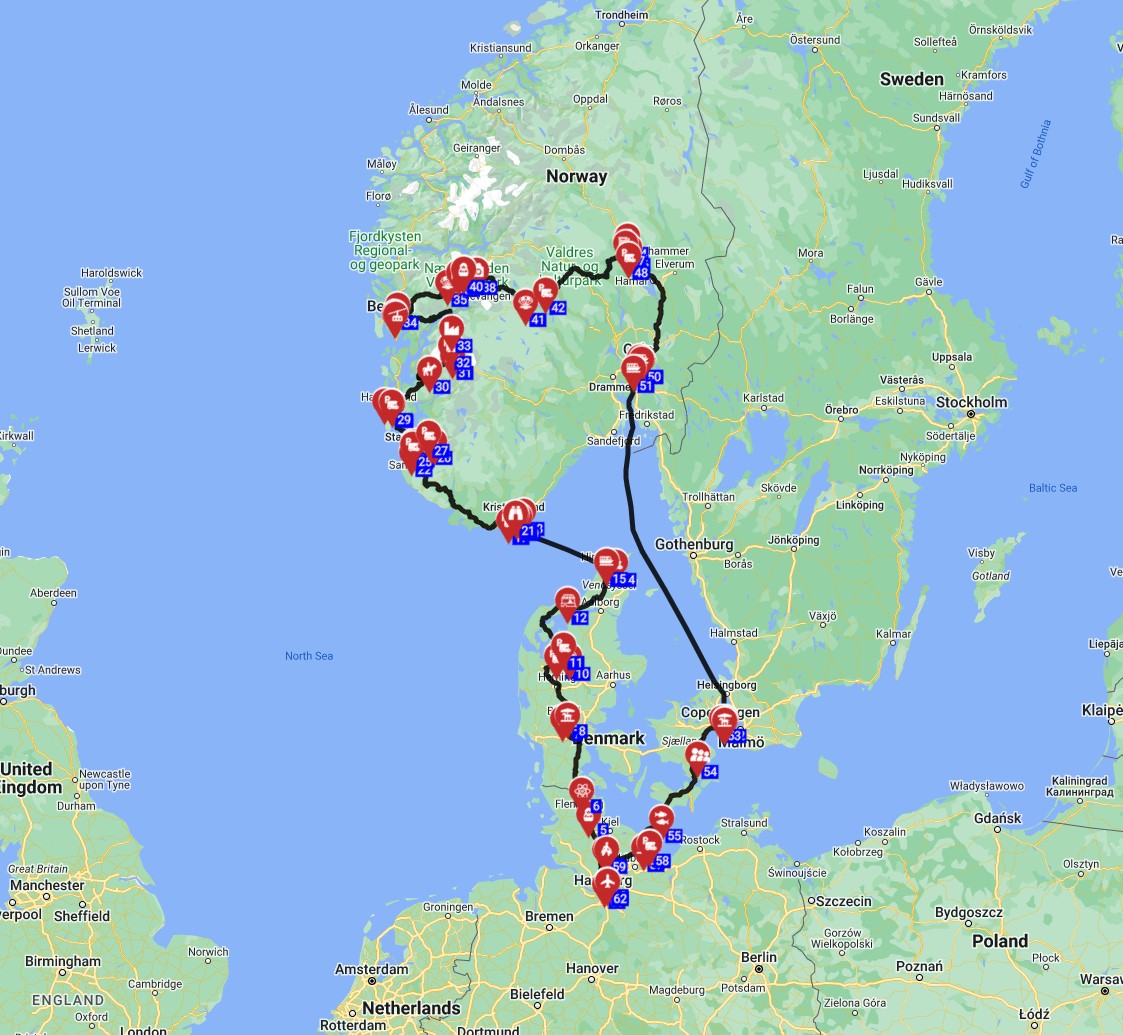
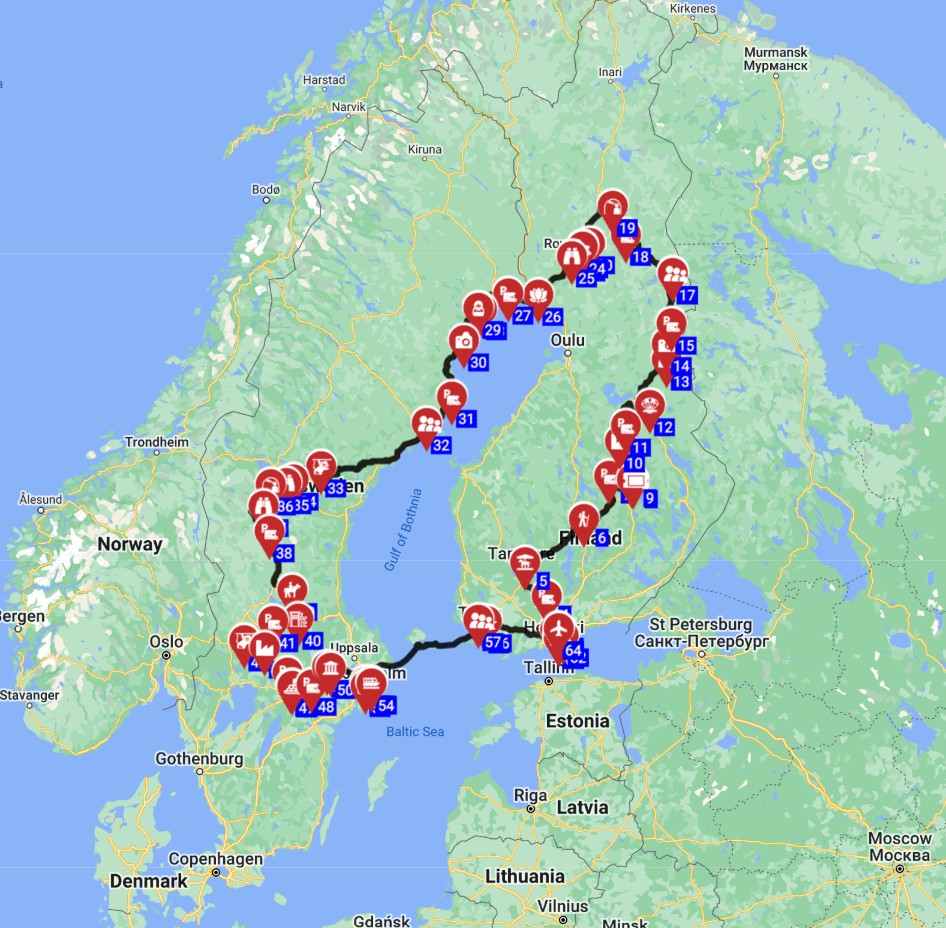
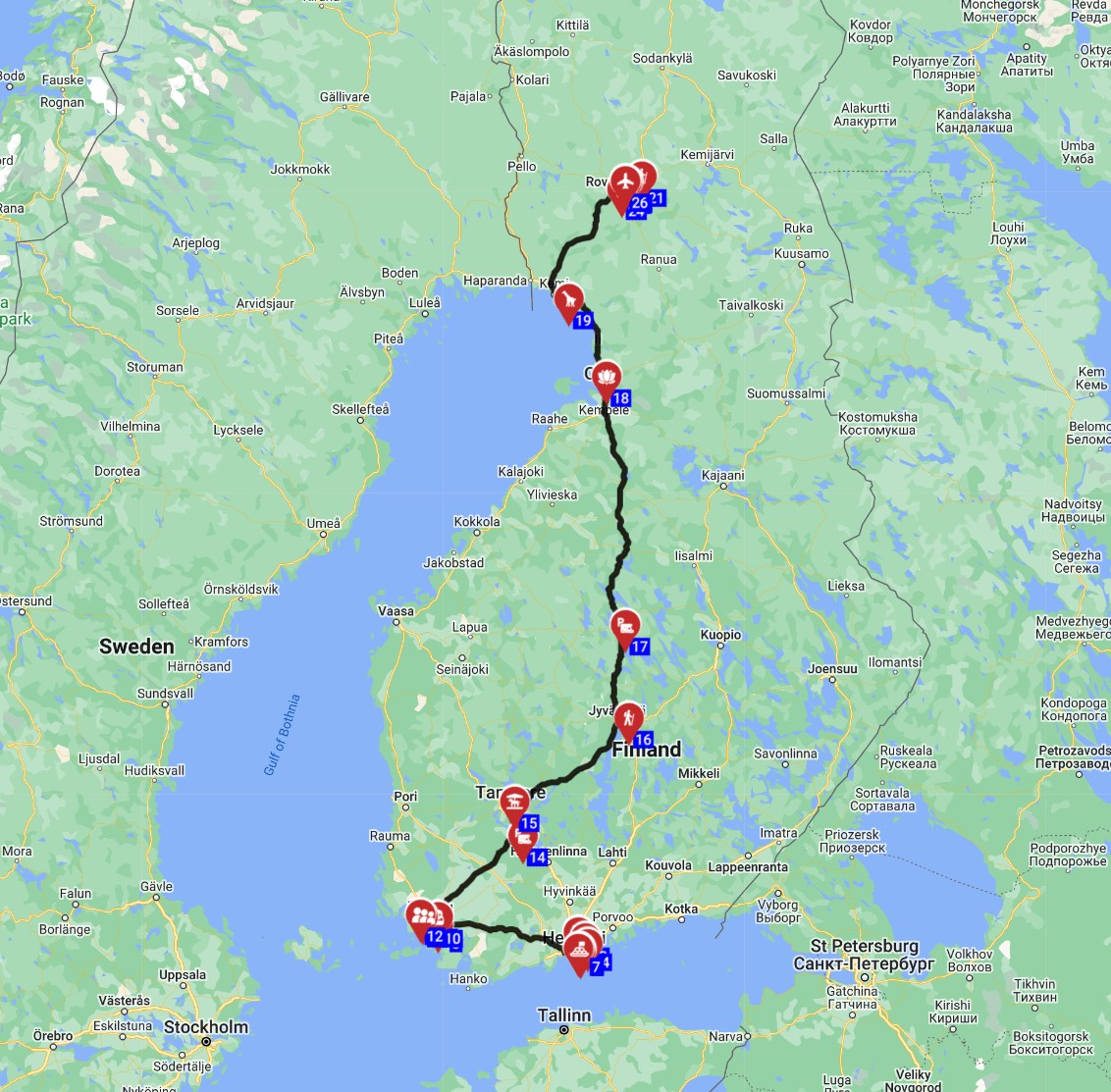
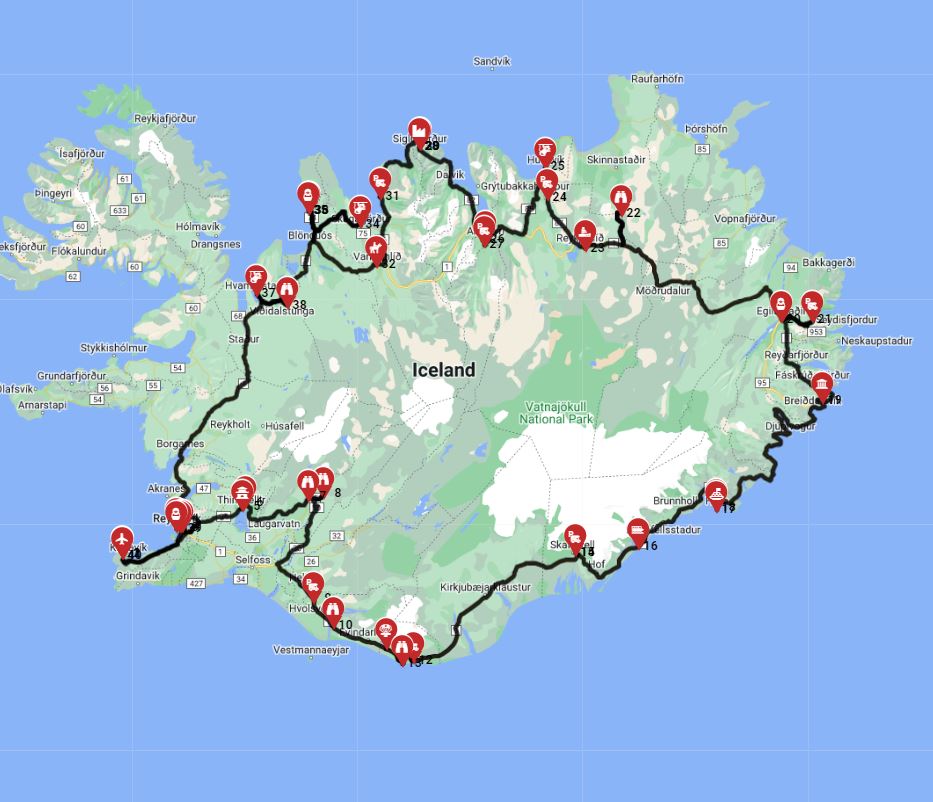
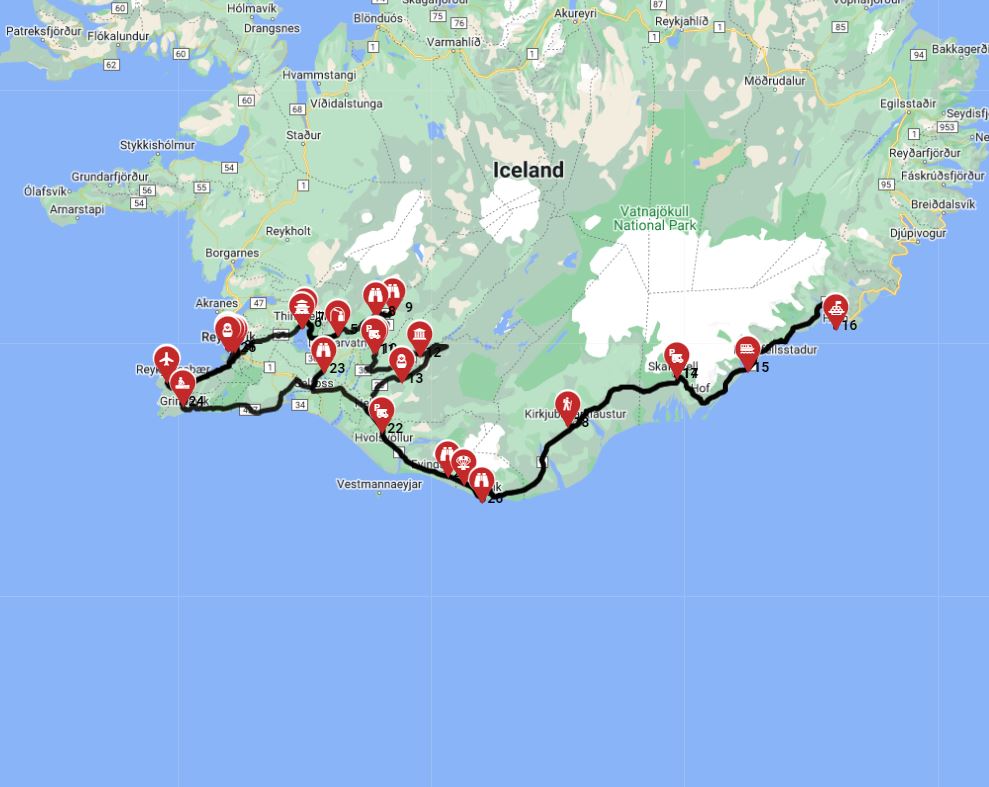
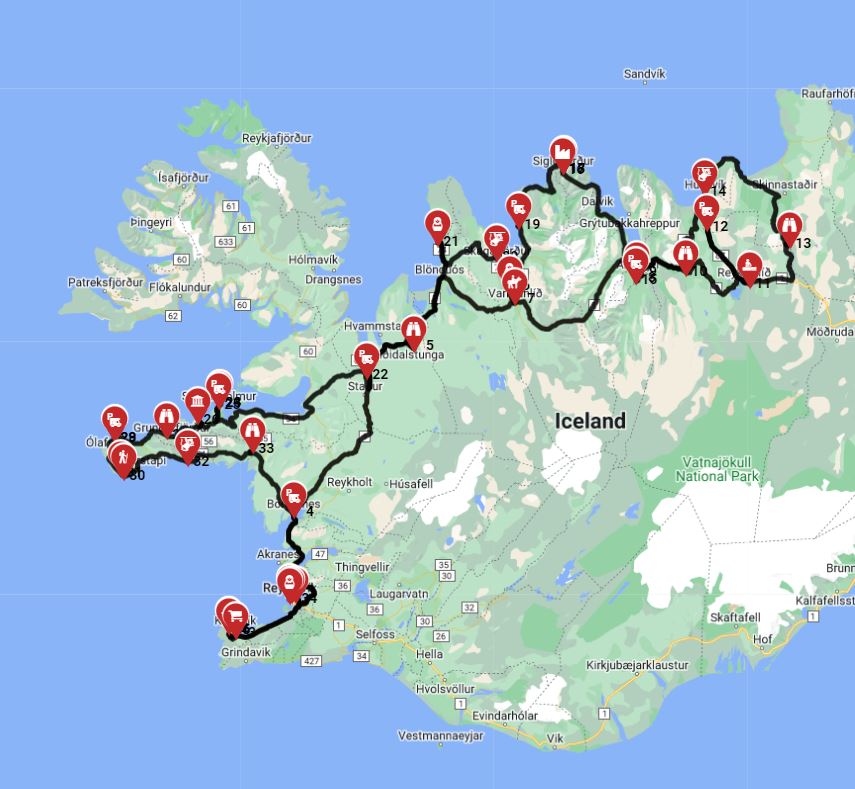
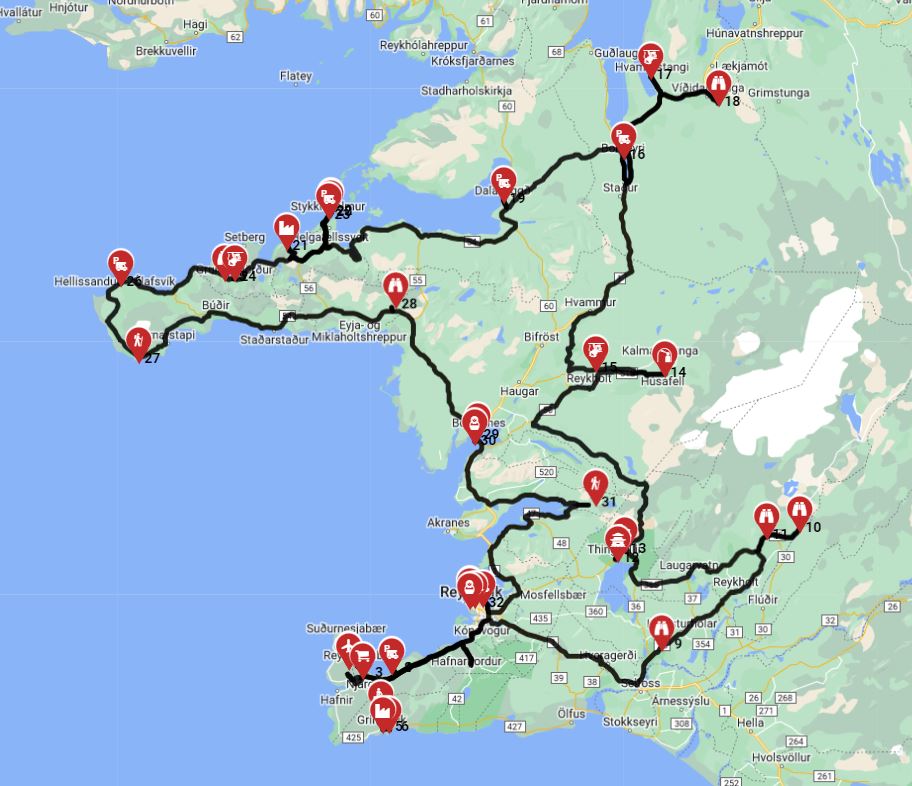
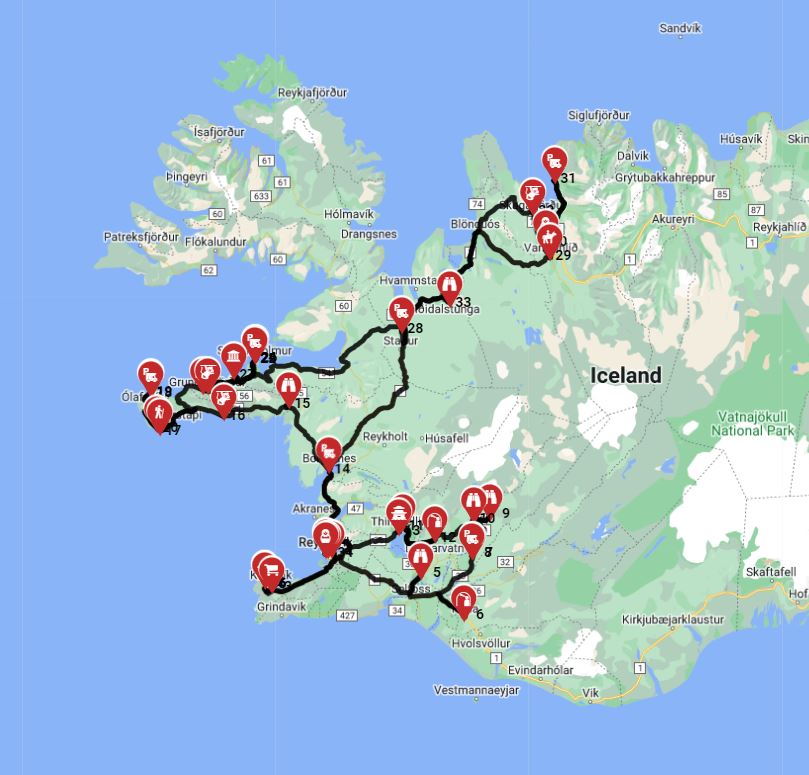
Yes, driving a rented RV in Norway is permitted, offering an incredible way to explore its stunning landscapes, though it requires preparedness for unique infrastructure and challenging winter driving conditions. Norway's extensive ferry network is a common feature, with routes like the iconic E39 across the fjords; drivers need to understand booking, payment (often cashless via the AutoPASS system), and frequency, particularly when planning routes along the fjords. Expect narrow mountain roads, long tunnels (like the 24.5 km Lærdal Tunnel), and occasional gravel sections, especially in rural or scenic areas, which can be particularly challenging in winter, making vehicle size (e.g., Class B campervan vs. Class A motorhome) a crucial consideration for maneuverability. Ensuring your RV is properly equipped with winter tires and you are confident in cold-weather driving techniques is essential for a safe and enjoyable journey on Norwegian roads, addressing a key safety and navigation gap. Remember, a standard car driver's license is sufficient for all motorhome classes, so you don't need special permits for your winter RV rental in Scandinavia. This "Lulea Round trip - Timeless Scandinavia: Fjords, Forests, and History" route is a fantastic 15-day adventure covering 2910.7 kilometers, including 2 wildlife shows, 1 bike rental, 1 canoe/kayak experience, 1 cave, 2 cruise terminals, 1 extreme activity, 1 family activity, 2 hiking areas, 1 historical site, 1 horseback riding, 1 local industry visit, 3 museums, 1 natural feature, 1 point of interest, 1 science site, 1 traditional restaurant, 2 traditional visits, and a zoo, offering a rich tapestry of experiences accessible by RV. Remember to travel slowly, max 100-150 km per day on average. Take time to feel the place, connect to the culture, the food, and the scenery.What You Shouldn't Miss
- **Chase the Northern Lights:** Head above the Arctic Circle to places like Tromsø, Norway, or Abisko, Sweden. A rented RV provides the flexibility to move to clear skies, offering an unparalleled aurora hunting experience.
- **Explore the Norwegian Fjords in Winter:** Witness the dramatic beauty of snow-capped mountains plunging into icy waters. Drive slowly and carefully, and take ferries to cross the fjords, ensuring you check schedules beforehand.
- **Experience Sami Culture in Lapland:** Visit an indigenous Sami village in northern Sweden or Finland to learn about reindeer herding, enjoy a traditional meal, and maybe even try a husky sledding adventure.
- **Skiing and Snowboarding:** Park your motorhome near world-class ski resorts like Hemsedal in Norway or Åre in Sweden, offering excellent slopes and cozy RV park facilities.
- **Ice Fishing in Finland:** Find a frozen lake, drill a hole, and experience the tranquil pastime of ice fishing, a quintessential Finnish winter activity perfect for a rented campervan.
Looking for expert insights from Avi Bandana? Top 5 Adventures - recommendations from Avi Bandana
Final Thoughts
Embracing a winter RV rental in Scandinavia is an adventure like no other, offering unparalleled freedom to explore snow-draped landscapes, chase the Northern Lights, and immerse yourself in unique Nordic culture. While it requires thoughtful planning and a winter-ready motorhome, the rewards are truly spectacular. Whether you opt for the agility of a campervan or the spacious comfort of a larger motorhome, you'll create memories that last a lifetime. At Bandana Caravan, we are here to support your journey from start to finish. We handle the details, so you can live the journey, providing personal service and full transparency every step of the way. Compare winter RV rentals in Scandinavia today and prepare for an unforgettable cold-weather escapade. Discover top destinations, planning tips, all in one place!Plan a trip itinerary in advance with minimal effort and maximum enjoyment by exploring our RV PLANET routes.
For ideas you can prep on the road, watch our RV-friendly recipes playlist on YouTube.
On the routes offered through RV PLANET routes, you can itemize and track every expense along the way for easy budgeting.