In This Guide
- The 5 RV Families Compared for Namibia
- Class A (Integrated) - Best For
- Price Comparison by RV Class in Namibia
- Class SI (Semi-Integrated) - Best For
- Class C (Alcove) - Best For
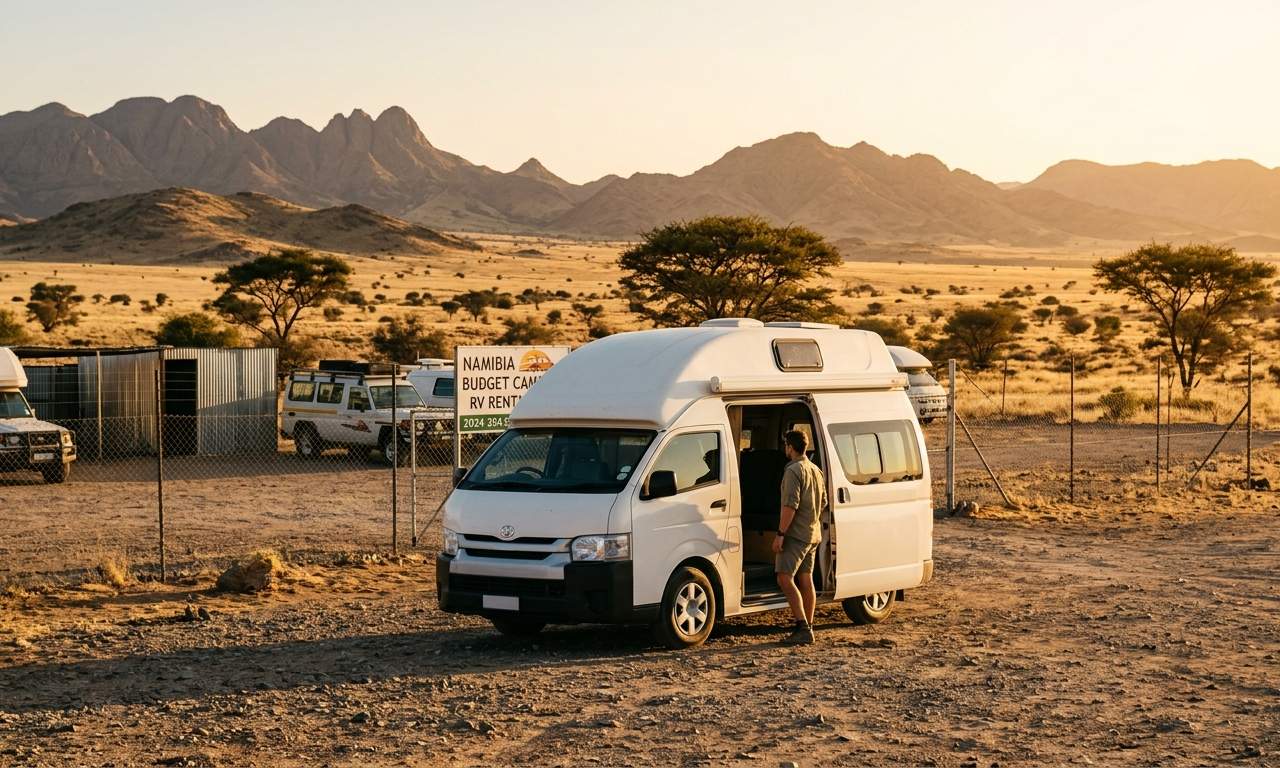
- Class B (Campervan) - Best For
- Class TC (Truck Camper) - Best For
- Side-by-Side Comparison Table
- Our Recommendation for winter rv rental Travelers in Namibia
- What is the Budget Breakdown and Hidden Costs for an RV Trip in Namibia?
- What Essential RV Upgrades Are Needed for Namibia's Terrain?
- How to Ensure Self-Sufficiency in Remote Namibian RV Travel?
- What are the Driving Conditions and Techniques for RVs in Namibia?
- What Safety Protocols and Emergency Preparedness are Essential for Remote RV Travel in Namibia?
- What Health and Medical Preparations are Needed for an RV Trip to Namibia?
- What Permits and Regulations Apply to RV Camping in Namibian National Parks?
- What Lesser-Known Routes and Off-Road Destinations Can RVs Explore in Namibia?
- What are the Ethical Tourism Guidelines for RV Travelers in Namibia?
- Are There Specific Tips and Safety Concerns for Solo RV Travelers in Namibia?
Imagine yourself traversing the vast, awe-inspiring landscapes of Namibia in a comfortable, self-contained home on wheels. Winter RV rental in Namibia offers a unique opportunity to explore this Southern African gem when the weather is mild, wildlife is abundant around waterholes, and the skies are clear for unparalleled stargazing. At Bandana RV, we're passionate about making your Namibian adventure seamless and unforgettable, offering full transparency with no hidden fees and 24/7 support before and during your booking process. For live availability and current prices, start with our RV Rental Namibia - Complete Guide 2026 guide.
🎬 Video coming soon
The 5 RV Families Compared for Namibia
Choosing the right RV family is paramount for a successful winter rental in Namibia, directly impacting comfort, maneuverability, and cost. Namibia's diverse terrain, from paved roads to corrugated gravel tracks and even sandy stretches, along with its unique winter climate (June to August, with average daytime temperatures of 10-25°C), necessitates careful consideration of your vehicle type. Your group size, desired trip length, and comfort preferences will heavily influence which motorhome or campervan class offers the best experience and value for your adventure through the breathtaking scenery and wildlife of Namibia.
We work with 50+ leading RV suppliers worldwide, including trusted names, to provide you with the perfect fit for your RV Rental in Namibia - Prices and Best Deals 2026. Whether you're looking for an expansive Class A for a luxurious escape or a nimble Class B for off-the-beaten-path exploration, our platform allows you to compare and find the ideal vehicle. Each Class offers unique benefits for navigating Namibia's roads and climate.
Class A (Integrated) - Best For
Class A integrated motorhomes are ideal for travelers prioritizing maximum comfort, space, and a home-like experience during their winter RV rental in Namibia. These vehicles often feature luxurious amenities, ample storage, and robust build quality, making them perfect for longer trips or families seeking premium accommodations.
Bandana's fleet typically features Class A motorhomes with an average length of 7.5 meters, comfortably sleeping around 4.4 people, making them suitable for larger families or groups. They offer extensive amenities, ample storage, and robust build quality, although their larger size can be challenging on narrower Namibian tracks or in tight parking spaces. With an average fuel consumption of 11-12 liters per 100 km, and an average load capacity of 209.5 kg, they are well-suited for long-haul journeys with significant gear. A key trade-off for Class A in Namibia is its lower maneuverability on unpaved roads and potentially higher fuel costs compared to smaller models. Despite their size, driving a Class A motorhome in Namibian cities is manageable; simply drive slowly and carefully, using common sense and paying attention. On the routes offered through RV PLANET routes, you can itemize and track every expense along the way for easy budgeting.
Price Comparison by RV Class in Namibia
Understanding RV rental costs in Namibia is crucial for planning your winter adventure, with prices varying significantly by RV class, rental duration, and availability. Prices are dynamic, similar to flight tickets, changing daily based on factors like seasonality, demand, and supplier marketing decisions. The final price is always set at the actual booking time, ensuring you get the most current and accurate rates.
For example, a Class B campervan might rent for approximately $100-$150 per day for a week-long trip in the low season, while a larger Class C motorhome could range from $150-$250 daily. A premium Class A, offering more space and luxury, could be $250-$400+ per day. These are indicative figures; for accurate current rates for a winter rv rental in Namibia, always use the search box at the top of the page, as prices update daily based on demand and fleet availability. When considering the total cost of your trip, remember to factor in additional expenses like fuel, campground fees (N$200-N$600 per night), park entry fees, and groceries. Our RV PLANET routes allow you to itemize and track every expense along the way for easy budgeting, ensuring full transparency and no surprises.
You can find more detailed information on various price points in our Cheap RV Rental in Namibia - Budget Guide 2026 and Luxury RV Rental in Namibia - Premium Prices 2026 articles.
Live April Price Comparison — RV Class × Trip Length Estimates only — flex-rate prices change daily based on availability and season.
Trip length Class A Class B Class C Class SI Class TC 1 week
15/04 → 22/04Check prices Check prices 21,386.00 ZAR 19,776.00 ZAR 701.88 € EUR 2 weeks
15/04 → 29/04Check prices Check prices 40,098.75 ZAR 37,080.00 ZAR 1,313.40 € EUR 1 month
01/04 → 30/04Check prices Check prices 80,197.50 ZAR 74,160.00 ZAR 2,545.18 € EUR
Class SI (Semi-Integrated) - Best For
Class SI semi-integrated motorhomes offer an excellent balance of comfort and maneuverability, making them a versatile choice for winter RV rentals in Namibia. These motorhomes are designed with a streamlined cab and a spacious living area, providing a comfortable journey and a cozy retreat after a day of exploring.
Bandana's fleet typically sees these models averaging 6.9 meters in length, sleeping around 3.8 people, and boasting an average load capacity of 72.2 kg, ideal for couples or small families. They generally provide better fuel economy (10-11 liters per 100 km on average) and easier handling on Namibia's diverse road network than larger Class A motorhomes, while still offering substantial living space including a shower and toilet. Class SI models often outperform both larger Class A and smaller Class B vehicles by combining a comfortable interior with more practical dimensions for regional travel, even on Namibia's extensive gravel roads. Drive slowly and carefully, and you can drive almost anywhere without issues. No need to stress - just use common sense and pay attention.
Class C (Alcove) - Best For
Class C alcove motorhomes are a popular and cost-effective option, especially well-suited for families or groups seeking a comfortable winter RV rental in Namibia. Characterized by the distinctive bed over the driver's cab, these vehicles maximize sleeping capacity while offering excellent amenities for a family adventure.
Bandana's fleet typically has Class C RVs averaging 7.5 meters in length, offering significant sleeping capacity for around 5.8 people due to the distinctive over-cab alcove bed. These vehicles balance spaciousness with reasonable maneuverability, performing well on Namibia's main roads and graded gravel, and typically consume 10-12 liters per 100 km. With an average load capacity of 42.4 kg, they accommodate family luggage and supplies, aligning perfectly with winter RV rental priorities for budget and space efficiency. Many Class C models are equipped with front air conditioning, a shower, and a toilet, ensuring a pleasant journey.
Class B (Campervan) - Best For
Class B campervans are the top choice for agile, fuel-efficient travel, perfectly suited for solo adventurers or small groups exploring Namibia's diverse landscapes in winter. These compact, versatile vehicles offer the freedom to navigate tighter spaces and more remote tracks while providing essential comforts.
Bandana's fleet typically features Class B campervans with an average length of 5.8 meters, sleeping around 3.2 people, emphasizing compactness and ease of driving. They offer superior maneuverability on rougher tracks and in crowded areas, with excellent fuel economy averaging 10 liters per 100 km, making them ideal for dynamic itineraries and spontaneous stops. With an average load capacity of 37 kg, they are best for light packers, fitting scenarios where discreet camping and access to remote sites are prioritized over extensive interior space. Our Weekly RV Rental in Namibia - Pricing 2026 options often feature competitive rates for these nimble campervans.
Class TC (Truck Camper) - Best For
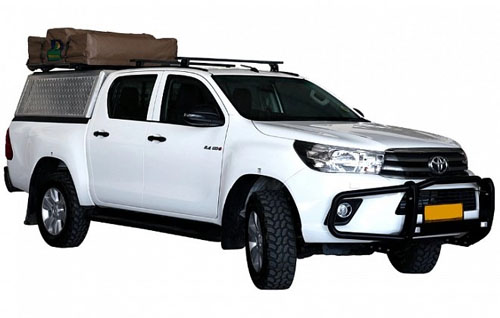
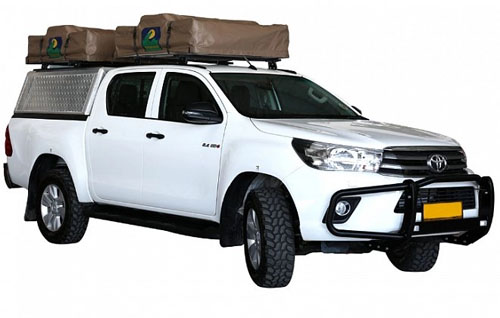
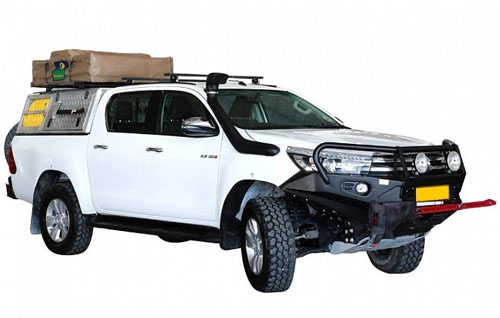
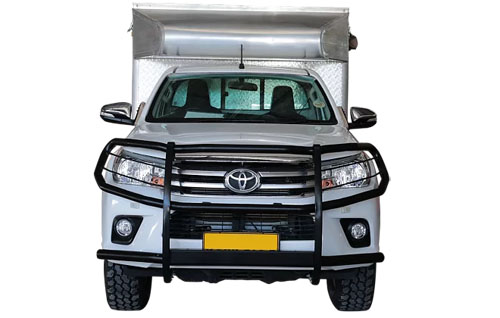
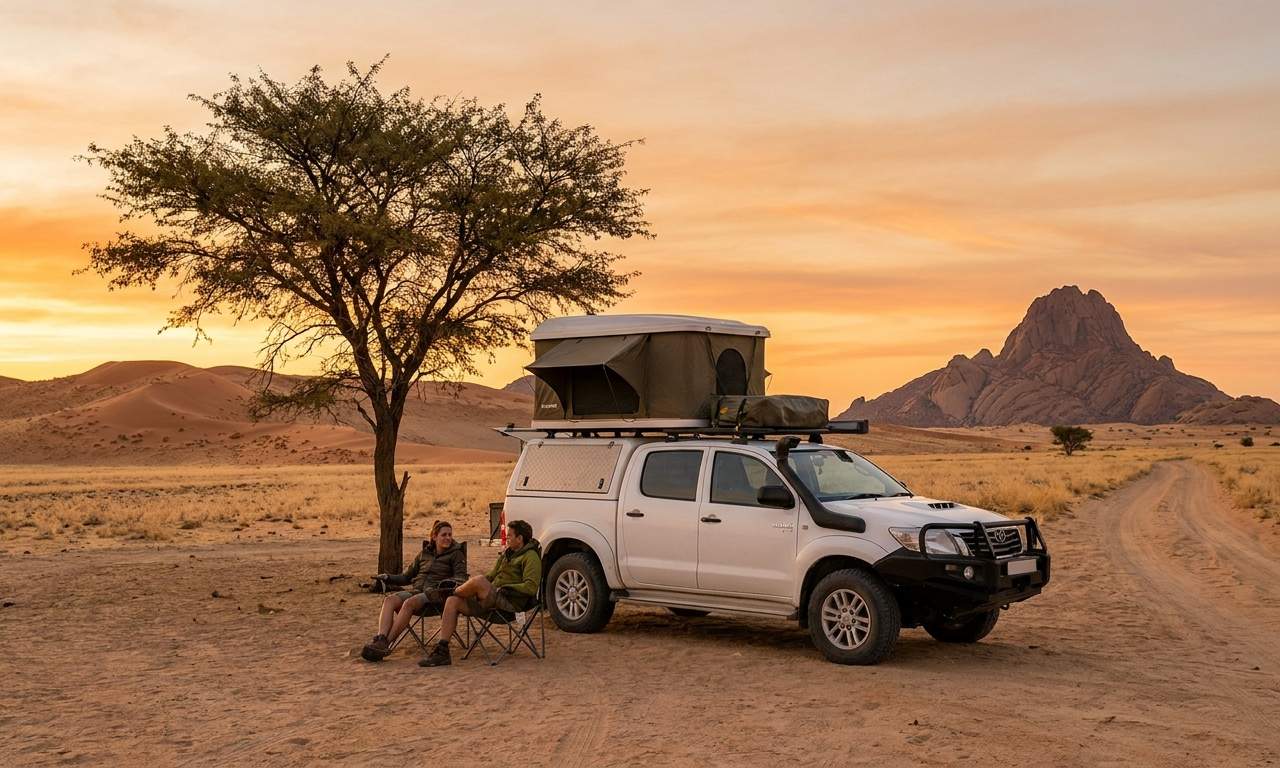
Class TC truck campers are the ultimate choice for adventurous travelers prioritizing off-grid capability and flexibility for a winter RV rental in Namibia's rugged terrain. These robust units, mounted on 4x4 pickups, provide exceptional clearance and traction for navigating deep sand and challenging gravel roads.
Bandana's fleet typically shows these robust units averaging 5.5 meters in length, designed to sleep around 2.4 people, making them perfect for couples or solo explorers. Their key advantage is the ability to detach the camper from a 4x4 truck, allowing the vehicle to tackle challenging off-road conditions while leaving the living unit at a campsite. Despite a higher average fuel consumption of 12-17 liters per 100 km, their unparalleled access to remote areas and self-sufficiency aligns with Namibia's adventure profile. Many models, such as the "Patagonia Camper 4x4 double cab", are equipped with 4 wheel drive and front air conditioning, ensuring comfort even in the most remote locations. This class is excellent for those who truly want to immerse themselves in Namibia's wilderness, making it a key option when considering RV Driving Deals in Namibia - Routes and Savings 2026 that involve more challenging routes.
Side-by-Side Comparison Table
This table provides a quick reference for comparing the key attributes of different RV families available for rent in Namibia, helping you identify the best fit for your winter adventure. We want you to feel confident in your choice, which is why we offer full transparency, helping you understand each vehicle's unique benefits.
Consider factors like vehicle length, sleeping capacity, and fuel efficiency against your travel group size, itinerary, and desired comfort level. The 'Best Use Case' column offers insights into how each RV class aligns with typical Namibian travel styles and terrain, from exploring cities like Windhoek and Swakopmund to venturing into the vast wilderness.
| RV Class | Average Length (meters) | Sleeping Capacity (people) | Average Fuel Consumption (L/100km) | Key Features for Namibia | Best Use Case in Namibia |
|---|---|---|---|---|---|
| Class A (Integrated) | 7.5 m | 4-6 | 11-12 L | Max comfort, spacious interiors, large tanks | Large groups/families, luxury travel, longer trips on main roads |
| Class SI (Semi-Integrated) | 6.9 m | 2-4 | 10-11 L | Balance of comfort & maneuverability, good fuel economy | Couples/small families, versatile travel on main & graded gravel roads |
| Class C (Alcove) | 7.5 m | 4-6 | 10-12 L | High sleeping capacity, family-friendly, good amenities | Families with children, groups, comfortable travel on most roads |
| Class B (Campervan) | 5.8 m | 2-3 | 10 L | Agile, compact, excellent maneuverability, discreet camping | Solo/couples, adventurous itineraries, remote tracks |
| Class TC (Truck Camper) | 5.5 m | 2-3 | 12-17 L | 4x4 capability, high clearance, detachability for off-road exploration | Adventurous couples/solo, deep off-road exploration, remote areas |
Our Recommendation for winter rv rental Travelers in Namibia
For most winter RV travelers in Namibia, the Class SI (Semi-integrated) motorhome is our primary recommendation due to its optimal balance of comfort, size, and fuel efficiency. It provides sufficient living space and amenities for small families or couples, while its moderate length (avg. 6.9m) offers better maneuverability on Namibia's gravel roads compared to larger Class A or C models.
The runner-up recommendation, particularly for adventurous couples or solo travelers aiming for deep exploration, is the Class TC (Truck Camper). Its superior off-road capability and the flexibility to detach the camper make it ideal for reaching remote, less-traveled areas of Namibia, albeit at a higher fuel cost and with more compact living quarters. No matter your choice, you can rest assured knowing you have access to 24/7 support from real people behind you throughout your Bandana RV journey.
What Essential RV Upgrades Are Needed for Namibia's Terrain?
Essential RV upgrades for navigating Namibia's varied terrain, from corrugated gravel to deep sand, include long-range fuel tanks, increased water storage, comprehensive recovery gear, and appropriate tire pressure management for optimal performance. Namibia's vast distances and often remote locations demand a vehicle equipped for self-sufficiency.
Many rental RVs in Namibia are already equipped for adventure, often featuring long-range fuel tanks (some vehicles have dual tanks totaling 180-200 liters) and dual battery systems vital for remote camping without external power for 2-3 days. Travelers should verify the inclusion of essential recovery gear such as a high-lift jack, shovel, air compressor for tire pressure adjustments (critical for sand and gravel), and recovery straps rated for at least 8,000 kg. Optimal tire pressure is dynamic; lower pressures (e.g., 1.5-1.8 bar on gravel, 1.0-1.2 bar on deep sand) enhance traction on sand and rough gravel but require re-inflating for tar roads (typically 2.5-3.0 bar), preventing punctures and ensuring stability. Additional considerations include robust suspension, reinforced underbody protection for off-road segments, and perhaps a second spare tire due to the remote nature of many routes. We offer top-level deductible reimbursement for peace of mind, covering accidental damage that might occur on challenging roads.
How to Ensure Self-Sufficiency in Remote Namibian RV Travel?
Ensuring self-sufficiency in remote Namibian RV travel requires meticulous planning for water sourcing and purification, strategic food resupply, effective waste management, and reliable off-grid electronics charging. Distances between towns can be vast, with services often hundreds of kilometers apart.
Water management is paramount; carry ample potable water (minimum 5 liters per person per day) and consider a portable water purification system or filter for emergencies, as reliable sources are scarce outside of major towns like Windhoek, Swakopmund, or Walvis Bay. Food resupply strategies should involve stocking up in major towns, planning meals that require minimal refrigeration, and utilizing dry goods for extended periods between shops. Effective waste management means 'pack it in, pack it out' for all trash, including organic waste, and utilizing designated dump points for grey and black water to minimize environmental impact. Off-grid charging for electronics can be managed with dual battery systems (common in many Namibian RVs), solar panels, or a portable generator, ensuring navigation, communication, and essential devices remain powered. Remember to travel slowly, averaging a maximum of 100-150 km per day, to conserve resources and truly experience the landscape.
What are the Driving Conditions and Techniques for RVs in Namibia?
Driving conditions for RVs in Namibia range from well-maintained tar roads (like the B1 highway) to challenging corrugated gravel (found extensively on C and D roads), deep sand, and seasonal river crossings, each requiring specific driving techniques for safety and vehicle preservation. Namibia drives on the left side of the road, and speed limits are typically 120 km/h on tar roads, 80 km/h on gravel roads, and 60 km/h in urban areas.
Navigating deep sand, common in areas like Sossusvlei or parts of the Skeleton Coast, requires reducing tire pressure (e.g., to 1.0-1.2 bar), maintaining momentum, and avoiding sudden braking or steering inputs; practicing in a safe area is advisable. Corrugated gravel roads necessitate reducing speed (often below 80 km/h) to prevent loss of control and minimize vehicle vibration, which can cause fatigue and damage. Seasonal river crossings, typically dry during the winter months, can still present soft sand or rocky beds; always assess depth and conditions on foot before attempting to cross, especially after any unusual rain. General techniques include maintaining a safe following distance, especially on dusty gravel roads, always yielding to larger vehicles like trucks or buses, and being aware of wildlife that may cross roads, particularly at dawn and dusk. Drive slowly and carefully, and you can drive almost anywhere without issues. No need to stress - just use common sense and pay attention.
For more detailed insights, check out our RV Driving Deals in Namibia - Routes and Savings 2026 guide.
What Safety Protocols and Emergency Preparedness are Essential for Remote RV Travel in Namibia?
Essential safety protocols and emergency preparedness for remote RV travel in Namibia include carrying satellite communication devices, a comprehensive first-aid kit tailored for African risks, and detailed breakdown procedures beyond basic roadside assistance. Namibia's vast, sparsely populated areas mean help can be hours or days away.
Satellite phones or a Garmin InReach are critical for communication in areas without cellular service, enabling emergency calls or check-ins with family and rental companies. A robust first-aid kit should include items for snake bites (where applicable), antiseptic, bandages, pain relief, and any personal prescription medications, alongside knowledge of basic wilderness first aid. Breakdown procedures for remote areas go beyond calling for help; they involve understanding basic vehicle mechanics, carrying essential spares (fuel filters, fan belts, fuses, puncture repair kits), and knowing how to signal for assistance (e.g., using a high-visibility flag or flashing lights). Always inform someone of your planned route and expected return, travel with a buddy system if possible (especially for solo travelers), and be acutely aware of wildlife, especially when camping or driving at dusk/dawn. Keep emergency numbers (police: 10111, medical: 211111 in Windhoek) readily accessible. Bandana RV offers 24/7 support for pre-booking inquiries and booking coordination, ensuring you're well-prepared before you even hit the road.
What Health and Medical Preparations are Needed for an RV Trip to Namibia?
Comprehensive health and medical preparations for an RV trip to Namibia extend beyond a basic first-aid kit, encompassing malaria prevention, dehydration management, and understanding access to medical services in remote regions. Prioritizing your health ensures a safe and enjoyable adventure.
Malaria risk is present in northern Namibia, especially in areas like Etosha National Park, Waterberg Plateau Park, and the Caprivi Strip during the warmer, wetter months (October-April), so consider prophylaxis, use insect repellent with DEET, and wear protective clothing even during the dryer winter. Dehydration is a significant risk due to Namibia's arid climate; ensure you consume sufficient water (at least 3-4 liters per day), even when not feeling thirsty, and carry oral rehydration salts. Access to medical services is limited outside major towns like Windhoek, Swakopmund, and Walvis Bay; pack a detailed personal medical kit including any prescription medications, and understand how to reach the nearest clinic or hospital in an emergency. It's advisable to have comprehensive travel insurance that covers medical emergencies, evacuation, and repatriation, as well as vaccinations recommended for Southern Africa (e.g., Hepatitis A, Typhoid, Tetanus). Always ensure your Bandana RV rental comes with a top-level deductible reimbursement option for financial peace of mind.
What Permits and Regulations Apply to RV Camping in Namibian National Parks?
Specific permits and regulations apply to RV camping and activities within Namibian National Parks, including mandatory entry fees, pre-booked campsite reservations, and restrictions on activities like drone usage or off-roading in sensitive areas. Adhering to these rules is crucial for conservation and safety.
National park entry permits must be obtained at the park gates or relevant Ministry of Environment, Forestry and Tourism offices, and are typically paid per person per day (e.g., N$150 for international visitors) plus a vehicle fee (e.g., N$50 for a standard RV). Camping within national parks, such as Etosha or Sossusvlei, almost always requires advance booking, especially during the popular winter season, as sites are limited and fill up quickly. Many national parks reserve only 25-30% of spots; the rest are first-come-first-serve, so call ahead before driving if you are a spontaneous traveler. Regulations often restrict off-roading to designated tracks only, prohibit drone usage without specific permits due to wildlife disturbance, and enforce strict rules on noise levels and waste disposal (all waste must be carried out). Always adhere to park rules regarding speed limits (often 40-60 km/h), wildlife viewing distances (never approach animals too closely), and fire restrictions, which are crucial for safety and environmental protection. For finding campsites and campgrounds during your trip, we recommend using RV PLANET (rvplan.net) - a great resource for locating available spots along your route.
What Lesser-Known Routes and Off-Road Destinations Can RVs Explore in Namibia?
Beyond major attractions, adventurous RV travelers can explore lesser-known routes and off-the-beaten-path destinations in Namibia, requiring capable vehicles like truck campers and thorough preparation. Namibia is a land of vast wilderness, perfect for those seeking solitude and raw beauty.
Routes such as the D707 road between Sesriem and Aus offer stunning desert landscapes and unique wildlife viewing opportunities, often with fewer tourists. This gravel road provides breathtaking vistas of the Namib Desert. The Caprivi Strip (now Zambezi Region) offers a vastly different experience with lush riverine landscapes and abundant birdlife, accessible via well-maintained roads but often leading to remote campsites along the Okavango River. For truly adventurous travelers with a 4x4 RV (like a Truck Camper, such as a "4x4 Truck Camper Gold"), exploring parts of the Kaokoveld or Damaraland beyond main roads offers incredible wilderness experiences, albeit with challenging terrain and minimal facilities. Always research road conditions, fuel availability, and permit requirements for these remote areas, as infrastructure is sparse. Remember to travel slowly, max 100-150 km per day on average, to fully immerse yourself in the place, connect to the culture, the food, and the scenery.
What are the Ethical Tourism Guidelines for RV Travelers in Namibia?
Ethical and responsible tourism guidelines for RV travelers in Namibia include respecting local cultures, maintaining safe and ethical wildlife viewing distances, and minimizing environmental impact in pristine natural areas. Your actions have a direct effect on the places and people you visit.
When interacting with local communities, always seek permission before taking photos, dress respectfully, and be mindful of cultural norms and traditions, particularly in Himba or San communities. For wildlife viewing, maintain a safe and respectful distance (at least 25 meters from large animals), never feed animals, avoid disturbing their natural behavior, and adhere to park rules regarding designated viewing areas and times. Minimize your environmental footprint by adhering to 'leave no trace' principles: pack out all trash (even organic waste), use designated ablution facilities, and avoid driving off established tracks to protect fragile ecosystems. Support local economies by purchasing goods and services from local vendors and contributing to conservation efforts where possible, such as through park fees or donations to reputable organizations. Being a conscious traveler enhances your experience and helps preserve Namibia for future generations.
Are There Specific Tips and Safety Concerns for Solo RV Travelers in Namibia?
Solo RV travelers in Namibia face unique safety concerns, necessitating extra precautions for personal security, vehicle breakdowns, and fostering connections while navigating the ease and challenges of independent travel. Namibia is generally very safe, but self-reliance is key in remote areas.
Prioritize communication: always carry a satellite phone or reliable personal locator beacon, and regularly check in with a trusted contact about your itinerary, including expected arrival times at specific towns or campsites. For vehicle safety, ensure your rented RV is well-maintained and you have basic mechanical knowledge; consider a rental package that includes comprehensive roadside assistance with remote recovery options. Fostering connections can be achieved by staying at popular campsites, joining guided excursions for specific activities, or utilizing social media groups for fellow travelers to share tips and meet up. Be aware of personal security, especially in urban areas or isolated spots; keep valuables out of sight, secure your vehicle (e.g., with "rent motorhome example Jackpot" features like good locks), and trust your instincts. Solo travelers can still enjoy the immense freedom of the open road in Namibia, but heightened awareness and preparation are essential for peace of mind.
What You Shouldn't Miss
- Sossusvlei Dunes: Witness the towering red dunes of the Namib Desert, particularly at sunrise or sunset for breathtaking photography. Climb Big Daddy for panoramic views or explore Deadvlei's ancient camel thorn trees.
- Etosha National Park: Embark on self-drive safaris to witness abundant wildlife, including elephants, lions, rhinos, and giraffes, congregating around waterholes, especially during the dry winter season.
- Spitzkoppe: Experience unique wild camping amongst magnificent granite inselbergs. Hike, rock climb, or simply enjoy incredible sunsets and the famous starry skies.
- Fish River Canyon: Visit Africa's largest canyon for spectacular views and hiking opportunities, especially the main viewpoint near Hobas.
- Swakopmund & Walvis Bay: Enjoy coastal towns for adventure activities like quad biking, sandboarding, skydiving, or kayaking with seals, offering a different side of Namibia's diverse landscape.
- Skeleton Coast National Park: For the truly adventurous (with necessary permits and vehicle), explore the hauntingly beautiful coastline with shipwrecks and desert-adapted wildlife.
Looking for expert insights from Avi Bandana? Top 5 Adventures - recommendations from Avi Bandana.
Final Thoughts
Embarking on a winter RV adventure in Namibia is an extraordinary way to experience its unique landscapes, abundant wildlife, and unparalleled starry nights. Whether you choose a robust truck camper for deep off-road exploration or a comfortable semi-integrated motorhome for a family-friendly journey, the freedom of a rented RV allows you to create your own unforgettable itinerary. We are here to support you with expertise and transparent pricing every step of the way.
We encourage you to embrace slow travel, spending more time in fewer places to truly soak in Namibia's magic. Don't rush; take time to feel the place, connect to the culture, the food, and the scenery. With proper planning and the right vehicle from our extensive range, your winter RV trip to Namibia will be an incredible journey of discovery.
Discover top destinations, planning tips, all in one place! Find winter RV Rentals in Namibia now and start planning your perfect adventure with Bandana Caravan.