For live availability and current prices, start with our RV Rental Japan - Complete Guide 2026 guide.
In This Guide
- The 5 RV Families Compared for Japan
- Class A (Integrated) - Best For Winter RV Rental in Japan
- Price Comparison by RV Class in Japan
- Class SI (Semi-Integrated) - Best For Winter RV Rental in Japan
- Class C (Alcove) - Best For Winter RV Rental in Japan
- Class B (Campervan) - Best For Winter RV Rental in Japan
- Class TC (Truck Camper) - Best For Winter RV Rental in Japan
- Side-by-Side Comparison Table for RV Classes in Japan
- Our Recommendation for Winter RV Rental Travelers in Japan
- What Are the Seasonal Considerations for RV Travel in Japan
- Practical Logistics for RV Living in Japan
- Navigating Language Barriers as an RV Driver in Japan
- How to Prepare for RV Emergencies and Natural Disasters in Japan
- Sustainable RV Practices and Etiquette in Japan
- How Does RV Travel Offer Unique Cultural Immersion in Japan
- What Themed Itineraries Are Best for RV Travel in Japan
- Is RV Travel Accessible for All Demographics in Japan
- RV Travel vs Public Transport in Japan When Is RV Better
- Advanced Parking Strategies for RVs in Japan
- Benefits of Smaller RVs and Kei Vans in Japan
- Top Cities for RV Rental in Japan
The 5 RV Families Compared for Japan
RV family choice significantly impacts the comfort, maneuverability, and overall experience of your winter trip through Japan. With diverse terrains, varying climates, and unique infrastructure, selecting the right rented motorhome is key to a successful journey, whether you're a couple seeking a cozy retreat or a family adventuring through snowy peaks. For live availability and current prices, start with our RV Rental Japan - Complete Guide 2024 guide. The right vehicle depends on factors like group size, desired level of luxury, and your comfort with driving larger vehicles on potentially narrow Japanese roads, especially during winter conditions. Bandana RV specializes in motorhome and campervan rentals, offering a range of options to suit every traveler's needs, ensuring full transparency with no hidden fees and 24/7 support for pre-booking questions.Class A (Integrated) - Best For Winter RV Rental in Japan
Class A motorhomes, averaging 7.5m in length and sleeping around 4-6 people, are ideal for large groups or families seeking maximum comfort and amenities during their winter RV rental in Japan. These spacious vehicles offer extensive living areas and ample storage, typically around 200-250 kg load capacity, perfect for bulky winter gear like skis and snowboards. Fuel consumption is generally higher, typically ranging from 8-12 Liters/100 km, and while comfortable, their larger size presents challenges for navigating narrow Japanese roads and finding urban parking spots. Despite the size, drive slowly and carefully, and you can drive almost anywhere without issues. No need to stress - just use common sense and pay attention. One excellent option for larger groups seeking luxury and space is a model similar to the `rent rv example E3`, which offers an "Exclusive" experience with amenities like a shower, toilet, and TV, suitable for up to 4 people. Another spacious model is the `luxury rv rentals example Carthago I 142`, also offering exclusive features and ample space for 2-4 travelers.Price Comparison by RV Class in Japan
Winter RV rental prices in Japan are dynamic, much like flight tickets, and change daily based on factors such as availability, seasonality, and supplier marketing decisions. The final price is always set at the actual booking time. For example, a week-long winter trip in Japan might cost between $560-$1750 (approx. $80-$250 per day) for a smaller campervan, while a larger motorhome could range from $1050-$3500 (approx. $150-$500 per day). Our platform allows you to easily compare final prices across a range of suppliers, ensuring full transparency with no surprise fees at pickup. Here's a generalized comparison of typical daily rates by RV class in Japan during the winter season:| RV Class | Typical Daily Rate Range (USD) | Best Suited For |
|---|---|---|
| Class A (Integrated) | $250 - $500 | Luxury, large groups, long trips, maximum comfort |
| Class SI (Semi-Integrated) | $180 - $350 | Families, couples, balanced comfort and maneuverability |
| Class C (Alcove) | $150 - $400 | Families with children, larger groups, cost-efficiency |
| Class B (Campervan) | $80 - $200 | Couples, solo travelers, urban exploration, fuel efficiency |
| Class TC (Truck Camper) | $100 - $250 | Adventurous couples, off-the-beaten-path travel, rugged terrain |
Class SI (Semi-Integrated) - Best For Winter RV Rental in Japan
Class SI (Semi-Integrated) motorhomes are an excellent balanced option for winter RV travel in Japan, typically averaging 6.9m in length and sleeping around 3-4 people. These vehicles strike a good balance between spaciousness and maneuverability, making them ideal for small families or couples who desire more comfort than a campervan without the bulk of a Class A. They usually consume about 10-11 Liters/100 km of fuel and offer a practical average load capacity of around 70-80 kg, accommodating essential winter luggage. Their size makes them easier to drive than larger Class A models, allowing for better access to Japan's popular ski resorts and other winter destinations while maintaining comfort. The `Auto-Trail F60` and `Active Compact Select` are examples of modern, well-equipped semi-integrated models often offered by suppliers.Class C (Alcove) - Best For Winter RV Rental in Japan
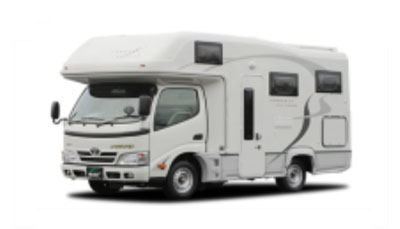
Class C (Alcove) motorhomes, characterized by their distinctive over-cab sleeping area, are an excellent choice for families or larger groups seeking a winter RV rental in Japan, typically measuring around 7.5m in length and sleeping up to 6 people. These vehicles offer good living comfort and are often a cost-efficient choice for groups, with fuel consumption typically around 10-12 Liters/100 km and an average load capacity of 40-50 kg. The extra sleeping space in the alcove is perfect for children or additional travelers, providing a comfortable base for winter conditions and group activities. While their height can be a consideration for certain Japanese parking structures and narrow roads, careful driving makes them highly versatile. Models such as `24' Class C Motorhome` or `Adak Argonaut 23 - Gold` provide ample space and comfort for memorable winter family adventures.Class B (Campervan) - Best For Winter RV Rental in Japan
Class B campervans, typically around 5.8m in length and sleeping 2-3 people, are ideal for solo travelers or couples prioritizing maneuverability and fuel efficiency for their winter RV trip in Japan. These compact vehicles offer excellent fuel economy, typically 8-10 Liters/100 km, and are incredibly easy to park, even in more crowded urban areas or smaller towns. Their agile nature makes them perfect for navigating Japan's narrow streets and accessing remote winter spots or smaller onsen towns. While they offer limited interior space and storage for bulky winter sports equipment, clever packing and utilizing roof racks can overcome this challenge. Models like `Active Original` or `Happy 1` provide a cozy and efficient way to explore Japan's winter landscapes.Class TC (Truck Camper) - Best For Winter RV Rental in Japan
Class TC (Truck Camper) motorhomes, averaging 5.5m in length and sleeping 2-3 people, offer an ultimate flexible option for adventurous winter travelers in Japan. The detachable camper unit, combined with a 4x4 truck chassis, allows for rugged exploration and easier maneuvering on varied terrain, including snowy or unpaved winter roads. These vehicles are particularly suitable for couples or small groups prioritizing extreme mobility and off-grid experiences, especially when accessing remote ski fields or hidden onsen. Fuel consumption is typically higher, ranging from 12-17 Liters/100 km, but the enhanced capability to reach less-accessible areas makes them invaluable. The `Patagonia Camper 4x4 double cab` and `4x4 Jimny` are examples of robust truck campers that can tackle Japan's diverse winter environments. Remember, all Bandana RV rentals are motorhomes or campervans, ensuring a self-contained experience.Side-by-Side Comparison Table for RV Classes in Japan
Choosing the right rented motorhome for your winter trip to Japan depends heavily on your group size, comfort needs, and desired travel style. This comparison table highlights key features of each RV class available through Bandana RV, helping you visualize which best suits your Japanese winter adventure. Our platform provides full transparency, allowing you to compare options from over 50 leading RV suppliers worldwide, ensuring what you see is what you pay.| RV Class | Average Length | Sleeping Capacity | Typical Fuel Use (L/100 km) | Best Winter Use Case in Japan |
|---|---|---|---|---|
| Class A (Integrated) | ~7.5m | 4-6 people | 8-12 | Luxury family travel, spacious winter comfort, base for ski trips |
| Class SI (Semi-Integrated) | ~6.9m | 3-4 people | 10-11 | Balanced comfort & maneuverability, accessing winter resorts, couples/small families |
| Class C (Alcove) | ~7.5m | 5-6 people | 10-12 | Cost-effective for larger families, group winter activities, ample beds |
| Class B (Campervan) | ~5.8m | 2-3 people | 8-10 | Solo/couple travel, urban navigation, remote winter spots, fuel-efficient |
| Class TC (Truck Camper) | ~5.5m | 2-3 people | 12-17 | Adventurous off-road exploration, accessing rugged snowy areas, extreme mobility |
Our Recommendation for Winter RV Rental Travelers in Japan
For most winter RV rental travelers in Japan, the **Class SI (Semi-Integrated)** motorhome stands out as our primary recommendation due to its balanced blend of comfort and maneuverability. This class (e.g., `Active Compact Select` or `B 4 - Classic - A696G`) provides sufficient interior space for families of 3-4, offering comfortable heating, sleeping, and dining areas crucial for cold-weather travel without being overly large for Japan's roads. Its moderate length, typically around 6.9m, makes it manageable to navigate winding mountain roads to ski resorts and to park at Michi-no-Eki or designated campgrounds. Our runner-up recommendation, particularly for adventurous couples or solo travelers, is the **Class B (Campervan)**. While offering less interior space, its exceptional agility and fuel efficiency (e.g., `V3` with 11-13 Liters/100 km or `cruise america example EX-Group A` with 8 Liters/100 km) make it perfect for those who want to immerse themselves deeper into local life, accessing smaller towns and remote onsen that larger vehicles might struggle with. Regardless of your choice, remember that a standard car driver's license is sufficient for all motorhome classes, and the minimum rental age is 21 with no young driver surcharges.What Are the Seasonal Considerations for RV Travel in Japan
Winter RV travel in Japan, generally from December to March, requires specific preparations to ensure a safe and enjoyable journey through snowy landscapes. Drivers must be aware that snowy roads and ice are common in mountainous regions, making dedicated winter tires (スタッドレスタイヤ, *studless tires*) mandatory in many areas, and snow chains may be necessary for accessing some ski resorts or higher elevations. Adequate heating and insulation are essential for comfort, as temperatures can drop below freezing, especially in northern Japan (Hokkaido, Tohoku) and the Japan Alps (Nagano). Reduced daylight hours in winter also impact driving safety and route planning; it's wise to plan shorter travel days, averaging no more than 100-150 km per day, to allow for slower driving speeds and more time to set up camp before dark. Despite the challenges, RV travel offers unique access to Japan's world-class ski resorts, vibrant winter festivals like the Sapporo Snow Festival, and the incredible warmth of onsen (natural hot springs), providing a truly distinctive cultural and natural immersion.Practical Logistics for RV Living in Japan
Managing practical logistics for a rented RV in Japan is straightforward with a bit of planning, especially regarding waste disposal, water refills, and connectivity. Waste disposal for gray and black water is typically handled at designated RV parks (auto-camps), Michi-no-Eki (roadside stations with special facilities), or sometimes at specific rest stops. Water refills can be found at these same locations, ensuring you always have a fresh supply. Propane and fuel availability require planning, particularly in remote areas, though diesel is a common fuel type for motorhomes. For reliable internet connectivity, a portable WiFi device (often called "pocket WiFi") is highly recommended, as it provides consistent internet access throughout your rented RV for navigation, communication, and entertainment. Local SIM cards are also an option for smartphone data. Remember, Bandana offers a 25% planning discount when you use rvplan.net to organize your route plans, a valuable tool for locating all these essential services along your journey. When discussing cooking inside your RV, check out our RV-friendly recipes playlist for inspiration!Navigating Language Barriers as an RV Driver in Japan
Navigating language barriers as an RV driver in Japan is manageable with preparation, despite English not being widely spoken outside major tourist hubs. Utilizing translation apps, such as Google Translate, for real-time communication can be incredibly helpful for interactions with locals, campground staff, or in emergency situations. Learning a few essential Japanese phrases for greetings, asking for directions, or requesting assistance can significantly enhance your experience and show respect for local customs. Pre-downloading offline maps with English place names is crucial to aid navigation, especially in areas with limited cell service. Carrying written notes with key phrases or using image-based communication (pointing to pictures) can be effective for complex requests or when seeking help from emergency services (110 for police, 119 for fire/ambulance). Bandana RV provides 24/7 support for pre-booking and post-booking coordination, ensuring you have assistance with your rental details before and after your trip.How to Prepare for RV Emergencies and Natural Disasters in Japan
Preparing for RV emergencies and potential natural disasters in Japan is a critical aspect of responsible travel planning. You should know the local emergency numbers: 110 for police and 119 for fire or ambulance, and understand how to dial these from a foreign phone. Japan has an advanced earthquake warning system; download relevant apps or be aware of local alerts and follow recommended safety procedures, such as stopping your vehicle in a safe open area during an earthquake. For RV breakdowns, ensure you have roadside assistance contact information provided by your rental supplier. Bandana's partners offer robust support systems to assist you if mechanical issues arise with your rented motorhome. Carry a basic medical kit and familiarize yourself with how to access foreign-friendly medical facilities, particularly in major cities like Tokyo or Kyoto. Having travel insurance with medical and roadside assistance coverage is highly recommended for complete peace of mind.Sustainable RV Practices and Etiquette in Japan
Practicing sustainable RV travel and respecting local etiquette in Japan is crucial for an enjoyable and harmonious journey. It is essential to adhere strictly to designated waste disposal rules for trash, gray water, and black water, using official dumping stations at RV parks or designated Michi-no-Eki. Minimize noise and light pollution, especially when parking your rented motorhome near residential areas or sensitive natural sites, to avoid disturbing local communities and wildlife. Wild camping is generally not permitted or is heavily restricted in Japan; always use official campgrounds, RV parks, or Michi-no-Eki that specifically allow overnight parking. Respect local customs and privacy, especially when visiting temples, shrines, or communal hot springs. By following these guidelines, RV travelers contribute positively to the local environment and culture, ensuring a respectful and memorable experience for everyone.How Does RV Travel Offer Unique Cultural Immersion in Japan
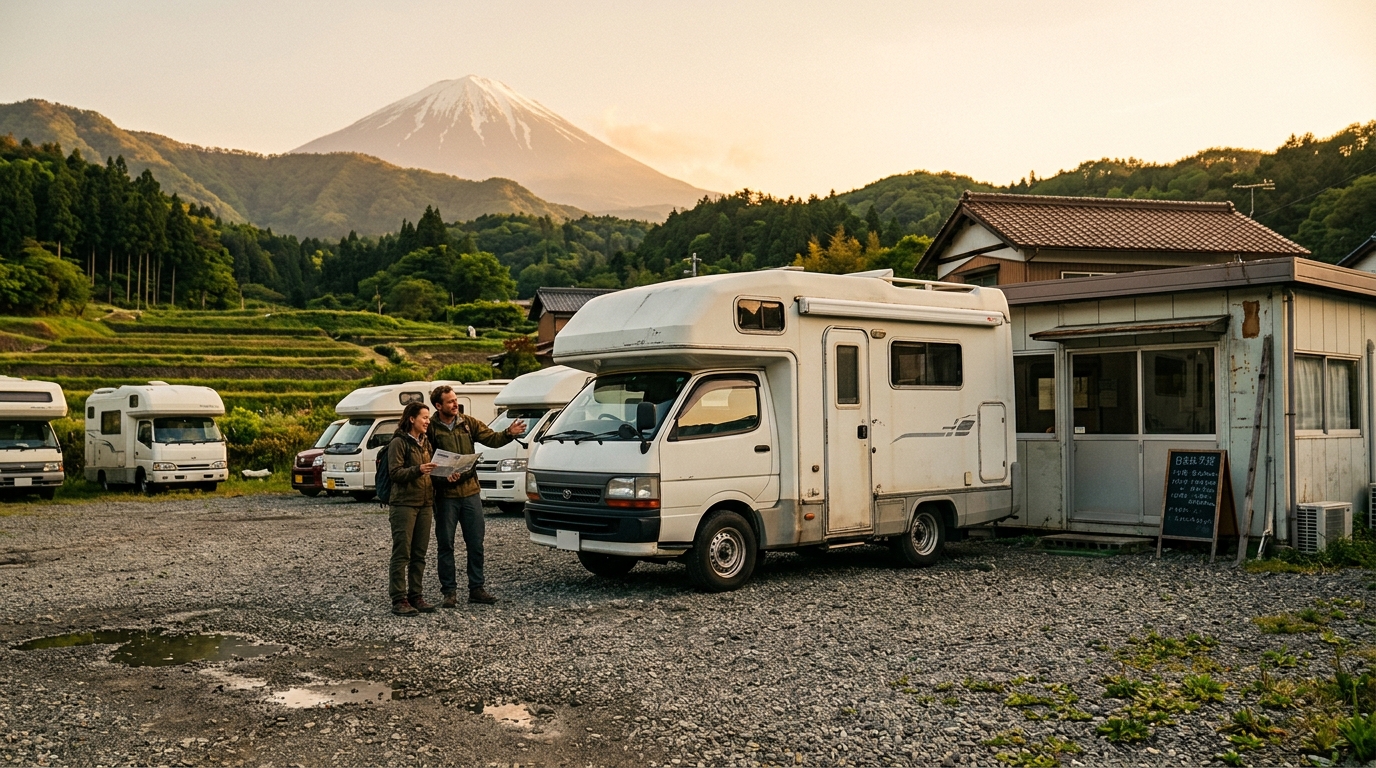
RV travel in Japan offers a unique pathway to profound cultural immersion, moving beyond typical tourist routes and into the heart of local life. With a rented motorhome, you gain the freedom to make spontaneous detours to local, lesser-known festivals and seasonal events that public transport might not reach. Imagine discovering a small village's winter celebration, enjoying traditional food, and interacting directly with residents. A motorhome also enables visits to remote traditional markets and family-run eateries off the main tourist paths, allowing you to discover authentic regional specialties and local culinary traditions firsthand. Furthermore, RV travel provides unparalleled access to secluded onsen (hot springs) nestled in nature, often unreachable by train or bus, fostering direct interaction with local communities and a deeper understanding of Japan's rich daily life and traditions. This flexibility is a core benefit of renting a motorhome for Japan exploration.What Themed Itineraries Are Best for RV Travel in Japan
RV travel in Japan unlocks a diverse range of themed itineraries, allowing you to tailor your adventure to specific interests, especially during the winter season. For history enthusiasts, explore ancient castles (like Matsumoto Castle, accessible via RV in winter) and samurai districts in Tohoku, or follow portions of the Edo-period Nakasendo trail with your rented campervan, staying at Michi-no-Eki nearby. Culinary journeys are a delight, as you can discover regional specialties at local markets, farms, and small-town restaurants, even cooking some of your finds in your RV kitchen. Imagine preparing a fresh seafood meal after visiting a coastal market! Nature and onsen circuits are particularly appealing in winter; traverse national parks in Hokkaido or Tohoku, enjoying volcanic regions and numerous hot springs along your route. For winter sports lovers, pre-planned routes from RV PLANET can guide you to multiple ski resorts across regions like Hokkaido or Nagano, making it easy to carry your equipment and hit the slopes at your own pace. Discover top destinations, planning tips, all in one place!Is RV Travel Accessible for All Demographics in Japan
RV travel in Japan can be surprisingly accessible for various demographics, though careful planning is key, especially for those with specific physical needs. Modern rented RVs often feature amenities designed for comfort, which can cater to some accessibility requirements. However, larger motorhomes might face challenges with Japan's often narrow roads, tight turns, and compact parking spaces, particularly in older towns or urban centers. Smaller rented RVs and campervans, including the unique Japanese Kei vans, generally offer greater accessibility to more locations due as they fit into standard parking spots. Public infrastructure, such as restrooms and ramps at attractions, can vary significantly, so researching specific locations along your route is advisable. Bandana RV's 24/7 support ensures that while we don't provide on-trip assistance with campsite finding or accessibility checks, we are here for you during the pre-booking and post-booking coordination stages to help you select the most suitable vehicle and answer questions about your rental.RV Travel vs Public Transport in Japan When Is RV Better
While Japan is renowned for its efficient public transport system, RV travel often emerges as the superior choice for specific types of adventures in Japan. A rented motorhome offers unparalleled flexibility and spontaneity, allowing you to explore remote areas, hidden gems, and picturesque winter landscapes that are often inaccessible or inconvenient via trains and buses. RVs are especially advantageous for carrying bulky sports equipment, such as skis or snowboards, to multiple resorts without hassle, a major plus for a winter sports route. Furthermore, RVs provide privacy, comfort, and self-sufficiency, which is particularly beneficial during colder winter months. For groups or families, renting a motorhome can also be more cost-effective than purchasing multiple expensive train tickets or arranging numerous hotel stays. Our RV Rental Asia - Complete Guide 2024 provides further insights into how RV travel enhances exploration across the continent.Advanced Parking Strategies for RVs in Japan
Employing advanced parking strategies is essential for RV drivers in Japan, particularly when navigating urban or popular tourist areas with a rented motorhome. The most reliable option is to utilize designated RV parking areas at Michi-no-Eki (roadside stations), which are officially sanctioned for overnight stays and often equipped with amenities like restrooms and local shops. These are especially invaluable in winter. In larger towns, seek out larger commercial parking lots, such as those at shopping centers or supermarkets, typically outside peak hours. For major cities, consider "park-and-ride" options on the outskirts, where you can park your RV and then use Japan's excellent public transport system to explore the city center. It's important to avoid attempting to navigate or park larger motorhomes on very narrow urban streets, as these are often designed for smaller local vehicles and can be challenging, particularly with snow or ice. Drive slowly and carefully, and you can drive almost anywhere without issues. No need to stress - just use common sense and pay attention.Benefits of Smaller RVs and Kei Vans in Japan
Smaller RVs and Kei vans offer significant benefits for exploring Japan, especially during winter, due to their exceptional maneuverability on the country's often narrow and winding roads. These compact rented campervans are much easier to park in standard parking spaces, which are plentiful at attractions, onsen, and smaller towns, overcoming a major challenge faced by larger motorhomes. They also boast higher fuel efficiency, reducing overall travel costs, which can be a significant advantage considering Japan's expressway tolls. Perhaps most importantly, their compact size allows access to more remote and traditional locations where larger vehicles simply cannot go, enabling a deeper cultural immersion. While offering limited interior space, models like the `Juliette 2-3` or `Happy 1 EX AUTO` provide cozy accommodations and the agility needed to explore Japan's hidden gems, making them ideal for couples or solo adventurers.Top Cities for RV Rental in Japan
Japan offers several convenient cities for picking up your winter RV rental, each providing a gateway to distinct winter experiences. These locations often host Bandana's direct partners like Apollo and Britz, ensuring a smooth start to your adventure.- Tokyo: As the bustling capital, Tokyo (including areas like Tokyo) provides the widest selection of motorhome and campervan rentals. From here, you can head north to the ski resorts of Nagano or Tohoku, or west towards the scenic coastlines.
- Osaka: A major hub in the Kansai region, Osaka (including Izumisano and Nagoyaminami) is ideal for exploring central Japan. From here, you can reach the historical sites of Kyoto or the winter activities around Nagano with a rented RV.
- Nagano: Directly in the heart of Japan's ski country, Nagano is a perfect starting point if your primary focus is winter sports and hot springs. Renting an RV here puts you right on the doorstep of world-class slopes.
- Sapporo (Hokkaido): For a true winter wonderland experience, an RV rental in Sapporo is unmatched. Hokkaido offers abundant snow, stunning frozen landscapes, and unique winter festivals, best explored with the flexibility of your own mobile home.
- Kyoto: While known for its temples and gardens, Kyoto also provides access to regional winter activities with a motorhome. It serves as a cultural base before venturing into the snowy mountains or coastal areas.
What You Shouldn't Miss
- Skiing or Snowboarding in Hokkaido: Experience world-famous powder snow at resorts like Niseko or Rusutsu, easily accessible with a rented winterized motorhome.
- Soaking in an Onsen (Hot Spring): Discover secluded onsen towns like Nyuto Onsen in Tohoku or Ginzan Onsen, often with RV-friendly parking nearby for a relaxing end to your day.
- Visiting Winter Festivals: Immerse yourself in the magic of the Sapporo Snow Festival in February or the beautiful light-up events in smaller towns.
- Exploring Shirakawa-go and Gokayama: Witness the UNESCO World Heritage gassho-zukuri farmhouses blanketed in snow, a truly picturesque sight.
- Enjoying Regional Winter Cuisine: From hearty hot pots (nabe) to fresh seafood from the Sea of Japan, use your RV kitchen to prepare local ingredients or visit charming local eateries.
- Looking for expert insights from Avi Bandana? Top 5 Adventures — recommendations from Avi Bandana
Final Thoughts
Embracing a winter RV rental in Japan truly opens up a world of unique exploration, offering a sense of freedom and discovery unmatched by conventional travel. Imagine waking up to a snowy landscape outside your cozy motorhome, with a warm breakfast sizzling on your stove, ready for a day of skiing or soaking in a hot spring. This isn't just a trip; it's an immersive cultural adventure, experienced at your own pace and tailored to your preferences. With Bandana Caravan, you're not just renting a vehicle; you're gaining a partner who values transparency, offers dedicated support, and provides the tools to plan an unforgettable journey. Whether you choose a nimble campervan for city exploration or a spacious motorhome for family comfort, Japan's winter wonders await. So, take the leap, plan your route, and prepare to create lasting memories on Japan's breathtaking winter roads. Compare Winter RV Rentals for Japan Now to start planning your perfect winter escape!On the routes offered through RV PLANET routes, you can itemize and track every expense along the way for easy budgeting.