In This Guide
- Best Sweden RV Itinerary for winter rv rental — Overview
- 7-Day Classic Route in Sweden
- 14-Day Extended Journey in Sweden
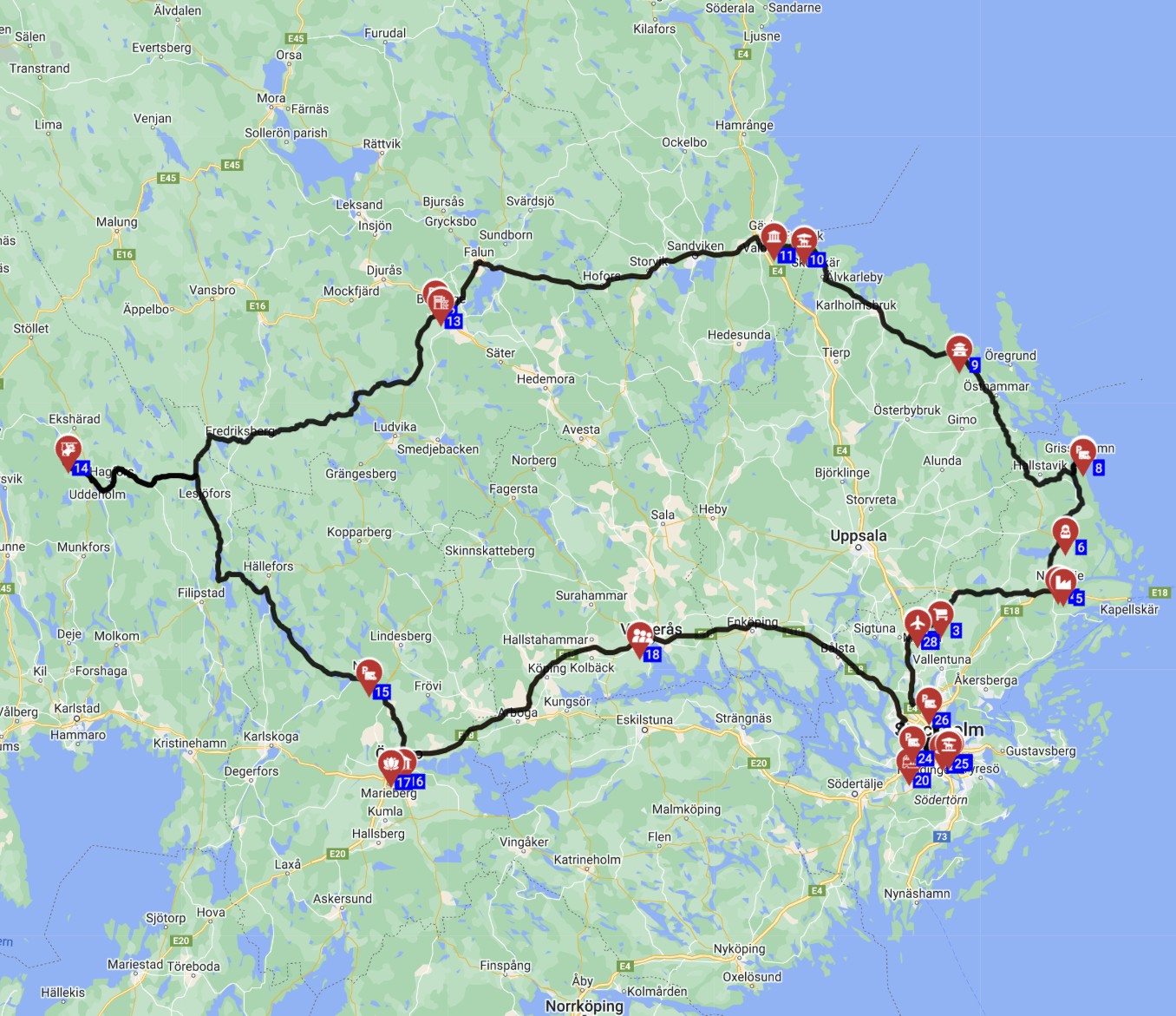
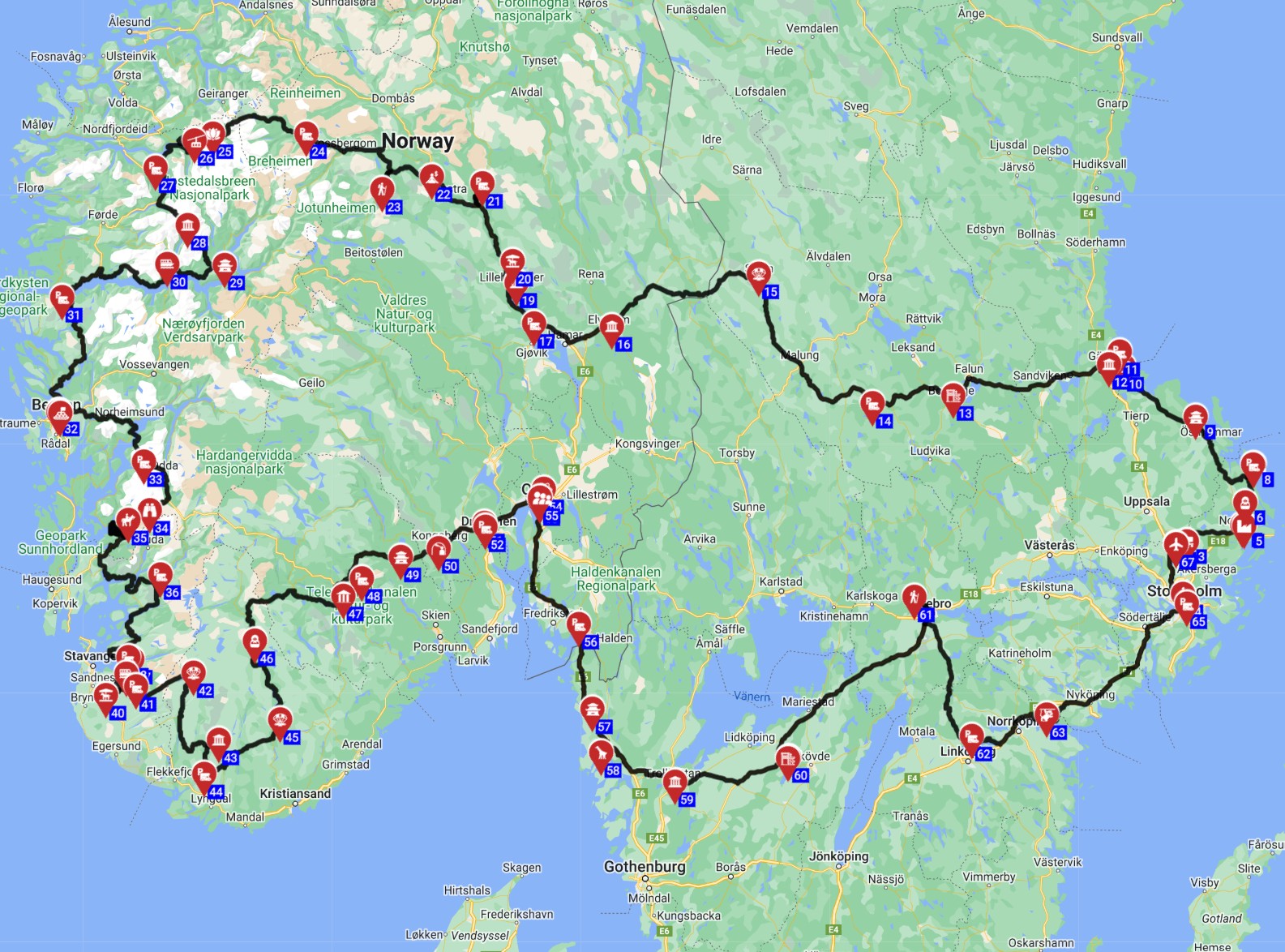
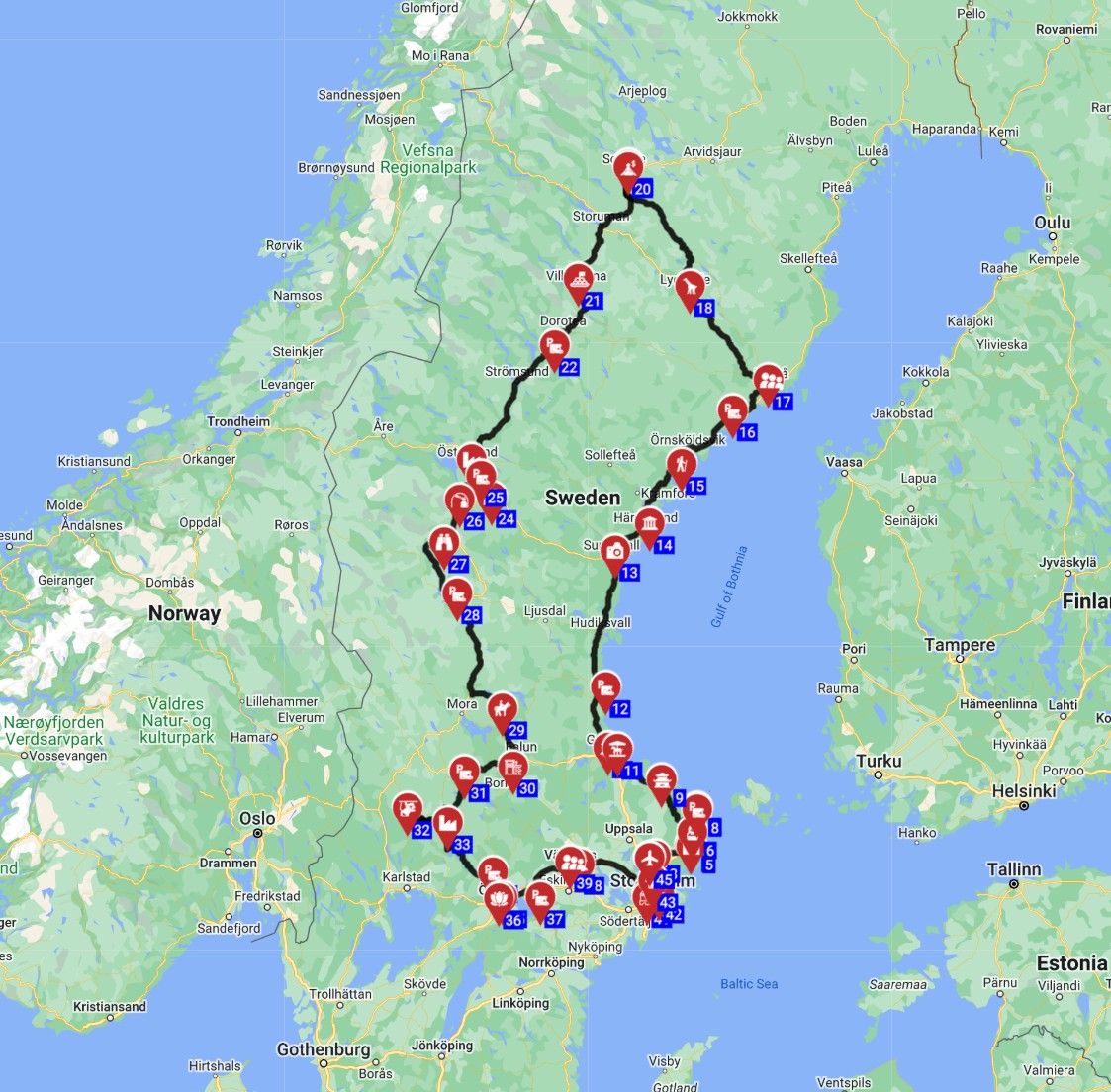
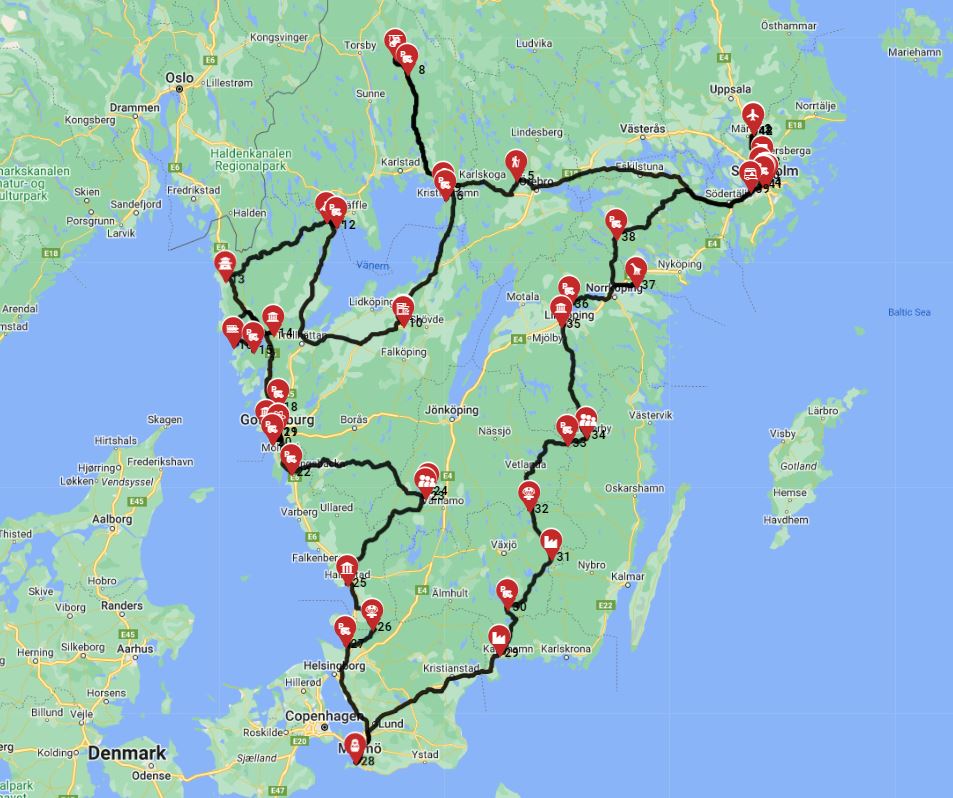
- Recommended RVPlan Trip for Sweden
- Daily Driving Distances & Drive Times in Sweden
- Best RV Class for This Itinerary — Couple & Family Picks
- How much does it cost to rent an RV in Sweden
- What is the best time to RV in Sweden
- Can I rent an RV in Sweden for winter travel
- What are the road rules for RVs in Sweden
- Where can I find RV camping sites in Sweden
- What do I need to pack for an RV trip in Sweden
- Are there specific licensing requirements for RVs in Sweden
Best Sweden RV Itinerary for winter rv rental — Overview
Embarking on a winter RV adventure in Sweden offers a truly magical experience, immersing you in a wonderland of snow-covered landscapes and the ethereal dance of the Northern Lights. For those seeking the ultimate winter escape, focusing on northern Sweden, particularly Swedish Lapland, is highly recommended. This region is renowned for its pristine snow conditions, perfect for a variety of winter activities, and its exceptional clarity for aurora borealis viewing. An ideal trip duration is a minimum of 7 days, but for a truly comprehensive experience that allows you to soak in the atmosphere and enjoy various activities, a 14-day journey is highly recommended. On average, aim for under 150 km (approximately 100 miles) of driving per day to ensure a leisurely pace, allowing ample time for spontaneous stops, enjoying the scenery, and participating in winter adventures. This approach to slow travel means you can truly connect with the breathtaking winter beauty of Sweden. For planning your journey, consider leveraging resources like RV PLANET (rvplan.net), which offers pre-planned routes to streamline your adventure.
To get started with planning, explore our comprehensive guide, RV Rental Sweden - Complete Guide 2026, which provides essential information for navigating Sweden by motorhome. For those looking for more structured travel plans, a service like Bandana's "Rent & Plan" can be invaluable, offering expert-crafted itineraries that remove the stress of organization.
7-Day Classic Route in Sweden
A 7-day winter RV itinerary in Sweden is a fantastic way to capture the essence of a Nordic winter. This route focuses on the coastal and inland areas of northern Sweden, offering a blend of frozen landscapes and cultural experiences.
Day 1: Luleå → Piteå (55 km): Begin your journey by picking up your rented RV in Luleå. Your first destination is the charming coastal town of Piteå, renowned for its frozen sea activities. Enjoy an overnight stay at Piteå Havsbad Camping.
Day 2: Piteå → Älvsbyn (50 km): Venture inland to Älvsbyn, a perfect gateway to the majestic Storforsen Nature Reserve, where you can witness the dramatic power of frozen rapids. Rest for the night at Älvsbyn RV Park.
Day 3: Älvsbyn → Boden (30 km): A short drive brings you to Boden, where you can explore the impressive Boden Fortress, a significant historical military installation. Spend the night at Bodens Camping & Bad.
Day 4: Boden → Kalix (80 km): Head towards Kalix, a town where you can experience traditional ice fishing on the delta of the frozen Kalix River. Your accommodation for the night will be Kalix Camping.
Day 5: Kalix → Haparanda/Tornio (50 km): Explore the unique cross-border experience of visiting the twin cities Haparanda (Sweden) and Tornio (Finland), straddling the national border. Haparanda Camping is your stop for the night.
Day 6: Haparanda → Luleå (130 km): Enjoy a scenic coastal drive back to Luleå, reflecting on your journey through the winter landscapes. Settle in for the night at Luleå Cape Wild.
Day 7: Luleå: Spend your final morning in Luleå, perhaps exploring the city or enjoying one last winter activity before returning your RV, concluding your Swedish winter RV adventure.
14-Day Extended Journey in Sweden
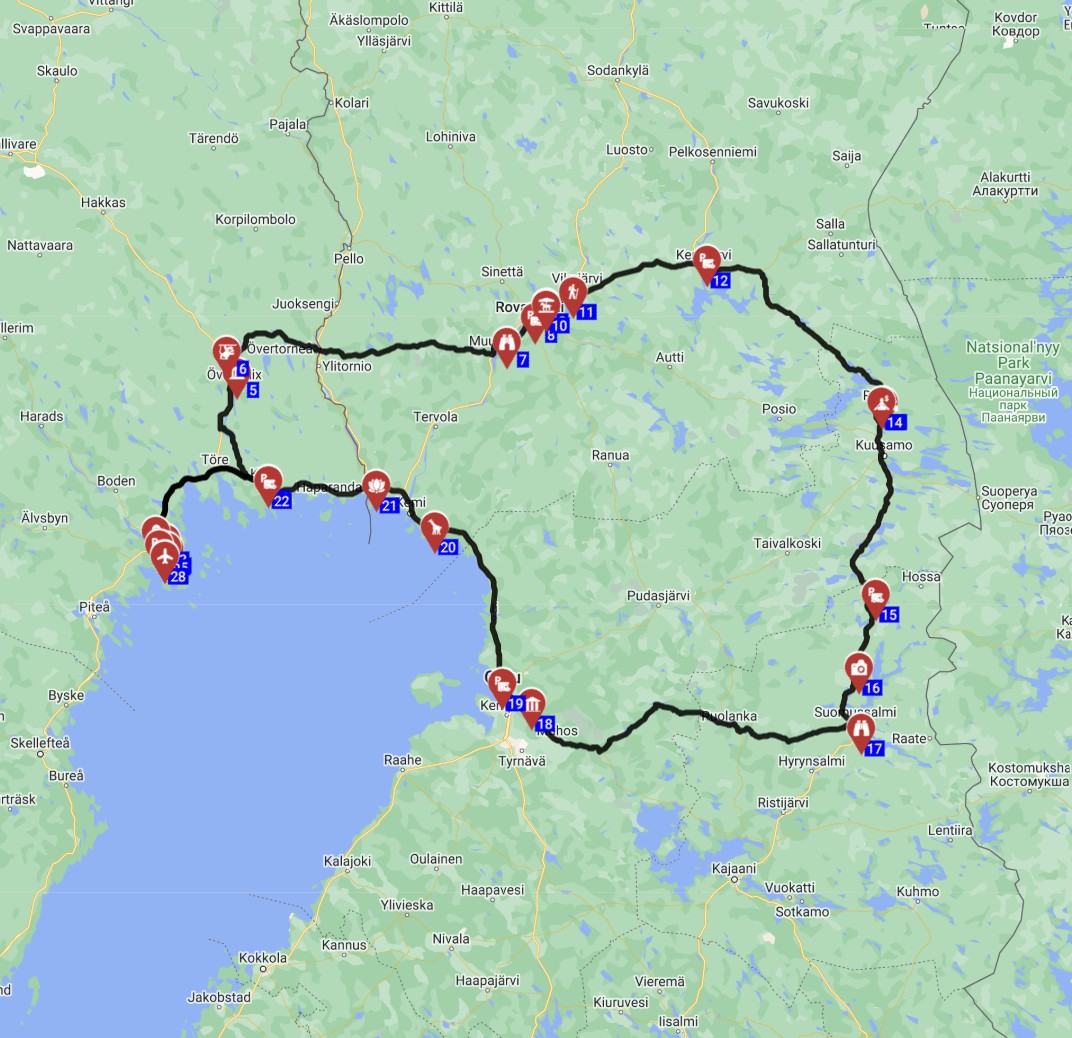
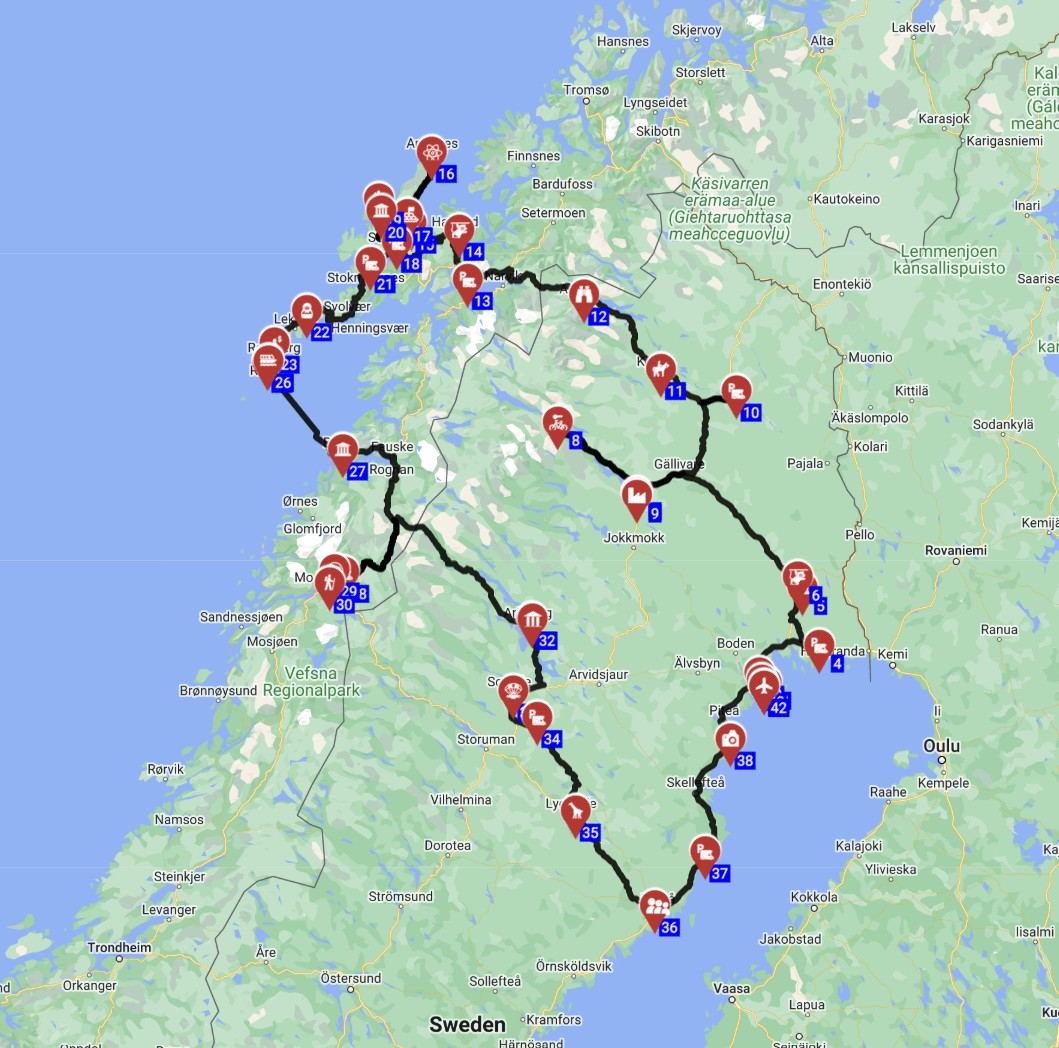
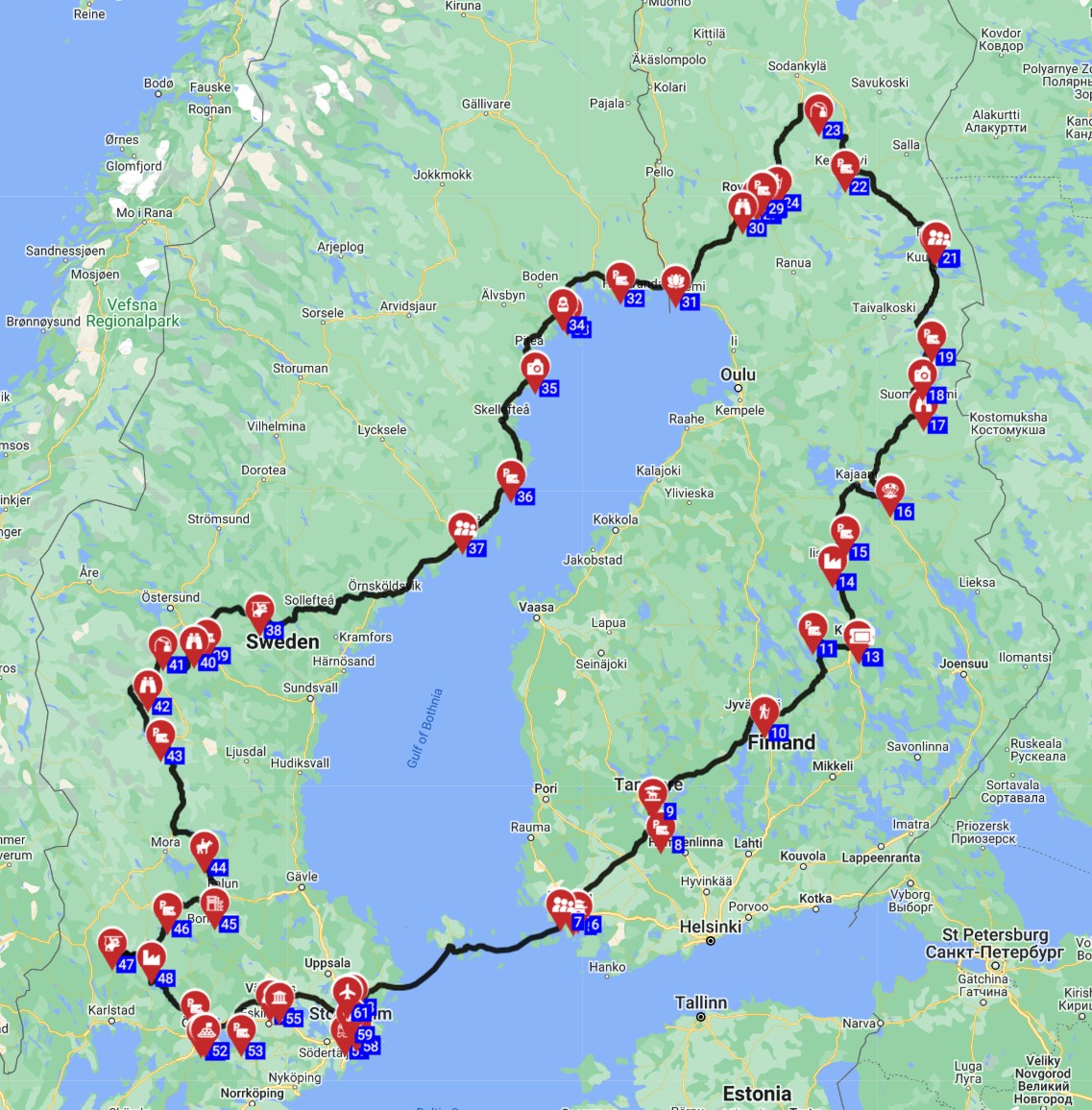
For a more in-depth exploration of Sweden's winter magic, this 14-day itinerary delves deeper into the northern regions, focusing on the Aurora Borealis and rich cultural heritage. For planning your journey, consider the "Rovaniemi Round trip - Fjord Dreams: A Northern Road Trip through Finland & Sweden" route, which spans 18 days and covers 3,751 km, offering a fantastic framework for experiencing this region.
Days 1-3: Kiruna Region & Abisko (Northern Lights focus)
Day 1: Arrive Kiruna, Pick up RV → Jukkasjärvi (20 km): Settle into your winterized RV and make the short journey to Jukkasjärvi, home of the iconic Icehotel. Spend the night at Icehotel Winter Camping.
Day 2: Jukkasjärvi → Abisko (95 km): Journey to Abisko National Park, a prime location for viewing the Northern Lights, particularly from the Aurora Sky Station. Overnight at Abisko Turiststation.
Day 3: Abisko → Kiruna (95 km): Return to Kiruna, exploring the town and its unique history, including the ongoing city relocation due to mining activities. Camp at Camp Ripan, Kiruna.
Days 4-6: Mining History & Sámi Culture
Day 4: Kiruna → Gällivare (120 km): Visit Gällivare, explore the LKAB Visitor Centre to learn about iron ore mining, and enjoy panoramic views from Dundret mountain. Stay at Gällivare Camping.
Day 5: Gällivare → Porjus (60 km): Discover the historic Porjus Hydroelectric Power Station, a significant feat of engineering. Overnight at Porjus Camping.
Day 6: Porjus → Jokkmokk (70 km): Immerse yourself in Sámi culture at the Ájtte Museum and experience crossing the Arctic Circle. Jokkmokk Camping is your base.
Days 7-9: Deep Forests & Rapids
Day 7: Jokkmokk → Storforsen (100 km): Witness the breathtaking Storforsen Nature Reserve, home to Europe's largest unregulated rapids, which remain a spectacular sight even in winter. Stay at Storforsen Camping.
Day 8: Storforsen → Arvidsjaur (100 km): Head to Arvidsjaur, known for its winter activities like husky safaris and snowmobiling. Arvidsjaur Camping is available for your overnight stay.
Day 9: Arvidsjaur → Svansele (50 km): Explore the Svansele Wilderness Exhibition, showcasing local wildlife and heritage. Overnight at Svansele Camping.
Days 10-12: Coastal Charm & Frozen Archipelago
Day 10: Svansele → Skellefteå (100 km): Drive towards the coast and explore Skellefteå's cultural offerings at Nordanå. Skellefteå Camping awaits your overnight stay.
Day 11: Skellefteå → Piteå (70 km): Enjoy the winter charm of Piteå Havsbad, offering a range of winter sports and activities. Piteå Havsbad Camping is your accommodation.
Day 12: Piteå → Luleå (55 km): Return to Luleå, where you can visit the UNESCO World Heritage site Gammelstad Church Town or take a tour of the frozen archipelago. Overnight at Luleå Cape Wild.
Days 13-14: Luleå Departure
Day 13: Luleå: Enjoy a leisurely day exploring Luleå further or engaging in local winter activities.
Day 14: Luleå: Return your RV and depart from Luleå, concluding your extensive Swedish winter journey.
Recommended RVPlan Trip for Sweden
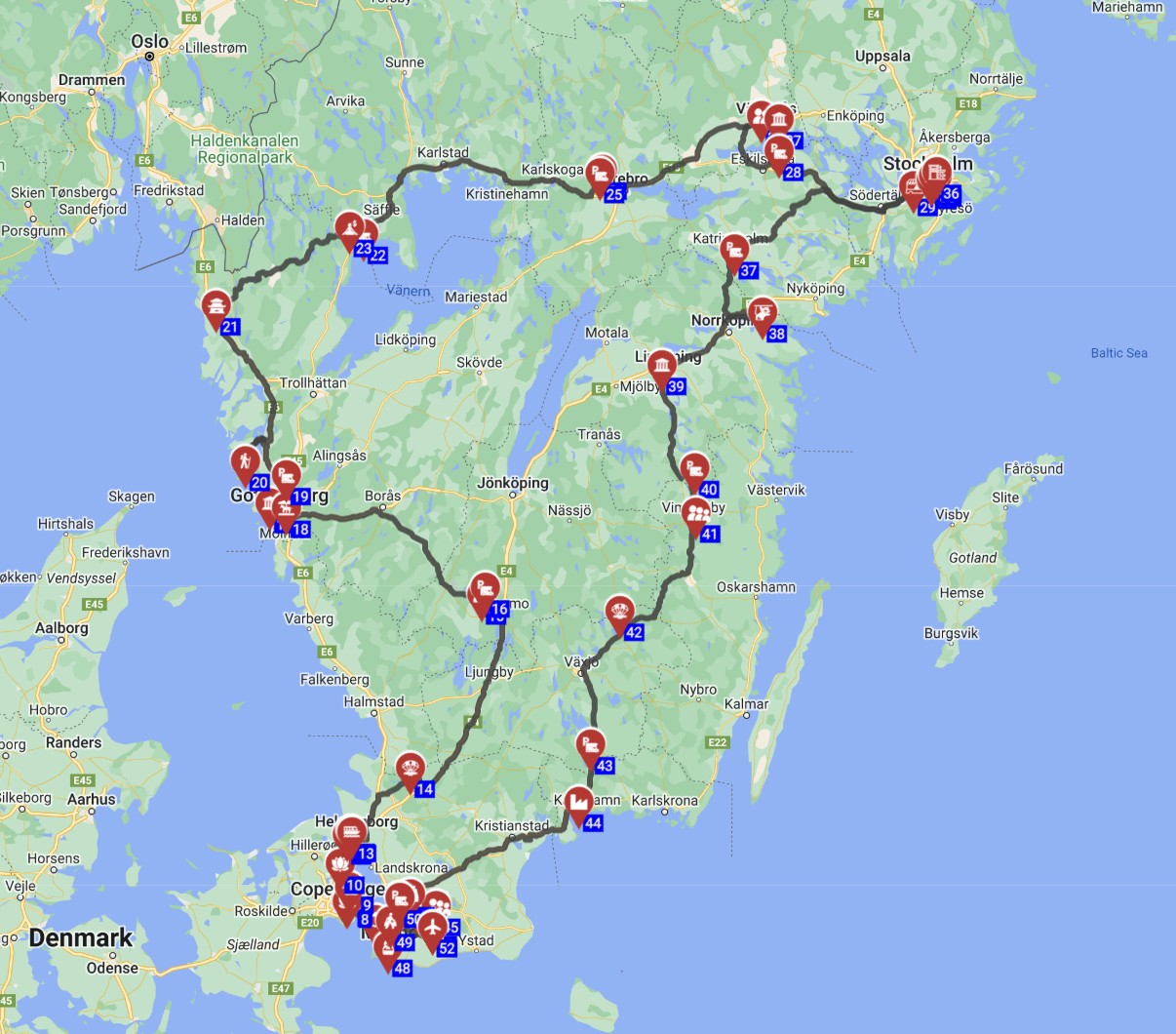
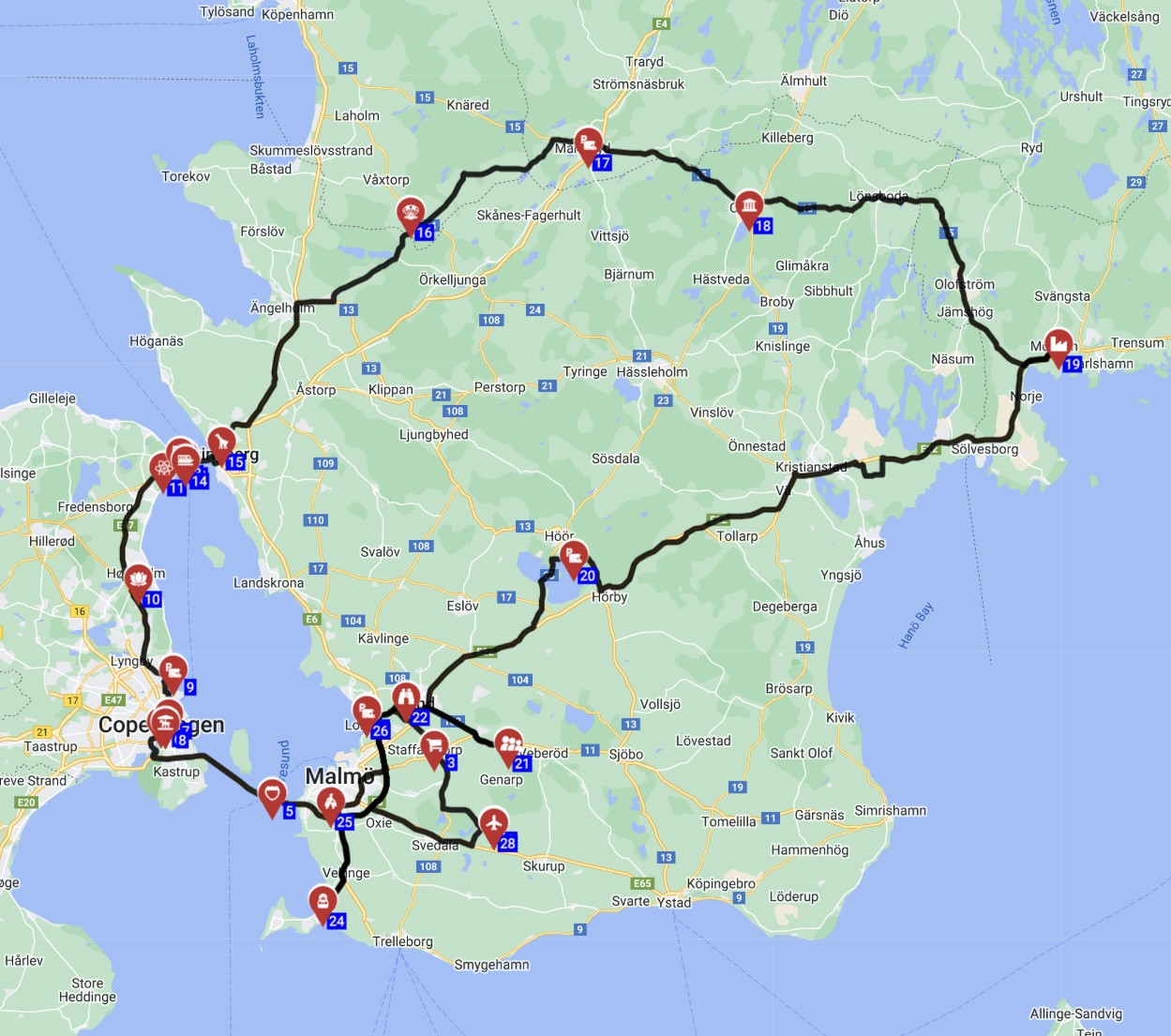
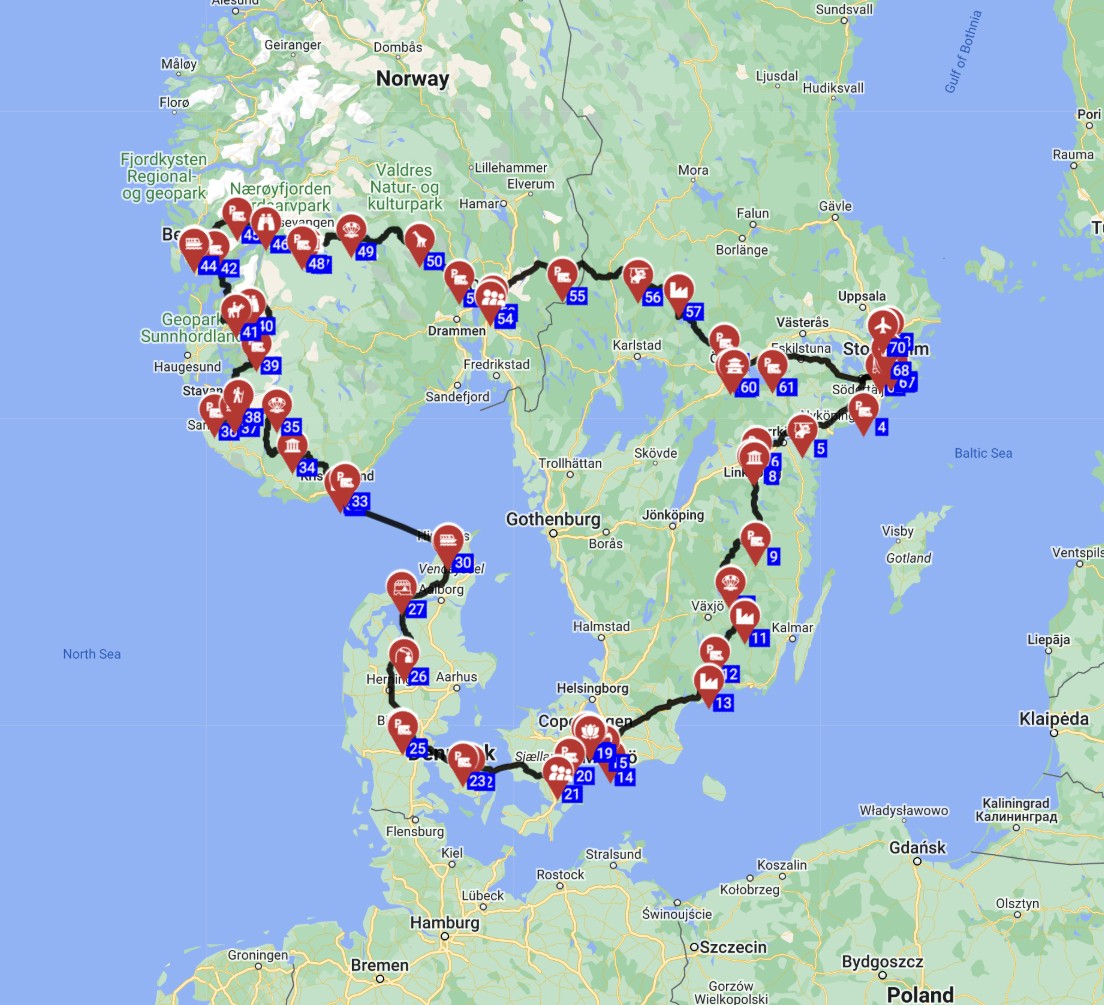
For those planning an extensive Scandinavian adventure, Avi Bandana highly recommends the "Stockholm Round trip - Sweden, Denmark and Norway Family Adventure." This comprehensive 22-day journey covers approximately 3,673 km, starting and ending in Stockholm, and offers a rich tapestry of cultural, historical, and natural experiences across three Nordic countries. While not exclusively a winter itinerary, it provides an excellent blueprint for diverse RV exploration across the region, which can certainly be adapted for seasonal travel. This route includes a remarkable 4 Traditional Markets, 3 Local Industries, and 6 Museums, offering deep dives into local life and history.
For finding campsites and campgrounds during your trip, we recommend using RV PLANET (rvplan.net) — a great resource for locating available spots along your route.
Daily Driving Distances & Drive Times in Sweden
When RVing in Sweden, especially during winter, Avi Bandana recommends a mindful approach to driving, suggesting a maximum of 100 miles or 150 km per day on average. This deliberate pace is crucial for several reasons, notably to allow ample time to savor the often spectacular scenic routes, fully participate in planned activities, and safely manage driving conditions that can be impacted by snow or ice. Adhering to slower travel ensures you have the flexibility for spontaneous detours, truly appreciating the unique winter landscapes and local culture without feeling rushed.
Example Drive Times (approximate, without stops and in good conditions):
- Luleå to Piteå (55 km): Roughly 45 minutes to 1 hour.
- Kiruna to Abisko (95 km): Approximately 1 hour 15 minutes to 1 hour 30 minutes.
- Jokkmokk to Storforsen (100 km): Around 1 hour 30 minutes to 2 hours.
Remember, these are estimates; always allow extra time for winter road conditions and to truly immerse yourself in the journey.
Best RV Class for This Itinerary — Couple & Family Picks
Selecting the right RV is paramount for a comfortable and safe Swedish winter adventure. Bandana's extensive fleet typically offers several classes perfectly suited for various group sizes and preferences.
For a Couple: Class B - Camper Van
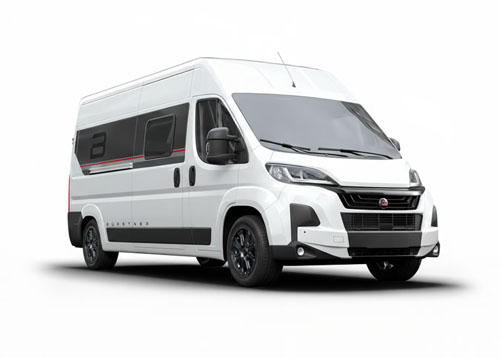
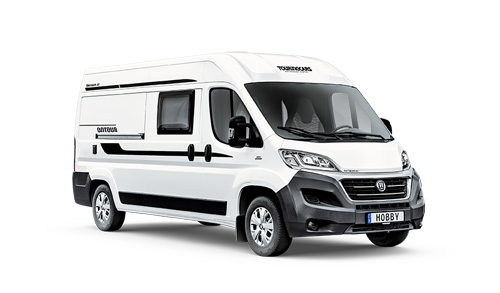
An excellent choice for a couple is a Class B - Camper Van. These compact and agile vehicles are ideal for navigating potentially snowy roads and accessing smaller campsites. While compact, they are well-equipped for winter travel, offering essential amenities for comfort. Bandana's global fleet averages show these units are typically 5.8 meters long, comfortably sleeping 3.2 people (ideal for 2 adults) and have an average load capacity of 37 kg. Their fuel consumption is also notably efficient, often around 10 Liters/100 Km.
For a Family: Class C - Alcove
For families, a Class C - Alcove RV is highly recommended. These vehicles provide ample space and sleeping arrangements, making them ideal for families with children. Bandana's global fleet averages indicate these units are approximately 7.5 meters in length, typically sleeping 5.8 people and accommodating 4.4 adults, with an average load capacity of 42.4 kg. The alcove section above the cab offers valuable extra sleeping space. While larger, their robust build and often superior insulation make them well-suited for colder climates, with typical fuel consumption around 10 – 12 Liters/100 km.
To simplify your planning and ensure a seamless experience, consider Bandana's "Rent & Plan" service. This service combines RV rental with a ready-made itinerary crafted by travel experts, granting you full access to trip-planning software and taking the guesswork out of organizing your winter RV journey.
How much does it cost to rent an RV in Sweden
The cost of renting an RV in Sweden typically ranges from €80 to €250 per day. This price varies significantly based on the RV class, the rental season (winter rentals might have different pricing structures and potential surcharges for winterization), the rental duration, and the specific rental provider. Smaller campervans will generally be at the lower end of this spectrum, while larger, more luxurious, or specially winterized models will be at the higher end.
Detailed Cost Breakdowns: On the routes offered through RV PLANET routes, you can itemize and track every expense along the way for easy budgeting.
- RV Rental Fee: As mentioned, this is the primary variable cost, influenced by vehicle size, amenities, and age. Be aware of potential surcharges for essential winter features like winter tires or specialized heating systems.
- Fuel: Diesel prices in Sweden can fluctuate but are generally higher than the European average. With Bandana's fleet averaging 10-12 Liters/100 km for common RV classes, budget for substantial fuel expenses, especially when covering longer distances in winter conditions, which can increase consumption.
- Tolls & Ferries: Sweden has road tolls, primarily around major cities like Stockholm and Gothenburg, and also bridge tolls such as the Øresund Bridge. If your itinerary includes island hopping or crossing into neighboring countries, factor in potential ferry costs.
- Campsite Fees: Official campsites in Sweden can range from €20-€50 per night for a powered pitch. While Sweden's 'Allemansrätten' (Right of Public Access) permits wild camping with certain restrictions, official campsites offer crucial winter amenities like electricity, fresh water, and waste disposal points, which are vital in colder months.
- Unique Activities: Budget separately for the many winter-specific activities Sweden offers. Northern Lights tours can range from €80-€150+, husky sledding from €150-€300+, snowmobiling from €100-€200+, and visiting the Icehotel can cost between €40-€80+.
- Food & Groceries: Sweden can be an expensive country for both groceries and dining out. Cooking meals in your RV is a highly effective way to manage your budget.
- Insurance: Comprehensive insurance is strongly recommended and often mandatory. This will add to the overall cost of your rental.
For finding campsites and campgrounds during your trip, we recommend using RV PLANET (rvplan.net) — a great resource for locating available spots along your route.
What is the best time to RV in Sweden
The ideal time to RV in Sweden is entirely dependent on the kind of experience you're seeking. Winter offers a unique adventure focused on snow, ice, and the captivating Northern Lights, a stark contrast to the summer months' midnight sun and opportunities for foraging. Understanding these seasonal differences will help you plan the perfect trip.
- Winter (November - March): This season is perfect for those dreaming of a magical landscape blanketed in snow, ideal for Northern Lights viewing, dog sledding, snowmobiling, and ice fishing. Be prepared for very cold temperatures, especially in the north, and ensure your rented RV is well-equipped and winterized for comfort and safety.
- Spring (April - May): A transitional period characterized by melting snow, rising temperatures, and fewer tourists. This is a good time to combine early hiking in the south with lingering winter activities in the far north. Wildlife spotting also becomes more frequent.
- Summer (June - August): This is the peak season for RVing in Sweden, boasting long daylight hours (including the midnight sun in the north) and warm temperatures. It's the ideal time for hiking, cycling, swimming, and berry picking. Expect more crowds and higher rental prices during this period.
- Autumn (September - October): Marked by stunning fall foliage, crisp air, and significantly fewer crowds. It's a great season for hiking and appreciating nature's vibrant colors before the onset of winter. This shoulder season can also be good for catching the Northern Lights in the far north as the nights lengthen.
Can I rent an RV in Sweden for winter travel
Yes, you can absolutely rent an RV in Sweden for winter travel. It's a increasingly popular and unique way to experience the country's stunning snowy landscapes and phenomena like the Northern Lights, provided you select a vehicle specifically equipped for these conditions. Ensuring your rental RV is winter-ready is key to a successful trip.
Specific Vehicle Requirements for Winter RVing:
- Winter Tires: These are mandatory in Sweden from December 1st to March 31st whenever winter road conditions are present. Always confirm your rental RV comes equipped with either studded or friction winter tires.
- Insulation & Heating: A winterized RV will feature superior insulation, a robust heating system (often Truma or Alde systems), and crucially, heated water tanks to prevent freezing. These features are essential for maintaining comfort and preventing costly damage to systems.
- Gas Supply: An adequate supply of gas (LPG) for heating and cooking is vital, as consumption naturally increases in colder temperatures. Some RVs utilize diesel heaters, which can offer better fuel efficiency.
- Battery Capacity: Sufficient battery capacity or a reliable generator is critical for powering internal systems, especially if you plan to do any wild camping where shore power isn't available.
- Snow Chains & Shovel: While not always mandatory, carrying snow chains and a sturdy shovel can be invaluable for unexpected heavy snowfall or navigating icy patches on less-traveled roads.
- Frost Protection: Double-check that the RV's water and waste systems are specifically designed to operate safely in freezing temperatures.
When comparing rental options, pay close attention to the specific features that ensure a comfortable winter experience.
What are the road rules for RVs in Sweden
Sweden has distinct road rules for RVs that all drivers must follow, including mandatory winter tires during specific periods and clear regulations concerning wild camping under 'Allemansrätten' (the right of public access). Understanding these rules is crucial for a safe and legal journey.
Key Road Rules for RVs:
- Driving on the Right: Like most of continental Europe, Sweden drives on the right side of the road.
- Headlights: Dipped headlights are mandatory at all times, day and night, even when visibility is good.
- Speed Limits: Generally, speed limits are 50 km/h in urban areas, 70-100 km/h on rural roads, and 110-120 km/h on motorways. However, RVs over 3.5 tonnes often have lower statutory speed limits, so always check posted signs.
- Winter Tires: As mentioned, these are mandatory from December 1st to March 31st if winter conditions exist. Ensure your rental RV is compliant.
- Wild Camping (Allemansrätten): While Sweden's 'right of public access' offers considerable freedom, it does not extend to motor vehicles in the same way. You can typically park overnight responsibly on suitable public land (not private property or too close to homes) if you cause no disturbance and leave no trace. However, it's generally for self-contained overnight parking, not setting up awnings or chairs. Many designated rest areas and some official campsites offer excellent overnight options for RVs.
- Waste Disposal: Responsible waste disposal is paramount. Always use designated emptying stations ('tömningsstationer') found at campsites or service areas. Never empty grey or black water into nature, especially in sensitive or remote areas.
- Alcohol Limits: Sweden enforces strict drink-driving laws, with a legal blood alcohol limit of 0.2 promille (0.02% BAC). Never drive after consuming alcohol.
- Cultural Nuances & Local Etiquette: When interacting with locals, a polite and respectful demeanor is always appreciated. Supporting small businesses by purchasing local produce or dining at family-run establishments adds to the authentic experience. Always prioritize environmental protection, leaving no trace and respecting the pristine natural areas you visit.
Where can I find RV camping sites in Sweden
RV camping sites in Sweden offer a spectrum of options, from designated spots for overnight parking under 'Allemansrätten' to full-service campsites equipped with extensive amenities. Locating these is made easy through various apps and official tourism resources.
- Official Campsites (Camping.se): Sweden boasts a well-developed network of official campsites, many certified by SCR (Svensk Camping). Websites like camping.se are excellent resources for finding and booking sites that provide essential amenities such as electricity hook-ups, fresh water, waste disposal (grey and black water), showers, and laundry facilities. Many of these sites maintain heated facilities, which is crucial for winter RVing.
- Ställplatser (RV Parks/Motorhome Pitches): These are often simpler parking areas specifically designated for motorhomes, sometimes offering basic services like electricity and water. They can be found in towns, by harbors, or in scenic locations. Useful apps like CamperContact or Park4Night can help you discover these spots.
- Wild Camping (Allemansrätten): As noted, wild camping with vehicles has specific limitations. You may park overnight responsibly at suitable public rest stops or other designated public land where it's explicitly permitted and doesn't infringe on private property or natural habitats. Always practice self-sufficiency and adhere strictly to leave-no-trace principles.
Reliability of Utilities in Remote Areas: While major campsites reliably offer utilities, staying in very remote areas or utilizing wild camping spots means you must be self-sufficient. Ensure you have adequate water reserves, a robust power source (via solar panels, a generator, or a high-capacity battery bank), and a plan for waste disposal. Mobile connectivity (cell service) can be inconsistent in deep forests or the far north, so always download offline maps and have emergency communication plans in place.
What do I need to pack for an RV trip in Sweden
Packing for an RV trip in Sweden, particularly during winter, requires careful consideration of layered clothing, robust cold-weather gear, and items specifically designed to manage freezing temperatures and ensure your comfort. Being prepared will significantly enhance your experience.
- Layered Clothing: Essential for managing varying temperatures. Pack thermal base layers, insulating mid-layers (like fleece), and a waterproof/windproof outer shell. Waterproof winter boots and plenty of wool socks are a must.
- Warm Accessories: Don't forget a warm hat, gloves, a scarf, and a neck gaiter to protect against extreme cold.
- Sleeping Gear: While modern winterized RVs are generally well-equipped with heating, consider bringing extra blankets or a warmer sleeping bag as a backup for exceptionally cold nights.
- Headlamp/Flashlight: Winter days in Sweden, especially in the north, are short. A reliable headlamp or flashlight is crucial for visibility when outside the RV after dark.
- Entertainment: Prepare for long, dark evenings by packing books, board games, or downloading movies and shows, especially if mobile connectivity might be limited in remote areas.
- Safety Gear: A well-stocked first-aid kit, jump starter cables for the vehicle battery, a sturdy shovel, and a small bag of sand or gravel for tire traction are invaluable for winter driving.
- Cooking Essentials: Your RV kitchen will be equipped with basic necessities, but it's wise to bring your favorite spices, non-perishable food items, and a thermos for hot drinks to enjoy on the go.
- Personal Care: Pack moisturizer, lip balm, and sunscreen – the sun's glare off the snow can be surprisingly strong.
- Winter-Specific Items: An ice scraper, de-icer spray for windows, and a small broom for quickly clearing snow off the RV are practical additions.
While midges are a summer concern, if traveling in the shoulder seasons (late spring or early autumn), mosquito repellent and head nets would be critical. For winter, your focus should remain on staying warm and safe.
Are there specific licensing requirements for RVs in Sweden
For RVs in Sweden, a standard driver's license (Category B or C1) typically suffices, but the exact requirements depend on the RV's maximum authorized mass (MAM) and your country of origin. It’s important to verify the license category needed for the specific RV class you intend to rent.
- Category B License: This standard car license generally permits driving an RV with a maximum authorized mass (MAM) of up to 3,500 kg. Most camper vans (Class B) and many semi-integrated motorhomes (Class SI) fall within this category.
- Category C1 License: For larger RVs, typically those with an MAM between 3,500 kg and 7,500 kg, a Category C1 license is required. This may apply to many larger alcove motorhomes (Class C) and some integrated models (Class A). Always confirm the MAM of the vehicle you are considering.
- International Driving Permit (IDP): If your national driving license is not issued in English, German, or French, or if it lacks a photo and is not in an EU/EEA format, an International Driving Permit (IDP) is highly recommended and sometimes required. Always carry your national license alongside your IDP.
- Age Restrictions: Most RV rental companies in Sweden stipulate a minimum driver age of 21 or 23 years old. Some may impose surcharges for drivers under 25, and these companies often have minimum driving experience requirements as well.
When comparing rental options, clarifying the MAM of the specific vehicle and ensuring it aligns with your license category is crucial for compliance and insurance purposes. Rental companies will readily provide the required license information for each model they offer.
What You Shouldn't Miss
- Witness the Northern Lights in Abisko: Abisko National Park is one of the best places in the world to see the Aurora Borealis, thanks to its unique microclimate. Combine this with a visit to the Aurora Sky Station for an unforgettable experience.
- Experience the Icehotel in Jukkasjärvi: Spend a night or at least visit the world-famous Icehotel, an artistic marvel crafted entirely from ice and snow. It’s a unique accommodation experience that truly embodies the Swedish winter magic.
- Explore the Storforsen Nature Reserve: Even in winter, the powerful, unregulated rapids of Storforsen are a stunning natural spectacle. The frozen surroundings add a dramatic beauty to this impressive display of nature's force.
- Immerse yourself in Sámi Culture in Jokkmokk: Visit the Ájtte Museum to learn about the indigenous Sámi people, their history, traditions, and contemporary life. It’s a crucial stop for understanding the cultural heritage of northern Sweden.
- Try Ice Fishing on the Kalix River Delta: Experience a traditional winter activity by trying your hand at ice fishing on the vast, frozen delta. It’s a serene yet engaging way to connect with the local environment.
- Discover Gammelstad Church Town in Luleå: Explore this remarkably preserved UNESCO World Heritage site, a medieval church town with over 400 wooden houses clustered around a 15th-century stone church. It offers a fascinating glimpse into historical Swedish urban life.
Final Thoughts
Winter RV travel in Sweden offers a unique and unforgettable adventure, transforming the landscape into a serene, snow-covered paradise. From chasing the Northern Lights in Abisko to immersing yourself in Sámi culture and enjoying thrilling snow activities, Sweden in winter is a destination that truly captivates the soul. By planning carefully, choosing the right vehicle, and embracing the slower pace of travel, you're set for an incredible journey.
Remember, Bandana Caravan is here to support you every step of the way. We offer unparalleled price transparency and direct partnerships with top suppliers, ensuring you get the best value and a seamless booking experience. For finding campsites and campgrounds during your trip, we recommend using RV PLANET (rvplan.net) — a great resource for locating available spots along your route.
So, pack your warmest layers, charge your camera, and get ready to experience the magic of Swedish winter from the comfort and freedom of your own RV. Discover top destinations, planning tips, and inspiration all in one place! Get inspired for your next trip!
For ideas you can prep on the road, watch our RV-friendly recipes playlist on YouTube.