In This Guide
- Best Scandinavia RV Itinerary for winter rv rental - Overview
- 7-Day Classic Route in Scandinavia
- 14-Day Extended Journey in Scandinavia
- Recommended RVPlan Trip for Scandinavia
- Must-See Stops Along the Way (Avi Bandana Picks)
- Daily Driving Distances & Drive Times in Scandinavia
- Best RV Class for This Itinerary - Couple & Family Picks
- Is it safe to drive an RV in Norway in winter?
- Can you park an RV anywhere in Norway?
- Can you RV in Scandinavia in winter?
- Can you wild camp in Norway in winter?
- How much does it cost to RV in Norway?
- What is the best month to visit Norway in winter?
- What do you need to know about driving an RV in Norway?
- What is the best way to travel around Scandinavia in winter?
- Is it worth going to Norway in winter?
- Can you visit Norway in January?
- How cold is Norway in January?
- How cold is Norway in December?
- How long is winter in Norway?
- How many days do you need for Norway in winter?
- How to save money in Norway?
For live availability and current prices, start with our RV Rental Scandinavia - Complete Guide 2026 guide.
Imagine yourself surrounded by pristine snow, with the Northern Lights dancing overhead and the cozy warmth of your rented motorhome awaiting you after a day of Arctic exploration. A winter RV adventure in Scandinavia offers an unparalleled journey into breathtaking landscapes, unique culture, and unforgettable experiences. With Bandana, you have a true RV specialist supporting you every step of the way, ensuring full transparency with no hidden fees and dedicated support before and after your booking.
For live availability and current prices, start with our RV Rental Scandinavia - Complete Guide 2024 guide. We've been helping tens of thousands of travelers explore the world by RV since our founding in 2001, establishing direct partnerships with over 50 leading RV suppliers worldwide, including trusted names like El Monte, Cruise America, Apollo, and Britz. Our expertise means you get the best options and peace of mind for your winter rv rental in Scandinavia.
Best Scandinavia RV Itinerary for winter rv rental - Overview
A winter RV adventure in Scandinavia offers unparalleled access to Arctic landscapes, Northern Lights, and unique cultural experiences. A typical winter itinerary involves approximately 1,500-3,000 km of driving across diverse terrains. The recommended minimum duration for a comprehensive winter trip is 7 days, with 14 days allowing for deeper exploration of Sweden and Norway, allowing you to travel slowly and truly immerse yourself in the destination, averaging max 100-150 km per day.
The best season for a winter RV rental in Scandinavia is typically from late November to early March to maximize snow cover and Northern Lights viewing opportunities, though December and January offer the darkest skies. Bandana provides winterized motorhomes that are fully equipped for cold weather conditions, ensuring your comfort as you chase the aurora borealis or simply enjoy the serene winter scenery. Exploring Scandinavia by rented motorhome provides the freedom to adjust your plans dynamically, following the best weather for clear skies or simply savoring extra time in a charming village.
7-Day Classic Route in Scandinavia
This 7-day classic route focuses on a compact yet immersive winter experience in Northern Norway and Swedish Lapland, perfect for first-time winter RVers. Beginning in Tromsø, Norway, this itinerary covers approximately 800-900 km, showcasing a blend of city charm, dramatic fjords, and prime Northern Lights viewing. Remember to drive slowly and carefully, and you can drive almost anywhere without issues.
- Day 1: Tromsø, Norway → Senja Island (approx. 150 km). Experience Tromsø's vibrant city life and Arctic activities, then drive to Senja for stunning fjords and your first potential Northern Lights sightings.
- Day 2: Senja Island → Andenes, Norway (approx. 100 km). Explore Senja's picturesque villages and take a ferry (seasonal) to Andenes for world-class winter whale watching tours.
- Day 3: Andenes → Svolvær, Lofoten Islands, Norway (approx. 150 km). Journey through the Vesterålen archipelago to the dramatic Lofoten Islands, settling in the charming fishing village of Svolvær.
- Day 4: Svolvær & Lofoten Exploration (0 km). Dedicate a day to exploring the iconic red fishing huts (rorbuer), picturesque villages like Reine and Hamnøy, and the rich Viking history at places like the Lofotr Viking Museum.
- Day 5: Svolvær → Narvik, Norway (approx. 200 km). Head inland towards Narvik, known for its significant war history and stunning mountain views, offering a different perspective of Arctic Norway.
- Day 6: Narvik → Kiruna, Sweden (approx. 180 km). Cross the border into Swedish Lapland, visiting Kiruna, a unique city known for its massive iron mine and the famous Icehotel.
- Day 7: Kiruna → Abisko National Park, Sweden (approx. 100 km). Conclude your trip in Abisko, renowned as one of the best places on Earth to see the Northern Lights due to its exceptionally clear skies and dry climate.
14-Day Extended Journey in Scandinavia
An extended 14-day winter RV journey allows for a deeper exploration of both Swedish Lapland and Norway's iconic fjords and coastlines, adhering to Avi Bandana's recommended slower travel pace of max 100-150 km per day. This route totals approximately 2,000-2,500 km, offering ample time to truly feel the place, connect to the culture, the food, and the scenery of winter Scandinavia.
- Days 1-3: Swedish Lapland Immersion (Luleå → Kiruna region). Start your adventure in Luleå, exploring the UNESCO World Heritage Gammelstad Church Town, then venture towards Kiruna for visits to the renowned Icehotel and immersive Sami cultural experiences.
- Days 4-7: Northern Norway's Coastal Wonders (Kiruna → Lofoten Islands). Cross into Norway via Abisko National Park, driving along stunning Arctic routes to the Lofoten Islands. Visit Narvik and spend several days exploring the iconic fishing villages of Lofoten, including Svolvær, Reine, and Nusfjord, taking in the dramatic landscapes and coastal charm.
- Days 8-10: Vesterålen Archipelago & Whale Safari (Lofoten → Andenes). Continue north through the Vesterålen islands, stopping in towns like Andenes for world-class winter whale watching tours, where you can spot orcas and humpbacks.
- Days 11-12: Tromsø and Arctic Activities (Andenes → Tromsø). Drive towards Tromsø, the "Gateway to the Arctic," where you can enjoy thrilling activities like dog sledding, reindeer feeding, and exploring the city's vibrant cultural scene and museums.
- Days 13-14: Return to Swedish Lapland (Tromsø → Luleå/local airport). Begin your journey back towards Sweden, perhaps stopping in other smaller towns or for another Northern Lights hunt, ensuring ample time for departure from your chosen return point, such as Luleå airport. This leg might be longer but can be broken with an overnight stay or adjusted based on your flight departure, emphasizing flexibility.
Recommended RVPlan Trip for Scandinavia
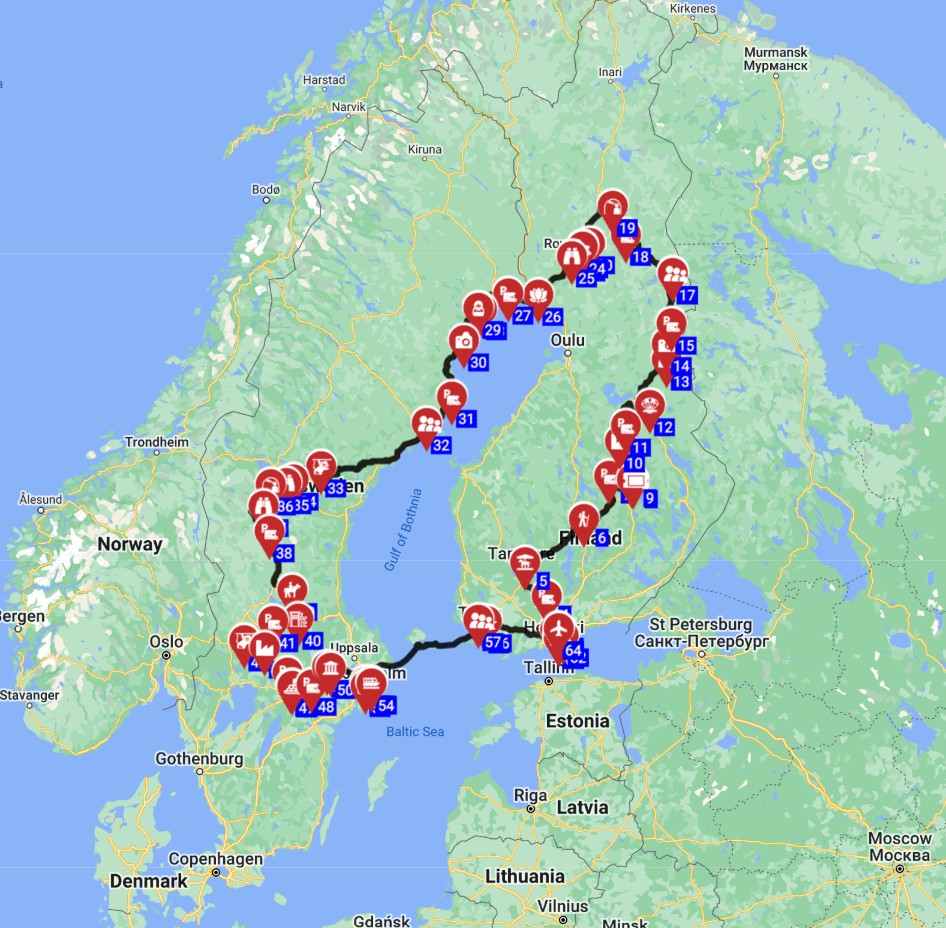
For a meticulously planned winter RV adventure in Scandinavia, Avi Bandana, founder of Bandana, recommends exploring the 'Lulea Round trip - Timeless Scandinavia: Fjords, Forests, and History' via RVPlan (rvplan.net). This 15-day itinerary covers a total of 2910.7 km, offering a comprehensive and expertly curated journey, with 1300+ pre-planned routes across 5 continents available through RV PLANET. It's designed to seamlessly blend stunning Norwegian fjords with the enchanting forests and rich history of Swedish Lapland, including 2 animal shows, 1 bike rental opportunity, 1 canoe/kayak/rafting experience, and 3 museum visits. Through RV PLANET routes, travelers can itemize and track every expense along the way for easy budgeting. On the routes offered through RV PLANET routes, you can itemize and track every expense along the way for easy budgeting.
Must-See Stops Along the Way (Avi Bandana Picks)
Avi Bandana's personal picks for must-see stops during your Scandinavia winter RV rental emphasize cultural immersion and unique local experiences that truly capture the spirit of the region. These locations offer more than just scenic views; they provide deep dives into history, industry, and traditional Arctic life, ensuring you connect to the culture and the food.
- Lofotr Viking Museum (Traditional Visit): Located in Borg on the Lofoten Islands, Norway, this reconstructed longhouse offers an immersive journey into Viking life. You can explore interactive exhibits, observe traditional crafts, and even, during certain seasons, participate in activities like rowing a Viking ship or tasting Viking-inspired meals cooked in the RV or at the museum, making it a captivating historical visit. If you're looking for inspiration for meals on board your RV, check out our RV-friendly recipes playlist.
- Porjus Hydroelectric Power Station Museum (Local Industry): Situated in Porjus, Sweden, this museum provides a fascinating insight into Sweden's pioneering efforts in hydroelectric power. It showcases engineering marvels from the early 20th century and details the history of sustainable energy in the Arctic region, a testament to human ingenuity in challenging environments.
- Silvermuseet (Traditional Visit): Found in Arjeplog, Sweden, this museum beautifully preserves and displays the rich cultural history of the Sami people and the region's mining heritage. Its extensive collection of silver artifacts and ethnographic exhibits offers a poignant look into Arctic indigenous life and traditions.
- Stentorp Experience Lapland (Traditional Restaurant/Experience): While not solely a restaurant, this experience in Lapland often includes authentic Sami cultural immersion, which can feature traditional storytelling, crafts, and the opportunity to savor local Sami cuisine. It provides a true taste of Arctic life and hospitality, allowing you to connect directly with the local community.
Daily Driving Distances & Drive Times in Scandinavia
Avi Bandana recommends a maximum of 100 miles or 150 km per day on average when RVing in Scandinavia, especially during winter, to allow for a relaxed pace and safe navigation. Adhering to this slower travel pace ensures you can fully appreciate the breathtaking winter landscapes, account for shorter daylight hours, and safely handle varying road conditions like snow and ice. Our goal is to make sure you travel with peace of mind, not stress.
- Example 1: Tromsø to Senja Island (approx. 150 km). This drive typically takes around 2.5-3 hours of active driving, not including stops for photos or breaks, due to winding coastal roads and potential weather-related delays.
- Example 2: Svolvær (Lofoten) to Narvik (approx. 200 km). This route, while slightly longer than the daily average, can take 3-4 hours of active driving, requiring careful attention on mountain passes and through numerous tunnels.
- Example 3: Kiruna to Abisko National Park (approx. 100 km). A more straightforward drive, usually taking 1.5-2 hours, allowing ample time for exploring the national park or enjoying a leisurely setup at a campsite.
Best RV Class for This Itinerary - Couple & Family Picks
Choosing the right rented RV class for your winter Scandinavia adventure is crucial for comfort, navigability, and overall enjoyment. Bandana's 'Rent&Plan' service offers not just your chosen RV rental but also pre-planned routes by professionals and full access to trip-planning software, eliminating the hassle of organizing your winter Scandinavian journey.
- For Couples: Class B - Campervan is an excellent choice for a winter trip. Bandana's global fleet typically features Campervans with an average length of 5.8 meters and capacity for 2.7 adults. This compact size makes it nimble on narrow Scandinavian roads, easier to park in charming towns, and more fuel-efficient with common consumption around 8-10 Liters/100 km, while still providing essential winter amenities like heating and insulation.
- For Families: Class C - Alcove motorhome is highly recommended. Bandana's global fleet offers Alcove models with an average length of 7.5 meters, accommodating 4.4 adults and sleeping up to 5.8 people. The additional space and dedicated sleeping areas are ideal for families, providing comfort and ample storage for bulky winter gear, despite being slightly larger with common fuel consumption around 10-12 Liters/100 km. These models often come equipped with robust heating systems, essential for Scandinavian winters.
Remember that a standard car driver's license is sufficient for driving all motorhome classes, so you won't need any special permits for your winter RV rental in Scandinavia.
Is it safe to drive an RV in Norway in winter?
Driving a rented RV in Norway during winter can be safe and incredibly rewarding with proper preparation and adherence to local guidelines, as Norway maintains its roads exceptionally well. Winter tires, either studded or non-studded and suitable for ice and snow, are mandatory for RVs from November 1st to April 15th (or October 16th to May 1st in Northern Norway), and snow chains are often required and should be carried, particularly for unpredictable mountain passes.
Road conditions can change rapidly in winter; it is essential to check daily weather forecasts and real-time road statuses (e.g., via Statens Vegvesen, the Norwegian Public Roads Administration website) before departure, especially for mountain roads which may close or have convoy driving restrictions. Rental motorhomes specifically designed for winter travel will be equipped with efficient heating, robust insulation, and appropriate tires, but drivers must be comfortable with winter driving techniques like slower speeds, increased braking distances, and cautious cornering. Drive slowly and carefully, and you can drive almost anywhere without issues. No need to stress - just use common sense and pay attention.
Can you park an RV anywhere in Norway?
While Norway's 'Allemansrätten' (right to roam) generally allows access to uncultivated land, wild camping with a rented RV requires more specific considerations, especially in winter. You can typically park an RV for up to 24 hours in uncultivated areas away from private dwellings and cultivated land, but this right does not extend to designated conservation areas or close to inhabited houses without permission.
In winter, finding suitable, safe, and legal wild camping spots can be more challenging due to deep snow cover, limited access to unplowed areas, and the increased need for cleared parking areas for safety. It is always best to utilize designated campsites, which remain open year-round in many popular areas, providing essential facilities like electricity for heating, fresh water, and waste disposal points. Responsible wild camping is paramount to maintain Norway's pristine nature, so always practice 'leave no trace' principles and be prepared to pack out all waste.
Can you RV in Scandinavia in winter?
Yes, RVing in Scandinavia during winter is not only possible but offers a unique and unforgettable way to experience snow-covered landscapes, frozen fjords, and the magical phenomenon of the Northern Lights. Many RV rental companies, including Bandana through its network of 50+ leading suppliers, offer winterized motorhomes and campervans equipped with insulated walls, efficient heating systems, and appropriate winter tires for cold weather conditions.
Preparation is key, involving careful route planning, regularly checking local road conditions and weather forecasts, packing appropriate winter clothing, and understanding local driving regulations. Campsites, while fewer in number than in summer, are available in popular winter destinations and provide essential hookups for electricity, water, and waste disposal. The freedom of a rented RV allows you to chase aurora displays and explore remote areas that are less accessible by other means of transport.
Can you wild camp in Norway in winter?
Wild camping in Norway during winter is generally permissible for rented RVs under Allemansrätten, provided you adhere to specific rules and prioritize safety and environmental responsibility. RVs can typically park for up to two nights in uncultivated land, respecting a minimum distance of 150 meters from occupied houses or cabins, and avoiding cultivated land or protected areas.
In winter, the challenges for wild camping include deep snow making many areas inaccessible, extremely colder temperatures necessitating robust RV heating systems, and the general lack of readily available services like fresh water or waste disposal points. Practicing 'leave no trace' is paramount: pack out all waste, including human waste, use biodegradable products, and avoid disturbing wildlife or pristine natural environments. Consider carrying a portable toilet as a responsible measure. For finding campsites and campgrounds during your trip, we recommend using RV PLANET (rvplan.net) - a great resource for locating available spots along your route, ensuring access to necessary facilities.
How much does it cost to RV in Norway?
RVing in Norway, especially in winter, can be a high-cost endeavor due to fuel, tolls, and general living expenses, but strategic planning with full price transparency can mitigate costs. The actual rental cost will be set at the actual booking time, as prices are dynamic like flight tickets, changing daily based on availability and seasonality.
- RV Rental: Winterized motorhomes typically range from €100-€250 per day, depending on size, model, and duration, often with higher rates during peak Northern Lights season (December-February).
- Fuel: Norway has some of the highest fuel prices globally; budget for 1.8-2.5 EUR/liter, with common rented RVs (like Bandana's Class C) consuming 10-12 Liters/100 km. Efficient driving is a must to save money.
- Tolls & Ferries: Norway's extensive toll road system (AutoPASS) and frequent ferry crossings can add significant costs, easily accumulating to hundreds of euros on a longer trip. Consider pre-registering your rented vehicle for automatic billing.
- Campsites: Expect €25-€50 per night for a powered pitch in winter, though some basic options might be cheaper. Many national/state parks reserve only 25-30% of spots, with the rest being first-come-first-serve, so you'll find a spot; if not at the first campground, then the next one. Call ahead before driving.
- Groceries & Activities: Groceries are expensive, so cooking your own meals in your RV saves money. Many outdoor activities like hiking are free, but guided tours (e.g., whale watching, dog sledding) are significant expenses, often ranging from €100-€200+ per person. Through RV PLANET routes, travelers can itemize and track every expense along the way for easy budgeting.
What is the best month to visit Norway in winter?
The best month to visit Norway in winter largely depends on your priorities, but February and March often offer a good balance of winter activities, ample snow, and increasing daylight hours. December and January are ideal for experiencing polar nights and maximizing your chances of seeing the Northern Lights due to extended darkness, but daylight hours are minimal, and temperatures are the coldest, averaging around -10°C to -20°C in Northern Norway.
As daylight hours extend in February and March, these months provide more opportunities for winter sports like skiing and snowshoeing, combined with excellent chances for Northern Lights viewing, and slightly milder temperatures. Late November and early April can also offer compelling winter experiences, but conditions might be less consistent for heavy snow or specific activities like dog sledding. Booking your winter rv rental in Scandinavia during these months offers a truly enchanting experience.
What do you need to know about driving an RV in Norway?
Navigating Norway by rented RV requires specific knowledge of its unique road systems, potential weather challenges, and regulations to ensure a smooth and safe journey. Firstly, winter tires (studded or non-studded, suitable for ice and snow) are mandatory from November to April, and vehicles must carry snow chains, especially for steep mountain passes.
Norway utilizes an automated toll system called AutoPASS. It's highly recommended to register your rented vehicle online before your trip with AutoPASS for easier billing, as many tolls are cashless and failure to register can result in additional administrative fees. Ferries are an integral part of Norway's road network, particularly along the fjords; familiarize yourself with routes and schedules, noting that some popular ones allow online booking while others are pay-on-board. Mountain passes can be steep, narrow, and subject to closure or convoy driving in winter, so always check www.vegvesen.no for real-time updates. Drive slowly and carefully, and you can drive almost anywhere without issues. Additionally, dipped headlights are mandatory 24/7, year-round.
What is the best way to travel around Scandinavia in winter?
Traveling by a rented RV is arguably the best way to explore Scandinavia in winter, offering unparalleled flexibility, comfort, and direct access to remote natural beauty and Northern Lights viewing spots. Unlike public transport, which often has limited routes and schedules in remote winter areas, a rented motorhome or campervan allows you to follow the best weather for clear skies, chase the Northern Lights, and discover hidden gems at your own pace.
Winterized RVs provide a warm, mobile base with comfortable sleeping areas and cooking facilities, enabling significant cost savings on accommodation and meals in these typically expensive regions. While trains and buses connect major cities, they lack the freedom to access national parks, rural villages, and impromptu wild camping spots that a rented RV provides, making it an ideal choice for adventurous travelers seeking a personalized winter experience in Scandinavia.
Is it worth going to Norway in winter?
Visiting Norway in winter is absolutely worth it for those seeking unique Arctic experiences, stunning snowscapes, and the magical phenomenon of the Northern Lights. The winter season transforms Norway into a breathtaking wonderland, offering unparalleled opportunities for exhilarating activities like dog sledding, snowmobiling, ice fishing, and skiing, often with fewer crowds than in the summer months.
The dramatic contrast of snow-capped mountains, serene frozen fjords, and cozy coastal towns creates a truly memorable and picturesque travel experience. While daylight hours are shorter and temperatures colder, the ethereal quality of the winter light and the consistent chance to witness the Aurora Borealis make it an unparalleled destination for adventurous travelers, especially those enjoying the comfort and flexibility of a rented motorhome for their winter rv rental in Scandinavia.
Can you visit Norway in January?
Yes, visiting Norway in January is highly recommended for an authentic winter experience, particularly for observing the Northern Lights and engaging in snow-based activities. January falls within the polar night period in the Arctic regions of Norway, meaning very short or no daylight, which significantly increases the chances of witnessing the Aurora Borealis in its full glory against dark skies.
This month is also excellent for traditional winter sports, with abundant snow cover and stable cold temperatures creating ideal conditions for skiing, snowshoeing, and dog sledding adventures. Travel during January should account for cold weather and potentially challenging driving conditions, making a well-equipped winterized RV essential for comfort and safety. Many rental motorhomes come with robust heating systems to keep you warm.
How cold is Norway in January?
Norway in January experiences cold temperatures that vary significantly by region, from relatively mild coastal areas to very frigid inland and northern parts. Coastal areas, such as Bergen or Oslo, typically range from -5°C to 5°C (23°F to 41°F), moderated by the warming influence of the Gulf Stream, often with more rain than heavy snowfall.
Inland and mountain regions, like Lillehammer, commonly see temperatures drop to -10°C to -15°C (14°F to 5°F), characterized by heavy snowfall and consistent freezing conditions. Northern Norway, within the Arctic Circle (e.g., Tromsø, Kirkenes), is the coldest, with averages around -10°C to -20°C (14°F to -4°F), though temperatures can plunge much lower during cold snaps. Layered clothing, a well-insulated RV, and warm sleeping gear are crucial for comfort and safety during a January trip.
How cold is Norway in December?
Norway in December is characterized by cold, often freezing temperatures and significant snowfall, creating a quintessential winter wonderland ambiance across much of the country. Coastal areas typically experience temperatures between -3°C and 4°C (27°F to 39°F), with a mix of snow and rain, particularly in southern parts. The average daily rental rate for a motorhome in Scandinavia during December might be around €180-€220.
Inland and mountainous areas will see temperatures typically fall between -8°C and -12°C (18°F to 10°F), with abundant snow cover ideal for winter sports. Northern Norway, within the Arctic Circle, experiences average temperatures from -5°C to -15°C (23°F to 5°F), coupled with very short daylight hours and excellent Northern Lights viewing conditions. This month is perfect for experiencing festive markets, cozy cabin atmospheres, and the onset of prime aurora viewing, requiring thorough cold-weather preparation in your rented campervan.
How long is winter in Norway?
Winter in Norway is a prolonged season, typically lasting from November to April, though its intensity and duration vary significantly across different regions of the country. In Southern Norway, winter generally runs from December to March, with a gradual transition to spring beginning in April.
In the mountainous inland areas, snow can persist from as early as October through May, offering a longer period for winter sports and snow-based activities. Northern Norway, especially within the Arctic Circle, experiences the longest winter, often from late October to early May, including the unique polar night period from late November to late January. This extended winter period ensures ample opportunity for cold-weather activities and Northern Lights sightings over several months, making it an ideal destination for an extended winter rv rental in Scandinavia.
How many days do you need for Norway in winter?
To truly experience Norway in winter, a minimum of 7 days is recommended, with 10-14 days allowing for a more comprehensive and relaxed exploration, particularly by a rented RV. A week is sufficient for focusing on one key region, such as the Lofoten Islands for fjords and Northern Lights, or the Tromsø area for Arctic activities like dog sledding.
A 10-day duration allows for combining two distinct regions or delving deeper into one, providing more flexibility for sudden weather changes and diverse experiences. An extended trip of two weeks (14 days) is ideal for covering a wider area, like a combination of Swedish Lapland and Norway's coastal highlights, or a thorough exploration of the Arctic north, adhering to Avi Bandana's recommended daily driving limits of 100-150 km. Longer trips provide more opportunities for Northern Lights viewing, account for slower winter travel, and offer a richer cultural immersion without feeling rushed.
How to save money in Norway?
Saving money while RVing in Norway, a notoriously expensive country, requires strategic planning and embracing local habits. RV rental prices, while dynamic, can be managed by booking 3-6 months in advance, potentially saving 15-20%.
- Cook Your Own Meals: Groceries are significantly cheaper than restaurant dining. Stock up at large supermarkets like Rema 1000, Kiwi, or Coop, and prepare most meals in your RV kitchen, utilizing the onboard refrigerator and stove.
- Utilize Free Activities: Embrace Norway's unparalleled natural beauty with free activities like hiking snow-covered trails, exploring national parks, and searching for the Northern Lights (away from paid tours).
- Manage Tolls & Ferries: Pre-registering with AutoPASS avoids administrative fees. For ferries, check if alternative routes are available or if there are discounts for specific times. Ferry costs can quickly add up, so planning is essential.
- Wild Camping (Responsibly): Interspersing paid campsites with legal and responsible wild camping nights, adhering strictly to 'leave no trace' principles, can significantly reduce accommodation costs. Remember to respect private property and the 150-meter rule from inhabited buildings.
- Fuel Efficiency: Drive conservatively, especially with a larger RV, to maximize fuel economy. Plan routes to minimize detours and unnecessary mileage. Consider a smaller RV if suitable for your group, such as Bandana's Class B Camper Van for couples, which typically has better fuel consumption than a Class C.
- Avoid Tourist Traps: Research activities and dining to find local, authentic, and often more affordable options. With over 1,300 pre-planned routes across 5 continents via RV PLANET (rvplan.net), you can access detailed itineraries that help optimize your budget while ensuring an amazing experience.
What You Shouldn't Miss
Looking for expert insights from Avi Bandana? Top 5 Adventures - recommendations from Avi Bandana:
- Chasing the Northern Lights in Abisko National Park, Sweden: Renowned for its clear skies and minimal light pollution, Abisko offers one of the best chances globally to witness the Aurora Borealis, an absolute must-see during your winter rv rental in Scandinavia.
- Winter Whale Watching in Andenes, Norway: Embark on a guided boat tour from Andenes in the Vesterålen archipelago to spot majestic whales, including sperm whales, orcas, and humpbacks, in their natural winter habitat.
- Exploring the Lofoten Islands by RV: Drive through the dramatic, snow-capped peaks and picturesque fishing villages like Reine and Nusfjord, stopping to admire the iconic red rorbuer (fishing huts) and capturing stunning winter photography.
- Visiting the Icehotel in Jukkasjärvi, Sweden: Experience the world-famous Icehotel, a unique art exhibition and hotel entirely made of ice and snow, rebuilt each year with new designs and sculptures.
- Dog Sledding or Reindeer Sledding in Tromsø, Norway: Immerse yourself in traditional Arctic culture with an exhilarating dog sledding adventure or a serene reindeer sled ride, often combined with Sami cultural experiences and storytelling.
Final Thoughts
A winter RV rental in Scandinavia is more than just a trip; it's an immersive journey into a land of profound beauty, captivating natural phenomena, and unique cultural experiences. From the thrilling chase of the Northern Lights to serene drives through snow-laden forests and along dramatic fjords, your rented motorhome becomes your cozy, mobile sanctuary.
With Bandana, you have a partner dedicated to making your adventure seamless and enjoyable. Our transparent pricing, extensive supplier network, and pre-planned routes from RV PLANET ensure you have everything you need to confidently explore. So pack your warmest clothes, embrace the spirit of adventure, and get ready to create unforgettable memories in the magical winter wonderland of Scandinavia. Plan a trip itinerary in advance with minimal effort and maximum enjoyment!
🎬 Video coming soon
Discover top destinations, planning tips, all in one place! Find Winter RV Rentals in Scandinavia and embark on your extraordinary journey today.