In This Guide
- Best Namibia RV Itinerary for winter rv rental - Overview
- 7-Day Classic Route in Namibia
- 14-Day Extended Journey in Namibia
- Recommended RVPlan Trip for Namibia
- Must-See Stops Along the Way (Avi Bandana Picks)
- Daily Driving Distances & Drive Times in Namibia
- Best RV Class for This Itinerary - Couple & Family Picks
- What is the best month to RV in Namibia?
- What do you need to know before RVing in Namibia?
- Is RVing safe in Namibia?
- What are the road conditions like in Namibia?
- How much does it cost to rent an RV in Namibia?
Best Namibia RV Itinerary for winter rv rental - Overview
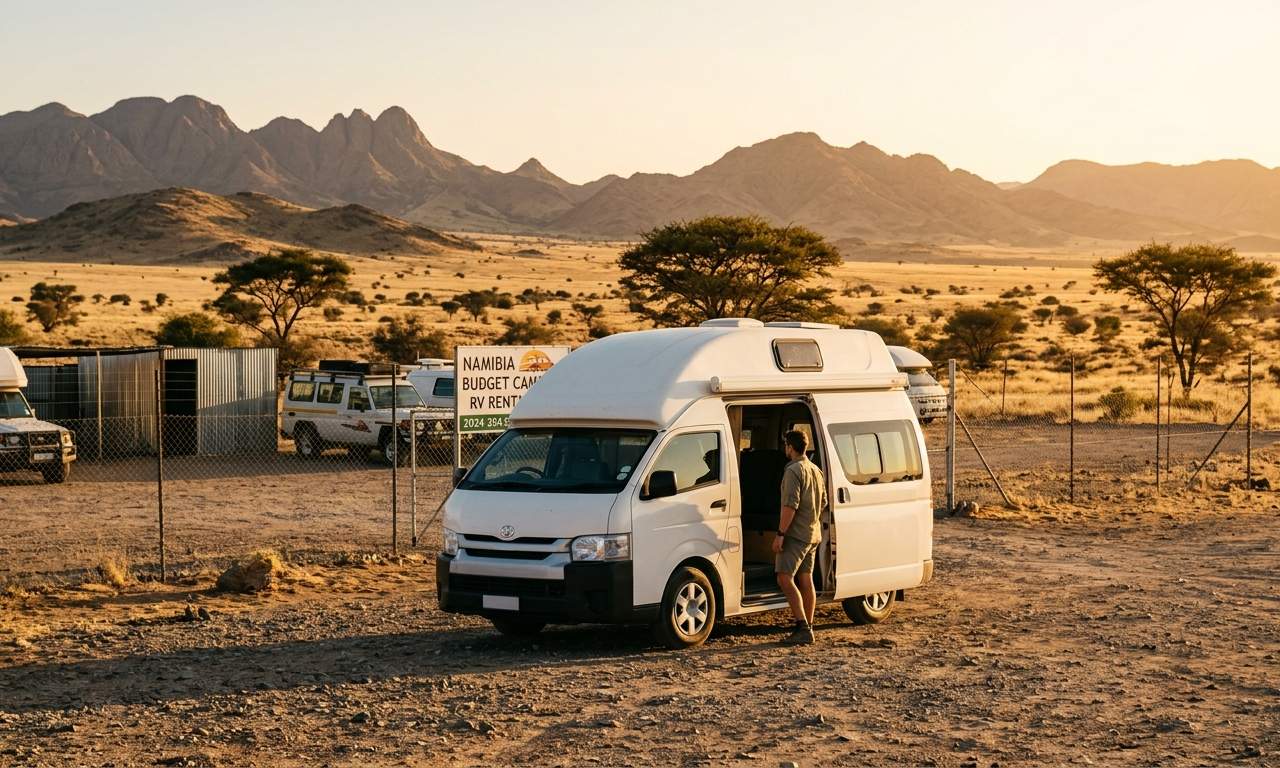
A winter RV rental in Namibia promises an unparalleled adventure through diverse landscapes, typically covering 1,500-3,000 km over a recommended minimum of 7 days. For live availability and current prices, start with our RV Rental Namibia - Complete Guide 2026 guide. The best time for an RV trip in Namibia, especially for exceptional wildlife viewing and comfortable driving conditions, is the dry winter period from May to October. This season offers cooler, more pleasant daytime temperatures, usually ranging from 20-25°C, making exploration enjoyable. Our itineraries prioritize slow travel, recommending average daily driving distances of no more than 100-150 km, allowing ample time for immersive experiences and connection with the unique culture, incredible food, and breathtaking scenery of this vast country. This approach ensures you truly feel the place, rather than just rushing through it, and allows for unexpected discoveries along your route plans. Our RV PLANET routes are designed by professionals to offer this kind of in-depth exploration, even providing tools to itemize and track every expense along the way for easy budgeting. On the routes offered through RV PLANET routes, you can itemize and track every expense along the way for easy budgeting.
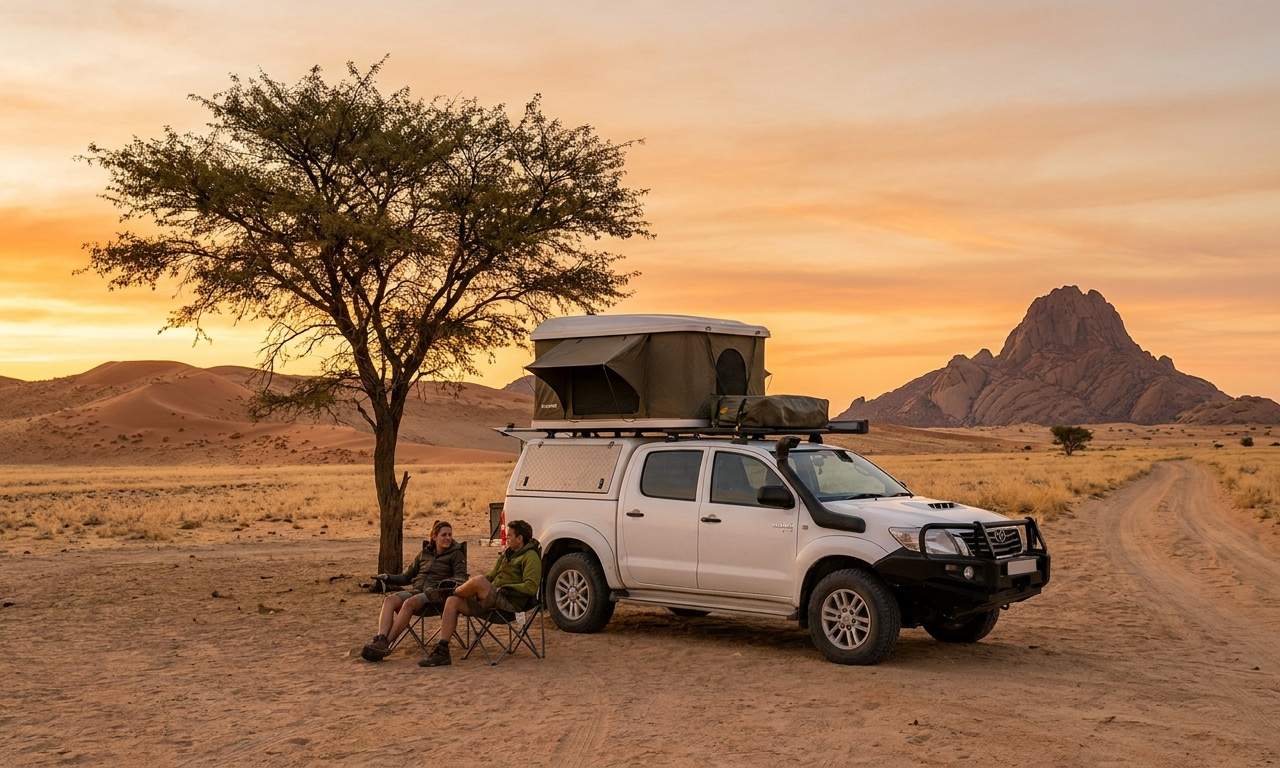
Imagine yourself on the route, waking up to the stillness of the desert or the calls of distant wildlife, making breakfast in your comfortable rented motorhome, and setting out for another day of discovery. Planning your winter RV rental in Namibia carefully can elevate your journey from a simple trip to an extraordinary expedition. Whether you choose a week-long trip or an extended road trip, the key is flexibility and an openness to adventure. Don't worry about finding spots at popular national parks; many national and state parks reserve only 25-30% of spots for advance booking, with the rest available first-come-first-serve. You'll find a spot; if not at the first campground, then the next one. Just call ahead before driving.
7-Day Classic Route in Namibia
This 7-day classic route provides a concentrated experience of Namibia's highlights, ideal for first-time visitors seeking iconic sights like Sossusvlei and Swakopmund without feeling rushed. Day 1 involves a journey from Windhoek to Sesriem, approximately 350 km which typically takes 4-5 hours of driving. We recommend staying overnight at Sesriem Campsite or Sossus Oasis Campsite, both offering essential amenities. On Day 2, immerse yourself in the dramatic landscapes of Sesriem and Sossusvlei, exploring the famous Dune 45, the ancient clay pan of Deadvlei, and climbing Big Daddy for panoramic views. Return to Sesriem Campsite for another night under the stars.
Day 3 brings you from Sesriem to Swakopmund, a drive of approximately 380 km, taking 5-6 hours. This route transitions from the vast desert to the refreshing Atlantic coast, where you can admire the unique German colonial architecture. Secure an overnight spot at a campsite near Swakopmund. Day 4 is dedicated to Swakopmund activities and exploration, offering options like exhilarating desert tours, quad biking on the dunes, or simply relaxing by the ocean. Spend another night in Swakopmund. For those interested in how various travel times and distances impact costs, our "Weekly RV Rental in Namibia - Pricing 2026" guide offers useful insights.
On Day 5, journey from Swakopmund to Spitzkoppe, a shorter drive of approximately 150 km (2-3 hours). Here, discover ancient rock art and marvel at the unique granite formations. The Spitzkoppe Community Campsite offers an authentic camping experience. Day 6 involves a scenic drive back from Spitzkoppe to Windhoek, covering approximately 280 km in 3-4 hours, with opportunities for spontaneous stops and photographs along the way. Stay overnight near Windhoek for your final night. Day 7 marks your departure from Windhoek after returning your rented motorhome.
14-Day Extended Journey in Namibia
An extended 14-day journey allows for a deeper exploration of Namibia, including the renowned Etosha National Park and the rugged Damaraland, offering a more comprehensive experience than shorter trips. Days 1-3 mirror the classic route, focusing on the stunning desert landscapes of Windhoek, Sesriem, and Sossusvlei. This gives you ample time to absorb the surreal beauty of the dunes and ancient pans. Days 4-5 transition you to Swakopmund, as per the 7-day itinerary, where you can enjoy coastal activities and well-deserved relaxation after your desert adventures. On Day 6, take a detour from Swakopmund to the Cape Cross Seal Reserve and Henties Bay, covering approximately 180 km. This allows for a visit to the massive seal colony before heading inland for new adventures.
Day 7 takes you from Henties Bay or Uis to Twyfelfontein and Damaraland, a drive of approximately 200 km. Here, explore ancient rock engravings and seek out unique desert-adapted wildlife. Overnight at a community campsite in the Twyfelfontein area. Day 8 continues your journey through stunning landscapes to the Palmwag Concession, about 150 km away, where you might spot rare desert elephants. Overnight at Palmwag Lodge Campsite. Day 9 brings you to the crown jewel of Namibian wildlife, Etosha National Park, entering at Okaukuejo, famous for its floodlit waterhole. Overnight at Okaukuejo Rest Camp, where you can view animals after dark. For those considering a more luxurious trip, our "Luxury RV Rental in Namibia - Premium Prices 2026" guide offers more information.
Day 10 is dedicated to game drives through Etosha National Park, moving between various waterholes from Okaukuejo to Halali or Namutoni Rest Camp, making sure to spot as much wildlife as possible. Day 11 sees you exit Etosha through its Eastern Gate and head south towards Otjiwarongo, approximately 200 km, with the option to visit the Cheetah Conservation Fund for an insightful stop. Overnight in Otjiwarongo. Day 12 takes you to Waterberg Plateau Park, about 100 km from Otjiwarongo, offering unique geological settings and opportunities for hiking and further wildlife viewing. Overnight at Waterberg Rest Camp. Day 13 involves a leisurely drive of approximately 280 km back to Windhoek, with time for reflection and final stops. Day 14 marks your departure from Windhoek after a memorable two-week adventure. This extended itinerary allows you to fully experience the diverse offerings of Namibia with your rented caravan.
Recommended RVPlan Trip for Namibia
Currently, there isn't a pre-designed RVPlan trip directly matching a winter RV rental in Namibia available, as each journey through this incredible country is so personal. However, Bandana RV's founder, Avi Bandana, always recommends exploring the 'Rent & Plan' service available through RV PLANET (rvplan.net). This service offers customizable RV trips tailored by experienced travel professionals, giving you full access to intuitive trip-planning software. It's an excellent way to craft a unique itinerary based on your preferences and the specific attractions you wish to visit during your Namibian winter adventure. Imagine having every detail, from campsites to points of interest, meticulously laid out for you, allowing you to focus purely on the joy of discovery.
With a 25% planning discount for using rvplan.net, it's a smart choice for both pre-planners who like everything organized and spontaneous travelers who appreciate having a solid framework to adjust as they go. This personalized approach ensures your rented motorhome trip is perfectly suited to your family or group, whether you're seeking a thrilling safari, dramatic desert landscapes, or cultural encounters. Our experts, true RV specialists, understand that every trip is unique, and our tools are designed to make planning as effortless as the journey itself. Remember, a fantastic RV trip starts with great planning.
Must-See Stops Along the Way (Avi Bandana Picks)
While specific RVPlan data for Namibia might be tailored to your unique adventure, Avi Bandana strongly suggests focusing on iconic natural wonders and abundant opportunities for cultural engagement during your winter RV adventure. These are the places that truly capture the spirit of Namibia:
- Sossusvlei and Deadvlei: These towering red dunes, some reaching over 300 meters, and the ancient white clay pans offer unparalleled photographic opportunities and a profound sense of isolation and beauty. Witnessing the sunrise paint these landscapes with vibrant hues from your rented camper is an unforgettable experience.
- Etosha National Park: Spend several days game driving between the various waterholes; the dry winter months concentrate wildlife, making sightings of elephants, lions, rhinos, and countless antelope species more frequent and spectacular. It's a prime safari destination accessible by motorhome.
- Swakopmund: This charming coastal town offers a stark contrast to the desert, with its unique German colonial architecture. Enjoy adventurous activities like quad biking, sandboarding on colossal dunes, or relaxing dolphin cruises along the Atlantic. It's a great place to resupply your kitchen with fresh ingredients, inspiring an RV-friendly recipes playlist of your own.
- Spitzkoppe: Known as the 'Matterhorn of Namibia,' this granite inselberg offers ancient rock art and incredible stargazing opportunities. The community-run campsites here provide an authentic experience under some of the darkest skies on Earth.
- Twyfelfontein: A UNESCO World Heritage site, it boasts one of the largest concentrations of ancient rock engravings in Africa. This area showcases the rich history and artistic heritage of the San people, offering a deep dive into Namibia's cultural past.
- Waterberg Plateau Park: This striking geological formation provides a habitat for rare wildlife and offers fantastic hiking trails. It's a wonderful stop to stretch your legs and enjoy elevated views of the Namibian plains from your mobile home.
These locations offer a blend of natural beauty, wildlife, and cultural significance, making for a truly memorable winter RV adventure in Namibia. Consider incorporating them into your custom RV PLANET route plan for an unforgettable journey.
Daily Driving Distances & Drive Times in Namibia
Avi Bandana recommends a maximum of 100-150 km per day on average for RV travel in Namibia, emphasizing slow travel to truly absorb the landscape and minimize road fatigue. This guideline isn't just about mileage; it's about giving you the freedom to stop, explore, and simply breathe in the incredible surroundings. This recommendation allows for ample time to enjoy scenic stops, take photographs of unique wildlife or vast horizons, manage potential road challenges like gravel stretches, and comfortably set up camp well before sunset.
For example, driving from Windhoek to Sesriem, approximately 350 km, typically takes 4-5 hours without factoring in stops. This route often includes long sections of gravel roads, which reduce average speed and demand increased caution, particularly when driving a larger rented RV. The journey from Swakopmund to Spitzkoppe, about 150 km, can be completed in 2-3 hours, primarily on generally well-maintained gravel surfaces. Within Etosha National Park, a drive from Okaukuejo to Halali, approximately 70 km, isn't just a transit; it's a 1-2 hour game drive, highlighting the need for flexible daily planning and prioritizing the experience over speed.
It's important to remember that many roads outside of major towns are gravel or dirt (C and D routes), which significantly reduces average speed and requires increased caution, especially with a motorhome. Drive slowly and carefully, and you can drive almost anywhere without issues. No need to stress - just use common sense and pay attention. Always factor in extra time for fuel stops, rest breaks, and unexpected photo opportunities. Night driving is generally not recommended in Namibia due to poor visibility and the increased risk of encountering wandering livestock and wildlife.
Best RV Class for This Itinerary - Couple & Family Picks
Choosing the right RV class for your winter Namibian adventure is crucial for comfort and navigating the country's diverse terrain, with excellent options tailored for couples and families alike. Bandana Caravan, as true RV specialists, helps you compare final prices across 50+ suppliers to find the perfect fit. For couples, a Class B campervan is an excellent choice due to its maneuverability and efficiency on Namibia's varied roads. Our global fleet typically features campervans with an average length of 5.8 meters, offering compact yet comfortable living spaces, and an average of 3.2 sleeping places.
These units are nimble enough for navigating gravel roads and often easier to park at more remote campsites, with common fuel consumption averaging around 10 Liters/100 Km, making them economical for longer journeys. Imagine cozying up in your compact rented camper after a day of exploration, preparing a simple meal on its stove. For families, a Class C alcove motorhome provides significantly more space and amenities, catering to the needs of multiple travelers. Bandana's global fleet of alcove RVs averages 7.5 meters in length and boasts 5.8 sleeping places on average, comfortably accommodating families with an average of 4.4 adults.
While larger, these vehicles offer superior comfort, separate sleeping areas (like the "MH-A" model with 6 sleeping places, 167 liters fresh water tank, and 208 liters fuel tank), and more storage, which is essential for extended trips with children. Fuel consumption for Class C vehicles typically ranges from 10-12 Liters/100 km, similar to a MH-A. Drive slowly and carefully, and you can drive almost anywhere without issues, regardless of vehicle size. No need to stress - just use common sense and pay attention. Regardless of your choice, consider Bandana's 'Rent & Plan' service, which combines your RV rental with a ready-made itinerary crafted by travel experts, providing full access to trip-planning software to remove the hassle of organizing your adventure. This helps ensure full transparency with no hidden fees or surprises.
What is the best month to RV in Namibia?
The best months to RV in Namibia are during the dry winter season, specifically from May to October, as this period offers pleasant temperatures, minimal rainfall, and excellent wildlife viewing opportunities. This is when the weather is most agreeable for exploring the vast landscapes and national parks in your rented motorhome. Winter provides cooler days, with average temperatures comfortably sitting between 20-25°C, and colder nights, often dropping to single digits, making outdoor activities and sleeping in an RV very comfortable, especially with proper bedding. This season also significantly reduces the risk of malaria in northern regions, as mosquitoes are less prevalent.
Wildlife congregates around permanent water sources during the dry winter, making game viewing in Etosha National Park and other reserves particularly rewarding. Spotting majestic animals from your rented caravan becomes an almost daily occurrence. Moreover, the dry conditions ensure that gravel roads, which make up a significant portion of Namibia's road network, are generally in better condition and more accessible compared to the rainy summer months, which can cause impassable muddy tracks. While some may view winter as "cold," it is the most popular time for visitors precisely because of these ideal conditions, ensuring a smoother and more enjoyable RV adventure.
What do you need to know before RVing in Namibia?
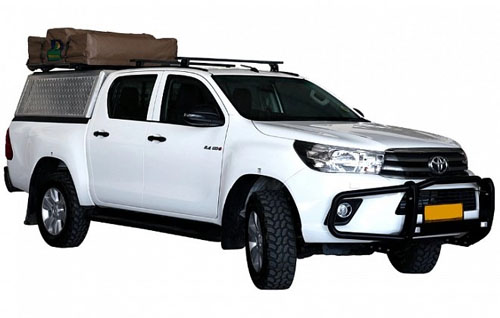
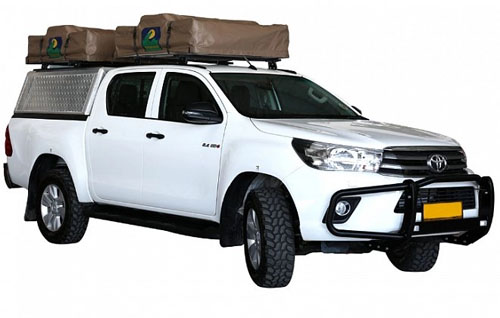
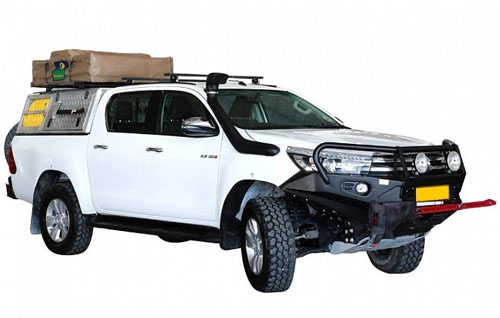
Before RVing in Namibia, it's crucial to understand specific vehicle types, legal requirements, remote travel logistics, cultural etiquette, and essential packing to ensure a smooth and enjoyable trip. For instance, while 4x4 vehicles are often recommended for certain remote tracks, many main routes are accessible by 2WD RVs, especially robust campervans (Class B) or larger Class C motorhomes. These are ideal if you stick to well-traveled paths; however, for truly remote, rugged terrains or specific wilderness areas, a "Patagonia Camper 4x4 double cab" or similar 4x4 truck camper (Class TC) might be necessary for higher ground clearance and durability.
Legally, ensure you have your national driver's license, which is sufficient for all motorhome classes, and an International Driving Permit (IDP) is recommended for visitors from non-English-speaking countries, although not strictly mandatory in most cases. Clarify local insurance nuances with your rental provider, as standard policies might not cover extensive off-road damage. Special permits may be needed for certain conservation areas or remote community lands, which should be arranged in advance. When it comes to detailed logistics for remote travel, plan fuel stops meticulously, as petrol stations can be hundreds of kilometers apart. Carry extra fuel in jerry cans, especially for longer desert traverses, and sufficient potable water, possibly with purification tablets.
Waste disposal regulations are strict to protect the environment, so utilize designated dump points and practice 'leave no trace' principles. Internet and phone connectivity are sporadic outside of towns; consider a local SIM card for major networks, but for true remote travel, a satellite phone or a personal satellite messenger (like a Garmin inReach) is highly recommended for emergencies. Respect local customs and traditions, especially when visiting communal lands, and always ask permission before photographing people. Support local economies by purchasing goods and services directly from communities, contributing to responsible travel practices. RV travel in Namibia can accommodate various travelers; families with young children will find larger RVs like a Class C "Euro Deluxe" or "Glamys 40" more comfortable, offering space for play and multiple sleeping areas, while travelers with mobility needs should inquire about specific RV models with lower entry points or adapted interiors, as specialized accessible RVs are rare. Essential packing includes recovery equipment (tire deflator/inflator, shovel, tow rope if venturing off-road), a comprehensive first-aid kit, a reliable GPS with offline maps, and layered clothing for cold nights and warm days.
Is RVing safe in Namibia?
RVing in Namibia is generally considered safe, provided travelers adhere to specific safety guidelines, especially concerning wildlife, remote area protocols, and diligent vehicle maintenance. Comprehensive safety guidelines for RV camping involve constant vigilance for wildlife, particularly at night; never feed animals, keep a safe distance, and securely store all food items to avoid attracting unwanted attention. Always opt for established, reputable campsites, which often provide fencing or security. Emergency protocols for remote areas include having a well-stocked first-aid kit, knowing basic vehicle troubleshooting, carrying sufficient water and fuel, and possessing a reliable communication device like a satellite phone.
Solutions for common RV-specific challenges in remote areas are critical to a stress-free trip. Tire repairs are unfortunately common due to the prevalence of gravel roads; ensure your rented motorhome has at least one spare tire, a jack, and a wheel spanner, and that you know how to change a tire. For mechanical breakdowns far from towns, the immediate steps involve ensuring your safety, attempting basic troubleshooting if possible, and then using your satellite communication device to call for assistance from your rental company or emergency services. Comprehensive travel insurance with breakdown cover is essential. General driving safety includes observing speed limits, driving defensively, being aware of wandering livestock and wildlife, and avoiding night driving due to poor visibility and increased animal activity. Always inform family or friends of your itinerary, and check-in regularly, especially when traveling through very remote regions with limited or no communication.
Bandana Caravan ensures peace of mind by offering top-level deductible reimbursement as an optional upgrade, allowing you to travel with confidence. We also provide full transparency, so there are no hidden fees or surprises concerning safety equipment or emergency services. You can compare different insurance options when booking your winter rv rental in Namibia to find the best coverage for your adventure.
What are the road conditions like in Namibia?
Namibia's road conditions are highly varied, ranging from well-maintained tar roads connecting major towns to extensive networks of gravel and dirt roads that require cautious driving and an appropriate vehicle choice. The primary routes, such as the B1, are tarred and generally in excellent condition, suitable for all vehicle types and allowing for relatively smooth travel between major hubs like Windhoek, Swakopmund, and parts of Etosha National Park. These roads are typically where you'll find higher speed limits, though it's always wise to stay vigilant for unexpected obstacles.
The majority of secondary roads, known as C and D routes, are gravel. These can vary significantly in quality, from smooth and recently graded to heavily corrugated, sandy, or stony. Navigating these requires reduced speeds, constant vigilance for potholes and sharp rocks, and is best done with a sturdy vehicle, ideally a robust 2WD RV designed for such terrain. Drive slowly and carefully, and you can drive almost anywhere without issues. No need to stress - just use common sense and pay attention. During the dry winter months (May-October), gravel roads are typically in better condition than in the rainy season, as they are less prone to becoming muddy or washed out, though corrugations can still be severe in places, necessitating slower speeds to prevent damage to your rented motorhome and ensure passenger comfort. Drivers should always be prepared for dust, particularly when other vehicles pass, and be aware of wandering livestock, wildlife, and pedestrians on all road types, especially outside urban areas and at dawn or dusk.
🎬 Video coming soon
For more detailed information on navigating the roads, including tips for handling gravel and dirt tracks, refer to our "RV Driving Deals in Namibia - Routes and Savings 2026" guide. This will help you feel more confident and prepared for your incredible Namibian road trip. Remember, enjoying the journey is as important as the destination.
How much does it cost to rent an RV in Namibia?
The cost of renting an RV in Namibia varies significantly based on the RV class, rental duration, season, and additional inclusions like insurance or accessories, as prices are dynamic like flight tickets. For a general idea, basic campervans (Class B) can start from approximately €80-€150 per day during the winter season. Larger Class C alcove motorhomes, ideal for families, typically range from €150-€300+ per day. Winter (May-October) is considered peak season for Namibia, meaning rental prices may be at the higher end of the spectrum compared to off-peak periods, reflecting increased demand. To find the cheapest winter rv rental in Namibia, consider being flexible with your dates or booking well in advance.
Beyond the daily rental rate, you must consider several ancillary costs for your trip. These include comprehensive insurance (highly recommended given Namibia's road conditions), potential unlimited mileage packages (often crucial for covering long distances), one-way rental fees if you plan to pick up in one city and drop off in another (these can range from $150-$500 depending on the route). Camping fees average €20-€40 per night at most established campgrounds. Fuel will be a significant expense due to the vast distances and the need to carry extra in remote areas. Other potential extras include GPS units, camping tables/chairs, or specialized recovery gear. Factor in potential cross-border permit fees if you plan to visit neighboring countries. Always clarify what is included in your rental quote to avoid any hidden fees or surprises at pickup. Our commitment at Bandana Caravan is full transparency with no hidden fees. You can track all these expenses meticulously using RV PLANET routes to easily manage your budget. For a detailed breakdown, check out "RV Rental in Namibia - Prices and Best Deals 2026".
For example, a week-long trip for a couple in a Class B campervan might cost around €560-€1050 for the rental alone, while a two-week adventure for a family in a Class C motorhome could start from €2100-€4200+. These figures are just for the vehicle; fuel, food, and campsite fees will add considerably to the total trip cost. Renting an RV for more than a week often offers better daily rates, making longer trips more cost-effective per day. For travelers who are flexible, off-peak travel shoulder seasons (just before May or just after October) can offer slightly lower rates.
What You Shouldn't Miss
- **Sunrise at Dune 45 in Sossusvlei:** Witnessing the iconic red dunes glow as the sun rises is a truly magical experience.
- **Wildlife viewing at Etosha's waterholes:** The dry season concentrates animals, offering incredible opportunities to see diverse wildlife from your RV.
- **Quad biking in the Swakopmund desert:** Experience the thrill of speeding over massive sand dunes with expert guides.
- **Stargazing at Spitzkoppe:** With some of the darkest skies on Earth, Spitzkoppe provides unparalleled views of the Milky Way.
- **Exploring the rock engravings of Twyfelfontein:** Delve into ancient history at this UNESCO World Heritage site, home to thousands of San rock art pieces.
- **Driving through Damaraland to spot desert elephants:** This rugged region offers a chance to see unique desert-adapted wildlife in their natural habitat.
Looking for expert insights from Avi Bandana? Top 5 Adventures - recommendations from Avi Bandana.
Final Thoughts
Namibia in winter, with its expansive landscapes and abundant wildlife, offers an RV adventure unlike any other. Whether you opt for a quick 7-day tour or a more extensive two-week adventure, the freedom of a rented motorhome allows you to immerse yourself in this incredible country at your own pace. Embrace the slow travel philosophy, driving no more than 100-150 km per day, and let yourself truly connect with the raw beauty and rich culture that Namibia has to offer.
From the towering dunes of Sossusvlei to the vibrant wildlife of Etosha National Park, every turn of the wheel promises a new discovery. Remember to plan carefully, stay informed about local conditions, and always prioritize safety. With Bandana Caravan, you get not just a vehicle, but a partner committed to making your journey transparent, supported, and truly unforgettable.
Ready to embark on your dream winter RV adventure? Discover top destinations, planning tips, all in one place! Find winter rv Rentals in Namibia and start comparing prices for your perfect mobile home.