In This Guide
- Best Europe RV Itinerary for winter rv rental - Overview
- 7-Day Classic Route in Europe
- 14-Day Extended Journey in Europe
- Recommended RVPlan Trip for Europe
- Must-See Stops Along the Way (Avi Bandana Picks)
- Daily Driving Distances & Drive Times in Europe
- Best RV Class for This Itinerary - Couple & Family Picks
- What is the 3-3-3 rule for RV travel?
- What is the best European country to visit during winter?
- Where to travel with an RV in winter?
- Is Europe RV friendly?
- What is the 333 rule for campervan?
- Where is the warmest place in Europe for winter?
- Is RVing a thing in Europe?
- Can you sleep anywhere in a campervan in Europe?
- What is a good itinerary for a winter trip to Europe?
- What is the most beautiful road trip in Europe?
- What You Shouldn't Miss
- Why Book with Bandana Caravan
- Final Thoughts
- Frequently Asked Questions
Best Europe RV Itinerary for winter rv rental - Overview
A winter RV rental in Europe offers a unique adventure, combining cozy comfort with stunning frosty landscapes, ideal for those seeking both winter sports and festive city breaks. This article outlines popular itineraries and essential tips for navigating Europe's diverse winter conditions, from the snowy Alps of Austria to the mild Mediterranean coasts of Croatia. For live availability and current prices, start with our RV Rental Europe - Complete Guide 2026 guide. We provide full transparency in our pricing, ensuring no hidden fees or surprises as you plan your dream trip. A recommended duration for a European winter RV trip is a minimum of 7 days, though 14+ days allow for deeper exploration, and the best season for this experience typically runs from late November to early March, offering diverse activities from enchanting Christmas markets to thrilling skiing opportunities.7-Day Classic Route in Europe
This 7-day winter itinerary focuses on the charming Christmas markets and snowy villages of Alsace, France, adhering to Avi Bandana's recommendation of a maximum of 100 miles (150 km) per day for relaxed travel. Imagine starting your week-long adventure surrounded by festive cheer!- Day 1: Strasbourg → Colmar (approx. 75 km/47 miles). Explore Strasbourg's magnificent Grand Île and its iconic cathedral. After a leisurely drive, settle into Colmar, renowned for its fairy-tale old town and vibrant Christmas markets. Sleep: Camping de l'Ill Colmar.
- Day 2: Colmar → Eguisheim → Riquewihr → Kaysersberg (approx. 30 km/19 miles loop). Discover three of the "most beautiful villages of France" nestled in vineyards. Each offers unique charm and local treats. Sleep: Area Campervan Kaysersberg.
- Day 3: Kaysersberg → Haut-Koenigsbourg Castle → Sélestat (approx. 45 km/28 miles). Visit the majestic Château du Haut-Koenigsbourg, a stunning medieval fortress offering panoramic views, then head to Sélestat. Sleep: Parking pour Camping-cars Sélestat.
- Day 4: Sélestat → Mont Sainte-Odile → Obernai (approx. 40 km/25 miles). Drive up to the historic Mont Sainte-Odile abbey for breathtaking vistas. This spiritual site provides a serene winter experience. Sleep: Stellplatz Obernai.
- Day 5: Obernai → Europa-Park (Rust, Germany) (approx. 60 km/37 miles). Experience winter-themed thrills at Germany's largest theme park, Europa-Park, just across the border. Sleep: Europa-Park Camp Resort.
- Day 6: Europa-Park → Freiburg im Breisgau (Germany) (approx. 40 km/25 miles). Explore Freiburg's charming old town and impressive gothic cathedral, enjoying a German winter city atmosphere. Sleep: Reisemobilpark Freiburg.
- Day 7: Freiburg → Strasbourg (France) (approx. 85 km/53 miles). Return to Strasbourg, allowing time for last-minute souvenir shopping or a final Alsatian meal before your departure. Sleep: Camping de Strasbourg.
14-Day Extended Journey in Europe
This 14-day itinerary explores a blend of cultural immersion and natural beauty across Southern Spain and Portugal, offering milder winter temperatures while respecting daily driving limits. Imagine the freedom of waking up to new scenery every few days!- Days 1-3 (Andalusia Coast): Malaga → Nerja → Frigiliana (approx. 80 km/50 miles). Start in Malaga, exploring its historic center and Picasso Museum. Drive along the sun-kissed coast to Nerja's famous caves and the Balcón de Europa, then inland to the white village of Frigiliana. Sleep: Camping Nerja, municipal parking in Frigiliana.
- Days 4-6 (Granada & Sierra Nevada): Frigiliana → Granada (approx. 100 km/62 miles). Discover the majestic Alhambra palace and the historic Albaicín district in Granada. Consider a day trip to the Sierra Nevada mountains for snow activities like skiing. Sleep: Camping Granada, public RV parking.
- Days 7-9 (Cordoba & Seville): Granada → Cordoba → Seville (approx. 200 km/124 miles total over two days). Visit Cordoba's Mezquita-Cathedral and its enchanting Jewish Quarter. Move on to Seville to explore its stunning Alcázar, grand cathedral, and vibrant flamenco scene. Sleep: Parking La Mezquita (Cordoba), Area de autocaravanas Isla de la Cartuja (Seville).
- Days 10-11 (Portugal Algarve): Seville → Faro → Albufeira (approx. 200 km/124 miles total). Cross into Portugal and explore the sunny Algarve coast, visiting Faro's historic old town and the beautiful beaches around Albufeira. Sleep: Camping Faro, various coastal parkings.
- Days 12-14 (Return to Andalusia): Albufeira → Tavira → Huelva → Ronda (approx. 300 km/186 miles total over two days). Head east through charming Tavira, then cross back into Spain towards Huelva. Conclude your extended road trip inland in the dramatic clifftop town of Ronda with its iconic Puente Nuevo bridge. Sleep: Camping Rural la Bella Vista (Tavira), municipal parking in Ronda.
Recommended RVPlan Trip for Europe
For those seeking a truly immersive winter experience beyond the typical, Avi Bandana, our founder and CEO, recommends the '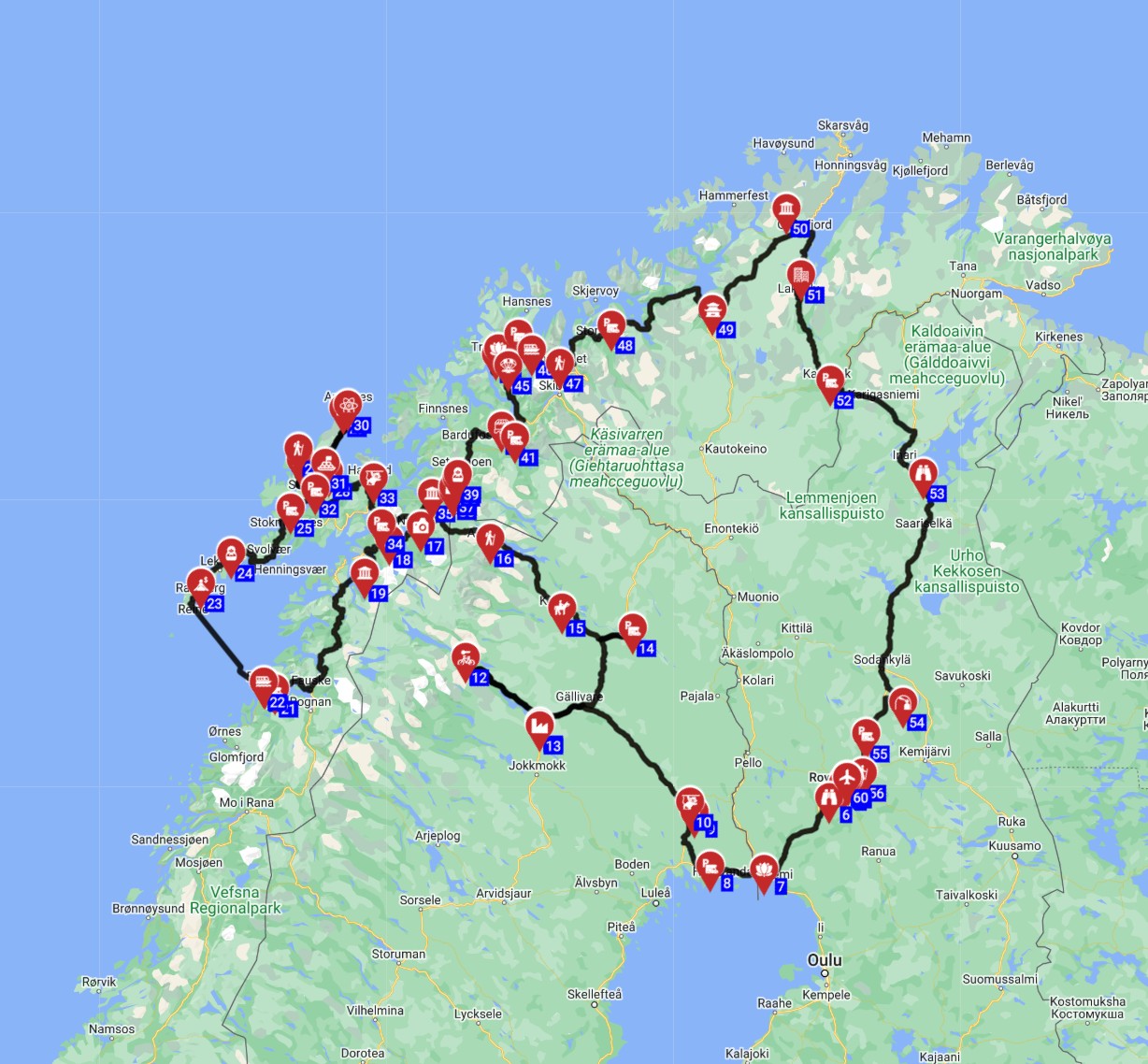
Rovaniemi Roundtrip - End of Europe scenic roads

Vienna Roundtrip - The epic Eastern European Christmas markets
Must-See Stops Along the Way (Avi Bandana Picks)
Looking for expert insights from Avi Bandana? For an unforgettable winter RV trip, Avi emphasizes unique experiences that blend local culture and natural beauty. These picks are based on popular RV PLANET routes, like the "Rovaniemi Roundtrip - End of Europe scenic roads," and provide a taste of Europe's winter magic.- Traditional Visit: Immerse yourself in the magic of Santa Claus Village in Rovaniemi, Finland. Here, you can meet Santa, cross the Arctic Circle, and enjoy festive shops- a quintessential winter experience, included in the Rovaniemi Roundtrip.
- Local Industry: Explore the Porjus Hydroelectric Power Station Museum in Sweden. This fascinating site delves into the industrial history and energy production of the region, offering a unique glimpse into local innovation, also part of the Rovaniemi journey.
- Traditional Market: Discover local crafts and produce at a Traditional Market, whether it is in the heart of Center Europe during your "Vienna Roundtrip - The epic Eastern European Christmas markets" or a smaller local market in France, offering a glimpse into local life and opportunities to find unique souvenirs.
- Traditional Restaurant / Fine Dining: Indulge in local cuisine at a Traditional Restaurant, savoring regional specialties after a day of winter exploration. Try hearty stews in Austria or fresh seafood in coastal Croatia during your travels.
Daily Driving Distances & Drive Times in Europe
Avi Bandana recommends a maximum of 100 miles or 150 km per day on average when RVing in Europe, especially during winter, to allow for ample sightseeing, flexibility, and safe travel. This slower pace ensures you truly experience each location and account for potentially challenging winter road conditions, such as snow or ice on mountain passes. Driving slowly and carefully allows you to navigate almost anywhere without issues, without unnecessary stress- just use common sense and pay attention to road conditions. For example, a 100 km (62 mile) drive on well-maintained European motorways typically takes about 1.5-2 hours without stops. However, for mountain passes or secondary roads, the same distance could easily take 2.5-4 hours, especially if factoring in snow or ice. Driving from Strasbourg to Colmar, an approximate distance of 75 km, might take around 1 hour and 15 minutes, allowing plenty of time to explore both cities at a leisurely pace. This approach makes for a more enjoyable RV trip through countries like Belgium or Bulgaria.Best RV Class for This Itinerary - Couple & Family Picks
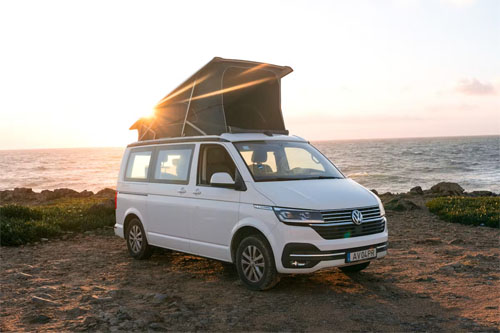
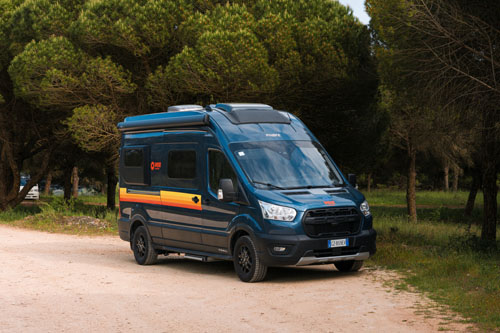
Choosing the right RV for a winter trip in Europe is crucial for comfort and safety, considering Bandana's diverse global fleet. All our rental motorhomes are well-maintained and equipped to handle various climates, ensuring you stay warm and comfortable. For couples, the Class B - Camper Van is an excellent choice, averaging 5.8 meters in length with sleeping places for 3.2 and adults for 2.7. These compact campervans offer agility for navigating narrower European city streets in places like Brussels and easier parking in many towns, making them ideal for winter conditions. Consider a "rv rental denver example Category Van" or a "hire campervan example Paradise S/T" which are perfect for a cozy getaway. For families or groups up to 4, a Class C - Alcove provides superior space and comfort, averaging 7.5 meters in length with sleeping places for 5.8 and adults for 4.4. This larger motorhome offers ample room for winter gear, a spacious living area for colder evenings, and a comprehensive kitchen for preparing meals. Options like the "24' Class C Motorhome" or a "4 Berth Deluxe" are great family-friendly picks. Our Rent&Plan service combines your RV rental with a ready-made itinerary crafted by travel experts, offering full access to trip-planning software to remove the planning headache for your winter European adventure. You can upgrade to a top-level deductible for extra peace of mind, an optional add-on that offers superior protection.What is the 3-3-3 rule for RV travel?
The 3-3-3 rule for RV travel is a widely recommended guideline to ensure a relaxed and enjoyable road trip, especially relevant for winter conditions where travel can be slower. This principle advises driving no more than 300 miles (approximately 480 km) in a day, which allows for reasonable travel time without exhaustion and prevents rushing through scenic routes in regions like Bosnia and Herzegovina. The rule also suggests stopping every 3 hours for a break to stretch, refuel, and check the vehicle, which is particularly important during winter for safety and comfort. Finally, it recommends arriving at your campsite or overnight stop by 3 PM, giving you ample daylight to set up, get oriented, and relax before nightfall- a crucial aspect during shorter winter days across Europe.What is the best European country to visit during winter?
The "best" European country to visit during winter depends entirely on your desired experience; for snowy landscapes and festive markets, Germany and Austria are popular choices, while Southern Spain and Portugal offer milder temperatures. If you envision a traditional winter wonderland, countries like Finland (Lapland) and Norway excel with opportunities for Northern Lights viewing, husky sledding, and deep snow experiences, as highlighted in the "Rovaniemi Roundtrip - End of Europe scenic roads" itinerary. Central Europe, including destinations like the Alsace region of France or Bavaria in Germany, offers enchanting Christmas markets, historic towns, and gentle winter landscapes. Alternatively, if seeking an escape from the deep cold, the coastal regions of Spain, Portugal, Italy, and Greece provide relatively warm, sunny days suitable for outdoor activities without snow, making a winter rv trip enjoyable.Where to travel with an RV in winter?
Popular winter RV destinations in Europe include the ski resorts of the Alps (France, Switzerland, Austria), the festive Christmas markets of Germany and Alsace, and the warmer coastal areas of Southern Spain and Portugal. For adventurous snow lovers, the Nordic countries offer unique experiences like viewing the Northern Lights, but these require thorough RV winterization and cold-weather driving preparation. You'll find many campsites well-equipped with heating and snow removal services. Southern European destinations provide a more temperate winter escape, with ample sunshine and charming coastal towns, making them ideal for those who prefer to avoid extreme cold in their rented motorhome. Consider regions with good RV infrastructure that cater to winter travelers, including heated campsites, easy access to services, and clear regulations on winter tires and snow chains, which are crucial for safe travel. Albania and Cyprus also offer compelling, less crowded winter options for rented campers.Is Europe RV friendly?
Europe is generally very RV friendly, offering extensive infrastructure, a wide network of campsites (including heated ones for winter), and dedicated 'Stellplätze' or 'Aires de Service' for motorhomes. These designated overnight parking spots, often found in countries like Germany and France, provide essential services like water and waste disposal. Road quality is high across much of Western and Central Europe, though navigating narrow village streets can be challenging for larger vehicles; however, drive slowly and carefully, and you can drive almost anywhere without issues. No need to stress - just use common sense and pay attention. Country-specific regulations regarding winter tires, snow chains, tolls, vignettes, and emission zones vary significantly (e.g., stricter rules in Austria's mountains compared to coastal Cyprus); thorough research for each country on your itinerary is essential. While local acceptance of RVs is generally positive, especially in rural and tourist areas, specific laws on wild camping or boondocking differ greatly by country, often requiring official campsites or designated parking areas to avoid fines. To dive deeper into all aspects of planning, check our RV Rental in Europe - Prices and Best Deals 2026 guide.What is the 333 rule for campervan?
The 3-3-3 rule for campervans is the same guideline as for larger RVs, advising a maximum of 300 miles (480 km) driving per day, stopping every 3 hours, and arriving at your destination by 3 PM. This rule is particularly beneficial for campervan travelers during winter, promoting a relaxed pace and minimizing driving in adverse conditions or after dark. Given campervans, such as a "Category Van" or "Active Standard Auto", are typically smaller and more agile, adhering to this rule still ensures you do not over-tire yourself and allows ample time to explore your surroundings in countries like Belgium or Bulgaria. For winter trips, the 'arrive by 3 PM' aspect is crucial due to shorter daylight hours, allowing enough time to set up and get comfortable before temperatures drop significantly.Where is the warmest place in Europe for winter?
The warmest places in Europe for winter are typically found in the southernmost regions, including parts of Southern Spain (e.g., Andalusia, Canary Islands), Southern Portugal (Algarve), and Greek islands. Malta and Cyprus also offer very mild winter climates with a good amount of sunshine, often experiencing average daytime temperatures ranging from 12-20°C (54-68°F), significantly warmer than Central or Northern Europe. While RVing in these areas during winter, you can still enjoy outdoor activities like hiking, cycling, and exploring cultural sites without the need for extensive winterization. These destinations provide a welcome escape from the colder climates of countries like Austria or Center Europe, perfect for a sunny winter rv rental. For insights on potential costs, consider reviewing our Cheap RV Rental in Europe - Budget Guide 2026.Is RVing a thing in Europe?
Yes, RVing (or 'caravanning'/'motorhoming') is a very popular and well-established activity across Europe, with a strong culture and dedicated infrastructure. Millions of Europeans own or rent RVs, enjoying the freedom to explore diverse landscapes and cultures at their own pace. The 'stellplatz' or 'aire de service' system, providing basic overnight parking with services, is particularly prevalent and a hallmark of European RVing, complementing traditional campsites. While popular, the cultural nuances vary; in some countries like France and Germany, RVing is widespread and well-integrated, whereas in others like Albania or Bosnia and Herzegovina, it might be less common or have more restrictive local rules. Whether you choose a luxurious "Exclusive First" Class A motorhome or a compact "Camper Van Plus - V600," the continent offers countless possibilities for your rented camper adventure.Can you sleep anywhere in a campervan in Europe?
No, you generally cannot sleep anywhere in a campervan in Europe; wild camping or boondocking regulations vary significantly by country, and often by region or municipality, ranging from permitted to strictly forbidden. Many countries, such as Germany and Austria, allow overnight parking for a single night to 'restore driving fitness' but not for full camping setups (e.g., awnings, chairs outside). Countries like the Netherlands and Croatia are generally strict against wild camping, while others like Norway and Sweden have more permissive 'right to roam' laws that often extend to motorhomes, though rules still apply to private land and designated areas. Always prioritize designated campsites, 'Stellplätze' (motorhome parks), or official parking areas to avoid fines, ensure safety, and respect local laws and residents. Before embarking on your week-long trip, plan your overnight stops carefully.What is a good itinerary for a winter trip to Europe?
A good itinerary for a winter RV trip to Europe balances regional appeal with practical considerations like driving distances and weather. For a festive and charming short trip, consider the 7-Day Classic Route through Alsace, France, focusing on picturesque Christmas markets and historic villages. For a longer, warmer journey, the 14-Day Extended Journey through Southern Spain and Portugal offers mild temperatures and coastal exploration, perfect for escaping the colder Northern climes. Adventurous travelers seeking deep winter experiences might opt for the RVPlan 'Rovaniemi Roundtrip - End of Europe scenic roads', immersing themselves in Arctic Lapland and Norway, a truly unique experience. Our Rent&Plan service can help you customize these route plans or create new ones tailored to your interests.What is the most beautiful road trip in Europe?
Determining the "most beautiful" road trip in Europe is subjective and highly dependent on personal preferences, but many iconic routes offer breathtaking winter scenery. For alpine beauty, consider routes through the Swiss Alps or the Austrian Tirol, with snow-capped peaks and picturesque villages that feel straight out of a postcard. The Norwegian Scenic Routes, particularly those in the Lofoten Islands (as featured in the 'Rovaniemi Roundtrip'), offer dramatic fjords and coastal vistas that are stunning under a blanket of snow. Even less extreme routes, like driving through the Black Forest in Germany or the Dolomites in Italy, can be incredibly scenic with winter foliage and charming towns, each offering unique beauty for your rented motorhome adventure. Check out our Luxury RV Rental in Europe - Premium Prices 2026 if you're seeking a high-end experience through these stunning landscapes.What You Shouldn't Miss
Looking for expert insights from Avi Bandana? Here are Avi Bandana's top recommendations for an unforgettable winter RV adventure in Europe:- Experience the Northern Lights in Lapland, Finland: Drive your rented RV north to witness the ethereal Aurora Borealis. Many campsites offer special services for winter RVers, including heated power hookups and Aurora alerts. This is a highlight of the "Rovaniemi Roundtrip - End of Europe scenic roads".
- Wander through Strasbourg's Christmas Market, France: As one of Europe's oldest and largest Christmas markets, "Christkindelsmärik" transforms Strasbourg into a winter wonderland with charming stalls, delicious food, and festive lights.
- Ski the Austrian Alps: Park your motorhome near a renowned ski resort in Austria, such as St. Anton am Arlberg or Kitzbühel, and hit the slopes during the day, returning to the warmth and comfort of your private mobile home.
- Explore the Algarve Coast in Portugal: Escape the deep winter chill and enjoy mild temperatures on Portugal's southern coast. Hike along dramatic cliffs, visit picturesque fishing villages, and soak up the sun, even in December.
- Discover the Historical Charm of Cesky Krumlov, Czech Republic: This UNESCO World Heritage site in Center Europe is enchanting under a blanket of snow, offering a fairy-tale experience without the summer crowds.
Final Thoughts
Embracing a winter RV adventure in Europe is an extraordinary way to see the continent, offering a blend of festive charm, snowy landscapes, and cultural immersion. Whether you prefer the crisp mountain air of Austria or the milder coastal breezes of Croatia and Cyprus, a rented motorhome provides the flexibility and comfort to chase your ideal winter experience. Remember, slow travel- averaging 100-150 km per day- will allow you to savor each moment and truly connect with the unique character of every place you visit. From comparing options across 50+ suppliers to planning your journey with expertly crafted routes on RV PLANET (rvplan.net), Bandana Caravan is dedicated to making your winter road trip easy, safe, and affordable. We handle the details, so you can focus on living the journey. Discover top destinations, planning tips, all in one place and plan a trip itinerary in advance with minimal effort and maximum enjoyment. Are you ready to create unforgettable winter memories? Imagine cozy evenings in your campervan, fresh breakfasts with scenic views, and the freedom of the open road.🎬 Video coming soon
On the routes offered through RV PLANET routes, you can itemize and track every expense along the way for easy budgeting.