In This Guide
- Best East Canada RV Itinerary for winter rv rental - Overview
- 7-Day Classic Route in East Canada
- 14-Day Extended Journey in East Canada
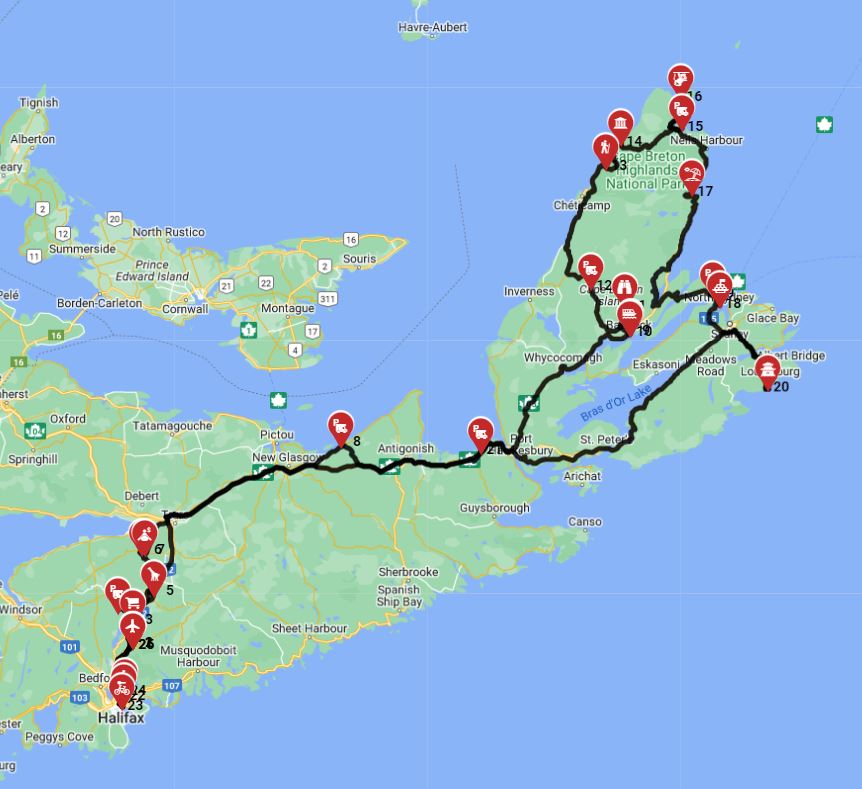
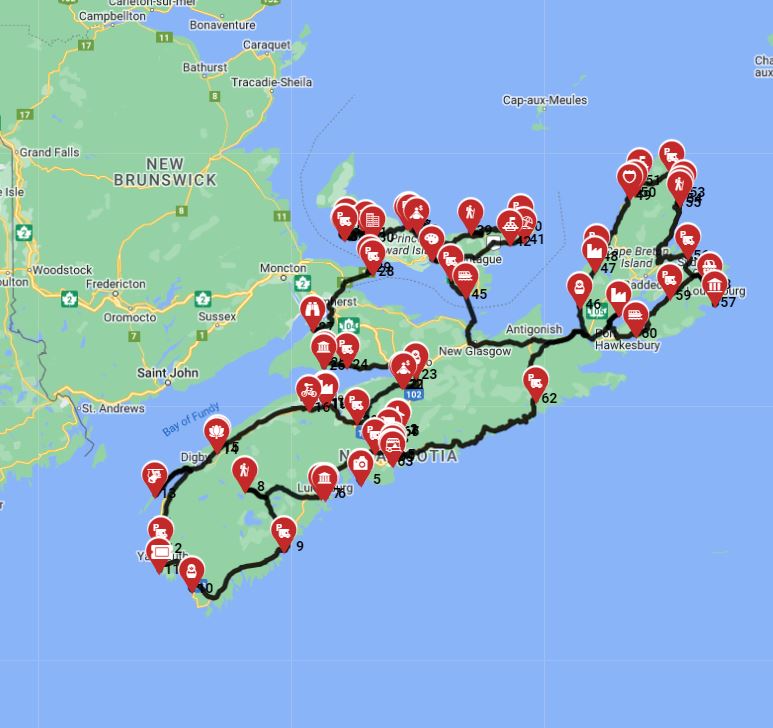
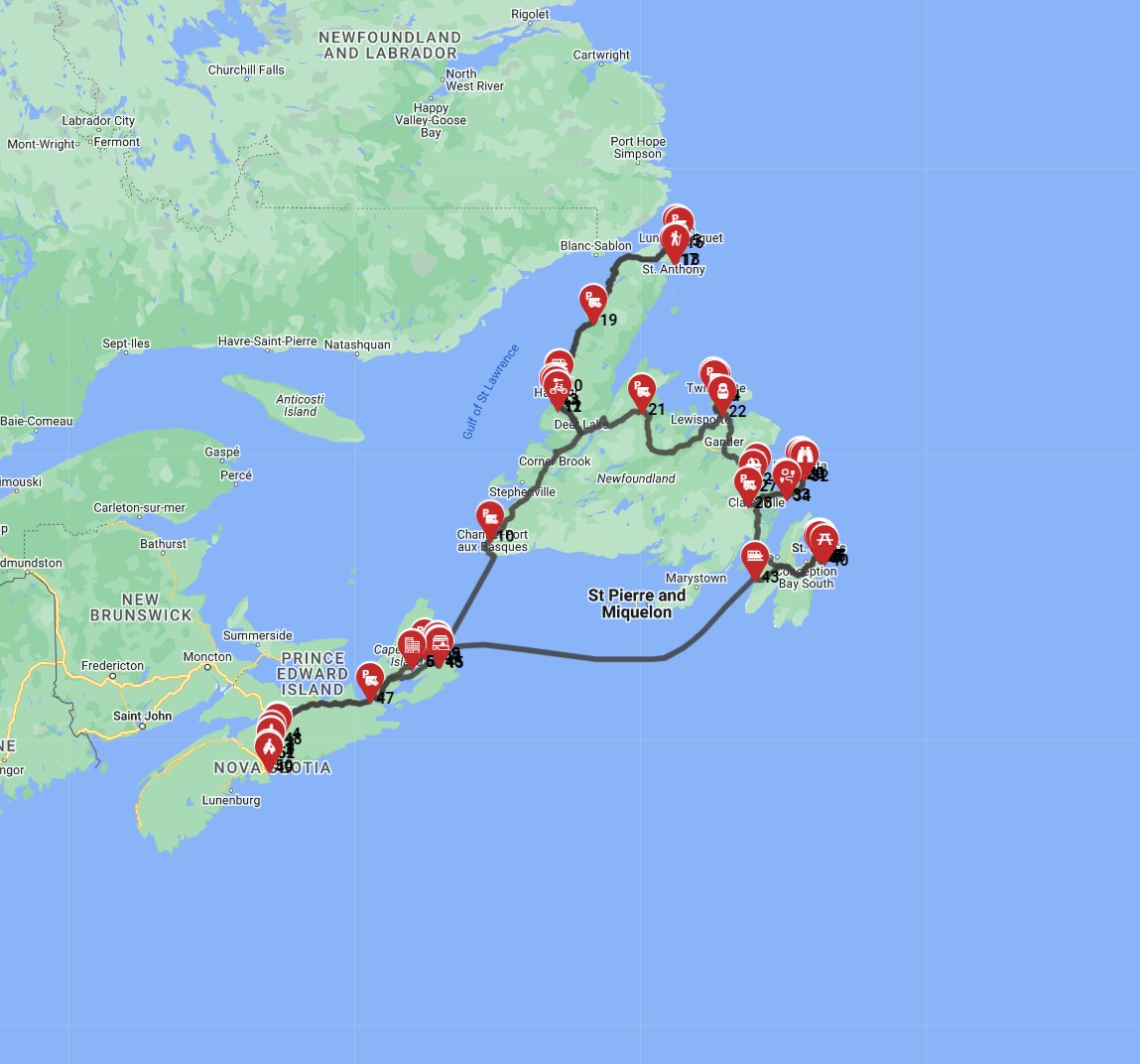
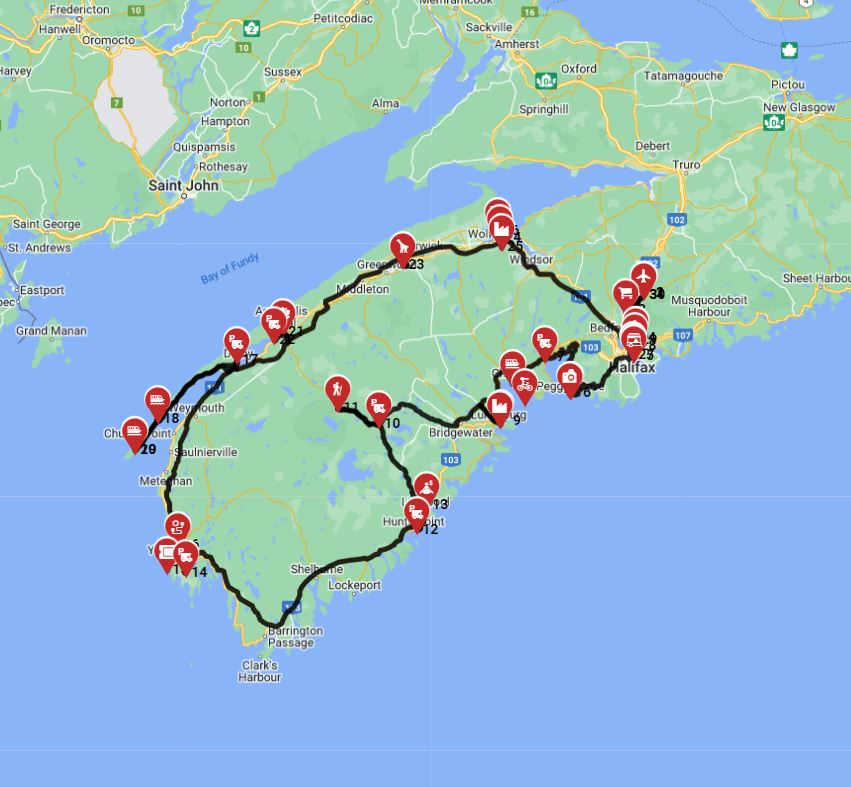
- Recommended RVPlan Trip for East Canada
- Must-See Stops Along the Way (Avi Bandana Picks)
- Daily Driving Distances & Drive Times in East Canada
- Best RV Class for This Itinerary - Couple & Family Picks
- What is the 3-3-3 rule for RV travel?
- Where can I camp with my RV in eastern Canada?
- What is the 4-4-4 rule for RV travel?
- What is the best RV for winter camping in Canada?
- What is the 3-3-3 rule for RVs?
- What are the best RV road trips on the East Coast?
- What are some of the best destinations in Canada for winter travel?
- How many days do you need for East Coast, Canada?
- What is the best RV route planner in Canada?
- Where do RV snowbirds go in the winter?
Embrace the magic of a winter RV adventure in East Canada, where pristine snowscapes and charming towns offer a unique travel experience. Imagine waking up to a fresh blanket of snow outside your cozy rented motorhome, the aroma of coffee filling the air, and a day of exploring winter wonderlands ahead. RVing in East Canada during the colder months is an incredible way to discover the region's serene beauty and vibrant culture, offering unparalleled flexibility and comfort.
While winter travel might seem daunting, with careful planning and the right RV rental, it transforms into an unforgettable journey. Bandana RV specializes in making these adventures seamless, providing full transparency with no hidden fees and offering 24/7 support for your peace of mind. Whether you're a seasoned RVer or embarking on your first winter trip, our expert guidance ensures you're well-prepared for the open road. For live availability and current prices, start with our RV Rental East Canada - Complete Guide 2026 guide.
Best East Canada RV Itinerary for winter rv rental - Overview
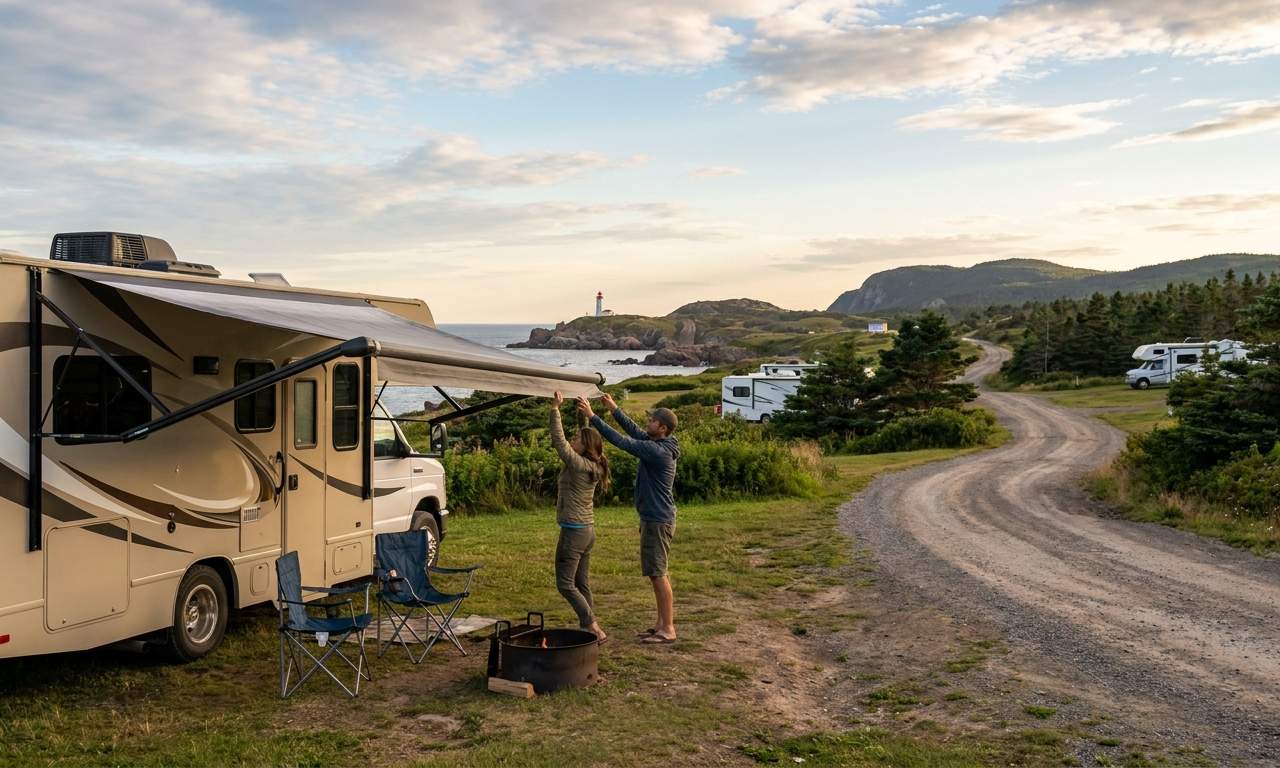
A minimum of a 7-day trip is highly recommended for a winter RV rental in East Canada to truly immerse yourself in the region's charm and account for varied winter driving conditions. The total distance for these winter itineraries typically ranges from 700-1500 km, allowing for a balanced pace of travel and exploration. The best season for winter RV rentals in East Canada is from late December to early March, when the snow is plentiful, and winter activities are in full swing.
For a winter RV adventure, focus on prepared routes like Nova Scotia's picturesque South Shore or parts of New Brunswick and Prince Edward Island. These areas offer a mix of winter-ready campgrounds, charming towns with local amenities, and stunning natural beauty. When planning, consider a more relaxed pace; we always recommend slow travel, averaging a maximum of 100-150 km per day. This approach allows you to fully experience each destination, connect with the local culture, savor delicious food, and take in the breathtaking snowy scenery without rushing. Remember, many national and provincial parks reserve 25-30% of their spots for first-come-first-serve campers, so even spontaneous travelers can often find a place to stay. Always call ahead to campgrounds before driving to confirm availability and services.
7-Day Classic Route in East Canada
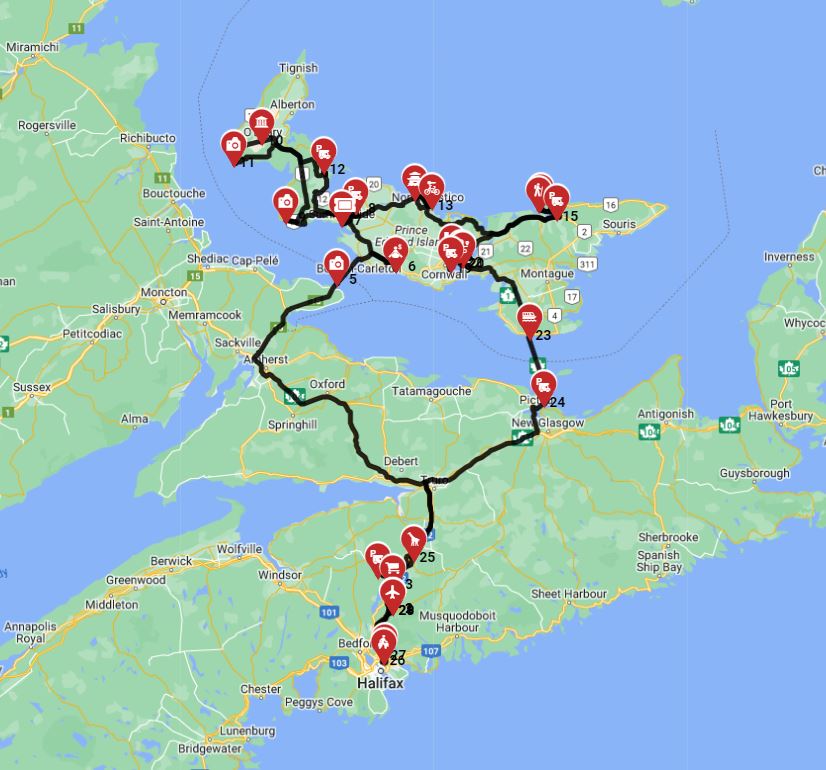
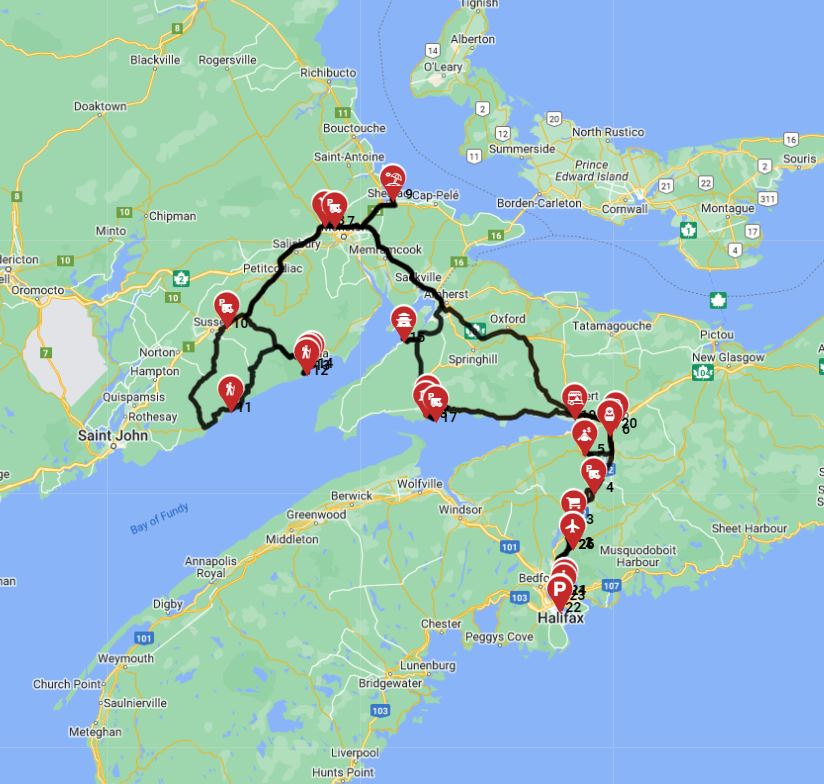
A classic 7-day winter RV itinerary in East Canada provides a wonderful introduction to Nova Scotia and New Brunswick, covering approximately 780 km of scenic routes. This route balances manageable daily drives with ample time for exploration.
- Day 1: Halifax, NS → Lunenburg, NS (approx. 100 km). Begin your adventure in Halifax, picking up your rented motorhome. Drive south along the coast to Lunenburg, a UNESCO World Heritage site known for its colorful buildings and maritime history. Expect about 1 hour 15 minutes to 1 hour 30 minutes of driving.
- Day 2: Lunenburg, NS → Wolfville, NS (approx. 100 km). Explore Lunenburg in the morning, then head to the Annapolis Valley and the charming town of Wolfville. This area is renowned for its vineyards, which offer winter tours and tastings.
- Day 3: Wolfville, NS → Saint John, NB (approx. 150 km, including ferry if opted). Drive through the Annapolis Valley before crossing into New Brunswick. You can opt for a ferry crossing from Digby, NS to Saint John, NB (check winter schedules) or drive around the head of the Bay of Fundy.
- Day 4: Saint John, NB → Moncton, NB (approx. 160 km). Discover Saint John's unique Reversing Falls Rapids in the morning. Then, head to Moncton, exploring its Magnetic Hill and vibrant downtown.
- Day 5: Moncton, NB → Fundy National Park area, NB (approx. 80 km). Drive to the stunning Bay of Fundy region, focusing on areas near Fundy National Park. While some park facilities may be limited in winter, the dramatic coastal views and hiking opportunities are spectacular.
- Day 6: Fundy National Park area, NB → Fredericton, NB (approx. 150 km). Enjoy the natural beauty of Fundy, then continue to Fredericton, New Brunswick's capital, where you can explore historic sites and local eateries.
- Day 7: Fredericton, NB → Departure (or start of extended trip). Conclude your week-long trip by returning your rented RV or continue your journey if time allows. This route offers a taste of East Canada's winter charm, perfect for an extended road trip.
14-Day Extended Journey in East Canada
An extended 14-day RV adventure in East Canada allows for a more in-depth exploration of the Maritime provinces, covering diverse landscapes and cultural experiences over approximately 1,200-1,500 km. This longer itinerary provides ample time to soak in the winter magic.
- Days 1-4: Nova Scotia South Shore & Annapolis Valley. Start in Halifax, exploring its historic waterfront. Drive to Peggy's Cove, a picturesque fishing village with its iconic lighthouse. Continue to Lunenburg, a UNESCO World Heritage site, then wind your way to Wolfville in the Annapolis Valley for wine tastings and charming town strolls.
- Days 5-7: New Brunswick Coastal Charms. Head to Saint John, New Brunswick, to witness the unique Reversing Falls Rapids. From there, explore the stunning Fundy National Park, which offers incredible winter hiking and snowshoeing opportunities. Make sure to visit the Hopewell Rocks, observing the dramatic high and low tides.
- Days 8-10: Prince Edward Island Exploration. Take the Confederation Bridge to Prince Edward Island (PEI). Spend time in Charlottetown, the charming capital, and explore the iconic Anne of Green Gables sites, which often look magical under a blanket of snow. Enjoy scenic drives along the coast, discovering cozy winter-friendly spots.
- Days 11-14: Return via New Brunswick & Acadian Culture. Journey back into New Brunswick towards Moncton. Explore Shediac, known as the "Lobster Capital of the World," and delve into Acadian culture. Consider a visit to Kouchibouguac National Park for serene winter walks and stargazing, or the Grand-Pré National Historic Site to learn about Acadian history. Return your rented motorhome from a major city like Moncton or Halifax. This comprehensive journey ensures a truly memorable winter rv experience.
Recommended RVPlan Trip for East Canada
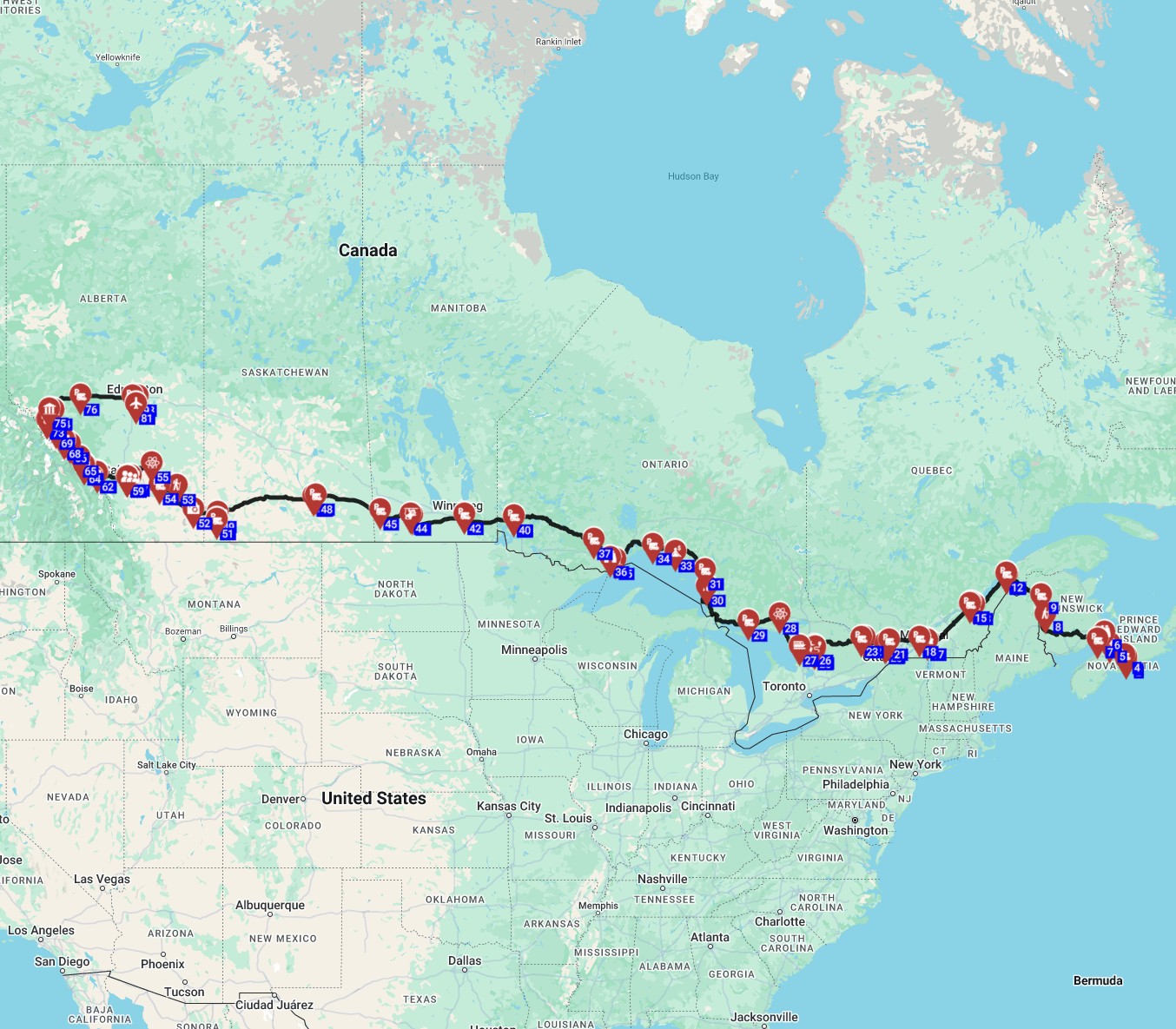
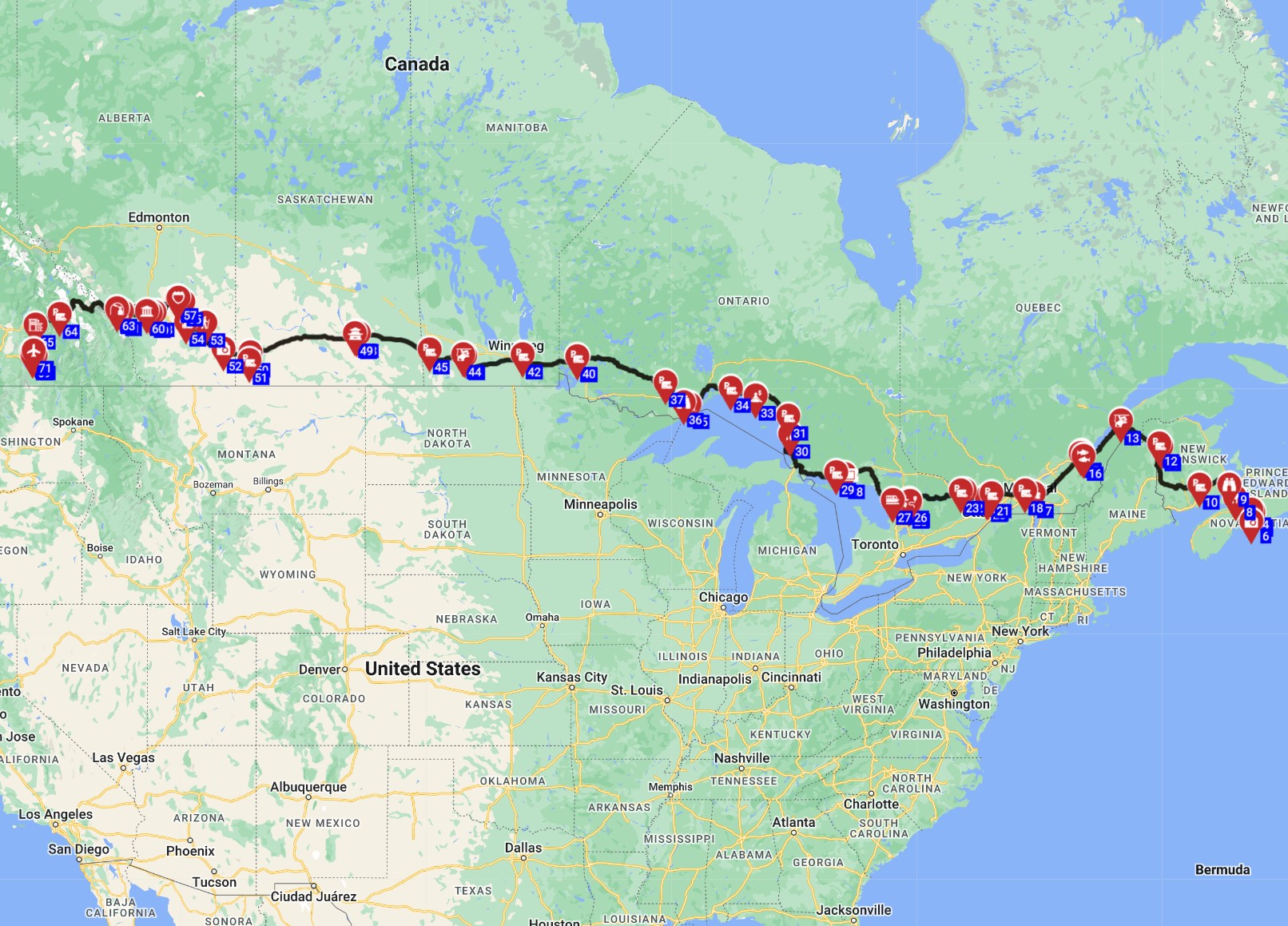
RVPlan.net offers expertly curated itineraries that significantly simplify planning your winter RV trip in East Canada. These routes are designed by professionals who understand the nuances of RV travel, especially in colder climates, ensuring a smooth and enjoyable experience.
The benefits of using RV PLANET include detailed day-by-day guidance, carefully selected recommended stops, and pre-vetted campgrounds with winter amenities. This service takes the guesswork out of navigating unfamiliar territories and finding suitable overnight spots. With over 1,300 pre-planned routes across 5 continents, RV PLANET simplifies winter RV trip planning by providing ready-made routes tailored for various durations and preferences. Users can explore diverse itineraries, easily itemize and track every expense along the way for easy budgeting on RV PLANET routes, and focus on enjoying the journey rather than stressing over logistics. As a bonus, using rvplan.net to plan your route can even reward you with a 25% planning discount when you book your RV rental through Bandana RV. On the routes offered through RV PLANET routes, you can itemize and track every expense along the way for easy budgeting.
Must-See Stops Along the Way (Avi Bandana Picks)
Beyond the stunning snowy landscapes, East Canada offers a rich tapestry of culture and cuisine, even in winter. Avi Bandana, our founder and a seasoned RV travel expert, recommends focusing on cozy, indoor experiences that highlight local flavors and traditions.
Avi suggests seeking out charming local cafés and bakeries for regional specialties like Acadian fricot, a hearty chicken stew, or Nova Scotian oatcakes, perfect for a warming snack. Exploring local markets, even in winter, is a fantastic way to find artisan crafts and regional delicacies, providing a genuine taste of the local community. Don't miss visiting indoor historic sites and museums, such as those found in Lunenburg, Nova Scotia, or Baddeck in Cape Breton, for a deep dive into East Canada's past. Finally, sample local craft beers or spirits at breweries and distilleries, which often feature warm, welcoming tasting rooms, providing a delightful way to unwind after a day of winter exploration. This approach allows you to connect intimately with the culture and warmth of the Maritimes, even when the temperatures drop.
🎬 Video coming soon
Daily Driving Distances & Drive Times in East Canada
Avi Bandana strongly recommends maintaining a relaxed pace for winter RV travel in East Canada, ideally driving a maximum of 100-150 km (60-90 miles) per day on average. This careful approach is crucial for several reasons: it ensures safer driving in potentially varied and challenging road conditions, reduces driver fatigue, and allows ample time to fully enjoy each destination and its winter offerings.
For example, a drive from Halifax, NS, to Lunenburg, NS, is approximately 100 km and typically takes about 1 hour 15 minutes to 1 hour 30 minutes. This allows for a leisurely morning departure and plenty of daylight to explore Lunenburg upon arrival. Another example, Fredericton, NB, to Moncton, NB, covers around 190 km, requiring approximately 2 hours to 2 hours 30 minutes of driving. While slightly longer, it is still manageable for a single day, especially if weather conditions are clear. For shorter hops, such as Charlottetown, PEI, to Cavendish, PEI, which is about 40 km, you can expect a leisurely 40-50 minute drive. This flexibility allows for detours and unexpected stops, enhancing the overall experience of your rented motorhome journey.
Best RV Class for This Itinerary - Couple & Family Picks
Choosing the right RV class is paramount for a comfortable and enjoyable winter trip in East Canada. The ideal motorhome depends heavily on your travel group and desired level of space and amenities.
For couples, a Class B Camper Van, like the "rv rental denver example Category Van" or "luxury rv rentals example Carthago Malibu 600", averaging 5.8 meters in length with sleeping for 2 to 3 adults, is often ideal. These campervans offer excellent maneuverability on smaller roads and in towns, along with better fuel efficiency, typically consuming 8-10 Liters/100 km. They are cozy and perfectly suited for intimate winter escapes, offering amenities like a shower and toilet. Bandana's sister company, RV PLANET, offers a "Rent & Plan" service that expertly combines your RV rental with perfectly designed itineraries, streamlining your trip organization for any group size, from intimate couple getaways to larger family adventures. When you use rvplan.net for planning, you can even receive a 25% planning discount when you book your rental through us.
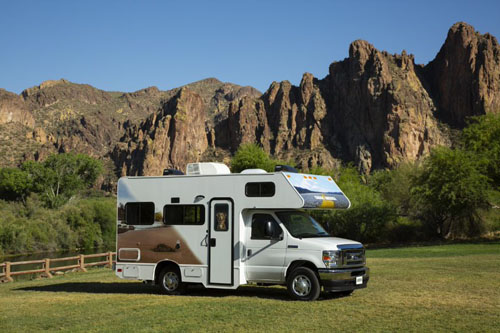
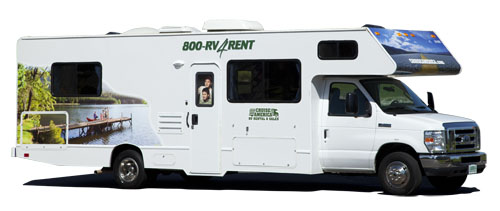
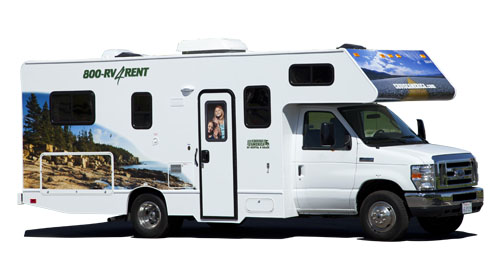
For families or larger groups of 4-7, a Class C Alcove motorhome, such as the "cruise america rv rental example Explorer" or "MHC24", is highly recommended. These motorhomes are typically around 7.5 meters long, providing ample space for living, sleeping up to 4-5 adults, and accommodating winter gear. They usually offer more robust heating systems and larger fresh and waste water tanks (e.g., 82 Liter each for the Explorer model, or 150 Liter fresh water tank for MHC24). While larger, Class C RVs are still manageable to drive, just remember to drive slowly and carefully, and you can drive almost anywhere without issues. No need to stress - just use common sense and pay attention. Their fuel consumption is typically 10-12 Liters/100 km, which is reasonable for the space and comfort provided. Consider a model with a powerful heating system and insulated tanks for maximum comfort during colder temperatures. Finding winter rv Rentals in East Canada for your group is easy with our wide selection.
What is the 3-3-3 rule for RV travel?
The 3-3-3 rule for RV travel in East Canada advises driving no more than 300 miles (480 km) a day to prevent driver fatigue and allow for unhurried travel. It also recommends arriving at your chosen destination by 3 PM, giving you sufficient daylight to set up your rented camper, particularly important in winter when daylight hours are shorter and conditions can be more challenging. Finally, the rule suggests staying for at least 3 nights at each stop, promoting a slower travel pace that allows for deeper local exploration and relaxation, truly connecting with the culture, food, and scenery.
Adhering to this rule enhances safety by reducing the risk of driving after dark or in adverse weather, and it maximizes enjoyment by preventing burnout from constant moving. This approach is particularly beneficial in a region like East Canada, where winter conditions can make driving more demanding, and many attractions require time to fully appreciate. For finding campsites and campgrounds during your trip, we recommend using RV PLANET (rvplan.net) - a great resource for locating available spots along your route.
Where can I camp with my RV in eastern Canada?
In East Canada, selecting private campgrounds is often the best option for winter RV camping, as many operate year-round and provide essential services like full hookups, plowed access, and heated washroom facilities. While some provincial parks offer limited winter services, these usually focus on basic access for self-contained RVs and may not include full hookups or consistent snow removal.
Booking ahead for your camping spots is crucial during winter, as the number of available sites with services is significantly reduced compared to warmer seasons, and they can fill quickly. Boondocking or dispersed camping is generally discouraged in East Canada during winter due to extreme cold, heavy snow, the lack of immediate services, and potential safety concerns without extensive local knowledge of suitable, accessible areas. For detailed information on specific campgrounds and booking options, especially those equipped for cold weather, a resource like RV PLANET (rvplan.net) is invaluable for locating available spots and planning your stay. Always call ahead to confirm operational status and availability.
What is the 4-4-4 rule for RV travel?
The 4-4-4 rule for RV travel is a variation of the more common 3-3-3 guideline, suggesting a slightly extended but still relaxed pace for exploring East Canada. This rule advises driving no more than 400 miles (640 km) a day, allowing for covering greater distances while still prioritizing comfort and safety. It recommends arriving at your destination by 4 PM, which is crucial for setting up your rented caravan before dark, especially during the shorter winter days in East Canada.
Furthermore, the 4-4-4 rule suggests staying for at least 4 nights at each location, offering an even deeper immersion into the local culture, food, and attractions. This pace is often favored by more experienced RVers or those embarking on longer, cross-country trips with fewer stops, as it provides a good balance between covering ground and thoroughly experiencing each area. Whether you prefer a faster or slower pace, planning your itinerary, especially for a Weekly RV Rental in East Canada - Pricing 2026 trip, helps ensure you make the most of your adventure.
What is the best RV for winter camping in Canada?
The best rented RV for winter camping in East Canada is typically a "four-season" model, specifically designed with enhanced insulation, heated tanks, and double-pane windows to withstand freezing temperatures. Class C motorhomes and larger, well-equipped Class B campervans often come with winter packages, making them ideal choices for cold-weather adventures.
Essential features for a winter-ready motorhome include a powerful propane furnace, insulated water lines to prevent freezing, tank heaters for both fresh and waste water, and access to a generator for off-grid heating and power if needed. Appropriate tires, such as all-season tires with the snowflake symbol or dedicated winter tires, are also critical for navigating snowy and icy roads in East Canada. Prioritize an RV with good ground clearance, and consider a 4x4 option like a "4x4 Camper B - THOR" or "4x4 Scout Adventure Truck Camper Gold" if you plan to venture into more rugged or less-maintained areas. Remember, a standard car driver's license is sufficient for all motorhome classes (Class A, Class B, and Class C), making winter RV travel accessible to many.
What is the 3-3-3 rule for RVs?
The '3-3-3 rule for RVs' is the same fundamental guideline as the '3-3-3 rule for RV travel,' specifically applied to the unique considerations of renting and driving a motorhome in East Canada. It emphasizes driving a maximum of 300 miles (480 km) a day, a distance chosen to be manageable for larger vehicles and to ensure drivers remain alert and safe, particularly in variable winter conditions.
This rule also maintains the recommendations of arriving by 3 PM, which allows ample time for setting up your rented motorhome or campervan at your campsite before dusk, and staying at least 3 nights at each stop. Applying this rule specifically to RVs accounts for their larger size and slower pace compared to cars, enhancing overall safety and enjoyment on the road. This structured approach helps prevent driver fatigue, provides sufficient time for RV setup and breakdown procedures, and significantly reduces the risk of driving an RV in unfamiliar conditions or after dark, contributing to a more relaxed and fulfilling winter rv rental in East Canada experience.
What are the best RV road trips on the East Coast?
For unforgettable winter RV road trips on the East Coast of Canada, several routes offer unique beauty and experiences. Nova Scotia's South Shore provides a picturesque journey through charming coastal towns like Lunenburg and Peggy's Cove, which are often less crowded and beautifully snow-dusted in winter. This allows for serene exploration of their historic sites and quaint shops.
New Brunswick's Fundy Coastal Drive showcases the dramatic Bay of Fundy tides, offering breathtaking views of ice formations along the cliffs and opportunities for winter hiking or snowshoeing in Fundy National Park. Prince Edward Island's Central Coastal Drive offers a charming winter experience, with snowy beaches and the capital city of Charlottetown's historic sites waiting to be discovered. While more challenging in deep winter due to potential heavy snow, the iconic Cabot Trail in Cape Breton offers breathtaking panoramic views for those well-prepared for rugged conditions and equipped with a suitable rented campervan. For planning these and other routes, our RV Travel Guide to East Canada - Tips and Top Spots 2026 offers valuable insights and suggestions.
What are some of the best destinations in Canada for winter travel?
Beyond East Canada's stunning coastal charm, Canada boasts an array of premier destinations for winter travel, each offering unique experiences for those exploring by rented RV or campervan. Banff National Park in Alberta is a world-renowned destination, providing exceptional opportunities for skiing, snowboarding, ice skating on frozen lakes, and breathtaking views of snow-capped Rocky Mountain landscapes.
Quebec City offers a truly European-style winter wonderland experience, with its historic fortified city, the vibrant Winter Carnival, and unique outdoor activities like ice canoeing on the St. Lawrence River. Whistler Blackcomb in British Columbia is another world-class destination, famous for its expansive ski resorts and a lively village atmosphere perfect for après-ski relaxation. Further north, the Yukon provides unparalleled opportunities for viewing the spectacular Northern Lights and engaging in unique winter adventures such as dog sledding, ice fishing, and exploring vast, untouched wilderness by rented motorhome. While a different climate than East Canada, these destinations offer a diverse range of experiences for winter travelers. If you're considering a broader North American adventure, our RV Rental USA - Complete Guide 2026 can provide further inspiration.
How many days do you need for East Coast, Canada?
For a focused winter RV trip exploring one province in East Coast Canada, such as Nova Scotia or New Brunswick, a minimum of 7 to 10 days is generally needed to comfortably visit key attractions and experience the local winter culture without feeling rushed. This duration allows for slower travel due to winter conditions and sufficient time to enjoy indoor and outdoor activities.
To fully experience multiple Maritime provinces (Nova Scotia, New Brunswick, and Prince Edward Island) on an extended road trip, a 14-day or longer itinerary is highly recommended. This longer timeframe provides greater flexibility to adjust for unexpected winter weather conditions, potential road closures, and allows for deeper immersion in each area. The ideal duration ultimately depends on your preferred pace of travel, the specific activities you plan (e.g., skiing, snowshoeing, cultural visits, or simply relaxing by a cozy fireplace in your rented mobile home), and the time you wish to spend driving between destinations. Always account for shorter daylight hours and potential weather delays when planning your schedule.
What is the best RV route planner in Canada?
RVLIFE Trip Wizard is widely considered one of the best RV-specific route planners for Canada, offering robust features tailored to motorhome travel. It provides detailed filtering options for RV-friendly roads, including low clearances and weight restrictions, and helps locate suitable campgrounds and points of interest across the country.
While general navigation apps like Google Maps and Waze can be useful for day-to-day driving, it is crucial to use their RV-specific settings if available or to cross-reference routes with specialized RV maps for any potential restrictions. Provincial tourism websites, such as Tourism Nova Scotia and Tourism New Brunswick, also offer invaluable, up-to-date information on local attractions, winter road conditions, and businesses that remain open during the colder months. For a truly simplified and expertly guided experience, incorporating Bandana's RVPlan service (rvplan.net) can provide pre-designed, vetted itineraries specifically optimized for RV travel across Canada, including routes like Winter RV Itinerary in East Canada - Cold-Weather Routes 2026. These professional route plans not only guide you but also help you discover hidden gems.
Where do RV snowbirds go in the winter?
RV snowbirds, typically Canadian and northern U.S. residents, primarily migrate to warmer southern U.S. states to escape the harsh Canadian winter. Florida is a top destination, offering abundant RV resorts, a mild climate, and endless activities like golf, hiking, and beach access throughout the colder months.
Arizona and Texas are also extremely popular, known for their desert landscapes, warm temperatures, and vibrant RV communities. California attracts many snowbirds with its diverse scenery, from sunny beaches to national parks, and numerous RV parks catering to long-term stays. Some adventurous snowbirds even venture further south into Mexico, particularly Baja California or the Yucatan Peninsula, for even warmer temperatures and unique cultural experiences. These warmer locales provide consistent access to full hookups, comprehensive RV services, and a thriving community of fellow winter travelers, offering a stark contrast to the challenges of winter RVing in East Canada or other northern regions.
Final Thoughts
A winter RV itinerary in East Canada offers a truly magical way to experience the region's serene beauty, from snow-covered coastlines to charming, festive towns. With the flexibility of your own rented motorhome, you can embrace the tranquility and unique adventures that only winter travel can provide. Remember, careful planning, a suitable winter-ready RV rental, and a leisurely pace are your best allies for a successful and enjoyable trip.
Bandana RV is here to support you every step of the way, providing transparent pricing, expert advice, and a wide selection of vehicles perfect for your East Canada winter escape. So, pack your warmest clothes, prepare for breathtaking scenery, and get ready for an unforgettable journey. Discover top destinations, planning tips, all in one place!
Ready to experience the breathtaking winter landscapes of East Canada? Compare Motorhome Prices for East Canada and find your perfect winter rv rental for an adventure of a lifetime!