In This Guide
- Best Chile RV Itinerary for winter rv rental - Overview
- 7-Day Classic Route in Chile
- 14-Day Extended Journey in Chile
- Recommended RVPlan Trip for Chile
- Must-See Stops Along the Way (Avi Bandana Picks)
- Daily Driving Distances & Drive Times in Chile
- Best RV Class for This Itinerary - Couple & Family Picks
- How much does a winter RV rental trip in Chile cost
- Which RV types are best suited for diverse Chilean terrains and winter conditions
- What are the practical logistics for RV travel in Chile (water, fuel, internet)
- What are the rules and best practices for wild camping in Chile
- What do I need to know for border crossings with an RV between Chile and Argentina
- What cultural nuances should I be aware of when RVing in Chile
- What health and safety considerations are important for RV travel in Chile during winter
- What should I pack for a winter RV trip in Chile
Best Chile RV Itinerary for winter rv rental - Overview
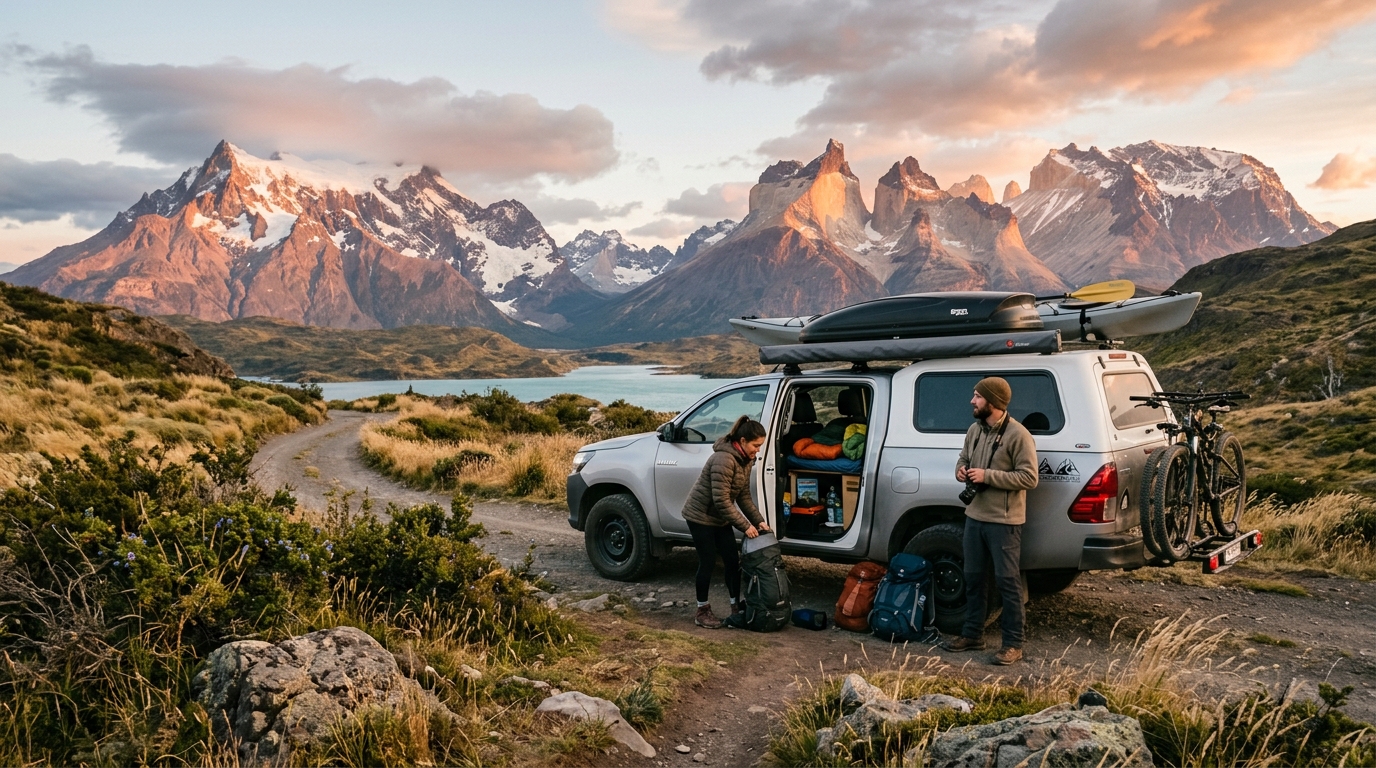
Chile offers a unique winter RV experience, particularly appealing in the northern Atacama Desert region for milder temperatures and consistently clear skies, while central and southern Patagonia necessitate cautious planning due to potential road closures and harsher conditions during the winter months (June-August). Imagine waking up to the stillness of the desert, crisp air filling your lungs, and a panoramic vista stretching out before you – all from the comfort of your rented motorhome. A typical winter RV trip in Chile spans at least 7 to 14 days, allowing enough time to explore without feeling rushed, covering approximately 700-1400 km. While the allure of Patagonia is strong year-round, its challenging winter climate means focusing on the dryer, northern regions can lead to a more comfortable and accessible winter adventure. For live availability and current prices, start with our RV Rental Chile - Complete Guide 2026 guide, which provides comprehensive information on planning your trip. Opting for a winter RV rental in Chile opens up unique opportunities, from stargazing in the Elqui Valley to exploring coastal national parks with fewer crowds. As true RV specialists, Bandana RV helps you find the perfect campervan or motorhome for these unforgettable routes, ensuring you travel with peace of mind. Our full transparency means no hidden fees, giving you a clear picture of your adventure from the start. Whether you're a pre-planner who likes every detail organized or a spontaneous traveler who prefers day-to-day decisions, Chile's diverse landscapes offer something for everyone. Remember to travel slowly, max 100-150 km per day on average, to truly immerse yourself in the culture, food, and scenery.7-Day Classic Route in Chile
This 7-day itinerary focuses on the milder, high-desert beauty of Northern Chile, ideal for winter travel, providing a balanced mix of driving and exploration. Starting from Santiago, your journey north will unveil dramatic landscapes and rich cultural experiences. Drive slowly and carefully, and you can drive almost anywhere without issues. No need to stress - just use common sense and pay attention. * **Day 1: Santiago -> La Serena** (approx. 470 km / 290 miles) - This initial drive is longer than our recommended daily average, designed to position you optimally for the rest of the itinerary. Highlights: Enjoy sweeping Pacific coast views as you head north. Sleep: Find a welcoming campground in La Serena. * **Day 2: La Serena -> Pisco Elqui** (approx. 100 km / 60 miles) - Journey into the enchanting Elqui Valley. Highlights: Explore picturesque vineyards and indulge in world-class stargazing opportunities under some of the clearest skies on Earth. Sleep: Camp directly at a pisco distillery for a unique experience. * **Day 3: Pisco Elqui -> Vicuña -> La Serena** (approx. 100 km / 60 miles) - Delve deeper into the valley. Highlights: Visit the Gabriela Mistral Museum in Vicuña and discover astronomical observatories, many offering tours. Sleep: Return to a comfortable campground in La Serena. * **Day 4: La Serena -> Pan de Azúcar National Park** (approx. 150 km / 90 miles) - Head north along the coast into a breathtaking coastal desert. Highlights: Marvel at unique coastal desert flora and observe Humboldt penguins. Sleep: Utilize designated park camping for an immersive nature stay. * **Day 5: Pan de Azúcar National Park -> Caldera/Bahía Inglesa** (approx. 70 km / 45 miles) - A short drive to stunning beaches. Highlights: Relax on the beautiful beaches of Bahía Inglesa and try your hand at fossil hunting. Sleep: Settle into a private campground near Caldera. * **Day 6: Caldera -> Llanos de Challe National Park** (approx. 100 km / 60 miles) - Explore more of the flowering desert, if conditions permit after winter rains. Highlights: Witness diverse birdlife and the vibrant display of the "desierto florido" (flowering desert). Sleep: Enjoy wild camping in permitted areas or a designated site. * **Day 7: Llanos de Challe -> Copiapó** (approx. 90 km / 55 miles) -> Drop-off (or continue south) - Conclude your northern adventure. Highlights: Return to civilization in Copiapó and prepare for your motorhome drop-off or seamlessly extend your journey further south. Sleep: Consider a hotel in Copiapó or plan your next overnight stay.14-Day Extended Journey in Chile
This 14-day itinerary expands on the northern route, delving deeper into the Atacama region, suitable for those seeking extensive desert exploration during Chile's winter months (June-August). This journey maximizes your exposure to the unique landscapes and cultural richness of Northern Chile. * **Days 1-7: Follow the '7-Day Classic Route in Chile'** - Your adventure begins with the same incredible journey from Santiago up to Copiapó, allowing you to settle into RV travel and experience the coastal and near-desert wonders. * **Days 8-9: Copiapó -> San Pedro de Atacama** (approx. 650 km / 400 miles) - This is a significant driving stretch that requires splitting into at least two days, with an overnight stop around Antofagasta or Calama to adhere to recommended daily driving limits of 100-150 km. Highlights: Experience the increasingly stark and scenic desert landscapes as you approach the heart of the Atacama. Sleep: Secure a campground in Antofagasta or Calama. * **Day 10: San Pedro de Atacama Exploration** - Dedicate a full day to the iconic sights around San Pedro. Highlights: Discover the otherworldly Valle de la Luna (Moon Valley), Death Valley, and Mars Valley, especially captivating at sunset. Sleep: Stay at a local campground in San Pedro de Atacama. * **Day 11: Atacama Altiplano Lakes (Miscanti and Miñiques) & Salar de Atacama** - Embark on a high-altitude excursion. Highlights: Visit the stunning high-altitude lagoons of Miscanti and Miñiques, home to vibrant flamingos, and explore the vast salt flats of Salar de Atacama. Sleep: Return to your campground in San Pedro de Atacama. * **Day 12: El Tatio Geysers (early morning) & Puritama Hot Springs** - An early start for a spectacular natural phenomenon. Highlights: Witness the breathtaking El Tatio Geysers at sunrise, then relax and rejuvenate in the natural hot pools of Puritama Hot Springs. Sleep: Enjoy another night at a campground in San Pedro de Atacama. * **Day 13: San Pedro de Atacama -> Calama** (approx. 100 km / 60 miles) - A shorter drive allows for a leisurely morning. Highlights: Consider a tour of the immense Chuquicamata copper mine (if available and pre-booked). Sleep: Find a comfortable campground in Calama. * **Day 14: Calama -> Antofagasta** (approx. 215 km / 130 miles) -> RV Drop-off - Head back to a major city for your departure. Highlights: Stop to admire La Portada natural arch on the coast before preparing for your RV drop-off.Recommended RVPlan Trip for Chile
While specific RVPlan trips for Chile are not always explicitly displayed, Avi Bandana highly recommends exploring the diverse, expertly crafted itineraries available on the RV PLANET platform (rvplan.net). These professional route plans are designed to maximize your adventure and minimize planning stress, providing detailed maps, points of interest, and campsite suggestions tailored for different durations and interests across Chile's stunning landscapes, from the Andes to the Pacific coast.🎬 Video coming soon
Must-See Stops Along the Way (Avi Bandana Picks)
Avi Bandana's personal picks for winter RV travel in Chile blend iconic sights with authentic local immersion, offering experiences that truly capture the spirit of the country. These stops are chosen not just for their beauty, but for their unique cultural or natural significance.- **Elqui Valley (near La Serena):** A traditional visit for its clear skies, making it perfect for stargazing and home to numerous astronomical observatories. Tour a pisco distillery, learn about Chile's national drink, and enjoy tastings.
- **Valle de la Luna (Moon Valley), San Pedro de Atacama:** Essential for its otherworldly landscapes at sunset, offering dramatic rock formations, sand dunes, and vibrant colors that are truly unforgettable.
- **Machuca Village (Atacama Altiplano):** A unique traditional village offering a glimpse into indigenous high-altitude life, often featuring llamas and opportunities to purchase local crafts. Don't miss trying "brochetas de llama" (llama skewers) from local vendors.
- **Mercado Central (Santiago or any major city):** For a traditional market experience, sourcing fresh seafood, vibrant fruits, and local Chilean ingredients for your RV kitchen. This is a fantastic way to connect with local food culture. For those inspired to cook on the road, our RV-friendly recipes playlist offers great ideas!
- **Any roadside 'picada':** Seek out these small, unassuming local restaurants for authentic Chilean empanadas, hearty cazuela (stew), or sweet pastel de choclo (corn pie). These hidden gems offer a true taste of local culture and hospitality.
Daily Driving Distances & Drive Times in Chile
Avi Bandana recommends a maximum of 100-150 km (approximately 60-90 miles) per day on average when RVing in Chile to truly savor the journey and avoid rushed travel. This approach allows for spontaneous stops, exploration of small towns, and genuine appreciation of Chile's diverse landscapes without feeling pressured by a tight schedule. Traveling at a leisurely pace ensures you have ample time for photography, short hikes, and connecting with local communities, which is a core part of the RV travel experience. Drive slowly and carefully, and you can drive almost anywhere without issues. No need to stress - just use common sense and pay attention. Here are some example drive-time estimates, though actual times can vary significantly with road conditions, weather, and stops:- La Serena to Pisco Elqui: Approximately 1.5 - 2 hours (100 km / 60 miles).
- Calama to San Pedro de Atacama: Roughly 1.5 hours (100 km / 60 miles).
- Puerto Varas to Frutillar: About 45 minutes - 1 hour (30 km / 18 miles).
- Santiago to Valparaíso: Approximately 1.5 - 2 hours (120 km / 75 miles).
- Copiapó to Bahía Inglesa: About 45 minutes - 1 hour (70 km / 45 miles).
Best RV Class for This Itinerary - Couple & Family Picks
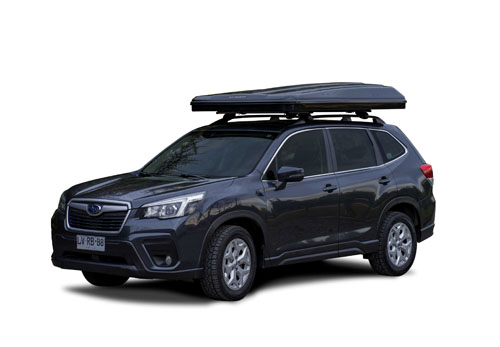
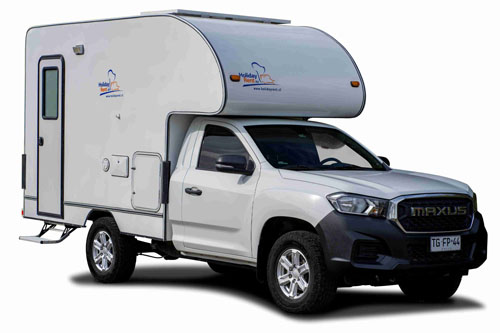
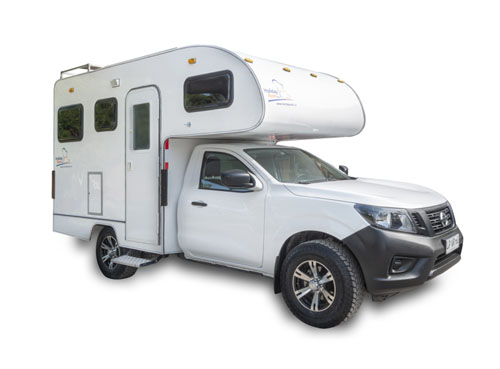
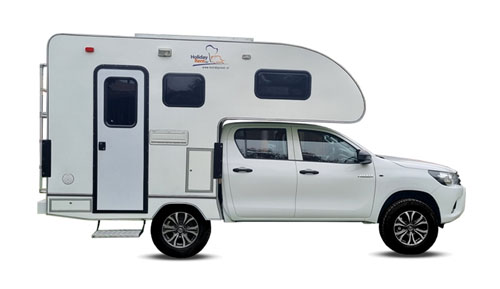
Choosing the right rented RV for your winter Chilean adventure is crucial for ensuring comfort, maneuverability, and suitability for the diverse terrains you might encounter. Bandana RV, as true RV specialists, offers a range of motorhomes and campervans to fit every travel style. **For a Couple (2-3 people):** Avi Bandana recommends a **Class SI - Semi-integrated** motorhome. These models, with Bandana's fleet averaging 6.9 meters in length and offering 3.8 sleeping places, strike an excellent balance between interior comfort and agility on Chilean roads. Their average load capacity of 72.2 kg allows for adequate luggage and provisions for two travelers, while typical fuel consumption of 10-11 Liters/100 km is efficient for longer journeys. A smaller Class B campervan, like a "2 Berth Hi Top" or "Active Classic," which offers features like "Front Air condition" and "Winter Ready" status, could also be a fantastic option for a couple seeking more nimble travel, especially on winding coastal routes or for easy city parking. **For a Family (4+ people):** A **Class C - Alcove** RV is Avi Bandana's top pick for families. With an average length of 7.5 meters and 5.8 sleeping places (comfortably accommodating 4.4 adults on average), Class C models provide ample space and dedicated beds for everyone. While their average load capacity is around 42.4 kg, their larger interior makes them ideal for families needing more living and sleeping space. Fuel consumption for these models is comparable at 10-12 Liters/100 km. The distinctive overhead 'alcove' bed provides extra sleeping space without compromising the main living area. Models like a "4 Berth Deluxe" or "6 Berth Deluxe" often come with features like "Front Air condition" and "Shower" and "Toilet", making extended family trips comfortable. To streamline your trip planning and ensure you get the best match for your needs, consider Bandana's 'Rent&Plan' service. This combines your RV rental with a ready-made itinerary curated by travel experts, offering full access to trip-planning software and removing the headache of route design. Remember that a standard car driver's license is sufficient for all motorhome classes (Class A, Class B, and Class C) in Chile, with the minimum rental age being 21. An International Driving Permit (IDP) is recommended for visitors from non-English-speaking countries but is not mandatory in most cases.How much does a winter RV rental trip in Chile cost
The cost of a winter RV rental trip in Chile varies significantly, typically ranging from $1,500 to $4,000+ USD per week, depending on factors such as the RV class, rental duration, and included services. Prices are dynamic, similar to flight tickets, changing daily based on availability, seasonality, and supplier marketing decisions. Booking 3-6 months in advance, especially for winter (June-August), can often secure better rates and a wider selection of campervans and motorhomes, potentially saving travelers up to 15-20% on daily rates compared to last-minute bookings. For example, our "RV Rental in Chile - Prices and Best Deals 2026" provides further insights into current market trends. Beyond the rental fee, a comprehensive budget breakdown should include several ancillary costs. Fuel is a significant expense, with common RVs consuming an estimated 10-12 Liters/100 km, and prices generally being higher in Chile than in North America. Expect daily food costs similar to home cooking, ranging from $30-$70 USD per day for groceries for a family. Camping fees for official sites typically range from $15-$40 USD per night, although national parks might have separate entrance fees (e.g., $10-$30 USD per person per park). Occasional tolls on major highways and dump fees for waste disposal should also be factored in. For easy budgeting and tracking every expense along the way, consider using RV PLANET routes. Our commitment to full transparency means you won't encounter hidden fees, ensuring what you see is what you pay. For a more detailed breakdown, check out "Cheap RV Rental in Chile - Budget Guide 2026" or "Luxury RV Rental in Chile - Premium Prices 2026" if you're exploring premium options.Which RV types are best suited for diverse Chilean terrains and winter conditions
For diverse Chilean terrains and potential winter conditions, particularly on less-traveled, unpaved roads, or the scenic but challenging Carretera Austral, a **4x4 Camper Van (Class B) or a robust Truck Camper (Class TC)** is often best suited. These smaller, more rugged vehicles offer higher ground clearance and better traction, making them ideal for exploring remote Andean passes or rougher tracks in the Atacama Desert. For instance, a "Patagonia Camper 4x4 double cab" or a "4x4 Scout Adventure Truck Camper Gold" with "4 Wheel Drive" and "Front Air condition" features can provide the necessary capability and comfort. While larger motorhomes (Class C or Class A) like a "29′ Class C Motorhome" with features like a "Generator" and "Shower" and "Toilet" are comfortable for main paved routes and warmer regions, their size and lower clearance can limit access to some scenic but challenging roads in winter. Drive slowly and carefully, and you can drive almost anywhere without issues. No need to stress - just use common sense and pay attention. For couples seeking a good balance of comfort and maneuverability on slightly less demanding routes, a Class SI - Semi-integrated model like a "2 Berth Tamar" can be excellent, often described as "Winter Ready" with features such as heating. When selecting your rental RV, always consider your intended route and the season to ensure your vehicle is well-equipped for your Chilean adventure.What are the practical logistics for RV travel in Chile (water, fuel, internet)
Practical logistics for RV travel in Chile require careful planning, especially when venturing into remote areas, with water refilling points generally found at larger gas stations, established campgrounds, or sometimes in small towns. Waste disposal facilities for grey and black water are primarily located at larger, official campgrounds, as dedicated "dump stations" commonly found in North America are less prevalent. Always inquire about these facilities when booking your campsite. Fuel station availability can be sparse, particularly in the vast regions of Patagonia and remote northern areas; therefore, it's essential to ensure your fuel tank is full before embarking on long stretches, and carrying extra fuel is a wise precaution if venturing far off main roads. Prices for fuel are dynamic and tend to be higher than in many other countries. Reliable internet and cellular coverage is generally good in cities and along major highways, supported by providers like Entel, Movistar, and Claro. However, coverage becomes intermittent to non-existent in national parks and very remote areas, so purchasing a local SIM card is recommended for connectivity, and consider carrying a satellite communication device for extreme wilderness travel. Being prepared for these logistical aspects will ensure a smoother and more enjoyable RV rental journey through Chile.What are the rules and best practices for wild camping in Chile
Wild camping (acampada libre) in Chile is generally tolerated in non-private, non-protected areas, but strict regulations apply within national parks and private lands where it is often prohibited without specific permission. Always look for signage indicating private property ("Propiedad Privada") or restricted areas. The vastness of certain regions, especially the Atacama Desert and less developed parts of Northern Patagonia, can offer incredible opportunities for secluded overnight stays. Best practices for wild camping include rigorously adhering to Leave No Trace principles: pack out everything you pack in, dispose of waste properly (including human waste), and leave your campsite cleaner than you found it. Respect private property signs and, if unsure, always seek permission from landowners, especially in rural or agricultural areas. While specific locations for wild camping are rarely signposted, isolated beaches, secondary roads in the desert, and designated areas within some national reserves (always check with CONAF, the national forestry corporation) can offer opportunities, always prioritizing safety and security. Booking in advance for popular national and state parks is wise, though many also reserve 25-30% of spots for first-come, first-served arrivals, so you'll often find a spot. If not at the first campground, then the next one; call ahead before driving. For finding campsites and campgrounds during your trip, we recommend using RV PLANET (rvplan.net) - a great resource for locating available spots along your route.What do I need to know for border crossings with an RV between Chile and Argentina
Border crossings between Chile and Argentina with a rented RV require specific documentation to ensure a smooth transition, including your valid passport, the Chilean immigration form (PDI slip), your RV registration, and a notarized authorization from the RV rental company for international travel. This authorization is critical as it proves you have permission to take the vehicle across borders. The rental company (such as Bandana's partners like El Monte or Apollo) will provide this document, often for an additional fee, so arrange it well in advance. Our "One-Way RV Rental in Chile - Price Guide 2026" offers more details on cross-border options. The procedure typically involves separate stops for Chilean exit (PDI for passengers, Aduana for vehicle inspection) and Argentine entry (Immigration for passengers, Aduana for vehicle inspection). Expect potential delays, especially during peak season (December-February) or at smaller, less-frequented crossings. Be aware of strict regulations regarding fresh food imports, as you are generally not permitted to bring fresh fruits, vegetables, or meat across the border to prevent agricultural contamination. It is advisable to consume or discard these items before reaching the border checkpoint. Being prepared with all documents and understanding these rules will make your border crossing experience much smoother.What cultural nuances should I be aware of when RVing in Chile
When RVing in Chile, cultural nuances include always greeting locals with a polite 'Hola' (hello) or 'Buenos días/tardes' (good morning/afternoon), and consistently using 'por favor' (please) and 'gracias' (thank you) as a sign of respect, especially when interacting in smaller towns and rural communities. Chileans generally appreciate politeness and efforts to speak Spanish, even if limited. Buying provisions and fresh produce in smaller towns and local markets (like a "Mercado Central" mentioned earlier) not only supports local economies but also often provides access to fresher, regional products and a more authentic cultural experience. Be prepared for siesta hours, particularly in smaller towns, when some shops and businesses may close in the early afternoon for a few hours. Local etiquette for camping or roadside stops emphasizes discretion and respect for both the environment and private property; avoid loud music or excessive displays, always practice Leave No Trace, and if you're unsure about stopping on private land, politely ask for permission from landowners. Remember, a smile and a few Spanish phrases can go a long way in forging positive interactions during your rented motorhome adventure.What health and safety considerations are important for RV travel in Chile during winter
Health and safety considerations for RVers in Chile during winter include preparing for altitude sickness prevention when traveling to the Atacama region, where elevations can exceed 4,000 meters (13,000 feet); acclimatize slowly by ascending gradually, stay well-hydrated, and avoid strenuous activity on your first day at high altitude. Wildlife encounters, particularly with guanacos, rheas, or foxes, are common in remote areas; drive cautiously, especially at dawn and dusk, and under no circumstances feed any wild animals. Accessing emergency services in remote regions can be challenging due to limited cellular coverage, emphasizing the importance of carrying a fully stocked comprehensive first-aid kit. Consider investing in or renting a satellite communication device for emergencies when venturing off main roads. Always inform someone of your itinerary and expected return time. While driving a rented RV in cities, simply drive slowly and carefully, and you can drive almost anywhere without issues. No need to stress - just use common sense and pay attention to your surroundings. Winter driving in southern Chile might involve snow or ice, so ensure your rented vehicle is equipped with appropriate tires or chains if planning to visit such areas, and always check road conditions before departure.What should I pack for a winter RV trip in Chile
A detailed packing list for a winter RV trip in Chile should include layered clothing suitable for diverse climates, from the cold nights and sunny days of the Atacama Desert to potentially milder coastal days. Essential apparel includes thermal base layers (wool or synthetic), insulating mid-layers (fleece or down), a waterproof and windproof outer shell, sturdy hiking boots, a warm hat, gloves, and sunglasses for intense sun at altitude. RV-specific gear recommendations include a small shovel for potential light snow or mud in certain areas, a basic recovery kit (like a tow rope and jumper cables, especially for remote travels), and an inverter for charging electronics if your RV doesn't have ample power outlets. While rentals typically include basic kitchenware, consider bringing a small, portable water filtration system for remote water sources, as well as a reusable water bottle. Don't forget personal medications, toiletries, and any specific gear for activities like stargazing or hiking. Remember to also pack a copy of all important documents, both digital and physical. Many of our rented motorhomes are equipped with amenities like "Living Room Heating" to keep you cozy during colder nights.Final Thoughts
A winter RV adventure in Chile is an extraordinary way to experience the country's diverse and captivating landscapes, from the stark beauty of the Atacama Desert to the milder coastal stretches. With careful planning and the right rented motorhome or campervan, you can unlock unique experiences and create memories that last a lifetime. Remember, slow travel is the key to truly connecting with the places you visit. At Bandana RV, we are committed to making your journey as seamless and enjoyable as possible. Our expert knowledge, transparent pricing, and comprehensive support mean you can embark on your Chilean exploration with complete confidence. Get inspired for your next trip and discover top destinations, planning tips, all in one place. So, what are you waiting for? Chile in winter awaits, ready to reveal its wonders to you. Check out our detailed itinerated and start comparing prices for your perfect winter RV rental in Chile today!On the routes offered through RV PLANET routes, you can itemize and track every expense along the way for easy budgeting.