In This Guide
- Best Canada RV Itinerary for winter rv rental - Overview
- 7-Day Classic Route in Canada
- 14-Day Extended Journey in Canada
- Recommended RVPlan Trip for Canada
- Must-See Stops Along the Way (Avi Bandana Picks)
- Daily Driving Distances & Drive Times in Canada
- Best RV Class for This Itinerary - Couple & Family Picks
- What are the challenges of winter RVing in Canada and how to prepare?
- How much does a winter RV rental in Canada cost and how can I save?
- What are the specific provincial RV regulations for winter travel in Canada?
- What are critical wildlife safety and emergency preparedness tips for remote Canadian RV trips?
- How do I manage cell service and internet connectivity in remote Canadian winter regions?
- Top Cities for RV Rental in Canada
Best Canada RV Itinerary for winter rv rental - Overview
Exploring Canada's winter landscapes with a rented RV offers unparalleled flexibility and comfort, transforming frosty vistas into cozy adventures. A minimum duration of 7 days is recommended for a winter RV trip in Canada to allow for a relaxed pace, though longer journeys provide a deeper immersion into the snow-covered beauty. The ideal seasons for winter RVing are late November to early March, when conditions are prime for snow sports and crisp, clear views. This guide specifically outlines routes focusing on Western Canada's iconic winter destinations, showcasing the majestic Rocky Mountains and the charming towns within. For live availability and current prices, start with our RV Rental Canada - Complete Guide 2026 guide.7-Day Classic Route in Canada
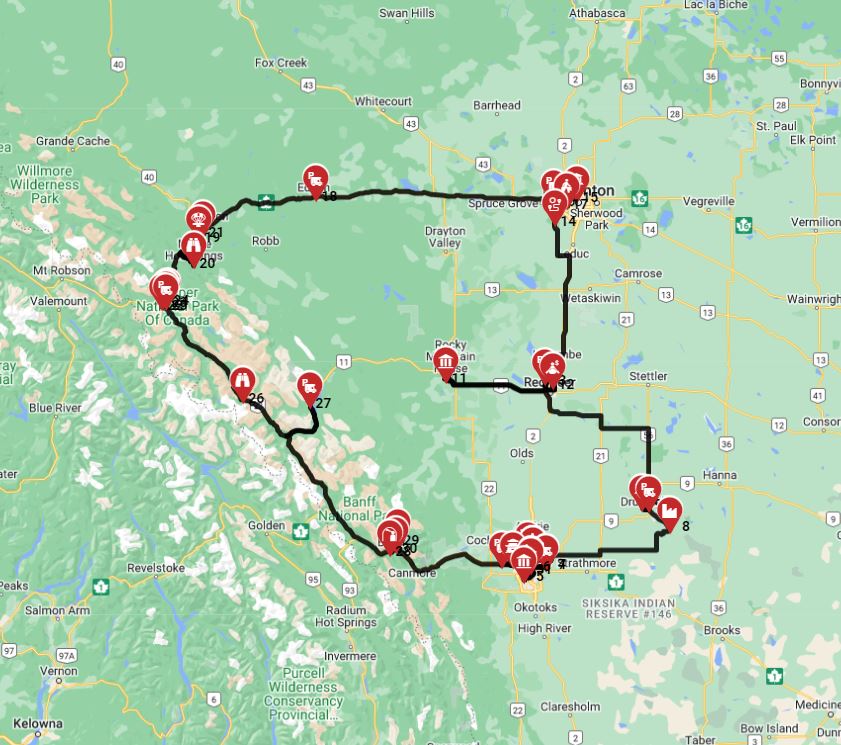
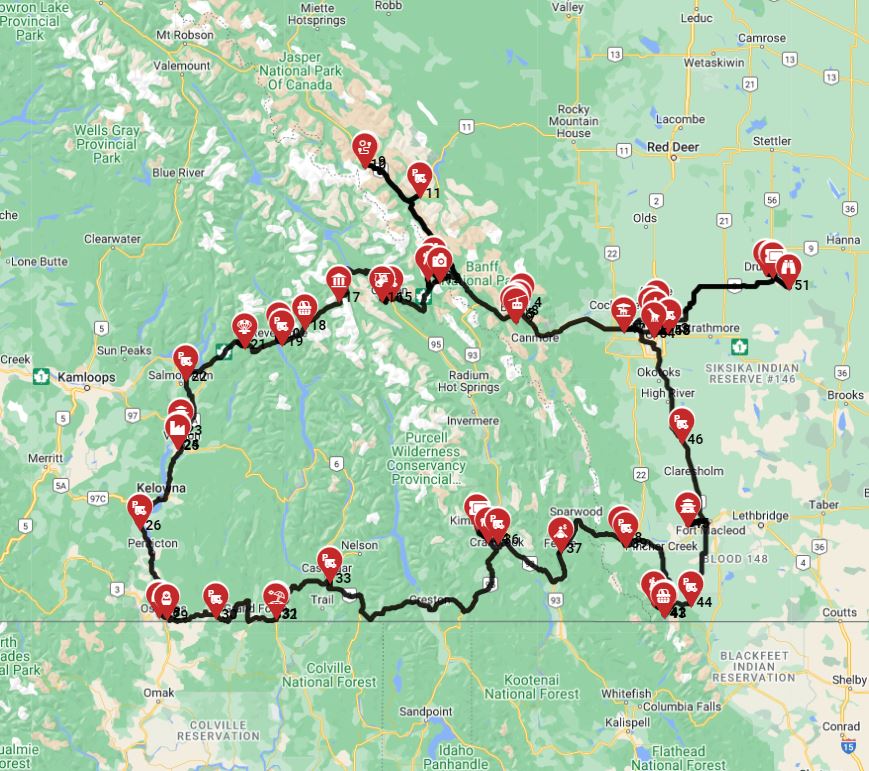
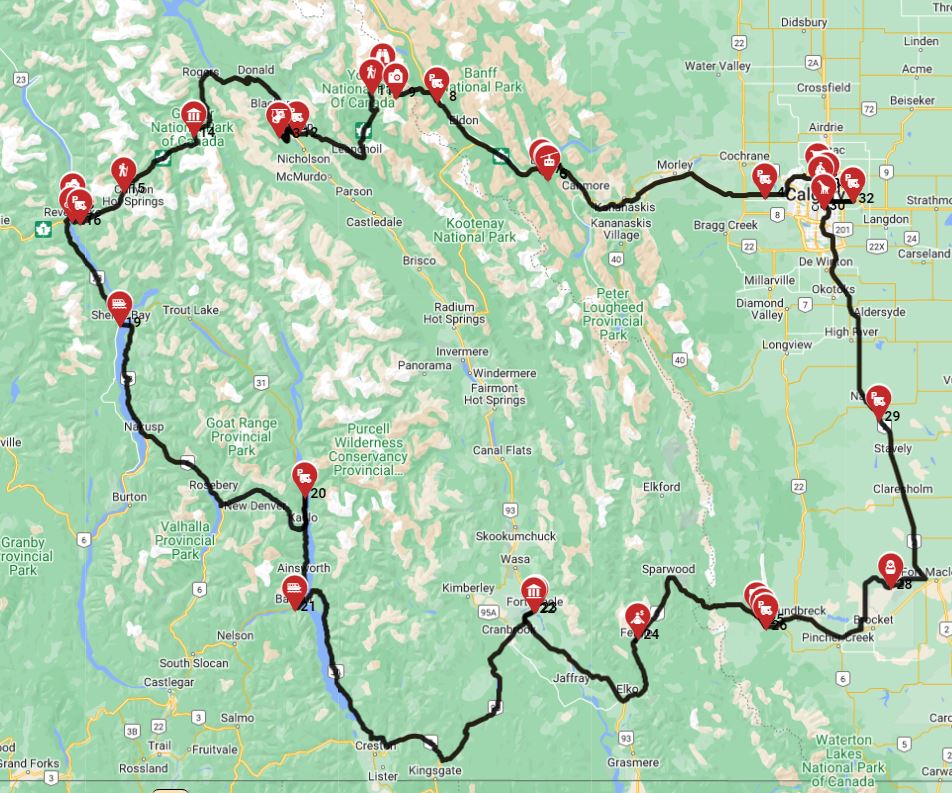
A 7-day winter RV itinerary in Canada focuses on the breathtaking Alberta Rockies, offering a perfect blend of scenic drives and winter activities. This route starts and ends in Calgary, providing convenient access for most travelers.- **Day 1: Calgary → Banff (Alberta)** - Approximately 125 km (78 mi). This scenic drive takes about 1.5 to 2 hours in good conditions, leading you directly into the heart of the Canadian Rockies. Settle into Tunnel Mountain Village II Campground, which is winterized and offers powered sites for comfort.
- **Day 2: Banff National Park Exploration** - Explore the charming town of Banff, ascend Sulphur Mountain via gondola for panoramic views, or enjoy a picturesque winter walk through Johnston Canyon (ice cleats recommended). Overnight again at Tunnel Mountain Village II Campground.
- RV-friendly recipes playlist can inspire delicious meals to cook in your rented motorhome after a day of exploration, maximizing your cozy experience.
- **Day 3: Banff → Canmore (Alberta)** - A short drive of approximately 25 km (16 mi) brings you to Canmore, a vibrant mountain town known for cross-country skiing, snowshoeing, and local arts. Spend the night at Spring Creek RV Campground, offering serviced sites to keep your rented motorhome warm.
- **Day 4: Lake Louise & Moraine Lake Day Trip** - Drive about 60 km (37 mi) from Canmore to Lake Louise, an iconic winter destination perfect for ice skating or simply admiring the majestic Fairmont Chateau Lake Louise. Always check road status for Moraine Lake in winter, as it's often closed. Return to Canmore for the night at Spring Creek RV Campground.
- **Day 5: Kananaskis Country Adventure** - A short drive from Canmore leads to Kananaskis Country, an ideal spot for snowshoeing, fat biking, or scenic drives through pristine wilderness. Winter camping is available at Peter Lougheed Provincial Park.
- **Day 6: Kananaskis → Calgary (Alberta)** - Enjoy a leisurely drive of approximately 100 km (62 mi) back to Calgary, allowing time for last-minute souvenir shopping or experiencing Calgary's winter events. Stay at Calgary West Campground.
- **Day 7: Departure from Calgary** - Prepare your rented RV for return or extend your stay to explore more of Canada.
14-Day Extended Journey in Canada
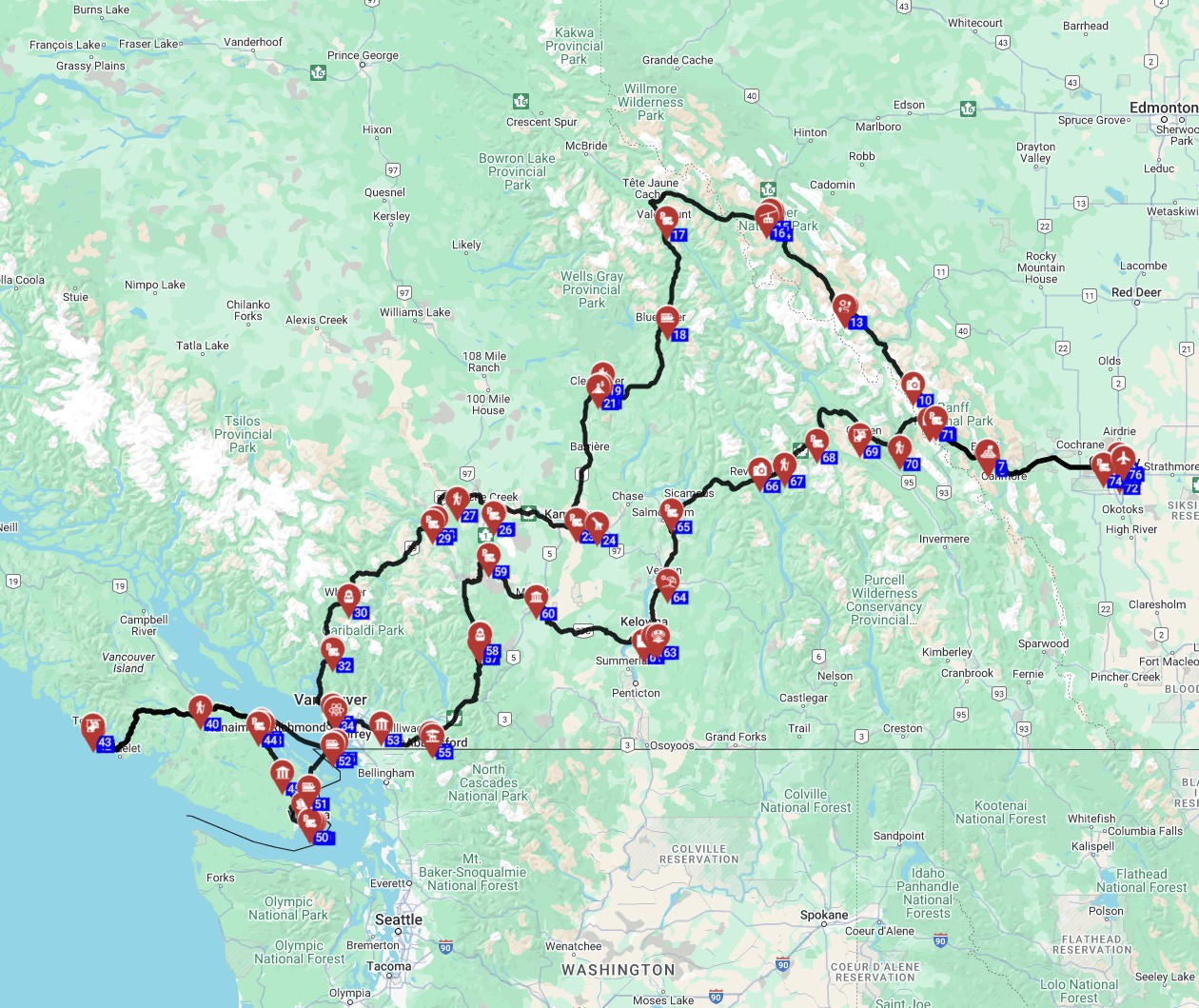
An extended 14-day winter RV journey in Canada allows for a more comprehensive exploration of Western Canada's diverse landscapes, from coastal British Columbia to the snowy peaks of Alberta. This itinerary begins in Vancouver, a major rental hub for those looking for longer trips.- **Days 1-2: Vancouver (BC) → Manning Provincial Park (BC) → Osoyoos/Penticton (BC)** - Each day involves approximately 200 km (125 mi) of driving. Start in Vancouver, drive through the picturesque Coquihalla Highway (always check winter conditions), stopping overnight at Manning Provincial Park (offering winter camping) for snowshoeing. Continue to the Okanagan Valley for milder winter weather and wine tasting. Overnight at a private RV park in Osoyoos or Penticton.
- **Days 3-5: Okanagan Valley Exploration** - Dedicate these days to enjoying the region's wineries (many are open year-round), scenic drives around Okanagan Lake, or exploring charming local towns like Kelowna. Daily local exploration can be kept to a maximum of 50 km (30 mi) to truly savor the experience. Stay at a private RV park.
- **Days 6-8: Okanagan Valley → Revelstoke (BC) → Golden (BC)** - This segment involves approximately 200 km (125 mi) over two days to Revelstoke, a town renowned for heli-skiing and snowmobiling. Continue another 150 km (93 mi) to Golden. These are longer drives for winter conditions, but splitting them over two days makes them manageable. Stay at Revelstoke Campground and then Golden Municipal Campground (check winter availability).
- **Days 9-11: Golden → Banff (Alberta) → Lake Louise (Alberta)** - Drive approximately 100 km (62 mi) from Golden into the heart of the Canadian Rockies. Spend time exploring Banff town, ascending Sulphur Mountain, and taking scenic drives. Proceed to Lake Louise (approx. 60 km/37 mi) for ice skating and admiring the iconic Fairmont Chateau Lake Louise. Overnight at Tunnel Mountain Village II Campground.
- **Days 12-13: Banff & Canmore Exploration** - These dedicated days allow you to explore Banff and the nearby town of Canmore, focusing on winter activities like dog sledding, cross-country skiing, or relaxing in local hot springs. Keep daily travel to a maximum of 50 km (30 mi). Stay at Tunnel Mountain Village II Campground or Spring Creek RV Campground.
- **Day 14: Banff → Calgary (Alberta)** - Enjoy a final scenic drive of approximately 125 km (78 mi) back to Calgary for your rented RV return or onward travel.
Recommended RVPlan Trip for Canada
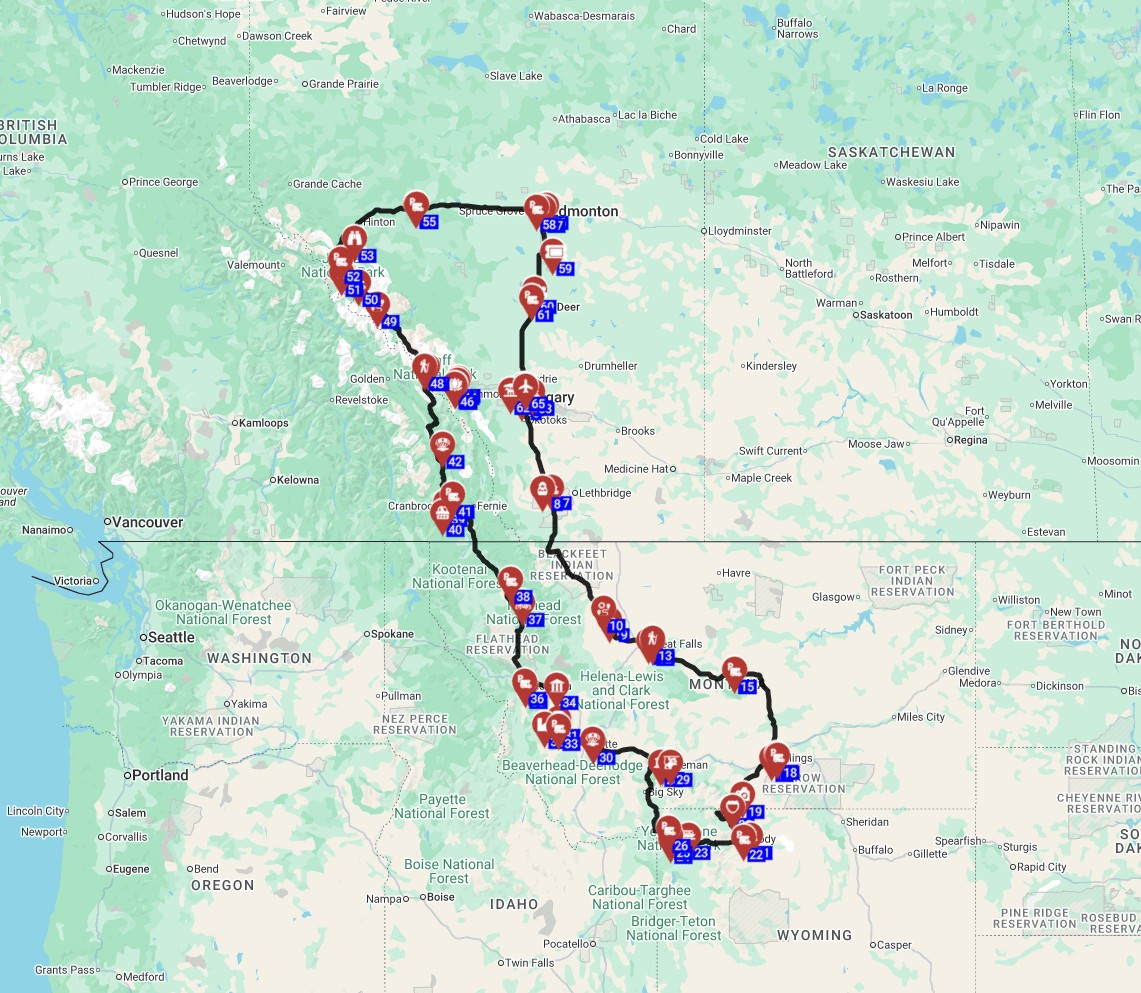
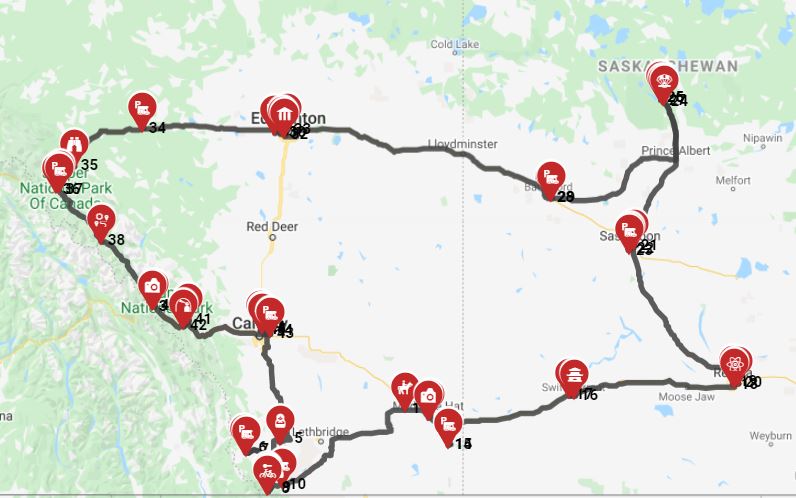
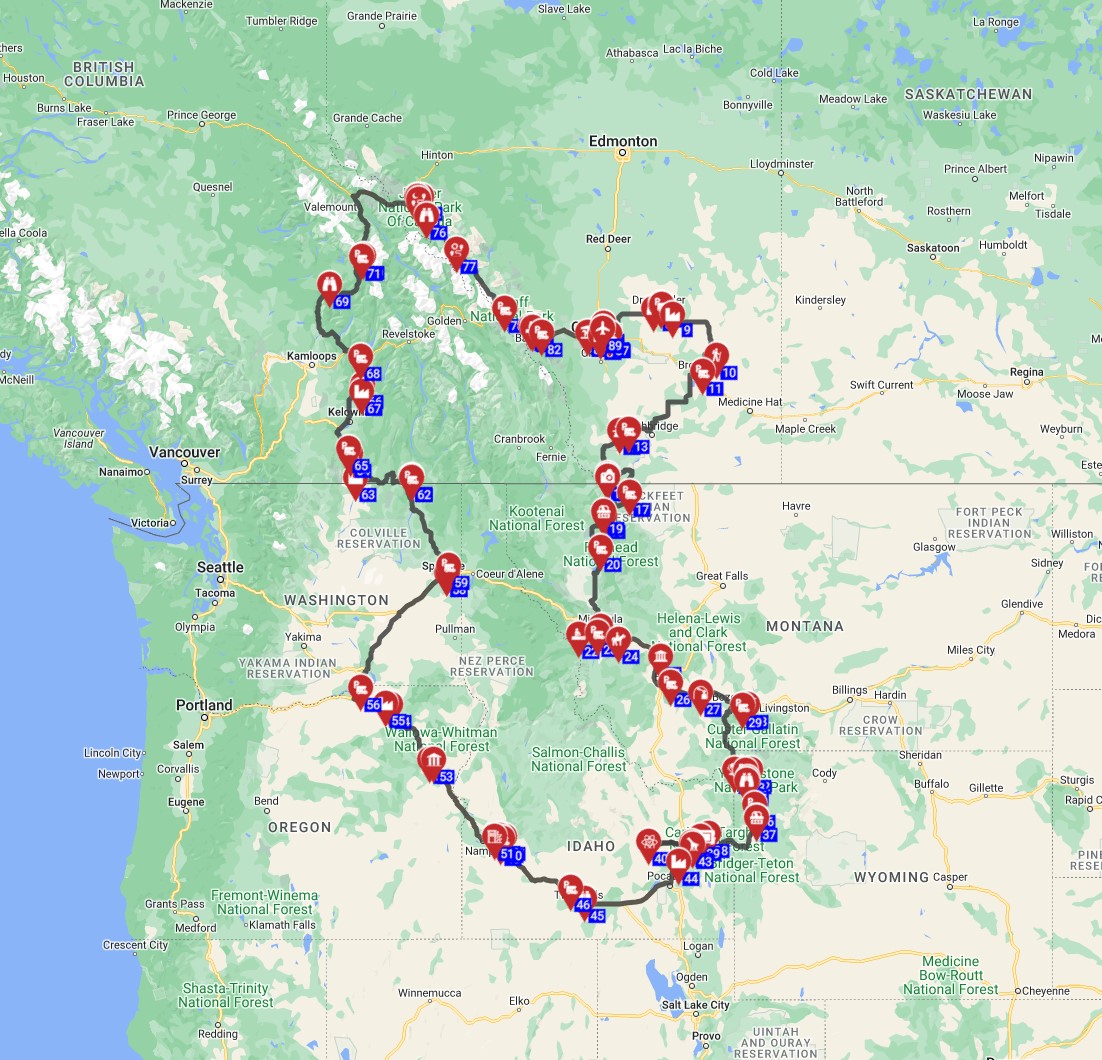
For an epic Canadian adventure, consider the RVPlan trip 'Halifax to Whitehorse - Exploring Canada’s Heartland in a Motorhome', an extensive journey covering approximately 9199.1 km (5716.1 mi) over a recommended 37 days. This ambitious route from Halifax to Whitehorse includes stops at 1 Amusement Park, 1 Animals Show / Wildlife watch, 1 Aquarium, 3 Art Galleries, 2 Beaches, and more, providing a truly comprehensive experience of Canada's diverse landscapes and cultures. Another excellent option for Western Canada is the '
Vancouver Round Trip - West Canada Cycling Adventure
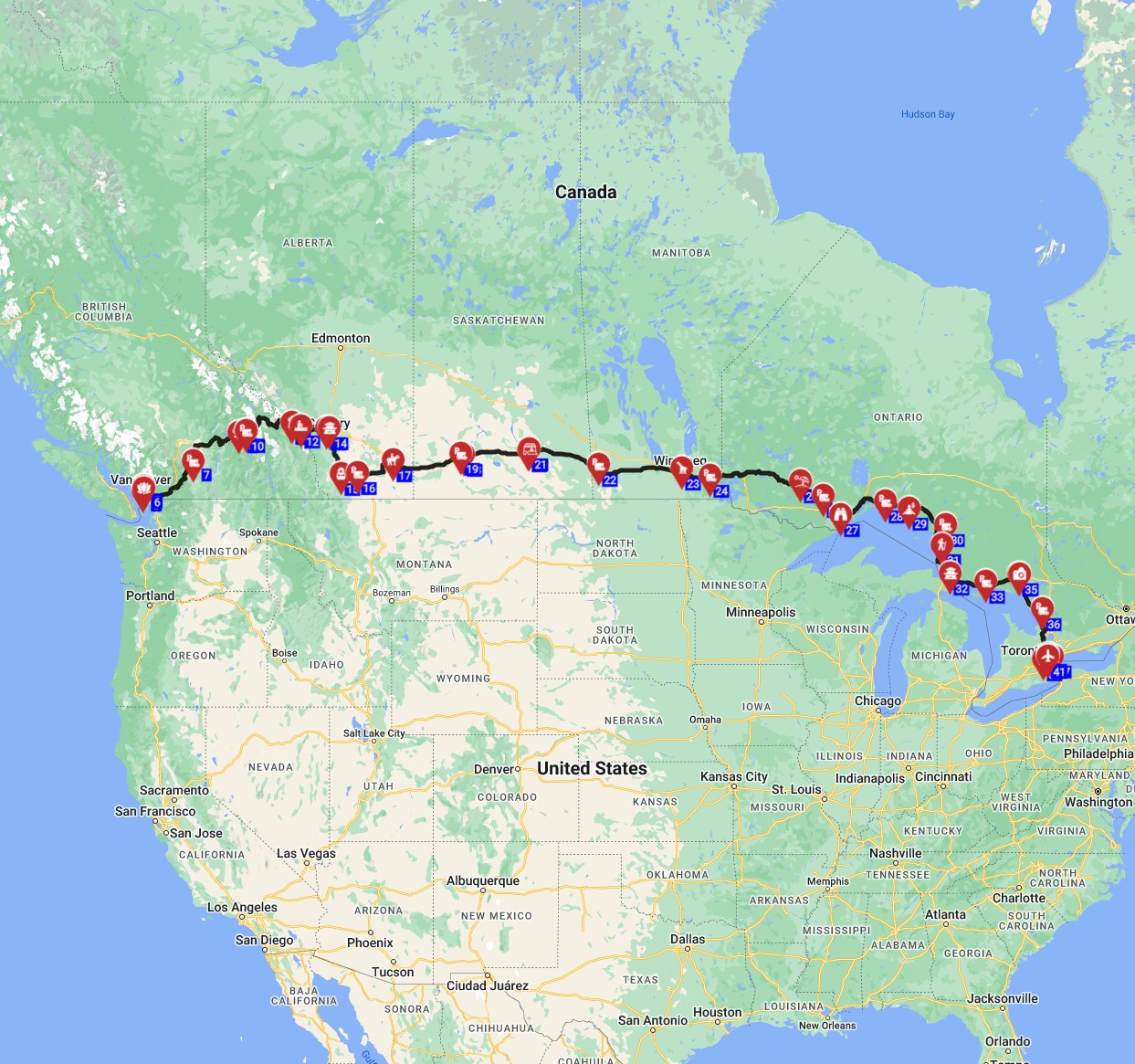
Vancouver to Toronto - Trans Canada West to East
Must-See Stops Along the Way (Avi Bandana Picks)
Avi Bandana recommends several authentic Canadian experiences to enrich your winter RV journey, providing a deeper connection to the local culture and natural beauty. For those exploring the Yukon, a "Traditional Visit" to the Teslin Tlingit Heritage Centre offers invaluable insight into Indigenous history, art, and traditions, making for a truly memorable stop. In Quebec City, a "Traditional Restaurant" visit is a must-do, allowing you to savour the city's European charm and culinary delights with dishes that often feature local winter ingredients. When passing through northern British Columbia, the Fort Nelson Farmers Market stands out as a vibrant "Traditional Market" where you can experience community spirit and find fresh, local produce, even in colder months. To delve into "Local Industry," a visit to Lake of the Woods Brewing Company in Northwestern Ontario offers a taste of Canadian craft beer and a glimpse into its production process. These diverse stops ensure your rented motorhome adventure is filled with unique cultural and natural discoveries.Daily Driving Distances & Drive Times in Canada
Avi Bandana recommends a maximum of 100 miles or 150 km per day on average when RVing in Canada, especially in winter, to allow ample time for sightseeing and safe travel. This philosophy encourages slow travel, enabling you to fully immerse yourself in the journey, stopping at breathtaking viewpoints and avoiding rushing through the stunning scenery. For instance, the drive from Calgary to Banff is approximately 125 km (78 mi), typically taking about 1.5 to 2 hours in good conditions; however, always allow extra time for winter roads, which might have snow and ice, and for spontaneous scenic stops. A trip from Banff to Lake Louise, around 60 km (37 mi), usually takes 45 minutes to an hour, perfect for a relaxed morning drive. Remember to factor in shorter daylight hours, potential road closures, and slower speeds due to snowy conditions when planning your winter drive times. Driving slowly and carefully allows you to drive almost anywhere without issues, even in cities; no need to stress, just use common sense and pay attention to road conditions.Best RV Class for This Itinerary - Couple & Family Picks
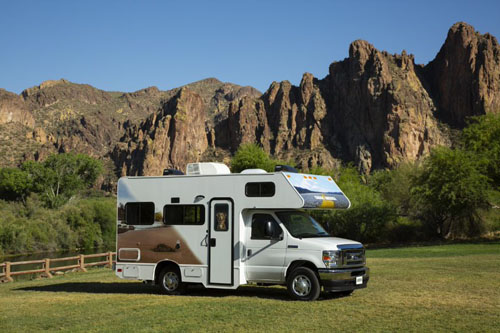
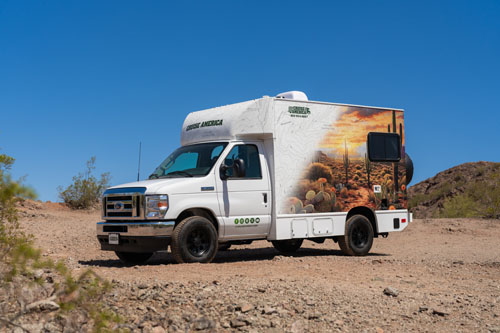
Choosing the right RV is crucial for a comfortable winter rental experience in Canada, balancing maneuverability with necessary living space and warmth. For couples, Avi Bandana highly recommends a Class B - Camper Van due to its compact size, often averaging around 5.8 meters in length, making it easier to handle on potentially snowy roads and fit into smaller campsites. Bandana's fleet typically features Class B camper vans that are suitable for 2.7 adults on average, offering good fuel efficiency of around 10 Liters/100 km, perfect for intimate winter adventures. Examples include the `Active Pop Top Select` which has features like automatic transmission and roof air conditioning, or a `2 Berth Hi Top` which is "Winter Ready". For families, the Class C - Alcove is an excellent choice, offering more sleeping places, typically averaging 5.8, and ample space for 4.4 adults on average, with an average length of 7.5 meters. This class provides the comfort and storage needed for a family winter trip, and Bandana's fleet typically consumes 10-12 Liters/100 km. The `29′ Class C Motorhome` is a good example, offering a generator and slide-out features for extra space. To remove the planning headache, consider Bandana's Rent&Plan service, which combines your RV rental with a ready-made itinerary crafted by travel experts, offering full access to our trip-planning software at rvplan.net.🎬 Video coming soon
What are the challenges of winter RVing in Canada and how to prepare?
Winter RVing in Canada presents unique challenges, including extreme cold, snowy and icy roads, and shorter daylight hours, all of which require specific preparation to ensure safety and comfort. Firstly, ensure your rental RV is properly winterized; this means insulated pipes, heated tanks, and appropriate tires, such as winter tires or all-season tires with the snowflake symbol, which are often mandatory in certain regions like British Columbia and Quebec during winter months. Secondly, always check provincial road reports (e.g., DriveBC, 511 Alberta) before traveling, and be prepared for potential delays or detours due to snowstorms. Drive slowly and carefully, and you can drive almost anywhere without issues. No need to stress - just use common sense and pay attention. Finally, plan for increased propane or diesel consumption for heating and ensure you have sufficient fuel and backup heating options. Packing essential winter emergency supplies such as extra blankets, a shovel, traction aids, a comprehensive first-aid kit, and a satellite messenger for remote areas is also crucial for critical safety.How much does a winter RV rental in Canada cost and how can I save?
The cost of a winter RV rental in Canada varies widely based on RV class, rental duration, and seasonality, typically ranging from CAD $100 to $300 per night, with additional costs for insurance, fuel, and campgrounds. Smaller, more fuel-efficient RVs like Class B camper vans (e.g., `Camper Van` with a shower and toilet) are generally less expensive to rent and operate compared to larger Class C (e.g., `MHC24` with a generator and capacity for 6) or Class A models (e.g., `Class A - Thor ACE 30` which seats 7). Winter is often considered a shoulder season outside of popular ski areas, which can lead to potentially lower rental rates and campsite fees, offering opportunities for budget-conscious travelers. Fuel is a significant expense, so planning routes to minimize unnecessary driving and checking provincial fuel price differences can help; for example, Alberta often has lower fuel prices than British Columbia or Quebec. Utilizing provincial park campgrounds that offer basic winter services for a lower fee, or seeking out permitted boondocking spots, can further reduce accommodation costs. To itemize and track every expense along the way for easy budgeting, consult RV PLANET routes, which provide detailed financial breakdowns for your trip.What are the specific provincial RV regulations for winter travel in Canada?
Provincial RV regulations in Canada can differ significantly, especially regarding driving laws, waste disposal, and winter boondocking, making it crucial to research specific regional rules for your chosen itinerary. For example, British Columbia and Quebec have mandatory winter tire requirements for certain highways during specific months (typically October to April), or require M+S rated tires. Waste disposal is another key consideration, as many sani-dump stations close during winter due to freezing temperatures; therefore, planning your waste disposal carefully and checking campground amenities in advance is essential. The legality of boondocking or wild camping varies by province and specific land designations; while generally permitted on Crown land, winter conditions and accessibility can make it challenging, and local bylaws should always be respected. Even in winter, fire bans can be implemented during dry spells or high winds, so always check local fire regulations. Furthermore, some national or provincial parks may require special permits for winter camping or backcountry access, in addition to standard park entrance fees, so check ahead of time.What are critical wildlife safety and emergency preparedness tips for remote Canadian RV trips?
Ensuring wildlife safety and being prepared for emergencies are paramount for remote Canadian RV trips, especially during winter when conditions can be unforgiving and help may be distant. Even in winter, bears can be active; therefore, always store food in bear-proof containers, cook away from your sleeping area, and carry bear spray (knowing how to use it is critical). Drive cautiously, especially at dawn and dusk, as wildlife like deer, elk, and moose are common on Canadian roads and can cause serious accidents. For truly remote areas where cell service is non-existent, a satellite messenger (e.g., SPOT, inReach) is essential for emergency communication. Beyond standard RV gear, pack a robust winter emergency kit including warm clothing layers, high-energy food, water purification tablets, a heavy-duty shovel, and jump-starter cables. Finally, always inform someone of your itinerary and expected return, and stick to established roads where possible; consider professional guides for any backcountry excursions in your rented motorhome.How do I manage cell service and internet connectivity in remote Canadian winter regions?
Maintaining cell service and internet connectivity in remote Canadian winter regions can be challenging due to vast distances and limited infrastructure, necessitating a multi-faceted approach to stay connected. Canada's main cellular providers, Bell, Telus, and Rogers, offer the widest coverage, but even they have significant gaps in remote areas, particularly in mountainous or northern regions. Always download offline maps (e.g., Google Maps, Maps.me) and any necessary entertainment or information before heading into areas with no signal. For improved connectivity, consider investing in a cellular signal booster for your rented RV, which can amplify weak signals and improve connectivity, though they cannot create a signal where none exists. For critical connectivity in extremely remote areas, portable satellite internet systems (e.g., Starlink) are becoming more accessible, offering reliable but more expensive options. In towns along your route, utilize public Wi-Fi at campgrounds, visitor centers, libraries, or cafes, planning your stops around these connection points to stay in touch. Many RVs like the `MH-A` model feature "winter ready RV" which will help with heating and comfort even when outside temperatures are low. For broader RV travel, our "RV Rental USA - Complete Guide 2026" offers similar connectivity advice for North American adventures.Top Cities for RV Rental in Canada
Canada offers several fantastic cities as starting points for your winter RV adventure, each providing access to unique winter experiences.- **Calgary, Alberta:** Known as the gateway to the Canadian Rockies, Calgary is an excellent base for exploring Banff and Canmore. You can easily pick up a Class B campervan or a larger Class C alcove motorhome here.
- **Vancouver, British Columbia:** Offers a milder coastal winter climate and access to stunning mountain ranges nearby, like those around Whistler. Renting a motorhome in Vancouver allows you to experience both city life and natural beauty.
- **Halifax, Nova Scotia:** For an East Coast winter experience, Halifax provides access to maritime charm and unique coastal drives, including potential trips to the Bay of Fundy. For extended trips from this region, consider routes such as "Halifax to Whitehorse - Exploring Canada’s Heartland in a Motorhome" which departs from here.
- **Toronto, Ontario:** A major metropolitan hub that allows access to diverse winter activities, from skating at Nathan Phillips Square to exploring provincial parks like Algonquin. If you're planning a longer journey, our "Vancouver to Toronto - Trans Canada West to East" route culminates in this vibrant city.
- **Montreal, Quebec:** Offers a distinctly European winter feel with charming old-world architecture and nearby ski resorts. Remember that road signs here are exclusively in French!
- **Abbotsford, British Columbia:** A convenient pickup location for exploring the Fraser Valley and nearby mountains, ideal for shorter excursions from the greater Vancouver area.
- **Coquitlam, British Columbia:** Another excellent starting point near Vancouver, offering access to various provincial parks and outdoor winter activities in British Columbia.
- **Dartmouth, Nova Scotia:** Situated across from Halifax, Dartmouth provides an alternative pickup location for exploring the beautiful East Coast and its winter attractions.
What You Shouldn't Miss
- **Ice Skate on Lake Louise:** Glide across the frozen surface of the iconic Lake Louise in Banff National Park, surrounded by majestic snow-capped mountains.
- **Soak in Banff Upper Hot Springs:** Relax in the mineral-rich thermal waters with stunning views of the Rockies, a perfect way to warm up after a day in the snow.
- **Explore Johnston Canyon Icewalk:** Hike through a frozen canyon adorned with spectacular icefalls and sparkling formations, accessible with appropriate ice cleats.
- **Go Dog Sledding in Canmore:** Experience a thrilling dog sledding adventure through Kananaskis Country, connecting with nature and a traditional winter activity.
- **Taste Icewine in Okanagan Valley:** Visit year-round wineries in the Okanagan region to sample Canada's famous icewine, a sweet treat unique to cold climates.
- **Looking for expert insights from Avi Bandana? Top 5 Adventures - recommendations from Avi Bandana**
Final Thoughts
Embracing a winter RV rental in Canada offers an unparalleled opportunity to discover the country's stunning snowy landscapes and vibrant cold-weather culture from the comfort of your mobile home. Whether you choose a quick week-long trip to the Rockies or an extended journey across provinces, the flexibility of a rented motorhome allows you to craft an adventure that's truly your own. Remember to prepare for winter conditions, drive slowly and carefully, and lean into the unique challenges as part of the fun. With Bandana Caravan, you're supported every step of the way, from transparent pricing to expert-curated itineraries. Our goal is to make your winter RV trip as seamless and enjoyable as possible, knowing that we’ve taken care of the small details that make a big difference. Get inspired for your next trip! Imagine yourself waking up to a fresh blanket of snow, brewing a hot coffee in your cozy RV, and stepping out into a Canadian winter wonderland. Ready to trade the ordinary for the extraordinary? Discover top destinations, planning tips, all in one place! Find Your Winter RV Rental in Canada TodayOn the routes offered through RV PLANET routes, you can itemize and track every expense along the way for easy budgeting.