In This Guide
- Best California RV Itinerary for rv rental — Overview
- 7-Day Classic Route in California
- 14-Day Extended Journey in California
- Recommended RVPlan Trip for California
- Must-See Stops Along the Way (Avi Bandana Picks)
- Daily Driving Distances & Drive Times in California
- Best RV Class for This Itinerary — Couple & Family Picks
- How much does it cost to rent an RV in California?
- What do you need to know before renting an RV in California?
- Can you just park an RV anywhere in California?
- What is the best month to RV in California?
- What are the RV rules for California?
- Where can you RV camp for free in California?
- Where can I find unique places to RV in California?
- Is RVing safe for solo female travelers in California?
- Are RVs allowed on Highway 1 in California?
Best California RV Itinerary for rv rental — Overview
California offers an unparalleled diversity of landscapes for RV exploration, from its iconic coastline to majestic mountain ranges and unique desert terrains. Planning an RV trip in California can feel overwhelming with so much to see, but with a well-crafted itinerary, you can experience the Golden State's highlights at a comfortable pace. We recommend a minimum of 7 days for a classic route, but a 14-day or longer journey allows for a more immersive experience, truly embracing the slow travel philosophy.
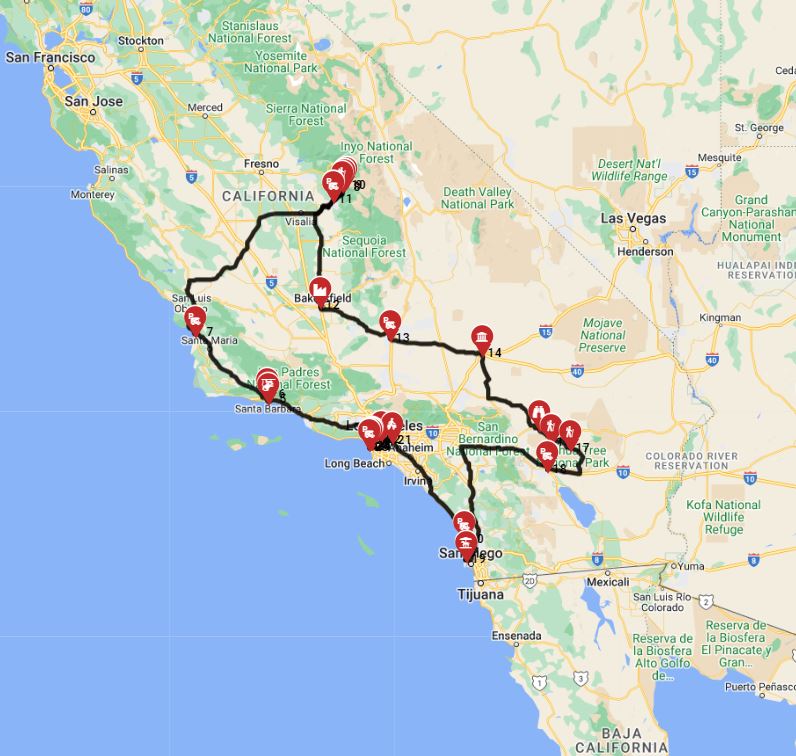
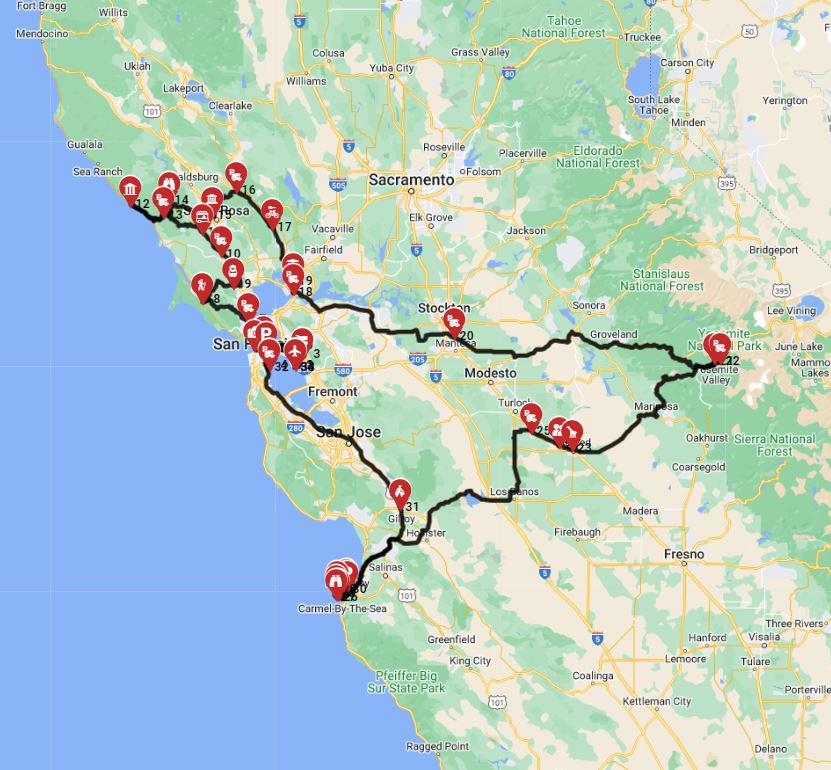
A classic 7-day loop through California can cover around 1,000 km (620 miles), taking you through stunning coastal drives and inland wonders. The best seasons to embark on your RV adventure are spring (April-May) for vibrant wildflowers and pleasant weather, and fall (September-October) for fewer crowds and beautiful autumn foliage, especially in wine country and the Sierras. For those seeking detailed planning and curated stops, exploring our RV PLANET routes can provide excellent starting points, like the "
When considering your California RV adventure, remember that Bandana Caravan provides a wide selection of motorhomes to suit your needs. For finding campsites and campgrounds during your trip, we recommend using RV PLANET (rvplan.net) — a great resource for locating available spots along your route. You can also find inspiration and detailed planning for various regions by checking out our comprehensive guides, such as the RV Rental California - Complete Guide 2026.
7-Day Classic Route in California
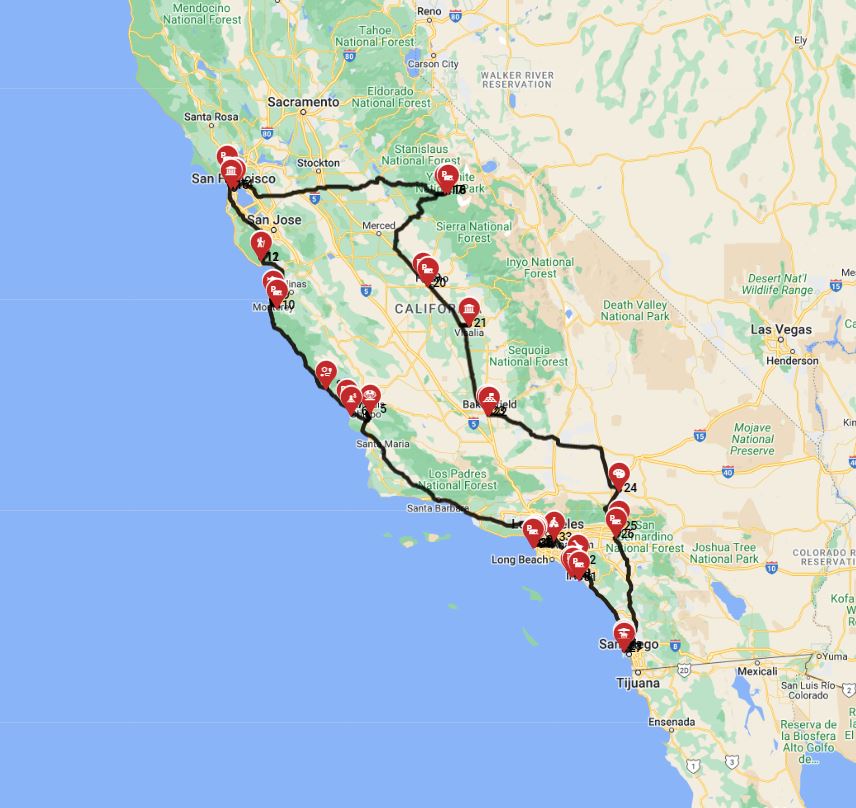
This classic 7-day California RV itinerary offers a taste of the state's most celebrated scenery, balancing coastal beauty with inland exploration. Remember to book campgrounds in popular areas like Big Sur and Yosemite National Park well in advance, especially during peak seasons. For those seeking expert-curated routes, RV PLANET offers pre-planned trips that can be customized, like the "
- **Day 1: San Francisco to Monterey/Carmel (approx. 190 km / 120 miles)**: Start your journey by picking up your rented RV in San Francisco and heading south on scenic Highway 1. The coastal drive leads you to the charming towns of Monterey and Carmel-by-the-Sea. Consider an overnight stay at a campground in the Monterey Bay area.
- **Day 2: Monterey/Carmel to Big Sur (approx. 70 km / 45 miles)**: Immerse yourself in the dramatic Big Sur coastline, making stops at iconic landmarks like Bixby Bridge and Pfeiffer Big Sur State Park. Be aware that certain sections of Highway 1 through Big Sur have RV length restrictions; always check Caltrans advisories. Booking a Big Sur campground well in advance is crucial.
- **Day 3: Big Sur to Paso Robles Wine Country (approx. 130 km / 80 miles)**: Head inland to explore California's renowned wine region. Paso Robles offers numerous wineries for tastings amidst beautiful vineyards. You can find an RV park or a vineyard stay for the night in this region.
- **Day 4: Paso Robles to Santa Barbara (approx. 200 km / 125 miles)**: Continue your southward journey to Santa Barbara, often called the "American Riviera" for its Spanish colonial architecture and beautiful beaches. Secure a campground near Santa Barbara for your overnight stop.
- **Day 5: Santa Barbara to Los Angeles (approx. 150 km / 95 miles)**: Drive to the bustling city of Los Angeles. Explore popular spots like Santa Monica Pier, Venice Beach, or the Griffith Observatory. Navigating LA in an RV requires careful attention to city driving and available RV parking. Consider an RV park just outside the immediate city center.
- **Day 6: Los Angeles to Yosemite National Park (approx. 500 km / 310 miles)**: This is a longer driving day, exceeding the recommended daily limit, so careful planning or an overnight stop is advised. Head towards Yosemite National Park. Reservations are crucial for entry and camping in Yosemite, especially during peak seasons.
- **Day 7: Yosemite to San Francisco (approx. 300 km / 185 miles)**: Spend your final day exploring the breathtaking Yosemite Valley, home to El Capitan, Half Dome, and Yosemite Falls, before returning to San Francisco to drop off your RV. Remember that Yosemite may require entry reservations during peak times, and some park roads are seasonal.
14-Day Extended Journey in California
For a more in-depth exploration of California's diverse landscapes, this 14-day itinerary allows for a slower pace and deeper immersion. It adheres to the recommended maximum driving distance of around 150 km (100 miles) per day where possible, ensuring you have ample time for spontaneous discoveries, hiking, and truly experiencing each location. This extended journey highlights the contrast between coastal beauty, mountain grandeur, and desert mystique.
- **Days 1-3: Northern Coast & Redwoods (San Francisco to Redwood National Park)**: Begin in San Francisco and journey north along Highway 101 to the ancient forests of Redwood National and State Parks. Spend two nights here, hiking among the colossal trees and enjoying the serene, towering landscape.
- **Days 4-6: Wine Country & Lake Tahoe (Redwoods to Napa/Sonoma to Lake Tahoe)**: Drive east from the Redwoods to California's famed wine regions, Napa or Sonoma, for wine tasting and culinary delights. Continue your journey into the Sierra Nevada mountains to Lake Tahoe, offering stunning alpine scenery, hiking, and lakeside activities. Be mindful of potential winter driving conditions in the mountains; snow chains may be required.
- **Days 7-9: Yosemite & Eastern Sierras (Lake Tahoe to Yosemite National Park to Mammoth Lakes)**: Travel to the iconic Yosemite National Park, dedicating two full days to its majestic valleys, waterfalls, and granite cliffs. Securing permits and campground reservations is essential here, as Yosemite is extremely popular. Continue south along the scenic Highway 395 through the Eastern Sierras to Mammoth Lakes, a year-round hub for outdoor adventures.
- **Days 10-11: Desert Landscapes (Mammoth Lakes to Death Valley National Park)**: Descend from the mountains into the unique and extreme environment of Death Valley National Park. Be prepared for high temperatures, especially in summer, and research your RV's capabilities for desert conditions. Explore salt flats, sand dunes, and otherworldly badlands.
- **Days 12-14: Southern California & Coastal Drive (Death Valley to Joshua Tree National Park to Los Angeles)**: Head southwest to Joshua Tree National Park, famous for its distinctive trees and fascinating rock formations. Conclude your incredible California road trip by driving to Los Angeles, exploring its diverse neighborhoods and beaches before returning your RV. This route offers a comprehensive experience of California's natural and urban wonders.
Recommended RVPlan Trip for California
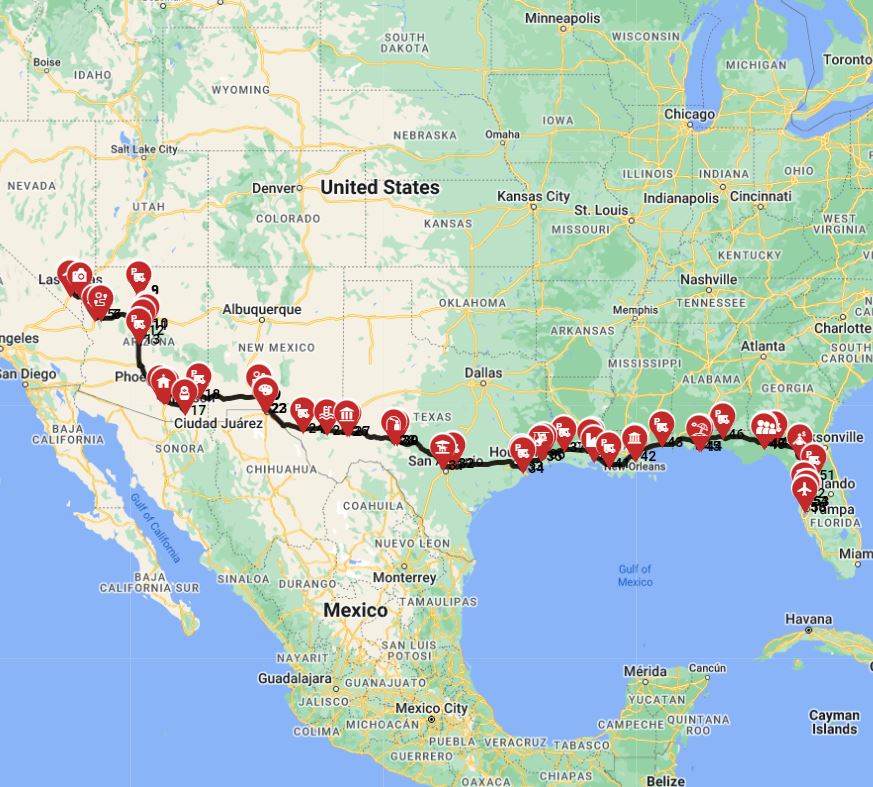
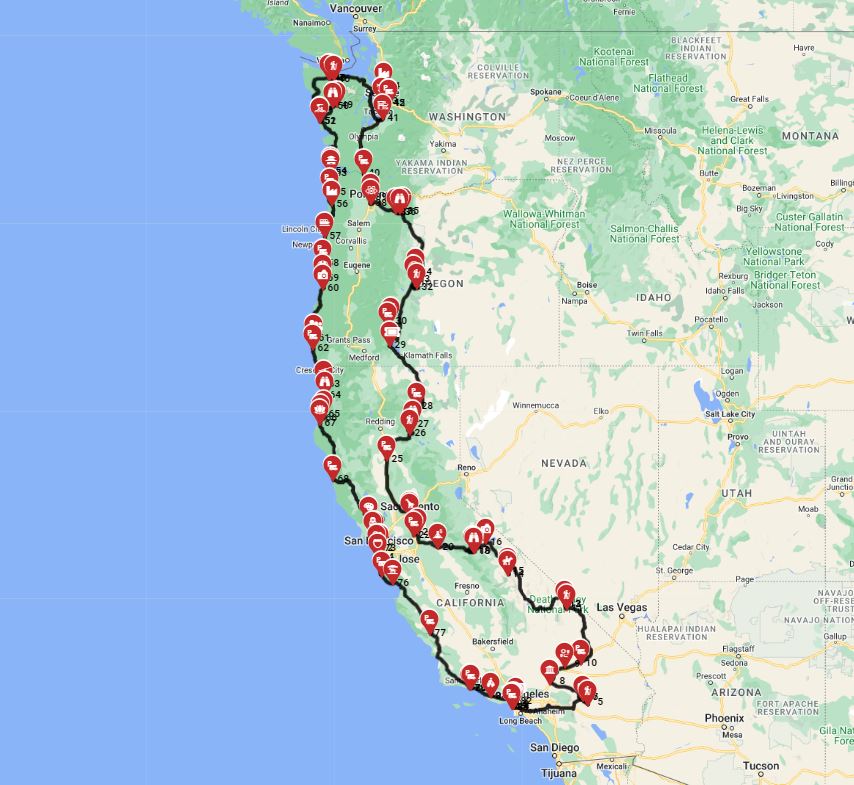
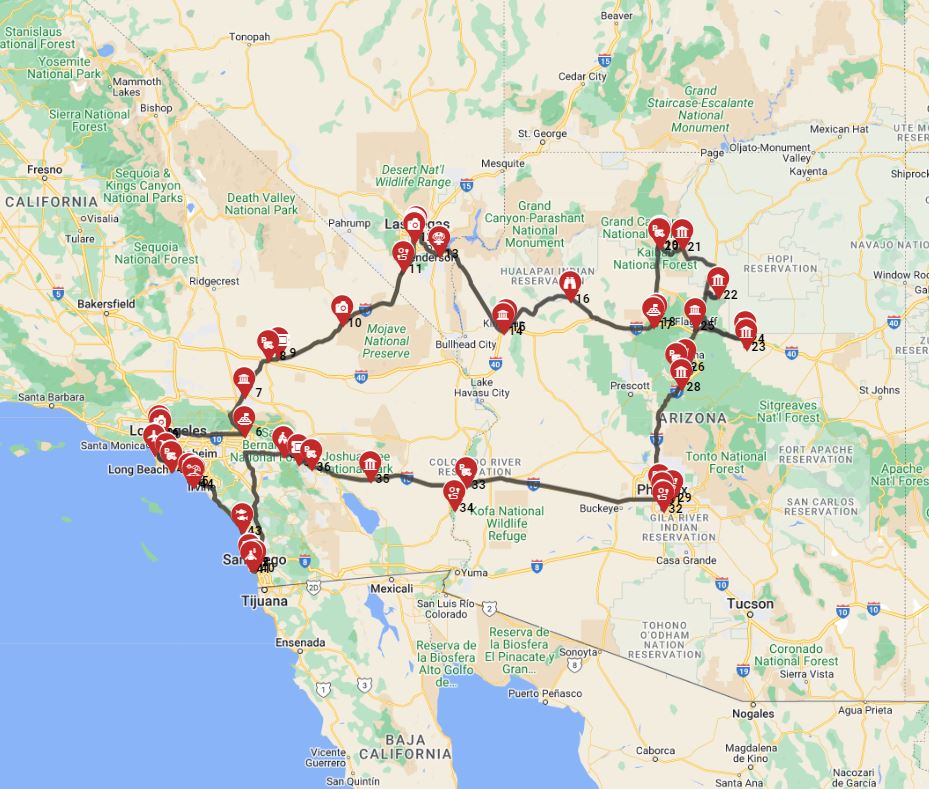
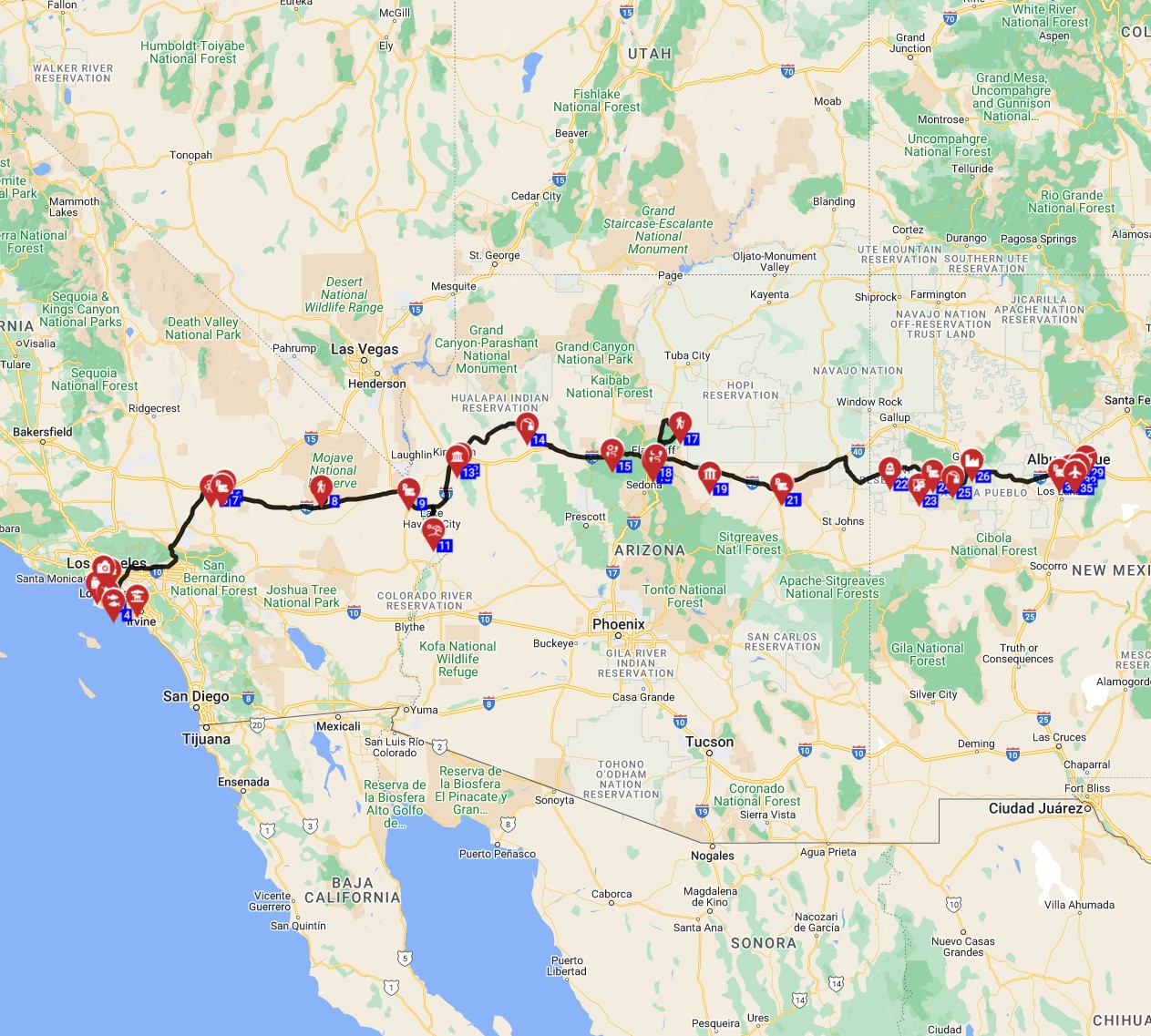
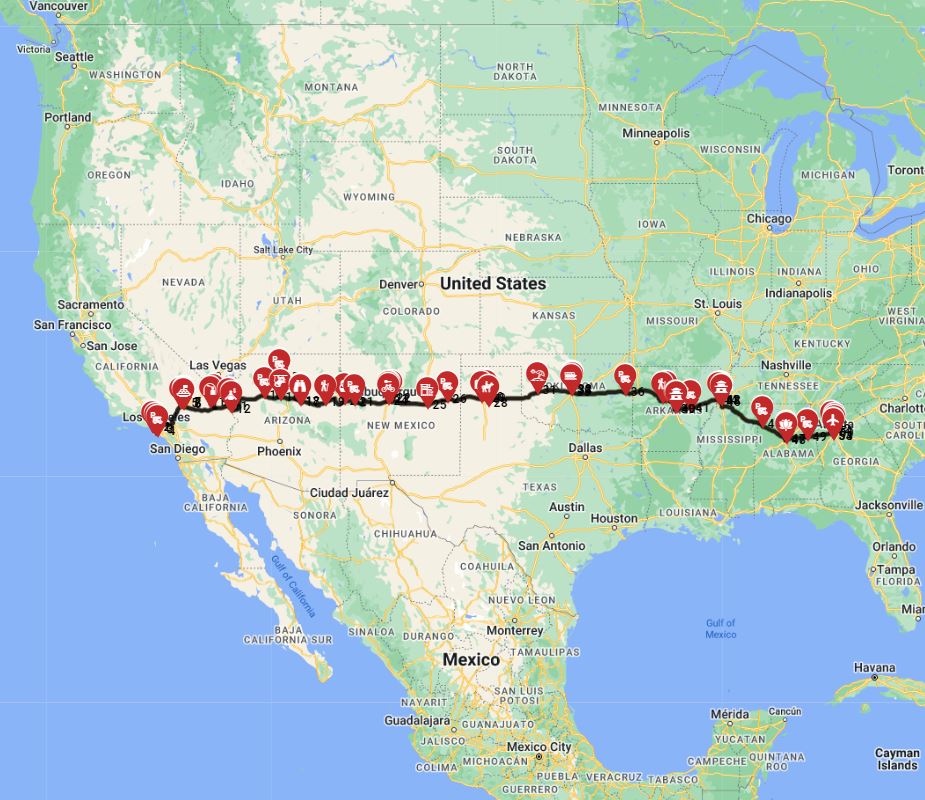
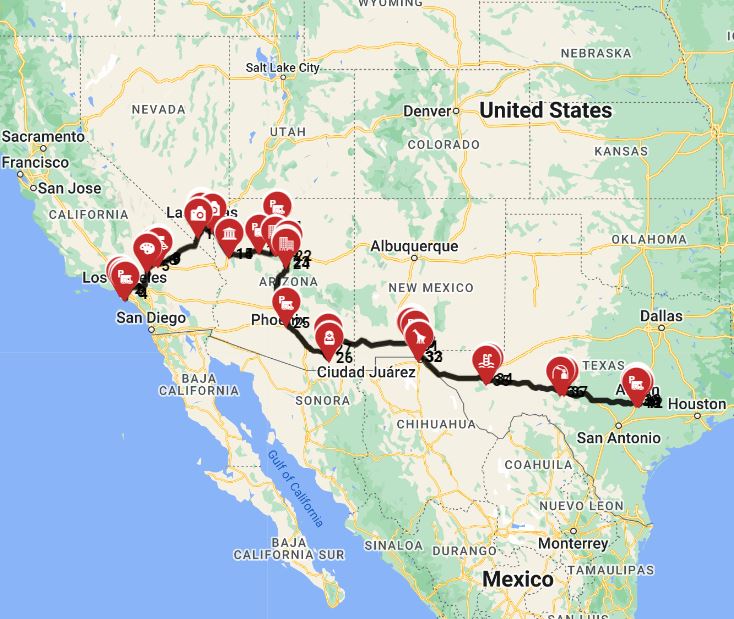
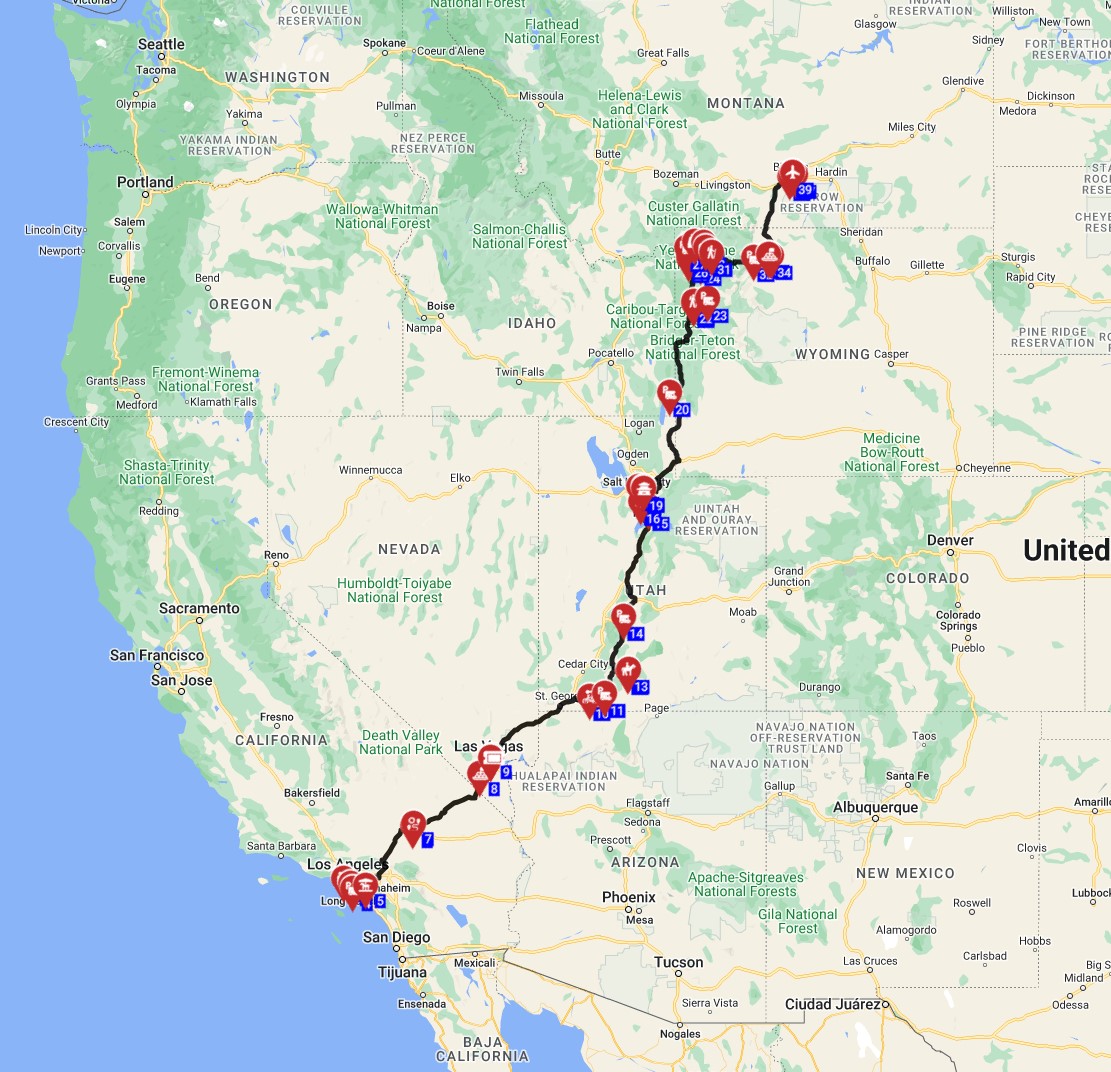
For those who appreciate meticulously planned routes, RV PLANET offers a variety of itineraries designed to maximize your RV travel experience. While not exclusively focused on California, the "
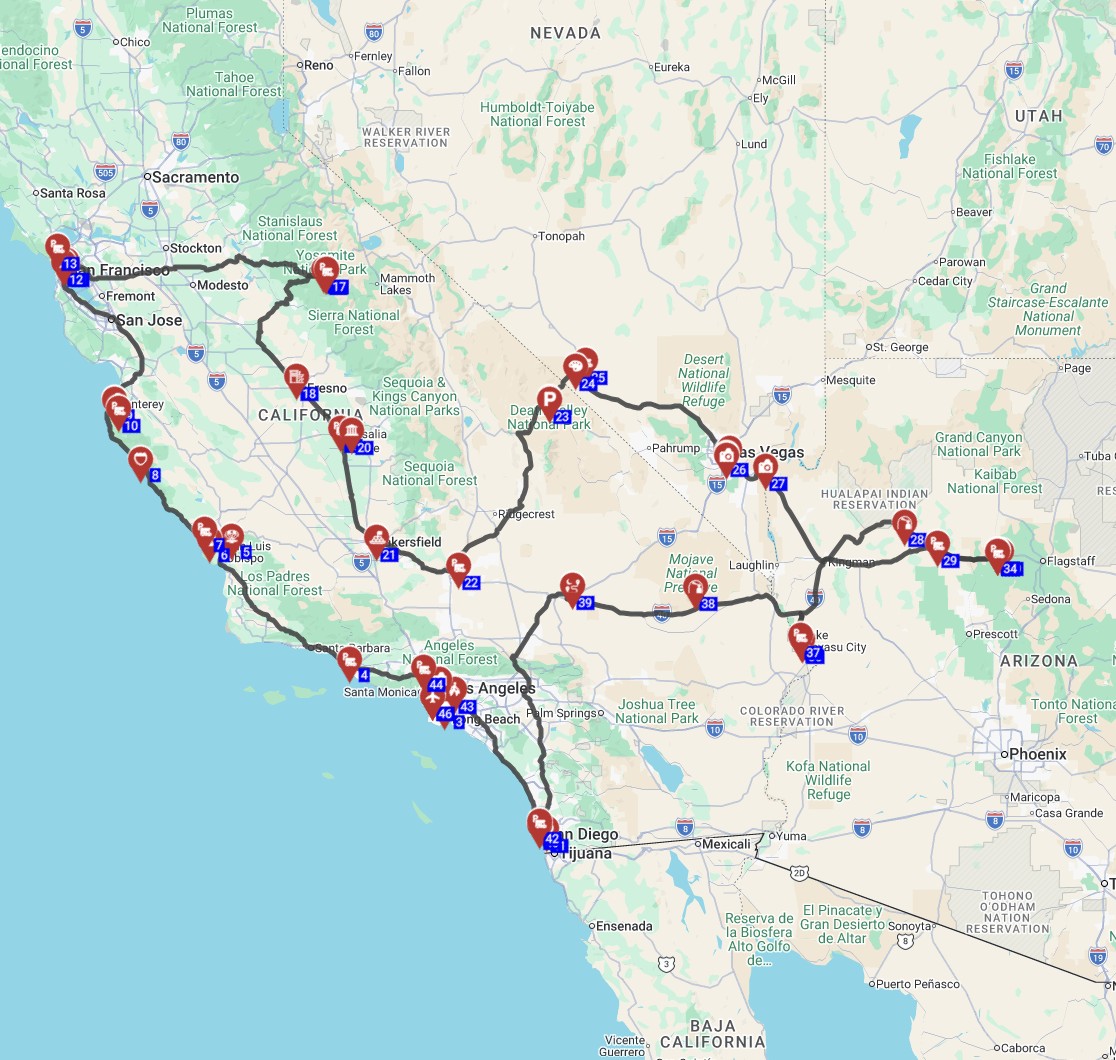
For travelers seeking a more focused experience within the Southwest, RV PLANET also features the "
Must-See Stops Along the Way (Avi Bandana Picks)
Avi Bandana's personal travel philosophy emphasizes authentic local experiences that connect travelers deeply with their destination. Beyond the typical tourist trails, Avi recommends seeking out opportunities that highlight California's unique culture, history, and industry. This approach ensures a richer, more memorable RV journey.
- **Traditional Visit:** Look for sites that offer insight into California's rich history and culture. This could include visiting California's historic missions, exploring Gold Rush towns like Columbia or Bodie, or experiencing significant cultural landmarks that tell the story of the state's development.
- **Traditional Restaurant / Fine Dining:** Savor the diverse flavors of California by visiting establishments that showcase local produce and culinary traditions. From farm-to-table eateries in wine country to fresh seafood shacks along the coast, these dining experiences offer a true taste of the region.
- **Traditional Market:** Immerse yourself in the local economy and discover unique goods at a bustling farmers' market, like those found in Ferry Building Marketplace in San Francisco or the Original Farmers Market in Los Angeles. Specialized flea markets or artisan craft fairs also offer unique finds and local flavor.
- **Local Industry:** Understanding what drives a region adds another layer to your RV trip. Consider visiting a winery or brewery in Napa Valley, an olive oil farm in the Central Valley, or a small artisanal workshop along the coast to learn about local production and craftsmanship.
By incorporating these types of experiences, your rented RV journey through California becomes not just a scenic drive, but a cultural immersion.
Daily Driving Distances & Drive Times in California
To truly savor the journey and avoid feeling rushed, Avi Bandana recommends a maximum of 150 km (100 miles) of driving per day on average when RVing in California. This allows ample time for spontaneous stops, scenic viewpoints, short hikes, and exploring charming towns without the pressure of a strict schedule.
When planning your driving days, consider these estimated drive times for popular routes, keeping in mind that these are without stops and can vary based on RV size and traffic:
- Los Angeles to San Francisco (approx. 615 km / 380 miles): This drive typically takes 6-7 hours directly. However, for an enjoyable RV experience, it’s best split over 3-4 days, allowing for scenic detours along the Pacific Coast Highway or exploring the inland routes.
- San Francisco to Yosemite Valley (approx. 300 km / 185 miles): This is a comfortable 3.5-4 hour drive, making it ideal for a single day's journey. For a more leisurely pace, consider breaking it up over two days to explore Gold Country towns or the foothills of the Sierra Nevada.
- Los Angeles to San Diego (approx. 195 km / 120 miles): This is about a 2-hour drive, easily manageable in a day. Extending this journey allows for delightful stops in coastal towns like Laguna Beach or Encinitas, enhancing the scenic coastal exploration.
Best RV Class for This Itinerary — Couple & Family Picks
Choosing the right RV class significantly enhances your California road trip, balancing comfort, maneuverability, and budget. Bandana Caravan offers a diverse fleet to suit various travel styles, ensuring you find the perfect mobile home for your adventure.
For a Couple: Class B - Camper Van
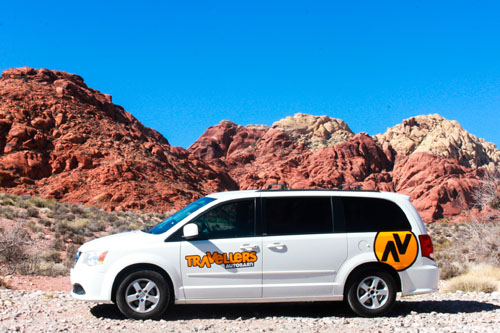
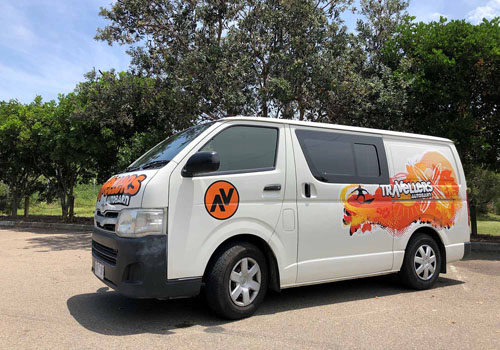
The Class B Camper Van is an excellent choice for couples seeking flexibility and ease of navigation. These nimble vehicles are ideal for California's diverse roads, from navigating city streets in San Francisco and Los Angeles to handling the winding coastal routes of Highway 1. Bandana's global fleet averages these at around 5.8 meters in length, typically sleeping 3.2 people and accommodating 2.7 adults, offering a compact yet comfortable setup. Their fuel efficiency, often around 8-10 Liters/100 Km, also makes them economical for extended journeys. A great example of this category is the [Volkswagen California Ocean]( or the versatile [4x4 Camper B - TYR]( perfect for those venturing off the beaten path.
For a Family: Class C - Alcove
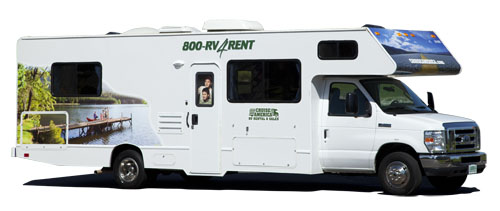
For families, the Class C Alcove motorhome provides ample space and essential amenities without being overly cumbersome, making it suitable for longer trips with children. These motorhomes typically feature a dedicated sleeping area above the cab, offering extra sleeping capacity and privacy. Bandana's fleet average for Class C alcove motorhomes is around 7.5 meters in length, sleeping up to 5.8 people and accommodating 4.4 adults, ensuring everyone has comfortable sleeping arrangements and personal space. While larger, their common fuel consumption of 10-12 Liters/100 km remains reasonable for a family-sized vehicle. Consider models like the [24' Class C Motorhome]( for its family-friendly amenities.
With Bandana's 'Rent & Plan' service, you can secure your ideal RV and receive a ready-made itinerary, leveraging expert trip planning to simplify your California adventure.
How much does it cost to rent an RV in California?
The cost of renting an RV in California varies significantly, typically ranging from $100 to $300+ per night for the rental itself. Factors suchS as vehicle class, rental duration, season, and how far in advance you book will influence the final price. For instance, smaller Class B camper vans might start at $100-$150 per night, while larger Class C or Class A motorhomes can range from $180 to $400+ per night, with peak season and last-minute bookings incurring higher rates. Always review the rental agreement for a detailed budget breakdown, as additional costs for mileage, generator use, cleaning, and insurance can apply. On the routes offered through RV PLANET routes, you can itemize and track every expense along the way for easy budgeting.
Beyond the rental fees, several other expenses contribute to the overall cost of an RV trip:
- Fuel Estimates: Fuel is a major consideration. For a Class B Camper Van using 8-10 Liters/100 Km, a 1,000 km journey could cost approximately $160-$200 (assuming $2/liter or $7.5/gallon). A Class C Alcove at 10-12 Liters/100 Km might incur $200-$240 for the same distance. California's fuel prices are often higher than the national average.
- Park Fees: Expect to pay entrance fees for National Parks like Yosemite or Joshua Tree, often around $35 per vehicle for a 7-day pass. California State Parks have varying day-use fees ($10-$30) and camping fees ($35-$75+ per night). An "America the Beautiful" pass ($80 annually) is a worthwhile investment if you plan to visit multiple National Parks.
- Campsite Fees: Campground costs can range from free (boondocking) to $30-$80+ per night for sites with full hookups in popular areas. State Parks and private campgrounds typically fall within the $45-$75 range.
- Activity Costs: Budget for specific activities like guided tours, equipment rentals, museum entries, or special events, which can add $20-$100+ per person per activity.
- Hidden Fees: Be aware of potential extra charges such as mileage fees (if you exceed included limits), generator usage fees, mandatory cleaning fees, and provisioning kits. Transparency is key, and Bandana Caravan ensures no hidden fees, with final pricing set at booking time.
For a comprehensive understanding of trip expenses, including fuel, park fees, and activities, consider utilizing the detailed budgeting tools available through RV PLANET routes. They allow you to itemize and track every expense along your chosen itinerary.
What do you need to know before renting an RV in California?
Before embarking on your California RV adventure, familiarize yourself with specific vehicle considerations, permit requirements, seasonal challenges, and essential maintenance logistics for a smooth and enjoyable trip. California's diverse terrain presents unique opportunities and demands careful planning.
Vehicle Considerations:
- Terrain Navigation: For winding coastal roads like Big Sur's Highway 1, larger RVs (over 30-35 feet) might face length restrictions or difficulty with sharp turns. Mountain roads in national parks like Yosemite or Sequoia can have steep grades and tight curves, necessitating adequate engine power and cautious driving. For city navigation in Los Angeles or San Francisco, a more compact RV, such as a Class B camper van, offers superior ease of parking and maneuverability. Always consider your chosen vehicle's clearance if planning any off-pavement excursions. For example, a Class B Camper Van, averaging 5.8 meters, offers better agility than larger Class C motorhomes at 7.5 meters.
- Permits, Reservations, and Lottery Systems: Popular campgrounds in National Parks (Yosemite, Sequoia, Death Valley) and State Parks often require reservations months in advance, with many booking out within minutes of release. Wilderness permits are necessary for backcountry camping, and some popular attractions, like the Half Dome hike in Yosemite, operate on lottery systems. It is crucial to check specific park websites well before your trip for the latest entry and reservation requirements.
Seasonal Challenges and Opportunities:
- Summer: This is peak tourist season, with high temperatures inland and in desert areas. Wildfire season requires vigilance, so monitor air quality and road closures. Opportunities include full access to mountain roads and warm coastal weather.
- Fall: Offers mild temperatures and fewer crowds. It's ideal for wine tasting, exploring the Eastern Sierras' fall foliage, and enjoying clearer coastal drives. Wildfire season can still be a concern, so staying informed is advised.
- Winter: Presents opportunities for skiing in the Sierras or enjoying mild weather in Southern California and the deserts. However, mountain passes often require snow chains, and some roads close seasonally. Rain is common in coastal and northern areas.
- Spring: Features beautiful wildflower blooms in deserts and valleys, along with mild temperatures. This is a prime time for exploring desert regions before the summer heat sets in. Mountain roads may still have seasonal closures early in the spring.
Practical Logistics for RV Maintenance:
- Familiarize yourself with your rented RV’s basic systems: propane refills, water filling stations, and dump stations are essential for off-grid or extended stays.
- Regularly check tire pressure and condition, especially after long drives or challenging terrain.
- Carry a basic toolkit and know how to access RV repair services, as they can be scarce in remote areas.
For a seamless planning experience, consider utilizing Bandana's integrated planning tools or exploring the extensive route options on RV PLANET.
Can you just park an RV anywhere in California?
No, you cannot simply park an RV anywhere in California; regulations regarding overnight parking and camping are strict and vary by locality and land type. Understanding these rules is crucial for a legal and stress-free RV trip.
Boondocking/Dispersed Camping: This type of camping on public lands without amenities (water, electricity, sewer) is often permitted and encouraged on lands managed by the Bureau of Land Management (BLM) and within National Forests. These areas offer opportunities for solitude and unique outdoor experiences. Popular regions for boondocking include areas around Joshua Tree, Death Valley, and throughout the Mojave Desert. Always look for posted signs indicating permitted use or restrictions.
Finding Spots: Utilize resources like iOverlander, Campendium, or FreeCampsites.net to locate designated dispersed camping areas and check user reviews. Many businesses, such as Walmart stores, casinos, and truck stops, also allow overnight RV parking, but policies vary significantly, so always call ahead to confirm.
Legalities and Safety: Local city and county ordinances frequently prohibit overnight RV parking on public streets or in parking lots, with violations potentially leading to fines or towing. National Parks generally restrict dispersed camping to designated campgrounds. When boondocking, efficient water use is vital; plan to arrive with full tanks and identify potable water sources for refills. Dump stations are available at many RV parks, truck stops, and public facilities, often for a fee.
Cell Service and Connectivity: In remote boondocking locations or even within some National Parks, cell service can be unreliable or completely unavailable. Consider a cellular booster or satellite device if staying connected is critical. Downloading offline maps and essential information before venturing into remote areas is also highly recommended.
Leave No Trace: Always prioritize safety by informing someone of your itinerary and carrying reliable communication devices. Adhere strictly to 'Leave No Trace' principles: pack out everything you pack in, dispose of waste properly, minimize campfire impacts (if allowed), and respect wildlife and natural habitats to preserve these beautiful California locations.
What is the best month to RV in California?
The ideal month to RV in California depends heavily on your desired destinations and activities, but generally, spring (April-May) and fall (September-October) offer the most favorable conditions across the state, providing a balance of pleasant weather and manageable crowds.
- Spring (April-May): This period is excellent for visiting California's deserts like Anza-Borrego or Joshua Tree before the intense summer heat arrives. You'll witness stunning wildflower blooms, and many mountain passes begin to open, granting access to Yosemite and Sequoia National Parks with fewer visitors than in summer. Coastal areas are generally pleasant, though morning fog ("May Gray," "June Gloom") is common.
- Fall (September-October): Similar to spring, fall brings comfortable temperatures and reduced tourist traffic. This is a prime time for wine tasting in Napa and Sonoma, enjoying the vibrant fall foliage in the Eastern Sierras, and experiencing clearer skies along the coast. Be aware of the potential for wildfire activity during this season and monitor local conditions.
- Summer (June-August): While popular for family vacations, summer brings high temperatures to inland and desert regions. Major attractions like National Parks are crowded and require advance reservations for both entry and camping. Coastal regions offer cooler escapes, but campgrounds are often fully booked.
- Winter (November-March): This season offers unique opportunities like skiing in the Sierra Nevada mountains or enjoying mild weather in Southern California and the desert regions. However, many mountain roads become impassable due to snow, and snow chains are often mandatory. Rain can be frequent along the coast and in Northern California, so be prepared for wet conditions.
For those planning a longer trip that spans different seasons, consider leveraging resources like RV PLANET to find routes and itineraries that align with the best travel times for various California regions.
What are the RV rules for California?
RV rules in California encompass driving regulations, parking laws, and specific restrictions that vary by vehicle type and location, ensuring safety and preserving the state's infrastructure and natural beauty. Familiarizing yourself with these guidelines is essential for a smooth RV rental experience.
- Driving Regulations:
- Speed Limits: RVs, especially larger motorhomes or those towing trailers, may be subject to lower speed limits on certain highways. Always observe posted signs, as cars might be permitted at higher speeds.
- Lane Restrictions: On multi-lane highways, RVs and vehicles towing trailers are often restricted to the right-most lanes. This is a common rule to ensure smoother traffic flow and safety.
- Length Restrictions: Scenic roads, most notably sections of Highway 1 through Big Sur, have specific length restrictions (often 30-35 feet total length) due to tight turns and limited pull-offs. It is crucial to check Caltrans for current advisories before attempting these routes, especially with a larger rented RV. For instance, Bandana's fleet averages Class B camper vans at 5.8 meters, making them more manageable on these roads than larger Class C motorhomes at 7.5 meters.
- Generator Use: Quiet hours for generator use are strictly enforced in most campgrounds, typically from 8 PM to 8 AM. Always be considerate of your neighbors.
- Parking Laws: Overnight parking for RVs on public streets is generally prohibited unless explicitly allowed by local ordinances or signage. Always seek out designated RV parks, campgrounds, or approved overnight parking locations to avoid violations.
- Safety Equipment: Ensure your RV is equipped with essential safety items, including a working fire extinguisher, smoke detector, and carbon monoxide detector. California law also requires safety chains and appropriate lighting for any towed vehicles.
- Vehicle Weight and Clearance: Be mindful of your RV's gross vehicle weight rating (GVWR) and axle weights, particularly when crossing bridges with posted weight limits. Always monitor your vehicle's height for underpasses or low-hanging branches, especially in forested areas.
For a comprehensive understanding of California's specific regulations, always consult the resources provided by your RV rental company and the California Department of Motor Vehicles (DMV).
Where can you RV camp for free in California?
Free RV camping in California, commonly referred to as boondocking or dispersed camping, is primarily available on public lands managed by the Bureau of Land Management (BLM) and within National Forests. These areas offer a more rustic and adventurous camping experience, often in stunning natural settings, but require self-sufficiency.
Bureau of Land Management (BLM) Land: The BLM manages extensive territories, particularly in Southern and Eastern California, where dispersed camping is generally permitted for up to 14 days in one location. These areas are fantastic for RVers seeking solitude and unique desert landscapes. Popular regions include those around Joshua Tree, Death Valley, and throughout the Mojave Desert. Utilize online mapping tools to identify BLM-managed land and look for any specific regulations or closures.
National Forests: California boasts numerous National Forests (e.g., Inyo, Sequoia, Shasta-Trinity) that also permit dispersed camping outside of developed campgrounds. Specific rules can vary by forest and district, so it's always best to check with the local Ranger District office for current regulations, fire restrictions, and any areas that may be closed to camping. Always practice "Leave No Trace" principles when camping on these lands.
Finding Spots and Essential Practices: Reliable resources for locating free camping spots include the official websites for BLM and USDA Forest Service, as well as apps like iOverlander, Campendium, and FreeCampsites.net. These platforms often provide user reviews, photos, and GPS coordinates. Remember that free camping typically means no hookups, so plan to arrive with full fresh water tanks and be prepared to pack out all waste. Identifying nearby dump stations and potable water sources for refills is also crucial for longer stays. Prioritize safety in remote areas by informing someone of your plans and ensuring your RV is self-sufficient.
Where can I find unique places to RV in California?
Beyond the iconic national parks, California offers a wealth of unique State Parks, County Parks, and lesser-known natural areas perfect for RV exploration. These hidden gems often provide distinct experiences and fewer crowds, allowing for a more intimate connection with California's diverse beauty.
- California State Parks: Don't overlook the extensive and varied network of California State Parks. Explore Humboldt Redwoods State Park for the awe-inspiring Avenue of the Giants, Anza-Borrego Desert State Park for its captivating desert badlands and slot canyons, or Big Basin Redwoods State Park (which is gradually reopening post-fires) for unique redwood experiences. Many state parks offer excellent RV camping facilities, though reservations are still highly recommended.
- County Parks: Many counties across California operate fantastic parks with RV hookups and amenities that are often overlooked by travelers focused solely on state or national parks. For instance, Santa Barbara County Parks offer stunning coastal camping, while regional parks in Sonoma County provide beautiful vineyard settings.
- Lesser-Known Natural Areas:
- Eastern Sierra Nevada: Venture beyond Yosemite and Mammoth Lakes to discover gems like the Alabama Hills near Lone Pine, offering dramatic rock formations and film history, with dispersed camping options. The Ancient Bristlecone Pine Forest is another unique, high-altitude destination featuring ancient trees.
- Mojave National Preserve: This vast desert landscape offers solitude, unique geological features like cinder cones, expansive Joshua tree forests, and historic routes, presenting a compelling alternative to the more popular Death Valley or Joshua Tree National Parks.
- The Lost Coast: This rugged and undeveloped stretch of Northern California coastline offers challenging driving but rewards with unparalleled wild beauty and remote camping opportunities. Thorough vehicle preparation is essential due to the narrow, winding roads.
When exploring these unique and often fragile ecosystems, practicing sustainable and 'Leave No Trace' principles is paramount. Sticking to established roads and campsites, packing out all trash, using designated dump stations, and respecting local flora and fauna are vital for preserving California's diverse natural heritage for future enjoyment.
Is RVing safe for solo female travelers in California?
RVing in California can be a safe and empowering experience for solo female travelers, provided appropriate precautions and thorough planning are undertaken. The state's popularity with RV travelers fosters a sense of community, and many resources are available to enhance safety and comfort.
Key Safety Tips:
- Share Your Itinerary: Always let a trusted friend or family member know your route and expected return date.
- Choose Campsites Wisely: Opt for well-lit, populated RV parks or campgrounds with good amenities, especially when you are starting out or in unfamiliar areas. Look for reviews from other solo female travelers.
- Trust Your Intuition: If a situation or location feels uncomfortable or unsafe, don't hesitate to move on. Your intuition is your best guide.
- Secure Your RV: Always lock your doors and windows, even when you are inside the vehicle. Consider additional security measures like portable door locks or alarms.
- Blend In: Avoid making yourself an obvious target by not displaying valuables openly. Projecting confidence and being aware of your surroundings can deter unwanted attention.
- Communication: Ensure your phone is fully charged and consider carrying a satellite communication device for remote areas where cell service is unreliable. Downloading offline maps and essential information is also crucial.
Niche Travel Styles & Demographics:
- Solo Female Travelers: Many solo female RVers connect through online groups and forums, sharing valuable tips and organizing meet-ups. This provides a supportive network and access to specific advice tailored to solo travel.
- Families with Young Children: Prioritize campgrounds with playgrounds, family-friendly activities, and easy access to amenities. Ensure your chosen RV class, like a Class C Alcove, offers sufficient sleeping and living space for your family.
- Pet-Friendly Specifics: Many California State Parks and National Forests permit pets, but often with leash restrictions or limitations on trails. Always check specific pet policies for campgrounds and attractions in advance. Some RV parks are explicitly designated as pet-friendly.
- Accessibility Needs: Research RV rentals that offer accessible features if needed. Look for campgrounds with ADA-compliant sites and accessible facilities. Many National Parks provide accessible trails and viewpoints, making them more inclusive for all travelers.
California's vast and varied landscapes offer incredible RVing opportunities for all types of travelers, and with careful preparation, solo female RVers can have a safe and rewarding adventure.
Are RVs allowed on Highway 1 in California?
Yes, RVs are generally permitted on California's iconic Highway 1. However, specific sections, particularly the renowned Big Sur stretch, impose length restrictions and present challenging driving conditions that may not be suitable for very large vehicles. It's crucial to be aware of these limitations before you set out.
Big Sur Restrictions: The most famous segment of Highway 1, winding through Big Sur between Carmel and San Simeon, features numerous tight turns, steep grades, and narrow shoulders. While many RVs can navigate these roads, vehicles exceeding 30 feet in total length (and sometimes 35 feet) are strongly discouraged or may be prohibited on certain parts. Always consult Caltrans (California Department of Transportation) for current road conditions and advisories, especially after heavy rains which can lead to temporary closures.
Maneuvering Challenges: Even for shorter RVs, driving through Big Sur requires considerable caution and skill. Drivers should be comfortable with winding roads, blind curves, and potential fog-induced limited visibility. Patience is essential, as slower speeds are necessary, and being prepared to pull over for faster traffic is part of the experience.
Parking and Turnouts: Limited parking and turnouts along the Big Sur coast can present a significant challenge for RVs. Plan your stops carefully and be prepared for crowded viewpoints, particularly during peak tourist seasons. Smaller, more maneuverable RVs, like Bandana's Class B camper vans (averaging 5.8m), are considerably easier to manage than larger Class C motorhomes (averaging 7.5m) on these scenic, yet demanding, sections of highway.
Alternative Routes: If you are driving a larger RV or prefer a less stressful drive, consider taking Highway 101 inland for certain segments. This allows you to bypass the most challenging Big Sur stretches and rejoin Highway 1 where it becomes more manageable, north or south of the restricted areas.
What You Shouldn't Miss
- Drive the entirety of Highway 1 through Big Sur, taking in the dramatic cliffs and ocean vistas, while being mindful of RV length restrictions on certain stretches.
- Explore Yosemite National Park's iconic Valley, marveling at El Capitan and Half Dome, and consider a scenic drive into the Eastern Sierras for stunning alpine landscapes.
- Wander through the unique landscapes of Joshua Tree National Park, admiring its namesake trees and rock formations, which offer a stark contrast to the coastal routes.
- Immerse yourself in California's wine culture with stops in Napa or Sonoma Valley, enjoying tastings at renowned wineries and exploring charming towns.
- Experience the grandeur of the giant sequoia trees in Sequoia National Park, a truly humbling encounter with nature's scale.
- Discover the otherworldly beauty of Death Valley National Park, understanding its extreme environment and unique geological features, perhaps including the famous Racetrack Playa if your RV is equipped for it.
Final Thoughts
Embarking on an RV journey through California is an incredible way to experience its diverse beauty and iconic landscapes. Whether you choose a quick 7-day loop or a more extensive 14-day exploration, the freedom and flexibility of RV travel allow you to connect with the state on a deeper level.
Remember to book your RV and popular campgrounds in advance, especially if traveling during peak seasons. Utilize resources like RV PLANET for detailed itineraries and campsite research. With Bandana Caravan, you get transparent pricing, expert support, and peace of mind, allowing you to focus on the incredible journey ahead. Get inspired for your next trip and start planning your California adventure today!