In This Guide
- Best Alaska RV Itinerary for rv rental - Overview
- 7-Day Classic Route in Alaska
- 14-Day Extended Journey in Alaska
- Recommended RVPlan Trip for Alaska
- Must-See Stops Along the Way (Avi Bandana Picks)
- Daily Driving Distances & Drive Times in Alaska
- Best RV Class for This Itinerary - Couple & Family Picks
- What is the 3-3-3 rule for RV travel?
- What is the best route to Alaska by RV?
- What is the best time of year to RV to Alaska?
- What is the 4-4-4 rule for RV travel?
- What should I not miss in Alaska?
- Can I park my RV anywhere in Alaska?
Embarking on a rented motorhome adventure in Alaska, often called "The Last Frontier," promises breathtaking landscapes and unforgettable experiences. While the title "Winter RV Itinerary" might imply harsh, snowy conditions, for most travelers, the optimal RV season in Alaska runs from late May to early September, when roads are clear and daylight is abundant. Even during these months, Alaska's climate can be quite cool, requiring a well-prepared campervan or motorhome for comfort.
Planning an RV trip in Alaska involves understanding its vast distances, unique road conditions, and diverse wildlife. For live availability and current prices, start with our RV Rental Alaska - Complete Guide 2026 guide. We’re here to help you navigate everything from choosing the right rental vehicle to crafting the perfect itinerary, ensuring your Alaskan journey is smooth, transparent, and absolutely incredible. We pride ourselves on being true RV specialists, not just a travel agency side department, offering expertise rooted in genuine love for motorhome travel.
Best Alaska RV Itinerary for rv rental - Overview
A memorable rented motorhome trip in Alaska typically requires a minimum duration of 7 days, with 14-23 days providing the ideal timeframe to truly immerse yourself in the vast landscapes and unique challenges this incredible state offers. The best season for RV travel here is generally late May to early September, as this period ensures optimal road conditions, maximum accessibility to national parks and attractions, and the longest daylight hours for exploration.
Depending on the length of your itinerary, expect total travel distances ranging from approximately 1,000 km for shorter week-long trips to over 3,500 km for more comprehensive adventures that delve into both Alaska and potentially the Yukon. We always recommend slow travel, averaging a maximum of 100-150 km per day. This allows you to truly feel the place, connect with the local culture, savor the food, and fully appreciate the spectacular scenery without feeling rushed. This approach helps you tackle Alaskan challenges like varied road surfaces and wildlife viewing opportunities with ease.
7-Day Classic Route in Alaska
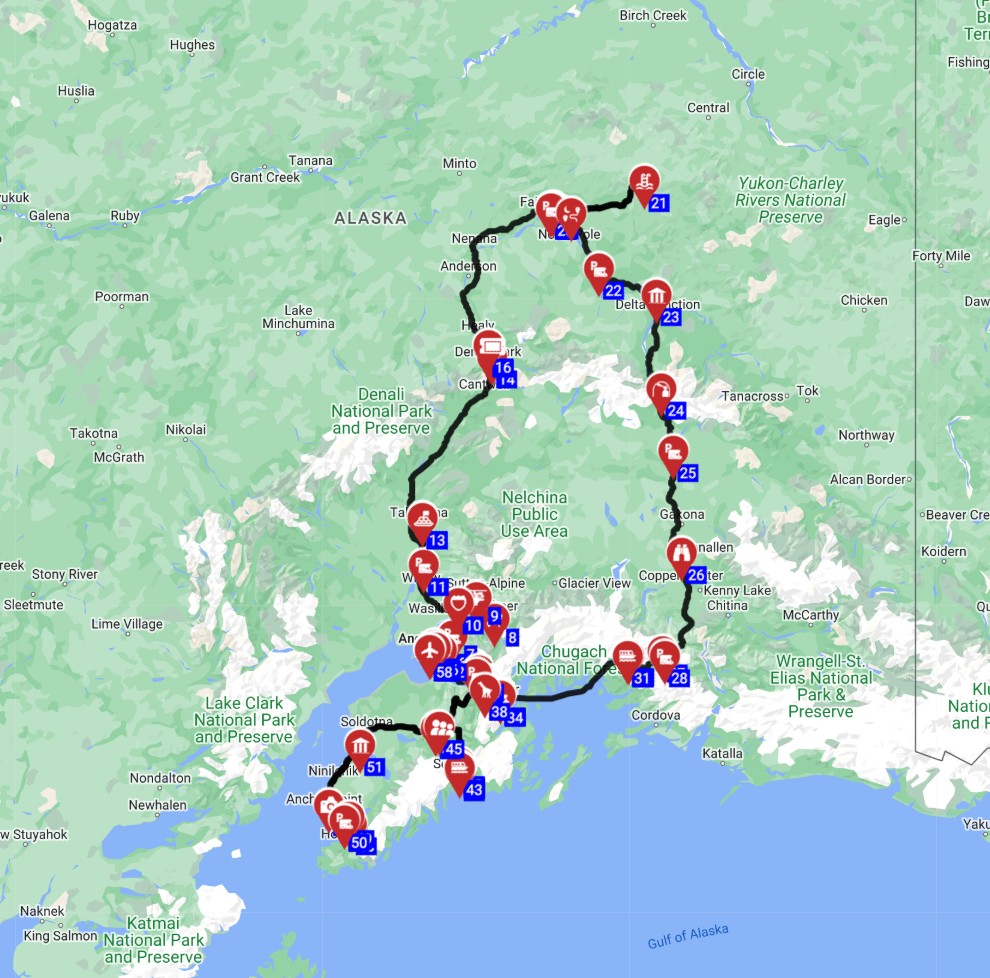
A popular 7-day classic RV route in Alaska starts and ends in Anchorage, covering approximately 800-900 km of stunning scenery. This itinerary is perfect for first-time visitors who want a taste of Alaska's coastal beauty and glacier country without extensive driving.
- Day 1: Anchorage → Seward (approx. 200 km / 125 mi). Start your adventure by picking up your rented motorhome in Anchorage, then head south. Explore the Alaska Wildlife Conservation Center on your way. You can stay at Seward Waterfront Campground for the night.
- Day 2: Seward. Dedicate this day to Kenai Fjords National Park with a scenic cruise, followed by a hike to Exit Glacier. Spend another night at Seward Waterfront Campground.
- Day 3: Seward → Homer (approx. 270 km / 170 mi). Enjoy a spectacular drive along the Sterling Highway, offering panoramic views of the Kenai Peninsula. Homer Spit Campground provides a perfect overnight spot.
- Day 4: Homer. Explore the vibrant Homer Spit, take in Kachemak Bay views, and consider an optional bear viewing tour (book in advance). Enjoy another night at Homer Spit Campground.
- Day 5: Homer → Cooper Landing (approx. 160 km / 100 mi). Drive back north to experience the tranquil Kenai River scenery, known for excellent fishing opportunities. Cooper Landing Campground is a great option.
- Day 6: Cooper Landing → Girdwood (approx. 100 km / 60 mi). Visit Alyeska Resort for stunning mountain views and perhaps Portage Glacier. Girdwood RV Park offers comfortable facilities.
- Day 7: Girdwood → Anchorage (approx. 60 km / 40 mi). Enjoy a final scenic drive back to Anchorage, returning your RV after an incredible week of exploration.
For more detailed planning and campsite options for this region, exploring a "Weekly RV Rental in Alaska - Pricing 2026" guide can be helpful.
14-Day Extended Journey in Alaska
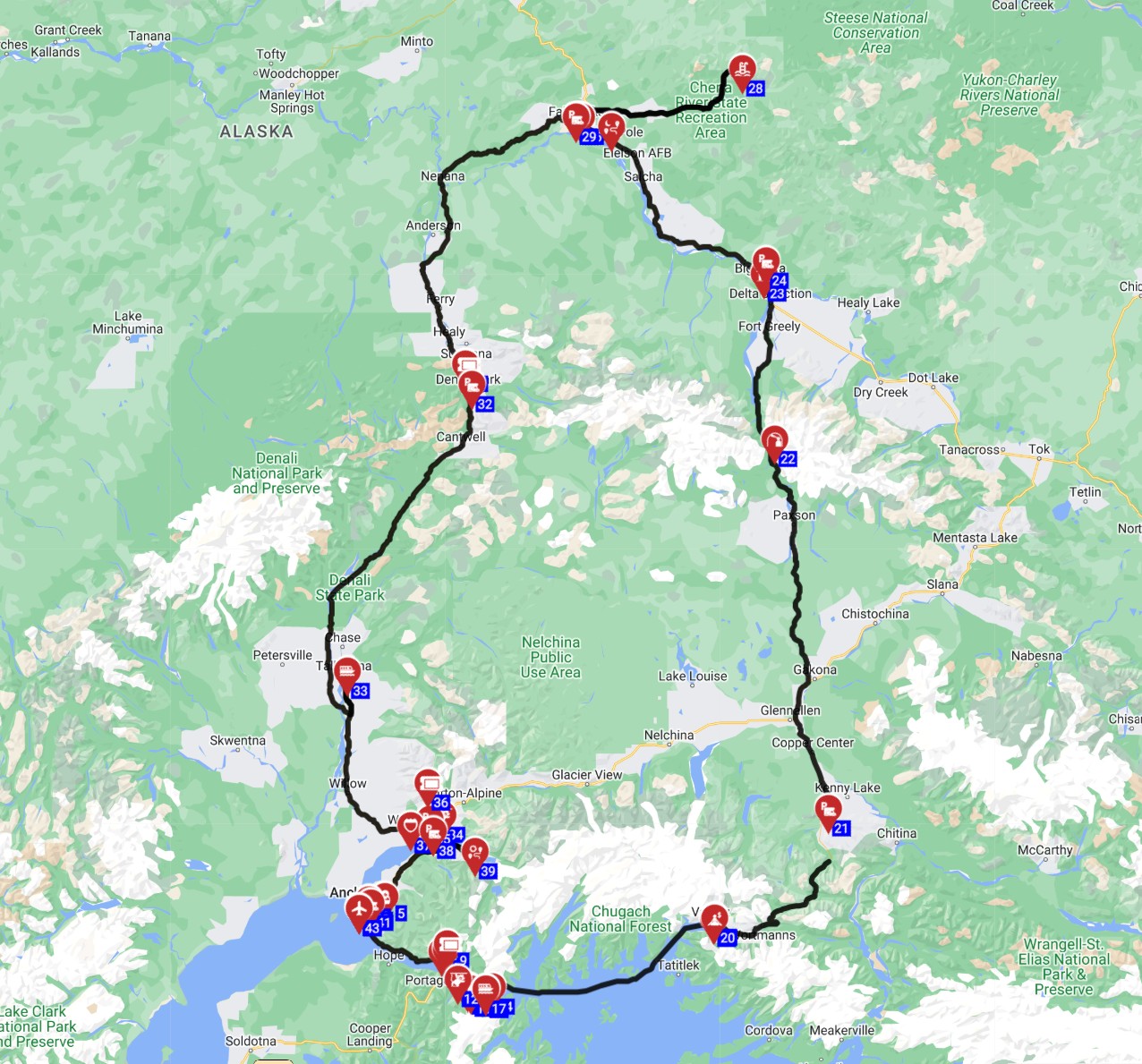
An extended 14-day RV journey allows you to combine the coastal highlights of the Kenai Peninsula with the majestic interior, including Denali National Park. This route builds upon the 7-day classic itinerary before heading further north, covering approximately 1,500-1,800 km in total.
- Days 1-7: Follow the 7-day Classic Route, starting from Anchorage and visiting Seward, Homer, Cooper Landing, and Girdwood before returning to Anchorage.
- Day 8: Anchorage → Wasilla/Palmer (approx. 80 km / 50 mi). Head north from Anchorage to explore the Mat-Su Valley. Visit the Iditarod Headquarters or the Musk Ox Farm. Local RV parks offer overnight stays.
- Day 9: Wasilla/Palmer → Talkeetna (approx. 100 km / 60 mi). Drive to the charming town of Talkeetna, known as the staging point for Denali expeditions. Consider a breathtaking flightseeing tour of Denali. Talkeetna RV Park is available for camping.
- Day 10: Talkeetna → Denali National Park (park entrance area) (approx. 240 km / 150 mi). Experience the scenic drive with potential Denali viewpoints along the way. Stay at Riley Creek Campground or a nearby private campground.
- Day 11: Denali National Park. Spend a full day exploring the park. Remember, private vehicles are generally restricted past mile 15; you'll use the park shuttle bus for deeper access and hiking opportunities. Stay at the same campground as Day 10.
- Day 12: Denali National Park → Cantwell / Denali State Park (approx. 50 km / 30 mi from park entrance). Explore accessible hiking trails in Denali State Park for different perspectives of the mountain. A Denali State Park campground is a great option.
- Day 13: Cantwell → Matanuska Glacier (approx. 200 km / 125 mi). Head southeast to the impressive Matanuska Glacier, where you can experience a guided glacier trek. Glacier View Campground is a convenient option.
- Day 14: Matanuska Glacier → Anchorage (approx. 160 km / 100 mi). Complete your loop by returning to Anchorage for your RV drop-off, filled with memories of Alaska's diverse beauty.
🎬 Video coming soon
Recommended RVPlan Trip for Alaska
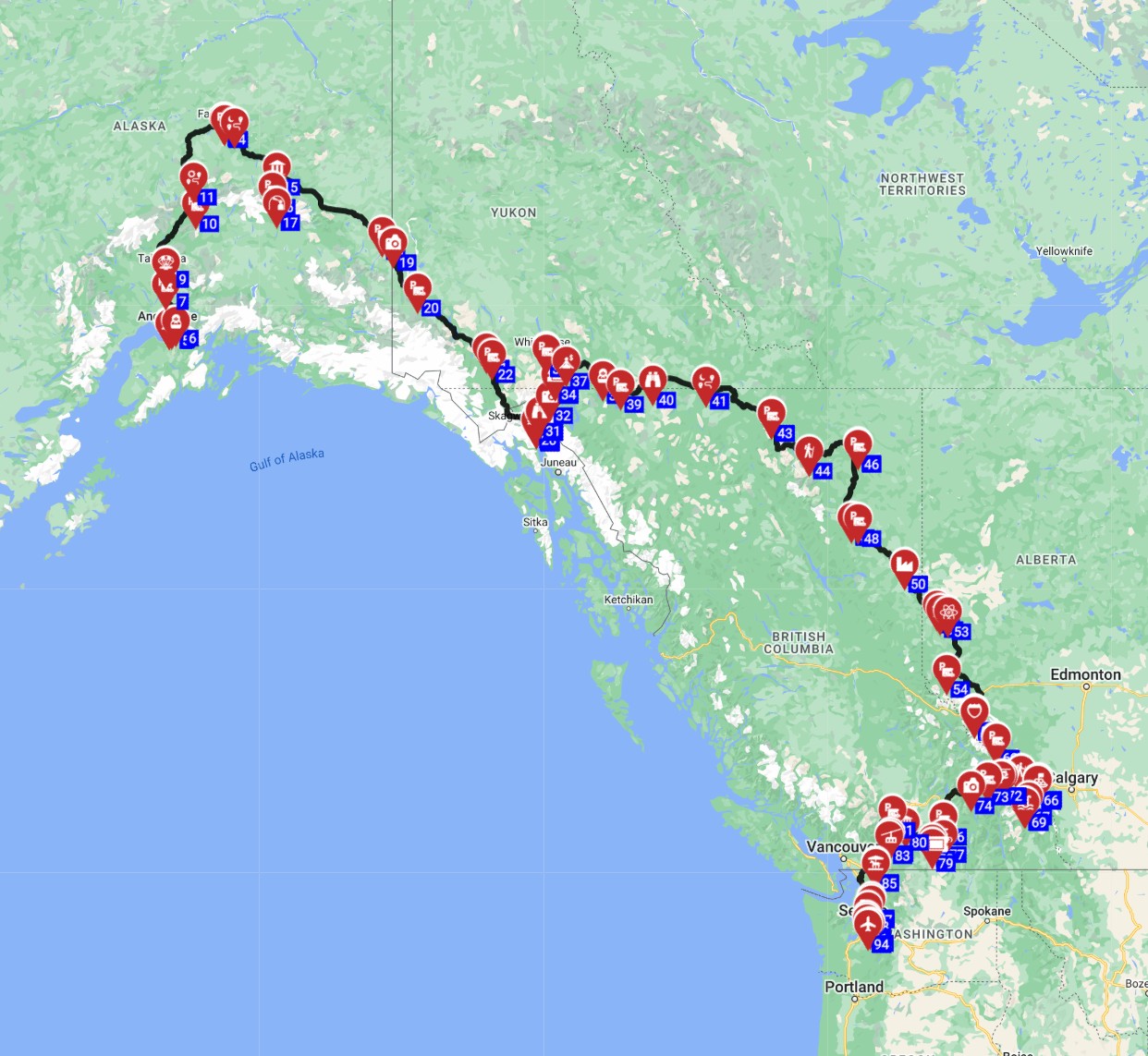
For those seeking a truly immersive and professionally organized Alaskan adventure, the **
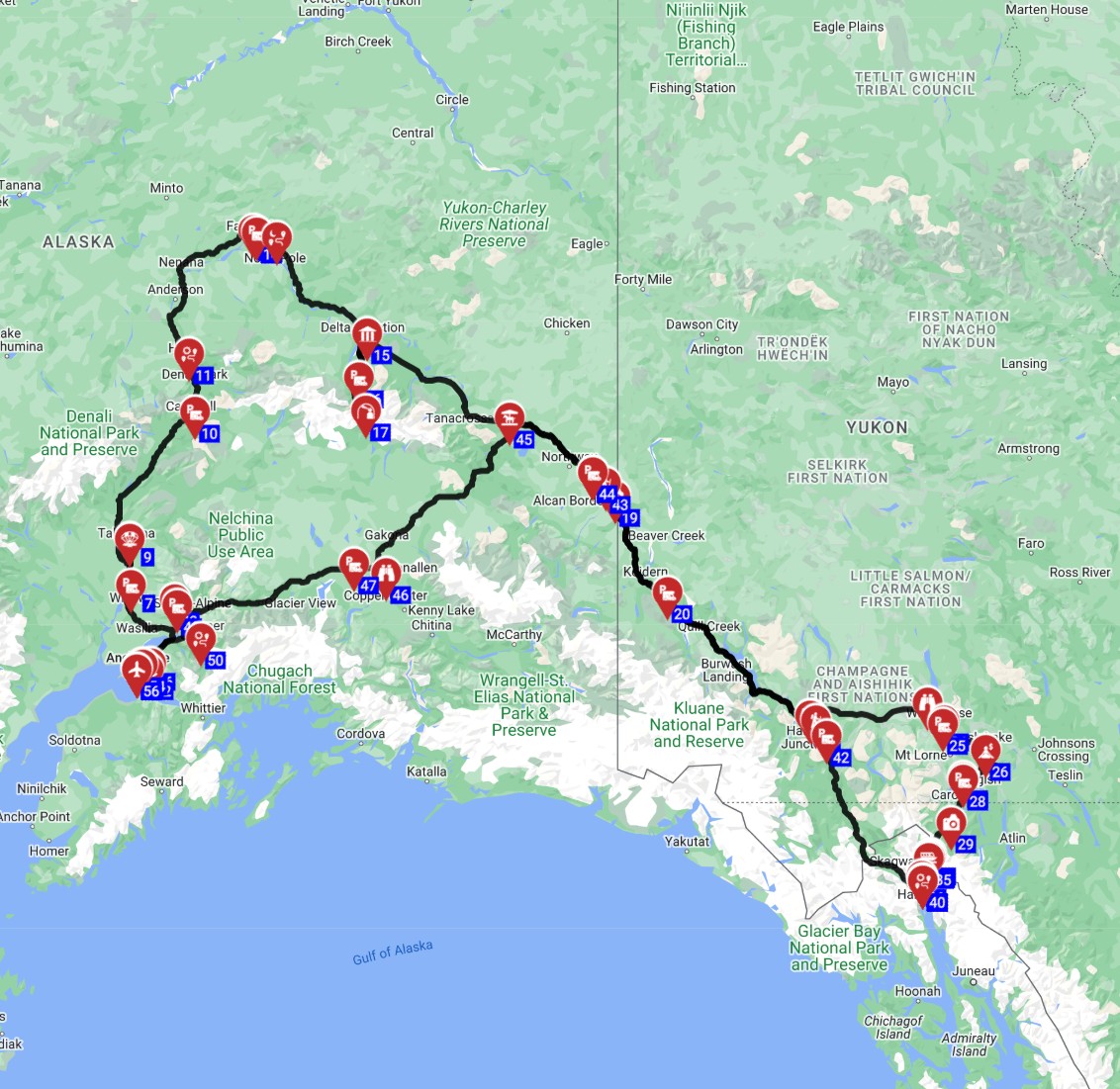
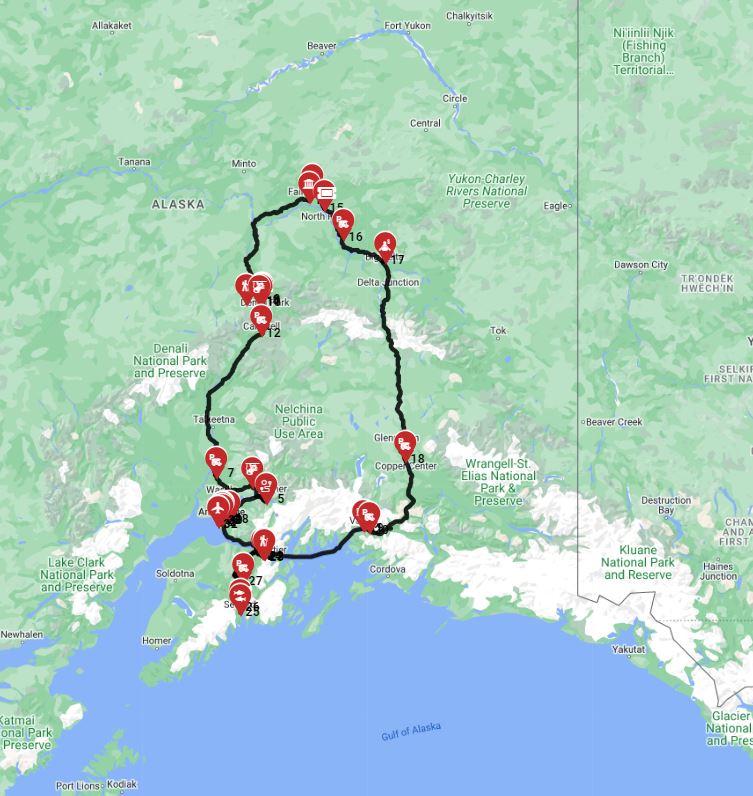
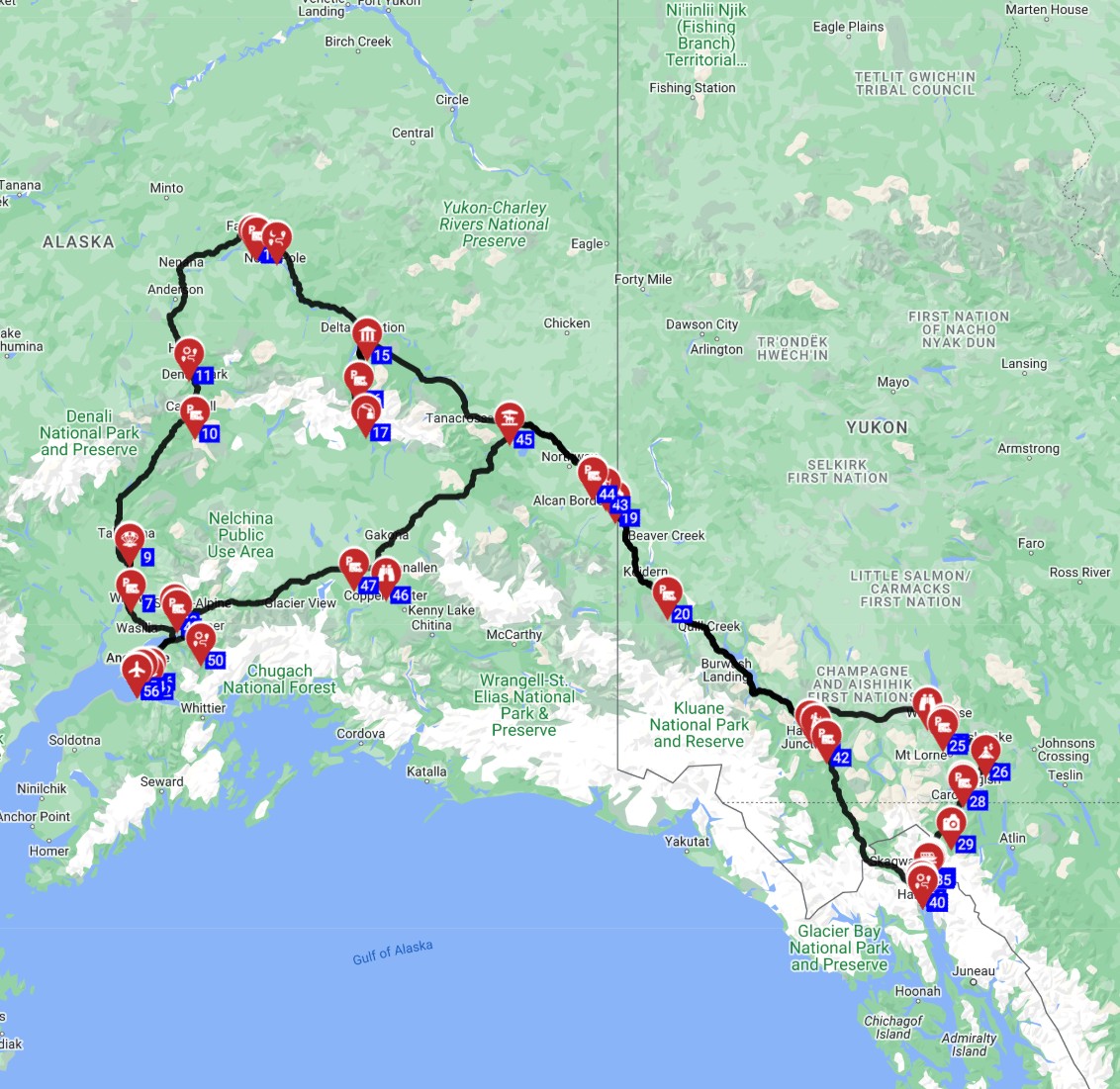
This comprehensive route plan from Anchorage provides full access to trip-planning software through our Rent&Plan service, allowing you to easily customize stops and manage your journey. It includes a rich variety of experiences, from visits to national parks and historical sites to wildlife viewing opportunities and cultural attractions. When you use rvplan.net to plan your trip, you also receive a 25% planning discount, rewarding you for smart preparation.
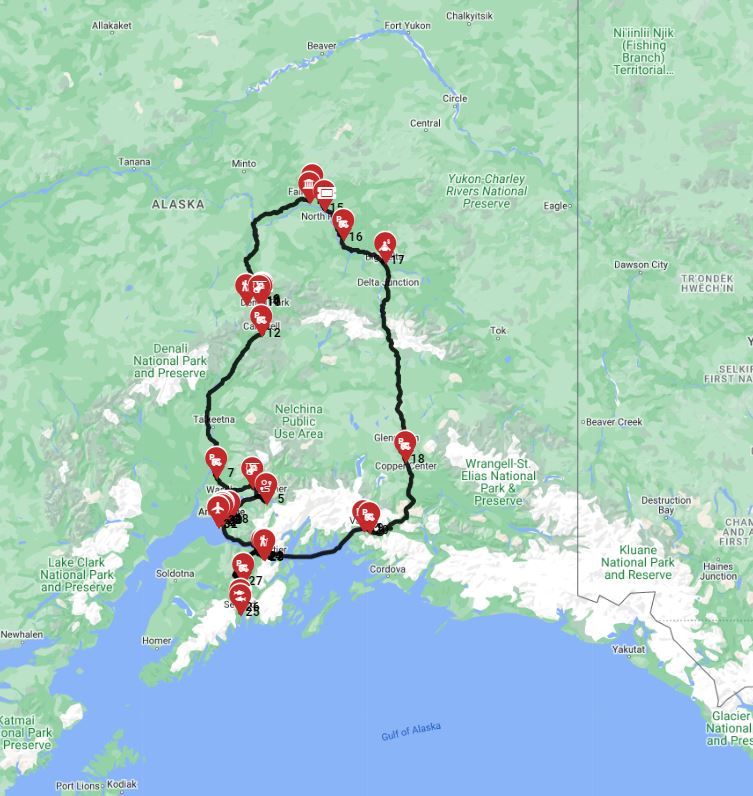
Additionally, for a slightly shorter but equally captivating experience, consider the "
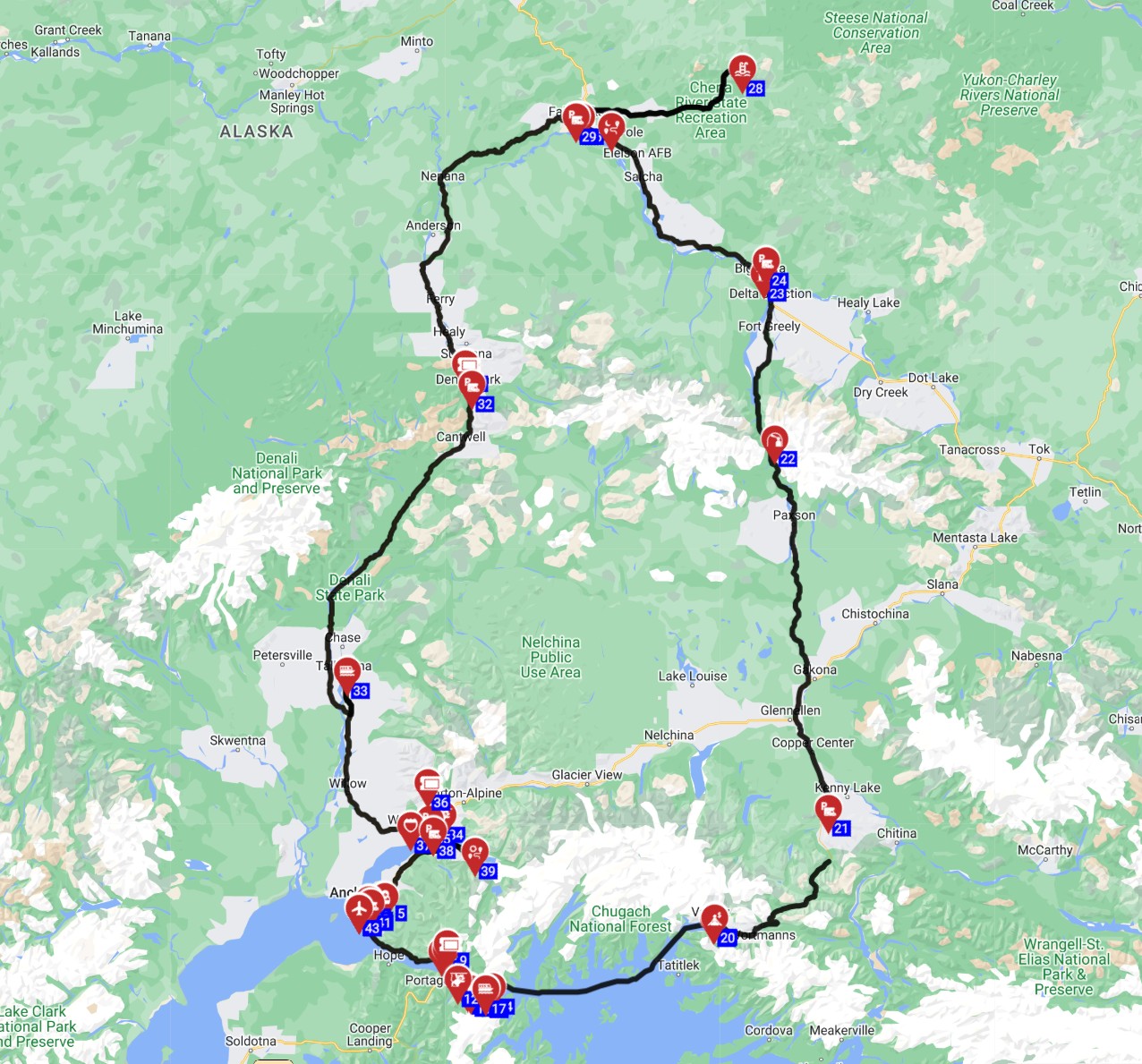
Another excellent choice for those looking to discover more of the interior is the "
Must-See Stops Along the Way (Avi Bandana Picks)
Exploring Alaska by rented motorhome unveils a land of incredible natural beauty and rich cultural heritage. Looking for expert insights from Avi Bandana? Here are Top 5 Adventures - recommendations from Avi Bandana:
- Alaska Native Heritage Center (Anchorage): A crucial traditional visit to understand the diverse indigenous cultures that have shaped Alaska for millennia. It offers a deep dive into history through storytelling, dances, and art.
- S.S. Klondike National Historic Site (Whitehorse, Yukon): For those on a longer journey into the Yukon, this site provides a fascinating glimpse into the gold rush era, showcasing the sternwheeler that once plied the Yukon River.
- Independence Mine State Historical Park (near Palmer): Discover the remnants of Alaska's rich gold mining past at this beautifully preserved historical park, offering tours and picturesque hiking.
- Eclipse Nordic Hot Springs (Yukon): A natural feature offering unparalleled relaxation amidst stunning wilderness, perfect for unwinding after a day of driving.
- Auriol Trail in Kluane National Park (Yukon): This trail provides exceptional hiking opportunities and spectacular vistas, ideal for those seeking a true wilderness immersion.
- Knik Glacier Tour (Palmer/Butte area): This tour offers an amazing and immersive view of a massive, active glacier, often accessible via airboat or helicopter for an unforgettable experience.
- Caribou Crossing Trading Post (Yukon): A unique point of interest where you can meet local wildlife, including sled dogs, learn about mushing, and enjoy hearty Canadian cuisine.
- Alaska Botanical Garden (Anchorage): A peaceful and beautiful spot for a traditional visit to reflect on your journey, showcasing the unique flora of the subarctic region.
These curated picks ensure a varied and enriching experience, blending natural wonders with historical and cultural insights. When preparing meals in your RV kitchen, remember to check out our RV-friendly recipes playlist for delicious and easy meal ideas on the go.
Daily Driving Distances & Drive Times in Alaska
To truly savor Alaska's vast landscapes and numerous unique stops, Avi Bandana strongly recommends maintaining a slow travel pace, driving a maximum of 100-150 km (60-90 miles) per day on average. This allows for spontaneous wildlife viewing, countless photo opportunities, and safe navigation of varied road conditions, which can include gravel sections or unexpected frost heaves. Driving slowly and carefully, you can drive almost anywhere without issues. No need to stress - just use common sense and pay attention.
For example, the journey from Anchorage to Seward is approximately 200 km (125 miles), typically taking 2.5-3 hours of dedicated driving time, excluding stops. A trip from Anchorage to Talkeetna, roughly 180 km (110 miles), usually requires a 2-2.5 hour drive. Heading further north, the drive from Denali National Park entrance to Fairbanks covers about 200 km (125 miles), demanding 2.5-3 hours behind the wheel. These distances highlight why a relaxed pace is crucial to fully appreciate the Alaskan wilderness and prevent driver fatigue, especially given the state's long summer daylight hours.
Best RV Class for This Itinerary - Couple & Family Picks
Choosing the right motorhome or campervan for your Alaskan adventure significantly enhances your experience, with options available for various group sizes and travel styles. For those considering an RV Rental Near Alaska Airport - Pickup Pricing 2026, Bandana offers a wide selection from top suppliers.
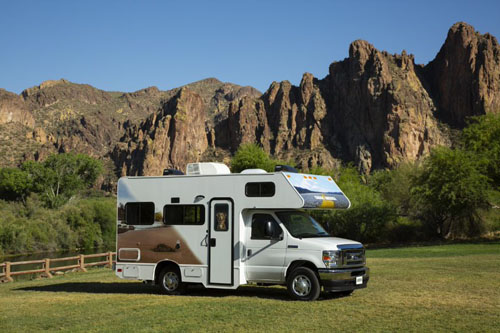
For couples, a Class B - Camper Van is an excellent choice for navigating Alaska's scenic byways due to its compact size and efficiency. These nimble vehicles, like a "rv rental denver example Category Van" typically averaging 5.8 meters in length and sleeping 3.2 people, with space for about 2.7 adults, are fuel-efficient (around 10 Liters/100 km or 23 MPG), making them easy to maneuver and park. Their smaller footprint also allows access to more secluded campsites.
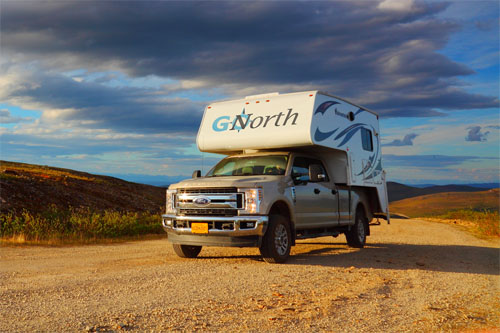
For families with kids or groups of friends, Class C - Alcove RVs provide ample space and comfort for adventures in the Alaskan wilderness. A "cruise america rv rental example Explorer" is ideal, averaging 7.1 meters in length and comfortably sleeping 4 people with a fresh water tank capacity of 82 liters. Another solid option is a Class C - Alcove RV from Bandana's global fleet, averaging 7.5 meters in length and comfortably sleeping 5.8 people, with space for around 4.4 adults, offering more living space and storage for family gear. These vehicles often feature more extensive kitchens, dining areas, and separate sleeping quarters, ensuring everyone has their own space.
To simplify your planning, consider our Rent&Plan service: Bandana offers 'Rent & Plan,' which combines your motorhome rental with a ready-made itinerary by travel experts. This service gives you full access to trip-planning software, removing the planning headache for your Alaskan journey. You can even personalize the route plans to fit your interests perfectly.
What is the 3-3-3 rule for RV travel?
The 3-3-3 rule for RV travel is a widely adopted guideline recommending drivers travel no more than 300 miles (approximately 500 km) per day, arrive at their destination by 3 PM, and stay for a minimum of 3 days before moving on. This rule is designed to prevent driver fatigue, allow ample time to set up camp and relax, and encourage travelers to thoroughly explore each location rather than rushing through their trip.
While 300 miles might be ambitious for some Alaskan roads due to winding terrain, mountain passes, and numerous scenic pull-offs, the underlying principle of slow travel and early arrival is highly applicable to fully enjoy the Alaskan experience. Adhering to the 3 PM arrival allows time to secure a spot, especially in popular campgrounds like those in Denali National Park, and to deal with potential setup challenges before nightfall. For insights on potential costs, check out "RV Rental in Alaska - Prices and Best Deals 2026".
What is the best route to Alaska by RV?
The best route to Alaska by RV for most travelers is generally the iconic Alaska Highway (ALCAN Highway), offering a well-maintained and historically significant journey through Canada, although the Cassiar Highway provides a more wilderness-focused alternative. The Alaska Highway is the most popular choice, known for its paved roads, numerous service stops, and historical significance, tracing a path through British Columbia and the Yukon Territory.
The Cassiar Highway (Highway 37), while offering breathtaking scenery and increased chances of wildlife viewing, is generally considered a more rugged route with fewer services and some sections that may be unpaved or gravel, making it better suited for more experienced RVers with robust vehicles. Many travelers choose to combine these routes, often taking one on the way up and the other on the return journey, to experience both the well-traveled path and the wilder side of the Canadian North. Preparation for both routes should include checking current road conditions, fuel availability, and border crossing requirements into Canada. For detailed information on these journeys, an "RV Rental USA - Complete Guide 2026" can offer broader context.
What is the best time of year to RV to Alaska?
The best time of year to RV to Alaska is typically late May through early September, offering the warmest weather, longest daylight hours, and full accessibility to parks and services across the state. June to August is peak season, characterized by the warmest temperatures (averaging 18-24°C / 65-75°F in interior areas), nearly 24 hours of daylight in some northern regions, and all visitor centers, campgrounds, and attractions fully operational, though it also sees the highest crowds and prices.
Late May and early June offers a shoulder season experience with fewer crowds, vibrant spring greenery, excellent opportunities for viewing migrating wildlife, and generally lower prices. However, some higher elevation roads or services might still be opening for the season. Late August and early September presents another shoulder season with changing fall colors, diminishing crowds, the beginning of Northern Lights viewing opportunities, and active salmon runs, but daylight hours shorten, and temperatures cool, with some services starting to close post-Labor Day. Travelers should consider their priorities-whether it's maximizing daylight, avoiding crowds, or witnessing specific natural phenomena-when choosing the ideal month for their Alaskan RV adventure. Our "RV Travel Guide to Alaska - Tips and Top Spots 2026" offers more seasonal advice.
What is the 4-4-4 rule for RV travel?
The 4-4-4 rule for RV travel, a variation of the 3-3-3 guideline, suggests traveling no more than 400 miles (approximately 640 km) in a single day, stopping by 4 PM, and ensuring tanks (water, fuel, propane) are at least 1/4 full. While the mileage guideline of 400 miles might still be ambitious for Alaska's challenging roads, the principles of stopping by 4 PM and proactive tank management are especially critical for remote Alaskan travel.
Stopping early allows ample time to secure a campsite, often without reservations in less populated areas, and to address any vehicle issues or simply relax before evening. Maintaining at least a quarter-full tank for fuel, fresh water, and propane is vital in Alaska, where distances between services can be extensive and cell service limited, mitigating the risk of running dry in remote areas. Always be prepared with extra water and fuel if heading into truly remote regions. You can upgrade to a top-level deductible for extra peace of mind when venturing into these vast areas.
What should I not miss in Alaska?
When RVing in Alaska, you should not miss the breathtaking Denali National Park and Preserve, the stunning Kenai Peninsula with its glaciers and abundant wildlife, the scenic journey along the Alaska Highway, and numerous opportunities for world-class wildlife viewing. Denali National Park and Preserve offers unparalleled views of North America's tallest peak, Denali, and abundant wildlife viewing via regulated park shuttle buses into the wilderness; remember private vehicle access is limited past mile 15.
The Kenai Peninsula provides a diverse range of experiences, from glacier and marine wildlife cruises out of Seward (Kenai Fjords National Park) to fishing charters and scenic Homer Spit exploration in Homer. Driving the Alaska Highway itself is an integral part of the Alaskan adventure, showcasing vast wilderness, charming small towns, and historical markers from its construction. Beyond specific locations, prioritize wildlife encounters, such as bear viewing tours, spotting moose and caribou from your rented RV, and whale watching excursions in coastal towns like Seward or Valdez. Consider visiting the Alaska Native Heritage Center in Anchorage to gain a deeper appreciation for the state's rich indigenous cultures and history.
Can I park my RV anywhere in Alaska?
No, you cannot legally park your RV just anywhere in Alaska; regulations vary significantly by location, requiring permits or designated areas for overnight parking, especially in national parks, state parks, and populated areas. National Parks and Preserves strictly enforce camping in designated campgrounds only, often requiring advance reservations, particularly in popular areas like Denali. Many national and state parks only reserve 25-30% of their spots, leaving the rest for first-come, first-serve. You'll find a spot. If not at the first campground, then the next one. Call ahead before driving.
Alaska State Parks and Forests typically offer designated campgrounds with fees, and some state lands may permit dispersed camping (boondocking) in specific areas, but rules should always be checked locally. Bureau of Land Management (BLM) lands generally allow for dispersed camping for up to 14 days, offering numerous free boondocking opportunities, but it's essential to verify specific regulations and fire restrictions for each region. In cities and towns, overnight parking on public streets or in store parking lots (like Walmart) is generally restricted by local ordinances or private property rules, so always seek permission or find a designated RV park. Always research and respect local signage and regulations to ensure legal and safe overnight parking during your Alaska RV adventure. For finding campsites and campgrounds during your trip, we recommend using rvplan.net-a great resource for locating available spots along your route.
What You Shouldn't Miss
- Take a glacier cruise in Kenai Fjords National Park from Seward to witness towering tidewater glaciers and marine wildlife like whales and puffins.
- Explore the vast wilderness of Denali National Park by taking the shuttle bus deep into the park for unrivaled views of Denali and opportunities to spot grizzly bears, moose, and caribou.
- Drive the scenic Sterling Highway on the Kenai Peninsula, offering breathtaking views and numerous pull-offs for photography and short hikes.
- Visit Homer, "the Halibut Fishing Capital of the World," and stroll along the famous Homer Spit, enjoying fresh seafood and vibrant local art.
- Experience the unique phenomenon of the Midnight Sun in summer, especially in the northern parts of the state, where the sun never fully sets.
- Hike to Exit Glacier near Seward for an accessible and impressive walk right up to an active glacier.
Final Thoughts
An RV rental adventure in Alaska is an unparalleled experience, offering freedom and immersion into one of the world's most spectacular natural environments. Whether you choose a 7-day coastal loop or an extended 23-day journey into the Yukon, meticulous planning, a flexible mindset, and the right motorhome can transform your trip into a cherished memory.
Remember to embrace the philosophy of slow travel, allowing yourself the time to truly connect with Alaska's wild beauty and rich culture. With Bandana Caravan, you have a dedicated team of RV specialists ready to support you, providing transparent pricing and expert route plans. So, start dreaming, start planning, and get ready to discover the magic of Alaska from the comfort of your own rented home on wheels!
Plan a trip itinerary in advance with minimal effort and maximum enjoyment. Compare Motorhome Prices for Alaska and begin your journey today!