In This Guide
- Can You Drive an RV in Zambia? License & Age Rules
- Road Conditions & Terrain in Zambia
- RV Size Limits, Bridges & Restricted Zones
- Fuel: Diesel vs. Petrol & Cost per 100 km
- Tolls, Vignettes & Border Rules
- Driving Tips for Winter RV Rental Travelers
- Recommended RV Class for Zambia Roads
- Should I Choose a Compact Van Instead of a Large RV in Zambia?
- Can I Park Anywhere? Free & Wild Camping Rules in Zambia
- Can I Drive an RV Into the City Center? Heights, Tunnels & Local Signage
- What is the best time to visit Zambia by RV?
- Is it safe to drive in Zambia as a tourist?
- How long does it take to drive across Zambia?
- What is the average speed limit in Zambia?
- What are the best places to visit in Zambia in winter by RV?
- What are the RV camping options in Zambia?
- What is the cost of living in Zambia per day?
- What are the best RV rental companies in Zambia?
Can You Drive an RV in Zambia? License & Age Rules
Foreign drivers can legally operate rented RVs in Zambia with a valid national driving license, though an International Driving Permit (IDP) is highly recommended to ensure smooth communication with authorities.
Most reputable RV rental companies in Zambia have a minimum driver age requirement, typically 23 or 25 years old, and often stipulate that drivers must have held their license for at least two years. For larger motorhomes, particularly those exceeding 3,500 kg (7,700 lbs) Gross Vehicle Mass (GVM), a higher license category, such as a C1 or equivalent from your home country, might be legally required. Always verify these specifics with your chosen rental provider during the booking process.
Road Conditions & Terrain in Zambia
Zambia's road network presents a varied landscape for RV travelers. The main arterial roads are generally paved and in reasonable condition, offering a smoother experience for your rented RV. However, as you venture towards national parks and more remote tourist destinations, these roads often transition into gravel, dirt, or sandy tracks.
During the winter dry season (May to October), these secondary routes are typically more accessible, with significantly less mud than during the wet season. Nevertheless, be prepared for common hazards such as corrugations, potholes, and patches of soft sand, which can pose challenges for any RV. Driving slowly and cautiously is paramount not only for safety but also for preserving the vehicle's condition. Always be vigilant for unexpected road users, including pedestrians, livestock, and bicycles, especially in rural and peri-urban areas. Unmarked speed bumps are also a frequent feature and can cause significant damage if hit at speed.
RV Size Limits, Bridges & Restricted Zones
While Zambia doesn't have the extensive network of height and weight restrictions commonly found in some European cities, RV drivers must remain aware of specific limitations.
Pay close attention to load limits posted on smaller bridges, especially in rural areas, and be mindful of the capacity of river ferries if your route involves them. Most standard RV sizes, including larger Class C and Class A motorhomes, can generally navigate Zambian roads. However, exceptionally remote or poorly maintained tracks might prove challenging for the largest units. Always observe local signage for any specific access restrictions, particularly when entering smaller towns, community areas, or utilizing less-traveled routes. While restricted access zones based on vehicle type are not a widespread concern for RVs in Zambia, be aware that entry fees are typically applicable for national parks.
Fuel: Diesel vs. Petrol & Cost per 100 km
Diesel is the predominant fuel for most RVs, and it's widely available at formal service stations throughout Zambia. While petrol is also available, it's less common for larger recreational vehicles.
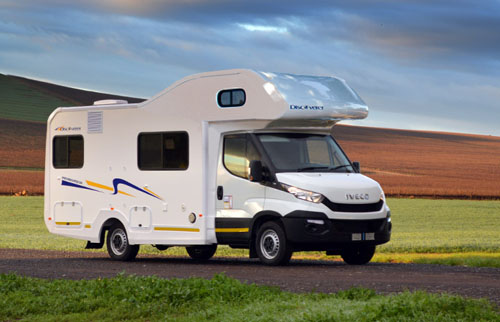
Bandana RVs offer a range of fuel efficiencies. For instance, our Class B Camper Vans typically consume between 8-10 Liters/100 km. Semi-integrated (Class SI) RVs average around 10-11 Liters/100 km, while Alcove (Class C) RVs generally range from 10-12 Liters/100 km. Truck Campers (Class TC) might consume between 12-17 Liters/100 km.
Based on these consumption rates and fluctuating global fuel prices, you can budget approximately $15-$25 USD per 100 km for fuel. It's essential to plan your routes carefully, as fuel stations can be sparse in remote regions. Always ensure you have sufficient fuel for long stretches between stops and consider carrying extra fuel for safety. Be cautious with 'bush pumps,' where fuel quality can be inconsistent, and prioritize official, reputable stations for your RV's needs.
Tolls, Vignettes & Border Rules
Zambia utilizes a toll road system on its major highways. You'll pay fees directly at toll gates rather than needing to purchase vignettes in advance. Specific toll rates are determined by vehicle class. On the routes offered through RV PLANET routes, you can itemize and track every expense along the way for easy budgeting.
When crossing into or out of Zambia with your RV, a Temporary Import Permit (TIP) for the vehicle is mandatory. You'll also need to account for a carbon tax and purchase valid third-party insurance, which is typically available directly at the border post. International crossings require meticulous planning, including securing any necessary visas beforehand, carrying proof of vehicle ownership (or a letter of authorization from the rental company), and strictly adhering to each country's unique entry requirements. It's advisable to verify current regulations with Zambian road authorities or your RV rental provider well in advance of your trip, as specific regional data on precise toll amounts and detailed border insurance requirements can vary.
Driving Tips for Winter RV Rental Travelers
To ensure a safe and enjoyable winter RV trip in Zambia, prioritize daylight driving. This significantly reduces the risk of encountering hazards like livestock, pedestrians, or poorly marked obstacles on the road, as night driving is strongly discouraged due to limited visibility and increased risks.
Maintain a moderate and consistent speed, especially on unpaved roads. This helps prevent tire damage, minimizes dust, and allows you ample reaction time to unexpected road conditions. Embracing a slower, scenic driving pace often enhances the overall experience. Ensure your rented RV is equipped with essential safety items, including a functional spare tire, a comprehensive toolkit, and a first-aid kit. Always carry sufficient water and non-perishable food, particularly when planning remote itineraries.
Familiarize yourself with local traffic laws and courtesies, such as dipping your headlights for oncoming traffic and being aware of hand signals from other drivers or traffic officials. For those traveling with family, planning regular stops every two hours is crucial for maintaining comfort for children and preventing driver fatigue, ensuring everyone enjoys the journey.
Recommended RV Class for Zambia Roads
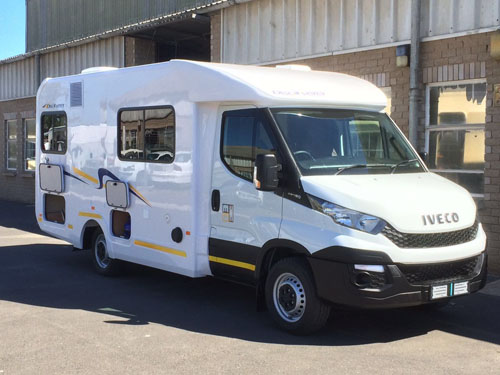
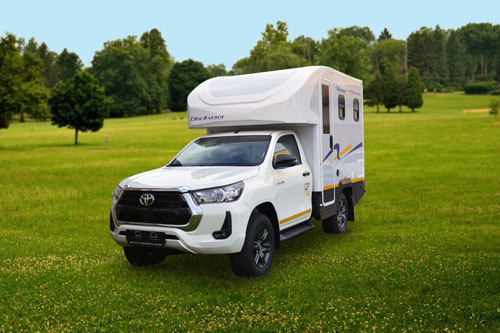
For RV travel in Zambia, Class B Camper Vans, Class SI (Semi-integrated) RVs, and Class TC (Truck Campers) generally offer the best balance of capability, comfort, and suitability for the diverse road conditions.
Class B Camper Vans, typically averaging around 5.8 meters in length, provide excellent maneuverability and impressive fuel efficiency (around 8-10 Liters/100 km), making them suitable for a variety of road surfaces. Class TC Truck Campers, usually around 5.5 meters long, are often built on robust truck chassis, offering superior ground clearance and sometimes 4x4 capabilities, which are invaluable for tackling rougher tracks found in many national parks. Semi-integrated (Class SI) RVs, averaging about 6.9 meters in length, offer more interior space and amenities, making them ideal for longer journeys on the main routes while still being manageable on many secondary roads.
Should I Choose a Compact Van Instead of a Large RV in Zambia?
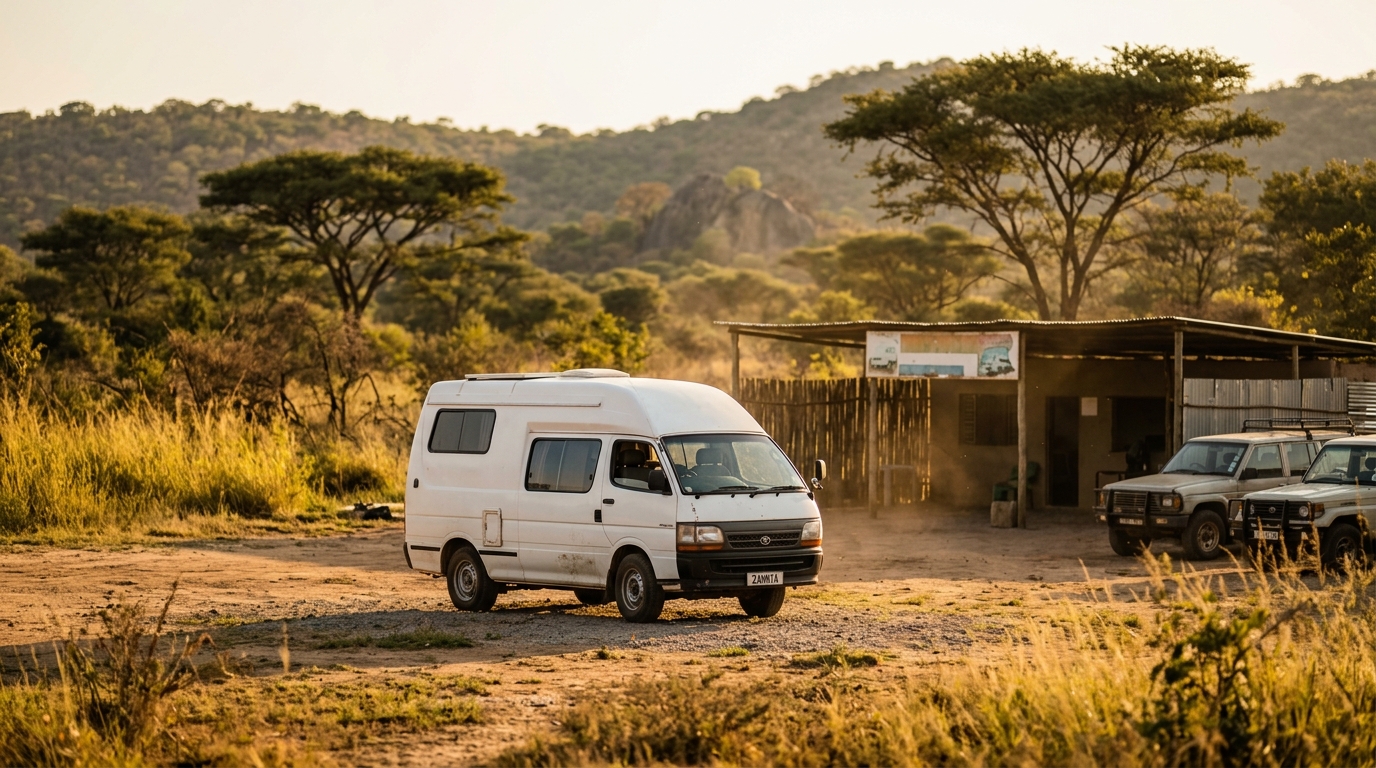
The choice between a compact van and a larger RV in Zambia often comes down to balancing maneuverability with your desired level of comfort and living space. Fortunately, most standard RV sizes are generally manageable on Zambian roads.
Compact vans, such as Class B Camper Vans, offer superior agility on narrow tracks and easier parking in towns, alongside better fuel economy (Bandana's Class B Camper Vans average 8-10 Liters/100 km). These are ideal for solo travelers or couples prioritizing flexibility. Larger RVs, like Semi-integrated (Class SI, averaging 6.9m) or Alcove (Class C, averaging 7.5m) models, provide significantly more living space and amenities, which are highly beneficial for families or those embarking on extended trips. While larger RVs require more caution on very rough or deeply rutted roads, they are perfectly suited for main routes and established campsites, offering a comfortable home-away-from-home experience.
Can I Park Anywhere? Free & Wild Camping Rules in Zambia
Wild camping, which involves parking your RV anywhere outside of designated campsites, is generally discouraged and often illegal in Zambia. This is particularly true within national parks, game management areas, and on private land.
For RV travelers seeking secure and legal overnight parking, the primary options include established private campsites, national park campsites, and sometimes community-run lodges or designated rest stops. If you are considering parking outside of official areas, it is crucial to seek explicit permission from landowners or local authorities beforehand to avoid legal issues and ensure your safety. Remember that rules can vary significantly by region, so always check local regulations and adhere to local laws before parking overnight.
Can I Drive an RV Into the City Center? Heights, Tunnels & Local Signage
Driving an RV into major Zambian city centers, such as Lusaka or Livingstone, is generally permissible. However, travelers should anticipate potentially heavy traffic and congested urban environments.
It's important to pay close attention to local signage for any specific height restrictions, especially concerning underpasses or covered parking facilities, although these are typically less common for RVs in Zambia compared to some other regions. Generally, there are no widespread environmental zones or significant low bridges that restrict RV access to city centers in Zambia. Be prepared for varying road conditions, including potholes, which are often more pronounced in urban areas, alongside significant pedestrian activity.
What is the best time to visit Zambia by RV?
The winter dry season, spanning from May to October, is widely regarded as the optimal time for an RV adventure in Zambia. This period is characterized by comfortable temperatures and prime conditions for wildlife viewing, making it ideal for exploring the country's natural wonders.
During these months, national park roads are typically dry and more accessible for RVs, significantly reducing the challenges of mud and ensuring smoother travel across the diverse terrain. Lower humidity levels and a reduced mosquito population further enhance the outdoor camping and touring experience. While this period is considered peak tourist season, potentially leading to higher prices and more visitors at popular sites, the advantages for RV travel and safari experiences are substantial.
Is it safe to drive in Zambia as a tourist?
Driving in Zambia as a tourist is generally considered safe, particularly when adhering to daylight travel on major routes and exercising common-sense precautions. The key safety consideration is to strictly avoid night driving due to poor visibility and potential road hazards.
Maintain awareness of your surroundings, especially in urban areas, and always secure your valuables. For RV-centric emergency preparedness, it's crucial to carry reliable communication tools, such as a local SIM card for data or a satellite phone for remote off-grid areas, along with a comprehensive medical kit and knowledge of emergency contact numbers. Established campsites, including private lodges and national park sites, typically offer good security, but it's still wise to follow guidelines for interacting with wildlife in unfenced areas and ensure your vehicle is locked when unattended.
How long does it take to drive across Zambia?
Driving across Zambia can vary significantly, taking anywhere from a few days to over a week, depending on your chosen route, desired pace, and the number of stops planned for sightseeing and activities.
For instance, a direct north-south journey from Livingstone to Kasama, covering roughly 1,100 km, could take 2-3 full days of dedicated driving, without accounting for detours or leisure stops. Given the varied road conditions and numerous attractions, it's best to plan RV journeys with generous daily travel times, averaging around 300-400 km (186-248 miles) per driving day. This allows ample time for breaks, spontaneous discoveries, and fully enjoying the experience. Essential for navigation in areas with limited connectivity are reliable offline maps, such as Maps.me or Gaia GPS. A local SIM card can also provide data for real-time updates where network coverage is available.
What is the average speed limit in Zambia?
The general speed limit in Zambia is typically 100 km/h (62 mph) on open national highways. Within urban areas, this is reduced to around 60 km/h (37 mph), and often further lowered to 40 km/h (25 mph) or less in residential zones, near schools, or within national parks.
Inside national parks and wildlife conservation areas, strict speed limits are enforced, usually around 40 km/h, to ensure the safety of wildlife and minimize environmental disturbance. It is crucial to always adhere to posted speed limits, as they can change frequently and vary based on specific road conditions and locations. Be prepared to slow down for unexpected hazards or traffic congestion. Traffic police are regularly present on main roads, and fines for speeding or other traffic violations can be strictly enforced.
What are the best places to visit in Zambia in winter by RV?
Winter, or the dry season, is an excellent time for RV travel to Zambia's iconic Victoria Falls in Livingstone. The weather is ideal for exploring the falls and engaging in activities like boat cruises along the Zambezi River.
South Luangwa National Park stands out as a premier winter destination for RV-accessible wildlife safaris, renowned for its exceptional walking safaris and diverse animal populations, with various RV-friendly campsites available. Kafue National Park, one of Africa's largest, offers extensive RV-navigable routes for game viewing across varied ecosystems, from floodplains to dense woodlands. Beyond safaris, RV travelers can explore vibrant local markets, relax by the stunning Lake Kariba for fishing and leisure, or venture to less-visited natural wonders like Lumangwe Falls. These locations are often more accessible by RV during the dry season and provide unique cultural experiences and attractions beyond wildlife viewing.
What are the RV camping options in Zambia?
Zambia offers a diverse range of RV camping options, including well-equipped private campsites, more rustic national park campsites, and unique community-run camps.
Private campsites and lodges often provide comprehensive amenities such as hot showers, flush toilets, electricity hook-ups, and sometimes restaurants or swimming pools, offering a more comfortable experience. National park campsites typically provide a more authentic wilderness immersion with basic facilities like communal ablution blocks and designated fire pits. It is highly advisable to book these well in advance, especially during the peak winter season. Security at established campsites is generally good, but RV travelers should always secure their belongings, follow guidelines for dealing with wildlife in unfenced areas, and embrace sustainable practices by minimizing waste and respecting local communities.
What is the cost of living in Zambia per day?
Excluding the RV rental itself, the daily cost of living for an RV traveler in Zambia can range from approximately $50 to $150+ USD per person, heavily influenced by personal spending habits and the chosen activities.
This budget typically covers self-catering food, as groceries are more economical than dining out frequently, and campsite fees. Campsite prices can vary from $15-$50+ USD per night for RV sites, depending on the amenities offered. Major expenses will include national park entry fees, which can be substantial (e.g., $25-$30 USD per person per day for international visitors, plus additional vehicle entry fees often based on vehicle type). Optional activities like guided safaris will also add to the daily cost. Fuel consumption for larger RVs, typically ranging from 8-17 Liters/100 km, will be another significant variable daily cost, heavily influenced by travel distances.
What are the best RV rental companies in Zambia?
Identifying the 'best' RV rental company in Zambia depends on individual traveler needs, including preferred RV type, budget, and desired level of customer service.
Prospective renters should prioritize companies with strong online reviews, comprehensive insurance policies, reliable 24/7 roadside assistance, and transparent pricing structures. It's beneficial to focus on providers that specialize in robust 4x4 or high-clearance RVs suitable for African road conditions and offer extensive pre-trip support and detailed vehicle inductions. Always compare rental terms carefully to ensure clarity on included amenities and services, and confirm the availability of necessary cross-border paperwork if international travel is part of your itinerary.
Final Thoughts
Embarking on an RV adventure in Zambia during the winter dry season offers an unparalleled opportunity to experience the country's stunning landscapes and abundant wildlife. By choosing the right vehicle and planning your route with care, you're set for an unforgettable journey.
Remember that Bandana Caravan is here to help you compare options and find the perfect RV for your Zambian adventure. We simplify the booking process so you can focus on the excitement of the open road and the incredible experiences that await you.
Get inspired for your next trip! Discover top destinations, planning tips, all in one place. Plan your RV trip itinerary in advance with minimal effort and maximum enjoyment.