In This Guide
- Can You Drive an RV in West Europe? License & Age Rules
- Road Conditions & Terrain in West Europe
- RV Size Limits, Bridges & Restricted Zones
- Fuel: Diesel vs. Petrol & Cost per 100 km
- Tolls, Vignettes & Border Rules
- Driving Tips for Winter RV Rental Travelers
- Recommended RV Class for West Europe Roads
- Should I Choose a Compact Van Instead of a Large RV in West Europe?
- Can I Park Anywhere? Free & Wild Camping Rules in West Europe
- Can I Drive an RV Into the City Center? Heights, Tunnels & Local Signage
- What is the best time of year to RV in West Europe?
- What documents do I need for an RV trip in West Europe?
- Is it safe to drive an RV in West Europe?
- Is it easy to find campsites in West Europe?
- What is the best way to travel around West Europe in an RV?
- Is it worth buying an RV to travel West Europe?
- How much does it cost to rent an RV in West Europe per day?
Embarking on a winter RV adventure in West Europe is an exciting way to experience festive markets, snowy landscapes, and fewer crowds, offering a unique perspective of this diverse region. With the right planning and knowledge, navigating West Europe in a rented motorhome during the colder months can be an unforgettable journey, providing the freedom to explore at your own pace. For live availability and current prices, start with our RV Rental West Europe - Complete Guide 2026 guide.
Can You Drive an RV in West Europe? License & Age Rules
Yes, you can absolutely drive a rented RV in West Europe, and the licensing requirements are generally straightforward for most travelers. Most standard car licenses (Category B) issued in your home country allow driving RVs up to 3,500 kg MAM (Maximum Authorised Mass) in West Europe, which covers the majority of campervans and smaller Class C motorhomes. Drivers typically need to be at least 21 years old to rent a motorhome, with Bandana RV proudly offering rentals to drivers 21 and older without additional young driver surcharges or vehicle class restrictions based on age, giving more travelers the freedom to explore. Non-EU citizens usually require an International Driving Permit (IDP) in conjunction with their national driver's license; while not always mandatory for every country, it's highly recommended for smooth interactions with local authorities and rental agencies across various West European nations. Always ensure your license is valid for the entire duration of your trip, providing peace of mind as you venture through picturesque winter scenes.
Road Conditions & Terrain in West Europe
West Europe offers a diverse range of road conditions that are generally suitable for rented RV travel, from well-maintained motorways like the German Autobahns and French Autoroutes to narrower country roads and stunning mountain passes. In winter, however, road conditions shift significantly, especially in mountainous regions such as the Alps and Pyrenees, and potentially in northern areas, where you should expect snow and ice. For safe winter driving in West Europe, appropriate winter tires are often legally required from late November to early March, and carrying snow chains is a wise precaution, sometimes mandatory on specific high-altitude roads. Urban areas present a different challenge with dense traffic and tighter streets; here, the key is to drive slowly and carefully, using common sense and paying close attention to your surroundings, as you can drive almost anywhere without issues.
RV Size Limits, Bridges & Restricted Zones
When planning your winter RV rental trip in West Europe, it's crucial to be mindful of vehicle dimensions and restricted zones to avoid unexpected complications. While most rented motorhomes can navigate West European roads, you must pay attention to height limits, especially for tunnels, low bridges, and parking garages, where common limits are often 3.5m-4m. Older bridges might also have weight restrictions, so checking local signage is always advised. Many European cities, including popular destinations in West Europe, have Low Emission Zones (LEZ) or Crit'Air/ZFE zones that restrict older or higher-emitting vehicles; it's essential to ensure your rental RV meets the required emission standards and has the correct sticker for compliance before entering these areas. If your itinerary involves island hopping or crossing the English Channel, remember that ferry services have specific length, height, and weight categories that influence booking and cost, making RV PLANET routes a valuable tool for tracking all associated expenses. Being informed about these regulations ensures a smooth and enjoyable journey through West Europe.
Fuel: Diesel vs. Petrol & Cost per 100 km
In West Europe, diesel is the predominant fuel type for rented RVs and motorhomes, making it widely available at virtually all fuel stations across the region. Most rental fleets, including those available through Bandana RV, consist of diesel-powered vehicles, which are generally more fuel-efficient for their size. Based on Bandana's global fleet averages, a Class SI - Semi-integrated RV typically consumes 10-11 Liters/100 km, while a Class C - Alcove motorhome consumes slightly more, around 10-12 Liters/100 km. For example, a vehicle like the "cruise america rv rental example Explorer" with a 75-liter fuel tank and 11 Liter/100 km consumption is a common diesel option. Fuel costs, like prices for "RV Rental in West Europe - Prices and Best Deals 2026," are dynamic and vary significantly by country and current market rates, but generally average around €1.70-€2.00 per liter for diesel as of 2026. This means a 100 km journey could cost approximately €17-€24. Planning your fuel stops and monitoring prices can help manage your travel budget effectively. On the routes offered through RV PLANET routes, you can itemize and track every expense along the way for easy budgeting.
Tolls, Vignettes & Border Rules
Navigating tolls, vignettes, and border rules is an important aspect of rented RV travel across West Europe. Tolls are common on many motorways, particularly in countries like France, Italy, and Spain, where they are typically collected via physical toll booths or electronic systems. For Switzerland and Austria, you'll need to purchase an annual vignette for motorway use, which can cost anywhere from €40-€90, instead of paying per-use tolls. Conversely, in countries like Germany, major roads are toll-free for vehicles under 7.5 tonnes. Some Bandana RV rentals offer options for pre-purchased toll passes or electronic transponders, simplifying cross-border travel and helping you avoid potential fines, providing full transparency on what's included and what's an optional add-on. When crossing borders, especially for UK travelers post-Brexit, be aware of specific customs procedures for items like food and alcohol, and always carry your vehicle rental documents and necessary identification. Understanding these rules ensures a seamless journey across multiple West European countries.
Driving Tips for Winter RV Rental Travelers
Winter RV driving in West Europe demands careful preparation and attention to ensure a safe and enjoyable trip. Always prioritize safety by checking local weather forecasts daily, especially when crossing mountain passes, and ensure your rented motorhome is equipped with suitable winter tires and, where legally required, snow chains. Maintain significantly longer braking distances on wet or icy roads, and drive slower than usual to account for reduced traction and visibility; slow travel, averaging max 100-150 km per day, allows you to truly feel the place and respond to changing conditions. Plan your routes to include regular stops for warming up, defrosting windows, and checking tire pressure, which is particularly important when traveling with family in cold weather. Additionally, ensure your RV's heating system is functioning optimally and that water tanks are properly insulated to prevent freezing. For more expert insights and practical advice, consult resources like the "RV Travel Guide to West Europe - Tips and Top Spots 2026."
Recommended RV Class for West Europe Roads
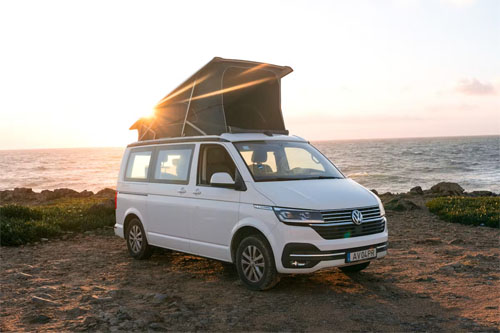
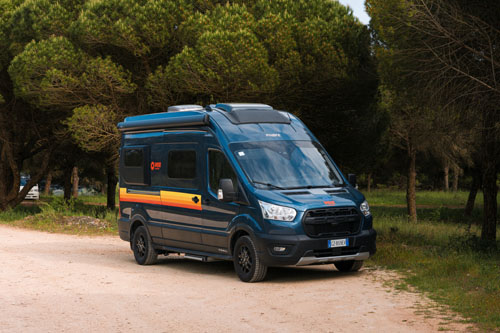
For optimal maneuverability and comfort on West Europe's diverse roads, a Class B - Camper Van (averaging 5.8m in length) or a Class SI - Semi-integrated RV (averaging 6.9m in length) is highly recommended for rented motorhome travelers. Class B campervans, like a compact "V3" model with a length of 6.36m, offer excellent agility for navigating tight village streets and finding convenient parking spots, making urban exploration much easier. Meanwhile, Class SI models, such as the "2 Berth Tamar" or "Active Standard Select", provide more spacious living areas and amenities without being overly cumbersome, striking a balance between compact dimensions and sufficient comfort for longer journeys. These classes are particularly suitable for winter conditions, as their manageable sizes allow for easier handling on potentially icy or snow-covered roads. Choosing one of these ensures a more relaxed and adaptable travel experience across West Europe, whether you're exploring bustling cities or serene snowy landscapes.
Should I Choose a Compact Van Instead of a Large RV in West Europe?
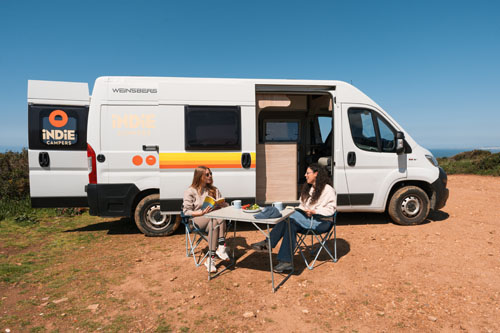
Choosing between a compact van and a larger RV for your West Europe adventure depends on your priorities and travel style. While larger RVs like a "6 Berth Deluxe" or "Nexus Triumph 29T" can certainly navigate West Europe's major roads, a compact van or a smaller semi-integrated model often provides a better balance of comfort and maneuverability for the region's diverse infrastructure. A compact van is genuinely beneficial for navigating tighter historic city centers, narrower mountain passes, and finding easier parking, significantly enhancing the urban exploration experience. You can drive slowly and carefully, and you can drive almost anywhere without issues. No need to stress - just use common sense and pay attention to signs. However, if indoor space, greater comfort, and more amenities (which are especially important during winter travel) are a priority for your week-long trip or extended road trip, a larger RV like a Class C - Alcove or a semi-integrated still offers manageable dimensions on most major European roads, particularly outside the most congested city cores. Consider how much time you plan to spend in cities versus scenic drives to make the best choice for your rented motorhome.
Can I Park Anywhere? Free & Wild Camping Rules in West Europe
When traveling with a rented motorhome in West Europe, it's important to understand that wild camping or free overnight parking is generally restricted or outright illegal in many countries, particularly in popular tourist areas and protected environmental zones. Countries like Germany, the Netherlands, and Switzerland have strict prohibitions on wild camping, often enforced with fines. Other nations, such as France and some Scandinavian countries, may permit it in specific, designated areas or with prior landowner permission, but these spots are less common in West Europe. Safety concerns for wild camping include isolation, potential local opposition, and lack of facilities. Always prioritize official campsites, also known as campgrounds or dedicated motorhome parking areas like Stellplätze (Germany) or Aires de Services (France), for security and reliable access to essential facilities like electricity, water, and waste disposal. Rules vary significantly by region and even by local municipality, so always check local regulations and follow local law before parking overnight. Many official campsites in West Europe offer excellent facilities, including laundry, hot showers, and often Wi-Fi, enhancing your stay, especially during the winter months.
Can I Drive an RV Into the City Center? Heights, Tunnels & Local Signage
Yes, you can almost always drive a rented RV into city centers in West Europe, but success depends on paying close attention to local signage, height restrictions, and environmental zones. Drive slowly and carefully, and you can drive almost anywhere without issues. No need to stress - just use common sense and pay attention. Be vigilant for "No RV" signs, which are increasingly common in historic or pedestrianized areas, and heed height limit barriers (often ranging from 2.2m to 3.5m) for parking garages, tunnels, and even some narrow street entrances. For instance, in cities like Paris, Berlin, or Rome, you'll encounter a mix of broad avenues and very tight, ancient streets. Many historic city centers also feature residents-only streets or Low Emission Zones (LEZ) and Crit'Air/ZFE zones that restrict vehicle access based on emission standards, often indicated by specific local signage and requiring pre-purchased stickers. Researching parking options and potential restrictions for your chosen cities, such as Amsterdam, Munich, Geneva, Vienna, or Barcelona, in advance using tools like RV PLANET can prevent surprises and ensure a stress-free visit with your motorhome.
What is the best time of year to RV in West Europe?
For a unique winter RV rental experience in West Europe, the best time typically spans from late November to early March, offering opportunities for winter sports in the Alps, festive Christmas markets, and charming snow-covered landscapes. While summer offers warmer weather and longer daylight hours, winter provides a distinct experience with fewer crowds at popular attractions and a magical festive atmosphere, especially in cities like Vienna or Munich. However, winter RVing requires careful planning for colder weather, potentially challenging road conditions (especially in mountain regions), and shorter daylight hours for driving. Travelers preferring milder weather and fewer tourists might find the shoulder seasons (spring and autumn) a balanced alternative. Ultimately, the "best" time depends on your personal preferences: whether you seek a cozy, festive getaway or a sun-drenched summer adventure. Remember, travel slowly, max 100-150 km per day on average, to fully immerse yourself in the culture, food, and scenery, no matter the season.
What documents do I need for an RV trip in West Europe?
To rent and drive a motorhome in West Europe, you'll need several key documents to ensure a smooth journey. First, your valid national driver's license (Category B for most RVs under 3,500 kg MAM) is essential. If you are a non-EU resident, an International Driving Permit (IDP) is highly recommended in conjunction with your national license, as it provides a certified translation that can be crucial for rental agencies and local authorities. Always carry your passport, which should be valid for at least three months beyond your intended departure date from the Schengen Area. For UK travelers post-Brexit, specifically check any updated customs procedures for food items when crossing borders into the EU. Comprehensive multi-country RV insurance is crucial, covering third-party liability, collision, theft, and breakdown assistance across all countries you plan to visit, which is often arranged through your rental company or with the option to upgrade to a top-level deductible for extra peace of mind through Bandana. Having all your documents organized will ensure a hassle-free start to your West Europe adventure.
Is it safe to drive an RV in West Europe?
Driving a rented RV in West Europe is generally safe, provided you adhere to local traffic laws, understand and adapt to varying road conditions, and take standard precautions against common travel risks. West Europe has well-maintained road infrastructure, and emergency services (dial 112 in all EU countries) are efficient. Beyond general road safety, implementing specific theft prevention tips is wise, especially in urban or secluded areas. Always secure all doors and windows, use additional locks if available, and avoid leaving valuables visible inside your motorhome. When parking overnight, choose well-lit, populated areas or official campsites whenever possible. For breakdowns or emergencies, carry essential contact information for roadside assistance, your insurance provider, and local emergency services. Understand local reporting procedures for incidents, such as minor accidents or theft, and if you require assistance, Bandana is with you before, during, and after your booking process to coordinate support from your chosen supplier. This comprehensive approach ensures a confident and secure journey across West Europe.
Is it easy to find campsites in West Europe?
Yes, finding campsites in West Europe is relatively easy, as the region boasts a comprehensive network of well-equipped facilities, even during the winter months. You'll find everything from large holiday parks with extensive amenities to smaller, charming family-run sites. Campsites typically offer essential practical connectivity and utilities, including electricity hook-ups (ensure you have the correct CEE adapter for Europe), fresh water refill points, and waste dump stations. Many also provide Wi-Fi access, though performance can vary. For reliable internet, consider local pre-paid SIM cards or a portable Wi-Fi hotspot. Gas bottle compatibility and refills can vary by country, so it's wise to plan ahead and ask your rental supplier about standard fittings. If the first campground is full, you'll find a spot at the next one - just call ahead before driving. Remember that many national and state parks reserve only 25-30% of their spots in advance, leaving the rest for first-come-first-serve arrivals, which is helpful for spontaneous travelers. For finding campsites and campgrounds during your trip, we recommend using RV PLANET (rvplan.net) - a great resource for locating available spots along your route.
What is the best way to travel around West Europe in an RV?
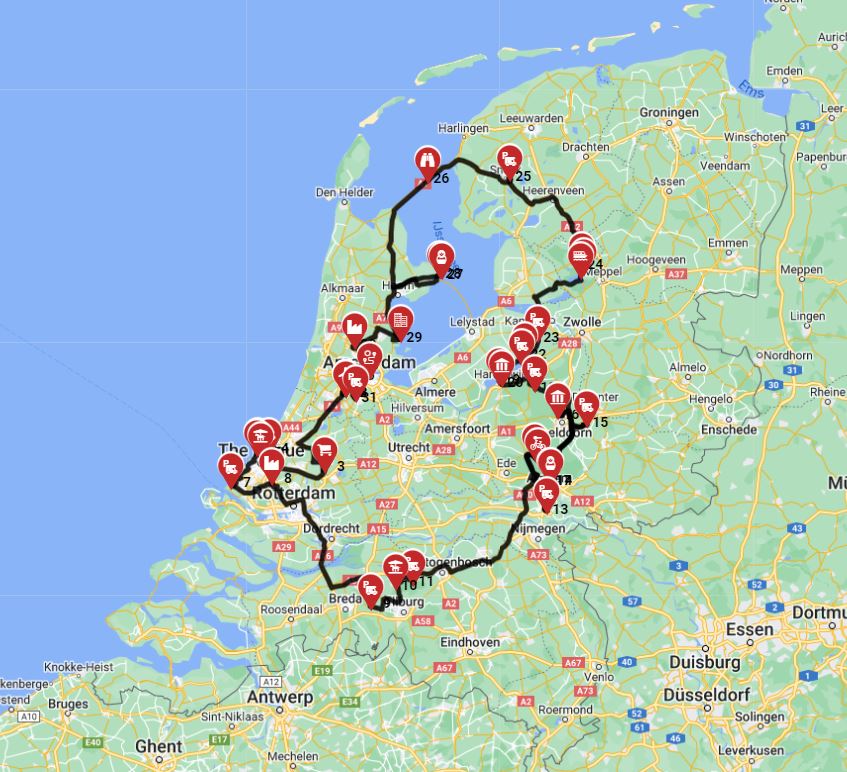
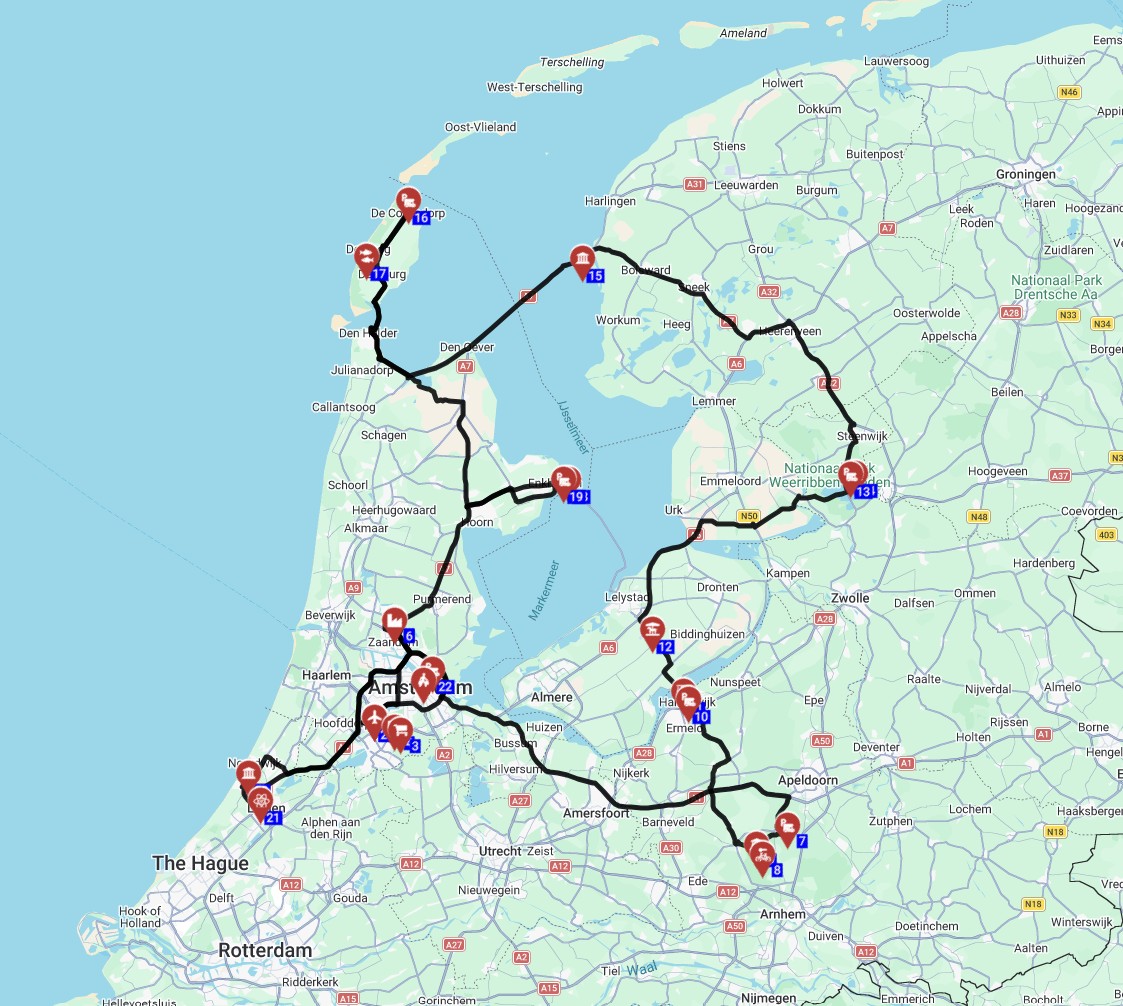
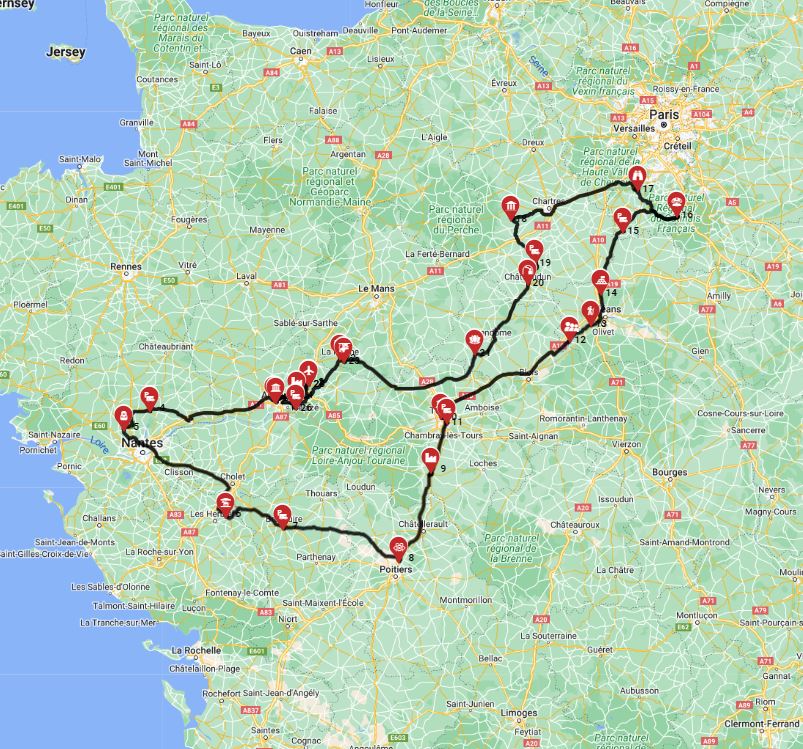
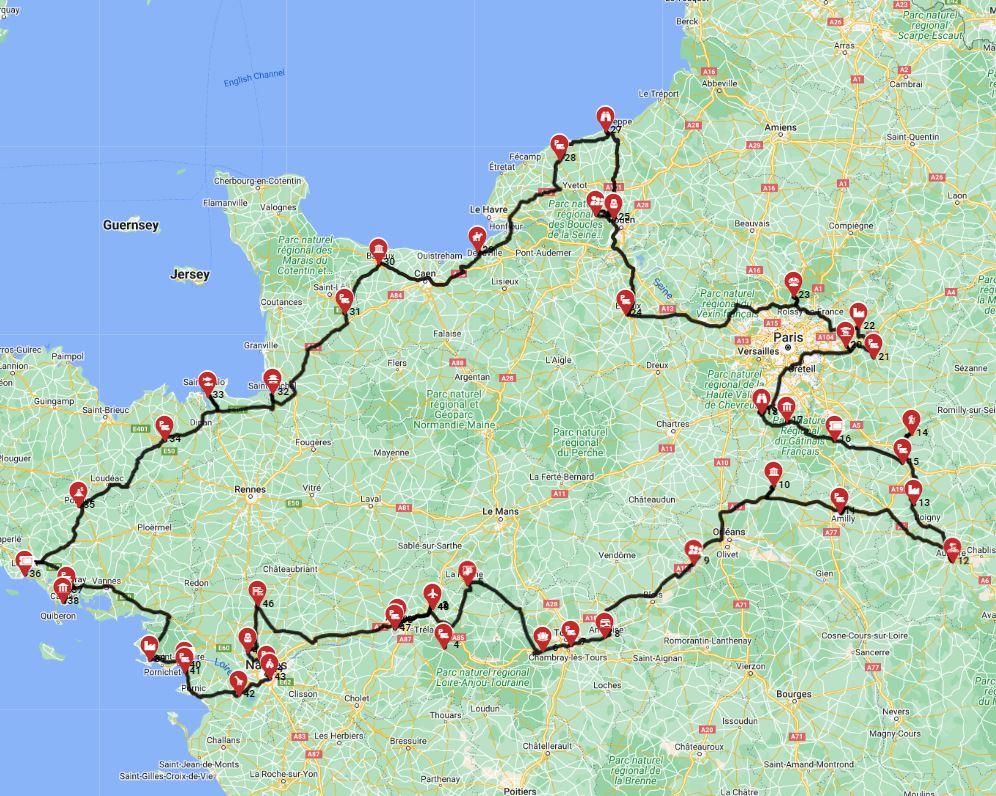
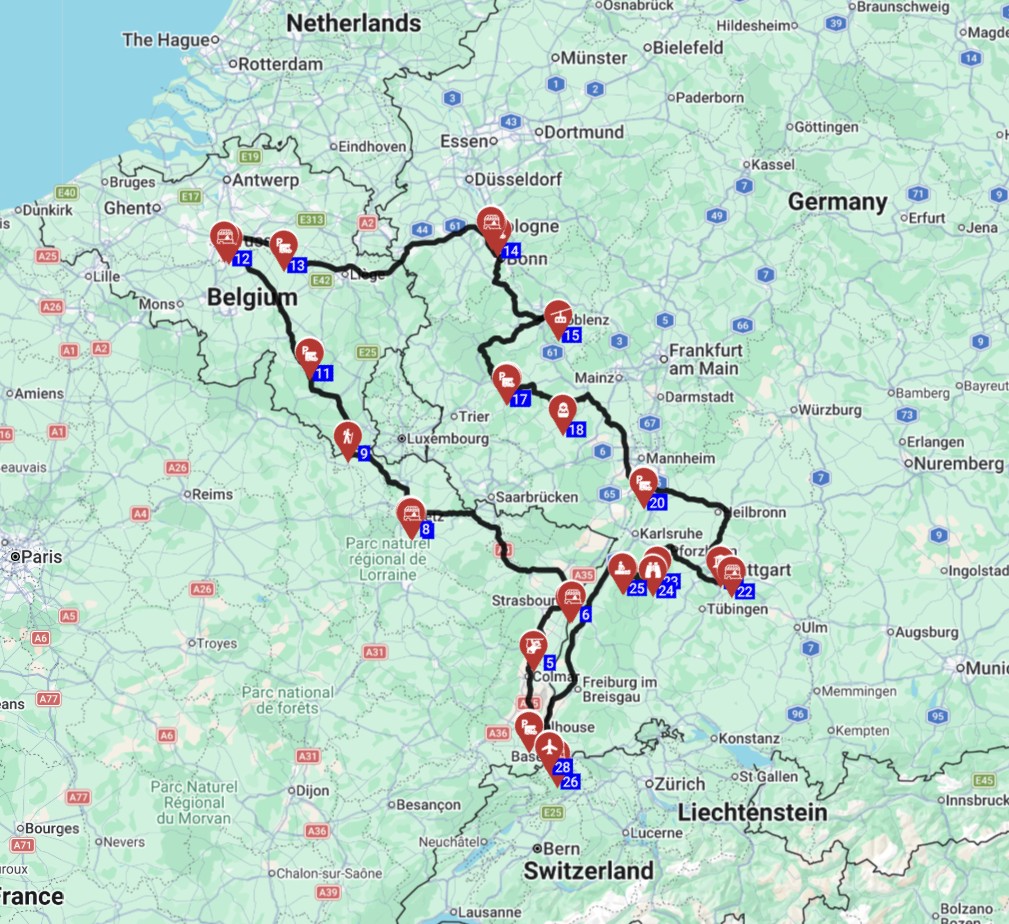
The best way to travel around West Europe in a rented RV involves a blend of pre-planned itineraries and spontaneous exploration, balancing cultural immersion with practical considerations. We strongly advocate for slow travel, recommending a maximum of 100-150 km per day on average, allowing you to truly take time to feel the place, connect to the culture, the food, and the scenery. For example, a week-long trip could focus on the Christmas markets of Alsace, France, while a two-week adventure might explore the Swiss Alps. For families, consider specific itineraries with frequent stops at child-friendly attractions and playgrounds. If traveling with pets, research pet travel guidelines, including vaccination requirements and specific transport rules for each country. You can tailor your strategy between urban exploration, parking at city-edge campsites and using public transport, or embracing more remote boondocking in permissible areas (always checking local laws). Respectful engagement with local communities, understanding cultural etiquette beyond basic phrases, and supporting local economies by purchasing from small businesses further enhances the RV travel experience. Our Rent&Plan service even offers pre-planned routes crafted by professionals, ensuring you get the most out of your motorhome journey.
🎬 Video coming soon
Is it worth buying an RV to travel West Europe?
Whether buying an RV to travel West Europe is 'worth it' depends largely on the duration and frequency of your trips. For short, infrequent holidays or a single extended road trip of a few weeks, renting a motorhome is generally far more cost-effective and convenient. Renting eliminates the hassles of ownership, such as maintenance, storage, insurance, and the depreciation of the vehicle. For those planning to spend several months each year or embarking on multiple long trips over many years, purchasing an RV might offer greater customization and long-term value, but it comes with significant additional considerations. These include ongoing costs for servicing, winterization, registration, and potentially complex import regulations if you're bringing a non-EU vehicle. If considering shipping or importing your own RV to Europe, be prepared for substantial costs, complex timelines, and extensive required documentation, including vehicle registration, homologation to meet European standards, and navigating various port procedures. For most vacation travelers, renting provides maximum flexibility and minimizes commitment.
How much does it cost to rent an RV in West Europe per day?
The cost to rent a motorhome in West Europe per day is dynamic, varying significantly based on the RV class, season, rental duration, and specific pick-up location, typically ranging from €70 to €200+ per day. Winter RV rentals can sometimes offer lower daily rates compared to the peak summer season due to reduced demand, but specialized features crucial for cold weather, such as winter tires, robust heating systems, and insulated water tanks, might be factored into the price or offered as add-ons. For instance, a compact campervan like the "V2L" might be at the lower end, while a larger "Class C - Alcove" like the "F4" with capacity for 5 people will be higher. Additional costs you should budget for include comprehensive insurance, mileage fees (some rentals offer unlimited mileage, others charge per kilometer), cleaning fees, optional extras like bedding and kitchen kits, and mandatory local taxes. It's crucial to always clarify the all-inclusive price with your rental provider, ensuring full transparency with no hidden fees or surprises. You can compare various options and see final prices across 50+ suppliers on our platform, dedicated to finding you the easiest, safest, and most affordable way to rent an RV.
What You Shouldn't Miss
- Swiss Alps Scenic Drives: Navigate iconic passes (where permissible and with correct winter gear) or take a car train through tunnels for breathtaking snowy vistas and access to world-class ski resorts like Zermatt or Verbier.
- German Christmas Markets: Immerse yourself in the festive atmosphere of traditional Christmas markets in cities like Nuremberg, Cologne, or Dresden, enjoying local crafts and delicious RV-friendly recipes playlist like Glühwein and bratwurst.
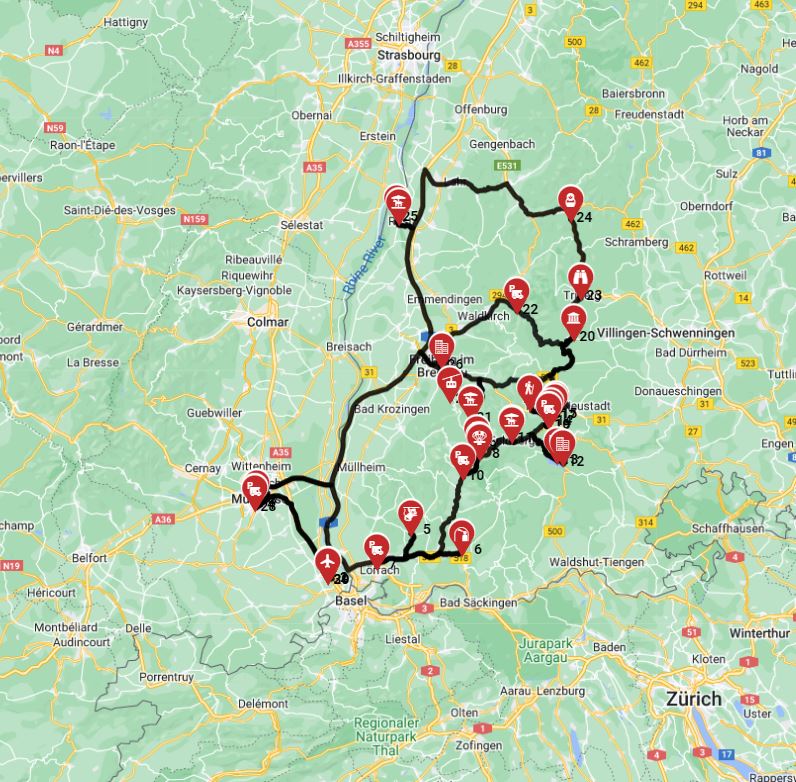
- Alsace Wine Route in Winter: Explore charming, half-timbered villages along the Alsace Wine Route in France, especially magical when dusted with snow and lit up for Christmas.
- Belgian & Dutch City Exploration: Drive to historic cities like Bruges, Ghent, or Amsterdam, parking at city-edge campsites and using public transport to explore cobblestone streets, canals, and museums with fewer tourists.
- Black Forest Road Trip, Germany: Enjoy the serene, snow-covered pine forests, picturesque villages, and thermal baths along the Schwarzwaldhochstraße (B500), a famous scenic route that offers stunning winter beauty.
Final Thoughts
Venturing through West Europe in a rented RV during winter offers an extraordinary travel experience, filled with unique charm and memorable moments. From navigating snowy mountain passes to discovering twinkling city lights, the freedom of a motorhome allows you to immerse yourself deeply in the region's diverse culture and stunning landscapes at your own pace. Remember, preparation is key, but with careful planning and the right vehicle, you'll be well-equipped to handle any road conditions and restrictions.
At Bandana RV, we're dedicated to supporting you every step of the way, ensuring your booking process is transparent and hassle-free. We want you to focus on the adventure, knowing all the details are taken care of. So, embrace the winter wonderland, pack your bags, and get ready to create incredible memories on your West European RV journey.
Ready to discover your perfect winter getaway? Find winter RV rentals in West Europe and start comparing prices today!