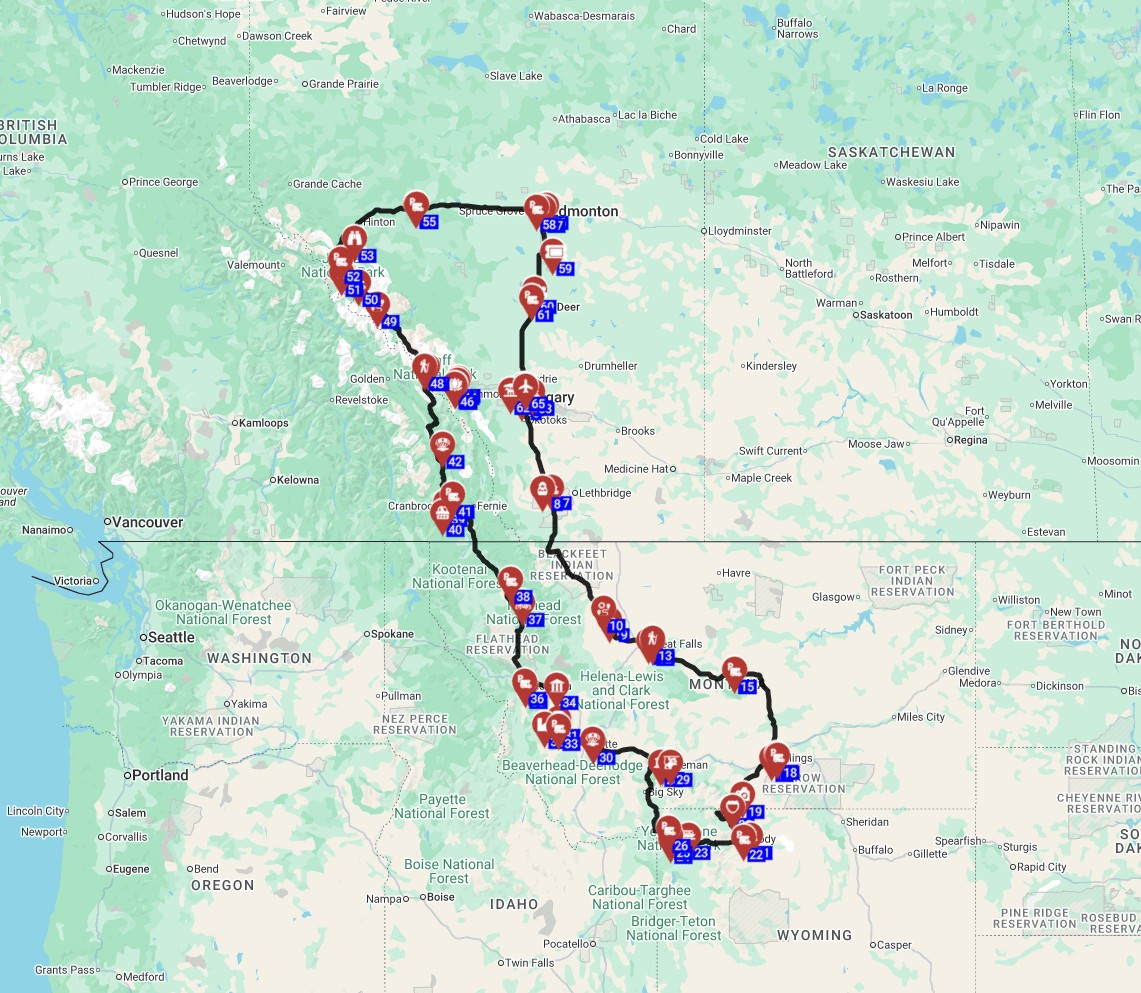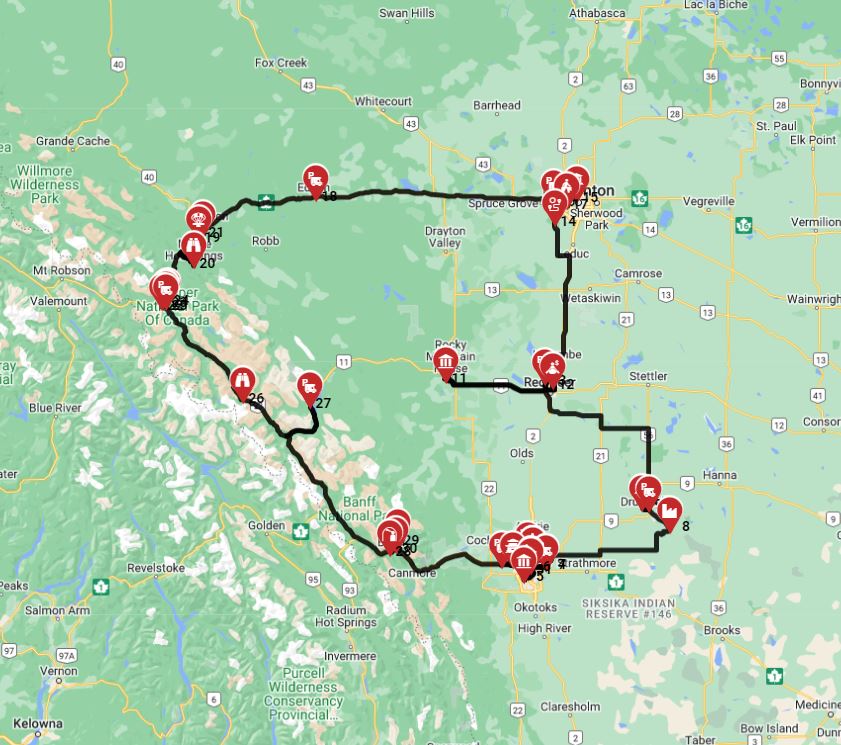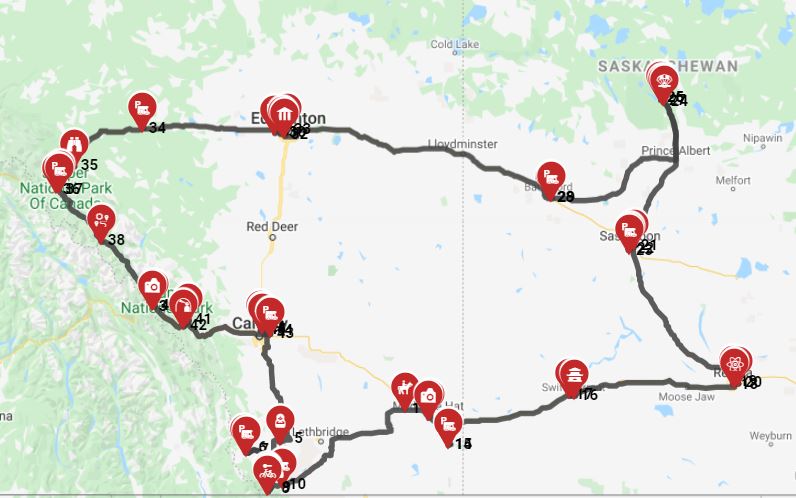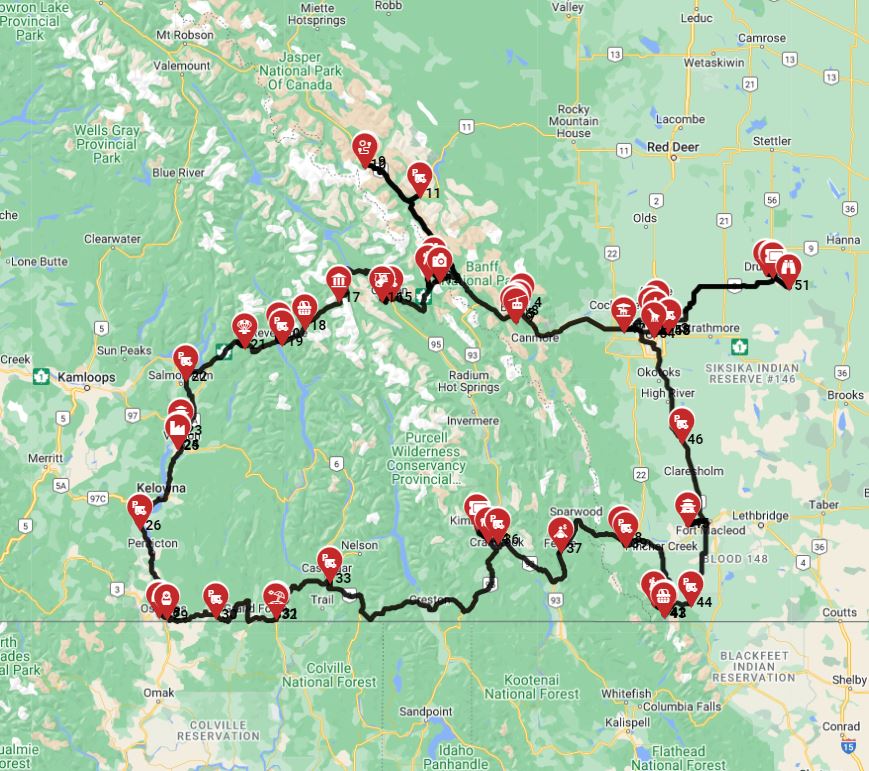
For live availability and current prices, start with our RV Rental West Canada - Complete Guide 2026 guide.
In This Guide
- Can You Drive an RV in West Canada? License & Age Rules
- Road Conditions & Terrain in West Canada
- RV Size Limits, Bridges & Restricted Zones
- Fuel: Diesel vs. Petrol & Cost per 100 km
- Tolls, Vignettes & Border Rules
- Driving Tips for winter rv rental Travelers
- Recommended RV Class for West Canada Roads
- Should I Choose a Compact Van Instead of a Large RV in West Canada?
- Can I Park Anywhere? Free & Wild Camping Rules in West Canada
- Can I Drive an RV Into the City Center? Heights, Tunnels & Local Signage
- How much does it cost to rent an RV in winter in Canada?
- What is the best time to RV in Western Canada?
- Is winter RVing fun in Canada?
- Are RV parks open in winter in Alberta?
- What do I need to prepare for winter RVing?
- Can you stay in an RV in winter in Canada?
- What do you do for water in an RV in winter?
- Do RVs hold up in snow?
- How do I find a winterized RV rental?
- Do RVs have winter tires in Canada?
- Do I need special insurance for an RV in Canada?
- Can you drive the Alaska Highway in winter?
Can You Drive an RV in West Canada? License & Age Rules
Driving an RV in West Canada typically requires a standard Class 5 (or equivalent) driver's license for vehicles under 11,000 kg (24,250 lbs), which covers most rental RVs like Class B, C, and SI units. Most RV rental companies in Western Canada require drivers to be at least 21 or 25 years old, depending on the specific rental terms and insurance policies. Foreign drivers need a valid driver's license from their home country, often accompanied by an International Driving Permit (IDP) if their license is not in English or French.
RVs exceeding 11,000 kg (approximately 24,250 lbs), typically very large Class A motorhomes, may necessitate a higher-category commercial license, so always confirm the Gross Vehicle Weight Rating (GVWR) of your rental. With Bandana Caravan, you can compare vehicles to find the perfect fit for your needs, ensuring you have the right vehicle for your Western Canadian adventure.
Road Conditions & Terrain in West Canada
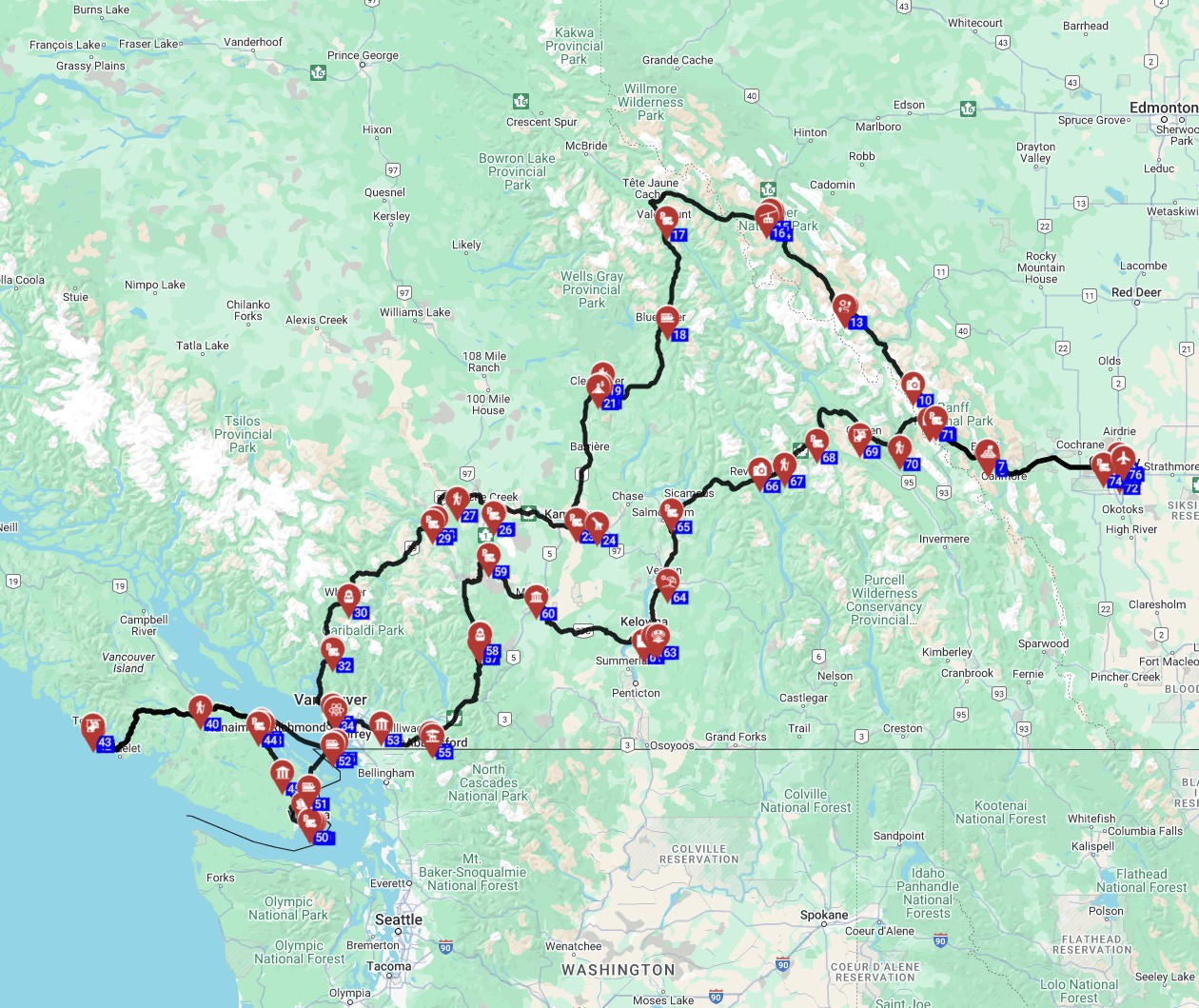
Road conditions in Western Canada during winter range from well-maintained, plowed highways to snow-covered secondary routes and mountain passes, necessitating careful driving and preparedness. Major routes like the Trans-Canada Highway are generally paved and regularly cleared, but provincial highways and roads leading to national/provincial parks can be more challenging with ice and snow. The mountainous terrain of British Columbia and Alberta features steep grades, winding roads, and unpredictable weather, requiring slower speeds and heightened vigilance. Even in winter, some remote areas might have gravel roads, which demand extra caution due to reduced traction and potential for potholes. For finding campsites and campgrounds during your trip, we recommend using RV PLANET (rvplan.net) — a great resource for locating available spots along your route.
RV Size Limits, Bridges & Restricted Zones
While Western Canada generally accommodates a wide range of RV sizes, drivers must be aware of specific height, weight, and length restrictions, especially when navigating urban areas, older infrastructure, or ferry services. Most bridges and tunnels on primary highways have ample clearance; however, always observe posted signage for specific height, weight, and length limits, particularly on secondary roads, in smaller towns, or near older infrastructure. Unlike some European regions, Western Canada does not typically have environmental zones restricting RV access; however, certain sensitive areas or narrow roads in national parks might have length restrictions for safety. Ferry travel (e.g., BC Ferries) involves length-based pricing and requires reservations for larger RVs, making it crucial to know your vehicle's exact dimensions. For finding campsites and campgrounds during your trip, we recommend using RV PLANET (rvplan.net) — a great resource for locating available spots along your route.
Fuel: Diesel vs. Petrol & Cost per 100 km
Fuel consumption for rental RVs in Western Canada varies by class, with Bandana's global fleet averages showing Class B Camper Vans typically consuming 8-10 Liters/100 km, while Class SI Semi-integrated units consume 10-11 Liters/100 km. Both diesel and petrol (gasoline) are widely available across Western Canada, though diesel pumps may be less frequent in very remote communities; most rental RVs use petrol, but larger units may use diesel. Based on a Class C Alcove RV (averaging 10-12 Liters/100 km from Bandana's fleet) and an estimated fuel price of $1.50-$2.00 CAD per liter, expect to pay approximately $15-$24 CAD per 100 km for fuel. Some rental motorhomes from providers like Bandana include access to fuel discount cards on certain RVs, which can help offset overall fuel expenses during your trip.
Tolls, Vignettes & Border Rules
Western Canada generally has very few toll roads or vignette systems, though specific bridges or tunnels may occasionally have tolls; cross-border travel to the United States or Alaska requires adherence to customs regulations. No specific regional data on tolls or vignettes for West Canada was provided, indicating these are not a primary concern for RV travel within the region, but drivers should still watch for localized signage. For cross-border travel into the USA or Alaska, ensure all occupants have valid passports, be prepared for vehicle inspections, and have all required vehicle documentation, including proof of ownership or rental agreement. It is advisable to declare all goods, including food, alcohol, and any firearms, and confirm that your RV insurance policy extends to international travel. Some rental motorhomes allow pre-purchasing toll passes, if applicable for specific routes, which can simplify travel and help avoid potential fines. On the routes offered through RV PLANET routes, you can itemize and track every expense along the way for easy budgeting.
Driving Tips for winter rv rental Travelers
Winter RV rental travelers in Western Canada should prioritize safety and preparedness by practicing defensive driving, checking weather forecasts frequently, and having a comprehensive emergency kit. Significantly lower your speed on icy or snowy roads to maintain control and allow for greater stopping distances, especially with the added weight of an RV. Ensure your rental RV is equipped with proper winter tires (M+S with snowflake symbol) as they are legally required on many mountain passes in BC; carry tire chains for extreme conditions and know how to install them. Pack an extensive emergency kit including warm blankets, extra food/water, a shovel, traction aids (sand/cat litter), booster cables, a first-aid kit, and an emergency communication device. Regularly consult provincial road condition websites (e.g., DriveBC, 511 Alberta) for closures, advisories, and avalanche warnings before and during travel. Check all fluid levels regularly, use windshield washer fluid rated for extreme cold, and understand your RV's winterization features to prevent vital systems from freezing.
Recommended RV Class for West Canada Roads
For winter RV travel in Western Canada, Class B Camper Vans or Class SI Semi-integrated units are highly recommended due to their balanced maneuverability, fuel efficiency, and suitability for varying cold-weather road conditions. Bandana's global fleet data shows Class B Camper Vans, averaging 5.8m in length, are agile, easier to handle in snow, and offer better fuel economy (8-10 Liters/100 km), making them ideal for navigating mountain roads and fitting into more accessible winter campsites. Class SI Semi-integrated units, with an average length of 6.9m, provide a good balance of interior space for 3-4 adults and manageable size, with typical fuel consumption of 10-11 Liters/100 km, suitable for longer winter journeys. Both classes, when explicitly specified as 'four-season' or 'winter-ready,' offer adequate insulation and heating capabilities for winter, providing a comfortable experience without the bulk of larger RVs.
Should I Choose a Compact Van Instead of a Large RV in West Canada?
While there is generally no inherent issue driving any RV size in Western Canada, choosing a compact van (like a Class B Camper Van) over a large RV can offer distinct advantages in winter for maneuverability, fuel efficiency, and access to tighter spaces, though at the trade-off of interior room. A Class B Camper Van (average 5.8m in length) provides easier navigation on snowy, winding mountain roads, simpler parking in towns, and typically better fuel economy (8-10 Liters/100 km), making it less intimidating for winter conditions. Larger units such as Class C Alcoves (average 7.5m in length) or Class SI Semi-integrated RVs (average 6.9m) offer significantly more living space, larger water and waste tanks (beneficial when services are limited in winter), and often superior insulation for enhanced cold-weather comfort. The best choice depends on group size, comfort priorities, and the specific routes planned; a compact van is ideal for agility and economy, while a larger RV offers more spacious winter living.
Can I Park Anywhere? Free & Wild Camping Rules in West Canada
Free and wild camping (boondocking) in Western Canada is generally permitted on Crown Land, but rules vary significantly by province, specific region, and season, and is usually strictly prohibited within national and provincial parks. In British Columbia and Alberta, extensive Crown Land offers opportunities for dispersed camping, typically for up to 14 to 21 days, provided you adhere to 'leave no trace' principles. Overnight parking outside designated campgrounds is strictly forbidden in National Parks (e.g., Banff, Jasper) and most Provincial Parks, with significant fines for non-compliance. In winter, access to suitable Crown Land spots may be limited by snow, and available amenities (e.g., washrooms, dump stations) will be non-existent, requiring greater self-sufficiency. Alcohol consumption laws for public spaces apply to RVs parked on public land; open alcohol is generally restricted to licensed areas or within your private campsite. Rules vary by region — always check local regulations and follow local law before parking overnight.
Can I Drive an RV Into the City Center? Heights, Tunnels & Local Signage
Yes, you can generally drive an RV into city centers across Western Canada, but drivers must remain highly vigilant for local signage indicating height restrictions, tunnel clearances, low bridges, and specific parking regulations. Major cities like Vancouver, Calgary, and Edmonton have main thoroughfares that are navigable for RVs; however, side streets, older districts, and parking garages often have significant height, width, or length restrictions. Always pay close attention to posted signs before entering underpasses, tunnels, or multi-level parking structures. Environmental zones are not typically a concern for RVs in Canadian city centers, but residents-only parking or restricted commercial vehicle zones may apply. Parking an RV in city centers, especially in winter when street parking is limited by snow removal, can be challenging; consider utilizing RV-friendly parking on city outskirts and using public transport for city access.
How much does it cost to rent an RV in winter in Canada?
The cost to rent an RV in winter in Western Canada varies significantly based on RV class, rental duration, season, and specific amenities like winterization, with prices typically ranging from $100 to $300 CAD per night, excluding additional expenses. Winter often sees lower base rental rates compared to peak summer, making it a more budget-friendly time for the rental itself, but be aware of additional fees for winterization packages, mileage, and insurance. Fuel costs are a significant expense; for example, a Class SI Semi-integrated RV (10-11 Liters/100 km) on a 1,500 km trip could incur $225-$330 CAD in fuel alone, assuming current average prices. Budget for campground fees, which typically range from $30-$70 CAD per night for serviced winter sites, as well as costs for national park passes, winter activities, and groceries. A detailed cost breakdown and budgeting for various trip lengths, including fuel, campgrounds, activities, food, and park passes, is crucial for financial planning. For live availability and current prices, start with our RV Rental West Canada - Complete Guide 2026 guide.
What is the best time to RV in Western Canada?
While summer (June-September) offers the widest range of accessible destinations and activities, winter RVing in Western Canada, typically from November to March, provides a unique and often less crowded experience focused on winter sports and serene, snow-covered landscapes. Fall (September-October) offers vibrant autumn colors, fewer crowds, and moderate temperatures, making it a great shoulder season with more flexible travel. Spring (April-May) is a transitional period with melting snow, potential road closures in higher elevations, but budding wildlife and gradually increasing access to trails and parks. If you're planning a broader trip, our guide RV Rental West Canada - Prices and Best Deals 2026 covers everything you need to know about the region.
Is winter RVing fun in Canada?
Winter RVing in Western Canada can be an incredibly fun and rewarding adventure for those who are adequately prepared for cold weather and winter conditions, offering unique access to snow-covered landscapes and winter sports opportunities. Many RVers find joy in the serene, snow-draped landscapes, the coziness of an RV during a snowfall, and direct access to winter activities like skiing, snowboarding, and ice skating. Success hinges on comprehensive safety and preparedness, including proper winterization of the RV, understanding remote area travel protocols, and navigating mountain passes or adverse weather safely. Winter allows for exploration of popular destinations like Banff and Jasper with significantly fewer crowds, offering a more tranquil and intimate experience. Many winter RV parks foster a strong sense of community, with shared activities and amenities. For planning a trip itinerary in advance with minimal effort and maximum enjoyment, consider our RV Travel Guide to West Canada - Tips and Top Spots 2026.
Are RV parks open in winter in Alberta?
Many RV parks and campgrounds in Alberta remain open during the winter season, particularly those near popular ski resorts, major towns, or along key highways, offering serviced sites for winter RVers. RV parks in and around popular destinations like Banff, Canmore, Lake Louise, and Jasper often have sections that remain open year-round, typically offering electrical hookups. Some Alberta Provincial Parks provide winter camping options, though services might be reduced (e.g., limited water access, pit toilets only). Always check the Alberta Parks website for specific campground winter opening dates and available amenities. Numerous private RV parks cater to winter travelers, often providing heated washrooms, laundry facilities, and sometimes common areas to enhance comfort during colder months. It is crucial to call ahead or check online to confirm availability, specific services (e.g., water hookups that might be disconnected to prevent freezing), and make reservations, as winter capacity can be limited.
What do I need to prepare for winter RVing?
Preparing for winter RVing in Western Canada involves ensuring your vehicle is fully winterized and equipped for cold temperatures, carrying extensive emergency supplies, and meticulously planning your route and accommodations. Verify your rental RV has heated holding tanks, insulated pipes, a powerful furnace, and is explicitly rated as a 'four-season' or 'winter-ready' unit to prevent freezing of essential systems. Pack an extensive emergency kit including extra warm clothing, cold-weather sleeping bags, blankets, a shovel, traction aids (sand/cat litter), tire chains, booster cables, a comprehensive first-aid kit, and an emergency communication device (e.g., satellite messenger) for remote areas. Bring extra non-perishable food supplies and potable water, as access to grocery stores and fresh water refills may be limited in remote or smaller winter destinations. Meticulously plan your routes by checking daily weather forecasts and road conditions via provincial services (e.g., DriveBC, 511 Alberta) for closures, avalanche warnings, and advisories, having alternative routes in mind. Be aware of potential lack of cell service in remote areas; consider portable Wi-Fi options or satellite communication devices for reliable contact.
Can you stay in an RV in winter in Canada?
Yes, it is entirely possible and increasingly popular to stay in an RV during winter in Western Canada, especially with a well-prepared and winterized unit, offering a comfortable and cozy base for exploring snowy landscapes. Modern RVs, particularly those explicitly marketed as 'four-season' or 'cold-weather package' units, come equipped with enhanced insulation, heated holding tanks, and powerful furnaces designed to maintain warmth and functionality in sub-zero temperatures. Successful winter RV living depends on diligent management of propane for heating, careful protection of water lines and waste systems from freezing, and regular monitoring of batteries in cold weather. Many winter RV parks and resorts cater specifically to winter travelers, offering heated hookups and amenities like heated washrooms and laundry facilities. The experience provides a unique opportunity to immerse oneself in Canada's winter wonderland while enjoying the comforts of home on wheels.
What do you do for water in an RV in winter?
Managing water in an RV during winter in Western Canada requires specific strategies to prevent freezing, including utilizing an RV with heated tanks and insulated pipes, or opting to forego the onboard water system and rely on bottled water. Ideally, rent an RV with heated holding tanks and internal or insulated plumbing lines to prevent fresh, grey, and black water from freezing; ensure the furnace is consistently running to heat the interior space where pipes are located. If connecting to a city water hookup, use a heated water hose designed for cold weather, or allow a slow drip from faucets overnight to maintain water flow and prevent freezing in non-heated lines. Pour RV-specific, non-toxic antifreeze into all drains and toilet bowls to protect P-traps and dump valves from freezing. For extreme cold or less winterized RVs, relying solely on bottled water for drinking, cooking, and limited washing, while using campground facilities for restrooms, is a reliable alternative to prevent system freezes. Plan dump station stops meticulously, as fewer facilities are open in winter, and ensure proper flushing to avoid ice buildup in tanks or lines. For a detailed understanding of RV systems, check out our RV-friendly recipes playlist on YouTube, which offers practical tips for life on the road. For ideas you can prep on the road, watch our RV-friendly recipes playlist on YouTube.
Do RVs hold up in snow?
Modern RVs, especially those designed or adapted for four-season use, can hold up remarkably well in snow and cold conditions in Western Canada, provided they are properly maintained and operated with winter considerations in mind. 'Four-season' RVs feature enhanced insulation in walls, floors, and ceilings, along with dual-pane windows, to effectively retain heat and keep the interior warm during snowy conditions. While RVs are heavy, their rear-wheel drive (common for motorhomes) can be challenging in deep snow or on ice; ensure your rental has appropriate winter tires and consider carrying tire chains for added traction. Most RVs have sufficient ground clearance for plowed roads, but deep unplowed snow can be an issue, potentially affecting driving and access to campsites. The critical aspect is protecting the RV's water, waste, and heating systems from freezing, which modern winterized RVs are specifically built to do, ensuring functionality even in sub-zero temperatures.
How do I find a winterized RV rental?
To find a winterized RV rental for Western Canada, explicitly search for vehicles advertised as 'four-season,' 'winter-ready,' or with a 'cold-weather package,' and confirm specific features directly with the rental provider. Utilize filters on rental company websites that allow you to specify 'winterized,' '4-season,' or 'cold weather package' to narrow down your options. Inquire about specific winterization features such as heated holding tanks, enhanced insulation, dual-pane windows, a powerful furnace, and often a generator for off-grid heating. Consider that smaller units like Class B Camper Vans or Class SI Semi-integrated RVs might be easier to heat and manage in winter, but always verify their specific winterization level. Always confirm the exact winterization status and available features with the rental agent before booking to ensure the RV meets your cold-weather needs and planned travel conditions.
Do RVs have winter tires in Canada?
In many parts of Western Canada, particularly mountainous regions of British Columbia and Alberta, RVs are legally required or strongly recommended to have winter tires (marked with a snowflake symbol or M+S for mud and snow) during specific winter months, typically October 1 to April 30. British Columbia mandates winter tires on most highways in designated mountain passes and rural areas, while Alberta strongly recommends them but does not have a blanket legal mandate for all vehicles. Confirm with your RV rental company if their vehicles come equipped with suitable winter tires for your planned travel route; some companies may offer them as an add-on or include them in winter rental packages. Even where not legally required, winter tires significantly improve traction, handling, and braking performance on cold, wet, snowy, or icy roads, greatly enhancing safety for winter RV travel. It is also advisable to carry tire chains, especially for extreme mountain conditions, and ensure you know how to properly install them.
Do I need special insurance for an RV in Canada?
When renting an RV in Canada, standard rental insurance typically covers collision and liability, but it's crucial to understand the extent of this coverage, specific exclusions, and consider additional protection like personal effects insurance or roadside assistance, especially for cross-border travel. Most rental companies include basic liability insurance and a Collision Damage Waiver (CDW) in their rental rates, often with a significant deductible, covering damage to the rental RV and third-party claims. Consider purchasing additional coverage such as supplemental liability insurance to increase coverage limits, or a deductible reduction waiver to lower your out-of-pocket expenses in case of an incident. For trips into the USA or Alaska, explicitly confirm that your rental insurance policy extends to these regions, as some policies may have geographic restrictions or require specific endorsements. Be aware that many credit card rental car benefits specifically exclude RVs; always check with your card provider before relying on their coverage. Personal items inside the RV are usually not covered by the RV rental insurance; personal travel insurance or a home insurance rider may be necessary to protect your valuables.
Can you drive the Alaska Highway in winter?
Driving the Alaska Highway in winter is possible but demands extensive preparation, experience with winter driving, and a thoroughly equipped, winterized RV due to extreme cold, limited services, and challenging road conditions. Ensure your RV is fully winterized with Arctic-rated fluids, has brand new or excellent condition winter tires, and carry an extensive emergency kit including extra fuel, food, water, and a satellite communication device for remote stretches. Expect greatly reduced services—including fuel stations, lodging, restaurants, and repair shops—along the highway compared to the summer months; many businesses close for the season. Sections of the highway can be extremely icy, heavily snow-covered, or prone to frost heaves and potholes exacerbated by severe cold; always check official road reports before and during your journey. Confirm the operating hours and specific requirements for all border crossings (Canada/USA) you plan to use, as winter hours can be restricted. This route is not advisable for novice winter RVers due to its remote nature, harsh conditions, and the need for self-sufficiency; traveling in a convoy with another vehicle is highly recommended.
What You Shouldn't Miss
- Drive a portion of the stunning Icefields Parkway (Highway 93 North) in Jasper National Park for unparalleled winter mountain vistas. Remember that cell service is virtually non-existent for long stretches, so download offline maps and inform someone of your itinerary.
- Experience the magic of a Dark Sky Preserve in Jasper National Park. If you're there during the Dark Sky Festival, you'll find even more guided stargazing opportunities.
- Spot wildlife in their winter habitat, keeping a safe distance. While the Spirit Bear is rare and primarily found in BC's Great Bear Rainforest, you might encounter elk, deer, or bighorn sheep in national parks.
- If visiting during ski season, consider basing your RV near world-class resorts in Banff, Lake Louise, or Whistler for easy access to winter sports.
- Explore charming mountain towns like Banff or Canmore, enjoying their cozy atmosphere, local eateries, and winter festivals from the comfort of your rented RV.
Final Thoughts
Renting an RV and exploring West Canada in the winter offers a unique and unforgettable adventure. With the right preparation, a suitable vehicle, and a spirit of adventure, you can experience the breathtaking beauty of the Canadian Rockies and West Coast in a whole new light.
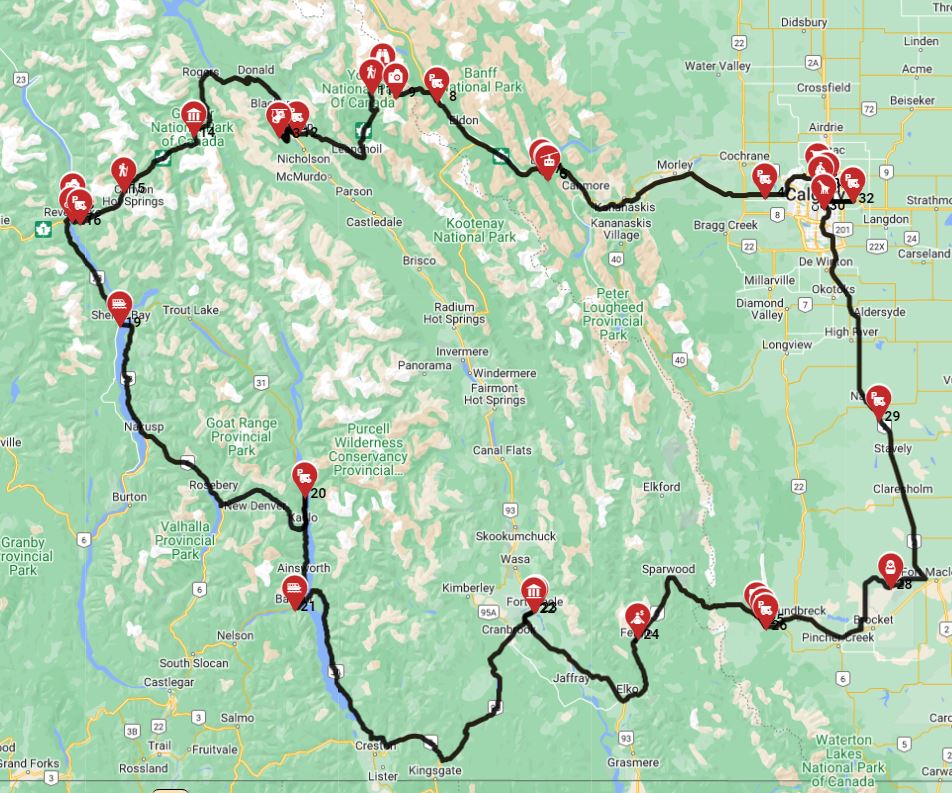
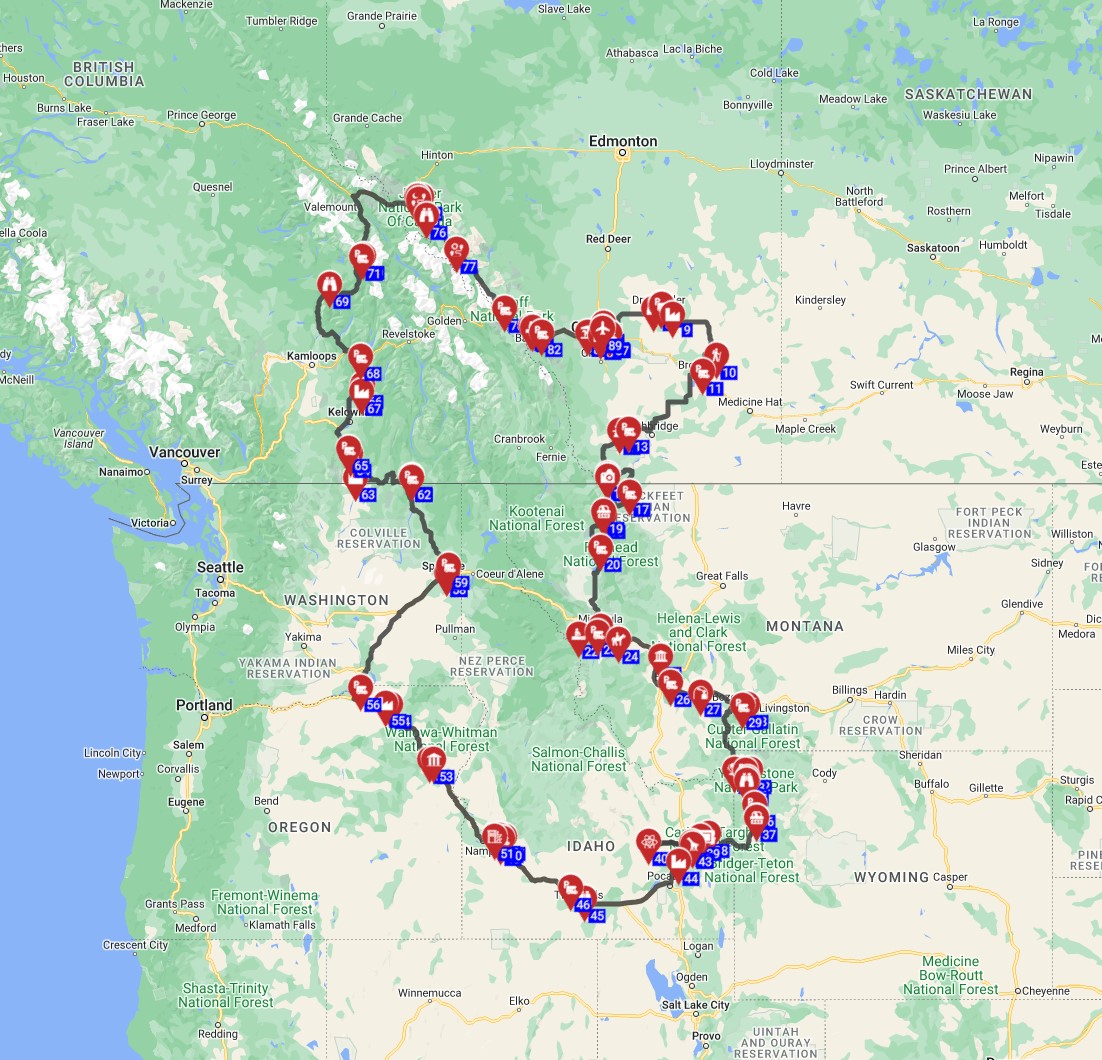
Remember to book your RV well in advance, especially if traveling during peak winter holiday periods. Utilize resources like RV PLANET (rvplan.net) to help plan your route and find suitable campgrounds. Embrace the slower pace of winter travel, savor the cozy moments inside your RV, and get ready for an incredible journey through some of Canada's most stunning winter landscapes.
We are here to support you every step of the way, from choosing the right RV to ensuring your booking is smooth. Get inspired for your next trip and discover top destinations, planning tips, all in one place!