In This Guide
- Can You Drive an RV in Sweden? License & Age Rules
- Road Conditions & Terrain in Sweden
- RV Size Limits, Bridges & Restricted Zones
- Fuel: Diesel vs. Petrol & Cost per 100 km
- Tolls, Vignettes & Border Rules
- Driving Tips for winter rv rental Travelers
- Recommended RV Class for Sweden Roads
- Should I Choose a Compact Van Instead of a Large RV in Sweden?
- Can I Park Anywhere? Free & Wild Camping Rules in Sweden
- Can I Drive an RV Into the City Center? Heights, Tunnels & Local Signage
- What are the essential tips for winter RVing in Sweden?
- What are the mandatory winter RV requirements in Sweden?
- How much does a winter RV trip in Sweden cost?
- How can I stay connected while RVing in Sweden?
- How to dispose of waste responsibly with an RV in Sweden?
- Is Sweden RV-friendly for travelers with disabilities?
Can You Drive an RV in Sweden? License & Age Rules
Yes, you can drive an RV in Sweden with a valid national driver's license. For RVs weighing up to 3,500 kg, a standard B driving license is sufficient. If your chosen motorhome exceeds this weight limit, you'll need a higher license category such as C1 or C. Rental companies typically require drivers to be at least 21 years old, with some specifying a minimum age of 25 for larger motorhome classes, regardless of the legal minimum age of 18 for driving in Sweden. For drivers with licenses issued outside the EU/EEA, an International Driving Permit (IDP) is recommended for clarity, though not always mandatory.
Road Conditions & Terrain in Sweden
Sweden offers a well-maintained road network, encompassing everything from major motorways to unpaved or gravel roads, particularly in rural and northern areas. The terrain varies significantly, from the flatter landscapes of the south to the forested hills and mountainous regions of the north, providing diverse driving experiences. However, during winter, expect frequent snow, ice, and reduced visibility, making cautious and slower driving essential. Many roads, especially in remote locations, are designed for scenic appreciation rather than high-speed travel, so it’s best to adopt a relaxed pace.
RV Size Limits, Bridges & Restricted Zones
While most Swedish roads accommodate standard RV sizes, drivers must always pay attention to local signage indicating height and weight restrictions, particularly for older bridges and tunnels. Some city centers, like Stockholm and Gothenburg, have environmental zones (miljözoner) that primarily affect older, heavier vehicles; however, most modern RVs comply with these regulations. Be aware that ferry services to islands or across lakes often have specific size categories that can influence booking and pricing. Always be vigilant for low bridge clearances and narrow passages, especially when navigating historic towns or rural villages.
Fuel: Diesel vs. Petrol & Cost per 100 km
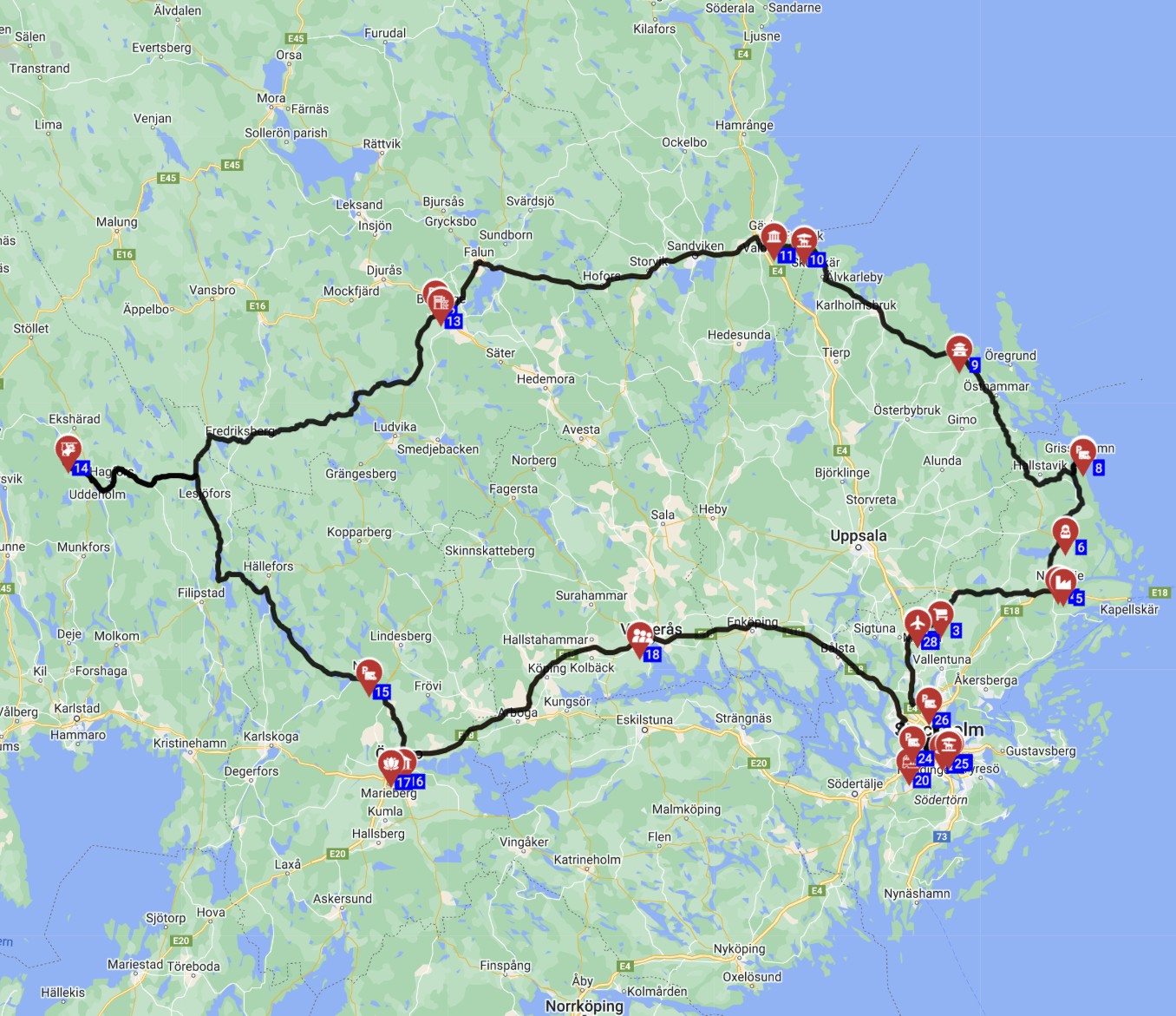
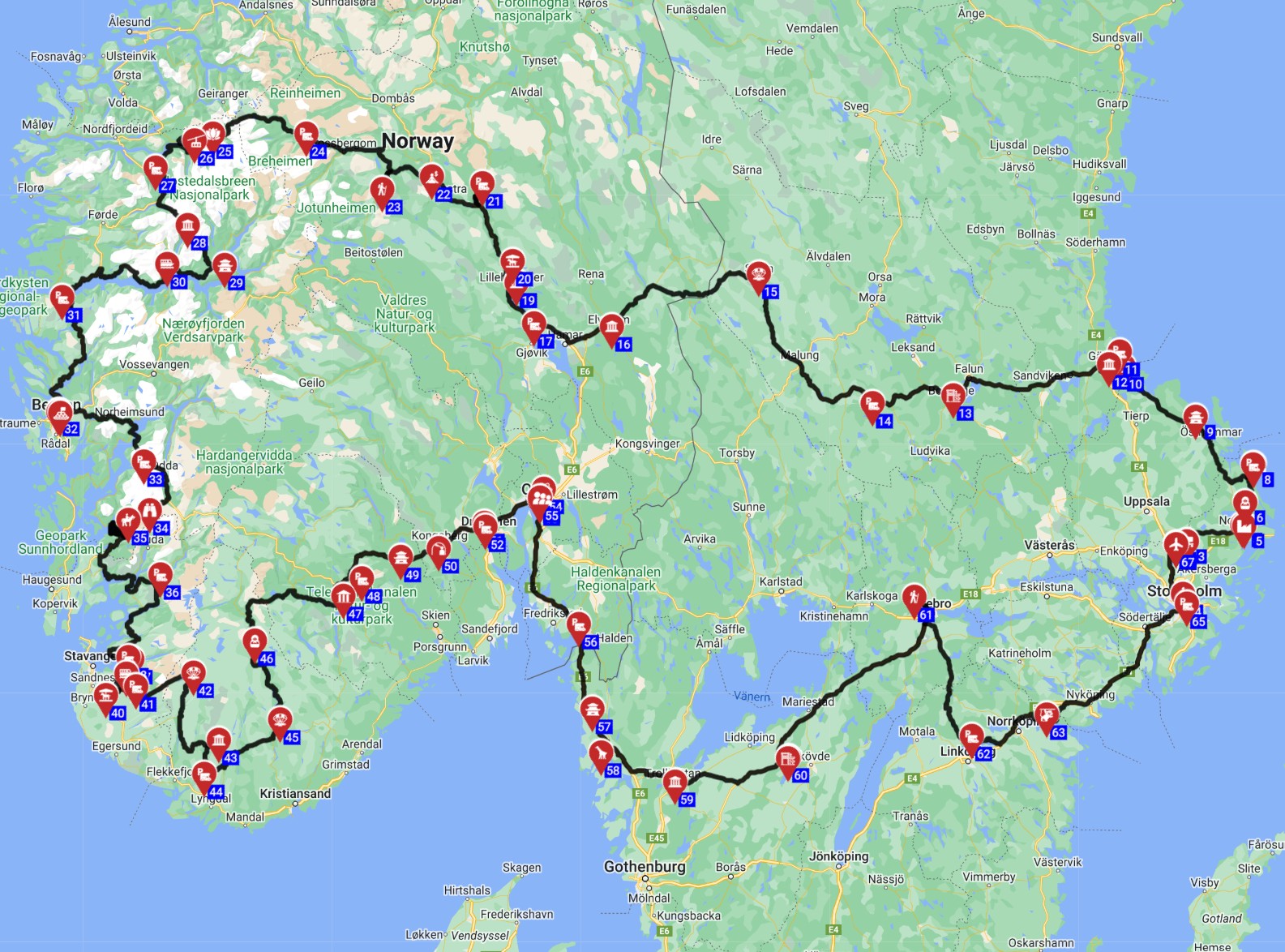
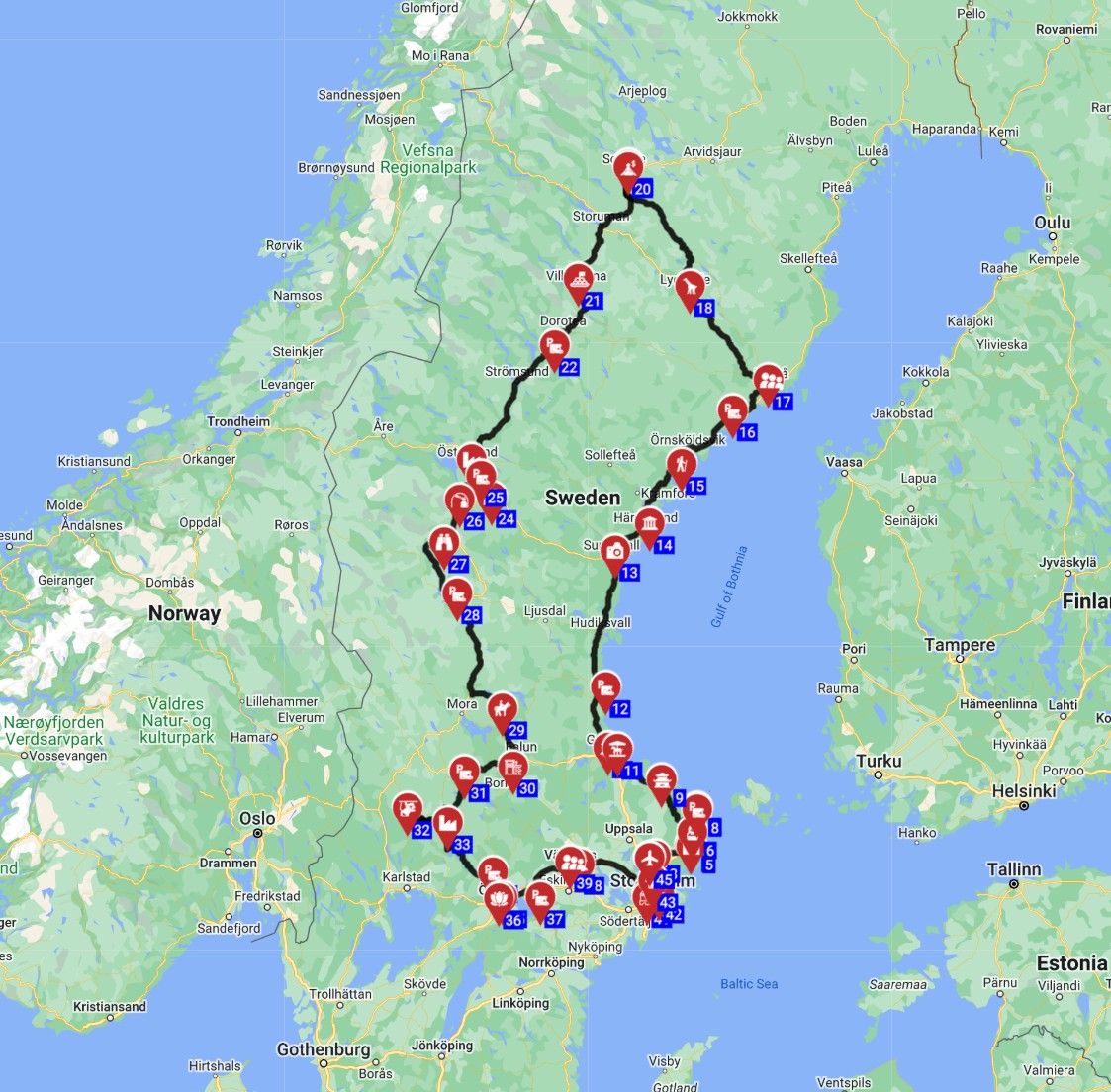
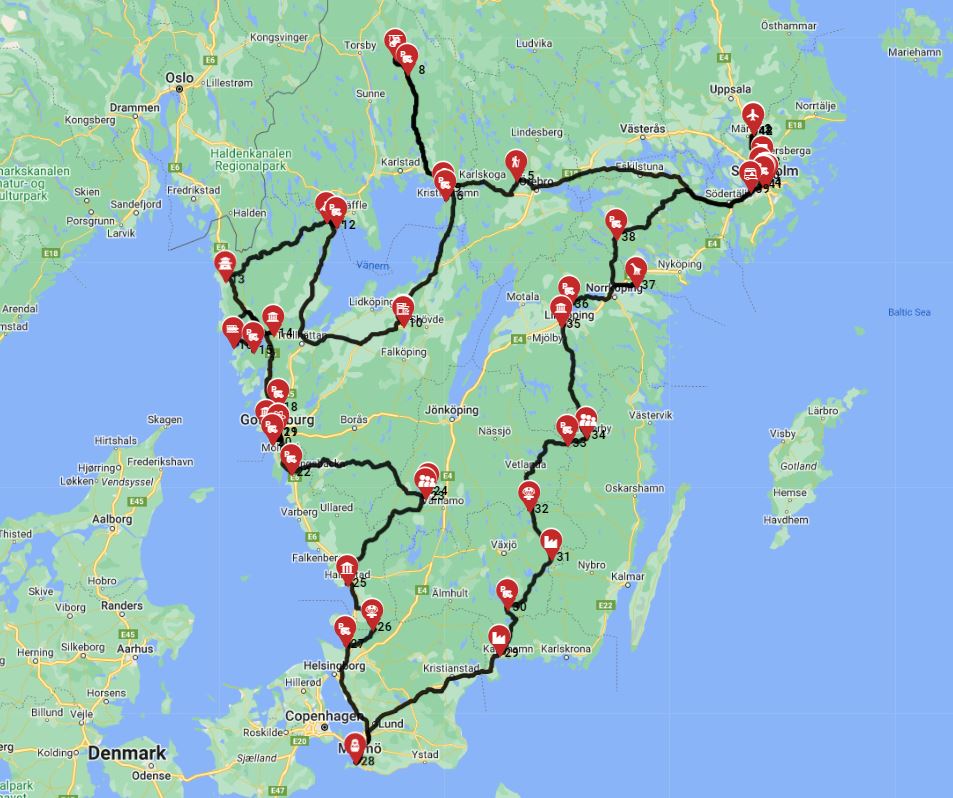
The majority of RVs in Bandana's fleet utilize diesel, which is readily available at service stations throughout Sweden. Based on global fleet averages, fuel consumption for RVs typically ranges from 8-17 Liters per 100 km, depending on the RV class. For instance, Class B Camper Vans generally consume 8-10 L/100 km, while larger Class C Alcove RVs may use 10-12 L/100 km. Fuel prices can fluctuate, so budgeting around 10-12 Liters per 100 km offers a practical estimate for many RVs. Some rental providers may offer fuel discount cards to help manage these costs. On the routes offered through RV PLANET routes, you can itemize and track every expense along the way for easy budgeting.
Tolls, Vignettes & Border Rules
Sweden utilizes congestion charges in the central areas of Stockholm and Gothenburg, as well as tolls on specific bridges, such as the Öresund Bridge connecting to Denmark and the Sundsvall Bridge. Unlike some European countries, Sweden does not require a national vignette system for RVs. Tolls are often managed via camera systems, with invoices typically sent to the vehicle owner or handled directly by the rental company. Crossing into neighboring countries like Norway may involve different toll systems and regulations, so it's wise to check these beforehand. Some rental providers offer options for pre-purchasing toll passes to streamline your journey and avoid potential fines.
Driving Tips for winter rv rental Travelers
Mandatory Winter Tires: From December 1st to March 31st, and whenever winter conditions persist, ensure your rented RV is equipped with approved studded or non-studded winter tires.
**Adapt to Conditions:** Always reduce your speed significantly on snow and ice, maintain extended braking distances, and be prepared for rapidly changing weather.
**Wildlife Awareness:** Drive cautiously, especially at dawn and dusk, as moose and reindeer are common and pose significant road hazards.
**Battery & Heating Management:** Prioritize keeping the RV interior warm and ensuring consistent power for heating systems to prevent freezing and maintain comfort.
**Plan Frequent Stops:** For longer journeys or if traveling with family, schedule regular breaks to combat driver fatigue and allow passengers to warm up.
Recommended RV Class for Sweden Roads
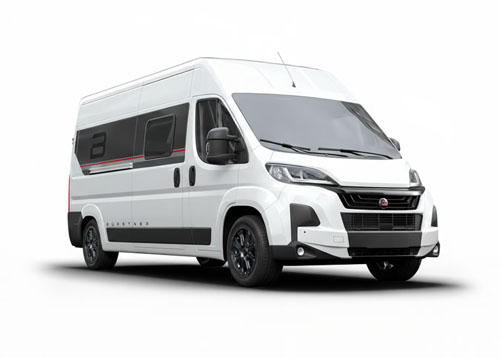
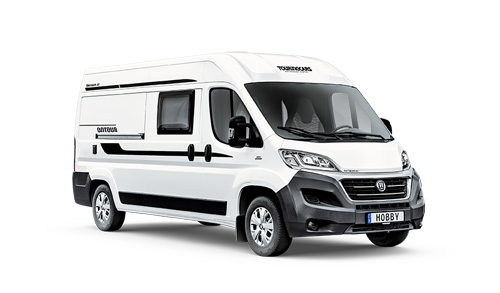
For winter RV travel in Sweden, the Class B (Camper Van) or Class SI (Semi-integrated) RVs are generally recommended due to their balance of maneuverability and cold-weather comfort. A Class B Camper Van, averaging about 5.8 meters in length, is ideal for navigating potentially snow-covered or narrower roads, offering good fuel efficiency (typically 8-10 Liters/100 km). The Class SI Semi-integrated RVs, averaging around 6.9 meters, provide more spacious interiors and amenities, suitable for extended trips while remaining manageable on most Swedish roads (consuming around 10-11 Liters/100 km). While larger Class C (Alcove, avg 7.5m) and Class A (Integrated, avg 7.5m) RVs offer ample living space, they can present more challenges on very icy or unplowed secondary routes.
Should I Choose a Compact Van Instead of a Large RV in Sweden?
While compact vans offer superior agility for tight city parking and navigating very narrow rural paths, larger RVs generally provide the comfort and amenities essential for winter conditions in Sweden. A compact van's smaller footprint can make it easier to maneuver through historic centers and is more fuel-efficient, appealing to solo travelers or couples prioritizing agility. However, larger RVs offer more insulated living space, robust heating systems, and larger water/waste tanks, which are crucial for extended stays in colder climates. Given Sweden's well-developed infrastructure, most RV sizes are generally accommodated, making the decision often hinge on the desired balance between comfort and ultimate maneuverability. For winter RVing, the enhanced interior space and superior climate control of a larger RV frequently outweigh the marginal maneuverability benefits of a compact van.
Can I Park Anywhere? Free & Wild Camping Rules in Sweden
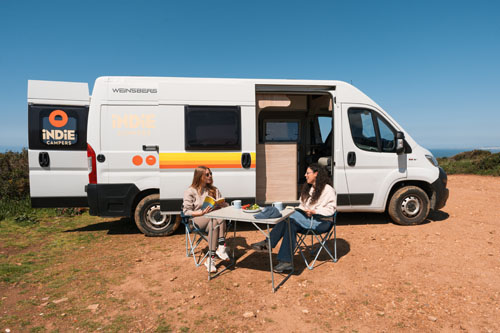
Sweden's "Allemansrätten" (Right of Public Access) grants considerable freedom to roam and wild camp, but specific rules and etiquette apply, particularly for RVs. Overnight parking with an RV is generally permitted for a night or two on public land, provided you do not disturb residents or damage the natural environment. It's important to avoid parking too close to private homes and to ensure your vehicle does not obstruct access roads. Fire restrictions are common, especially during dry periods or specific winter conditions, so always check local regulations before lighting any fires. Responsible waste disposal is paramount; all rubbish must be packed out, and grey/black water must only be emptied at designated 'latrintömning' stations or campsites. Remember that rules can vary by region, so always confirm local regulations and adhere to them before parking overnight.
Can I Drive an RV Into the City Center? Heights, Tunnels & Local Signage
RV drivers can generally navigate Swedish city centers, but it's crucial to remain vigilant for specific local signage concerning height, weight, and environmental restrictions. Pay close attention to clearly marked height limits on tunnels, bridges, and parking structures to prevent damage. Stockholm and Gothenburg operate congestion charge zones during peak hours, which are automatically applied to vehicles entering or exiting the inner city. Always look for signs indicating "Boendeparkering" (resident parking only) or other prohibitions that might restrict RV passage. While driving through most city centers is usually manageable, finding suitable and affordable parking for larger RVs can be challenging, often necessitating the use of peripheral parking solutions.
What are the essential tips for winter RVing in Sweden?
Preparing your RV for Swedish winter conditions is key. Thoroughly winterize the water system with appropriate antifreeze and confirm that your heating system (diesel or gas powered) is fully operational and adequately fueled. When driving on snow and ice, adopt defensive driving techniques: use smooth steering and braking, maintain generous braking distances, and be prepared for sudden weather changes. Stay alert for large wildlife, such as moose and reindeer, particularly at dawn and dusk, and reduce speed in marked wildlife zones. Carry essential emergency supplies, including extra warm clothing, a fully charged mobile phone, a shovel, and jump leads, and be familiar with Sweden's emergency number (112). Conserve onboard water by keeping the interior warm and using RV-specific antifreeze in waste tanks to prevent pipes from freezing.
What are the mandatory winter RV requirements in Sweden?
From December 1st to March 31st, it is legally mandatory for all RVs in Sweden to be fitted with approved winter tires, which can be either studded or non-studded, suitable for snow and ice conditions. While not a legal mandate for renters, ensuring the RV is fully winterized – meaning a functioning heating system and the use of antifreeze – is a critical practical requirement for comfort and safety. It's also advisable to confirm that your rental RV includes essential safety equipment like a warning triangle and reflective vest. Verify your rental insurance policy offers comprehensive coverage for winter-specific risks, including potential road assistance and weather-related damages. Finally, ensure you have the correct electrical adapters (standard European CEE 230V) and robust cables for potential shore power hook-ups in cold conditions.
How much does a winter RV trip in Sweden cost?
Winter RV rental fees in Sweden will factor in the cost of a vehicle specifically winterized and equipped with the mandatory snow tires. Fuel expenses are expected to be a significant portion of your budget, as fuel consumption can increase due to cold weather and the need for continuous heating (typically 8-17 Liters/100 km). Campsite costs generally range from SEK 250-500+ per night for powered pitches, which are often essential for maintaining RV heating and electricity during winter. Budget for additional expenses such as bridge tolls, potential ferry fees, winter activities like skiing or Northern Lights tours, and groceries. Comprehensive winter travel insurance is also a crucial consideration, covering potential roadside assistance and weather-related incidents.
How can I stay connected while RVing in Sweden?
For reliable mobile internet across most of Sweden, purchasing a local Swedish SIM card with a data package from providers like Telia or Tele2 is recommended. Mobile data coverage is generally excellent in populated areas and along main routes, though it can be less consistent in very remote northern regions. Many commercial campsites, especially those catering to winter travelers, offer Wi-Fi access, but the quality and speed can vary. If you plan to work remotely, consider a dedicated mobile hotspot device to establish a more reliable and private internet connection within your RV. Ensure you have adequate power solutions, such as inverters or power banks, to keep all your devices charged, particularly given the shorter daylight hours experienced in winter.
How to dispose of waste responsibly with an RV in Sweden?
Responsible waste disposal in Sweden is crucial for environmental protection. Always use designated 'latrintömning' stations for emptying black water tanks, which are available at most campsites, service stations, and municipal facilities. Grey water from sinks and showers must also be disposed of at these specified stations and never directly onto the ground to protect natural ecosystems. Embrace Sweden's strong recycling culture by sorting and disposing of solid waste in designated bins, and make a conscious effort to avoid littering in natural areas. Minimizing waste generation through thoughtful planning and the use of reusable items further supports Sweden's commitment to sustainability. Opt for biodegradable cleaning products and be mindful of water consumption to reduce your environmental impact and extend your tank capacity.
Is Sweden RV-friendly for travelers with disabilities?
Sweden generally demonstrates a strong commitment to accessibility, and many modern campsites offer accessible pitches, restrooms, and shower facilities for travelers with disabilities. While purpose-built accessible rental RVs are less commonly available, it's worth inquiring with specialized rental agencies for potential options. Sweden's main roads are well-maintained, contributing to a smoother driving experience for all travelers. For specific attractions or campsites, contacting them directly in advance is recommended to confirm their accessibility features and services. Many public buildings and amenities, particularly in larger towns, are designed with inclusivity in mind, reflecting Sweden's progressive approach to accessibility.
Final Thoughts
Renting an RV in Sweden for a winter adventure offers a unique way to experience the country's serene, snow-covered landscapes. By preparing adequately for the conditions and understanding the local driving regulations, you can embark on a safe and memorable journey. Remember to book your vehicle in advance, especially if you're planning a trip during peak winter months, to secure the best options.
Embrace the slow travel philosophy as you explore Sweden's beauty at your own pace. Take time to connect with the culture, savor the local cuisine, and truly immerse yourself in the stunning scenery. With the flexibility and freedom an RV provides, your winter road trip through Sweden promises to be an unforgettable experience.