In This Guide
- Can You Drive an RV in Scandinavia? License & Age Rules
- Road Conditions & Terrain in Scandinavia
- RV Size Limits, Bridges & Restricted Zones
- Fuel: Diesel vs. Petrol & Cost per 100 km
- Tolls, Vignettes & Border Rules
- Driving Tips for winter rv rental Travelers
- Recommended RV Class for Scandinavia Roads
- Should I Choose a Compact Van Instead of a Large RV in Scandinavia?
- Can I Park Anywhere? Free & Wild Camping Rules in Scandinavia
- Can I Drive an RV Into the City Center? Heights, Tunnels & Local Signage
- Is Norway RV friendly?
- Can you drive with all season tires in winter in Sweden?
- Is it safe to drive in Norway during winter?
- Is it legal to sleep in your car in Sweden?
- Is it safe to drive in Scandinavia during winter?
- What is the 3-3-3 rule for RV driving?
- How cold is too cold for an RV?
- Can I turn right on a red light in Norway?
- Can you park a campervan anywhere in Norway?
- What travel insurance do I need for Norway?
Can You Drive an RV in Scandinavia? License & Age Rules
Most drivers with a standard B license can operate RVs up to 3,500 kg (7,700 lbs) in Scandinavia, covering many popular rental models. However, larger RVs exceeding this weight may require a C1 or C license, so it's crucial to verify the Gross Vehicle Weight Rating (GVWR) of your chosen RV against your license category before your trip. Rental companies typically enforce a minimum driver age of 21, though some may require drivers to be 25, and you'll generally need to have held a valid driving license for at least 1-2 years. For international travelers, your national driver's license is usually sufficient, but an International Driving Permit (IDP) is highly recommended for clarity, especially if your license is not in English or another recognized international format.
Road Conditions & Terrain in Scandinavia
Scandinavia's road network is generally excellent, with well-maintained main roads. However, you'll encounter a variety of terrain, from wide highways to narrow, winding coastal roads and challenging mountain passes, particularly in Norway's fjord regions. Winter conditions significantly impact driving, frequently including snow, ice, and slush, which demand more cautious driving. While major routes are typically plowed promptly, be prepared for slower speeds and potential detours or closures on less-traveled or mountainous roads during heavy snowfall. Embracing slow, scenic driving is key to the Scandinavian RV experience, especially when navigating these winter landscapes; the journey itself is a significant part of the adventure.
RV Size Limits, Bridges & Restricted Zones
Scandinavia's road network is generally accommodating for a wide range of RV sizes. However, it's essential to be mindful of height restrictions, particularly for tunnels and bridges, which are common in Norway's fjord regions. Some city centers, including Stockholm, Gothenburg, Oslo, and Copenhagen, have environmental or low emission zones that might restrict access for older, heavier vehicles or require specific permits; always check the regulations for your planned cities before arrival. Ferry travel, especially in Norway, is a crucial part of navigating the fjords. When booking ferries, consider your RV's exact length, height, and weight, as these factors significantly impact booking, costs, and availability. Paying close attention to roadside signage for specific vehicle dimensions and restrictions, which are clearly marked, is paramount for smooth travel.
Fuel: Diesel vs. Petrol & Cost per 100 km
Diesel is the predominant fuel type for RVs in Scandinavia and is widely available, while petrol (gasoline) is also common for other vehicles. For Bandana's fleet, a Class SI - Semi-integrated RV typically consumes around 10–11 Liters/100 km, a Class C - Alcove RV averages 10–12 Liters/100 km, and a Class B - Camper Van averages 8-10 Liters/100 km. Be aware that fuel prices in Scandinavia are notably higher than in many other regions, making diligent budgeting for fuel costs essential. In winter, it's vital to ensure your RV uses winter-grade diesel or consider anti-gelling fuel additives for extreme cold to prevent issues with fuel lines. On the routes offered through RV PLANET routes, you can itemize and track every expense along the way for easy budgeting.
Tolls, Vignettes & Border Rules
Norway utilizes an extensive automatic toll collection system, known as AutoPASS, for its roads, bridges, and tunnels. Charges are often applied without physical toll booths and are typically billed to the vehicle owner. Sweden and Denmark primarily have tolls on major bridges and congestion charges in some city centers, rather than a general vignette system for road use. Most rental providers offer pre-purchased toll passes or handle registration services to streamline payments and avoid potential fines, which can be a significant convenience. Generally, no vignettes are required for standard road use across Scandinavia, simplifying travel compared to some other European countries.
Driving Tips for winter rv rental Travelers
When driving an RV in Scandinavia during winter, always maintain extra distance between vehicles and significantly reduce your speed on icy or snow-covered roads, as braking distances will be much longer. Regularly check local weather forecasts and road conditions via official resources like the Norwegian Public Roads Administration or Trafikverket in Sweden, as routes can close rapidly due to winter weather. It is crucial to pack an extensive emergency kit tailored for winter RV travel; this should include extra blankets, non-perishable food, water, a shovel, tire chains, a jump starter, and a fully charged power bank for communications, as cell service can be unreliable in certain remote regions. For navigation, supplementing standard GPS with offline maps or physical maps is a wise precaution. Budget-conscious travelers should also factor in higher winter fuel consumption and look for free or cheaper overnight parking spots and grocery stores outside major tourist hubs.
Recommended RV Class for Scandinavia Roads
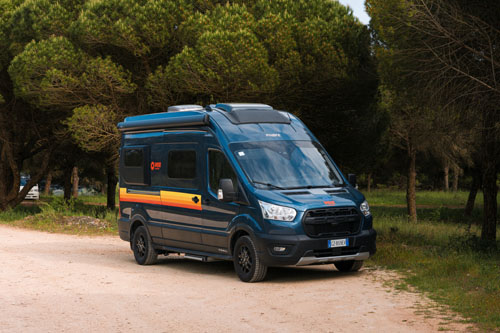
For a comfortable winter RV trip in Scandinavia, a Class SI - Semi-integrated RV or a Class C - Alcove RV is highly recommended due to their balance of comfort, space, and winterization features. Bandana's Class SI - Semi-integrated RVs, averaging 6.9 meters in length and sleeping 3-4 people, offer ample living space and good maneuverability on varying Scandinavian roads. For even more interior space and larger holding tanks, crucial for extended winter stays in colder climates, consider Bandana's Class C - Alcove RVs, which average 7.5 meters in length and sleep 5-6 people. Both classes typically provide superior insulation and heating systems compared to smaller campervans, making them more comfortable and functional in freezing temperatures.
Should I Choose a Compact Van Instead of a Large RV in Scandinavia?
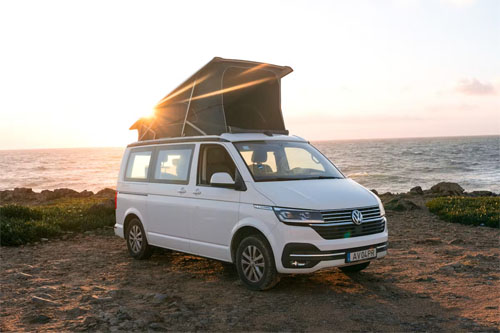
While a compact van, like Bandana's Class B - Camper Van (averaging 5.8 meters), offers slightly more maneuverability for very tight historic city centers or exceptionally narrow mountain passes, a larger RV is often the better choice for winter travel in Scandinavia. Larger RVs generally provide superior insulation, more robust heating systems, greater water and waste capacities, and more comfortable living space—all critical factors for enduring colder temperatures and longer periods spent indoors. Most main roads and even many scenic routes in Scandinavia are perfectly suitable for larger RVs, making extreme maneuverability less of a primary concern than overall comfort and capability. The trade-off of marginal maneuverability for significantly enhanced winter comfort and functionality typically favors a larger RV for a Scandinavian winter adventure.
Can I Park Anywhere? Free & Wild Camping Rules in Scandinavia
While Scandinavia's 'Allemansrätten' (freedom to roam) grants public access to nature, its application to motorized vehicles like RVs and campervans for overnight stays is generally limited. Wild camping with an RV is typically restricted to designated rest areas, official overnight parking spots, or specific motorhome parks, and is usually not permitted on private land without the owner's explicit permission. Always dispose of grey and black water at designated dump stations, which can be less frequent in winter, and avoid leaving any trash behind to adhere to local etiquette and environmental protection. Rules vary by region and municipality, so it's always best to check local regulations and follow any signage before parking overnight to avoid fines or unintended trespassing.
Can I Drive an RV Into the City Center? Heights, Tunnels & Local Signage
Yes, you can generally drive an RV into most Scandinavian city centers, but meticulous attention to local signage is paramount. Be vigilant for clear warnings regarding height limits for tunnels and parking garages, as well as low bridges, which are common in older European cities. Be aware of environmental zones (also known as low emission zones) in cities like Stockholm, Gothenburg, Oslo, and Copenhagen, which may restrict access for certain vehicle types or require a paid registration/permit. Following local traffic signs meticulously, particularly those indicating weight limits, residents-only streets, or restricted parking zones, is essential for navigating urban areas smoothly.
Is Norway RV friendly?
Yes, Norway is exceptionally RV-friendly, offering unparalleled access to stunning natural landscapes, an extensive network of well-maintained roads, and numerous campsites, making it an ideal destination for motorhome travel. The country's infrastructure, including ferries and designated parking areas, is generally well-suited for RVs, though winter travel demands specific preparations due to challenging conditions and reduced services. RVing allows travelers to fully experience Norway's iconic fjords, mountains, and northern lights at their own pace, with many scenic routes designed for leisurely driving. Despite its friendliness, strict adherence to traffic laws, waste disposal guidelines, and respecting local parking rules are essential for responsible RV touring.
Can you drive with all season tires in winter in Sweden?
In Sweden, specific winter tires (either studded tires or non-studded friction tires marked with the '3PMSF' symbol, often accompanied by 'M+S') are legally mandatory from December 1 to March 31 if winter road conditions are present, meaning snow, ice, slush, or frost on any part of the road. While some 'all-season' tires may have the 'M+S' marking, they must specifically meet the more stringent 3PMSF (three-peak mountain snowflake) standard to be considered legal winter tires under cold, icy conditions. Rental RVs operating in Sweden during winter are typically equipped with appropriate winter tires to comply with these regulations, ensuring driver safety. Failing to use compliant winter tires during the mandatory period and conditions can result in fines and safety risks.
Is it safe to drive in Norway during winter?
Driving in Norway during winter can be safe, provided drivers are well-prepared, exercise extreme caution, and operate a properly equipped, winterized RV. Key challenges include extensive snow and ice, reduced daylight hours, strong winds, and the potential for road closures, especially on high mountain passes, which necessitates constant monitoring of weather and road reports. Mandatory winter tires (often studded) and sometimes snow chains are crucial for traction, and drivers must be comfortable with driving on slippery surfaces. Many roads are well-maintained and plowed, but unexpected conditions can arise quickly, underscoring the need for flexibility, a robust emergency kit, and cautious driving habits.
Is it legal to sleep in your car in Sweden?
In Sweden, while the 'Allemansrätten' (freedom to roam) allows for temporary overnight stays with a tent in uncultivated areas, sleeping in a car or RV is generally more restricted. Overnight parking and sleeping in an RV are typically permitted only in designated areas such as official campsites, rest stops, public parking lots where signs allow, or on private land with the owner's explicit permission. It is generally not permitted to sleep in your car or RV on public roadsides or in unauthorized areas, especially if it obstructs traffic or violates local parking regulations. Always seek out marked facilities or ensure local regulations specifically permit overnight vehicle parking to comply with Swedish law.
Is it safe to drive in Scandinavia during winter?
Driving an RV in Scandinavia during winter is generally safe for experienced and prepared travelers, but it requires heightened awareness and specific precautions due to the challenging weather conditions. Key safety measures include ensuring the RV is equipped with appropriate winter tires (studded or friction, often mandatory), driving at reduced speeds, maintaining ample braking distance, and constantly monitoring weather and road forecasts. The region's infrastructure is well-equipped to handle winter, with roads regularly plowed and treated, but travelers should be ready for snow, ice, strong winds, and limited daylight. A comprehensive emergency kit, including warm clothing, food, water, and recovery gear, is essential, and travelers should always inform someone of their route, especially when venturing into remote areas.
What is the 3-3-3 rule for RV driving?
The '3-3-3 rule' for RV driving is a popular guideline advocating for a safer, more relaxed travel pace, suggesting drivers should aim to travel no more than 300 miles (or 300 kilometers) in a day, stop driving by 3 PM, and stay in one location for at least 3 nights. This rule is designed to prevent driver fatigue, allow ample time for setup and breakdown at campsites, and encourage travelers to fully experience each destination without rushing. While a beneficial guideline for general RV travel, the '3-3-3 rule' might need adaptation for Scandinavian winter trips where daylight hours are significantly shorter, and adverse weather could necessitate shorter driving distances or earlier stops. Adhering to the spirit of the rule—prioritizing rest and avoiding hurried travel—is especially crucial in challenging winter conditions.
How cold is too cold for an RV?
For an RV, temperatures consistently below freezing (0°C or 32°F) can be problematic for non-winterized units, particularly impacting water systems which risk freezing and bursting pipes if not properly protected. Purpose-built winterized RVs, common for rentals in Scandinavia during cold months, are designed with features like insulated tanks, heated utility compartments, double-glazed windows, and robust heating systems to comfortably withstand temperatures down to -20°C (-4°F) or even lower. The critical factor isn't just the ambient temperature, but the RV's level of winterization and whether its essential systems (water, waste, battery) are protected from freezing. Even with a winterized RV, monitoring water levels, managing propane consumption for heating, and taking precautions against drafts are essential in extremely cold conditions.
Can I turn right on a red light in Norway?
No, in Norway, it is generally prohibited to turn right on a red light. Unlike some countries, Norwegian traffic law requires drivers to wait for a green signal before making a right turn, even if the intersection appears clear. The only exception would be if a specific green arrow signal for a right turn is illuminated, explicitly indicating permission to proceed. Adhering to this rule is crucial to avoid traffic violations and maintain road safety in Norway.
Can you park a campervan anywhere in Norway?
While Norway's 'Allemansrätten' (freedom to roam) provides generous access rights to nature for hiking and camping with a tent, it does not extend to parking campervans or RVs 'anywhere.' Motorized vehicles, including campervans, are typically restricted to designated parking areas, official rest stops, established campsites, or private land with explicit permission from the owner for overnight stays. Parking a campervan on public roadsides, in residential areas, or in natural areas not specifically designated for vehicle camping is generally not permitted and can result in fines or nuisance complaints. Always look for appropriate signage or use navigation apps that highlight official overnight parking spots and campgrounds to ensure legal and responsible parking in Norway.
What travel insurance do I need for Norway?
For an RV trip to Norway, comprehensive travel insurance is highly recommended, covering essential aspects such as medical emergencies, trip cancellation or interruption, and personal liability. Beyond standard travel insurance, it is crucial to secure specialized RV rental insurance that covers collision damage waiver (CDW) and third-party liability specifically for your rented motorhome, often supplementing the basic coverage provided by the rental company. Consider adding roadside assistance coverage tailored for international travel in Scandinavia, which can be invaluable for unexpected breakdowns or incidents in remote winter conditions. Verify your personal car insurance and credit card benefits, as some may offer limited coverage for rental vehicles, but rarely sufficient for international RV travel, particularly during winter.
What You Shouldn't Miss
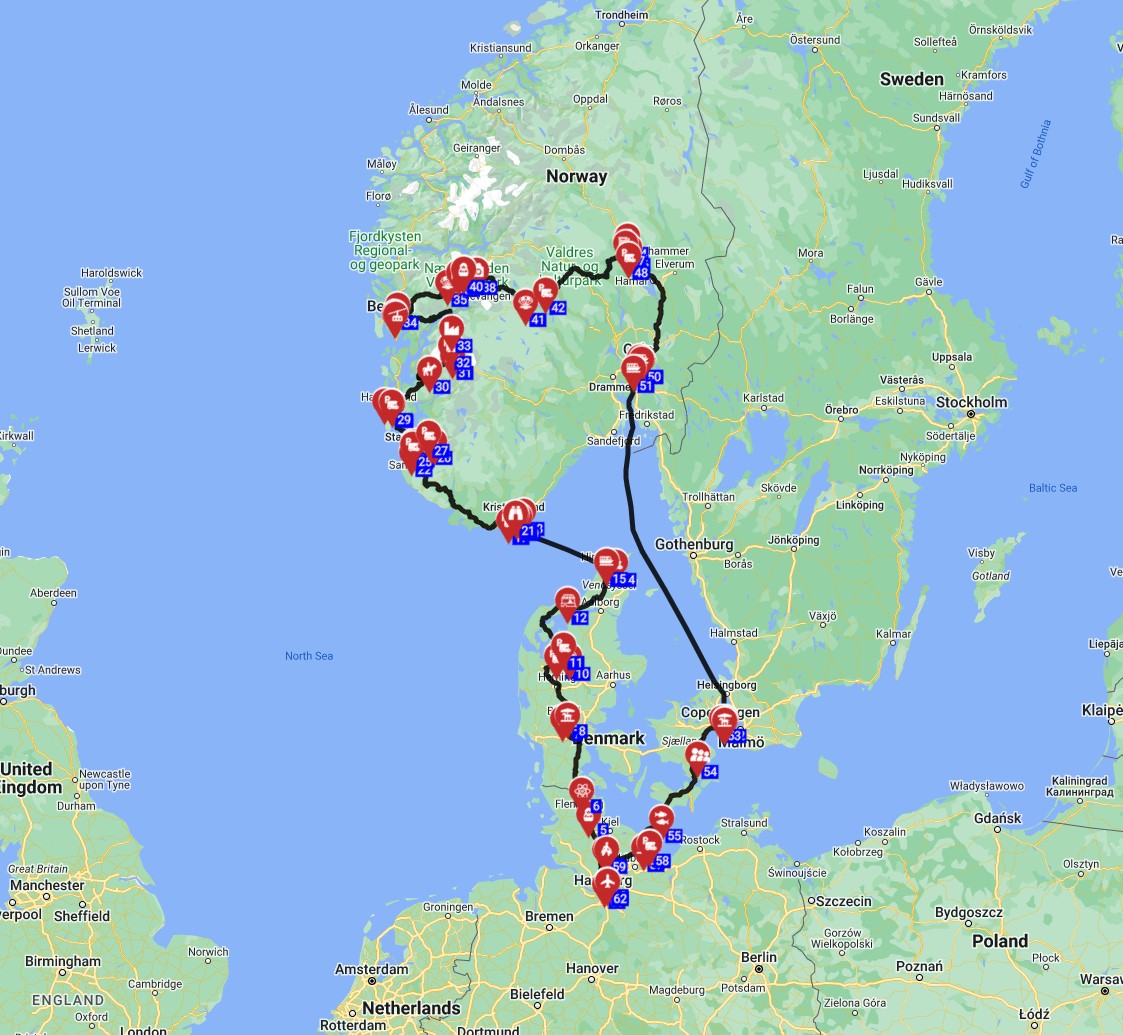
- Explore the Fjords of Western Norway: Take a scenic drive along routes like the Atlantic Road or Trollstigen, stopping at viewpoints and enjoying ferry crossings that are integral to the journey.
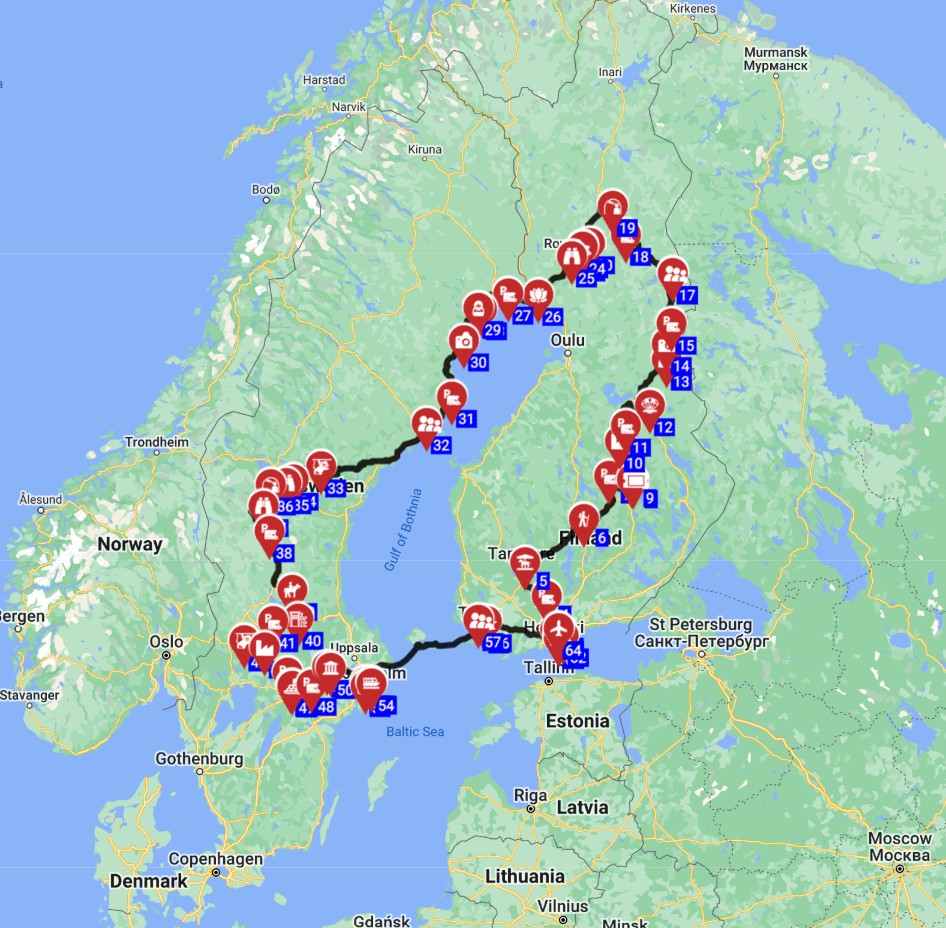
- Chase the Northern Lights in Lapland (Finland, Sweden, Norway): During winter, head north for a chance to witness the aurora borealis. Consider guided tours for the best viewing experiences.
- Visit the Icehotel in Jukkasjärvi, Sweden: Experience unique accommodation and art installations crafted entirely from ice and snow.
- Discover Stockholm's Archipelago: Take a ferry or cruise through the thousands of islands that make up Stockholm's stunning archipelago, even in winter.
- Experience Copenhagen's Hygge: Embrace the Danish concept of coziness in the capital city, exploring Tivoli Gardens (winter lights), Nyhavn, and enjoying local cuisine.
- Drive the Lofoten Islands Scenic Route (Norway): Even in winter, the dramatic coastal landscapes, traditional fishing villages, and opportunities for hiking (weather permitting) are breathtaking.
Final Thoughts
Winter RV travel in Scandinavia is an unforgettable adventure, offering stark beauty and unique experiences. While the conditions demand preparation and respect for the elements, the rewards are immense. From the mesmerizing Northern Lights to the serene, snow-covered landscapes, a rented RV provides the perfect base for exploring this magical region.
Remember that planning is key. By understanding the driving conditions, adhering to local regulations, and packing appropriately, you'll be well-equipped for a safe and enjoyable Scandinavian winter journey. Bandana Caravan is here to support you every step of the way, ensuring your rental experience is as smooth and transparent as possible.
Get inspired for your next trip! Discover top destinations, planning tips, and all in one place. Plan your trip itinerary in advance with minimal effort and maximum enjoyment.