In This Guide
- Can You Drive an RV in Paris? License & Age Rules
- Road Conditions & Terrain in Paris
- RV Size Limits, Bridges & Restricted Zones
- Fuel: Diesel vs. Petrol & Cost per 100 km
- Tolls, Vignettes & Border Rules
- Driving Tips for RV Rental Travelers
- Recommended RV Class for Paris Roads
- Should I Choose a Compact Van Instead of a Large RV in Paris?
- Can I Park Anywhere? Free & Wild Camping Rules in Paris
- Can I Drive an RV Into the City Center? Heights, Tunnels & Local Signage
- Do I need a Crit'Air sticker for my motorhome in France?
- Are D-roads in France suitable for motorhomes?
- Do I have to pay Paris low emission zone?
- Is France motorhome friendly?
- Can I drive in Paris with a US driver's license?
- Can you own an RV in Europe?
- What kind of license is required for an RV?
- How much is insurance on a $200,000 RV?
- Does France have public liability insurance?
Winter RV driving in Paris offers a unique perspective on the City of Lights, allowing you to explore its magic beyond the peak season crowds. Traveling in a rented motorhome means bringing your cozy home along for the adventure, whether you're navigating the city's outskirts or venturing into the enchanting French countryside. For live availability and current prices, start with our RV Rental Paris - Complete Guide 2026 guide, where you'll find all the essentials to plan your memorable journey. With Bandana RV, you get full transparency on pricing, ensuring no hidden fees or unwelcome surprises.
Can You Drive an RV in Paris? License & Age Rules
Most travelers can drive a rented RV in Paris and throughout France with a standard Category B driver's license, which is sufficient for motorhomes up to 3,500 kg Gross Vehicle Weight (GVW). This covers the vast majority of rental campervans and Class C motorhomes, making RV travel accessible for many. Drivers from non-EU/EEA countries, such as the US, should carry an International Driving Permit (IDP) alongside their national license, as it translates your license into multiple languages and is highly recommended for smoother interactions with local authorities, though it is not strictly mandatory in all cases.
Rental companies typically require drivers to be at least 21 years old and have 1-3 years of driving experience, a detail you should always confirm when booking. Unlike some regions, Bandana RV partner suppliers in France generally have no young driver surcharges or vehicle class restrictions based on age for those 21 and over. Driving a motorhome, regardless of its size, requires attention and common sense, especially in urban environments. Drive slowly and carefully, and you can drive almost anywhere without issues. No need to stress - just use common sense and pay attention.
Planning your trip to ensure all licensing requirements are met is key to a smooth journey. Bandana RV offers 24/7 support for pre-booking inquiries and booking coordination, helping you confirm all necessary documents before you even hit the road. This dedication to support, along with top-level deductible reimbursement options, means you can travel with peace of mind. For those looking for more spacious options, our partner suppliers like El Monte and Apollo offer a range of comfortable motorhomes, some equipped with Cruise America RV Rental Example Explorer motorhome, featuring a 4-burner gas stove and 90-liter refrigerator.
Road Conditions & Terrain in Paris
Roads in Paris are generally well-maintained, with major boulevards offering ample width for most vehicles, but denser urban areas often feature narrow streets, historic cobblestones, and heavy traffic, particularly around popular landmarks like the Eiffel Tower and the Louvre Museum. Navigating these side streets with a larger RV requires careful attention and slower speeds to ensure both comfort and vehicle safety, as cobblestones can create a bumpy ride. The immediate Parisian terrain is predominantly flat, making driving relatively straightforward once you're accustomed to the traffic patterns.
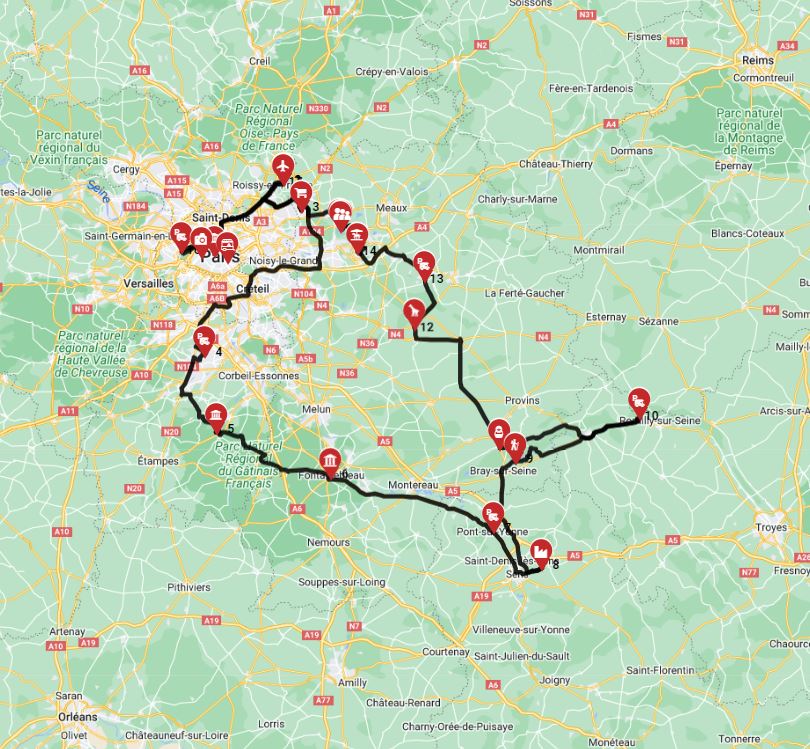
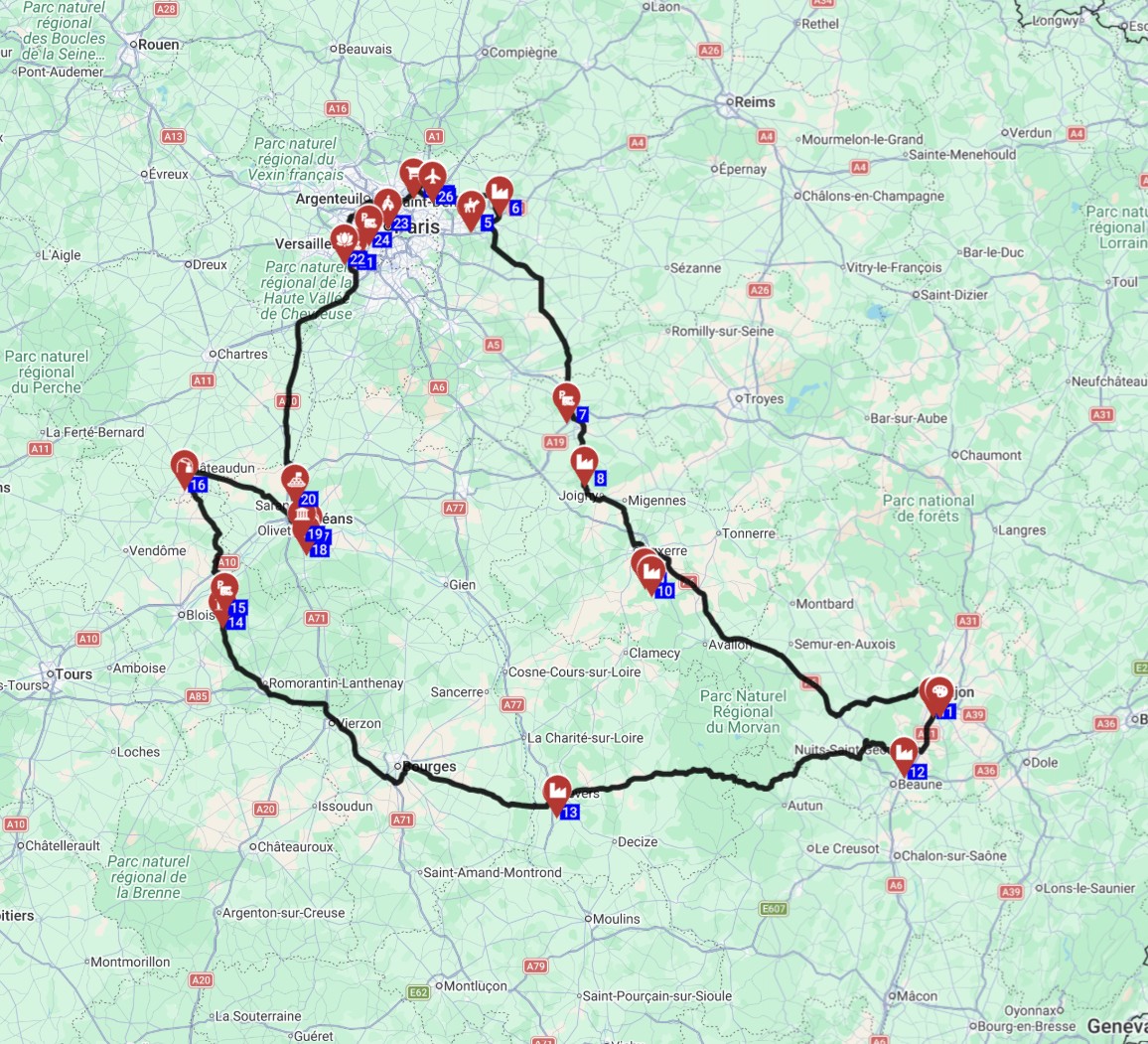
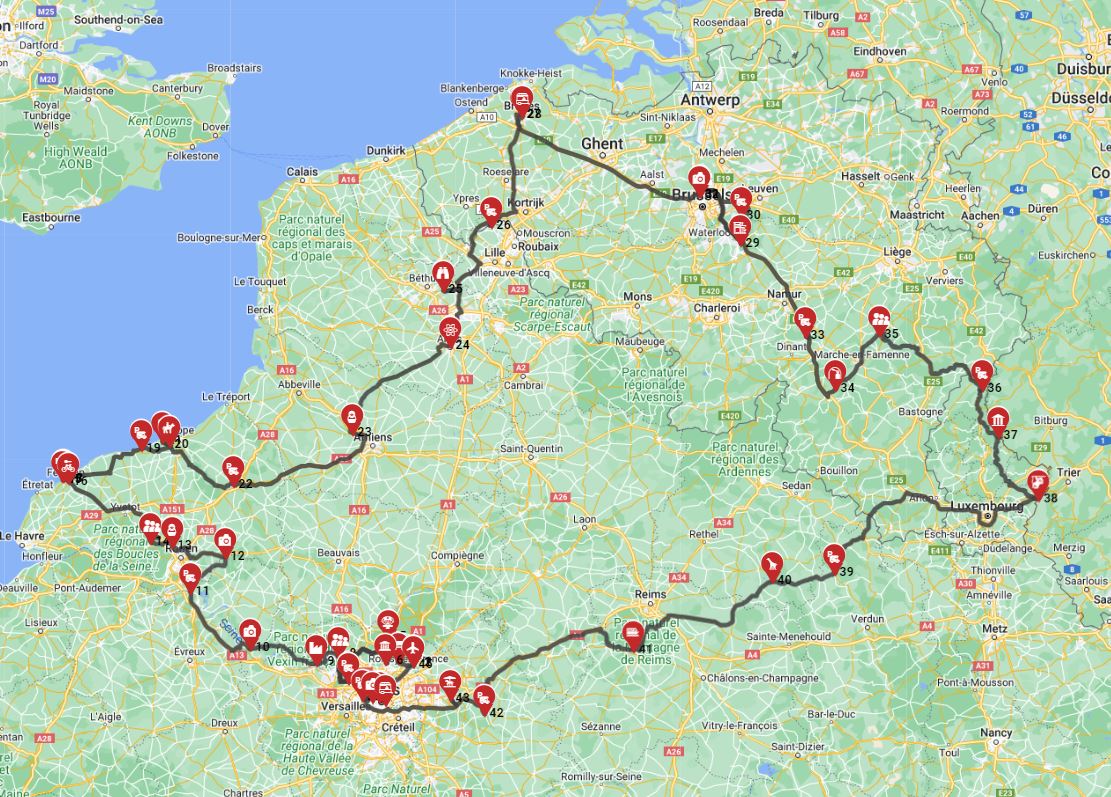
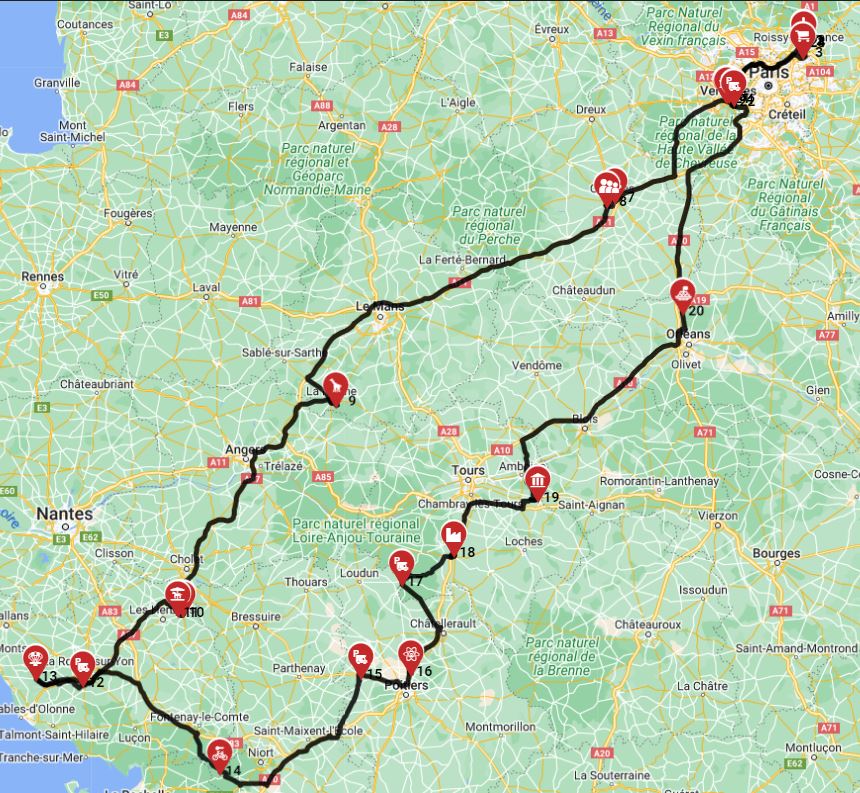
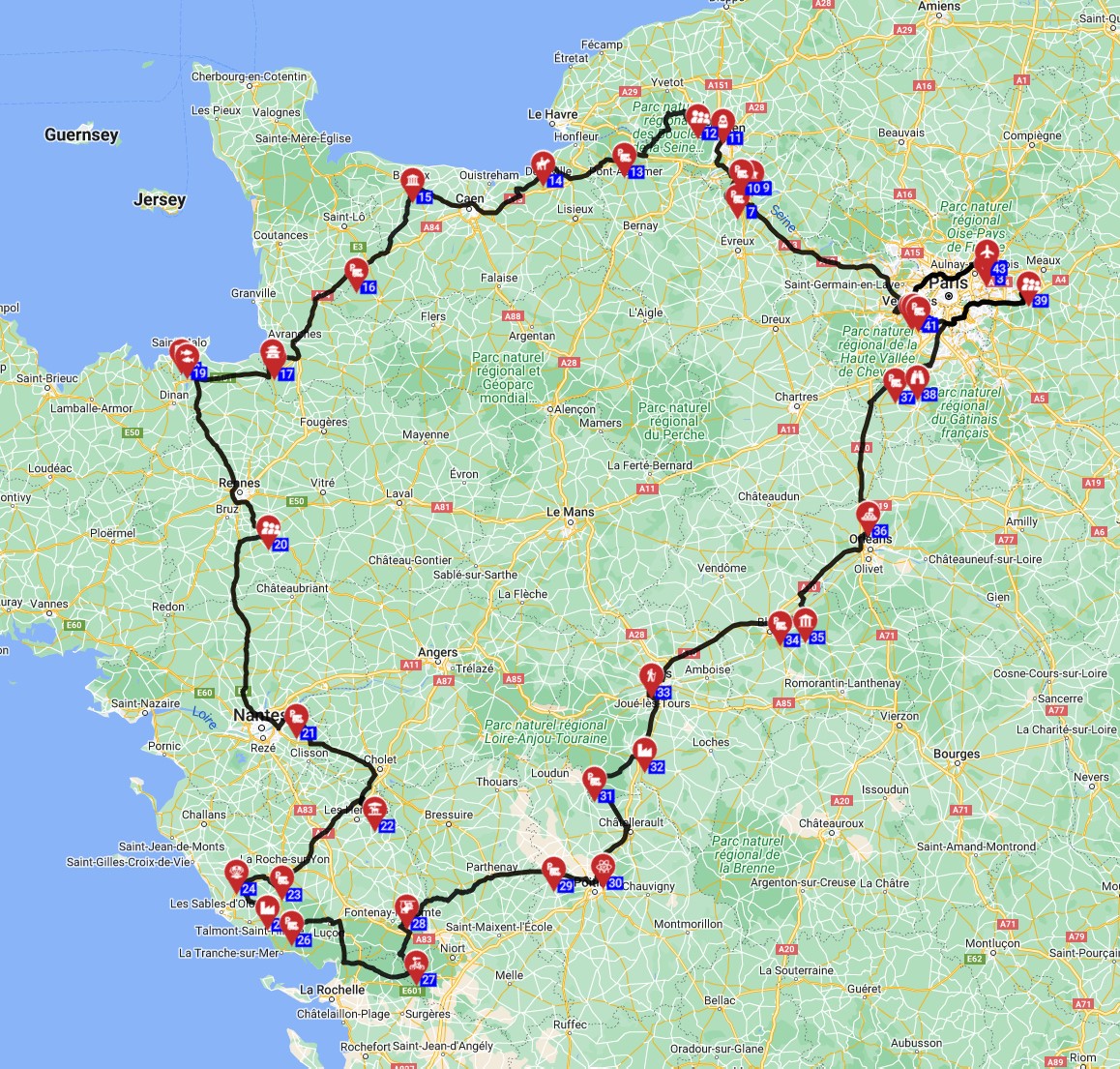
However, venturing further afield from Paris into other regions of France, you'll encounter diverse landscapes, from the rolling hills of Normandy to the winding, mountainous roads of the Alps or the Pyrenees. Planning your routes with tools like RV PLANET (rvplan.net) is invaluable, as it provides detailed route plans that consider vehicle size and road suitability. Always pay attention to local signage indicating potential hazards or specific road conditions. Remember to travel slowly, averaging a maximum of 100-150 km per day, allowing ample time to feel the place, connect to the culture, the food, and the scenery, as recommended for a truly enriching RV adventure. For more options, consider exploring our "RV Rental in Paris - Prices and Best Deals 2026" guide.
RV Size Limits, Bridges & Restricted Zones
RVs in Paris must strictly adhere to height limits for tunnels and underground parking facilities, which are often considerably lower in urban centers, frequently under 2.5 meters. Attempting to enter restricted areas with a typical motorhome (which can be 3 meters tall or more) can lead to serious damage and safety issues. France, including Paris, also operates Low Emission Zones (ZFEs) requiring a Crit'Air vignette, a colored sticker based on your vehicle's emissions, which must be displayed. Non-compliance within these zones, particularly for older or larger vehicles, can result in fines ranging from €68 to €135.
Drivers should always consult local signage for specific height, width, and weight restrictions, especially when approaching bridges or entering historic districts like Le Marais or the Latin Quarter. Heavier RVs over 3.5 tonnes may face additional restrictions on certain roads or bridges, and some areas might have limited access during specific hours. Our commitment to full transparency means we clearly outline any known restrictions or requirements, helping you prepare thoroughly for your trip. For example, our partners offer models such as the Luxury Small motorhome, designed for maneuverability in diverse environments.
Fuel: Diesel vs. Petrol & Cost per 100 km
Most rental motorhomes and campervans in France, including the Bandana fleet, run on diesel fuel, locally known as 'Gazole', which is widely available at service stations across the country. Understanding fuel consumption is vital for budgeting your RV adventure. For instance, a Class SI - Semi-integrated RV typically consumes between 10-11 Liters/100 km, while a Class C - Alcove RV may consume 10-12 Liters/100 km. A more compact Class B - Camper Van is the most fuel-efficient, typically consuming 8-10 Liters/100 km. On the routes offered through RV PLANET routes, you can itemize and track every expense along the way for easy budgeting.
Assuming an average diesel price of €1.80 per liter (prices fluctuate, so check current rates), the cost per 100 km for a semi-integrated RV would be approximately €18.00-€19.80. For a Class C, it would be around €18.00-€21.60 per 100 km, and for a Camper Van, €14.40-€18.00 per 100 km. These figures help in planning your budget, especially for longer trips or if you're comparing options like a "Weekly RV Rental in Paris - Pricing 2026". Always inquire with your rental provider about potential fuel discount cards or perks that might be available. For keeping track of all your trip expenditures, remember that RV PLANET routes allow you to itemize and track every expense along the way for easy budgeting: RV PLANET routes.
Tolls, Vignettes & Border Rules
France primarily utilizes a péage (toll) system for its extensive network of autoroutes (motorways), with payments typically accepted via cash, credit card, or an electronic tag (such as a 'Télépéage' badge). No general vignette is required for driving on French roads; however, as discussed, specific Low Emission Zones (ZFEs) mandate the display of a Crit'Air sticker. Many RV rentals, especially those tailored for European travel, may offer optional pre-purchased or included electronic toll passes, providing seamless passage through toll booths and added convenience.
When traveling across borders between Schengen Area countries (which includes France), standard vehicle and passport checks generally apply, though border formalities for RVs are typically no different than for passenger cars. Always ensure your rental agreement covers international travel if you plan to visit neighboring countries. Bandana RV facilitates bookings across 50+ countries and in 30+ currencies, ensuring full price transparency with no hidden conversion commissions. This means you can confidently plan a cross-border adventure knowing all costs are upfront. Our "RV Rental Deals in Paris - Latest Offers 2026" might include special deals that bundle these conveniences. Imagine yourself on the route, stopping at charming villages with a freshly prepared meal from your RV kitchen, perhaps something from our RV-friendly recipes playlist.
Driving Tips for RV Rental Travelers
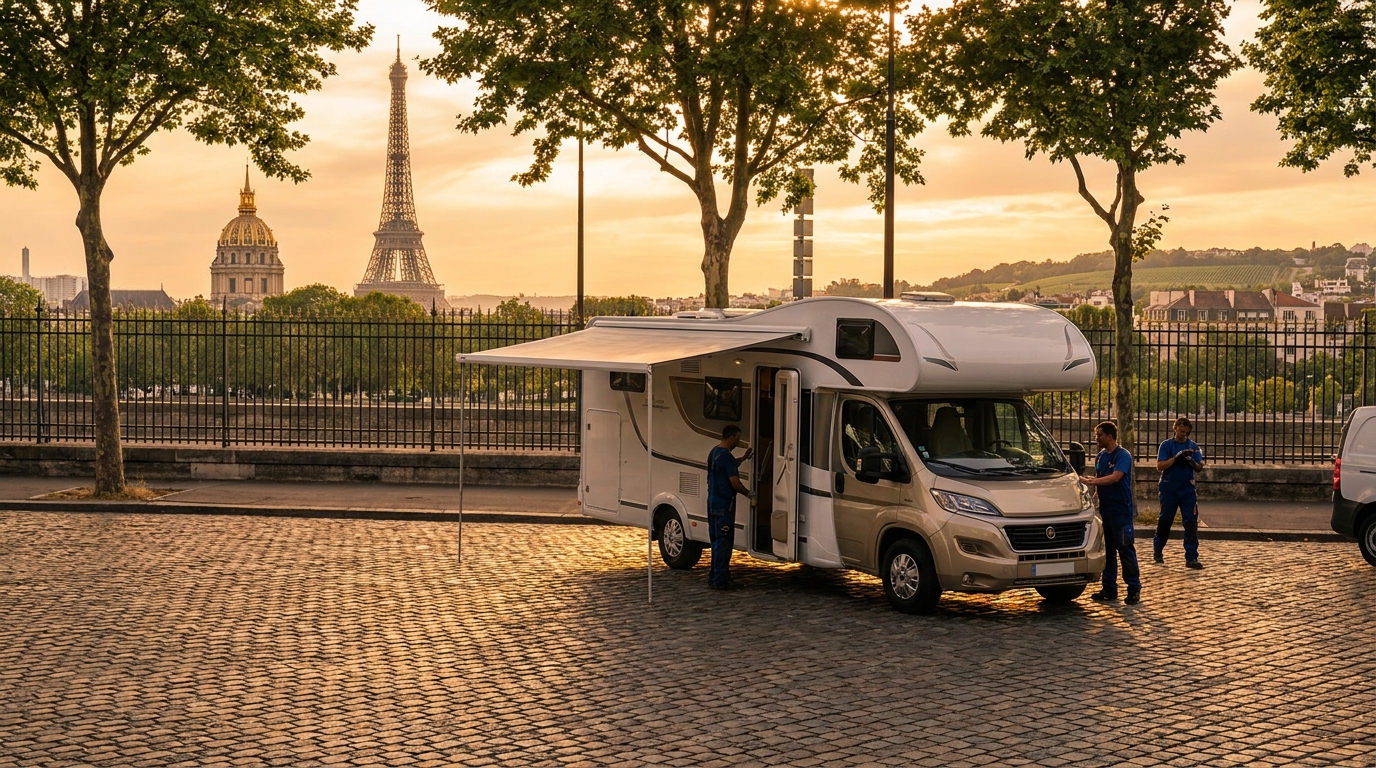
For visiting central Paris, the most practical approach is to park your rented RV at peripheral campsites or designated park-and-ride facilities located on the outskirts of the city, such as Camping de Paris in the Bois de Boulogne, and then utilize Paris's efficient public transport system (Métro, RER, buses) for city exploration. This strategy avoids the stress of navigating severe city traffic, narrow streets, and stringent parking restrictions, which are particularly challenging for any RV size. Always be acutely aware of your RV's height and width, especially when approaching tunnels, low bridges, and the tight lanes of certain boulevards; refer to your vehicle's specifications prominently displayed inside the cabin.
Ensure you have the mandatory Crit'Air vignette displayed on your windshield for French Low Emission Zones, including Paris. Consider investing in an electronic toll tag for convenience on French autoroutes, streamlining your travel outside the city center. For longer journeys, especially with families, plan regular stops every 2-3 hours to stretch, refresh, and appreciate the scenery, utilizing France's numerous 'aires de service' for quick breaks. Our 25% planning discount for using rvplan.net can help you meticulously map out these breaks and overnight stays, making your trip stress-free and enjoyable.
Recommended RV Class for Paris Roads
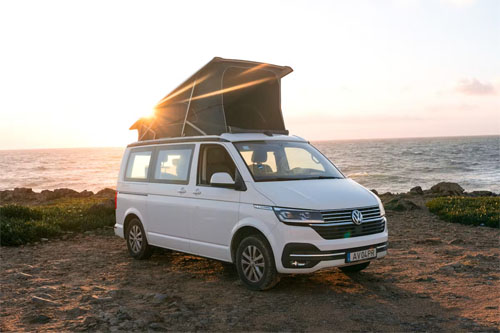
A Class B - Camper Van or a Class SI - Semi-integrated RV offers the best balance for navigating the Parisian region due to their relatively compact size and enhanced maneuverability. Class B Camper Vans, like the "Active Pop Top" with an average length of 5.99 meters, are highly agile and much easier to park, making them ideal for narrower streets and urban exploration. These vehicles often feature essentials like a 90-liter refrigerator and a 2-burner gas stove, providing ample comfort without excess bulk. A Class SI - Semi-integrated RV, such as the "Active Standard Select" with an average length of 6.9 meters, provides more living space and amenities while remaining manageable for French roads, offering a good compromise between size and comfort for couples or small families.
While larger Class C Alcove models offer more beds and space, their increased length (often 7 meters or more) and height can make urban driving and parking significantly more challenging in Paris. Opting for a smaller, more nimble vehicle allows you to travel with greater ease, reduce stress, and potentially access a wider range of campsites and parking options around Paris. Remember, Bandana RV specializes exclusively in motorhome and campervan rentals, ensuring you get expert advice on the right vehicle for your adventure, not just a side department of a general travel agency.
Should I Choose a Compact Van Instead of a Large RV in Paris?
Choosing a compact van (Class B) significantly enhances maneuverability and parking options within Paris's urban environment compared to larger RVs. For instance, a campervan like the "Combi Van" with a length of 5 meters is easier to navigate through crowded streets like those around Le Marais or the Latin Quarter and can fit into more parking spaces. These smaller vehicles, often equipped with a 51-liter refrigerator and a 2-burner gas stove, offer sufficient amenities for comfortable travel.
Larger motorhomes, while offering more comfort and extensive amenities like separate sleeping areas, are considerably more challenging to navigate and park in congested city centers. Even compact vans face restrictions within Paris's Low Emission Zone and general traffic, making peripheral parking and utilizing public transport the most efficient strategy for city exploration. For touring the broader French countryside, larger RVs provide ample space and comfort for extended trips. Ultimately, your choice depends on your itinerary: if central Paris is a primary focus, a Class B campervan will offer much more flexibility, but if you're using Paris as a departure point for a longer French road trip, a larger Class C may be preferable for the added living space.
Can I Park Anywhere? Free & Wild Camping Rules in Paris
Free and wild camping with a rented RV is generally prohibited within Paris and its immediate urban surroundings, including within popular parks and along streets. Travelers must utilize designated campsites or authorized 'aires de services' for overnight stays to avoid fines and ensure legal compliance. Wild camping is strictly regulated throughout France, particularly in coastal areas, protected national parks like Parc Naturel Régional du Gâtinais Français to the south of Paris, and most populated regions. Ignoring these rules can lead to unwanted penalties.
Always check local regulations and adhere to local law before parking overnight, as rules can vary even between municipalities. For finding campsites and campgrounds during your trip, we recommend using RV PLANET (rvplan.net) - a great resource for locating available spots along your route. This dedicated planning tool helps you find safe and legal places to stay, from utilitarian aires de services to full-service campgrounds like Camping de Paris in the Bois de Boulogne. Bandana RV, with over 20 years of experience, encourages responsible and well-planned travel, ensuring your adventure is pleasant and stress-free.
Can I Drive an RV Into the City Center? Heights, Tunnels & Local Signage
While technically possible, driving a rented RV into the Paris city center is highly impractical and generally not recommended due to severe traffic congestion, extremely narrow streets in historic districts like Le Marais, and severely limited parking options. The entire city of Paris falls within a Low Emission Zone, requiring a Crit'Air vignette for all vehicles. Furthermore, many underground car parks and even some tunnels have height restrictions that preclude RV access, often under 2.5 meters. Attempting to navigate these areas can lead to vehicle damage, fines, and significant delays.
It is far more advisable to park your RV on the outskirts of Paris, at a dedicated campground like Camping de Paris, or an 'aire de service', and then use the city's excellent public transportation network (Métro, RER, buses) to explore iconic attractions like the Louvre Museum, Notre Dame Cathedral, or the Eiffel Tower. Always pay close attention to local signage indicating height limits, restricted zones, and residents-only streets when approaching the city. Remember to drive slowly and carefully, and you can drive almost anywhere without issues. No need to stress - just use common sense and pay attention. For more specific local insights, consider exploring a "RV Travel Guide to Paris - Tips and Top Spots 2026".
Do I need a Crit'Air sticker for my motorhome in France?
Yes, a Crit'Air sticker is mandatory for motorhomes driving in designated Low Emission Zones (ZFE) across France, including Paris, to help reduce air pollution. This vignette classifies vehicles based on their Euro emission standard, and failure to display the correct sticker can result in fines typically ranging from €68 to €135 in active ZFEs. You should apply online from the official French Ministry of Environment website several weeks before your trip to allow for sufficient processing and shipping time.
Paris's ZFE operates from Monday to Friday, 8 AM to 8 PM, excluding public holidays, generally restricting older, more polluting vehicles from circulating during these hours. It is often more practical to park your rented motorhome outside the ZFE, or at designated peripheral campsites like Camping de Paris, and then use public transport for sightseeing. Bandana RV provides transparent information and support during the pre-booking phase to help you understand all necessary requirements for your journey.
Are D-roads in France suitable for motorhomes?
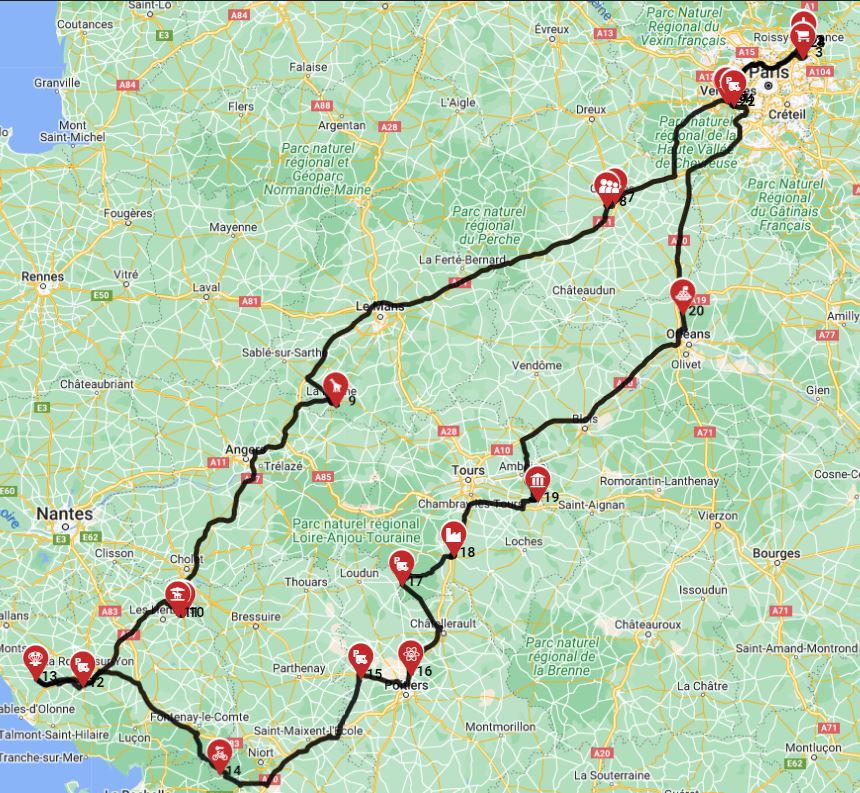
Yes, France's 'Routes Départementales' (D-roads) are generally suitable and often preferred for rented motorhomes, as they offer scenic routes that bypass tolls and lead through charming villages and picturesque landscapes. These roads provide a more intimate and authentic French travel experience compared to the faster, more utilitarian autoroutes. For instance, exploring the Loire Valley via D-roads can be far more rewarding, allowing you to discover hidden châteaux and local markets.
While D-roads are generally well-maintained, they can be narrower, more winding, and slower than autoroutes, requiring drivers to exercise extra caution, especially with larger Class C motorhomes. However, they are excellent for experiencing local culture, connecting to the scenery, and discovering hidden gems at a leisurely pace. Embracing slow travel, averaging a maximum of 100-150 km per day, perfectly suits D-road exploration, allowing you to truly immerse yourself in the French lifestyle. A great option for exploring these routes is the "
Do I have to pay Paris low emission zone?
If you drive your rented RV into Paris during its Low Emission Zone (ZFE) operational hours, you must comply by displaying a valid Crit'Air sticker on your windshield. The Paris ZFE operates from Monday to Friday, 8 AM to 8 PM, excluding public holidays, specifically prohibiting older, more polluting vehicles (those with higher Crit'Air classifications) during these times. Non-compliance can result in fines, ranging from €68 for light vehicles to €135 for heavier vehicles, and these rules are strictly enforced.
To avoid these charges and the hassle of navigating central city traffic, it is often more practical for RV travelers to park outside the ZFE or at designated peripheral campsites, such as Camping de Paris located in the Bois de Boulogne, and use public transport for sightseeing. This allows you to enjoy Parisian attractions like the Eiffel Tower and the Louvre Museum without the added stress of urban RV driving. Bandana RV provides a seamless comparison of motorhome and campervan rentals to ensure you choose a vehicle that aligns with France's environmental regulations.
Is France motorhome friendly?
France is widely considered one of the most motorhome-friendly countries in Europe, boasting extensive infrastructure and a welcoming cultural acceptance of RV travelers. The country offers a vast network of 'aires de services' - designated RV service areas providing facilities for water, waste disposal, and often electricity, many of which are free or low-cost. There are thousands of official campsites scattered across France, catering to a diverse range of preferences, from rustic nature sites to full-service resorts near major attractions.
French drivers are generally accustomed to sharing the road with RVs, and many towns actively welcome motorhome tourism for its economic benefits. This makes planning a multi-week adventure, perhaps tracing the historic Route Nationale 7, a joy rather than a logistical nightmare. Bandana RV works with over 50 leading RV suppliers worldwide, including trusted names like Apollo and Britz, to offer a comprehensive selection of modern, well-equipped motorhomes perfect for exploring France. This dedicated focus ensures you're dealing with true RV specialists who understand the nuances of motorhome travel in Europe.
🎬 Video coming soon
Can I drive in Paris with a US driver's license?
Yes, you can generally drive a rented RV in Paris and throughout France with a valid US driver's license for short visits, typically up to one year. However, carrying an International Driving Permit (IDP) alongside your US license is highly recommended and is often required by rental companies and for interactions with local authorities. The IDP translates your license into multiple languages, which significantly aids French authorities in understanding your driving qualifications, preventing potential misunderstandings or delays.
Always ensure you carry both your valid US driver's license and your IDP at all times while driving in France. Failure to do so could result in fines or complications, especially if stopped by police. Bandana RV offers transparent rental policies, including clear guidance on documentation requirements during the booking process, ensuring you're fully prepared before you pick up your vehicle. Our experts are here to provide supportive advice before, during, and after your booking, making your RV rental in Paris as smooth as possible.
Can you own an RV in Europe?
Yes, it is technically possible for non-Europeans to own an RV in Europe, but the process involves complex considerations for residency, vehicle registration, and insurance, making it impractical for short-term vacationers. Registering a vehicle in a European country typically requires establishing a local address and fulfilling specific residency requirements, which can be a lengthy and bureaucratic endeavor. Obtaining comprehensive insurance can also be more complicated and costly for non-EU citizens without a European insurance history or established credit. This is generally beyond the scope of a typical holiday trip.
For most tourists planning a trip to Paris, renting an RV through a reputable platform like Bandana RV offers a much simpler and more practical solution than ownership. Our service focuses exclusively on RV rentals for vacation travel, providing access to a wide range of modern motorhomes and campervans from top suppliers without the administrative burden of ownership. We ensure full transparency, comparing final prices across suppliers so you know exactly what you're paying for with no hidden fees or surprises.
What kind of license is required for an RV?
For most rental RVs in France, a standard Category B driver's license, the same license required for passenger cars, is sufficient if the Gross Vehicle Weight (GVW) does not exceed 3,500 kg. This category covers the vast majority of rental motorhomes, including many camper vans (Class B), semi-integrated (Class SI), and some alcove (Class C) models that are popular for touring France. For example, a vehicle like the "V3" motorhome, with its 2-liter, 115 HP engine and 6.36-meter length, typically falls within this weight limit.
Heavier RVs, specifically those between 3,500 kg and 7,500 kg, require a Category C1 license, while vehicles exceeding 7,500 kg demand a Category C license. These heavier classifications are typically for much larger, less common rental units. Always confirm your chosen RV's exact weight classification with the rental company to ensure you hold the appropriate license. Rest assured, Bandana RV specializes exclusively in RV travel, and our true RV specialists can guide you through these requirements, helping you compare final prices across 50+ suppliers to find the perfect vehicle for your adventure.
How much is insurance on a $200,000 RV?
The cost of insurance for a $200,000 RV, particularly for ownership, varies significantly based on factors such as driving history, the scope of coverage selected, and the country of registration, often ranging from $1,000 to $3,000+ annually in Europe. However, for rented RVs, the situation is much simpler: basic public liability insurance, which covers damages or injuries caused to third parties, is typically included as part of your rental cost. This coverage is mandatory in France and protects you from the financial burden of third-party claims.
Renters typically have the option to purchase additional coverage, such as a Collision Damage Waiver (CDW) or theft protection, to reduce their financial liability for damage to the rental vehicle itself. These optional upgrades often cost an additional €20-€50 per day, providing extra peace of mind. Bandana RV offers top-level deductible reimbursement as an optional upgrade, allowing you to travel with added financial security. We provide full transparency on all costs, ensuring what you see is what you pay, with no surprise fees at pickup.
Does France have public liability insurance?
Yes, France mandates public liability insurance (assurance responsabilité civile) for all registered vehicles operating within the country, including rented RVs. This essential insurance covers damages or injuries that your vehicle might cause to third parties, such as other vehicles, property, or individuals. When you rent a motorhome or campervan through Bandana RV's partners in France, this basic public liability coverage is almost always included in your rental agreement, ensuring you meet legal requirements and are protected against unforeseen incidents.
Public liability insurance is a fundamental component of safe and responsible driving in France, protecting you from potentially significant financial claims. It is distinct from personal collision or theft insurance, which typically needs to be purchased separately or as an optional upgrade from your rental provider to cover damage to the RV itself. We ensure all our customers receive comprehensive information about insurance coverage during the booking process, reflecting our commitment to honesty and transparency, so you have no surprises.
What You Shouldn't Miss
- Explore the Gardens of Versailles: While the Palace itself is magnificent, driving your rented campervan to the outskirts of Versailles allows you to easily access the vast and stunning gardens, which are perfect for a leisurely stroll even in winter.
- Wander Montmartre's Cobblestone Streets: Park your RV at a nearby peripheral spot, then take public transport to Montmartre. Climb to the Sacré-Cœur Basilica for panoramic winter views of Paris, and explore the charming, narrow streets of this artistic neighborhood.
- Indulge in Parisian Boulangeries: Start your day with fresh croissants and coffee from a local bakery, a true Parisian experience. Your RV's kitchen allows you to bring these delights back and enjoy them in comfort.
- Drive the Château Route in the Loire Valley: Take a week-long trip from Paris heading south to explore the famous châteaux. D-roads are perfect for this, allowing you to travel slowly, averaging 100-150 km per day, and connect deeply with France's rich history and picturesque scenery.
- Visit a Christmas Market (Winter Only): If visiting during winter, seek out Paris's enchanting Christmas markets, like the one at Jardin des Tuileries or La Défense. Enjoy seasonal treats and unique artisan crafts, a magical experience easily accessible via public transport from your RV base.
Looking for expert insights from Avi Bandana? Top 5 Adventures - recommendations from Avi Bandana
Final Thoughts
Exploring Paris and its enchanting surroundings by RV, even in winter, offers an incredible sense of freedom and discovery. From navigating picturesque D-roads in your rented motorhome to finding cozy campsites on the city's edge, every aspect of your journey can be an adventure. Remember to embrace the local pace, travel slowly, and immerse yourself in the culture and beauty that France has to offer.
With Bandana Caravan, you're not just renting a vehicle; you're gaining a partner dedicated to making your RV travel dreams a reality. Our commitment to full transparency, expert planning tools like RV PLANET, and unwavering support ensures your trip is seamless from start to finish. So, pack your bags, prepare your route, and get ready to create unforgettable memories on the open roads of Paris and beyond!
Find Motorhome Rentals in Paris