In This Guide
- Can You Drive an RV in North Europe? License & Age Rules
- Road Conditions & Terrain in North Europe
- RV Size Limits, Bridges & Restricted Zones
- Fuel: Diesel vs. Petrol & Cost per 100 km
- Tolls, Vignettes & Border Rules
- Driving Tips for Winter RV Rental Travelers
- Recommended RV Class for North Europe Roads
- Should I Choose a Compact Van Instead of a Large RV in North Europe?
- Can I Park Anywhere? Free & Wild Camping Rules in North Europe
- Can I Drive an RV Into the City Center? Heights, Tunnels & Local Signage
- What is the 3-3-3 rule for RV travel?
- Is it possible to drive to Nordkapp in winter?
- Can you sleep anywhere in a campervan in Europe?
- What is the 444 rule for RV?
- Is Europe RV friendly?
- Is it safe to drive in Europe in winter?
- Can you drive American RV in the UK?
- What is the 3-3-3 rule for RV living?
- What is the 333 rule for campervan?
- Can I drive an RV in America on a UK licence?
- What You Shouldn't Miss
- Why Book with Bandana Caravan
- Final Thoughts
- Frequently Asked Questions
Can You Drive an RV in North Europe? License & Age Rules
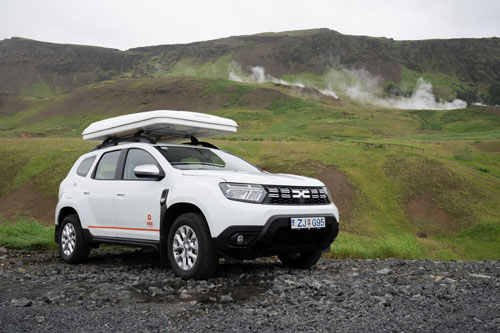
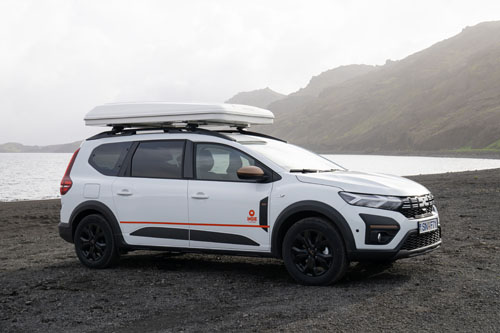
Most drivers holding a standard B category license can operate RVs up to 3,500 kg MAM (Maximum Authorized Mass) in North Europe. This means many rented campervans and smaller Class C motorhomes, like the "Active Pop Top Select" (a Class B Camper Van), are accessible with your regular car license, just as they are throughout Europe. For RVs exceeding 3,500 kg but under 7,500 kg, a C1 license is typically required in European countries. Bandana RV offers a wide selection of vehicles that fit within the standard B license category, making winter RV travel in North Europe accessible to many. The minimum driver age for RV rentals in North Europe is 21, and thankfully, there are no young driver surcharges or vehicle class restrictions based on age when you book through our network of trusted suppliers. Foreign drivers from outside the EU/EEA generally need an International Driving Permit (IDP) in addition to their national license for travel in North Europe, though it is often recommended rather than strictly mandatory in all cases. Always carry both your national license and an IDP, just to be safe.Road Conditions & Terrain in North Europe
Road conditions in North Europe during winter range from excellent, well-maintained highways to narrower, potentially snow-covered or icy rural roads, especially in mountainous or remote Nordic regions. Expect significant variations in terrain, from the relatively flat coastal areas of Denmark and the Baltics to the dramatic fjords and towering mountains of Norway, Sweden, and Finland. Winter driving demands extra caution, with roads often experiencing snow, black ice, and reduced visibility, necessitating appropriate winter tires. Most rental motorhomes in North Europe are equipped with studded winter tires, which are legally required in certain areas during the colder months, and you might consider carrying snow chains for extra security in extreme conditions, though they are usually not needed on main roads. Many remote areas, particularly in Scandinavia, may feature unpaved gravel roads, requiring slower speeds and careful handling, especially with a larger rented RV. Planning for shorter daylight hours, which can be as little as 4-6 hours in southern parts or polar night north of the Arctic Circle, and potential limited services in remote winter areas is crucial for a safe and enjoyable journey.RV Size Limits, Bridges & Restricted Zones
While North European roads are generally accommodating for rented RVs, drivers must be mindful of specific size restrictions, especially regarding vehicle height, weight, and length, particularly in urban centers and for ferry crossings. Standard rental RVs are typically under 3.5 meters in height, but always check specific tunnel or bridge clearance signs, especially in older city sections or mountain passes. Weight limits, primarily 3,500 kg for standard B licenses, are crucial to adhere to, as overloading can lead to fines and safety hazards. Drive slowly and carefully, and you can drive almost anywhere without issues. No need to stress - just use common sense and pay attention. Environmental zones are increasingly common in cities like Oslo, Stockholm, and Copenhagen, restricting access or requiring specific emissions standards for vehicles entering city centers; always check local regulations beforehand for your destination. Ferry routes, essential for island hopping or crossing fjords, often have length and weight categories that determine pricing and availability, so pre-booking for larger motorhomes is highly recommended to ensure your journey is seamless.Fuel: Diesel vs. Petrol & Cost per 100 km
The vast majority of RVs available for rental in North Europe run on diesel, which is widely available at service stations across the region. Based on Bandana's global fleet averages, a Class SI - Semi-integrated RV typically consumes 10-11 liters per 100 km, while a Class C - Alcove averages 10-12 liters per 100 km, and a Class B - Camper Van averages 8-10 liters per 100 km, similar to a "V3" campervan with its 2 L engine. Fuel prices in North Europe, particularly Norway and Denmark, are among the highest in Europe, so budgeting for fuel is a significant consideration for your trip. To manage these costs, consider utilizing fuel discount cards often provided with rental RVs from some operators, or look for local loyalty programs. For winter travel, ensure your rented RV's diesel system is rated for cold temperatures, as special 'winter diesel' with anti-gelling additives is commonly available at pumps throughout the region. For easy budgeting and tracking all your ancillary trip expenses like fuel, campground fees, and more, remember that RV PLANET routes allow travelers to itemize and track every cost along the way.Tolls, Vignettes & Border Rules
Tolls are prevalent in North Europe, especially in Norway, with its extensive automatic toll roads managed via AutoPASS, and Denmark, with major bridge tolls like the Øresund and Storebælt bridges. Conversely, Finland and the Baltic states (Estonia, Latvia, Lithuania) generally have no road tolls, offering a different budgeting experience. Vignettes, common in Central Europe for vehicle access, are not used in the Nordic countries or the Baltics; instead, tolls are typically collected electronically or at specific points. Drivers of rented motorhomes may have the option to pre-purchase toll passes or use automatic registration systems (like AutoPASS) to avoid fines and streamline travel across borders within the Schengen Area. Crossing international borders within the Nordic countries, for example, between Norway, Sweden, and Finland, is typically seamless due to the Schengen Agreement, with minimal vehicle checks; however, customs rules still apply for goods. For travel to or from the Baltic states, border crossings are also generally straightforward for EU/EEA citizens under Schengen, but always carry all necessary vehicle and personal documentation for peace of mind. Our article, "One-Way RV Rental in North Europe - Price Guide 2026," provides more details on potential fees associated with cross-border journeys.Driving Tips for Winter RV Rental Travelers
Prioritize safety by always ensuring your rented RV is equipped with appropriate winter tires (studded are common and often mandatory in Nordic countries) and carrying snow chains for mountainous routes. Given the limited daylight hours during winter, plan shorter driving legs, perhaps averaging 100-150 km per day, allowing ample time for setup and breakdown, which is especially important if traveling with a family. Budget consciously for your winter rv trip, as higher fuel and potentially higher ferry or toll costs can add up; consider pre-paying tolls where possible and research grocery prices to manage expenses effectively. Opt for an automatic transmission RV for easier handling in snowy or icy conditions, enhancing both comfort and control, a feature found in many of Bandana's rental options like the "4 Berth Adventurer" with automatic transmission. For emergency preparedness, always carry a winter survival kit including a shovel, recovery boards, extra blankets, a fully charged power bank, and emergency communication devices for remote travel.Recommended RV Class for North Europe Roads
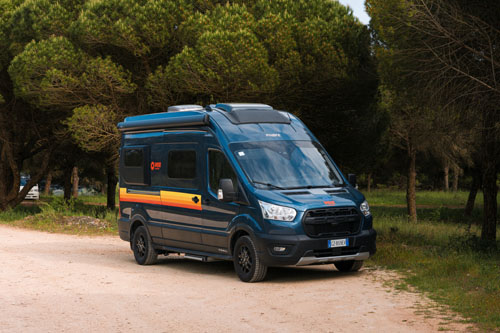
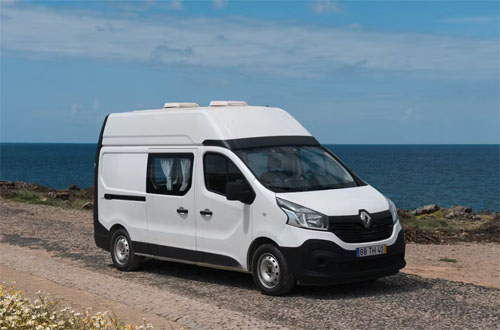
For a winter RV rental in North Europe, a Class SI - Semi-integrated RV or a Class B - Camper Van are highly recommended due to their optimal balance of comfort, maneuverability, and winter-readiness. Class SI - Semi-integrated RVs, with an average length of 6.9 meters and offering sleeping for 3-4 adults (based on Bandana's fleet), provide good living space and often better insulation for colder climates, such as the "Koru Star 2 Freedom (LDV)". Class B - Camper Vans, averaging 5.8 meters in length and accommodating 2-3 adults, are excellent for navigating narrower roads, congested city centers, and offer easier parking, while still providing essential amenities for winter travel. Both classes typically feature robust heating systems and are designed for cold-weather conditions, offering a comfortable base for exploring North Europe's stunning winter landscapes. When choosing your rental camper or motorhome, consider the number of travelers and the desired level of interior space versus the ease of driving on potentially challenging winter roads.Should I Choose a Compact Van Instead of a Large RV in North Europe?
While a compact campervan (Class B) offers superior maneuverability and easier parking in North Europe, larger RVs (Class C or SI) are generally comfortable to drive across the region and often provide essential additional space for winter gear and comfort. The primary advantage of a compact van, like an "Active Small" with its nimble size, becomes apparent in tight historic city centers or on very narrow, winding mountain passes, particularly in Norway's fjords. However, for winter travel, the added living space, larger fresh water tanks (e.g., a "MHC28" Class C with 160 liters), more robust heating, and increased storage for cold-weather clothing and equipment in a larger rented RV often outweigh the maneuverability trade-off. North European roads outside major urban areas are typically well-suited for larger motorhomes, making interior comfort and amenities, especially during long winter nights, a significant consideration. Ultimately, the choice depends on your itinerary, group size, and preference for comfort versus maximum agility, but generally, there's no inherent issue driving almost any RV size in North Europe.Can I Park Anywhere? Free & Wild Camping Rules in North Europe
Free and wild camping rules in North Europe vary significantly by country, with the 'Right to Roam' (Allemannsretten) in Norway, Sweden, and Finland offering more flexibility than in Denmark or the Baltic states. In Norway, Sweden, and Finland, the Right to Roam permits overnight parking and camping on uncultivated land for a night or two, provided you stay a reasonable distance from inhabited houses and leave no trace. Crucially, wild camping generally prohibits parking in designated car parks, at the side of main roads, or on private land without permission; always seek out areas away from human habitation. Denmark, Estonia, Latvia, and Lithuania have stricter regulations, usually requiring rented RVs to use designated campsites or official overnight parking areas; wild camping is often prohibited or severely restricted. Regardless of the country, always check local regulations and follow local law before parking overnight, ensuring you respect private property and environmental guidelines. RV-friendly recipes playlist can inspire great meals to cook in your RV no matter where you stop.Can I Drive an RV Into the City Center? Heights, Tunnels & Local Signage
Yes, you can generally drive a rented RV into most city centers in North Europe, but it requires careful attention to local signage, particularly regarding height restrictions, environmental zones, and parking. Many North European cities, including Oslo, Stockholm, and Copenhagen, implement congestion charges or low emission zones that may apply to RVs, requiring prior registration or payment. Always be vigilant for height limits on tunnels, bridges, and underground parking garages, as well as width restrictions on older, narrower streets. Look for specific local signage indicating 'Environmental Zones' (Miljøzone), 'Residents Only' (Beboerparkering), or prohibitions on vehicles over a certain weight or height. While access is often possible, parking a motorhome in city centers can be challenging and expensive; consider utilizing park-and-ride options on the outskirts for easier exploration. Remember, drive slowly and carefully, and you can drive almost anywhere without issues. No need to stress - just use common sense and pay attention.What is the 3-3-3 rule for RV travel?
The 3-3-3 rule for RV travel is a widely adopted guideline encouraging a relaxed pace: drive no more than 300 miles (approximately 480 km), arrive by 3 PM, and stay at least 3 nights in one location. This rule is designed to prevent driver fatigue, allow ample time for campsite setup and local exploration, and foster a more enjoyable, less rushed RV experience. Adhering to the 'arrive by 3 PM' aspect ensures you have sufficient daylight to find a spot, set up camp, and address any immediate needs, which is particularly beneficial during the short winter days in North Europe. Staying '3 nights' allows for deeper immersion in a destination, reducing the constant packing and unpacking, and is ideal for winter activities like skiing or Northern Lights viewing. While a guideline, especially in North Europe where distances between attractions can be vast, adapting the '300 miles' to perhaps '3 hours' of driving can be more practical due to winter road conditions and shorter daylight. This flexible approach helps ensure a smooth trip when you rent an RV.Is it possible to drive to Nordkapp in winter?
Yes, it is possible to drive a rented RV to Nordkapp (North Cape) in winter, but it requires meticulous planning, a well-equipped RV, and adherence to specific local regulations due to extreme weather conditions. The final stretch of road to Nordkapp (E69) is often closed in winter and only accessible by convoy led by a snowplow during specific hours, which varies daily based on weather and road conditions. Your rented motorhome must be fully winterized, equipped with appropriate studded winter tires, and carry essential safety gear such as snow chains, a shovel, warm clothing, and emergency supplies. Be prepared for rapidly changing weather, whiteout conditions, strong winds, and extreme cold, especially during the polar night period when daylight is minimal or non-existent. Driving to Nordkapp in winter offers a unique experience, including potential Northern Lights sightings, but demands respect for the harsh Arctic environment and flexibility with travel plans.Can you sleep anywhere in a campervan in Europe?
No, you generally cannot sleep anywhere in a rented campervan across all of Europe, as regulations concerning wild camping and overnight parking vary significantly by country and even by local municipality. While countries like Norway, Sweden, and Finland permit a degree of 'wild camping' on uncultivated land under their 'Right to Roam' laws, strict rules apply regarding proximity to dwellings and leaving no trace. In many other European countries, including Denmark and the Baltic states, wild camping is often prohibited or heavily restricted, requiring campervans to use designated campsites, official motorhome parking areas, or private land with permission. Always distinguish between 'parking,' which is often allowed where a car can park (provided you are not camping), and 'camping,' which implies setting up camp, extending awnings, or using leveling blocks, and is usually restricted. To avoid fines or issues, it is crucial to research specific national and local regulations for overnight parking and camping in each area you plan to visit in North Europe.What is the 444 rule for RV?
The 4-4-4 rule for RV travel is a variation of the 3-3-3 rule, suggesting driving no more than 400 miles, arriving by 4 PM, and staying for at least 4 nights at a location. Similar to the 3-3-3 rule, the 4-4-4 guideline aims to promote a more leisurely and less stressful RV journey, allowing for deeper exploration of destinations. The slightly longer driving distance and arrival time might suit those with a slightly tighter itinerary, while the longer stay duration maximizes the immersive experience. For winter RV travel in North Europe, the 'arrive by 4 PM' component is particularly useful, ensuring you set up camp before it gets dark, which can be very early during the polar night. Both the 3-3-3 and 4-4-4 rules are flexible guidelines, and travelers should adapt them to suit their individual preferences, road conditions, and the unique challenges of winter driving in North Europe. This flexibility is what makes renting a mobile home such a great option.Is Europe RV friendly?
Europe is generally very RV friendly, offering a diverse range of landscapes, well-developed road networks, and numerous amenities tailored for motorhome travel, though friendliness varies by region. North Europe, in particular, is highly RV friendly, known for its stunning natural beauty, excellent infrastructure, and a strong culture of outdoor recreation, making it ideal for winter RV adventures. The Nordic countries (Norway, Sweden, Finland) embrace the 'Right to Roam,' allowing more freedom for overnight parking and wild camping than many other parts of Europe. While fuel costs and some tolls can be higher in North Europe, the region compensates with breathtaking scenery, unique winter activities like Northern Lights viewing, and generally safe roads. Access to essential RV services like dump stations, potable water, and gas/propane refills is generally good, even in remote areas, although it's always wise to plan ahead for longer stretches. Our "RV Rental Europe - Complete Guide 2026" offers a broader look at continent-wide RV travel.Is it safe to drive in Europe in winter?
Yes, it is generally safe to drive a rented RV in Europe in winter, provided drivers are prepared for specific winter conditions and adhere to local regulations, particularly in North Europe. North European countries, especially the Nordics, are highly experienced in managing winter road conditions, employing effective snow removal and road maintenance. Mandatory winter tires (often studded) and carrying snow chains are common legal requirements in many parts of North Europe, essential for maintaining traction on icy or snowy roads. Drivers should be aware of reduced daylight hours, particularly north of the Arctic Circle, and the potential for severe weather changes, including blizzards and strong winds. With proper vehicle preparation, cautious driving, and staying informed about weather and road reports, driving a motorhome in North Europe during winter can be a safe and rewarding experience. Consider reviewing "Winter RV Rental in North Europe - Pricing Guide 2026" for budgeting winter-specific costs.Can you drive American RV in the UK?
While technically possible to drive an American RV in the UK, it presents significant practical challenges due to vehicle dimensions, driving side, and regulatory differences, making it largely irrelevant for winter RV rental in North Europe. American RVs are typically much larger and wider than their European counterparts, which can make navigating narrow UK roads, historic towns, and finding suitable parking extremely difficult. Driving on the left side of the road in the UK with a left-hand drive American RV requires considerable adjustment and can impair visibility, especially when overtaking. Regulatory hurdles include potential vehicle modifications to meet UK/EU standards (e.g., headlights, braking systems) and ensuring your driver's license is valid for the vehicle's weight and class. For winter RV travel in North Europe, it is far more practical and recommended to rent a European-specification RV designed for local conditions and regulations.What is the 3-3-3 rule for RV living?
The 3-3-3 rule for RV living refers to a popular guideline for long-term RVers: move every 3 days, stay within 3 hours of your current location, and spend no more than $300 on a campsite per month. This version of the 3-3-3 rule focuses on the lifestyle and financial aspects of sustained RV travel, rather than single trip planning. The 'move every 3 days' encourages exploration without excessive travel days, offering a good balance for seeing various areas while avoiding a rushed feeling. Staying 'within 3 hours' helps manage fuel costs and prevents extensive, tiring travel days, which is particularly relevant when budgeting for an expensive region like North Europe. The '$300 on a campsite per month' is a financial goal, indicating a preference for boondocking, wild camping, or utilizing cheaper overnight spots to keep costs down, a strategy that can be adapted for North Europe where free camping opportunities exist in some regions. This flexibility is a key benefit when you rent a camper.What is the 333 rule for campervan?
The 333 rule for campervan travel is identical to the 3-3-3 rule for RV travel, recommending that you drive no more than 300 miles (approximately 480 km), arrive at your destination by 3 PM, and stay at least 3 nights in one location. This guideline is particularly beneficial for campervan travelers as it promotes a relaxed pace, reduces driving fatigue, and allows ample time to enjoy each location. For winter campervan adventures in North Europe, adhering to the 'arrive by 3 PM' aspect is crucial due to significantly shorter daylight hours, ensuring you can safely set up camp before dark. Staying for '3 nights' provides a solid base for exploring the local area, engaging in winter sports, or waiting for optimal conditions for Northern Lights viewing. While a useful heuristic, always adapt the 333 rule to the specific conditions of your trip, including road conditions, weather forecasts, and personal preferences, especially when navigating North European winters. For route inspiration, check out the "RV Travel Guide to North Europe - Tips and Top Spots 2026."Can I drive an RV in America on a UK licence?
Yes, you can typically drive an RV in America on a UK license, provided your UK license is valid for the class of vehicle you intend to drive and you meet the minimum age requirements set by rental companies. For RVs up to 10,000 lbs (approximately 4,536 kg), a standard UK Category B license is usually sufficient in most US states, as these vehicles generally fall under the standard passenger car license class. For heavier RVs, you might need a non-commercial Class B or Class A license in the US, which could correspond to a UK C1 or C license, depending on the RV's weight and whether it has air brakes. While an International Driving Permit (IDP) is not legally required for UK license holders in many US states, it is strongly recommended as it provides an official translation of your license, which can be helpful for law enforcement or rental agencies. This question is generally outside the scope of winter RV rentals in North Europe, where European licensing standards apply.What You Shouldn't Miss
- **Chase the Northern Lights:** Head north of the Arctic Circle in Norway, Sweden, or Finland for the best chances to witness the spectacular aurora borealis from your cozy rented campervan, especially from October to March.
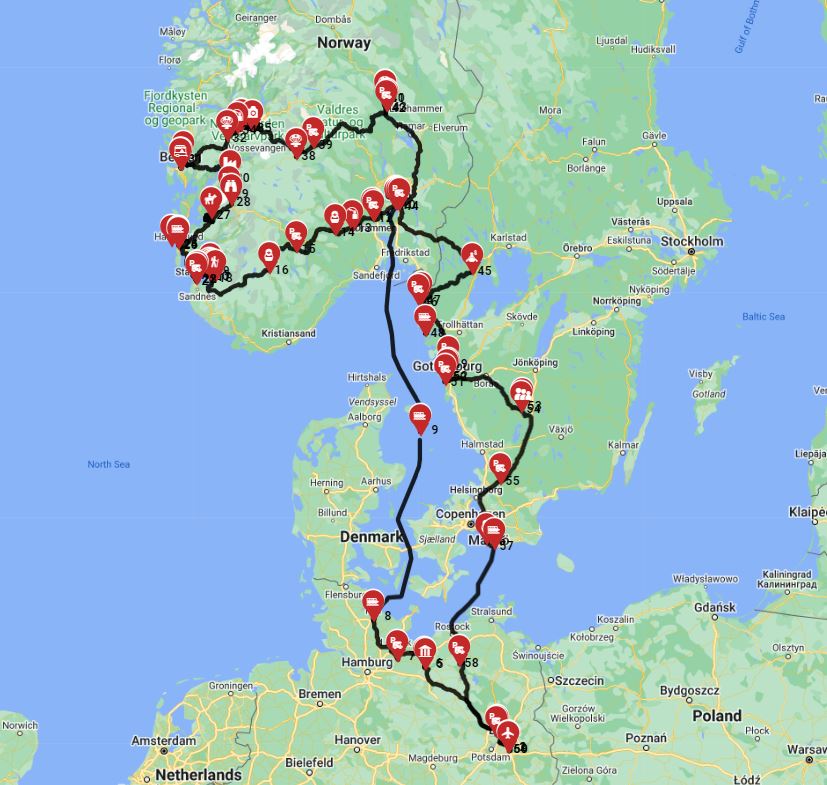
- **Explore Norway's Fjords:** Drive the stunning Fjord Route in Western Norway, taking ferries across iconic fjords like Geirangerfjord, and enjoying the dramatic winter landscapes from your motorhome.
- **Visit Santa's Village in Rovaniemi, Finland:** Experience the magic of Christmas all winter long with a visit to the official home of Santa Claus, easily accessible with your rented RV for a family-friendly adventure.
- **Experience Sámi Culture in Swedish Lapland:** Immerse yourself in the indigenous Sámi culture, perhaps with a reindeer sleigh ride or by tasting traditional Sámi cuisine, a unique cultural experience in your rented caravan.
- **Discover Copenhagen's Hygge:** Enjoy the festive atmosphere of Copenhagen, Denmark, with its charming Christmas markets and cozy cafes, parking your RV at a nearby city campground and exploring by public transport.
- **Ski or Snowboard in Åre, Sweden:** For winter sports enthusiasts, drive your rental motorhome to Åre, one of Scandinavia's largest and most popular ski resorts, offering excellent slopes and facilities.
🎬 Video coming soon
Looking for expert insights from Avi Bandana? Top 5 Adventures - recommendations from Avi Bandana
Final Thoughts
Venturing into North Europe with a rented RV during winter is an experience that offers unparalleled beauty and a sense of true adventure. From the serene, snow-covered landscapes to the vibrant cultural encounters, a motorhome provides the perfect base for exploring this magical region. With careful planning and adherence to local driving advice, your journey will be safe, comfortable, and truly unforgettable. We hope this guide has inspired you and provided the practical knowledge you need to embark on your winter RV dream. Remember, traveling slowly – perhaps max 100-150 km per day on average – allows you to truly feel the place, connect to the culture, the food, and the scenery. Get inspired for your next trip and discover top destinations, planning tips, all in one place with Bandana RV!On the routes offered through RV PLANET routes, you can itemize and track every expense along the way for easy budgeting.