In This Guide
- What Winter RV Rental Costs in North Europe (CurrentYear)
- Seasonal Pricing - Peak vs. Shoulder vs. Off-Season in North Europe
- What's Included vs. What's an Add-On
- Hidden Costs to Budget For in North Europe
- How to Save on Winter RV Rental in North Europe
- Can you sleep anywhere in a campervan in Europe?
- Is it cheaper to rent an RV or stay in hotels?
- How much does it cost to rent an RV in France?
- What is the 333 rule for campervan?
- How much does it cost to rent an RV in Europe?
- Do RV prices go down in winter?
- Is Europe RV friendly?
- What is the cheapest RV in the world?
- What You Shouldn't Miss
- Why Book with Bandana Caravan
- Final Thoughts
- Frequently Asked Questions
🎬 Video coming soon
What Winter RV Rental Costs in North Europe (CurrentYear)
April is typically the cheapest month for RV rental in North Europe, offering significant savings compared to peak summer rates for similar vehicles and durations. Prices are influenced by RV class, rental duration, and specific dates, reflecting a dynamic pricing model based on supply and demand. For example, a compact campervan like the "Group A" might rent for €80-€120 per day in winter, while a spacious 6-berth motorhome like the "Euro Deluxe" could range from €150-€250 per day. These flex-rates change daily based on availability, seasonality, and supplier marketing decisions, so the final price is set at the actual booking time.Live April Price Comparison — RV Class × Trip Length
| Trip length | Class A | Class B | Class C | Class SI | Class TC |
|---|---|---|---|---|---|
| 1 week 15/04 → 22/04 | [Price_ClassType-A_PickupID-3_DropoffID-3_PickupDate-15/04_DropoffDate-22/04] | [Price_ClassType-B_PickupID-3_DropoffID-3_PickupDate-15/04_DropoffDate-22/04] | [Price_ClassType-C_PickupID-3_DropoffID-3_PickupDate-15/04_DropoffDate-22/04] | [Price_ClassType-SI_PickupID-3_DropoffID-3_PickupDate-15/04_DropoffDate-22/04] | [Price_ClassType-TC_PickupID-3_DropoffID-3_PickupDate-15/04_DropoffDate-22/04] |
| 2 weeks 15/04 → 29/04 | [Price_ClassType-A_PickupID-3_DropoffID-3_PickupDate-15/04_DropoffDate-29/04] | [Price_ClassType-B_PickupID-3_DropoffID-3_PickupDate-15/04_DropoffDate-29/04] | [Price_ClassType-C_PickupID-3_DropoffID-3_PickupDate-15/04_DropoffDate-29/04] | [Price_ClassType-SI_PickupID-3_DropoffID-3_PickupDate-15/04_DropoffDate-29/04] | [Price_ClassType-TC_PickupID-3_DropoffID-3_PickupDate-15/04_DropoffDate-29/04] |
| 1 month 01/04 → 30/04 | [Price_ClassType-A_PickupID-3_DropoffID-3_PickupDate-01/04_DropoffDate-30/04] | [Price_ClassType-B_PickupID-3_DropoffID-3_PickupDate-01/04_DropoffDate-30/04] | [Price_ClassType-C_PickupID-3_DropoffID-3_PickupDate-01/04_DropoffDate-30/04] | [Price_ClassType-SI_PickupID-3_DropoffID-3_PickupDate-01/04_DropoffDate-30/04] | [Price_ClassType-TC_PickupID-3_DropoffID-3_PickupDate-01/04_DropoffDate-30/04] |
Estimates only — flex-rate prices change daily based on availability and season.
Seasonal Pricing - Peak vs. Shoulder vs. Off-Season in North Europe
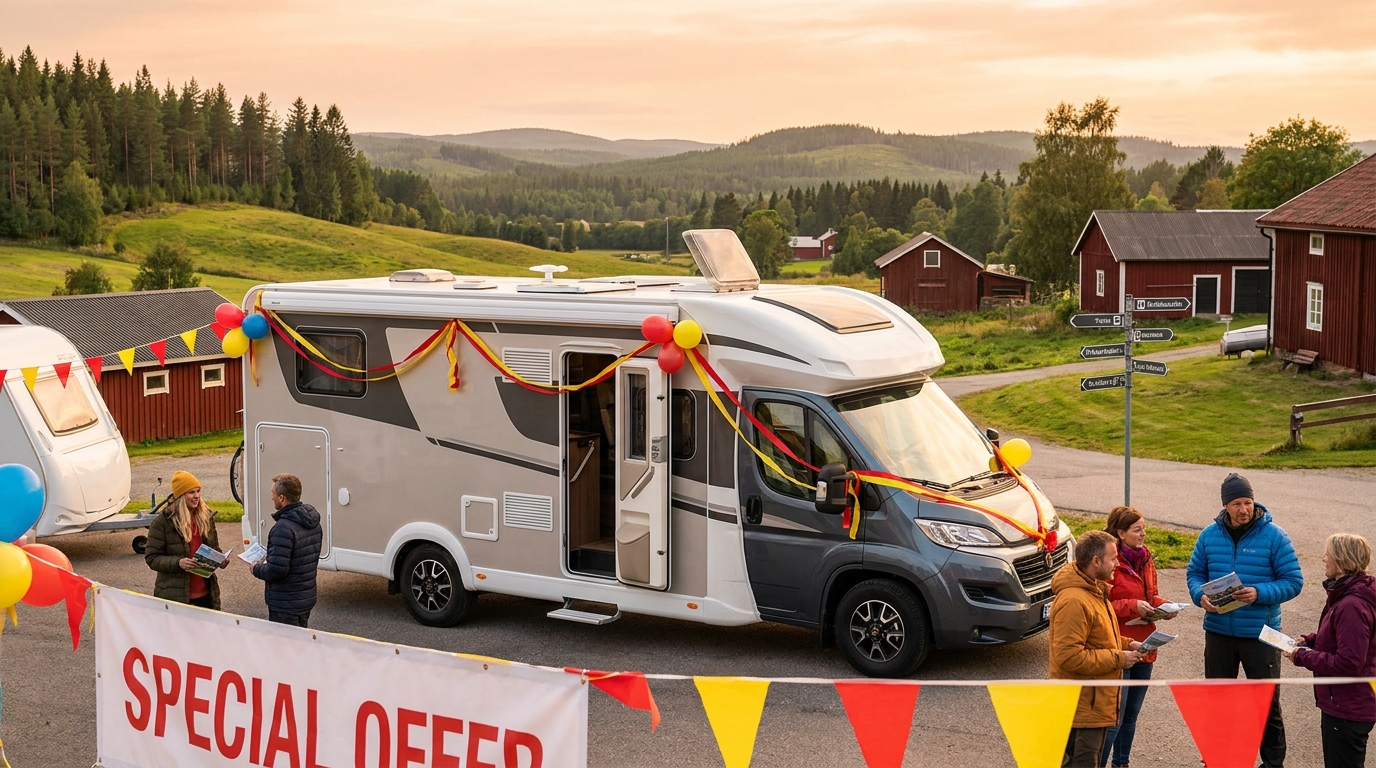
RV rental prices in North Europe fluctuate significantly with the seasons, making timing a crucial factor in budgeting your trip. Understanding these seasonal shifts can help secure better deals. Peak season, typically spanning July and August, sees the highest demand and consequently the highest prices. During this time, availability can be limited, and prices often change significantly day-to-day - always check specific dates well in advance to secure a booking. Expect daily rates for a 4-berth Class C motorhome like the "4 Berth Adventurer" to be 30-50% higher than in the off-season. Shoulder seasons, which include May-June and September-October, offer a balance of pleasant weather and more moderate prices. This period is ideal for those looking to avoid the summer crowds while still enjoying favorable conditions for RV travel, with daily rates generally 15-25% lower than peak. Off-season, generally from November to April, presents the lowest rental rates, with April often being the cheapest month. While weather can be colder and daylight hours shorter, winter RVing in North Europe offers unique experiences like seeing the Northern Lights, often at a fraction of peak season costs. Some rental stations may have limited winter availability or require specialized winter-ready RVs with features like advanced heating systems or studded tires.What's Included vs. What's an Add-On
When renting an RV in North Europe, it's essential to understand what comes standard with your rental versus what might incur additional charges. These inclusions and add-ons vary significantly by RV class, specific vehicle, and rental station, and we strive for full transparency to avoid any surprises. Generally, basic insurance is always included with your RV rental. However, you often have the option to upgrade to more comprehensive coverage for increased peace of mind; to see prices including the most comprehensive coverage, select that option during search - then all relevant insurance options will be shown. You can upgrade to a top-level deductible for extra peace of mind, reducing your financial liability in case of an incident. Common add-ons include mileage packages (some rentals offer unlimited mileage, others have daily limits), generator usage fees, kitchen kits (pots, pans, utensils for preparing delicious meals), bedding and linen sets, and sometimes even camping chairs or outdoor tables. Many rental platforms, like Bandana RV, allow you to compare RVs side-by-side, specifically showing toggles for included kitchen utensils, tableware, and bedding, making it easier to see what you get upfront. Always verify the specific inclusions and optional extras for your chosen RV before confirming your booking.Hidden Costs to Budget For in North Europe
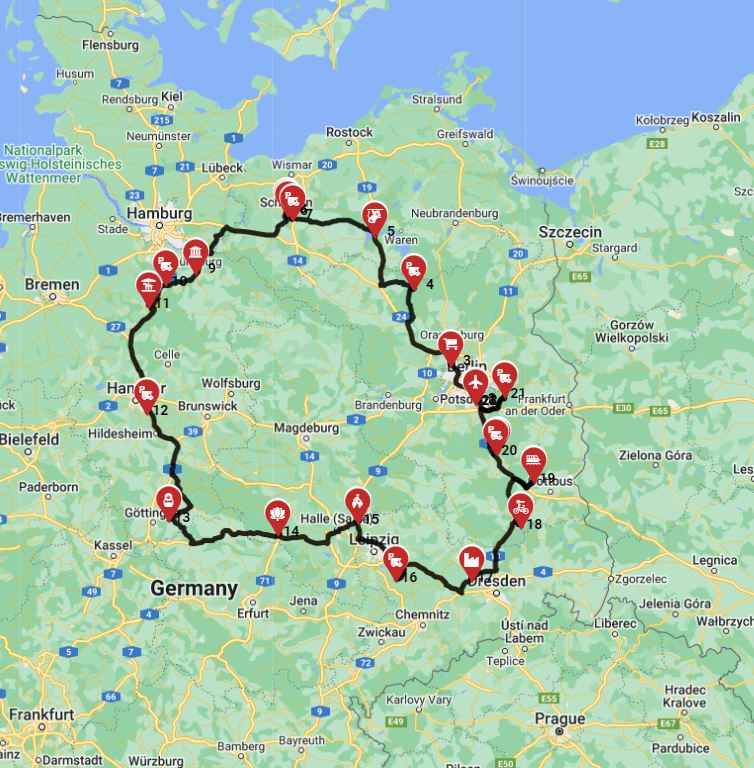
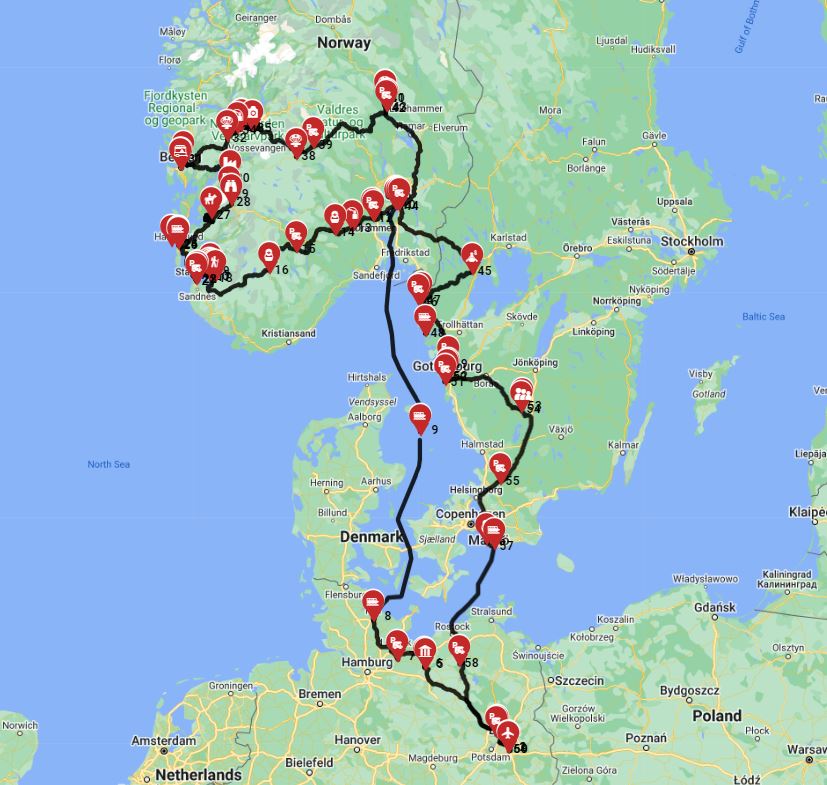
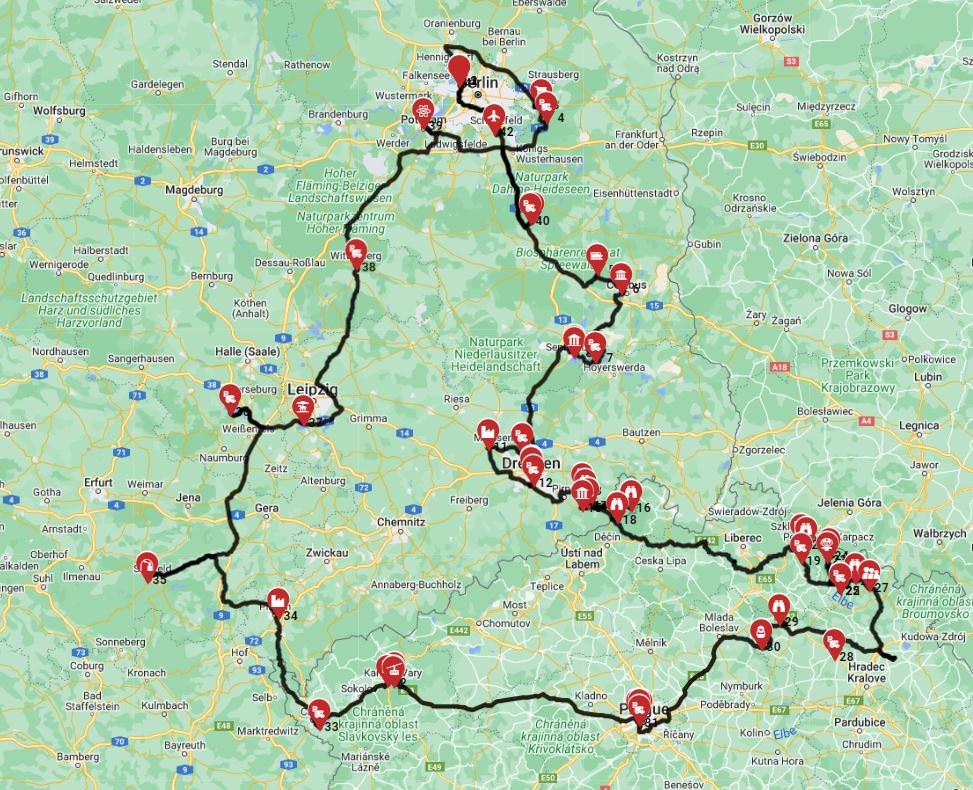
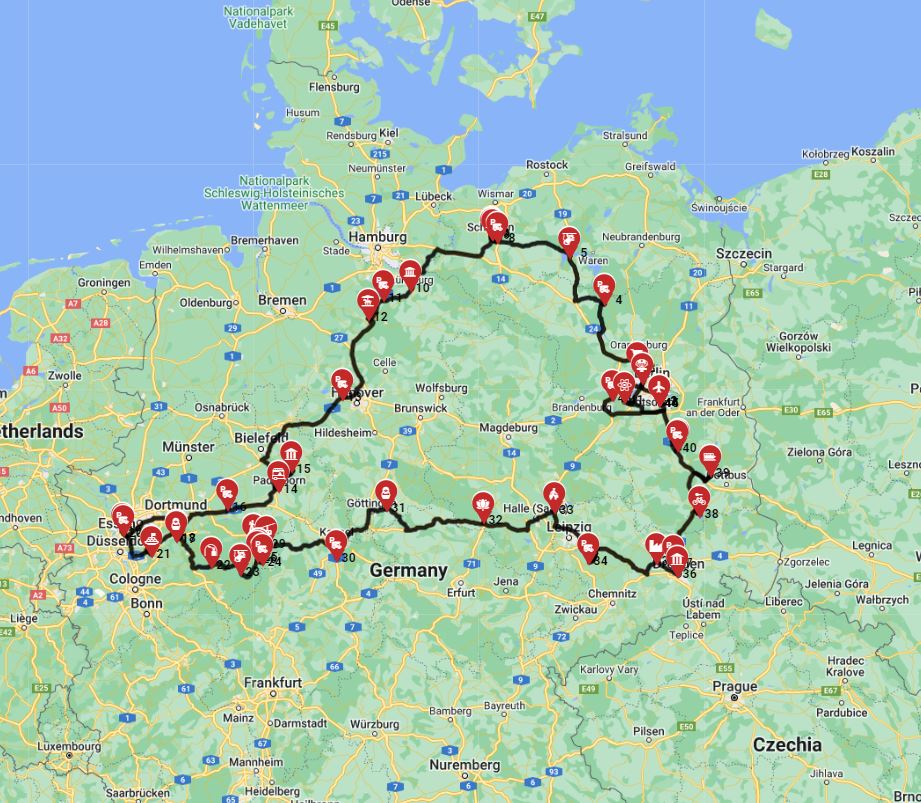
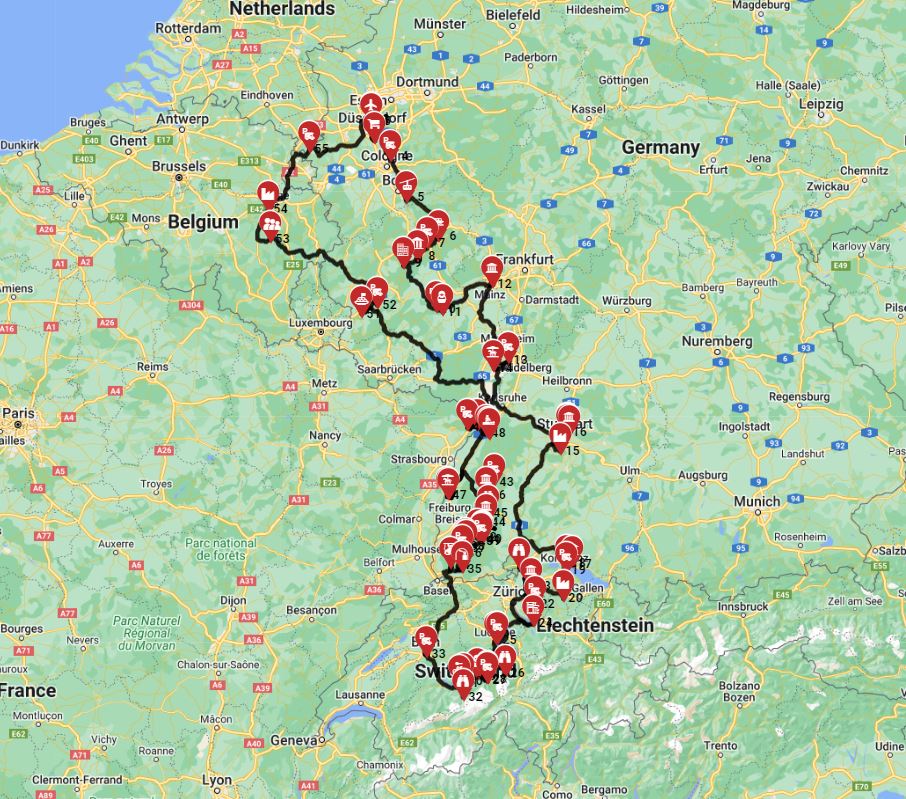
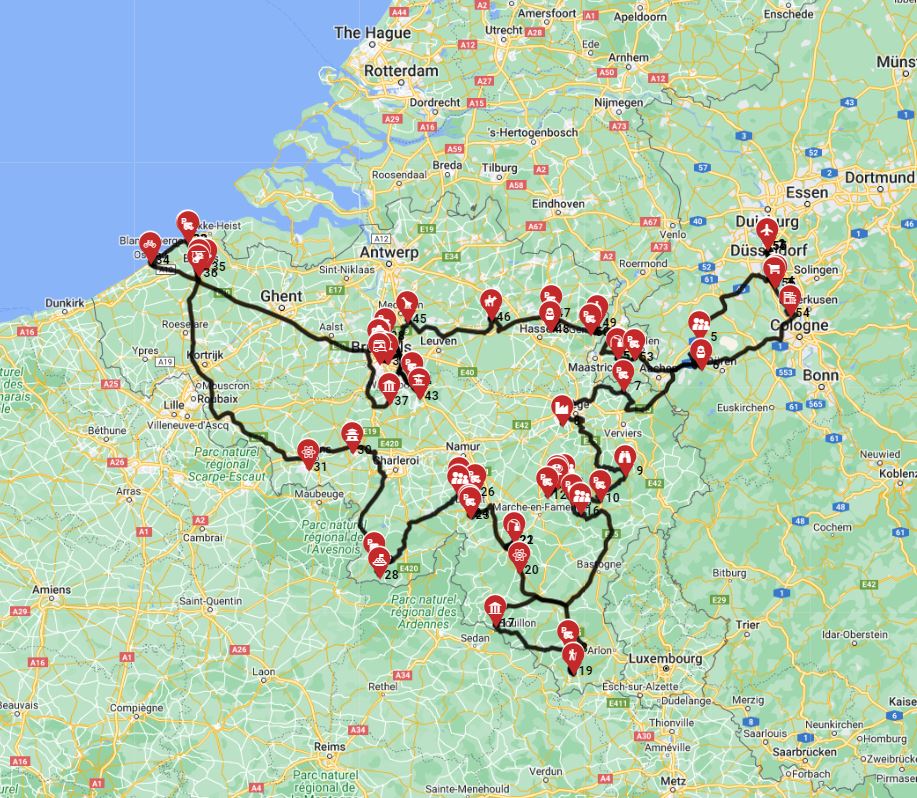
Beyond the rental fee, several additional expenses contribute to the overall cost of your RV trip through North Europe. Budgeting for these 'hidden' costs ensures a smooth and stress-free journey. Key costs to factor in include road tolls, which are common across many European countries, and campsite fees, as wild camping regulations vary and designated sites offer necessary amenities. Fuel costs can be substantial, especially for larger RVs like a Class C "MHC28" which might consume around 25 liters per 100km, and for longer distances. Additionally, you might encounter dump-station charges for waste disposal, though many campsites include this. To help mitigate some of these expenses, inquire about perks such as pre-purchasing toll-road usage with some RVs to avoid surprise charges and fines, which can be a significant convenience. Some of Bandana's partners also offer campground discount cards or even include fuel discount cards with certain rentals. For finding campsites and campgrounds during your trip, we recommend using RV PLANET (rvplan.net) - a great resource for locating available spots along your route. On RV PLANET routes, travelers can itemize and track every expense along the way for easy budgeting. Always ask about these potential savings and specifics at pickup to ensure you're fully prepared for your journey.How to Save on Winter RV Rental in North Europe
Optimizing your RV rental budget in North Europe is achievable with strategic planning and smart choices. From booking times to vehicle selection, several factors can significantly reduce your overall expenditure. **Book in Shoulder or Off-Season:** As highlighted, renting during spring (like April) or autumn months can lead to substantial savings compared to peak summer prices. Winter rentals, while colder, offer the lowest rates and unique experiences, with potential savings of 30-50% on daily rates. **Pre-Pay Tolls and Use Discount Cards:** Inquire if your rental provider offers options to pre-purchase toll-road usage or provides discount cards for fuel or campgrounds. These can lead to tangible savings over the course of your trip, especially if you plan an extensive route like the "Week-Long RV Driving Tour in North Europe 2026". **Choose a Smaller RV Class:** If your group size allows, opting for a Class B campervan like the "Combi Van" or a smaller Class C RV like the "C-Small" instead of a larger Class A can reduce rental costs, fuel consumption (e.g., 9-12 liters/100km for a campervan), and often make navigating smaller European roads easier. Drive slowly and carefully, and you can drive almost anywhere without issues. No need to stress - just use common sense and pay attention. **Book Longer Durations:** Many rental companies offer better daily rates for extended rental periods. If your itinerary permits, a two-week or month-long rental can be more cost-effective per day than shorter trips. **Monitor Flex-Rate Drops:** Keep an eye on dynamic pricing. Rental rates can fluctuate, and sometimes last-minute deals or off-peak promotions become available. Flexibility with your travel dates can pay off. **Self-Cater:** Utilize your RV's kitchen facilities to cook meals rather than eating out frequently. Grocery shopping is almost always cheaper than restaurant dining in Europe. For inspiration, check out our RV-friendly recipes playlist.Can you sleep anywhere in a campervan in Europe?
No, generally, you cannot freely sleep anywhere in a campervan across Europe, as regulations regarding wild camping and overnight parking vary significantly by country, region, and even local municipality. While some countries, particularly in Scandinavia (like Norway or Sweden), have more permissive 'right to roam' laws that extend to motorhomes (with caveats about proximity to private dwellings and waste disposal), most Western and Southern European nations have stricter rules. Many areas prohibit overnight parking outside designated campsites or specific RV parking spots to protect natural environments and manage tourism. Violations can lead to fines up to several hundred Euros. It is always best to research local regulations for each specific area you plan to visit or rely on established campsites and official Stellplatz (in Germany) or Aires de Camping-Cars (in France) for safe and legal overnight stays. Planning ahead with resources like rvplan.net is highly recommended.Is it cheaper to rent an RV or stay in hotels?
Whether renting an RV is cheaper than staying in hotels largely depends on several factors, including the number of travelers, trip duration, desired comfort level, travel style, and specific destinations in North Europe. For families or groups (4-6 people) traveling for an extended period (a week or more), an RV can often be more cost-effective, especially when considering the combined costs of multiple hotel rooms, dining out for every meal, and separate transportation. A rented RV provides both accommodation and transport, plus a kitchen for self-catering, which can significantly reduce food expenses over a 10-day trip. However, initial RV rental costs, fuel, campsite fees (averaging €20-€50 per night), and potential add-ons must be factored in. For solo travelers or short trips, or those preferring urban exploration where parking is difficult and hotels are abundant, hotels might be more convenient or even cheaper. In winter, hotels might be preferable in some remote regions due to challenging road conditions or a limited number of open campsites, but many larger winter campgrounds in North Europe offer excellent facilities.How much does it cost to rent an RV in France?
The cost to rent an RV in France varies significantly based on factors such as the RV class, rental duration, season, and booking lead time, but generally ranges from €70-€200 per day in off-peak season to €150-€350+ per day during peak summer months. As a popular RV destination in Europe, France offers a wide range of vehicles, from compact campervans (e.g., "campervan hire france example Outback") to luxury Class A motorhomes. A small campervan (Class B) in the shoulder season might be on the lower end, while a large, family-friendly Class C or A during August will be at the higher end. These prices typically include basic insurance, but additional mileage, comprehensive insurance, and comfort kits (like bedding and kitchenware) are often extra. For specific live pricing in France, it is recommended to use the search functionality on platforms like Bandana RV, specifying your desired pick-up location in France and travel dates.What is the 333 rule for campervan?
The '333 rule' for campervan or RV travel is a widely adopted guideline, particularly among beginners, designed to promote a relaxed and enjoyable pace of travel by setting reasonable limits on daily driving and location changes. This rule helps prevent burnout and encourages deeper exploration. The rule suggests: 1. **Don't drive more than 300 kilometers (approx. 186 miles) in a day.** This prevents driver fatigue and allows more time for sightseeing and enjoyment of the chosen North Europe itinerary. 2. **Don't stay in the same place for more than 3 days.** This encourages exploration of different areas without feeling rushed to pack up every morning, allowing for a better connection to the local culture and scenery. 3. **Don't spend more than 3 hours driving without a break.** This promotes safety by ensuring regular rest stops and preventing burnout, crucial when driving a rented motorhome through varied terrains. While not a strict regulation, the 333 rule helps create a less stressful itinerary, allowing travelers to truly experience each location rather than rushing through their trip. It's particularly useful for those new to RV travel in North Europe, where road conditions and attractions can vary significantly. Remember to travel slowly, max 100-150 km per day on average, to truly feel the place.How much does it cost to rent an RV in Europe?
Renting an RV in Europe typically ranges from €60-€100 per day for smaller campervans in the off-season to €250-€400+ per day for large luxury motorhomes during peak summer, with prices varying significantly across different countries and rental providers. The overall cost is highly influenced by the vehicle size and class (e.g., compact Class B, family-friendly Class C like the "Class Family," or spacious Class A), the specific country (e.g., North European countries might have different pricing structures compared to Southern Europe), the time of year (as detailed in the 'Seasonal Pricing' section above), and the length of your rental. For instance, renting in Eastern Europe might be cheaper than in Scandinavia or Switzerland. Rental prices generally include basic insurance and a set mileage limit, with additional costs for comprehensive insurance, extra mileage, kitchen kits, and bedding. For detailed pricing specific to your European destination and dates, it's best to consult a specialized RV rental comparison platform. Many suppliers on Bandana RV, direct partners with 50+ leading RV suppliers worldwide, offer bookings in 30+ currencies with full price transparency. If you want to compare "RV Rental Europe - Complete Guide 2026" pricing, we can help.Do RV prices go down in winter?
Yes, RV rental prices in North Europe, and generally across the continent, typically go down significantly in winter as it is considered the off-season due to lower demand, making it a more affordable time to rent. Winter, usually from November to March, is characterized by reduced tourism traffic, leading rental companies to offer lower daily rates to attract customers. For example, a 2-berth Class B campervan like the "2 Berth Hi Top" which is "Winter Ready" might see prices drop by 30-50% compared to its summer peak. While the weather can be more challenging and some campsites may be closed, winter RVing offers unique opportunities like exploring snow-covered landscapes or hunting for the Northern Lights in Scandinavia. However, it's important to note that some rental stations may have limited inventory or close entirely during the deepest winter months, and specialized winter-ready RVs (with features like better insulation, snow tires, or auxiliary heating) might be required, potentially influencing the remaining available prices. April is often highlighted as the sweet spot, still benefiting from off-season rates but with improving weather conditions for an RV trip.Is Europe RV friendly?
Yes, Europe is generally very RV friendly, offering an extensive network of campsites, dedicated motorhome parking areas (like Aires de Camping-Cars in France or Stellplatz in Germany), and diverse landscapes perfect for road trips, although regulations and infrastructure vary by country. Many European countries, particularly France, Germany, and the Netherlands, have excellent infrastructure tailored for RVs, including well-maintained roads, numerous service areas, and a vast array of campsites ranging from basic to luxury. Scandinavia also boasts stunning scenery and generally more relaxed wild camping rules (with respect for nature). However, navigating large cities can be challenging due to narrow streets, parking restrictions, and congestion charges. Drive slowly and carefully, and you can drive almost anywhere without issues. No need to stress - just use common sense and pay attention. Also, rules for wild camping and overnight parking differ, with some countries being stricter than others. Overall, with good planning and an understanding of local customs and laws, Europe offers an incredibly rewarding RV travel experience. For specific routes and practical driving information, consider our "Driving an RV in North Europe - Complete Guide 2026" or "RV Driving Deals in North Europe - Routes and Savings 2026" resources.What is the cheapest RV in the world?
Identifying the single cheapest RV in the world is challenging as it depends heavily on whether you're referring to new vs. used, self-builds, specific markets, and what constitutes an 'RV.' However, very basic, often pre-owned or self-converted small vans or micro-campers typically represent the lowest entry point into RV ownership globally. For brand new factory-produced RVs, some of the most affordable models might be found in countries with lower manufacturing costs or where simpler, more compact designs are popular, such as certain parts of Asia or Eastern Europe. These are often compact Class B or C models with minimal amenities. For rental purposes, a basic Class B campervan (like a VW California Ocean-style vehicle) is usually the cheapest option compared to larger Class C or A motorhomes. The "Category Van" or "Van - Economy" vehicles with features like a 95-liter fresh water tank and compact dimensions are excellent budget-friendly choices for exploring North Europe. Bandana RV exclusively caters to RV rental travelers, so our focus is on providing affordable and transparent rental options for your vacation.What You Shouldn't Miss
North Europe in winter transforms into a breathtaking wonderland, offering unique adventures for the rented RV traveler. Here are some must-do experiences:- **Chase the Northern Lights in Finnish Lapland**: Drive your rented motorhome into the Arctic Circle, perhaps to Rovaniemi, Finland, or Tromsø, Norway, for the best chances to witness the spectacular Aurora Borealis, visible from September to March.
- **Explore Norway's Dramatic Fjords**: Navigate coastal routes like the Atlantic Ocean Road (Atlanterhavsveien) with a smaller campervan, offering stunning snow-capped views and access to charming villages, often requiring a ferry or two.
- **Discover Iceland's Geothermal Wonders**: Circle the 1,332 km Ring Road (Route 1) in your rented RV, stopping at famous hot springs like the Blue Lagoon, active volcanoes, and frozen waterfalls, experiencing nature's raw power.
- **Experience Swedish Winter Charm**: Visit charming Christmas markets in Stockholm or Gothenburg, or head north to regions like Åre for excellent skiing and snowboarding opportunities accessible by a winter-ready motorhome.
- **Witness Danish "Hygge" in Coastal Towns**: Take your rented RV to quaint seaside towns like Skagen in Denmark, even in winter, and immerse yourself in the cozy, warm atmosphere that defines Danish hygge.
Final Thoughts
A winter RV rental in North Europe is more than just a trip; it's an immersive journey into breathtaking landscapes and unique cultural experiences. Whether you're chasing the Northern Lights in a cozy campervan or exploring snow-covered national parks in a spacious motorhome, the freedom of the open road awaits. We handle the details, you live the journey - personal service from day one until your booking is confirmed. With dynamic pricing, flexible options, and comprehensive support, Bandana RV makes it easy to plan an unforgettable adventure. Remember, traveling slowly – perhaps 100-150 km per day on average – allows you to truly connect with the culture, food, and stunning scenery that North Europe has to offer. So, start dreaming, compare winter RV Rentals in North Europe, and prepare for a winter wonderland experience!On the routes offered through RV PLANET routes, you can itemize and track every expense along the way for easy budgeting.