In This Guide
- Can You Drive an RV in North East US? License & Age Rules
- Road Conditions & Terrain in North East US
- RV Size Limits, Bridges & Restricted Zones
- Fuel: Diesel vs. Petrol & Cost per 100 km
- Tolls, Vignettes & Border Rules
- Driving Tips for winter rv rental Travelers
- Recommended RV Class for North East US Roads
- Should I Choose a Compact Van Instead of a Large RV in North East US?
- Can I Park Anywhere? Free & Wild Camping Rules in North East US
- Can I Drive an RV Into the City Center? Heights, Tunnels & Local Signage
- What is the 3-3-3 rule for RV driving?
- How cold is too cold for an RV?
- What size RV can you drive without a special license?
- Is it safe to drive an RV in the winter?
- Where do RV snowbirds go in the winter?
- Do you need an RV license in the USA?
Winter RV driving in the North East US offers a unique and breathtaking way to experience snow-dusted landscapes, charming towns, and crisp, invigorating air. While it presents its own set of challenges, proper preparation and knowledge can make it an incredibly rewarding adventure. As specialists in RV rentals since 2001, helping tens of thousands of travelers explore the world, Bandana RV provides transparent information and support to ensure your winter road trip in a rented motorhome is smooth and memorable. For live availability and current prices, start with our RV Rental North East US - Complete Guide 2026 guide, and for broader planning, explore our RV Rental USA - Complete Guide 2026.
Can You Drive an RV in North East US? License & Age Rules
Most rental RVs in the North East US can be driven with a standard Class D driver's license, provided their Gross Vehicle Weight Rating (GVWR) is under 26,000 pounds (approximately 11,793 kilograms). This threshold covers virtually all Class B campervans, Class C alcove models, and even many Class A motorhomes offered for rental. For visitors from non-English speaking countries, an International Driving Permit (IDP) is recommended to accompany your valid license from your home country, although it is not mandatory in all cases, it significantly aids in communication with local authorities.
The minimum driver age for RV rentals in the North East US is typically 21 years old across most of our partner suppliers, including trusted names like El Monte and Cruise America. Bandana RV takes pride in its clear policies: there are no young driver surcharges and no vehicle class restrictions based on age, ensuring accessibility for a wider range of adventurers. Always check specific supplier terms at the time of booking, but rest assured, driving a rented motorhome through the beautiful North East is more accessible than you might think.
Road Conditions & Terrain in North East US
The North East US features varied terrain, from dense urban areas and picturesque coastal routes to challenging mountainous regions like the Adirondacks, White Mountains, and Berkshires, which can present significant considerations for winter RV travel. Winter road conditions are often unpredictable and can include snow, ice, black ice, and slush, requiring careful driving, especially on winding mountain roads or unpaved campground access routes. Road quality varies considerably by state and locality; some areas boast well-maintained interstate highways, while others feature narrower, older state roads.
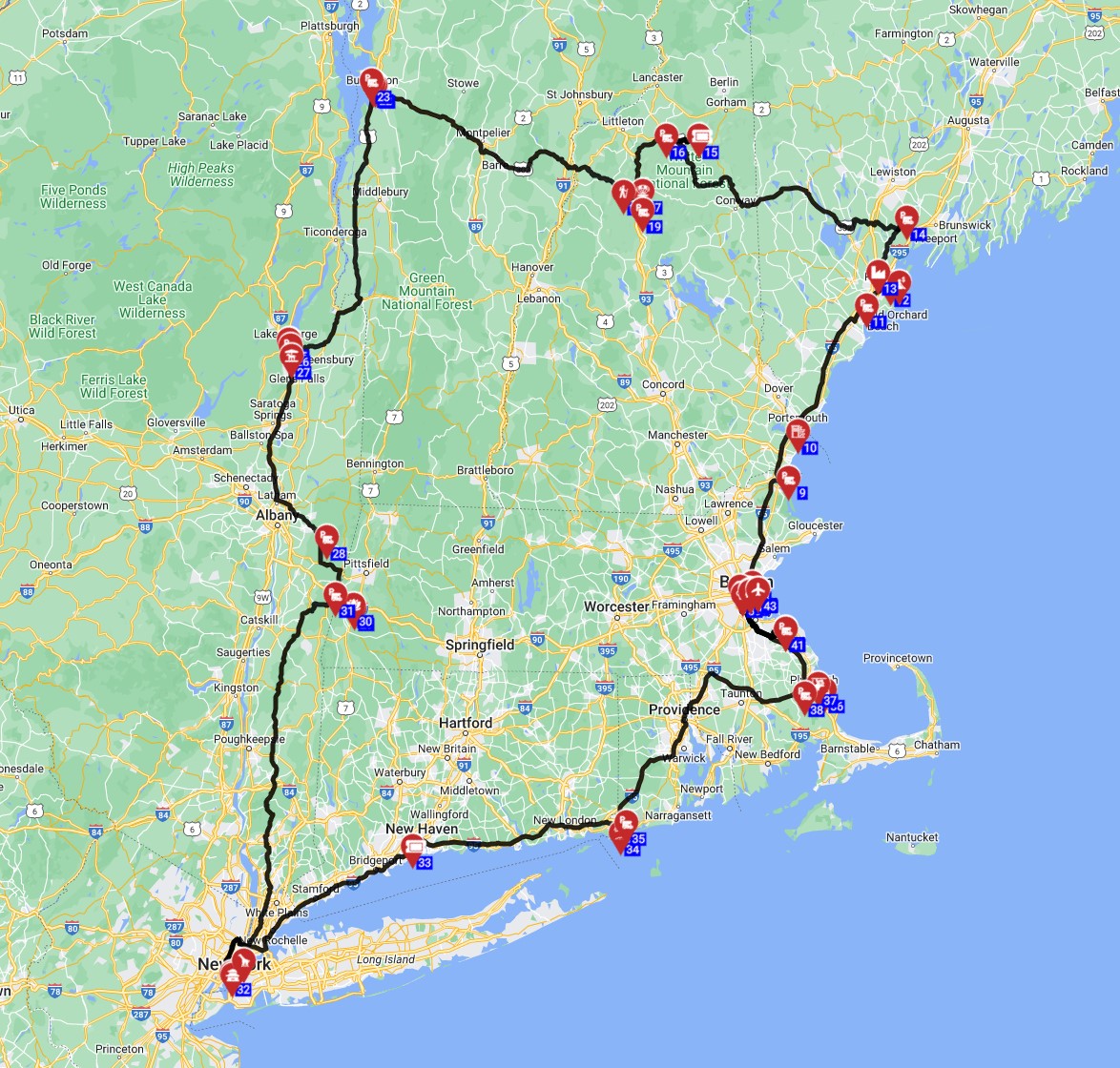
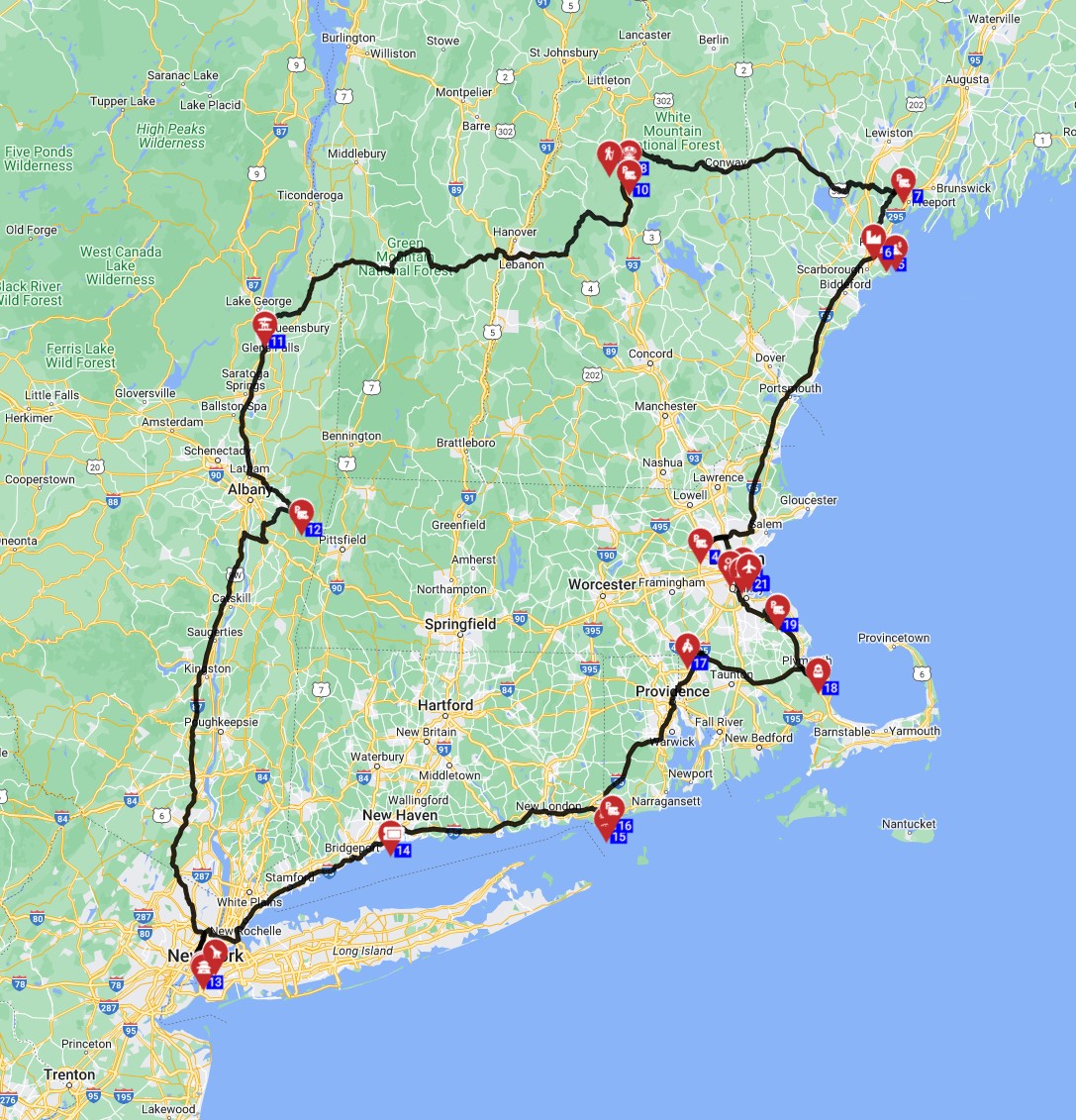
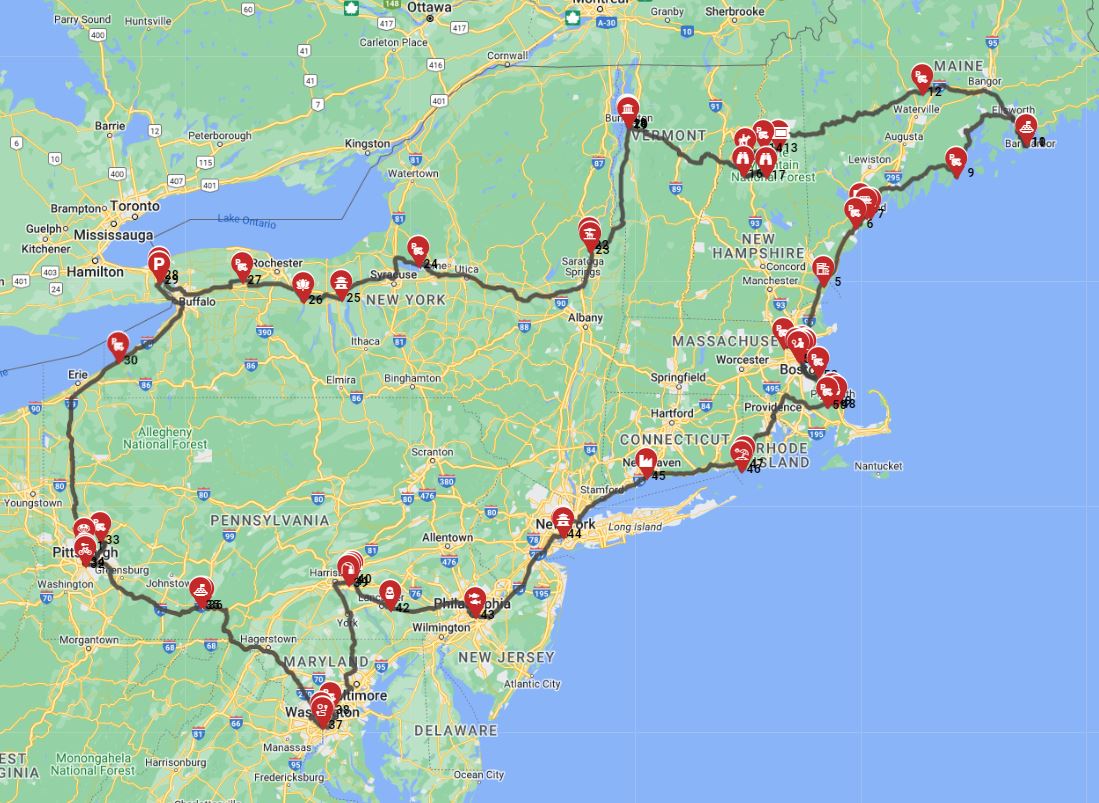
To safely navigate these conditions, we always recommend slow travel, averaging no more than 100-150 km (60-90 miles) per day. This allows you ample time to react to sudden changes in weather or road surface, enjoy the scenic beauty, and adapt to local driving norms. For example, traveling slowly through Vermont's rolling hills or New Hampshire's White Mountains allows you to appreciate the winter wonderland without feeling rushed. Remember, your rented RV is your cozy haven, so take your time and savor the journey.
RV Size Limits, Bridges & Restricted Zones
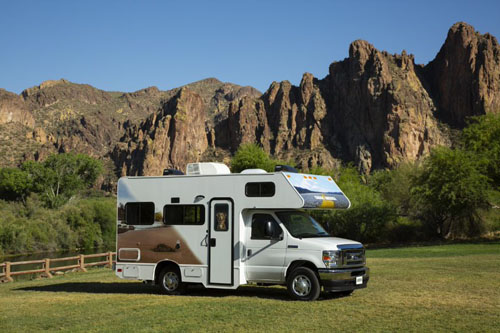
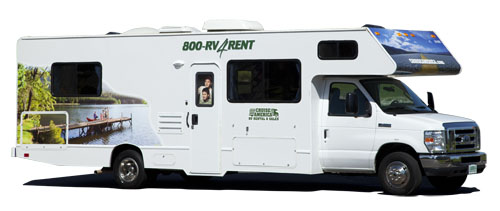
The North East US has numerous low bridges, particularly on parkways and older state routes, along with tunnels and historic town centers with narrow roads, all of which necessitate careful planning for any rented RV. RV height restrictions are common on iconic parkways like the Merritt Parkway in Connecticut and the Saw Mill River Parkway in New York, where limits typically range from 8 to 10 feet, often requiring even smaller RVs to plan detours. For instance, a Class C motorhome like the "cruise america rv rental example Explorer" (7.1m long, 2.78m wide) would need careful route planning to avoid these restricted parkways.
Additionally, weight restrictions may apply to certain older bridges, especially those in rural areas or smaller towns. Environmental zones or residents-only streets can also restrict large vehicle access in some historic urban areas; always check local signage carefully. Drive slowly and carefully, and you can drive almost anywhere without issues. No need to stress - just use common sense and pay attention to road signs and GPS warnings. Planning your route with an RV-specific GPS can help highlight potential clearance issues, ensuring a smooth journey through charming New England towns or vibrant East Coast cities.
Fuel: Diesel vs. Petrol & Cost per 100 km
Most rental RVs in North America run on petrol (gasoline), though larger Class A motorhomes and some Class C or diesel camper vans use diesel, both of which are widely available across the North East US. Fuel prices in the North East US can vary significantly by state and even by locality; for example, prices in Pennsylvania or New York might differ from those in Maine or Vermont. It's wise to consider fuel discount cards, which are often included with rent-motorhome bookings from our partners, for potential savings during your trip.
Based on Bandana’s global fleet averages, a rented Class B Camper Van like a "Combi Van" (VW 2.0L Diesel) typically consumes 8-10 Liters/100 km (around 24-29 MPG), offering efficient travel for couples or small families. For larger vehicles, a Class SI Semi-integrated or Class C Alcove RV, such as a "MHC24" (Chevy/Ford V8 7L), generally averages 10-12 Liters/100 km (approximately 19-24 MPG). For budgeting your total trip cost, remember that on RV PLANET routes, travelers can itemize and track every expense along the way, including fuel, for easy financial planning. Always check current fuel prices before you set out, especially in more remote areas where options may be limited. On the routes offered through RV PLANET routes, you can itemize and track every expense along the way for easy budgeting.
Tolls, Vignettes & Border Rules
Tolls are prevalent throughout the North East US, particularly in states like New York, New Jersey, Pennsylvania, Massachusetts, and New Hampshire, predominantly using electronic systems like E-ZPass. Cash payment options are becoming rare or non-existent on many toll roads; therefore, it is highly recommended to acquire an E-ZPass transponder or understand how to use 'Toll-by-Plate' systems to avoid fines and higher administrative fees. Many rental suppliers may offer transponders as an add-on, simplifying your travel through these regions. For example, a week-long trip from New York City to Boston would involve numerous toll roads requiring careful planning.
While there are no international border rules within the North East US states, crossing into Canada (such as from Vermont or Maine) requires a valid passport and adherence to Canadian customs regulations, which may have specific rules for RVs. Always ensure your travel documents are up-to-date and that your rental agreement permits international travel if you plan to venture beyond the US border. Bandana works with various suppliers who partner with 50+ leading RV suppliers worldwide, including El Monte and Cruise America, ensuring you have access to vehicles and support for your chosen itinerary.
Driving Tips for winter rv rental Travelers
Prioritize safety by driving slower, increasing following distance to at least 6-8 seconds, and checking weather forecasts daily when driving a rented RV in the North East US winter. These proactive measures are crucial given the unpredictable nature of winter weather, which can range from light snowfall to heavy blizzards. Before any long leg of your journey, inspect your RV's tires for proper inflation and adequate tread for snow and ice conditions, as well as checking all exterior lights and wipers.
To prevent freezing issues, keep the RV's fresh water tank at least one-quarter full and gray/black tanks partially full, using non-toxic RV antifreeze in drains if not actively using the plumbing. It’s also wise to carry emergency supplies such as extra blankets, a sturdy shovel, a first-aid kit, and non-perishable food. Plan your route carefully to avoid steep mountain passes or parkways with low bridge restrictions during or immediately after heavy snowfall, as conditions can change rapidly. Remember, travel slowly, max 100-150 km (60-90 miles) per day on average, taking time to feel the place, connect to the culture, the food, and the scenery. A well-prepared RV trip can be a magical winter experience.
Recommended RV Class for North East US Roads
For winter RV travel in the North East US, a Class B Camper Van or a Class SI Semi-integrated RV is often recommended for their balance of maneuverability and essential amenities designed for colder weather. Class B Camper Vans, like an "Active Pop Top" (typically around 5.99 meters in length), offer excellent agility for navigating narrower roads, compact towns, and tight parking spaces, making them ideal for exploring diverse North East attractions, from city centers to remote ski resorts. Their smaller footprint also generally results in better fuel efficiency, with an average consumption of 8-10 Liters/100 km.
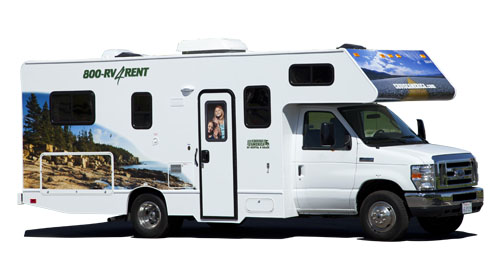
Class SI Semi-integrated RVs, with an average length of 6.9 to 7.5 meters, provide more living space, a larger kitchen, and enhanced insulation and heating compared to campervans, while still being manageable on most North East roads. For example, a "K2D" Class SI model, with a double bed at 130/205cm and a 100 Liter waste water tank, offers robust comfort. These vehicles are a great compromise between size and amenity, providing a cozy "home on wheels" experience. Larger Class C motorhomes, like a "C-30" (9.1 meters long, seating 7 people), offer even more space and amenities, including larger refrigerators and often slide-outs, making them suitable for families seeking maximum comfort, although they require more diligent route planning for bridge clearances.
🎬 Video coming soon
Should I Choose a Compact Van Instead of a Large RV in North East US?
Choosing a rented compact van offers superior maneuverability for navigating tight historic centers and certain narrow mountain passes in the North East US, making it a viable option for those prioritizing urban exploration and ease of parking. However, most modern RVs are designed to navigate standard North East US roads without significant issues, providing a comfortable travel experience even in larger sizes.
For winter travel, the added comfort, insulation, and larger holding tanks of a bigger RV (like a Class SI or Class C) often outweigh the marginal maneuverability benefits of a compact van, especially in colder temperatures. A larger rented motorhome, such as a "MHC24" with its generous living space and robust heating, provides more amenities for preparing RV-friendly recipes playlist and relaxing after a day in the cold. A compact van (Class B) is genuinely beneficial if your itinerary heavily involves frequent city driving, very remote and unpaved roads, or parking in conventional car spaces. Otherwise, a larger motorhome generally provides a more comfortable and well-equipped 'home on wheels' experience for extended winter trips in the North East US.
Can I Park Anywhere? Free & Wild Camping Rules in North East US
Free or wild camping (boondocking) in the North East US is generally restricted, especially on public lands, private property, and within city limits, often requiring permits or designated areas. While the idea of finding an impromptu spot in nature is appealing, it's crucial to respect local laws and private property rights. Many areas, particularly in states like Massachusetts and Connecticut, have strict regulations against overnight parking outside of designated campgrounds.
Dispersed camping is sometimes permitted in certain National Forests, such as the White Mountain National Forest in New Hampshire or the Green Mountain National Forest in Vermont, but it's essential to check specific district rules for RVs, especially in winter. These areas often require self-sufficiency and Leave No Trace principles. Always research and confirm local regulations before parking overnight; state parks (many open year-round with winterized sites), private campgrounds (some offering amenities like heated bathhouses), and specific Walmarts (with prior permission) are generally safer bets for overnight stays in your rented campervan. For finding campsites and campgrounds during your trip, we recommend using RV PLANET (rvplan.net) - a great resource for locating available spots along your route.
Can I Drive an RV Into the City Center? Heights, Tunnels & Local Signage
Yes, you can almost always drive a rented RV into city centers in the North East US, but it requires careful attention to local signage regarding height limits, tunnel restrictions, low bridges, and potential environmental or residents-only zones. Cities like Boston, Portland (ME), and Philadelphia, with their rich history, often feature older infrastructure not designed for large vehicles. Therefore, it's important to know the exact height of your rented motorhome, such as the "cruise america example Explorer" (7.1m length), and constantly monitor for low clearance signs.
Larger RVs may struggle with very narrow streets, sharp turns, and limited parking in historic city centers. For instance, navigating a Class C motorhome through the cobbled streets of Beacon Hill in Boston might be challenging. A smart strategy is to consider parking your rented RV at an RV-friendly lot on the city outskirts and using public transport to explore the core downtown areas. This allows you to experience the urban charm without the stress of navigating tight spaces or worrying about parking restrictions. Drive slowly and carefully, and you can drive almost anywhere without issues. No need to stress - just use common sense and pay attention.
What is the 3-3-3 rule for RV driving?
The 3-3-3 rule for RV driving is a common safety guideline recommending that RVers drive no more than 300 miles (approximately 480 km) a day, arrive at their destination by 3 PM, and stay for at least 3 nights. This guideline, while not a strict rule, is particularly useful for winter RV travel in the North East US due to shorter daylight hours and potentially hazardous road conditions. It promotes a leisurely pace, allowing travelers to truly experience the local culture and scenery, in line with Bandana’s recommendation to travel slowly, averaging 100-150 km (60-90 miles) per day.
This rule is designed to prevent driver fatigue, allow ample time for unexpected delays from winter weather, and facilitate setup and breakdown of your rented motorhome in daylight, which is safer and easier in cold conditions. Staying for at least 3 nights encourages a deeper connection with each destination, whether it's exploring a ski town in Vermont or a historic site in Pennsylvania. While there are variations of the '3-3-3 rule' for other aspects of RV life, for driving, it is fundamentally about maximizing safety and enjoyment during your adventure.
How cold is too cold for an RV?
For most non-winterized RVs, temperatures consistently below freezing (32°F or 0°C) are considered too cold due to the significant risk of water lines, tanks, and plumbing freezing and bursting. This can lead to costly repairs and interrupt your trip. However, many modern rental RVs, especially those specifically offered for winter, come 'winterized' or are 'four-season' models designed to handle colder temperatures.
A properly winterized RV, with non-toxic antifreeze in the plumbing and tanks, and possibly features like heated holding tanks or upgraded insulation, can withstand temperatures well below freezing, often down to 0°F (-18°C) or lower, depending on its specific rating and heating system. In the North East US winter, even well-insulated rented motorhomes need continuous heat, diligent monitoring of water systems, and potentially skirting to protect plumbing from extreme cold. Some rental companies may offer winter-ready packages that include additional insulation, heavier curtains, and more robust heating systems in models like the "2 Berth Hi Top" campervan, which is specifically advertised as "Winter Ready."
What size RV can you drive without a special license?
In the North East US, and generally across the USA, you can typically drive a rented RV with a standard state-issued Class D (or equivalent) driver's license as long as its Gross Vehicle Weight Rating (GVWR) is below 26,000 pounds (approximately 11,793 kilograms). This weight threshold is important as it dictates licensing requirements, but it's rarely an issue for vacation renters. For instance, a "MH19 Small - Economy" Class C motorhome, with an average length of 6.17 meters, falls well within this limit, making it accessible to standard licensed drivers.
This 26,000-pound threshold covers the vast majority of rental RVs, including all Class B Camper Vans, most Class C Alcove models, and even many Class SI Semi-integrated units. You won't need a special Commercial Driver's License (CDL) or additional permits for these. Larger Class A RVs, particularly those exceeding 26,000 lbs GVWR, or those towing a heavy trailer that pushes the combined weight over specific state limits, *may* require a non-commercial Class B or Class A license. However, such vehicles are rare in the rental market, ensuring that your winter RV adventure in the North East US is accessible with your regular driving credentials.
Is it safe to drive an RV in the winter?
Yes, it is safe to drive an RV in the winter in the North East US, provided the rented RV is properly winterized, equipped for cold weather, and the driver exercises extreme caution and vigilance regarding road conditions. Winter travel in a motorhome requires a heightened sense of awareness compared to summer trips due to potential snow, ice, and reduced visibility. Safety measures include driving at reduced speeds, maintaining ample braking distance (often double what you'd use in dry conditions), ensuring tires are in good condition for snow and ice, and being prepared for sudden weather changes common in the Northeast.
Proper winterization (e.g., antifreeze in water systems, adequate insulation, functioning heating, heated tanks) is crucial to prevent mechanical issues like burst pipes, which can quickly turn a fun trip into a headache. Carrying emergency supplies, such as extra warm clothing, water, non-perishable food, and a fully charged phone, is vital for unexpected stops in cold conditions. Bandana RV always recommends slowing down and embracing the journey, allowing you to react safely to any road conditions. A well-prepared winter RV trip can offer serene beauty and unique experiences, from exploring snowy forests to visiting festive holiday markets in cities like Boston or Portland, Maine.
Where do RV snowbirds go in the winter?
RV snowbirds typically migrate south to warmer climates during the winter months, seeking refuge from the cold North East US, with popular destinations including Florida, Arizona, Texas, and Southern California. These states offer a multitude of RV parks, national and state parks, and dispersed camping opportunities that remain open year-round with milder temperatures, providing a sunny escape from winter's chill. However, while many RVers head south, the North East also has a growing community of adventurous travelers who embrace winter camping.
These dedicated winter RVers leverage four-season RVs and robust winterizing techniques to enjoy the unique beauty of the North East in its snowy splendor. Many state and national parks, particularly those near ski resorts or winter recreational areas, keep a portion of their campsites open and winterized. For instance, campgrounds in Vermont's Green Mountains or New Hampshire's White Mountains cater to those seeking a snowy retreat. Instead of chasing the sun, some RVers choose to explore ice-fishing opportunities, cross-country skiing trails, or cozy cabin-like campgrounds within their rented motorhome, experiencing a completely different side of the region.
Do you need an RV license in the USA?
In the USA, you generally do not need a special 'RV license' to drive most recreational vehicles; a standard state-issued Class D (or equivalent) driver's license is sufficient for the majority of RVs you might rent. This simplifies the rental process for many travelers, allowing them to confidently plan their North East US adventure. The vast majority of motorhomes and campervans available for rental from Bandana's partners, including popular Class C models like the "CA-25" (7.6 meters long, seating 5), fall comfortably within these standard licensing parameters.
The requirement for a specialized license, often a non-commercial Class A or B, typically only applies to very large RVs exceeding 26,000 pounds Gross Vehicle Weight Rating (GVWR) or specific combinations of RV and heavily towed vehicles. Since most rental RVs fall well below this weight threshold, a regular driver's license is adequate for your winter RV adventure in the North East US. This full transparency on licensing requirements, along with no hidden fees and dedicated pre-booking support, is part of why Bandana RV has been a trusted specialist for over two decades.
What You Shouldn't Miss
- **Ski & Stay in Vermont:** Rent a Class B campervan and explore Vermont's renowned ski slopes like Stowe Mountain Resort or Killington. Many ski areas offer RV parking, and a cozy camper provides the perfect après-ski retreat.
- **Coastal Maine Lighthouses:** Drive a comfortable Class C motorhome along the rugged Maine coast, stopping to photograph iconic lighthouses like Pemaquid Point Light or Bass Harbor Head Light, often dusted with snow.
- **Adirondack Park Winter Wonderland:** Venture into New York's vast Adirondack Park with a spacious motorhome. Explore snowshoeing trails, visit charming towns like Lake Placid, and enjoy crisp winter views. Be mindful of mountain roads and plan accordingly.
- **Historic Boston & Coastal New England:** Experience the historical charm of Boston, Massachusetts, by parking your RV on the outskirts and using public transport to explore Faneuil Hall and the Freedom Trail. Then, continue to coastal towns for delicious New England cuisine, including fresh seafood.
- **Maple Sugaring in Spring:** If you visit in late winter/early spring, don't miss the maple sugaring season in states like Vermont or New Hampshire. Visit a local sugar shack (many are RV-friendly) to see how maple syrup is made and enjoy fresh samples.
- **Looking for expert insights from Avi Bandana?** Top 5 Adventures - recommendations from Avi Bandana.
Final Thoughts
A winter RV rental adventure in the North East US is truly a unique way to experience the charm and natural beauty of this diverse region. From navigating historic cities to exploring snow-covered mountain ranges, a rented motorhome offers the comfort and flexibility to create unforgettable memories. By understanding the road conditions, licensing rules, and planning ahead with practical tips, you can embark on a safe and enjoyable journey.
Remember that Bandana RV is your trusted partner, providing full transparency, expert support before you even pick up your campervan, and access to a wide range of vehicles from top suppliers. So, pack your warmest clothes, prepare some delicious RV-friendly meals, and get ready to discover the magic of a North East US winter from the comfort of your own mobile home.
Ready to hit the road? Compare Winter RV Rental Prices for North East US and start planning your perfect winter escape today!