In This Guide
- Can You Drive an RV in Netherlands? License & Age Rules
- Road Conditions & Terrain in Netherlands
- RV Size Limits, Bridges & Restricted Zones
- Fuel: Diesel vs. Petrol & Cost per 100 km
- Tolls, Vignettes & Border Rules
- Driving Tips for Winter RV Rental Travelers
- Recommended RV Class for Netherlands Roads
- Should I Choose a Compact Van Instead of a Large RV in Netherlands?
- Can I Park Anywhere? Free & Wild Camping Rules in Netherlands
- Can I Drive an RV Into the City Center? Heights, Tunnels & Local Signage
- How Much Does a Winter RV Rental Trip to Netherlands Cost?
- What are the Challenges of Driving Different RV Sizes in Netherlands?
- Is Wild Camping Legal in Netherlands? What are the Alternatives?
- What are Winter Camping Considerations for RVs in Netherlands?
- How Do I Handle Waste Disposal and Water Refills in a Netherlands RV?
- What Cultural Experiences Can I Access from RV Parks in Netherlands?
- Where are the Off-the-Beaten-Path RV Destinations in Netherlands?
Can You Drive an RV in Netherlands? License & Age Rules
Yes, you can absolutely drive an RV in Netherlands with a standard car driver's license. For Bandana's rental motorhomes and campervans, including Class A, Class B, and Class C models, a regular B-category license is sufficient. An International Driving Permit (IDP) is recommended for visitors from non-English speaking countries to help with translation, but it is not mandatory in most cases. The minimum age for renting an RV in the Netherlands is 21 years old, and you'll be pleased to know there are no young driver surcharges or vehicle class restrictions based on age with our suppliers.
Road Conditions & Terrain in Netherlands
The Netherlands features an excellent network of well-maintained roads perfectly suited for all sizes of rented RVs. The terrain is predominantly flat, which makes driving a motorhome significantly less challenging than navigating mountainous regions. While the main roads are wide and easy to traverse, historic city centers and charming smaller villages may have narrower streets. No need to stress about these tighter spots – just drive slowly and carefully, use common sense, and pay attention to your surroundings, and you can drive almost anywhere without issues. Winter driving does demand extra caution due to the potential for ice, snow, or dense fog, encouraging slower, more deliberate speeds to ensure everyone's safety.
RV Size Limits, Bridges & Restricted Zones
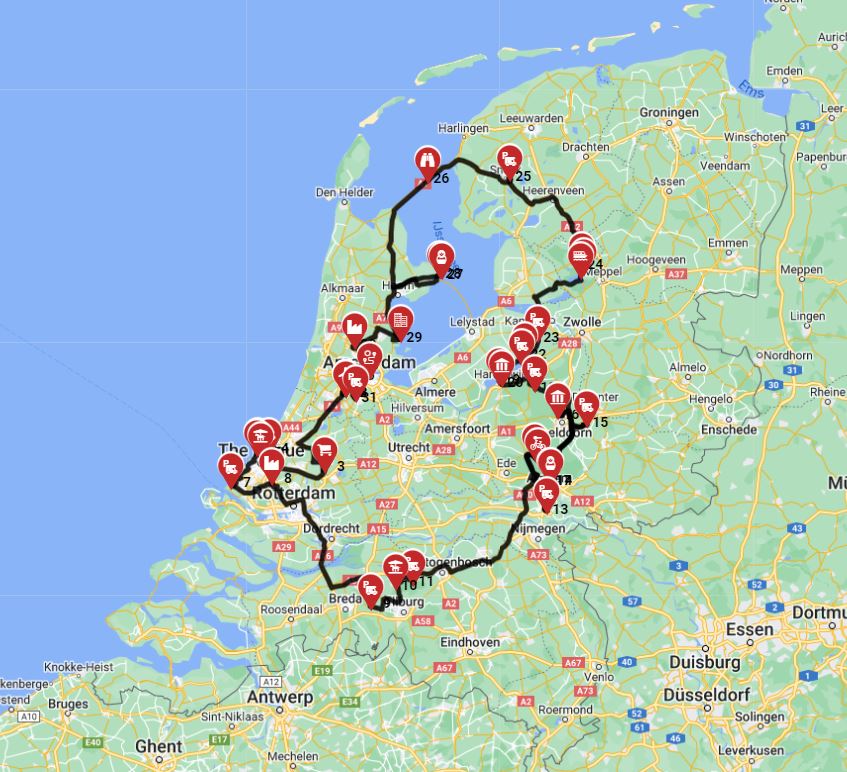
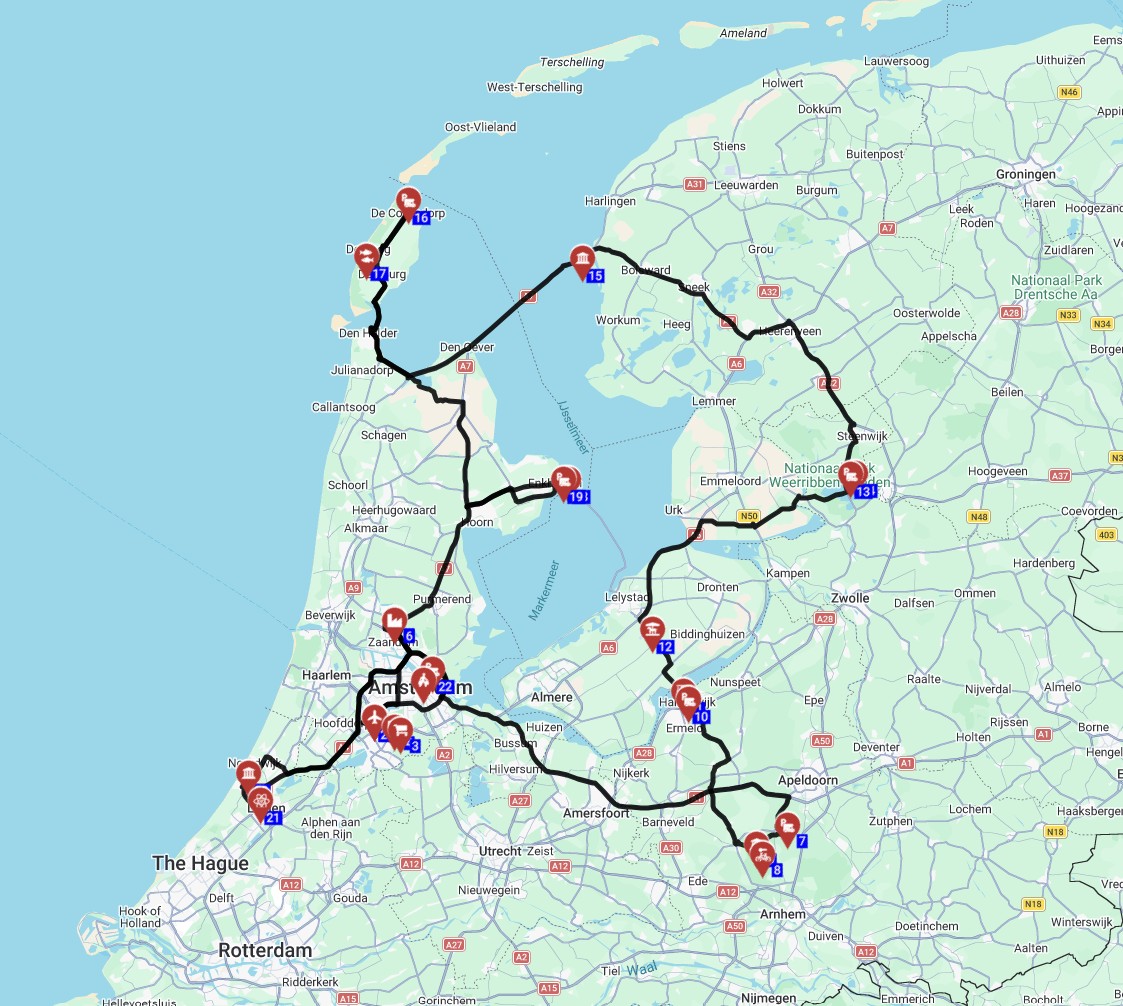
Standard RVs generally fit comfortably on major Dutch roads, but height and weight restrictions are more common in older city centers and villages. Drivers should always pay close attention to signs indicating low bridges and tunnels, especially in historic areas where heights typically range from 3 meters upwards. Environmental zones (milieuzones) in cities like Amsterdam and Rotterdam may restrict older, more polluting vehicles, so it's wise to check if your rental motorhome meets the required emission standards before entering these areas. If your route plans include international travel, remember that ferry services to Dutch islands, and even routes like the "Dusseldorf Roundtrip - Germany / Netherlands / Belgium" which covers 1076.2 km over 8 days, have specific length and weight limits, requiring advance checks and bookings for larger RVs. For this particular route, you'll discover 1 amusement park, 1 aquarium, 1 bike rental, and multiple historical sites.
Fuel: Diesel vs. Petrol & Cost per 100 km
Most rental RVs in the Netherlands run on diesel, which is readily available nationwide at all fuel stations. Based on Bandana's global fleet, Class SI - Semi-integrated RVs typically consume 10-11 Liter/100 km, while Class C - Alcove models use 10-12 Liter/100 km. More compact Class B - Camper Vans are generally more fuel-efficient, averaging 8-10 Liter/100 Km, like the "V2L" model with its 75-liter fuel tank and 11-13 Liter/100 km consumption. You should budget approximately €1.80-€2.00 per liter for diesel, though prices can fluctuate. Remember to inquire about any potential fuel discount cards offered by your rental supplier. For comprehensive trip budgeting, including fuel and other ancillary costs, RV PLANET routes allow travelers to itemize and track every expense along the way for easy financial planning. On the routes offered through RV PLANET routes, you can itemize and track every expense along the way for easy budgeting.
Tolls, Vignettes & Border Rules
The Netherlands generally boasts a toll-free road network and does not require a vignette system, a pleasant surprise for many RV travelers. The primary exception for RVs is the Liefkenshoek Tunnel near Antwerp, Belgium, a route that is commonly used for international travel and requires a toll. For those planning a longer European adventure, for example, the "
Driving Tips for Winter RV Rental Travelers
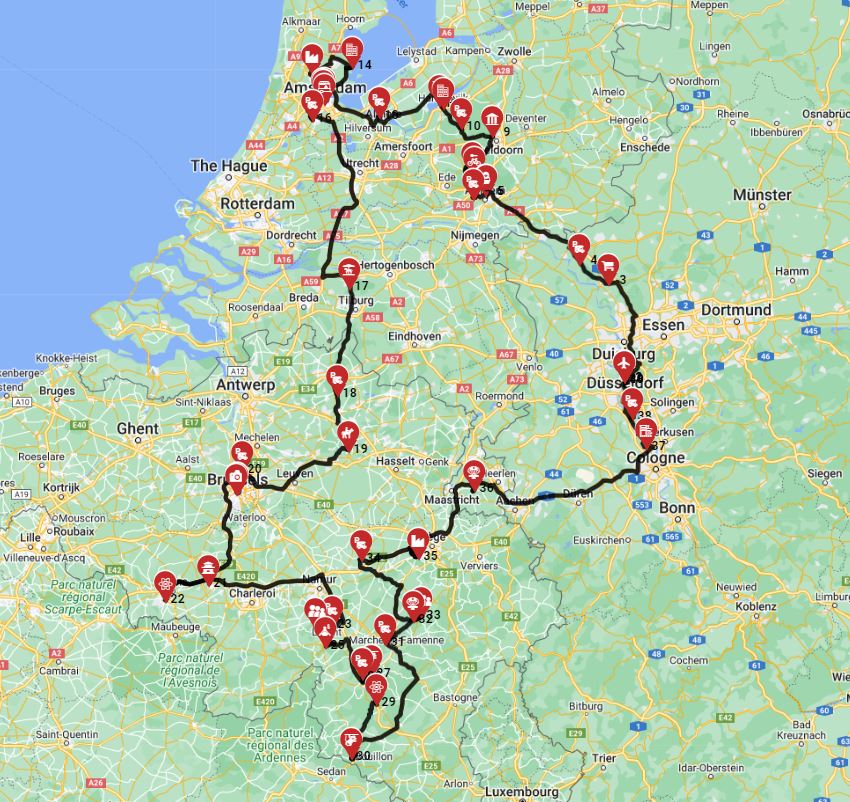
Winter RV travel in Netherlands requires a few extra considerations to ensure a smooth journey. Always drive cautiously and allow increased stopping distances due to potential icy or wet road conditions. Regularly check local weather forecasts for dense fog, occasional snow, or high winds, which are more common during Dutch winters. It's a great idea to ensure your rented RV is equipped with a winter emergency kit, including items like warm blankets, a small shovel, and de-icing spray. Prioritize booking campsites with electrical hookups to guarantee consistent heating and hot water in colder temperatures. Additionally, budget for slightly higher fuel consumption for habitation heating, as sustained warmth will use more propane or diesel. For longer multi-country adventures, consider itinerary like the "Frankfurt Roundtrip - North West -Exploring Germany, Belgium, and the Netherlands" which is a 22-day, 2254.5 km route, offering experiences from amusement parks to historical sites across three countries.
Recommended RV Class for Netherlands Roads
Choosing the right RV class for your Netherlands winter adventure depends on your group size and desired comfort. Class B - Camper Vans, averaging 5.8 meters in length, like a "Combi Van", are highly recommended for their superior maneuverability, making them ideal for navigating narrow village roads and city streets. For couples or small families seeking a balance of living space and ease of driving, Class SI - Semi-integrated RVs, averaging 6.9 meters, such as the "2 Berth Rover" which offers automatic transmission and winter-ready features, are a fantastic choice. Larger Class C - Alcove models, averaging 7.5 meters like the "MHC28" (with dimensions 7.3m length, 2.51m width) and Class A - Integrated RVs, also around 7.5 meters, are perfectly suitable for main roads and offer ample comfort for a family of 4-7. These larger vehicles require a bit more planning for city parking and tighter spots, but their onboard amenities make winter travel very cozy.
Should I Choose a Compact Van Instead of a Large RV in Netherlands?
The choice between a compact van and a larger RV in Netherlands for your winter trip depends on your travel priorities. Compact vans, like a Class B - Camper Van (e.g., "Koru Star 3 Freedom" at around 5.8m in length), offer superior maneuverability and significantly easier parking in crowded historic centers and quaint villages. These are perfect if extensive city exploration is high on your list. However, larger RVs, such as Class SI - Semi-integrated models (like the "MH4-5 - SIF" with 6.58m length, 2.35m width, 120L fresh water tank), or Class C - Alcove motorhomes (like the "24 Class C Motorhome" with 7.46m length and 166L fresh water tank), provide more spacious living areas, extensive amenities, and greater comfort, which can be invaluable during colder winter months and for longer trips. The Netherlands' main road network generally accommodates all RV sizes, so the decision often comes down to balancing urban accessibility with your desired level of onboard comfort and the length of your stay. Remember, you can drive almost anywhere without issues – just use common sense and pay attention.
Can I Park Anywhere? Free & Wild Camping Rules in Netherlands
Wild camping, which means free overnight parking outside of designated areas, is generally illegal and strongly discouraged throughout the Netherlands. Offenders may face fines, so it's always best to stick to legal options. Fortunately, excellent legal alternatives are widely available, including dedicated 'camperplaatsen' (motorhome parking spots). These spots are popular and often offer basic services like fresh water and waste disposal, sometimes for a small fee or even free. Additionally, 'Boerencampings' or farm stays provide unique opportunities to park on private land, sometimes offering charming cultural experiences and local products. Always check local regulations and adhere to local law before parking overnight, as rules can vary by municipality. For finding available spots along your route, we recommend using RV PLANET (rvplan.net).
Can I Drive an RV Into the City Center? Heights, Tunnels & Local Signage
It is generally possible to drive a rented RV into most Dutch city centers, particularly to access designated parking facilities. However, RV drivers must closely observe local signage for height limits, especially for low bridges and tunnels, which are common in historic areas like Amsterdam. It is also important to be aware of environmental zones (milieuzones) in major cities like Utrecht, which may restrict older or larger RVs from entering. Always watch out for residents-only streets and plan to use dedicated motorhome parking on city outskirts for easier access to public transport. You can confidently drive almost anywhere without issues, just remember to drive slowly and carefully, and pay attention to signage. For comprehensive route planning, RV PLANET offers excellent resources and Netherlands Motorhome Tour Route Maps.
How Much Does a Winter RV Rental Trip to Netherlands Cost?
The cost of a winter RV rental trip to Netherlands is dynamic, fluctuating daily based on factors like vehicle class, booking lead time, and supplier marketing decisions, similar to airline tickets. For a general estimate, RV rental rates vary significantly by vehicle class; for instance, a compact Class B - Camper Van might cost less than a larger Class C - Alcove like the "MHC24" (starting daily at $178 CAD). Winter often presents lower rental rates compared to peak season. Fuel costs are a major expense, with most RVs consuming 10-12 Liters/100 km at approximately €1.80-€2.00 per liter for diesel. Campsite fees typically range from €15 to €40 per night for a spot with electricity, though 'camperplaatsen' can be more affordable or even free. Tolls are minimal within the Netherlands, but budgeting for international tolls or vignettes is necessary for cross-border travel. Always account for tourist taxes, potential hidden rental fees, and daily living expenses in your overall trip budget. For more detailed pricing guides, explore our "RV Rental in Netherlands - Prices and Best Deals 2026" or "Cheap RV Rental in Netherlands - Budget Guide 2026" pages. Bandana RV offers full transparency in pricing, ensuring no hidden fees or surprises at booking.
What are the Challenges of Driving Different RV Sizes in Netherlands?
While driving a rented RV in Netherlands is generally straightforward, different sizes present varying challenges. Larger RVs, such as a Class C - Alcove like the "MH-B" (9.1m length, 2.6m width, 208L fuel tank), face more navigation challenges on narrow village roads and within historic city centers. Finding suitable parking for these bigger motorhomes in urban areas is often difficult and may require parking on city outskirts. Ferry crossings, especially to the Wadden Sea islands, have specific length and weight restrictions that can limit larger RVs, making advance booking and research essential. In contrast, compact vans, such as a Class B - Camper Van averaging 5.8 meters, offer significantly easier maneuverability and parking in crowded areas, making them popular for travelers focused on urban exploration. Remember, drive slowly and carefully, and you can drive almost anywhere without issues, regardless of your chosen RV size.
Is Wild Camping Legal in Netherlands? What are the Alternatives?
Wild camping is generally prohibited across the Netherlands, and individuals found doing so may face fines from local authorities. Instead of attempting wild camping, travelers have several excellent legal alternatives that cater to RVers. The most popular option is using 'camperplaatsen', which are dedicated motorhome parking spots that are widely available throughout the country. These often provide basic services like fresh water and waste disposal, and can be free or cost a small fee (e.g., €0-€25 per night). Farm stays, known as 'Boerencampings', offer a unique and often inexpensive way to park on private agricultural land, sometimes with opportunities for cultural experiences or purchasing local produce. Official campsites, of course, provide comprehensive amenities like electricity, showers, and waste disposal, ideal for comfortable winter stays. For more specific information on camping laws, consult local tourism boards or use RV PLANET (rvplan.net) to find legal and convenient camping spots.
What are Winter Camping Considerations for RVs in Netherlands?
Winter camping in Netherlands requires careful preparation to ensure warmth and comfort, as temperatures can drop below freezing. It is essential to ensure your rented RV has adequate insulation and a robust heating system, typically powered by propane or diesel, like the "MH-A" model which is "winter ready". You'll want to properly winterize your RV's water and wastewater systems with antifreeze to prevent pipes from freezing and bursting. Research and book campsites in advance, as many smaller or rural sites may close during the winter season, but larger ones often remain open with full hookups. Be prepared for challenging driving conditions, including black ice, dense fog, and occasional snow, by checking weather forecasts regularly. Lastly, plan your activities to account for shorter daylight hours and longer nights, focusing on cozy indoor experiences or well-lit attractions. If you enjoy cooking warm meals inside your RV, check out our RV-friendly recipes playlist for delicious winter meal ideas.
How Do I Handle Waste Disposal and Water Refills in a Netherlands RV?
Handling waste disposal and water refills in a Netherlands RV is straightforward, thanks to the country's well-established infrastructure for motorhome travelers. Most campsites and many 'camperplaatsen' offer dedicated 'servicepunten' for emptying greywater (wastewater from sinks and showers) and blackwater (toilet waste). Fresh water refill points are also readily available at these designated service areas, often included in your overnight fee or for a small charge. RVs typically use European standard electrical hookup types, such as CEE 17 blue plugs, so ensure you have the correct adapter if traveling from outside Europe. Always dispose of waste responsibly at designated stations, as illegal dumping is strictly prohibited and environmentally harmful. Planning your route with RV PLANET can help you locate these essential service points along your journey.
What Cultural Experiences Can I Access from RV Parks in Netherlands?
Many RV parks and 'camperplaatsen' in Netherlands are strategically located near charming villages and towns, providing easy access to authentic cultural experiences. From your mobile home base, you can easily visit local markets for regional produce and crafts, or discover traditional Dutch dining by sampling local winter specialties like 'stamppot' (mashed potatoes with vegetables) or warm 'oliebollen' (fried dough balls) at nearby restaurants. RVers can also attend specific winter festivals, Christmas markets, or traditional events like Sinterklaas celebrations, which are often accessible by bike or public transport from your campsite. The well-connected nature of the Netherlands means major museums, historic sites, and even the vibrant arts scene of cities like Amsterdam are usually a short drive or public transport ride away. Remember to travel slowly, averaging a maximum of 100-150 km per day, to truly feel the place, connect to the culture, the food, and the scenery, as recommended in our "RV Rental Europe - Complete Guide 2026" and other route plans. Consider exploring cities like Almere, Eindhoven, Gouda, and Amsterdam for diverse cultural offerings.
Where are the Off-the-Beaten-Path RV Destinations in Netherlands?
For RV travelers seeking a unique winter escape beyond the usual tourist spots in Netherlands, several off-the-beaten-path destinations offer tranquil beauty. Explore the Wadden Sea islands, such as Terschelling or Ameland, in winter for rugged coastal beauty, unique wildlife, and peaceful solitude without the bustling summer crowds. Discover the serene landscapes of Drenthe and Overijssel, known for national parks, prehistoric dolmens, and tranquil canals that are perfect for a quiet, scenic drive. Visit the historic, fortified towns along the IJssel river in Gelderland, like Zutphen or Doesburg, which often host charming 'camperplaatsen' and a rich history. Consider staying at 'Boerencampings' (farm campsites) for a truly local and authentic Dutch experience, providing a direct connection to rural life. You can also cycle or hike through less-known national parks and nature reserves for peaceful enjoyment of Dutch nature and culture. These destinations are ideal for a week-long RV trip, allowing you to immerse yourself fully. If you're considering a more premium experience, our "Luxury RV Rental in Netherlands - Premium Prices 2026" guide can help you find the perfect vehicle for these serene locations.
What You Shouldn't Miss
- **Explore Kinderdijk Windmills in Winter**: Experience the iconic UNESCO World Heritage site of Kinderdijk with fewer crowds, often topped with a dusting of snow, creating a magical, quintessentially Dutch scene.
- **Visit a Traditional Dutch Christmas Market**: Immerse yourself in the festive spirit at charming markets in cities like Maastricht or Dordrecht, enjoying local delicacies, handmade crafts, and twinkling lights.
- **Ice Skating on Natural Canals (if weather permits)**: If temperatures drop low enough, experience the unique Dutch tradition of ice skating on frozen canals in picturesque villages.
- **Discover the Wadden Sea Islands**: Take a ferry with your campervan to one of the tranquil Wadden Sea islands, like Texel or Ameland, for rugged coastal walks, birdwatching, and immense quiet.
- **Enjoy a Hearty Dutch Winter Meal**: Warm up with traditional Dutch comfort food like 'snert' (pea soup) or 'hutspot' (mashed potato and carrot stew) at a cozy local restaurant.
Looking for expert insights from Avi Bandana? Top 5 Adventures - recommendations from Avi Bandana.
Final Thoughts
Winter RV driving in Netherlands offers a unique and enchanting way to experience this beautiful country. From the flat, well-maintained roads to the charming villages and vibrant cities, a rented motorhome or campervan provides the perfect blend of flexibility and comfort. By planning thoughtfully, being mindful of road conditions, and embracing the local 'camperplaatsen' culture, you'll be well-prepared for a memorable adventure.
Remember, the beauty of RV travel lies in slowing down-averaging 100-150 km per day allows you to truly immerse yourself in the culture, savor the local food, and appreciate the stunning scenery. With Bandana RV, you get the assurance of full transparency, expert support, and peace of mind from true RV specialists who genuinely love helping you discover the world on wheels. Get inspired for your next trip!
Ready to discover the magic of winter in Netherlands? Find your perfect winter RV rental in Netherlands now.