In This Guide
Can You Drive an RV in London? License & Age Rules
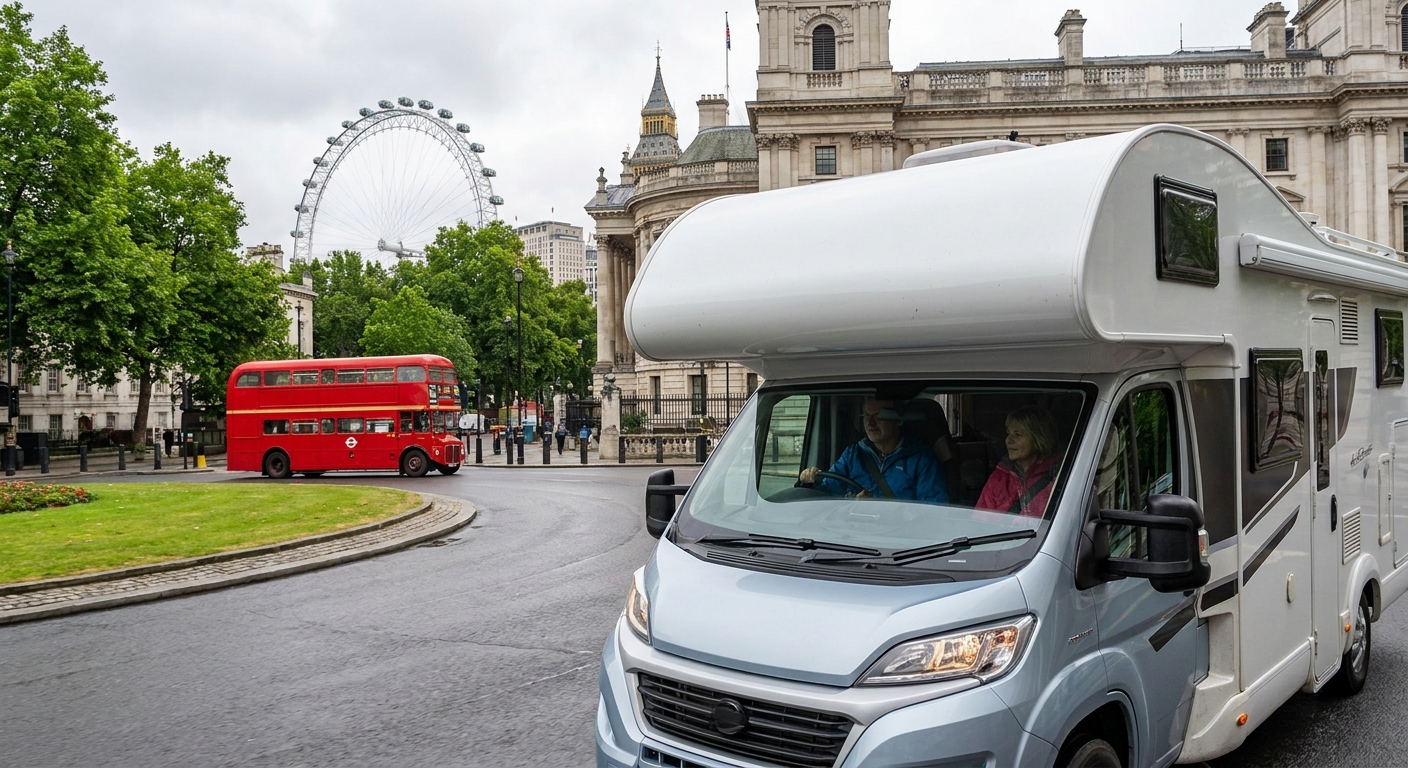
Yes, you can drive an RV in London, but understanding the licensing and age requirements is crucial for a smooth rental experience. A standard UK Category B car license is sufficient for driving most rental RVs, provided their Maximum Authorised Mass (MAM) does not exceed 3,500kg. This covers the majority of Class B campervans and many smaller Class C motorhomes, like the example 'cruise america rv rental example Explorer' which averages 7.1 meters in length and typically falls within this weight limit. If you plan to drive a larger, heavier RV, specifically one with a MAM between 3,500kg and 7,500kg, you will need a Category C1 license. Most major UK RV rental companies, including our partners, typically require drivers to be at least 21 years old, often with a minimum of two years of driving experience. Some larger Class A motorhomes may have a higher minimum age requirement, often 25. For international visitors, a valid driving license from your home country is essential, and while not always legally mandatory, an International Driving Permit (IDP) is highly recommended. An IDP acts as an official translation of your license, providing clarity and is often requested by rental agencies to avoid any misunderstandings. Always confirm the specific requirements with your chosen rental supplier before booking to ensure a hassle-free pickup.
Road Conditions & Terrain in London
Navigating London in an RV requires an awareness of its unique road conditions and terrain. London's road network is generally well-maintained, but it's characterized by dense urban traffic, numerous narrow streets, and significant congestion, especially during peak hours. The terrain within London is predominantly flat, meaning you won't encounter challenging mountainous ascents. However, the complexity of urban junctions, roundabouts, and busy intersections demands constant vigilance and a defensive driving approach. Winter road conditions can introduce challenges such as wet surfaces, ice, and occasional light snow, necessitating significantly reduced speeds, increased braking distances, and very careful steering. It's vital to maintain heightened awareness of bus lanes, cycle lanes, and pedestrian zones, which are prevalent throughout the city and require special consideration when operating a larger vehicle like an RV. Always drive slowly and carefully; you can drive almost anywhere without issues. No need to stress – just use common sense and pay attention.
RV Size Limits, Bridges & Restricted Zones
London enforces specific urban regulations that significantly impact RV travel. Understanding these is key to avoiding fines and ensuring a smooth journey. Firstly, be aware of the Ultra Low Emission Zone (ULEZ) and the Congestion Charge. These schemes levy daily fees on vehicles entering designated central areas if they don't meet strict emissions standards, which can add up quickly. The UK is also known for its numerous low bridges, particularly in older roads and historic towns. RV drivers must meticulously check height clearance signs – often posted in advance of bridges and tunnels – to prevent potentially serious accidents. Many urban and suburban roads, especially in older parts of London, have width restrictions and occasional weight limits (often around 7.5 tonnes) clearly indicated by signage. While not directly related to driving *within* London, it's also wise to consider length, height, and weight restrictions imposed by ferry services if your broader travel plans extend to the continent.
Fuel: Diesel vs. Petrol & Cost per 100 km
When it comes to powering your rental RV in London, you'll find that the majority of vehicles available for hire operate on diesel fuel. Diesel is readily available at all service stations across the UK, ensuring you won't have trouble refueling. Based on Bandana's local fleet data for London, you can expect typical fuel consumption figures. For Class B Camper Vans and Class A Integrated RVs, fuel consumption generally ranges between 8-11 Liters per 100 km. Class SI Semi-integrated RVs show a common range of 8-12 Liters per 100 km, while larger Class C Alcove models typically use between 11-13 Liters per 100 km. Remember that fuel prices in London can be higher than in more rural areas and are subject to fluctuation. Therefore, budgeting for fuel costs is an important step in your travel planning. Some rental RVs might even offer fuel discount cards as a perk, which can provide potential savings during your trip. On the routes offered through RV PLANET routes, you can itemize and track every expense along the way for easy budgeting.
Tolls, Vignettes & Border Rules
The UK does not utilize a vignette system for road use. However, driving an RV in London incurs specific charges. The primary ones to be aware of are the Ultra Low Emission Zone (ULEZ) and the Congestion Charge. The ULEZ applies 24/7 (except Christmas Day) to most vehicles entering central and inner London that do not meet strict emission standards; for RVs, this typically costs £12.50 daily. The London Congestion Charge is £15 daily for most vehicles entering central London between specific hours (weekdays 7 am-6 pm; weekends/bank holidays 12 pm-6 pm). Additionally, the Dartford Crossing on the M25, located east of London, is a toll road known as 'Dart Charge,' which must be paid online in advance or by midnight the day after crossing to avoid penalties. While border rules aren't a direct concern for driving *within* London, some rental motorhomes may offer pre-purchased toll passes for hassle-free travel if your journey extends beyond the UK.
Driving Tips for winter rv rental Travelers
When you're winter RV rental traveling in London, adopting safe driving practices is paramount. First and foremost, exercise extreme caution in winter conditions. Always reduce your speed significantly on wet, icy, or snowy roads, and allow for much greater braking distances than you would in summer. Prepare your RV for cold weather by ensuring its heating system is fully operational and that anti-freeze levels are correct. If your plans involve extensive travel outside metropolitan areas into potentially snow-heavy zones, consider equipping your rental with winter-grade tires. Strategize your London entry by utilizing park-and-ride facilities located on the outskirts of the city. From there, you can commute into the city center via public transport, effectively avoiding the ULEZ and Congestion Charges, navigating narrow streets, and solving parking difficulties. Thorough route planning is essential; always use a satellite navigation system specifically designed for RVs or meticulously check your planned routes for low bridges, width restrictions, and potential road closures before starting your journey. Finally, stay informed and equipped: keep your mobile phone fully charged for navigation and emergencies, and regularly monitor weather forecasts and live traffic updates from services like Transport for London or National Highways.
Recommended RV Class for London Roads
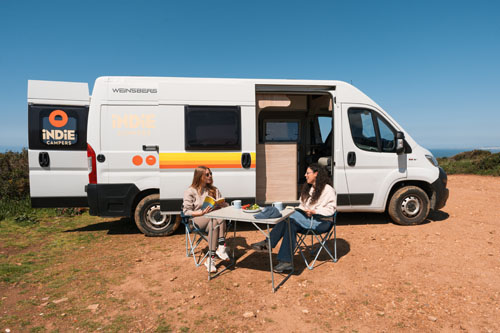
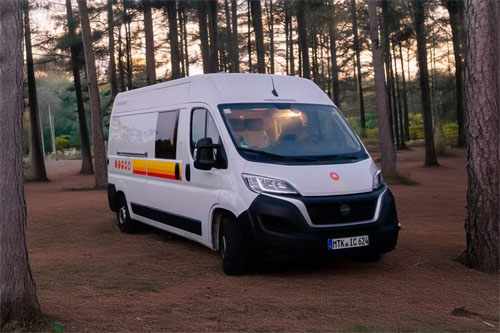
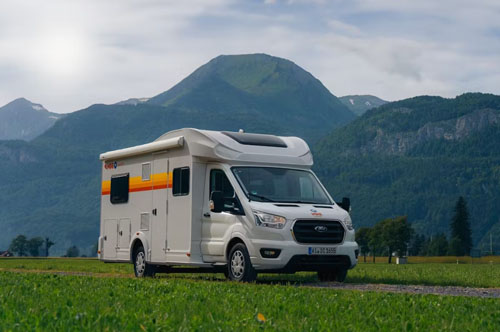
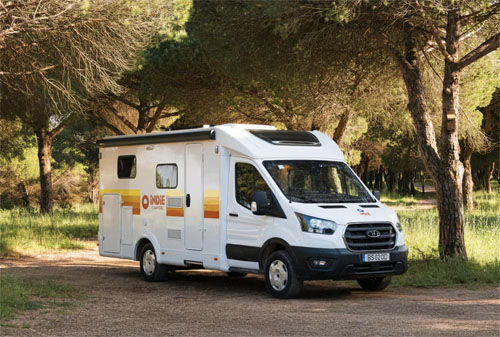
For navigating London's urban sprawl and its surrounding areas, a Class B - Camper Van is highly recommended due to its superior maneuverability and compact dimensions. For instance, Bandana's Class B Camper Vans typically have an average length of 6.2 meters, making them ideal for tighter city streets, easier parking, and generally less stressful driving within dense urban environments. Alternatively, a Class SI - Semi-integrated RV, with an average length of 7.3 meters, offers a good balance of increased interior comfort and manageable size, suitable for those planning a mix of city outskirts exploration and wider UK touring. While Class C (Alcove) and Class A (Integrated) RVs provide more spacious living, their larger average lengths (often 7.2m and 7.3m, respectively) can make navigating London's challenging roads and finding suitable parking more demanding. Ultimately, most RV sizes can be driven *to* London, but choosing a more compact option like a campervan significantly reduces stress when operating *within* or very close to the city's dense infrastructure.
Should I Choose a Compact Van Instead of a Large RV in London?
Deciding between a compact van and a larger RV for your London trip hinges on your priorities. Choosing a compact van (Class B Camper Van) for your London RV rental genuinely simplifies navigation and parking within the city and its immediate surroundings. While a compact van offers superior agility for London's often-narrow streets and easier access to parking spaces, it inherently provides less indoor living space and fewer amenities compared to larger RVs. For travelers primarily focused on exploring central London via public transport from an outer-city campsite, the maneuverability of a compact van is a distinct advantage that outweighs the desire for more interior space. However, if your winter trip involves combining a brief London visit with extended touring of more spacious rural UK areas, or if you require more sleeping capacity (e.g., Bandana's Class C averages 5.8 sleeping places versus a Class B's 2.5), a larger RV like a Class SI might offer a better comfort trade-off. The decision ultimately depends on balancing the convenience of city navigation with the comfort and amenities desired for your overall journey.
Can I Park Anywhere? Free & Wild Camping Rules in London
Wild camping and free overnight parking in an RV are generally illegal in London and throughout most of England, with strict enforcement against the practice on public land. London itself has highly restrictive parking regulations. Attempting to park an RV overnight on city streets is often impractical, expensive due to various charges, and carries a high risk of fines or even towing. For visitors with an RV, the recommended approach is to book a pitch at a dedicated RV-friendly campsite or holiday park situated on the outskirts of London or in adjacent counties. These official sites provide essential facilities such as electrical hook-ups, fresh water, and waste disposal services, and often boast convenient public transport links into central London, making exploration easy. Always adhere to local regulations and respect private property; verify specific local parking rules and opt for legitimate campsites to ensure a smooth and lawful stay.
Can I Drive an RV Into the City Center? Heights, Tunnels & Local Signage
Yes, it is generally possible to drive an RV into parts of London's city center, but this often comes with considerable challenges and costs. The primary barriers are the Ultra Low Emission Zone (ULEZ) and the Congestion Charge; vehicles entering these central zones must meet specific emissions standards or pay daily fees to avoid substantial fines. London's historic infrastructure includes numerous low bridges and narrow streets, requiring RV drivers to be extremely vigilant and to meticulously plan routes, checking for height and width restrictions on signage. Always pay close attention to local signage, which clearly indicates restricted zones, specific height limits for tunnels and underpasses, and residents-only streets. For a more relaxed experience, it is highly advisable to park your RV at a designated site on the outskirts of the city and then utilize London's extensive and efficient public transport system to explore the central areas.
Can you walk around in a motorhome while driving in the UK?
No, it is strictly illegal for passengers to walk around in a motorhome or any RV while the vehicle is in motion on UK roads. All occupants must be seated in designated travel seats and wear their seatbelts at all times when the RV is driving, in compliance with UK traffic laws. Failure to adhere to this regulation can result in legal penalties, including fines and points on the driver's license, and significantly increases the risk of severe injury in the event of sudden braking or a collision.
Where to go in motorhome in winter in the UK?
For a winter motorhome adventure in the UK, consider destinations offering year-round campsites and unique seasonal charm, balancing urban exploration with scenic natural beauty. Coastal regions like Cornwall, Devon, or the Northumberland coast provide dramatic winter seascapes and fewer crowds, with many campsites equipped for colder weather. Historic cities such as Bath, York, Chester, and Edinburgh are excellent choices, offering festive markets, cultural sites, and cozy pubs, usually with RV parks accessible via public transport on their fringes. While areas like the Lake District or Snowdonia offer breathtaking winter landscapes, they demand extra caution due to potential snow and ice, and fewer open facilities; consider staying in nearby market towns for easier access. When choosing a campsite, look for those with hardstanding pitches, electric hook-ups, and heated facilities that specifically advertise year-round operation.
Is it safe to drive an RV in the winter?
Yes, driving an RV in the winter can be safe, provided both the vehicle and the driver are adequately prepared for cold weather conditions and reduced visibility. Essential preparations include checking tire condition, pressure, and considering winter-grade tires, ensuring anti-freeze levels are correct, and keeping the fuel tank adequately full to prevent fuel lines from freezing. Drivers should adopt a cautious approach, reducing speed, significantly increasing braking distances, and avoiding abrupt steering maneuvers, especially on wet, icy, or snow-covered roads. Modern RVs are typically well-insulated and feature efficient heating systems, but carrying an emergency kit with blankets, extra food, water, and a shovel is always a prudent measure. Always consult local weather forecasts and road condition reports before and during your journey, adjusting your travel plans as necessary for safety.
Are RVs allowed in the UK?
Yes, Recreational Vehicles (RVs), widely known as motorhomes or campervans in the UK, are fully allowed and are a very popular mode of travel across the country. The UK boasts an extensive network of campsites, holiday parks, and designated motorhome parking facilities designed to accommodate RVs of various sizes. All RVs must comply with UK road traffic laws, including specific regulations concerning vehicle weight, dimensions, licensing, and insurance requirements. While generally permitted, specific access rules and charges, such as London's ULEZ and Congestion Charge, may apply in certain urban areas, and some exceptionally narrow rural roads might pose challenges for larger vehicles.
What license do I need to drive an RV in the UK?
The type of driving license required to operate an RV in the UK is determined by its Maximum Authorised Mass (MAM), which is the vehicle's maximum permissible weight when fully loaded. For RVs with a MAM of up to 3,500kg, a standard Category B car driving license is sufficient for drivers who passed their test after 1st January 1997, or an equivalent for older licenses. RVs with a MAM ranging between 3,500kg and 7,500kg necessitate a Category C1 license. Most rental RVs, particularly compact campervans and many semi-integrated models (such as Bandana's Class B and Class SI, which average 6.2m and 7.3m in length), typically fall within the 3,500kg limit, making them accessible to standard car license holders.
What is the 3-3-3 rule for RVs?
The '3-3-3 rule' is an informal, popular guideline for RVers, designed to foster a relaxed and enjoyable travel pace rather than being a legal requirement. It suggests that RV travelers should: 1. Drive no more than 300 miles a day to prevent driver fatigue and allow for regular breaks. 2. Arrive at their destination by 3 PM to ensure there is ample daylight for setting up camp and addressing any unforeseen issues. 3. Stay at least 3 nights at each location to fully experience the area without feeling rushed, thereby minimizing the frequency of packing and unpacking. While a beneficial principle for leisurely journeys, this rule is flexible and can be adapted to suit individual itineraries, especially when navigating a London winter trip that might involve more intensive city exploration.
Can I drive an RV in the US with a UK license?
Yes, generally, a valid UK driving license is accepted for driving an RV in the United States for up to a year from your date of entry, typically for recreational purposes. Although not always legally mandatory, it is highly advisable to obtain an International Driving Permit (IDP) from a UK Post Office before traveling. An IDP serves as a translation of your UK license into 10 languages, providing additional clarity and credibility, particularly to law enforcement or RV rental agencies. Always confirm specific state driving laws and the explicit policies of your chosen RV rental company in the US prior to your trip, as regulations can vary.
Which RV does not require a license?
All motorized Recreational Vehicles (RVs) operating on public roads in the UK necessitate a valid driving license; there is no RV that can be driven without one. The question likely refers to which RVs can be driven using a standard Category B (car) driving license. RVs with a Maximum Authorised Mass (MAM) of up to 3,500kg can be driven on a standard B license, encompassing most campervans and many smaller motorhomes. For larger RVs exceeding 3,500kg MAM, a Category C1 or even a C license will be required, depending on their weight. For individuals without higher license categories, opting for a smaller Class B Camper Van (averaging 6.2m in length) is a viable choice, as these typically fall well within the 3,500kg MAM limit.
Is motorhome insurance expensive in the UK?
Motorhome insurance costs in the UK can vary considerably, often being more expensive than standard car insurance due to the higher value of the vehicle, its specialized equipment, and the contents typically carried. Premiums are influenced by several factors including the RV's make, model, and value, the driver's age, experience, and driving history (including any no-claims bonus), and the level of coverage selected (e.g., third party, comprehensive). Usage patterns, such as annual mileage, where the RV is stored, and whether it's used for European travel, also play a significant role in determining the cost. While potentially higher, specialist motorhome insurance providers offer tailored policies that can include crucial coverage for breakdown assistance, European travel, and personal belongings, making them essential for RV owners.
What is the best motorhome insurance in the UK?
The 'best' motorhome insurance in the UK is subjective, depending entirely on an individual's specific requirements, the type of RV they own or rent, and their anticipated travel plans. It is strongly recommended to compare quotes from several specialist motorhome insurance providers, such as Comfort Insurance, Caravan Guard, NFU Mutual, Safeguard, and Saga (for over 50s), as they offer policies specifically designed for RVs. Key factors to consider when comparing policies include comprehensive coverage (which is highly advisable), the inclusion of European travel cover, reliable breakdown assistance, coverage for personal effects and awnings, and the reputation of the insurer's claims service. Always review the policy documents thoroughly to understand any excesses, exclusions, and limitations, ensuring the chosen policy provides adequate protection for your winter RV rental in London and any onward journeys.
What You Shouldn't Miss
- Consider utilizing London's efficient public transport by parking your RV at a campsite on the outskirts and taking a train or bus into the city centre. This avoids congestion charges and makes navigating the urban landscape much easier.
- Explore iconic landmarks like the Tower of London, Buckingham Palace, and the Houses of Parliament. Many of these are accessible via public transport from peripheral campsites.
- Embrace the festive spirit if traveling during the winter months by visiting Christmas markets or ice skating rinks that pop up around the city.
- For a touch of nature, even in winter, a trip to Richmond Park offers a chance to see herds of deer and enjoy expansive, open spaces, accessible by public transport.
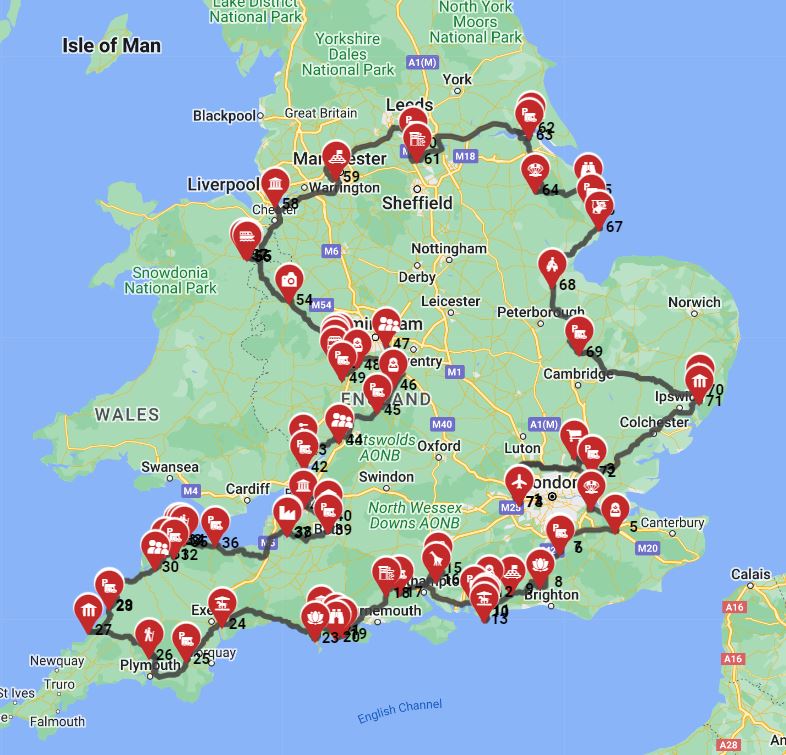
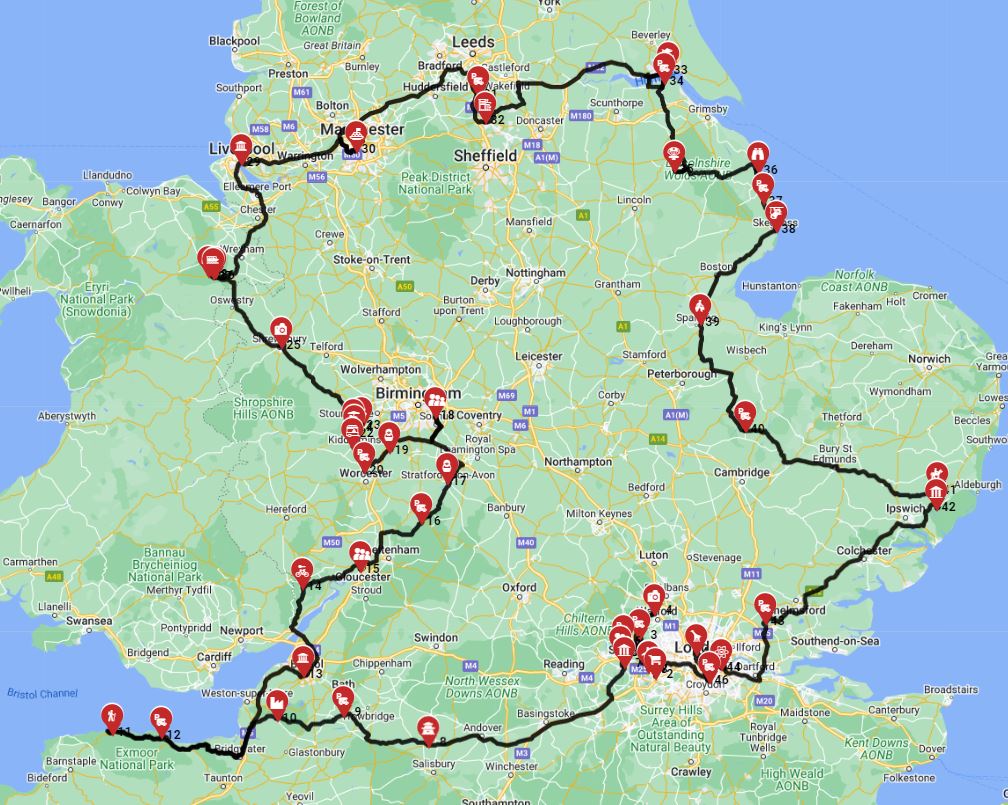
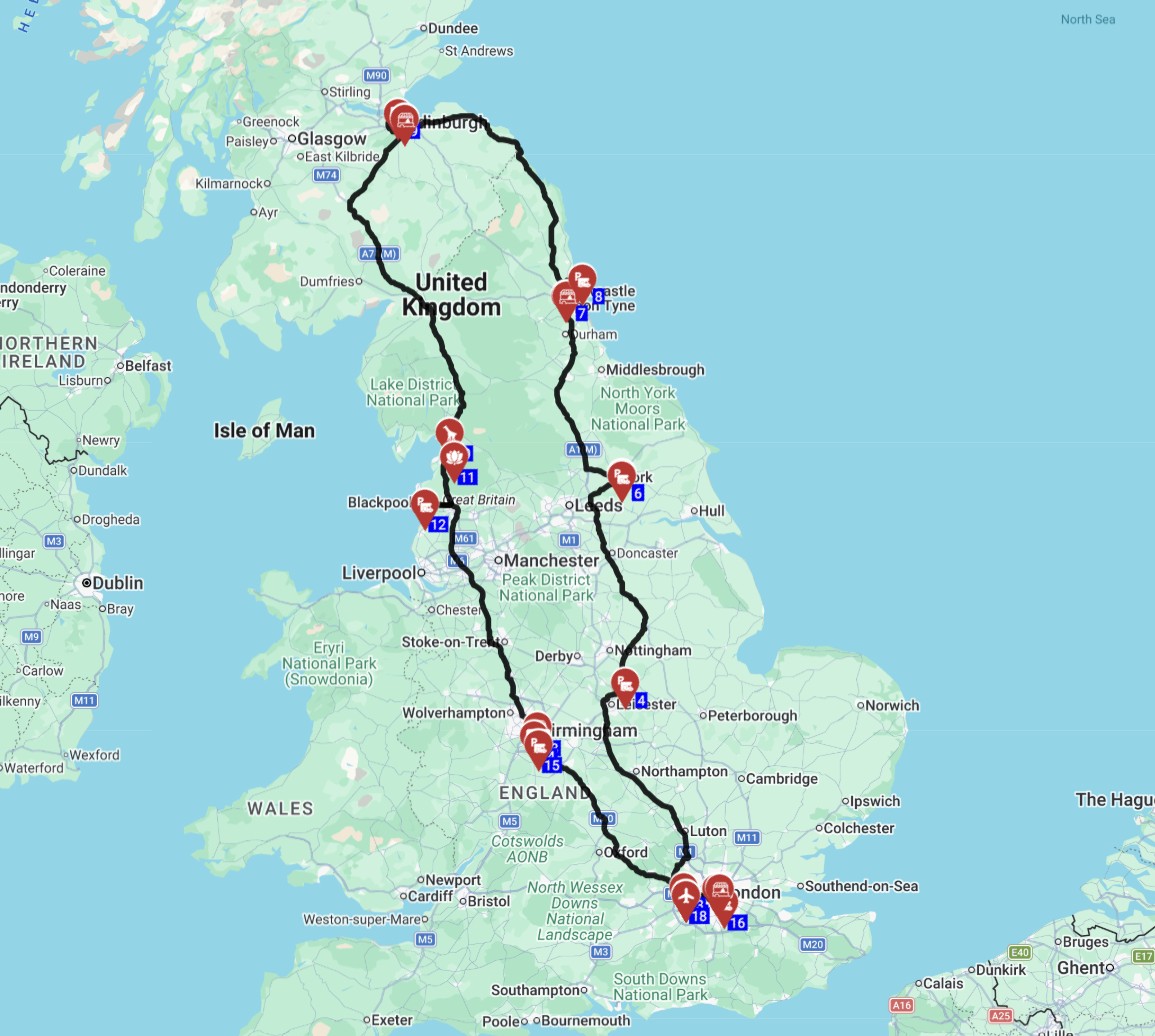
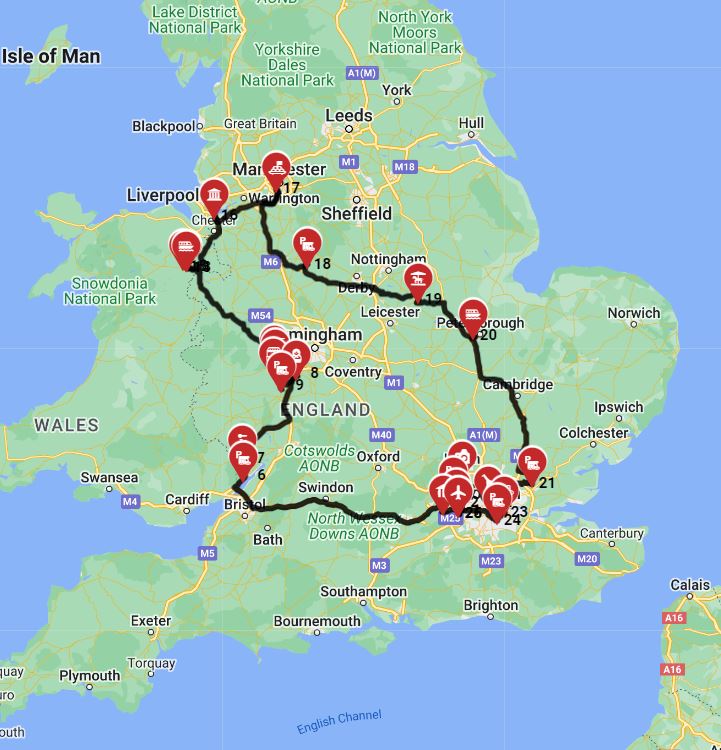
- Take advantage of Bandana's Rent&Plan service to discover pre-planned itineraries that can help you seamlessly integrate an RV visit to London with surrounding countryside exploration.
- Remember to check for low bridge warnings if planning any routes outside central London, especially on older, narrower roads.
Final Thoughts
Renting an RV for a winter trip to London offers a unique way to experience the city, blending the convenience of your own mobile accommodation with the excitement of urban exploration. By understanding the specific driving regulations, planning your routes meticulously, and choosing the right vehicle class, you can ensure a safe and enjoyable adventure. Remember to utilize the park-and-ride options and London's excellent public transport system to truly make the most of your visit.
Bandana Caravan is here to support you every step of the way, offering transparent pricing and expert advice to help you plan the perfect RV getaway. Discover the freedom and flexibility that RV travel offers, even during the winter months!
Find Motorhome Rentals in London