For live availability and current prices, start with our RV Rental Hungary - Complete Guide 2026 guide.
In This Guide
- Can You Drive an RV in Hungary? License & Age Rules
- Road Conditions & Terrain in Hungary
- RV Size Limits, Bridges & Restricted Zones
- Fuel: Diesel vs. Petrol & Cost per 100 km
- Tolls, Vignettes & Border Rules
- Driving Tips for winter rv rental Travelers
- Recommended RV Class for Hungary Roads
- Should I Choose a Compact Van Instead of a Large RV in Hungary?
- Can I Park Anywhere? Free & Wild Camping Rules in Hungary
- Can I Drive an RV Into the City Center? Heights, Tunnels & Local Signage
Can You Drive an RV in Hungary? License & Age Rules
Yes, you can drive an RV in Hungary with the appropriate license and by adhering to age requirements. Most rented RVs, up to 3,500 kg, are drivable with a standard B-category car license, which is typically held by most drivers. However, if you plan to rent a larger motorhome exceeding 3,500 kg, such as some Class A or larger Class C models, you might need a C1 or C category license. The minimum driver age for RV rental in Hungary generally starts at 21, though some rental companies may require drivers to be between 25 and 70, with potential young or senior driver surcharges. For those holding a non-EU driving license, it is highly recommended to carry an International Driving Permit (IDP) alongside your national license for smooth communication with authorities, though it's not always mandatory. Ensure your driving license remains valid for the entire duration of your rental period and is suitable for the class of vehicle you intend to drive.
Road Conditions & Terrain in Hungary
Hungary's road network is generally well-maintained and suitable for RV travel, even during winter. The country is largely characterized by the Great Hungarian Plain (Alföld), which offers mostly flat terrain, making for comfortable driving. However, northern and western regions of Hungary feature rolling hills and low mountain ranges, introducing more varied terrain. While major motorways and main roads are typically in good condition, rural and secondary roads can be narrower, sometimes with less consistent surface quality, especially in winter. Expect potential snow and ice conditions during winter months, particularly outside major cities and on less-trafficked routes. It's always advisable to drive slowly and cautiously, especially on scenic routes, in hilly areas, or when encountering adverse weather. Pay attention to local signage, as road conditions can vary.
RV Size Limits, Bridges & Restricted Zones
Navigating Hungary in an RV is generally straightforward, with most standard motorhomes fitting comfortably within typical size allowances. For instance, Bandana's Class SI RVs, approximately 6.9 meters in length, can navigate Hungarian roads without specific issues. Always be observant of standard European road signage that indicates height, width, and weight restrictions, particularly when approaching bridges, tunnels, or entering older city centers. These signs are crucial for ensuring safe passage and avoiding potential vehicle damage. While environmental zones (emission-based restrictions) are not widespread in Hungary, it's always wise to check local regulations for specific cities you plan to visit. If your route includes ferry crossings, especially to islands on Lake Balaton, be aware that these may have their own weight or length limits, which will be clearly indicated.
Fuel: Diesel vs. Petrol & Cost per 100 km
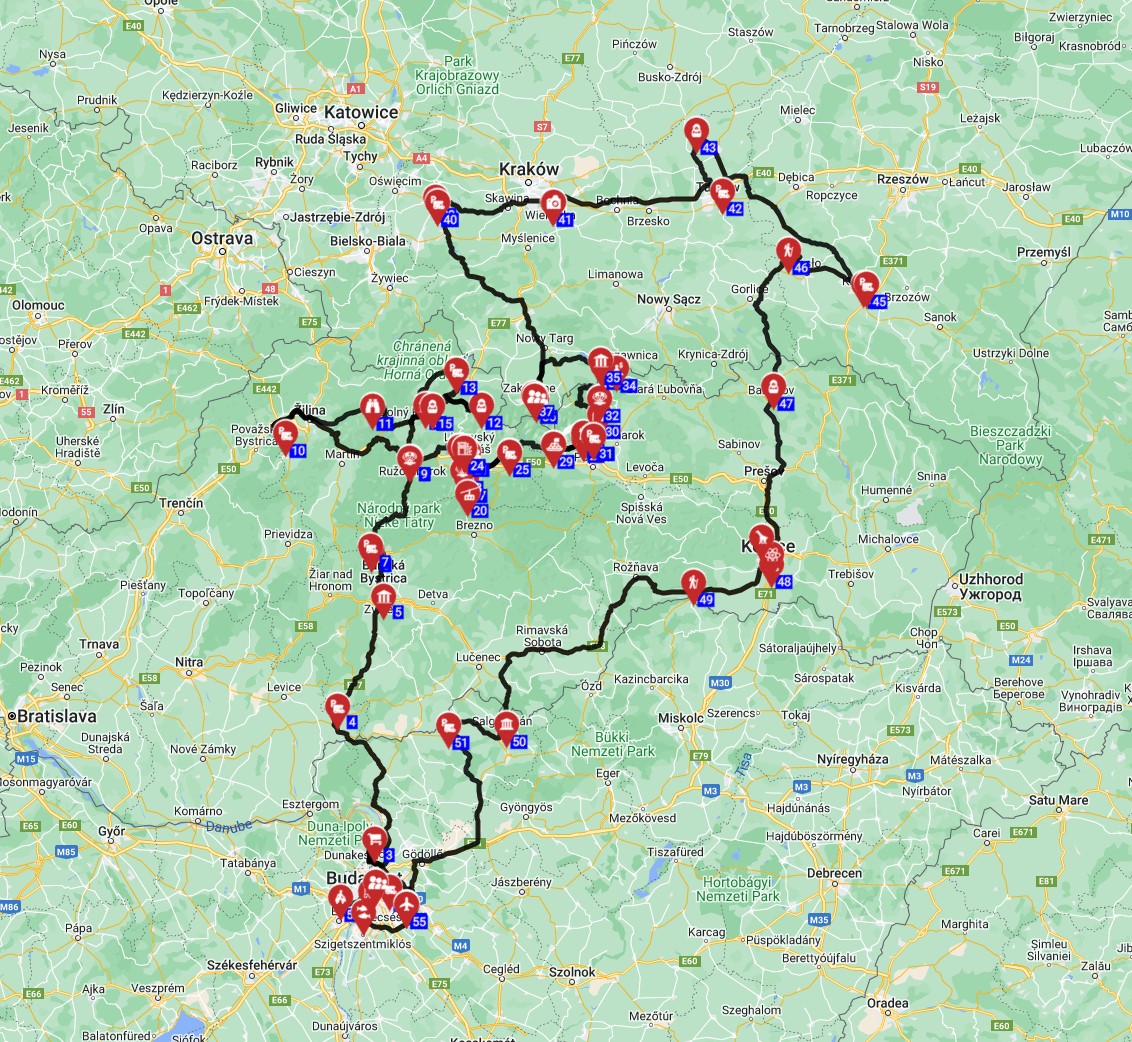
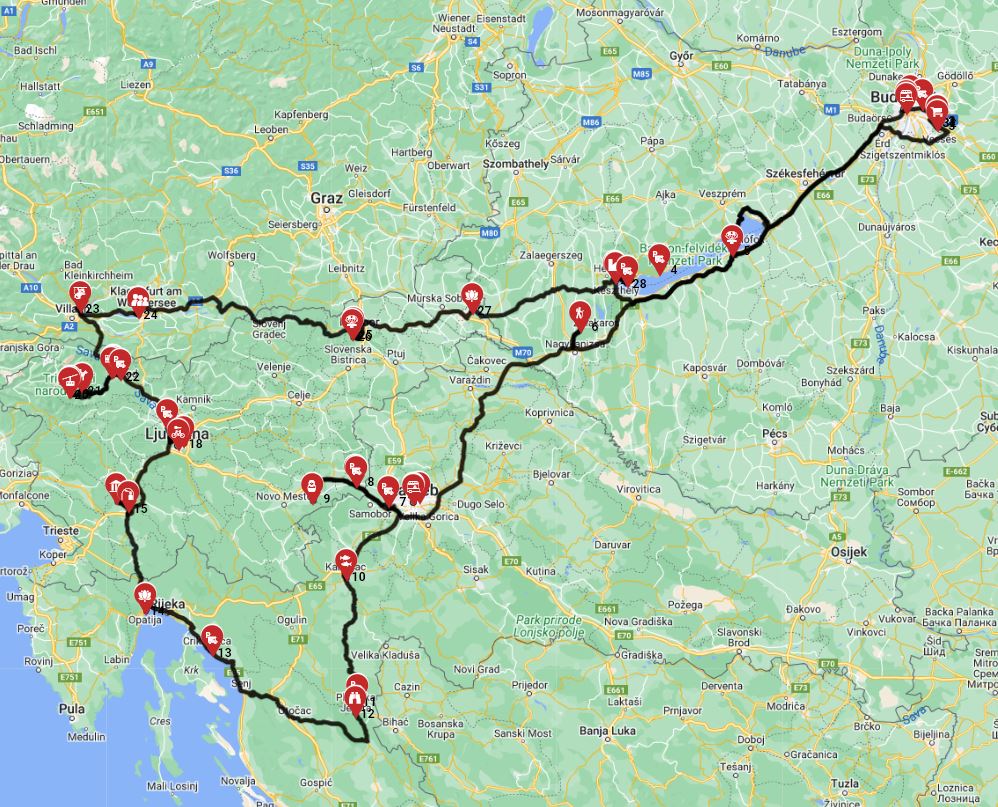
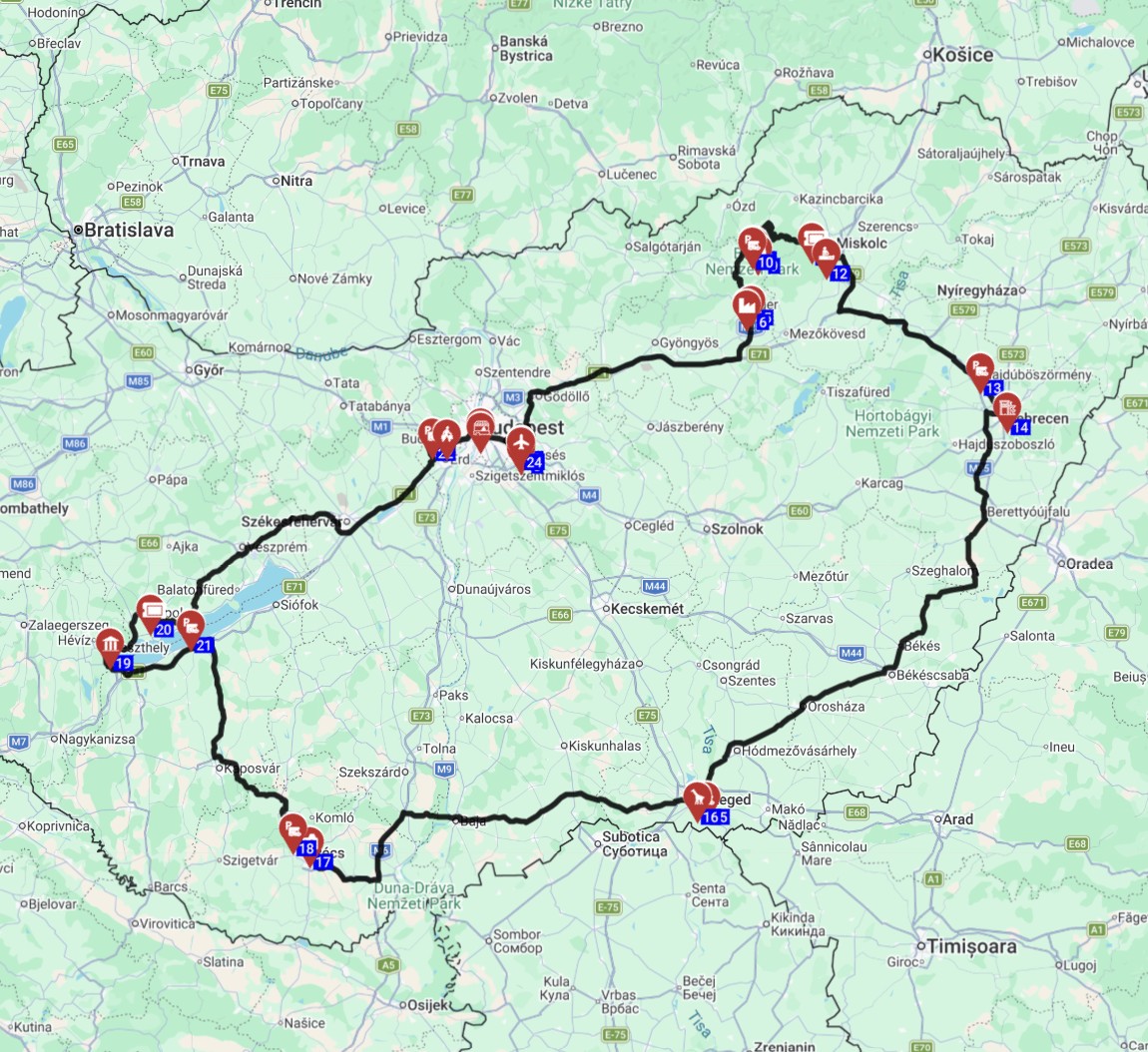
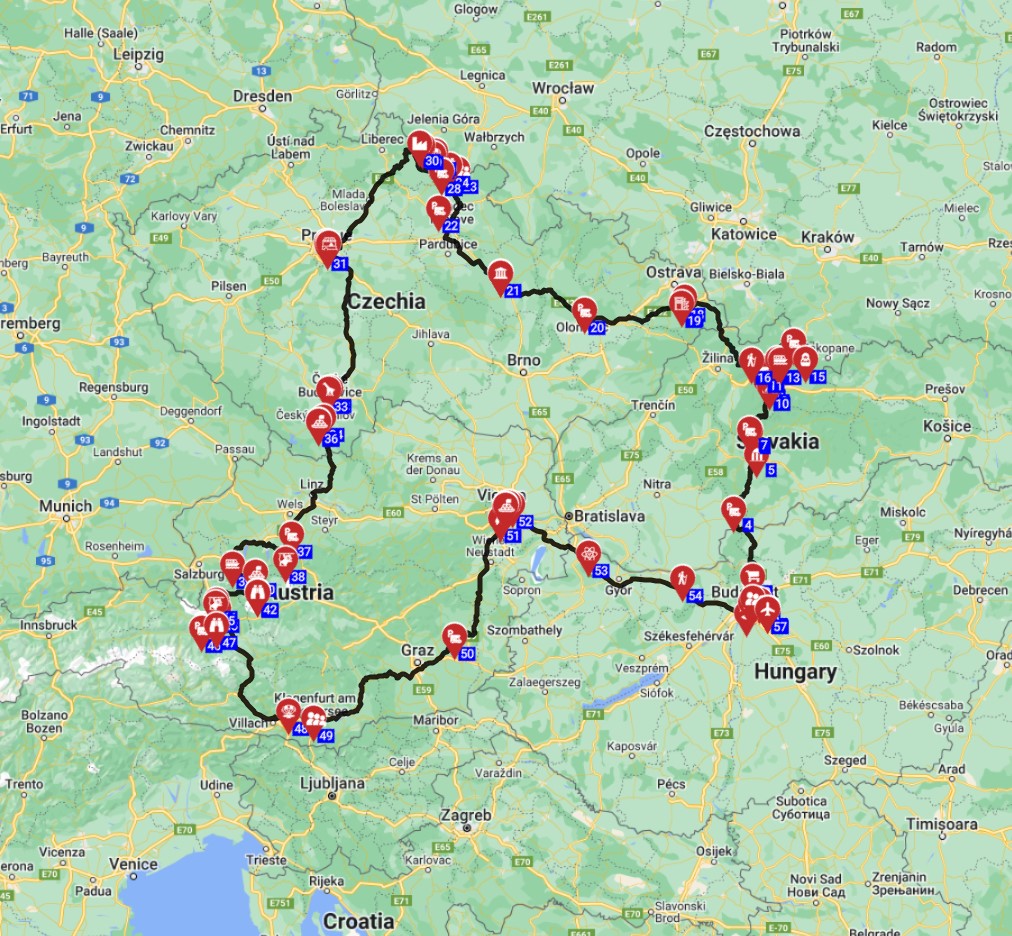
Diesel (gázolaj) is the most common and readily available fuel type for RVs throughout Hungary, found at petrol stations across the country. Petrol (benzin) is also widely available for gasoline-powered vehicles. When it comes to fuel consumption, Bandana's RV fleet offers varying efficiencies. For example, our Class SI (Semi-integrated) RVs typically consume between 10-11 liters per 100 km, while the larger Class C (Alcove) models average around 10-12 liters per 100 km. For those opting for a more compact solution, Class B (Camper Van) RVs generally offer better fuel efficiency, consuming around 8-10 liters per 100 km. Fuel costs can fluctuate based on market prices and the specific station, so it's wise to budget accordingly for your trip. Some rental motorhomes may also come with fuel discount cards, which can offer additional savings. On the routes offered through RV PLANET routes, you can itemize and track every expense along the way for easy budgeting.
Tolls, Vignettes & Border Rules
To use Hungary's motorways and certain major roads, an electronic vignette (e-Matrica) is required and must be purchased before you begin your journey on these routes. You can acquire these vignettes conveniently online, at border crossings, or at most petrol stations. It's essential to select the correct vehicle category (typically D1 for cars and vans, and D2 for larger RVs) to avoid fines. Failure to purchase a vignette or selecting the wrong category can result in significant penalties. When crossing borders within the Schengen Area, such as entering from Austria, Slovakia, or Slovenia, the process is typically seamless. However, always ensure you carry all necessary documents, including your passport, RV registration, and insurance papers. To simplify travel and avoid potential fines, some rent-motorhome RVs offer the option to pre-purchase toll passes, which can be a great convenience.
Driving Tips for winter rv rental Travelers
Preparing for winter RV driving in Hungary involves specific considerations. Ensure your rented RV is equipped with proper winter tires, and consider carrying snow chains, especially if you plan to travel through mountainous or rural areas where heavy snow is possible. Always check daily weather forecasts and road conditions through official channels, and be prepared to adjust your route or schedule to avoid hazardous situations. On wet, icy, or snowy roads, maintain a reduced speed and increase your following distance to ensure safe braking. Due to shorter daylight hours in winter, plan for shorter driving days and factor in more frequent stops to warm up and stretch. Remember that heating the RV will increase fuel consumption, so budget accordingly. Utilizing campsites with electricity hook-ups can also provide a consistent source of warmth and comfort.
Recommended RV Class for Hungary Roads
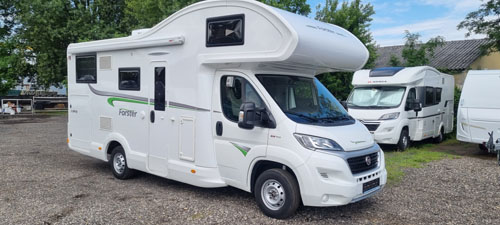
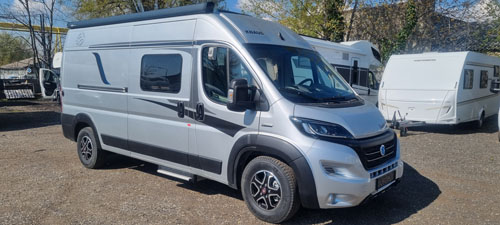
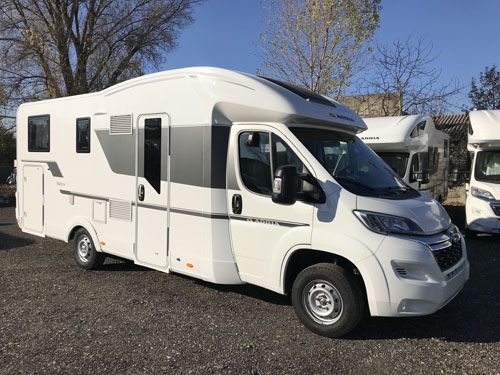
For a balanced experience that combines comfort with maneuverability on Hungary's varied roads, Class SI (Semi-integrated) or Class B (Camper Van) RVs are highly recommended. Bandana's Class SI RVs, typically around 6.9 meters in length, offer ample living space and amenities without being overly challenging to drive. If agility and easier parking are priorities, especially in smaller towns or historic centers, Class B camper vans, averaging 5.8 meters, are an excellent choice. For larger families or groups needing more sleeping accommodations, Class C (Alcove) RVs, averaging 7.5 meters and sleeping up to 5-8 people, provide generous interior space and good insulation for winter travel. Rest assured, all modern RV classes available through Bandana are generally well-suited for paved Hungarian roads and come with adequate ground clearance for typical travel.
Should I Choose a Compact Van Instead of a Large RV in Hungary?
The choice between a compact camper van and a larger RV in Hungary largely depends on your travel style and itinerary. Compact camper vans, such as Class B models, excel in maneuverability and urban parking, making them ideal for navigating narrow city streets and historic centers. However, larger RVs like Class SI or Class C models offer significantly more interior space, providing greater comfort for longer trips and superior insulation, which is particularly beneficial for winter travel. While Hungary's main roads and most campsites can comfortably accommodate larger RVs, the size advantage of a compact van is most pronounced in specific urban scenarios. For a winter RV rental experience, the enhanced warmth, spacious living area, and comprehensive amenities of a larger RV often provide a more enjoyable and comfortable experience than the sheer maneuverability gains of a compact van.
Can I Park Anywhere? Free & Wild Camping Rules in Hungary
When it comes to parking your rented RV in Hungary, it's important to know that wild camping and free overnight parking outside designated areas are generally prohibited or heavily restricted. To ensure a smooth and legal trip, RV travelers are expected to utilize official campgrounds, designated RV parks (stellplatze), or other approved parking facilities for overnight stays. If you are considering parking on private land, always seek explicit permission from the landowner, as unauthorized overnight stays can lead to fines. Be particularly aware of environmental protection zones and national parks, where strict rules against unauthorized camping are rigorously enforced to preserve the natural landscape. It's always best to check local regulations and follow local laws before deciding where to park for the night.
Can I Drive an RV Into the City Center? Heights, Tunnels & Local Signage
Yes, RVs can generally be driven into Hungarian city centers, but it requires careful attention to local signage concerning height, width, and weight restrictions. It's paramount to stay vigilant for signs indicating low bridges, narrow tunnels, or streets designated for residents only, which may restrict larger vehicles. In bustling cities like Budapest, parking can be particularly challenging. A smart strategy is to utilize 'P+R' (Park and Ride) facilities located on the outskirts of the city and then use public transportation to explore the center. While not as common as in some Western European countries, it's still prudent to check for specific environmental zones or access restrictions that might apply to larger vehicles in urban areas. Always observe and adhere to all local traffic signs, as these can vary significantly between different municipalities.
What You Shouldn't Miss
- Budapest's Thermal Baths: Immerse yourself in the city's iconic thermal baths, like the Széchenyi or Gellért Baths, for a truly relaxing experience, especially appealing in cooler weather.
- Danube Bend Scenic Route: Explore the picturesque towns of Szentendre, Visegrád, and Esztergom along the Danube, offering stunning views and historical sites accessible by RV.
- Eger's Historic Charm and Wine Region: Visit the charming Baroque city of Eger, known for its castle, thermal baths, and the famous "Bull's Blood" red wine; explore the nearby Szépasszony Valley wine cellars for tastings.
- Lake Balaton Winter Wonders: While known for summer activities, the "Hungarian Sea" offers a different kind of beauty in winter, with opportunities for ice skating on frozen sections (where safe) and enjoying cozy lakeside towns.
- Christmas Markets: If traveling in December, experience the festive atmosphere of Hungary's Christmas markets, particularly in Budapest, Pécs, and Debrecen, offering traditional crafts and mulled wine.
- Hortobágy National Park: Explore the Great Hungarian Plain, a UNESCO World Heritage site, for unique landscapes, traditional horse shows, and exceptional stargazing opportunities in the vast, dark skies.
Final Thoughts
Winter RV travel in Hungary offers a unique and rewarding experience, distinct from the summer buzz. The crisp air, fewer crowds, and festive atmosphere of cities like Budapest create a magical setting for exploration. By preparing adequately, understanding local driving customs, and choosing the right RV, your winter adventure through Hungary can be incredibly comfortable and memorable.
Embrace the slower pace of winter travel, allowing yourself to truly connect with the culture, the cuisine, and the stunning landscapes. From soaking in thermal baths to exploring historic towns, Hungary in winter offers a different, yet equally enchanting, perspective.
Ready to plan your Hungarian RV journey? Explore the possibilities and compare your options to find the perfect motorhome for your winter escape!