In This Guide
- Can You Drive an RV in Hamburg? License & Age Rules
- Road Conditions & Terrain in Hamburg
- RV Size Limits, Bridges & Restricted Zones in Hamburg
- Fuel: Diesel vs. Petrol & Cost per 100 km in Hamburg
- Tolls, Vignettes & Border Rules Near Hamburg
- Driving Tips for Winter RV Rental Travelers in Hamburg
- Recommended RV Class for Hamburg Roads
- Should I Choose a Compact Van Instead of a Large RV in Hamburg?
- Can I Park Anywhere? Free & Wild Camping Rules in Hamburg
- Can I Drive an RV Into the City Center of Hamburg? Heights, Tunnels & Local Signage
- What is the 3-3-3 rule for RVs?
- What is the 444 rule for RVs?
- Can you drive an RV in the winter?
- What requirements do you need to drive an RV in Germany?
- How cold is too cold for an RV?
- Does an RV need a special license in Germany?
- Does RV insurance cover snow damage in Germany?
Winter RV driving in Hamburg offers a unique perspective on this vibrant German city, transforming its historic charm into a cozy, festive wonderland. Imagine yourself cruising along the snow-dusted Speicherstadt or enjoying a warm Glühwein at a Christmas market, all from the comfort of your rented motorhome. With Bandana RV, your winter adventure in Hamburg is within reach, backed by our promise of full transparency and 24/7 pre-booking support. For live availability and current prices, start with our RV Rental Hamburg - Complete Guide 2026 guide.
Can You Drive an RV in Hamburg? License & Age Rules
Yes, you can absolutely drive an RV in Hamburg, adhering to standard German licensing rules that are straightforward for most travelers. In Germany, driving an RV with a maximum authorized mass (MAM) up to 3,500 kg typically requires a standard Class B driving license, which is the same as a regular car license.
For larger RVs between 3,500 kg and 7,500 kg, a Class C1 license is required, but rest assured, Bandana RV offers many comfortable Class C and Class A rental motorhomes that fall within the standard Class B license limits. Most rental companies, including Bandana, require drivers to be at least 21 years old and hold a valid driver's license for a minimum of 2 years. Foreign drivers often need an International Driving Permit (IDP) in conjunction with their national driver's license when driving an RV in Hamburg, Germany, particularly if their license is not in English.
There are no young driver surcharges with Bandana RV, nor are there vehicle class restrictions based on age, making winter rv rental in Hamburg accessible for many. This flexibility is part of our commitment to making RV travel simple and enjoyable.
Road Conditions & Terrain in Hamburg
Hamburg and its surrounding areas feature generally flat terrain with well-maintained road infrastructure, primarily consisting of urban streets and efficient autobahns, making RV navigation quite manageable. Winter road conditions in Hamburg can involve dampness, occasional snow, and black ice, particularly during colder months (December to February), requiring careful and slower driving speeds.
While Hamburg itself is largely flat, planning routes to nearby coastal areas or natural parks, such as Lüneburg Heath, should account for potential winding roads and varying weather patterns, especially for larger RVs. Always drive slowly and carefully, and you can drive almost anywhere without issues. No need to stress - just use common sense and pay attention.
For those planning an extended winter RV trip through Germany, our "RV Rental Germany - Complete Guide 2026" offers comprehensive details on broader road conditions. Remember to inspect tire pressure regularly and ensure your rented mobile home is equipped with appropriate winter tires (M+S or snowflake symbol) as mandated by German law during specific cold periods.
RV Size Limits, Bridges & Restricted Zones in Hamburg
Hamburg operates an 'Umweltzone' (environmental zone) in its city center, meaning RVs must display a green emissions sticker to enter, a standard requirement for most modern rental RVs. Drivers should always be vigilant for local signage indicating height restrictions in tunnels, such as parts of the Old Elbtunnel, and underpasses, as well as weight limits on smaller bridges in older districts.
While Hamburg boasts over 2,500 bridges, a key feature of its scenic waterways, extensive problems with low bridges are not common, but awareness is crucial. Specific ferry crossings or older parts of the city might have length, width, or weight restrictions that RVers should research for their specific route. Planning your route in advance with tools like RV PLANET (rvplan.net) can help you identify any such areas and ensure smooth travel.
With a spacious Class C motorhome like the "Cruise America RV Rental Example Explorer", which is 7.1 meters long, or a more compact "Class SI - Semi-integrated" model, you'll find plenty of maneuverability with careful driving. For detailed information on finding the best vehicle for your needs, explore our "Luxury RV Rental in Hamburg - Premium Prices 2026" or "Cheap RV Rental in Hamburg - Budget Guide 2026" articles.
Fuel: Diesel vs. Petrol & Cost per 100 km in Hamburg
The vast majority of rental RVs, including those in Bandana's global fleet, run on diesel fuel, which is readily available at petrol stations throughout Hamburg and Germany. For a typical semi-integrated RV (Class SI) from Bandana's global fleet, such as a "2 Berth Tamar" or "2 Berth Rover" (both Winter Ready), consuming 10-11 liters/100 km, the fuel cost per 100 km can range from approximately €18 to €20, based on an estimated average diesel price of €1.80/liter in 2026. On the routes offered through RV PLANET routes, you can itemize and track every expense along the way for easy budgeting.
Campervans (Class B), like the "Active Bunk Auto" or "VW California Ocean", are generally more fuel-efficient, typically consuming 8-10 liters/100 km, leading to an estimated cost of €14.40 to €18 per 100 km. Larger Class C (Alcove) or Class A (Integrated) RVs, such as the "Euro Deluxe" or "Nexus Triumph 29T", might incur costs of €18 to €21.60 per 100 km due to higher consumption. When budgeting for your journey, remember that RV PLANET routes allow you to itemize and track every expense along the way for easy financial planning and full transparency on your RV PLANET routes.
Tolls, Vignettes & Border Rules Near Hamburg
In Germany, passenger vehicles and RVs under 7.5 metric tons generally do not pay tolls on federal autobahns, a significant advantage for RV travelers. However, specific tunnels or private roads might have charges. For instance, the Herrentunnel near Lübeck, a short drive from Hamburg, has a toll, but most major routes are free.
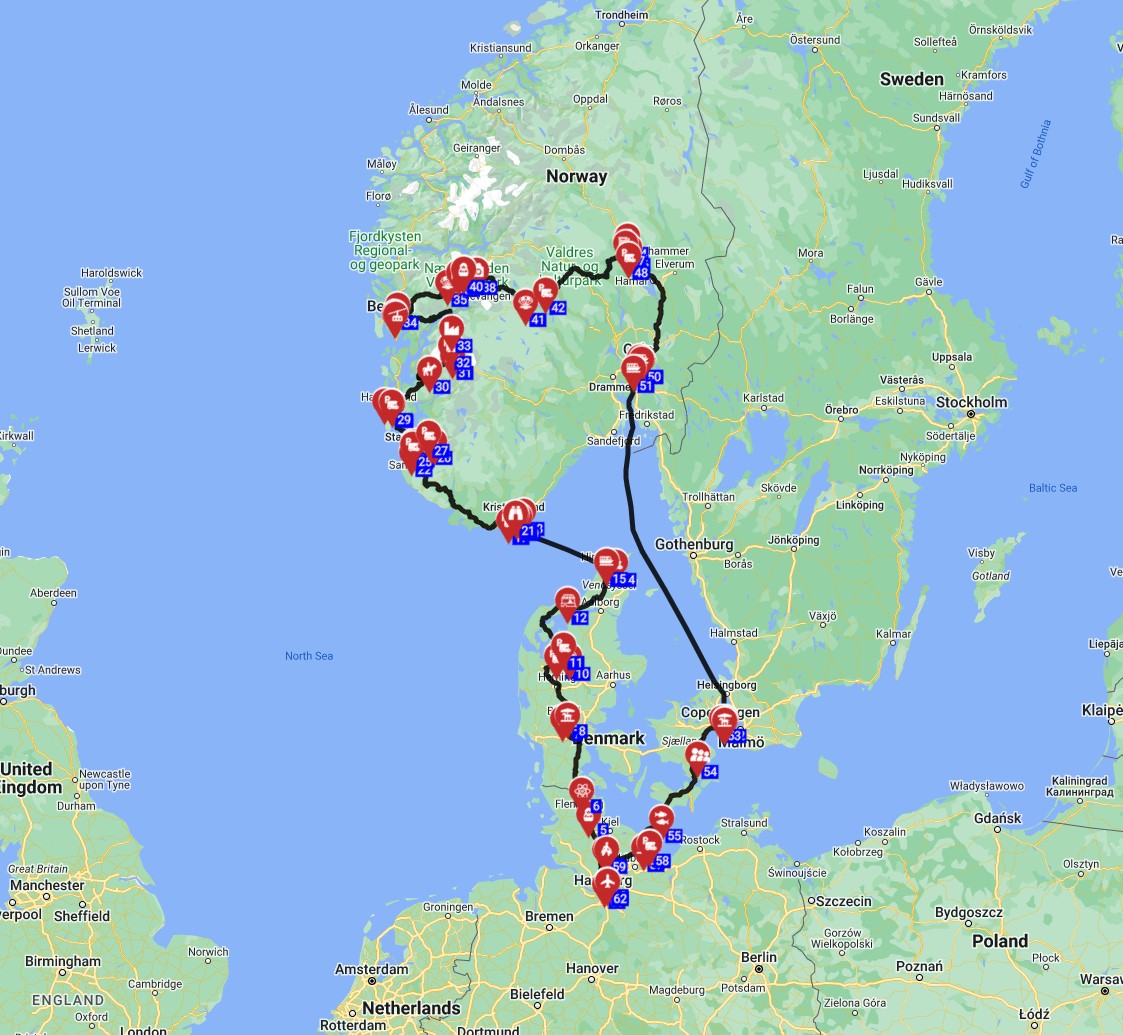
For international RVers exploring neighboring countries from Hamburg, such as a "Hamburg Roundtrip - To Denmark & Norway" itinerary, vignettes (road tax stickers) are required for driving on highways in countries like Austria and Switzerland, which should be purchased in advance. When crossing borders from Hamburg to Denmark or the Netherlands, ensure all vehicle documents, including rental agreements and personal identification, are readily accessible. Be aware of any local customs regulations or winter tire mandates in bordering regions, as requirements can vary.
Bandana RV provides full transparency on all rental costs and ensures you understand any potential additional fees like one-way rental drop-off charges, which typically range from €150-€500 for popular routes from Hamburg to other European cities. We have direct partnerships with over 50 leading RV suppliers worldwide, ensuring accurate information for your journey.
Driving Tips for Winter RV Rental Travelers in Hamburg
Prioritize slower speeds and increased braking distances in winter conditions, especially on potentially icy or wet roads common around Hamburg from November to March. Regularly check tire pressure and ensure your rental RV is equipped with appropriate winter tires (M+S or snowflake symbol) as mandated by German law during specific cold periods to maintain optimal traction and safety.
For families enjoying a winter adventure, plan frequent stops every 2-3 hours to stretch and warm up, utilizing service areas or designated Stellplätze for a comfortable break. When traveling on a budget, consider pre-paying any known tunnel tolls or planning routes to avoid them, and factor in potential higher fuel consumption due to colder temperatures and winter driving conditions. Always secure all loose items inside the RV before driving to prevent shifting during travel, especially on potentially bumpy or uneven roads around Hamburg, like the cobbled streets of the historic warehouse district.
Remember that RV travel is about the journey, not just the destination, so travel slowly, max 100-150 km per day on average. Take time to feel the place, connect to the culture, the food, and the scenery. Imagine enjoying a warm breakfast prepared in your motorhome kitchen before heading out to explore, using fresh local ingredients found at one of Hamburg's traditional markets. Our RV-friendly recipes playlist can provide inspiration for delicious meals on the go!
Recommended RV Class for Hamburg Roads
For navigating Hamburg's urban environment and surrounding areas, a Class B Campervan or a Class SI Semi-integrated RV is often recommended due to their balanced maneuverability and living space, especially during winter. Class B Campervans, with an average length of 5.8 meters, like the "Acer" or "Active Standard Auto" from Bandana's global fleet, offer excellent agility for city driving and easier parking in tighter spaces, such as those near the Reeperbahn or St. Michael's Church.
Class SI Semi-integrated RVs, averaging 6.9 meters in length, such as the "Auto-Trail F60" or "Elnagh Baron 579", provide more interior comfort and amenities suitable for winter travel while still being manageable on Hamburg's main roads. These are perfect for a couple or a small family, offering a warm and comfortable retreat after a day of exploring. If you're comparing options, consider our "Weekly RV Rental in Hamburg - Pricing 2026" guide to see what fits your budget and travel style. Even larger Class C or A motorhomes can navigate Hamburg, just requiring a bit more attention.
🎬 Video coming soon
Should I Choose a Compact Van Instead of a Large RV in Hamburg?
While a compact van offers superior maneuverability and ease of parking in Hamburg's urban core, a larger RV often provides significantly more comfort, living space, and better insulation, which are crucial for a winter rental experience. A compact van, such as a Class B Campervan (e.g., "Maxie 4 Deluxe shower/toilet"), is advantageous for frequent city center visits and navigating narrow streets or finding on-street parking spots in areas like the Jungfernstieg.
Conversely, a larger RV (e.g., a Class C Alcove like the "Benimar Sport 323" or a Class SI like the "Cruz") provides better winterization features, more room for gear and relaxation, and potentially a more comfortable stay when spending extended periods inside during colder weather. The slight inconvenience of parking a larger RV can often be outweighed by staying at out-of-city Stellplätze with good public transport links, such as KNAUS Campingpark Hamburg or Campingplatz Stover Strand, offering easy access to the city via S-Bahn or ferry.
Can I Park Anywhere? Free & Wild Camping Rules in Hamburg
No, you generally cannot park an RV anywhere in Hamburg for overnight stays; wild camping or simply parking overnight in an RV outside of designated areas is generally illegal throughout Germany and can result in fines of €50-€100. RVers should utilize official campgrounds or 'Stellplätze' (designated motorhome parking areas) that often provide essential services like fresh water, waste disposal, and sometimes electricity, which are especially important for winter camping in Hamburg.
Many Stellplätze in and around Hamburg are specifically designed for motorhomes, offering a legal and safe place to park overnight, often with proximity to public transportation for city exploration. Popular options include Wohnmobilpark Hamburg-Marina and Stellplatz am Reiherstieg, both offering excellent connections to central Hamburg. For finding available campsites and campgrounds during your trip, we recommend using RV PLANET (rvplan.net) - a great resource for locating available spots along your route.
Can I Drive an RV Into the City Center of Hamburg? Heights, Tunnels & Local Signage
Yes, an RV can generally be driven into Hamburg's city center, but drivers must pay close attention to local signage, particularly for environmental zones, height restrictions, and designated parking. Hamburg's city center is an 'Umweltzone' (environmental zone), requiring vehicles to have a green emissions sticker, which most modern rental RVs will possess, allowing seamless entry.
While major routes into the city are generally fine for a rented motorhome, certain tunnels, like the Old Elbtunnel or older parking garages (e.g., those near the Mönckebergstraße shopping area), will have height and weight restrictions that large RVs must observe. Utilizing public transport from a peripheral Stellplatz, like the one near the Altona district, is often the most convenient way to explore the very heart of the city, especially during busy winter market seasons.
What is the 3-3-3 rule for RVs?
The 3-3-3 rule for RVs suggests driving no more than 300 miles (approximately 480 km) in a day, arriving at your destination by 3 PM, and staying for a minimum of 3 days to promote relaxed and safe travel. This guideline helps prevent driver fatigue, allows ample time for setting up camp and exploring the local area, and reduces the stress of constant movement, especially important during a winter rv rental in Hamburg. While a useful guideline, winter RV travel in Hamburg might necessitate shorter driving distances due to potentially challenging road conditions, and arriving earlier (e.g., by 3 PM) is particularly beneficial to set up camp before it gets dark or too cold.
What is the 444 rule for RVs?
The 444 rule for RVs is a variation of the 3-3-3 rule, advising drivers to travel no more than 400 miles (approximately 640 km) in a day, stop by 4 PM, and stay for at least 4 nights at each location. This rule is designed to offer a slightly more flexible pace for travelers who prefer longer driving days while still emphasizing the importance of adequate rest and time for exploration. When planning a winter RV rental trip around Hamburg, adapting rules like 444 to shorter distances and earlier stops is wise due to reduced daylight hours and the need for more cautious driving in potential ice or snow conditions. Our Rent&Plan service can help you craft personalized routes that follow safe and enjoyable paces.
Can you drive an RV in the winter?
Yes, you can absolutely drive an RV in the winter, particularly if it is adequately prepared and 'winterized' for cold weather, which includes appropriate insulation, heating systems, and sometimes heated tanks. Many modern rental RVs, especially those available for winter in regions like Hamburg, come equipped with features designed for cold climates, such as powerful furnaces, insulated water systems, and winter tires to ensure your comfort and safety. Essential preparations for winter RV driving in Hamburg include checking tire pressure, ensuring tanks are not at risk of freezing (e.g., by adding anti-freeze or keeping the heating on), and carrying emergency supplies like blankets, a shovel, and extra fuel. The "2 Berth Sandpiper" from our fleet, for example, is equipped with a refrigerator and living room heating, making it suitable for colder climates.
What requirements do you need to drive an RV in Germany?
To drive an RV in Germany, you generally need a valid driver's license appropriate for the vehicle's weight and class, a minimum age requirement set by rental companies (typically 21 years old), and often several years of driving experience (usually 2 years). In Germany, a standard Class B license is sufficient for RVs up to 3,500 kg, while heavier RVs up to 7,500 kg require a Class C1 license. International visitors to Hamburg will also need to carry their national driver's license along with an International Driving Permit (IDP) to legally operate a rented motorhome.
How cold is too cold for an RV?
While modern, winterized RVs can handle sub-freezing temperatures, sustained temperatures consistently below 0°C (32°F) without proper precautions can be 'too cold' as it risks freezing pipes, water lines, and tanks, potentially causing significant damage. For winter RV rentals in Hamburg, ensure the RV has a robust heating system, good insulation, and ideally heated wastewater tanks to prevent freezing, especially overnight. Even with a winterized RV, it's advisable to take extra steps in extreme cold, such as using an external water source (if available and insulated) instead of relying on internal tanks, and disconnecting hoses when not in use at Stellplätze.
Our partners like El Monte, Cruise America, Apollo, and Britz offer vehicles designed for various climates, some even feature "Winter Ready" tags like the "4 Berth Deluxe" motorhome, ensuring you have a cozy retreat from the winter chill. Check out specific vehicle details on our platform for more information.
Does an RV need a special license in Germany?
In Germany, whether an RV requires a 'special' license beyond a standard car license depends primarily on its maximum authorized mass (MAM). Specifically, an RV with a MAM up to 3,500 kg can be driven with a standard Class B license, which is the most common car license. However, an RV with a MAM between 3,500 kg and 7,500 kg requires a Class C1 license. It is crucial for potential renters to verify the weight of their chosen RV and ensure their existing driver's license corresponds to the required category for legal operation, a detail we help clarify before you book. Remember, the minimum rental age is 21 with no vehicle class restrictions or young driver surcharges.
Does RV insurance cover snow damage in Germany?
Comprehensive RV insurance policies generally include coverage for snow damage, encompassing incidents related to heavy snowfall, ice, blizzards, and other snow-related perils in Germany. This type of coverage typically protects against damage from collapsed roofs due to snow accumulation, damage from slipping on ice, or accidents occurring in snowy conditions. When renting an RV for winter use in Hamburg, it's critical to review the rental agreement's insurance details to understand the extent of comprehensive coverage provided. You can also upgrade to a top-level deductible reimbursement for extra peace of mind, ensuring you're fully covered for your winter journey.
What You Shouldn't Miss
- Wander through Speicherstadt & HafenCity: Explore Hamburg's historic warehouse district and modern HafenCity, beautifully illuminated in winter, offering stunning photography opportunities and unique architectural contrasts.
- Visit the Hamburg Christmas Markets: Immerse yourself in the festive spirit by visiting multiple Christmas markets, like the historic one in front of the Rathaus (City Hall) or the more adult-oriented Santa Pauli market, sampling local treats like roasted almonds and Glühwein.
- Miniatur Wunderland: Escape the cold indoors by spending hours at the world's largest model railway exhibition, a marvel for all ages, featuring detailed miniature landscapes including a tiny Hamburg.
- Elbphilharmonie Plaza: Ascend to the public plaza of the iconic Elbphilharmonie for panoramic views of the city and harbor, especially magical under a winter sky.
- Fish Market (Fischmarkt) on Sunday Morning: Experience the energetic and historic Hamburg Fish Market. Arrive early (around 5 AM) for a truly local experience, complete with fresh seafood, live music, and colorful vendors.
- Boat Tour of the Harbor: Even in winter, a heated boat tour offers a fantastic way to see the massive Port of Hamburg, the Speicherstadt from the water, and the impressive container ships.
Final Thoughts
Embracing a winter RV adventure in Hamburg offers a truly unforgettable experience, blending the cozy comfort of your mobile home with the festive magic of Germany's vibrant port city. From navigating its well-maintained roads to exploring its charming Christmas markets, the key to a successful trip lies in good preparation and knowing what to expect.
Remember that Bandana RV is dedicated to making your journey smooth and transparent, from providing comprehensive information on licensing and road conditions to offering the option of top-level deductible reimbursement. With our extensive network of suppliers and our specialized Rent&Plan services at rvplan.net, you have all the tools to plan an incredible week-long trip or extended road trip.
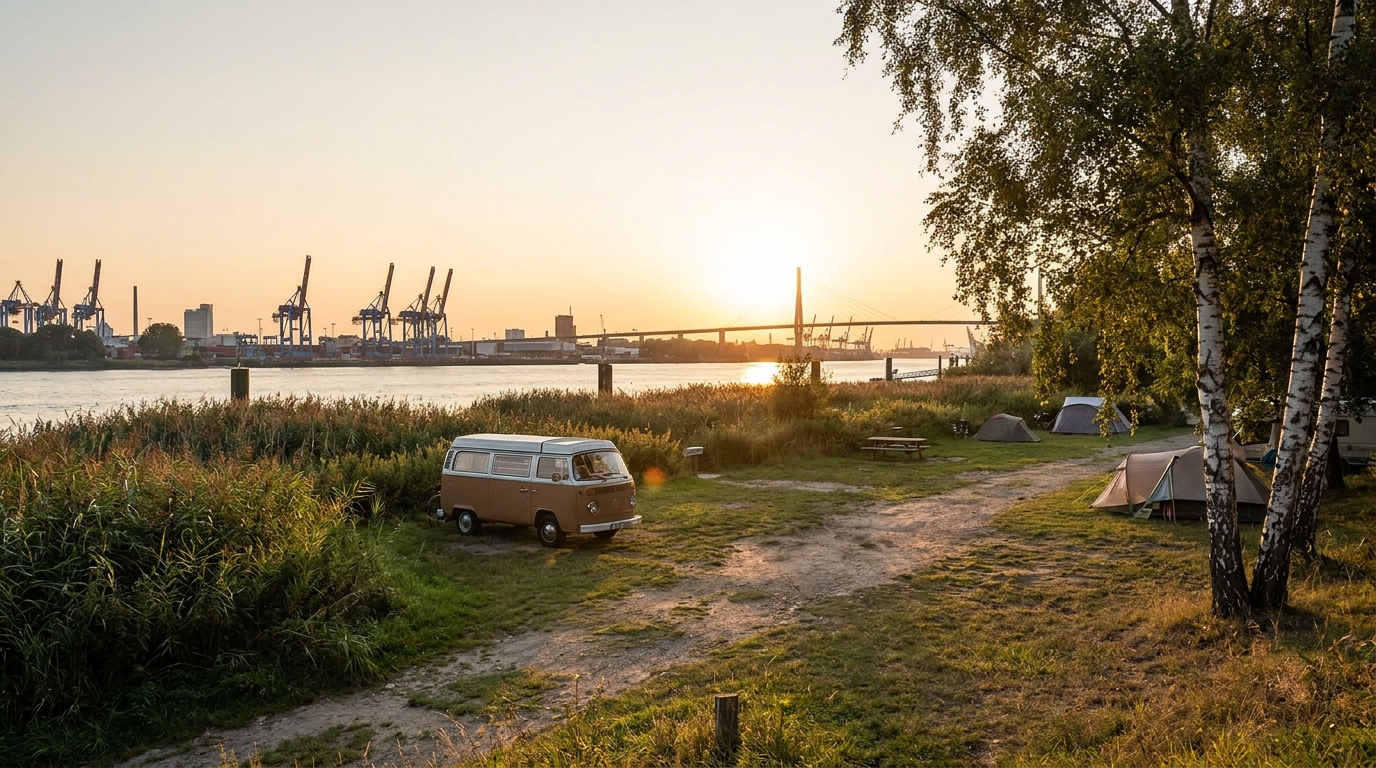
So, why wait? Imagine yourselves enjoying a steaming cup of coffee in your warm campervan, overlooking the serene Elbe River as the city slowly awakens. It’s an experience that truly says, "Life is now!" Get inspired for your next trip and discover top destinations, planning tips, all in one place!
Find Motorhome Rentals in Hamburg