In This Guide
- Can You Drive an RV in Germany? License & Age Rules
- Road Conditions & Terrain in Germany
- RV Size Limits, Bridges & Restricted Zones
- Fuel: Diesel vs. Petrol & Cost per 100 km
- Tolls, Vignettes & Border Rules
- Driving Tips for Winter RV Rental Travelers
- Recommended RV Class for Germany Roads
- Should I Choose a Compact Van Instead of a Large RV in Germany?
- Can I Park Anywhere? Free & Wild Camping Rules in Germany
- Can I Drive an RV Into the City Center? Heights, Tunnels & Local Signage
- What is the Total Cost of a Winter RV Rental Trip in Germany?
- How Does Winter Weather Affect RV Travel in Germany?
- What are Some Off-the-Beaten-Path RV Destinations in Germany for Winter?
- How Can I Experience Deep Cultural Immersion on a German Winter RV Trip?
- What Technology and Connectivity Do I Need for RVing in Germany?
- What are the Best Tips for Winter RV Travel in Germany with Family or Pets?
- How Should I Book Campsites and Stellplätze for a Winter RV Trip in Germany?
- What Emergency Preparedness is Needed for a Winter RV Rental in Germany?
Imagine yourself surrounded by snow-dusted forests, cozying up in your rented motorhome after a day exploring enchanting Christmas markets or hitting the slopes. Winter RV travel in Germany offers a magical escape, blending the warmth and comfort of your private space with the breathtaking beauty of Europe’s colder months. At Bandana RV, we've been helping tens of thousands of travelers explore the world by RV since 2001, and Germany in winter holds a special place in our hearts. For live availability and current prices, start with our RV Rental Germany - Complete Guide 2026 guide to plan your adventure.
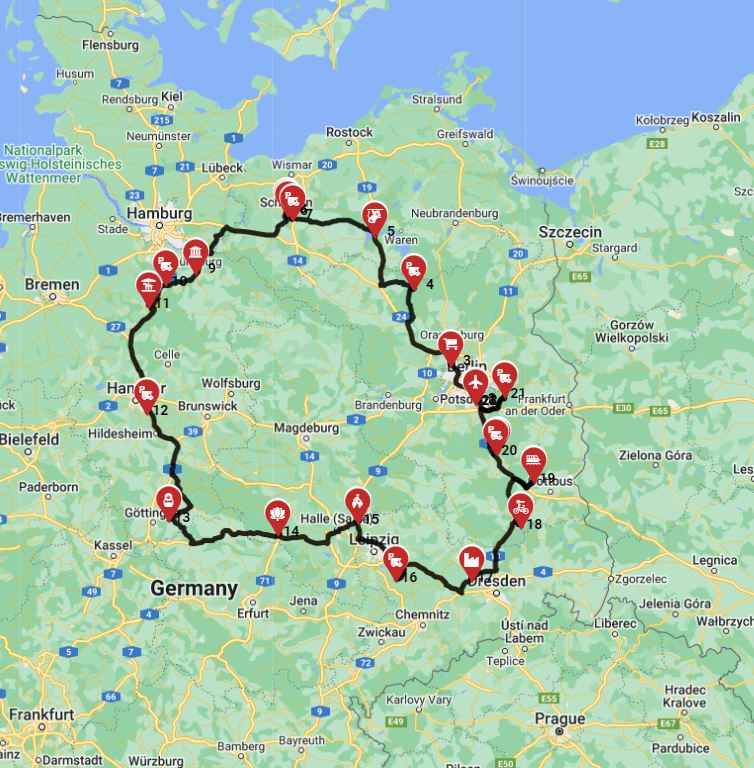
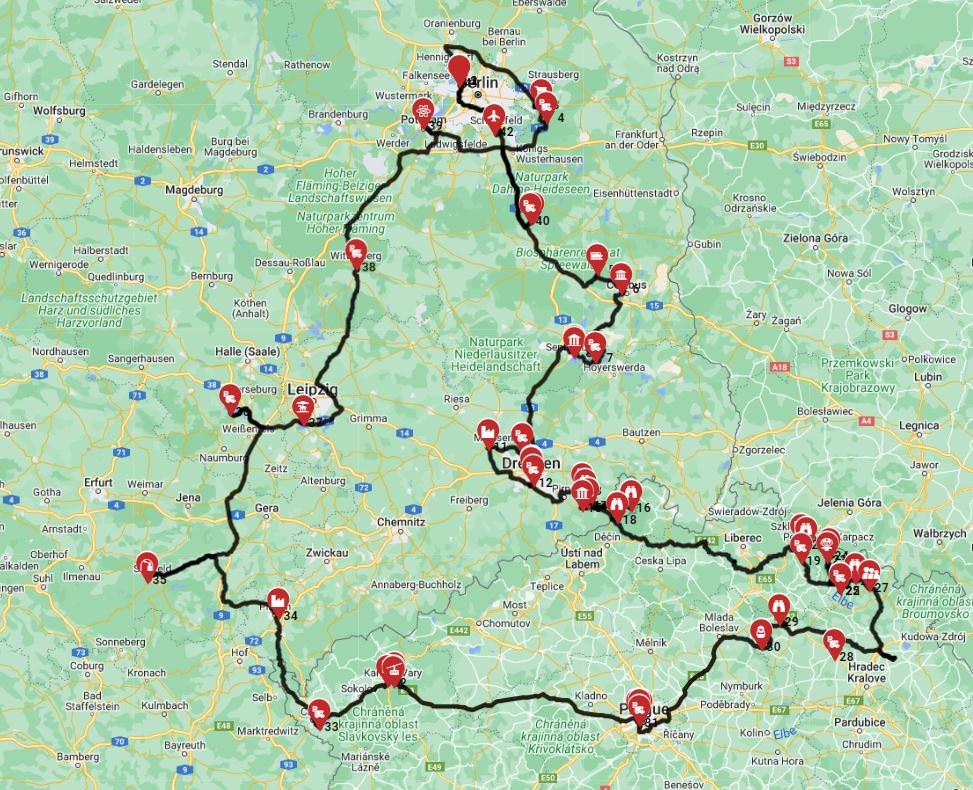
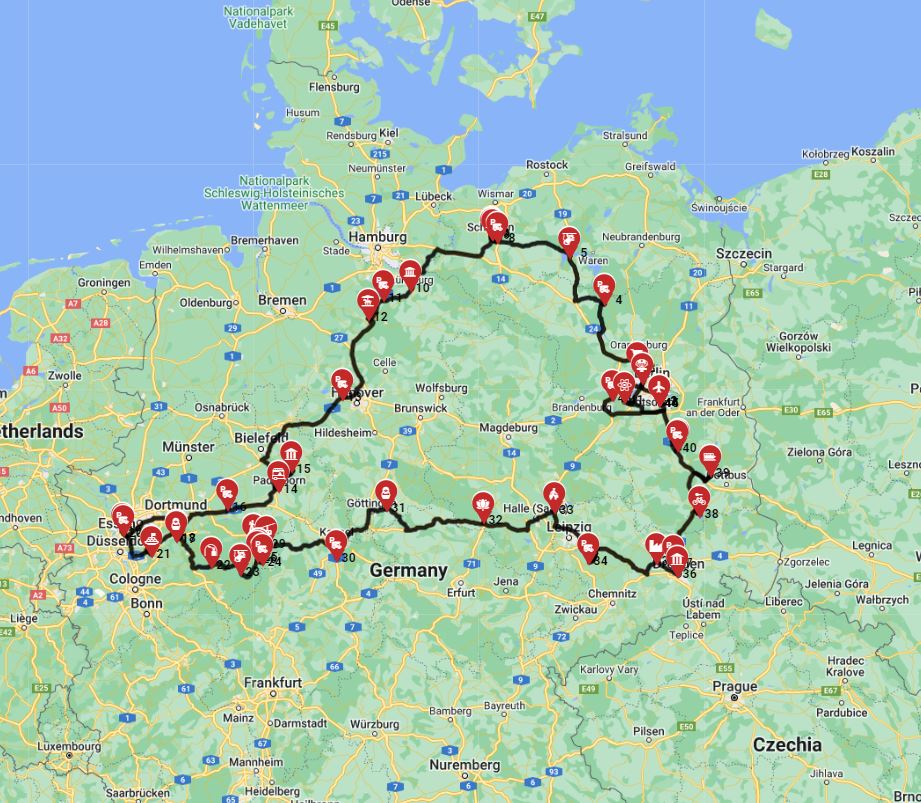
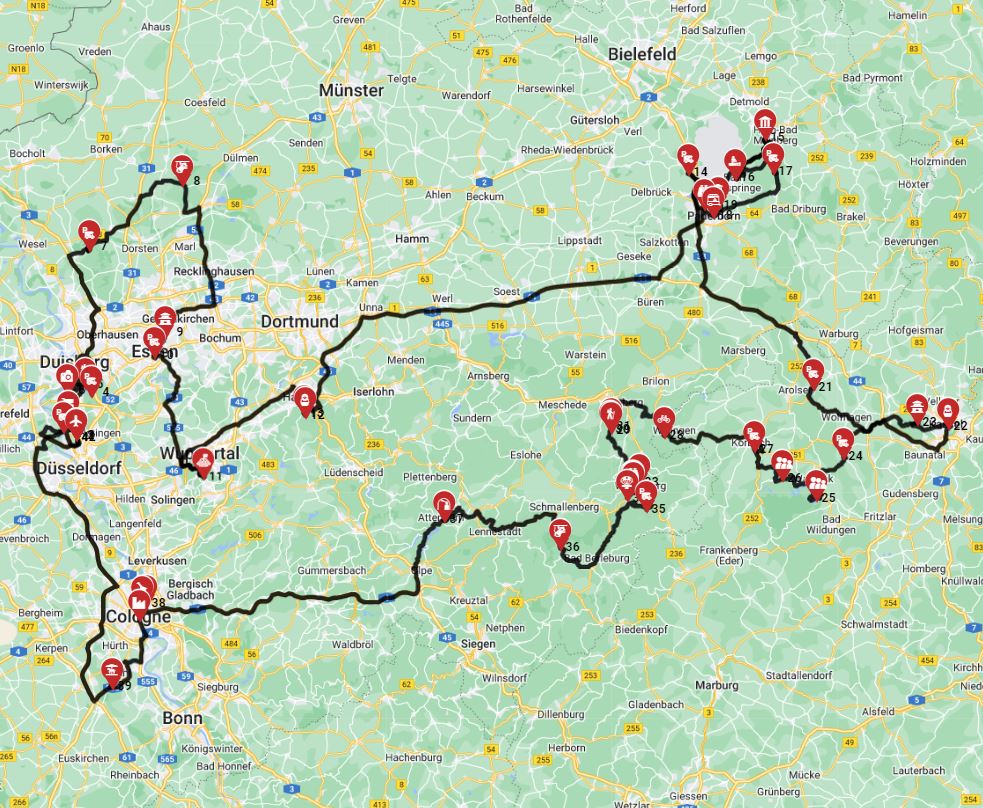
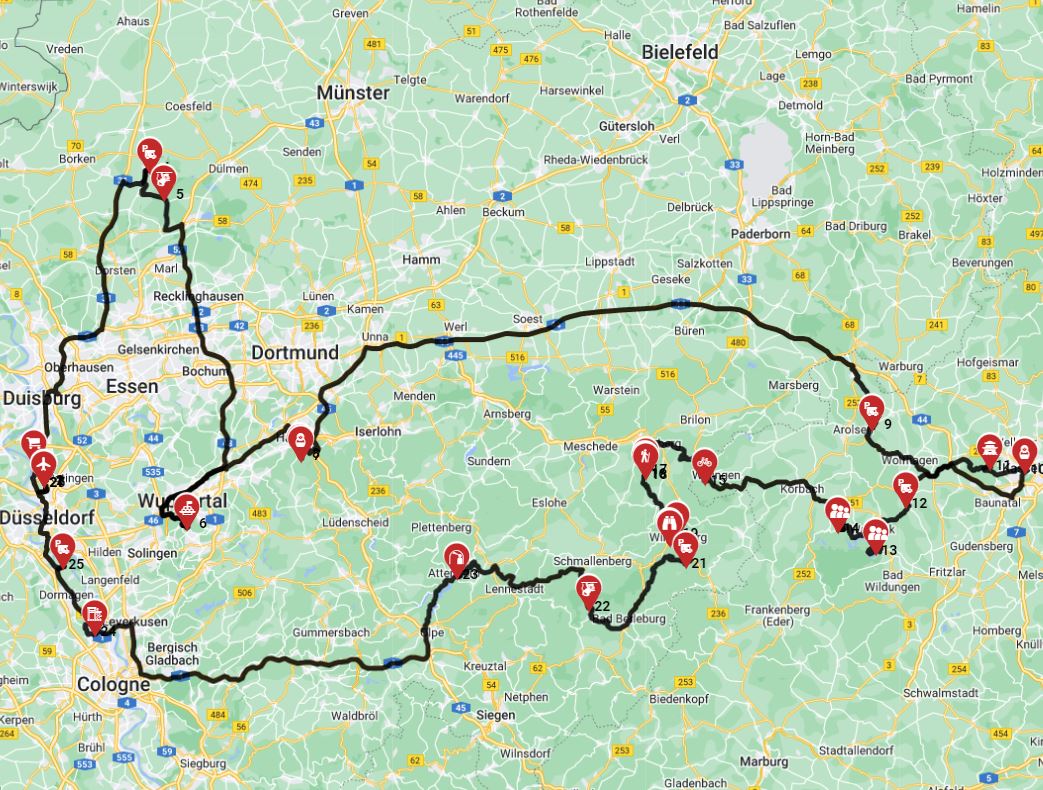
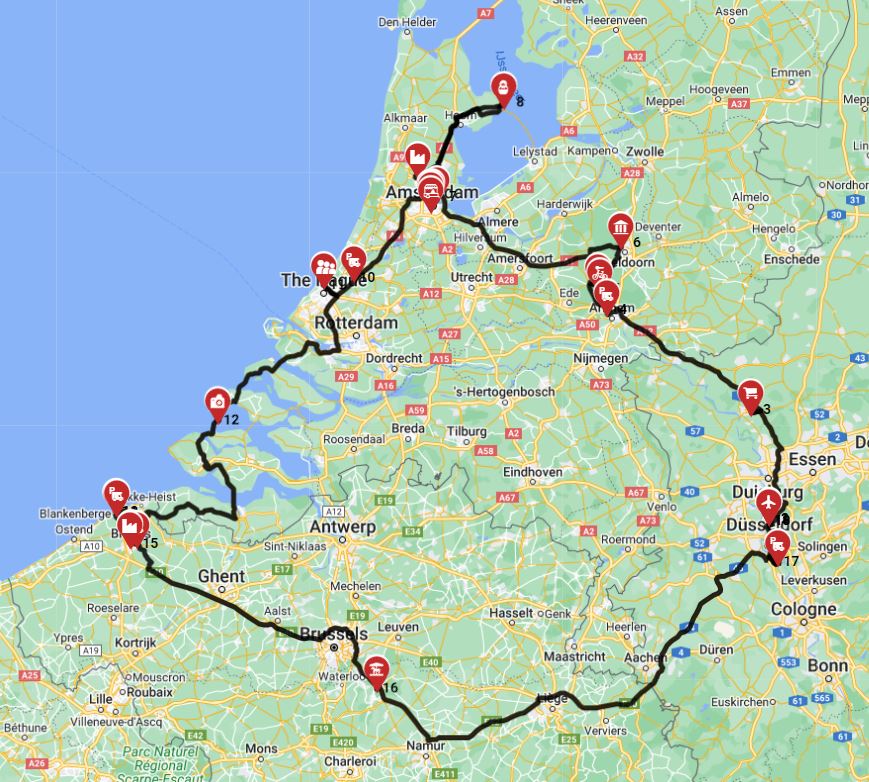
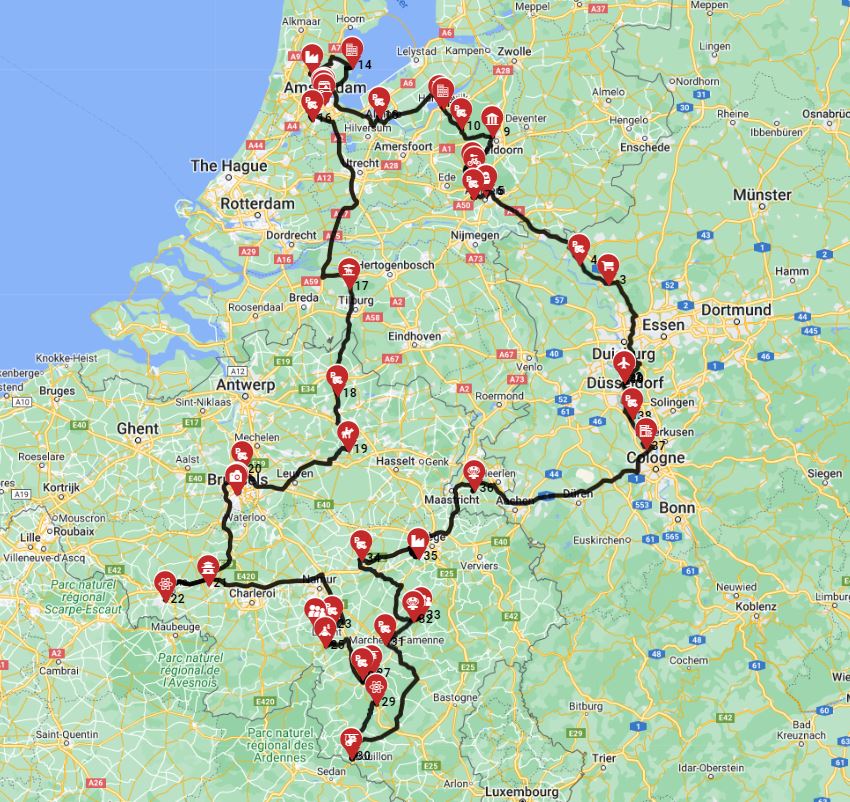
Navigating Germany's winter wonderland in a rented campervan or motorhome is an unforgettable experience, provided you're prepared. This guide provides all the practical information you need to ensure a smooth, safe, and truly magical winter RV trip across Germany, from licensing and road rules to budgeting and hidden gems. On the routes offered through RV PLANET routes, you can itemize and track every expense along the way for easy budgeting.
Can You Drive an RV in Germany? License & Age Rules
Yes, you can absolutely drive a rented RV in Germany with a standard car driver's license. For motorhomes up to 3,500 kg (which covers most Class B campervans and many Class C models), a regular Category B driver's license is sufficient, which is the same license you'd use to drive a car.
For visitors from non-EU countries, an International Driving Permit (IDP) is recommended to supplement your national driver's license, though it is not strictly mandatory in all cases. This permit translates your license into multiple languages and can be helpful for police checks or rental procedures. The minimum driver age for most rental RVs in Germany is 21 years across our network of suppliers. Importantly, there are no young driver surcharges and no vehicle class restrictions based on age, ensuring flexibility for all adult travelers planning their winter RV rental in Germany.
Road Conditions & Terrain in Germany
Germany boasts excellent road quality, featuring an extensive network of well-maintained Autobahns and picturesque regional roads, which remain in good condition even during winter. While Autobahns are famous for stretches with no general speed limit, winter conditions mean drivers must prioritize safety and reduce speeds, especially with a larger vehicle like a rented motorhome.
Many areas, particularly the scenic Bavarian Alps in the south and the central uplands, feature hilly or mountainous terrain that requires careful driving. During winter, snow and ice are common, necessitating mandatory winter tires (marked with an 'M+S' or snowflake symbol) for all vehicles. Some mountainous passes may also require snow chains, which you should carry or ensure your rental supplier provides. German road maintenance is very efficient, but always check local weather forecasts and road conditions before embarking on a snowy route.
RV Size Limits, Bridges & Restricted Zones
While Germany is generally RV-friendly, drivers of rented motorhomes must carefully observe size limits, especially height restrictions for low bridges, common in historic towns, and environmental zones in urban areas. Most RVs, from compact campervans to larger Class C motorhomes, can navigate German roads without significant issues.
However, if you opt for a larger Class C (averaging 7.5m in length) or Class A vehicle (also averaging 7.5m in length), you should pay close attention to signs indicating height, width, and weight limits, particularly when entering older city centers or navigating smaller regional roads. Many German cities also feature ‘Umweltzonen’ (environmental zones) requiring a green emission sticker ('Feinstaubplakette') for entry. You must purchase this sticker in advance and display it on your rented RV to avoid fines. Always plan your route to consider vehicle dimensions and local regulations.
Fuel: Diesel vs. Petrol & Cost per 100 km
Diesel is the predominant fuel for most rented RVs in Germany, including campervans and motorhomes, and it is widely available at fuel stations across the country. Bandana's fleet typically sees Class B campervans consuming approximately 8-10 Liters/100 km, while Class SI semi-integrated RVs average 10-11 Liters/100 km, and larger Class C alcove RVs generally use 10-12 Liters/100 km.
Fuel costs in Germany, like elsewhere, are dynamic and can fluctuate daily, so it's wise to budget accordingly for this significant ancillary cost. Always confirm the fuel type for your specific rented motorhome before filling up. While some rental motorhomes may offer fuel discount cards, it's generally best to factor in the full price of diesel or petrol into your trip budget. Remember the Autobahn fuel law: it is illegal to run out of fuel on the Autobahn, so plan your stops carefully!
Tolls, Vignettes & Border Rules
Germany primarily levies tolls on commercial vehicles over 7.5 tons, meaning most private rented RVs under this weight, including all typical Class A, B, and C motorhomes, are generally exempt from tolls on Autobahns. However, some specific tunnels or private roads might have local charges. This makes travel within Germany quite straightforward from a toll perspective.
If your winter RV adventure extends beyond Germany's borders, you must account for international toll and vignette requirements. When traveling to neighboring countries like Austria or Switzerland, separate vignettes (time-based road tax stickers) or electronic tolls are mandatory and must be acquired before or immediately upon entering these countries. Failure to do so can result in significant fines. Always research the specific requirements for any country you plan to visit with your rented mobile home, and consider that some RV rental providers offer pre-purchased toll passes for certain regions, which can simplify your journey.
Driving Tips for Winter RV Rental Travelers
For winter RV driving in Germany, mandatory winter tires ('M+S' or snowflake symbol) are required during winter conditions, and you may need to carry snow chains for mountainous regions. Always maintain slower speeds and increase your stopping distances due to potentially slippery roads, and regularly check weather forecasts and road conditions for your route. Before setting out, ensure your rented RV's heating system is fully functional, keep water tanks appropriately filled or winterized to prevent freezing, and carry essential winter-specific gear like a small shovel, de-icer, and extra warm blankets.
Drive slowly and carefully, and you can drive almost anywhere without issues. No need to stress - just use common sense and pay attention. Remember to turn on your headlights, even during the day, to improve visibility in winter fog or snow. When preparing meals in your RV's kitchen after a day of winter adventures, consult our RV-friendly recipes playlist for delicious and easy meal ideas.
Recommended RV Class for Germany Roads
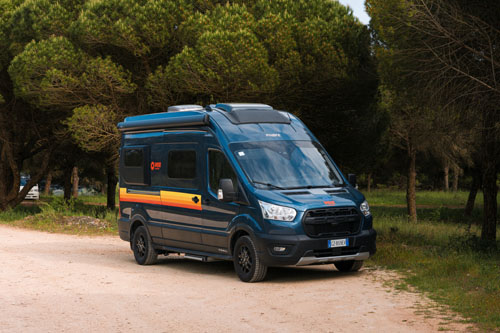
Semi-integrated RVs (Class SI) and Camper Vans (Class B) are generally recommended for touring Germany in winter, as they strike a good balance between maneuverability and sufficient comfort and amenities. Bandana's Class SI RVs, with an average length of 6.9 meters, offer a good compromise for navigating both wider highways and narrower regional roads, providing comfortable sleeping for 3-4 adults and often featuring dedicated living and dining areas.
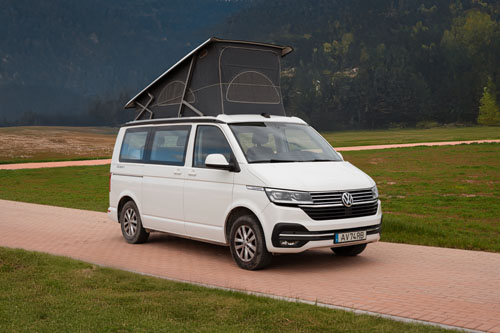
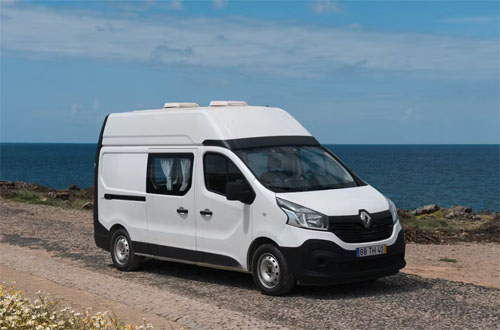
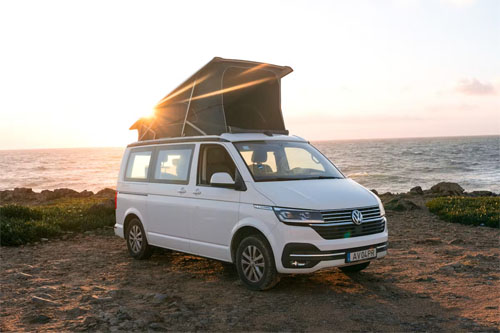
Class B Camper Vans, averaging 5.8 meters in length, are excellent for urban access and more spontaneous travel, being easier to park and handle in tighter spots. Larger Class C (averaging 7.5m) and Class A (averaging 7.5m) motorhomes offer more spacious living for families with 5-7 berths and increased storage, which is crucial for winter comfort and longer trips. While they require more confident driving on smaller roads, German infrastructure is well-suited to handle them on main routes. Ultimately, the best choice for your rented mobile home depends on your group size and desired level of onboard comfort.
Should I Choose a Compact Van Instead of a Large RV in Germany?
The choice between a compact van and a larger RV for a German winter trip hinges on your comfort priorities, travel style, and specific itinerary, as most RV sizes are manageable on Germany's well-maintained main roads. Compact vans, like Bandana's Class B Camper Vans averaging 5.8m in length, offer superior maneuverability for navigating tight historic centers and narrow mountain passes, making parking significantly easier.
Conversely, larger RVs, such as Class C or Class A motorhomes, both averaging 7.5m in length, provide more indoor space, better insulation, and increased storage capacity, which can be invaluable for winter comfort and extended trips. For families or groups of 4-7, a larger motorhome like a Class C Alcove RV (many with 5.8 sleeping places and larger fresh water tanks, for instance, a 100 Liter fresh water tank and 100 Liter waste water tank) provides ample room for cooking, dining, and relaxing indoors, often outweighing the minor maneuverability challenges on major routes. It's about finding the rented motorhome that fits your group and adventure perfectly.
Can I Park Anywhere? Free & Wild Camping Rules in Germany
Wild camping is generally prohibited in Germany; however, overnight parking for one night to restore fitness to drive is often tolerated in designated public parking areas, provided no camping behavior (like setting out chairs, awnings, or barbecues) is displayed. Germany offers a vast network of over 4,000 'Stellplätze' (motorhome parking areas) that are specifically designated for overnight stays.
These Stellplätze are often free or low-cost spots and may provide basic services like water, electricity, and waste disposal, making them a convenient and legal alternative to wild camping. Rules regarding overnight parking vary by region and municipality, so it is crucial to check local regulations and follow local law before parking your rented campervan overnight. For finding campsites and campgrounds during your trip, we recommend using RV PLANET (rvplan.net) - a great resource for locating available spots along your route, especially when looking for options that accommodate larger motorhomes.
Can I Drive an RV Into the City Center? Heights, Tunnels & Local Signage
Yes, you can typically drive a rented RV into German city centers, but careful attention to local signage, especially regarding environmental zones and height restrictions, is crucial. Many German cities have 'Umweltzonen' (environmental zones) requiring a specific emission sticker, which must be obtained beforehand to avoid fines. These zones aim to reduce pollution, so ensure your RV is compliant.
Drivers should always be vigilant for signs indicating height limits (e.g., for low bridges or tunnels), width restrictions, weight limits, and one-way streets, particularly in older, historic urban areas. Drive slowly and carefully, and you can drive almost anywhere without issues. No need to stress - just use common sense and pay attention. For instance, a Class B Campervan like the "V2L" (length 5.99m, width 2.05m) will generally navigate urban areas more easily than a larger Class A motorhome.
What is the Total Cost of a Winter RV Rental Trip in Germany?
The total cost of a winter RV rental trip in Germany goes beyond just the rental fees, encompassing significant expenses for fuel, tolls, winter-specific camping fees, groceries, and attractions. Rental prices for a week-long trip can range from approximately €80-€150 per day for a compact campervan or smaller motorhome to €150-€250+ per day for a larger family-sized Class C or Class A, depending on the vehicle class, booking lead time, and seasonality. These prices are dynamic, changing daily based on availability and supplier decisions.
Fuel costs can be substantial, with most Bandana RVs typically consuming 8-12 Liters/100 km, and keeping the RV heated in winter will add to energy consumption. Budget for camping fees, which vary by location and amenities; heated winter sites or those offering full services near ski resorts might be higher, ranging from €20-€50 per night. Don't forget potential costs for winter tires (often included but confirm), snow chains (€30-€50 to rent or purchase), and cultural experiences like Christmas market entry fees or ski passes. For detailed cost breakdowns and to track every expense along the way, RV PLANET routes allow you to itemize and budget with ease.
Cost by Group Type: Winter RV Rental for Couples vs. Families with Kids in Germany
For couples, a compact campervan (Class B) or a small semi-integrated RV (Class SI) is ideal, offering fuel efficiency (8-10 L/100km) and easier maneuverability in charming winter villages. A week-long rental for two might range from €700-€1050 (approx. €100-€150/day), excluding other expenses.
Families with kids, or groups of 4-7 people, will prefer larger Class C or Class A motorhomes, which provide ample sleeping space (e.g., a "MHC28" Class C with 7 sleeping places and 210 Liter waste water tank), more storage for winter gear, and better insulation. A typical family of four could expect a week's rental to cost between €1050-€1750 (approx. €150-€250/day), plus significantly higher fuel and campsite costs due to increased usage and larger vehicle size. These models also often have more generous fresh water and waste water tank capacities, important for winter conditions.
Last-Minute Booking: Can I Find Last-Minute Winter RV Rental Deals in Germany?
Yes, you can sometimes find last-minute winter RV rental deals in Germany, but prices are dynamic and vary significantly based on availability. While pre-booking 2-3 months in advance often secures the best rates and guarantees your preferred vehicle, spontaneous travelers can occasionally snag discounts if suppliers have surplus inventory. These deals are more common in late November or early January, outside of peak holiday weeks like Christmas or New Year's.
Flexibility Tips: I'm Flexible - How Do I Find the Cheapest Winter RV Rental?
To find the cheapest winter RV rental in Germany, embrace flexibility with your travel dates, aim for off-peak weeks (mid-January to mid-March generally offers lower prices), and use comparison platforms like Bandana RV. Being open to different pickup and drop-off locations, even small towns like Aalen or Ammern, can also reveal significant savings. Additionally, some suppliers offer special winter rates or longer-term discounts for week-long trips or extended road trips, as opposed to shorter durations.
How Does Winter Weather Affect RV Travel in Germany?
Winter weather in Germany significantly impacts RV travel by requiring mandatory winter tires and potentially snow chains, necessitating slower driving speeds, and affecting road conditions with snow and ice. Reduced daylight hours mean planning routes carefully, especially on secondary roads. Colder temperatures require diligent management of your rented RV's heating system and ensuring water systems are properly protected from freezing, often by using specific winterization procedures if you're not connected to external hookups.
Many campgrounds and attractions, especially in rural areas, may have reduced operating hours or be entirely closed during the off-season. Therefore, advance booking and checking availability are crucial for a successful winter RV trip in Germany. However, some areas like the Harz Mountains embrace winter, offering fully equipped campsites and winter sports facilities, providing a unique charm that isn't available in other seasons.
What are Some Off-the-Beaten-Path RV Destinations in Germany for Winter?
For a unique winter RV experience beyond traditional routes, consider exploring Germany's lesser-known regions such as the Harz Mountains, offering serene winter hiking, charming historic towns like Goslar, and even some small ski areas. The Bavarian Forest National Park, Germany’s first national park, presents a stunning winter wonderland for nature lovers, with opportunities for snowshoeing and wildlife spotting away from crowded tourist hubs.
Alternatively, discover the Spreewald region's frosted waterways for unique winter punting tours, or visit smaller, authentic Christmas markets in towns like Regensburg or Monschau for a deep cultural immersion. These destinations are often less crowded than major cities during winter, offering a more peaceful and genuine experience for your rented campervan adventure. Our Rent&Plan service can provide pre-planned routes for these and other exciting locations.
How Can I Experience Deep Cultural Immersion on a German Winter RV Trip?
Experiencing deep cultural immersion on a German winter RV trip involves seeking out local markets, participating in regional winter festivals, and engaging with unique culinary traditions. Venture beyond generic suggestions by sampling regional specialties such as 'Glühwein' (mulled wine) and 'Lebkuchen' (gingerbread) at local Christmas markets found in cities like Augsburg or Aschersleben, or hearty Bavarian winter dishes in family-run 'Gasthäuser'.
Interact with locals at 'Stellplätze' or small village events, observing local etiquette like using 'Grüß Gott' in Bavaria, and explore lesser-known museums or historical sites to gain deeper insights into German culture. Cooking traditional German meals in your rented motorhome’s kitchen, perhaps after a visit to a local market, is another fantastic way to immerse yourself. Check out our RV-friendly recipes playlist for inspiration. Remember to travel slowly, averaging a maximum of 100-150 km per day, to truly feel the place, connect to the culture, the food, and the scenery.
What Technology and Connectivity Do I Need for RVing in Germany?
For RVing in Germany, essential technology includes reliable navigation apps like Google Maps, Here WeGo, or specialized RV navigation systems that account for vehicle dimensions. Many modern rented motorhomes are equipped with infotainment systems that can integrate with your smartphone, but having a backup is always wise. Staying connected requires a mobile data plan, such as a local German SIM card or an eSIM, for internet access and communications, as campground Wi-Fi can be unreliable or incur additional costs.
Pack necessary power adapters (Type F 'Schuko' plugs are standard in Germany) for electrical hookups at campsites. You might also consider a portable Wi-Fi hotspot for consistent connectivity, and definitely use apps like Park4Night or Campercontact for finding campsites and Stellplätze, checking their amenities, and reading reviews. With 24/7 support available for our services, you can always reach out to us for booking and coordination assistance, making your digital planning seamless.
What are the Best Tips for Winter RV Travel in Germany with Family or Pets?
When traveling with family or pets in a winter RV rental in Germany, prioritizing comfort and safety is key; choose an RV with ample space and a robust heating system, such as Bandana's Class C Alcove RVs with an average of 5.8 sleeping places. Plan family-friendly stops that offer indoor activities, like visits to museums, indoor pools, or festive Christmas markets, ensuring frequent breaks from driving and plenty of opportunities for children to play. Many of these larger motorhomes, like the "MHC28" (with 7 seatbelts and 7 sleeping places), offer comfortable living for families, including amenities like a refrigerator and gas stove for easy meal preparation.
For pets, research German regulations on animal transport and pet-friendly accommodations/attractions in advance; ensure your chosen campsites welcome animals and have suitable facilities for winter conditions. Always keep pets warm, provide regular exercise breaks, and have their vaccination records handy. Our true RV specialists understand the nuances of family and pet travel, offering guidance to make your journey enjoyable for everyone.
How Should I Book Campsites and Stellplätze for a Winter RV Trip in Germany?
Booking campsites and Stellplätze for a winter RV trip in Germany often requires a balance between pre-planning for popular destinations and embracing spontaneity for lesser-known spots. For established campsites, especially those offering full winter services, heated facilities, or located near major attractions (like ski resorts in the Bavarian Alps), it's highly advisable to pre-book using platforms like ADAC Campingführer, Campercontact, or directly via the campsite's website. Many national and state parks reserve only 25-30% of spots for advance booking, with the rest available first-come-first-serve, even in winter.
For Stellplätze, which are often first-come, first-served, utilize apps like Park4Night to find available locations, check their winter opening status, and confirm services like electricity and water before arrival. Don't worry too much, you'll find a spot. If not at the first campground, then the next one. Just call ahead before driving a long distance. With over 1,300 pre-planned routes across 5 continents via RV PLANET (rvplan.net), our sister company offers excellent resources for finding and booking your ideal winter camping spots.
What Emergency Preparedness is Needed for a Winter RV Rental in Germany?
Essential emergency preparedness for a winter RV rental in Germany includes knowing crucial contact numbers, carrying a comprehensive winter emergency kit, and understanding your rental's breakdown procedures. Always have the contact details for your rental company's roadside assistance readily available, as well as Germany's general emergency number, 112, for medical emergencies, fire, or police assistance.
Equip your rented RV with a winter-specific kit, including a sturdy shovel, sand or traction mats (for getting unstuck from snow), extra blankets, a first-aid kit, jump starter cables, and a warning triangle. Ensure all travel documents, including your driver's license, IDP (if applicable), vehicle registration, and insurance details, are easily accessible. Many of Bandana's partner suppliers like El Monte, Cruise America, Apollo, and Britz offer various levels of roadside assistance for peace of mind. You can also choose to upgrade to a top-level deductible for extra peace of mind, ensuring financial protection in unexpected situations.
What You Shouldn't Miss
- Experience the magic of Germany's renowned Christmas markets, particularly in Nuremberg, Dresden, or Cologne, for festive treats and artisanal crafts from late November through December.
- Explore the stunning winter landscapes of the Bavarian Alps, perhaps with a visit to Neuschwanstein Castle dusted in snow, or enjoy skiing in resorts like Garmisch-Partenkirchen.
- Discover the medieval charm of Rothenburg ob der Tauber, which transforms into a fairytale village during winter, with quaint streets perfect for slow exploration.
- Wander through the Harz Mountains, Germany's northernmost low mountain range, offering excellent winter hiking, cross-country skiing, and charming towns like Wernigerode.
- Visit the historic cities of Berlin and Hamburg, which offer vibrant cultural scenes, world-class museums, and cozy cafes, perfect for colder days.
- Looking for expert insights from Avi Bandana? Top 5 Adventures - recommendations from Avi Bandana.
Final Thoughts
Embarking on a winter RV adventure in Germany promises a truly unique and magical experience, filled with snow-covered landscapes, charming villages, and festive markets. With careful planning and the right information, you'll be well-prepared to navigate the roads, find cozy campsites, and immerse yourself in the rich culture that Germany has to offer, even in its colder months.
At Bandana RV, we are your true RV specialists, dedicated to providing full transparency and unwavering support throughout your booking journey. We believe in slow travel - taking the time to truly feel the place, connect to its culture, its food, and its scenery. So, go ahead, get inspired for your next trip and discover the joy of a winter RV rental in Germany. Life is now!
🎬 Video coming soon