In This Guide
- Can You Drive an RV in Europe? License & Age Rules
- Road Conditions & Terrain in Europe
- RV Size Limits, Bridges & Restricted Zones
- Fuel: Diesel vs. Petrol & Cost per 100 km
- Tolls, Vignettes & Border Rules
- Driving Tips for Winter RV Rental Travelers
- Recommended RV Class for Europe Roads
- Should I Choose a Compact Van Instead of a Large RV in Europe?
- Can I Park Anywhere? Free & Wild Camping Rules in Europe
- Can I Drive an RV Into the City Center? Heights, Tunnels & Local Signage
- Connectivity & Navigation for European RV Travel
- What is the 3-3-3 rule for RV travel?
- What is the 333 rule for campervan?
- Can you sleep anywhere in a campervan in Europe?
- Which countries in Europe require winter tyres?
- Is Europe RV friendly?
- Is it safe to drive in Europe in winter?
- How long can I stay in Europe in my motorhome?
Can You Drive an RV in Europe? License & Age Rules
Driving a rented RV in Europe is accessible for most travelers. Most standard European driving licenses, specifically Category B, permit the operation of RVs up to 3,500 kg (approximately 7,716 lbs). This weight limit covers a vast majority of rental campervans and motorhomes, ensuring flexibility in your choice of vehicle. For those considering larger or heavier RVs, which typically exceed 3,500 kg, a Category C1 or C license is generally required. This is important to verify with your rental provider, as specific vehicle classes might necessitate this higher license category.
The minimum age to rent an RV in Europe usually falls between 21 and 25 years old. This age requirement can vary depending on the rental company and the specific class of vehicle you choose. Some rental providers may have restrictions on younger drivers for larger, more powerful motorhomes. Additionally, it's crucial for non-EU citizens to know that an International Driving Permit (IDP) is often required in conjunction with your national driver's license to legally drive in many European countries. Always check the specific regulations for each country on your itinerary to ensure you meet all legal driving requirements.
When planning your European RV adventure, remember that the minimum rental age is typically 21, although some suppliers may require drivers to be 25, especially for larger motorhomes. Non-EU citizens will usually need an International Driving Permit (IDP) alongside their national license to navigate European roads legally. For those considering a broader European trip, our guide RV Rental Europe - Complete Guide 2026 provides extensive information on regulations across the continent.
Road Conditions & Terrain in Europe
European road conditions are generally excellent, offering a well-maintained network that facilitates RV travel. You'll encounter a mix of high-speed motorways, which are often toll roads, and more scenic regional roads. However, during winter, particularly in northern and central Europe or mountainous regions like the Alps, expect varying road conditions. Snow, ice, and reduced visibility can significantly impact travel times, making careful route planning essential. Motorhomes, like any vehicle, should be driven with extra caution in these conditions, allowing for slower speeds and increased following distances. On the routes offered through RV PLANET routes, you can itemize and track every expense along the way for easy budgeting.
Many charming European towns and villages, especially those with historical significance, feature narrow, winding streets and cobblestone surfaces. Navigating these areas with an RV requires careful maneuvering and spatial awareness. Always pay close attention to local signage, which often indicates street width, height restrictions, and pedestrian-only zones. If you're exploring off the beaten path, remember that some areas might have less-maintained roads, so always check local conditions and have a flexible plan. For travelers interested in specific route ideas, our guide RV Rental in Europe - Prices and Best Deals 2026 offers suggestions for various regions.
RV Size Limits, Bridges & Restricted Zones
RV drivers in Europe must be mindful of various size and weight restrictions. Many older bridges, tunnels, and certain urban areas have specific limitations that can affect larger motorhomes. Always check local signage carefully, as restrictions can be highly localized and vary significantly, even within the same country or city. Height restrictions are particularly important for taller RVs, so be aware of overhead clearances, especially when entering tunnels or parking garages.
Furthermore, many European cities have implemented Low Emission Zones (LEZs) or Limited Traffic Zones (ZTLs) to improve air quality and reduce congestion. Entry into these zones often requires specific permits or valid emission stickers, such as Germany's Umweltplakette or France's Crit'Air vignette. Failing to comply can result in hefty fines. Additionally, if your itinerary includes ferry travel, common for island hopping or crossing waterways, be aware that ferry services have their own specific length, height, and weight limits for RVs, which can impact booking and pricing. Planning ahead and consulting the ferry operator's guidelines is crucial.
Fuel: Diesel vs. Petrol & Cost per 100 km
The vast majority of RVs available for rent in Europe, including those in Bandana's fleet, run on diesel fuel. Diesel is widely available at service stations across the continent, making refueling straightforward. The fuel consumption varies by vehicle class and size. For instance, Bandana's Class B Camper Vans typically consume between 8-10 liters per 100 km (approximately 23-29 mpg). Class SI Semi-integrated RVs average around 10-11 liters per 100 km (approximately 21-23 mpg).
Larger Class C Alcove models generally consume 10-12 liters per 100 km (approximately 19-23 mpg), while the more expansive Class A Integrated RVs can range from 8-12 liters per 100 km (approximately 23-29 mpg). It's important to note that fuel prices in Europe can vary significantly by country and are often higher than in North America. Budgeting for fuel is therefore a critical part of your overall trip cost breakdown. Some rental companies may offer fuel discount cards or specific fuel policies, so it’s worth inquiring about these options.
Tolls, Vignettes & Border Rules
Driving an RV in Europe frequently involves navigating a system of tolls and vignettes, which are essentially road user charges that differ significantly by country. Some countries, such as Austria, Switzerland, and Slovenia, utilize 'vignettes'—time-based stickers or digital passes—for motorway use. In contrast, countries like France, Italy, and Spain primarily employ a barrier toll system, where charges are calculated per kilometer driven. Budgeting for these costs is critical, as they can substantially increase your overall trip expenses. It's worth noting that some rental motorhomes may come with pre-purchased toll passes, helping you avoid potential fines and added administrative fees.
While most internal borders within the Schengen Area have no checkpoints, it is essential for non-EU citizens to be aware of the 90/180-day rule for their legal stay. This rule dictates that you can stay in the Schengen zone for a maximum of 90 days within any 180-day period. Time spent in any Schengen country counts towards this total limit. Additionally, be prepared for potential customs checks when entering or exiting the Schengen zone with your motorhome, even if internal borders are generally open. For more details on specific travel requirements, consider exploring resources like the RV Rental Europe - Complete Guide 2026.
Driving Tips for Winter RV Rental Travelers
Winter RV driving in Europe demands a heightened sense of awareness and preparedness. It's crucial to adopt slower speeds, maintain increased following distances, and apply brakes gently to account for potentially icy or snow-covered roads. Always prioritize checking local weather forecasts and road conditions before you depart, especially when planning routes through mountain passes. If severe weather is predicted, be prepared to alter your route or postpone your travel to ensure safety.
Ensuring your rented RV is equipped with essential winter gear is non-negotiable. Many European countries legally require vehicles to be fitted with appropriate winter tires (often marked with an M+S or 3PMSF symbol) during specific periods or when winter conditions are present. Carrying snow chains, a shovel, reflective vests, and a warning triangle is also a legal requirement in many regions. Be particularly mindful of the reduced daylight hours in winter. Plan your driving segments to conclude well before dusk, allowing ample time to set up your campsite safely and comfortably. Finally, familiarize yourself with European road signs, local driving etiquette, and the pan-European emergency number, 112.
Recommended RV Class for Europe Roads
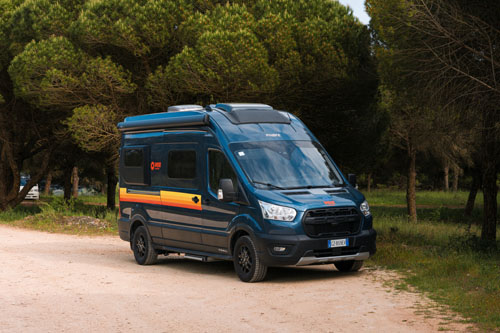
For navigating Europe's diverse road network, which includes everything from expansive motorways to narrow, historic streets, a Class SI Semi-integrated or a Class B Camper Van is often recommended. These classes strike an excellent balance between comfortable living space and essential maneuverability. For example, Bandana's Class SI Semi-integrated RVs typically measure around 6.9 meters (about 22.6 feet) in length, providing ample living space for up to 3-4 adults while remaining manageable on smaller European roads.
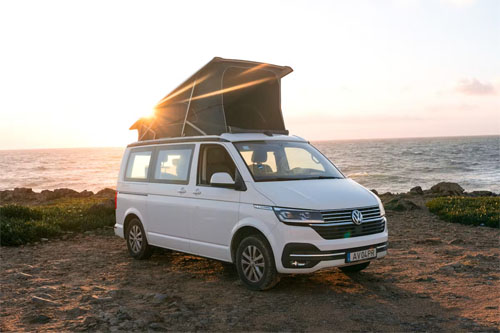
Class B Camper Vans, averaging about 5.8 meters (around 19 feet) in length, are particularly well-suited for navigating tighter spaces, bustling city centers, and challenging mountain passes. They comfortably accommodate 2-3 adults. These classes offer sufficient amenities for comfortable winter travel, including heating and cozy living areas, without the bulk of larger RVs, which can make parking and accessing scenic spots less challenging. If you're looking for more specific model details, you can explore our range of RVs suitable for European adventures.
Should I Choose a Compact Van Instead of a Large RV in Europe?
While driving any RV size in Europe is generally feasible with careful attention, a compact van can offer distinct advantages in very specific scenarios. These might include navigating extremely tight historic city centers or exceptionally narrow mountain passes where larger vehicles might struggle. For the majority of European travel, however, the enhanced comfort, generous indoor living space, and superior amenities of a larger RV, such as a Class SI or Class C motorhome, often outweigh the marginal maneuverability benefits of a compact van.
A compact van truly shines for solo travelers or couples who prioritize stealth camping and easy parking. In contrast, larger RVs are typically better suited for families or those planning extended trips that require more living and storage space. Ultimately, the best choice depends heavily on your personal travel style, the number of passengers, and the specific regions you intend to explore. For most travelers, the added comfort and practicality of a slightly larger motorhome will significantly enhance the overall journey, making it more enjoyable and less stressful.
Can I Park Anywhere? Free & Wild Camping Rules in Europe
While strict 'wild camping'—setting up camp outside designated areas—is generally prohibited or heavily restricted across much of Europe, a fantastic alternative exists: designated free overnight parking spots for RVs. Known as 'Stellplätze' in Germany or 'aires de service' in France, these spots are widely available and offer a legal way to park overnight. Regulations concerning free and wild camping vary significantly by country. Nordic countries, for example, often have more permissive 'right to roam' laws compared to Southern or Western Europe, where rules are stricter and penalties for violations can be substantial.
It is crucial to always respect private property, avoid sensitive natural areas, and diligently look for local signage that indicates permitted overnight parking or explicitly states camping restrictions. Many helpful apps and dedicated RV travel guides list these designated free spots, which typically provide essential services like waste disposal and water refills. For those seeking to plan their routes and identify these convenient stops, exploring resources like RV PLANET (rvplan.net) can be incredibly beneficial.
Can I Drive an RV Into the City Center? Heights, Tunnels & Local Signage
Yes, it is generally possible to drive an RV into European city centers, but doing so requires a keen eye for local signage. These signs often indicate crucial information such as height limits, environmental zones, and restricted access areas that may not be immediately apparent. Many historic city centers, like parts of Venice, are characterized by extremely narrow streets or have entirely pedestrianized zones that are unsuitable or inaccessible for larger vehicles. Always be aware of what you shouldn't miss on your journey; for instance, some scenic routes or historical areas might be off-limits to larger RVs.
Look out for specific signs such as 'Einbahnstraße' (one-way street) in Germany, height restriction symbols, or symbols indicating limited traffic zones (ZTLs). These zones may require special permits or are only accessible to local residents. Utilizing RV-specific navigation apps that account for vehicle dimensions can significantly help in avoiding problematic areas and ensuring compliance with local regulations. For those planning extensive city exploration, consider using public transport once you've parked your RV in a suitable location.
Connectivity & Navigation for European RV Travel
Reliable internet access is readily achievable for RVers in Europe. Travelers can opt for local SIM cards from providers like Orange, Vodafone, or Three, which offer flexible data plans across the continent. eSIMs are also a convenient option for seamless connectivity without needing a physical SIM card. For navigation specifically tailored to RVs, apps like Campercontact, Park4night, or Sygic RV are invaluable. These applications provide crucial information on height and weight restrictions, campsite locations, and points of interest that are particularly relevant for larger vehicles.
These specialized apps also prove vital for locating essential services such as fresh water refill stations, waste disposal points, LPG/propane refills (which can differ from North American standards), and electricity hookups. For areas where cellular service might be patchy, downloading offline maps is a highly recommended practice. This ensures continuous navigation without relying solely on mobile data, providing peace of mind as you explore the diverse European landscapes.
What is the 3-3-3 rule for RV travel?
The 3-3-3 rule for RV travel is a widely embraced guideline for pacing your journey, suggesting you drive no more than 300 miles (approximately 480 km) in a single day. This translates to roughly 4-5 hours of driving, allowing ample time to set up camp by 3 PM and stay for a minimum of 3 nights at each location. This rule is designed to prevent driver fatigue, allow sufficient time for sightseeing and relaxation at each stop, and minimize the stress of constant packing and unpacking.
Adhering to the 3-3-3 rule in Europe is particularly beneficial during a winter RV rental when daylight hours are shorter. It helps travelers avoid overly rushed schedules and encourages a more immersive cultural experience. By adopting this slower, more enjoyable travel pace, you ensure you have ample opportunity to explore your surroundings and connect with local culture before moving on to your next destination.
What is the 333 rule for campervan?
The 3-3-3 rule, also known as the 333 rule, applies equally to campervan travel and follows the same principle: drive a maximum of 300 miles (about 480 km) daily, aim to arrive at your campsite or overnight spot by 3 PM, and enjoy a minimum stay of 3 nights at each location. This guideline is highly beneficial for campervan users, promoting a relaxed itinerary, allowing for spontaneous discoveries, and reducing the need for hasty setups, which is especially important in colder winter conditions.
Following this rule helps campervan users fully utilize campsite amenities, which is particularly important in winter when access to electricity, heating, and indoor facilities can be more critical for comfort. It's a practical strategy to maximize enjoyment and minimize stress on a European campervan adventure, ensuring a more fulfilling and less hurried experience.
Can you sleep anywhere in a campervan in Europe?
Generally, you cannot sleep just anywhere in a campervan in Europe without specific permission or in designated areas, as genuine wild camping is often restricted by national and local laws. While some countries, particularly in Scandinavia, embrace more permissive 'right to roam' laws that allow overnight stays in uninhabited areas, most of Western and Southern Europe require parking in official campsites, 'Stellplätze', or approved overnight spots. Attempting to sleep in unauthorized locations can lead to fines, especially in popular tourist areas or national parks.
It's always best to refer to local regulations and consult helpful apps like Park4night or Campercontact for legal parking and overnight options. For more detailed guidance on parking regulations and designated spots, it’s advisable to consult the 'Can I Park Anywhere? Free & Wild Camping Rules in Europe' section within our broader RV Rental Europe - Complete Guide 2026.
Which countries in Europe require winter tyres?
Many European countries legally mandate the use of winter tires, often marked with an M+S or 3PMSF symbol, or M+S all-season tires with sufficient tread depth. These requirements are typically in effect during specific periods or whenever winter conditions like snow or ice are present on the roads. Countries with mandatory winter tire usage include Austria, Germany, Switzerland, the Czech Republic, Slovakia, and most Scandinavian nations, usually from November 1st to April 30th, or whenever snow and ice are encountered.
In some regions, such as mountainous areas in France and Italy, winter tires or snow chains are compulsory during the colder months. It's also common practice, and often a legal requirement, to carry snow chains even if they are not immediately needed. Always confirm the specific tire and chain requirements for each country on your itinerary before embarking on your winter RV rental in Europe to ensure compliance and safety.
Is Europe RV friendly?
Europe is exceptionally RV friendly, boasting an extensive and well-developed infrastructure that caters specifically to motorhome and campervan travelers. The continent offers a vast network of dedicated campsites, often equipped with comprehensive services, as well as numerous 'Stellplätze' (Germany) or 'aires de service' (France). These are designated overnight parking areas providing essential services for RVs, making extended travel convenient and enjoyable.
The diverse landscapes, ranging from stunning coastal roads to dramatic alpine routes, make Europe an ideal destination for RV road trips. Numerous attractions and scenic spots are easily accessible by RV. Furthermore, the availability of helpful resources like the Camping Key Europe Card, often seen in regional knowledge bases, can further enhance the RV travel experience by offering discounts and valuable services, making Europe a truly welcoming destination for motorhome adventures.
Is it safe to drive in Europe in winter?
Driving an RV in Europe during winter is generally safe, provided travelers exercise necessary caution, prepare adequately for varying weather conditions, and ensure their vehicle is appropriately equipped. Key safety measures include ensuring the RV has proper winter tires and carrying snow chains, reducing speed significantly on slick surfaces, maintaining larger following distances between vehicles, and being acutely aware of the shorter daylight hours.
While many European roads are well-maintained and cleared efficiently after snowfall, conditions can change rapidly, especially in mountainous regions. Prioritizing safety by having a well-stocked emergency kit, regularly checking fluid levels, and diligently monitoring weather forecasts will contribute to a secure and enjoyable winter journey. For those seeking routes and tips, exploring guides like Cheap RV Rental in Europe - Budget Guide 2026 can offer additional helpful advice.
How long can I stay in Europe in my motorhome?
For non-EU citizens traveling in their motorhome, the typical stay duration within the Schengen Area (which covers most of Western, Central, and Southern Europe) is a maximum of 90 days within any 180-day period. This rule, often referred to as the 90/180-day rule, applies to the entire Schengen zone as a single entity, meaning any time spent in any Schengen country contributes to the overall limit.
To facilitate longer stays, non-EU citizens might need to explore options such as obtaining national visas for specific countries or strategically spending time in non-Schengen European countries (like Croatia, Bulgaria, or the UK) to effectively 'reset' their Schengen clock. EU citizens, on the other hand, generally enjoy unrestricted movement within the EU in their motorhomes, offering complete freedom to explore the continent without internal time limits.
What You Shouldn't Miss
-
: This 15-day, 2762 km route, starting and ending in Vienna, is perfect for experiencing the magic of European Christmas markets. It includes visits to 10 traditional markets, 2 museums, and 1 historical site, offering a festive and cultural immersion.
 Vienna Roundtrip - The epic Eastern European Christmas markets
 - Toulouse Round trip - European Charms & Family Delights: A 15-day, 2088.7 km journey that begins and concludes in Toulouse. This route is ideal for families, featuring 1 amusement park, 2 family activities, and a variety of attractions including an aquarium, botanical garden, and a zoo.
-
: This extensive 18-day, 3579 km route circumnavigates stunning Scandinavian landscapes, starting and ending in Rovaniemi. It offers unparalleled opportunities for wildlife watching (3 locations), exploring natural beauty (3 natural features), and experiencing local culture with multiple museums and visits.
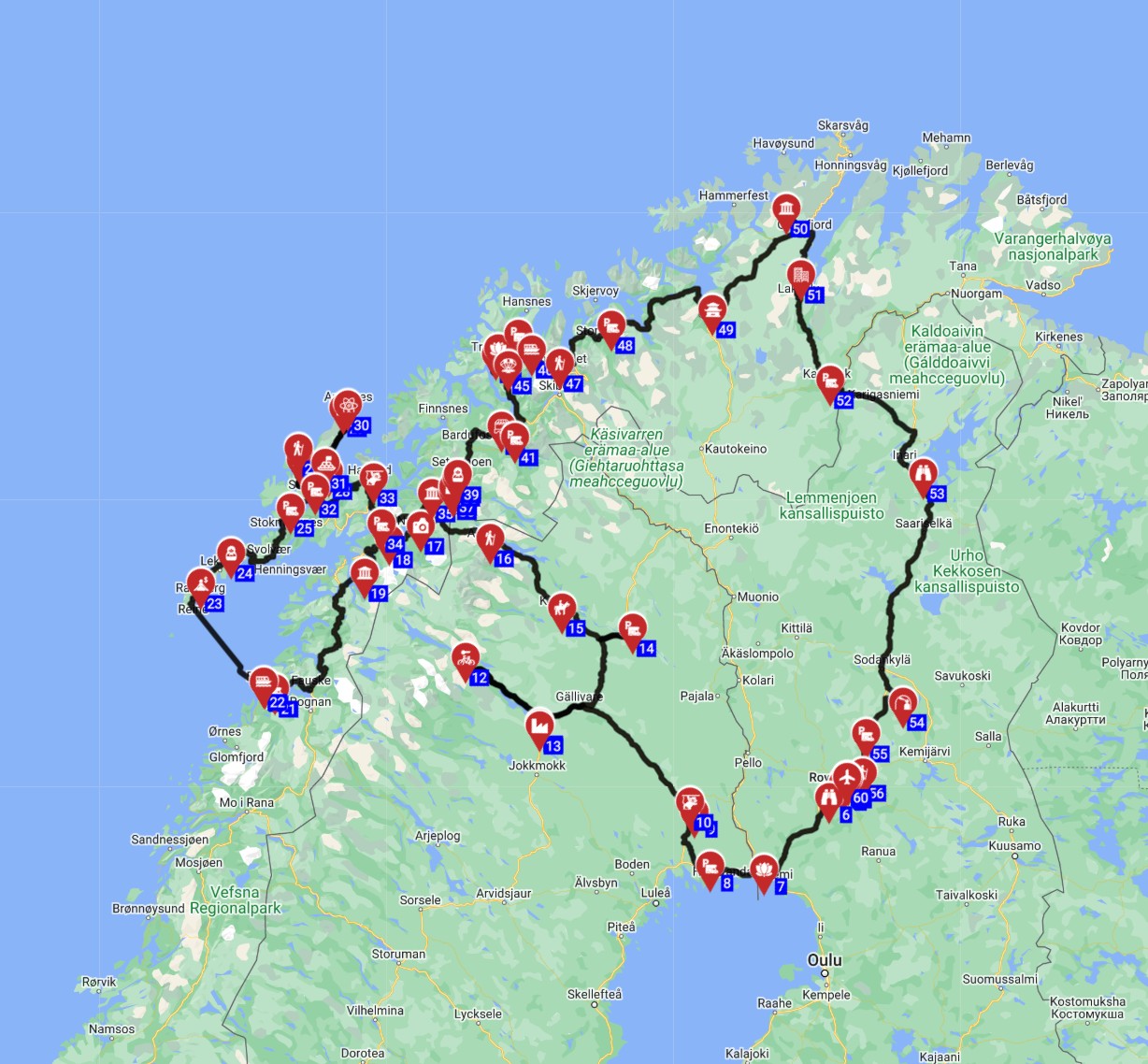 Rovaniemi Roundtrip - End of Europe scenic roads
Final Thoughts
Renting an RV in Europe for a winter trip offers a unique and rewarding travel experience. While it requires more preparation than a summer trip, the enchanting landscapes, festive markets, and fewer crowds can make it incredibly special. Remember to prioritize safety, plan your routes diligently, and equip your motorhome appropriately for the conditions.
By choosing the right vehicle class, understanding local regulations, and leveraging helpful tools for navigation and campsite finding, your European RV adventure can be as comfortable as it is exciting. We encourage you to get inspired for your next trip and discover the freedom and flexibility that only an RV can provide.
Ready to start planning? Use RV PLANET (rvplan.net) to explore routes and find the perfect campsites for your journey. We're here to support you every step of the way, ensuring your winter RV rental in Europe is an unforgettable experience.