In This Guide
- Can You Drive an RV in East Canada? License & Age Rules
- Road Conditions & Terrain in East Canada
- RV Size Limits, Bridges & Restricted Zones
- Fuel: Diesel vs. Petrol & Cost per 100 km
- Tolls, Vignettes & Border Rules
- Driving Tips for Winter RV Rental Travelers
- Recommended RV Class for East Canada Roads
- Should I Choose a Compact Van Instead of a Large RV in East Canada?
- Can I Park Anywhere? Free & Wild Camping Rules in East Canada
- Can I Drive an RV Into the City Center? Heights, Tunnels & Local Signage
- Can Americans RV in Canada?
- What is the 3-3-3 rule for RVs?
- How cold is too cold for an RV?
- What licence do I need to drive an RV in Canada?
- What do you need to enter Canada with a RV?
- What is the best travel insurance for snowbirds in Canada?
- How much is RV insurance in Canada?
- Do you need RV insurance in Ontario?
- Top Cities for RV Rental in East Canada
- Country-Wide Practical Info for RV Travelers
Embarking on a winter RV adventure in East Canada is an experience like no other, blending the thrill of exploration with the serene beauty of snow-covered landscapes. Winter RV driving offers a unique perspective, allowing you to discover charming towns, majestic national parks, and vibrant cities under a blanket of pristine white. To ensure your journey is as smooth and enjoyable as possible, understanding local regulations, road conditions, and practical tips is key. For live availability and current prices, start with our RV Rental East Canada - Complete Guide 2026 guide.
Can You Drive an RV in East Canada? License & Age Rules
In East Canada, a standard Class 5 (or equivalent U.S. Class D) driver's license is generally sufficient for operating most rental RVs, provided the vehicle's gross vehicle weight rating (GVWR) is under 11,000 kg (24,250 lbs). This means that popular rental motorhomes, including Class B campervans, Class C alcove models, and Class A integrated units, typically fall within these standard license requirements, making them accessible to a broad range of drivers without needing special permits. The minimum driver age for RV rentals is 21 years, a policy that applies across all vehicle classes with no additional young driver surcharges. Foreign drivers, including those from the U.S., can usually drive in Canada with their valid home country license for up to three months; for longer stays, an International Driving Permit (IDP) is recommended alongside your domestic license, especially if your license is not in English or French. We're here to help clarify these details before you book, providing full transparency and 24/7 support from real people. For more detailed insights into planning your journey, consider our One-Way RV Rental in East Canada - Price Guide 2026.
Road Conditions & Terrain in East Canada
Road conditions in East Canada during winter vary significantly, ranging from well-maintained major highways to potentially snow-covered or icy secondary roads, requiring cautious driving. The diverse terrain includes stunning coastal routes along the Atlantic, rolling hills of the Maritimes, and some mountainous regions, such as Gaspésie in Quebec and parts of the Appalachians, which can present challenges with heavy snow and ice. These conditions emphasize the need for appropriate tires and significantly slower speeds. Eastern Canada's picturesque landscapes are best enjoyed with a slow travel approach, allowing ample time for unexpected winter weather changes and potential wildlife encounters, such as moose, especially in less populated areas. Always expect varying road quality between provinces and municipalities; prepare for potential gravel stretches on some rural routes, which can be less predictable and more challenging in winter conditions. Planning your route and checking local forecasts is crucial for a safe and enjoyable trip.RV Size Limits, Bridges & Restricted Zones
While specific federal RV size limits are generous in Canada, drivers must be mindful of provincial regulations and local signage for height, length, and weight restrictions, particularly for bridges, tunnels, and older infrastructure. Most rental RVs, including larger Class C Alcove motorhomes (which average 7.5 meters in length and sleep 5.8 people) and Class A Integrated motorhomes (also averaging around 7.5 meters), are well within standard Canadian road limits. However, always check for specific height clearances for underpasses and factor in vehicle size when planning ferry travel. When traveling to islands like Prince Edward Island or Newfoundland, it is crucial to book ahead and confirm specific RV length and weight restrictions and pricing, as larger RVs can incur significant additional fees. Environmental zones or restricted access areas are less common for RVs in Eastern Canada compared to some European cities, but drivers should still look for local signage in urban centers to avoid any surprises.Fuel: Diesel vs. Petrol & Cost per 100 km
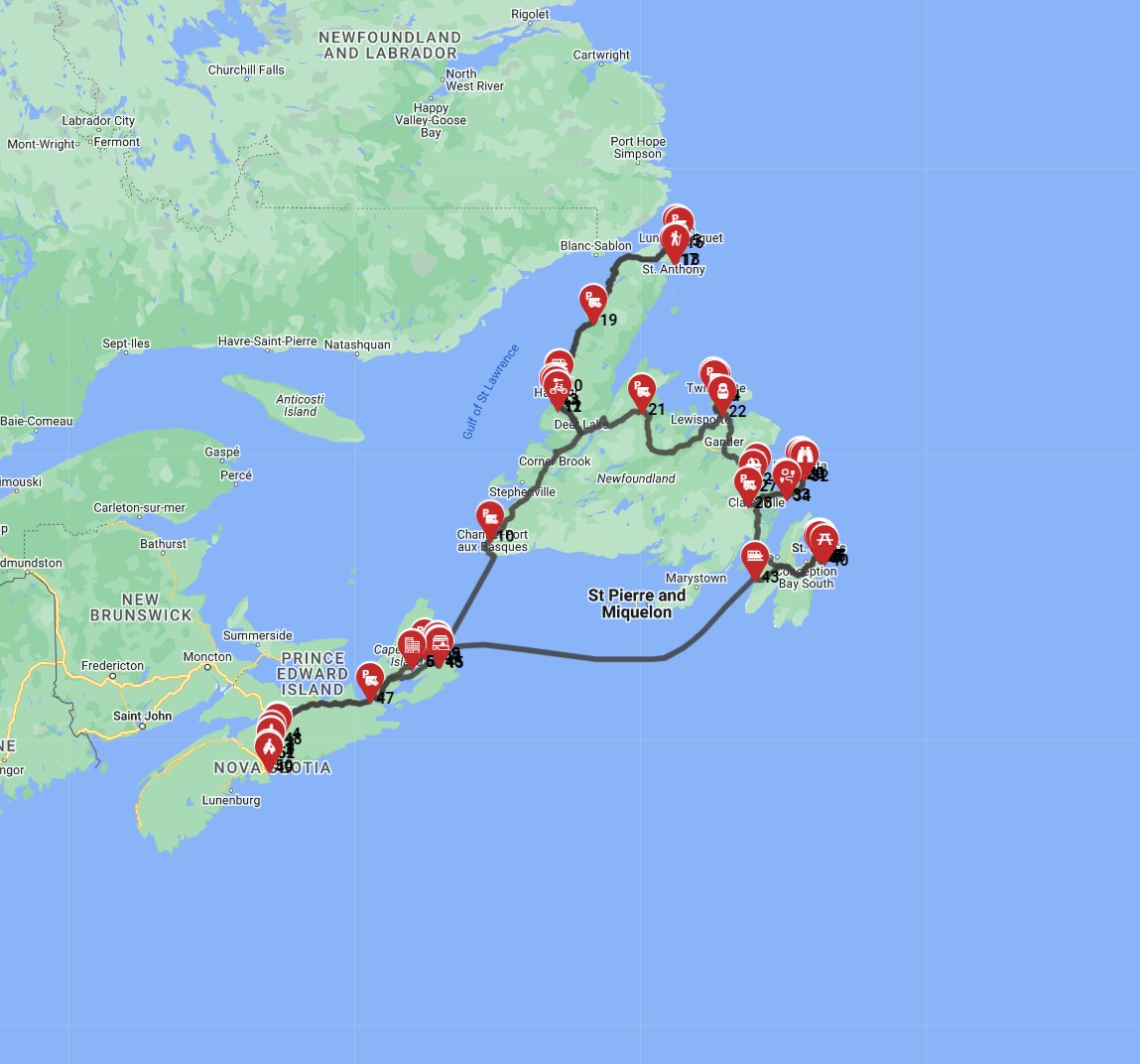
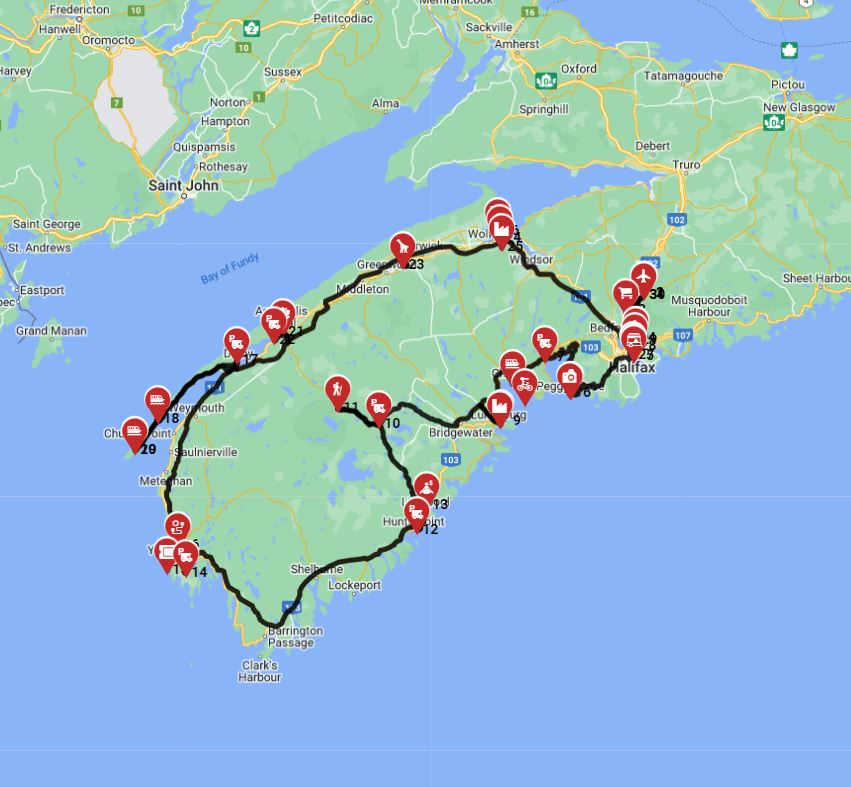
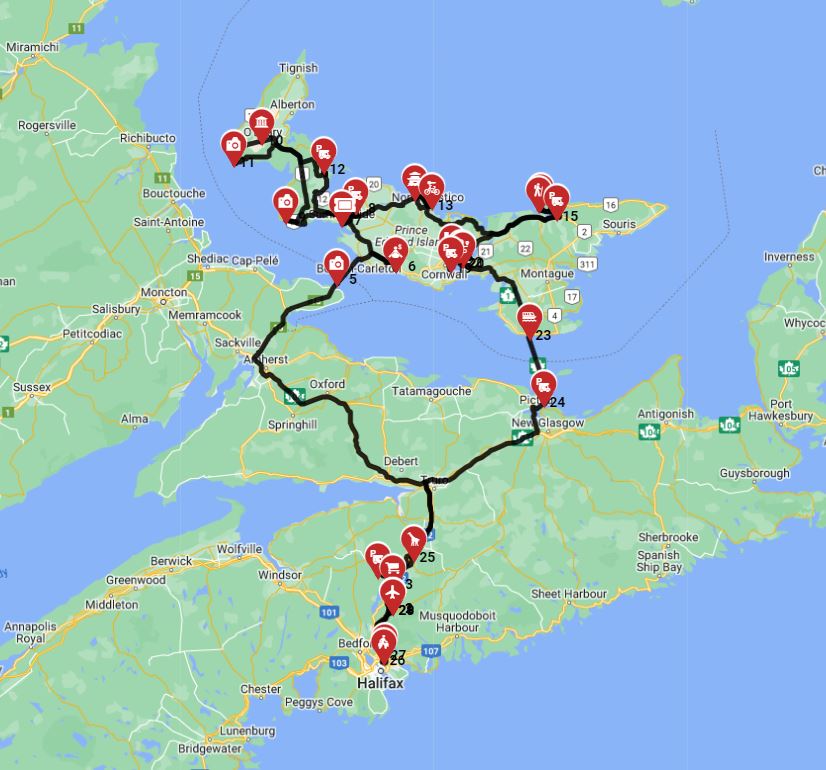
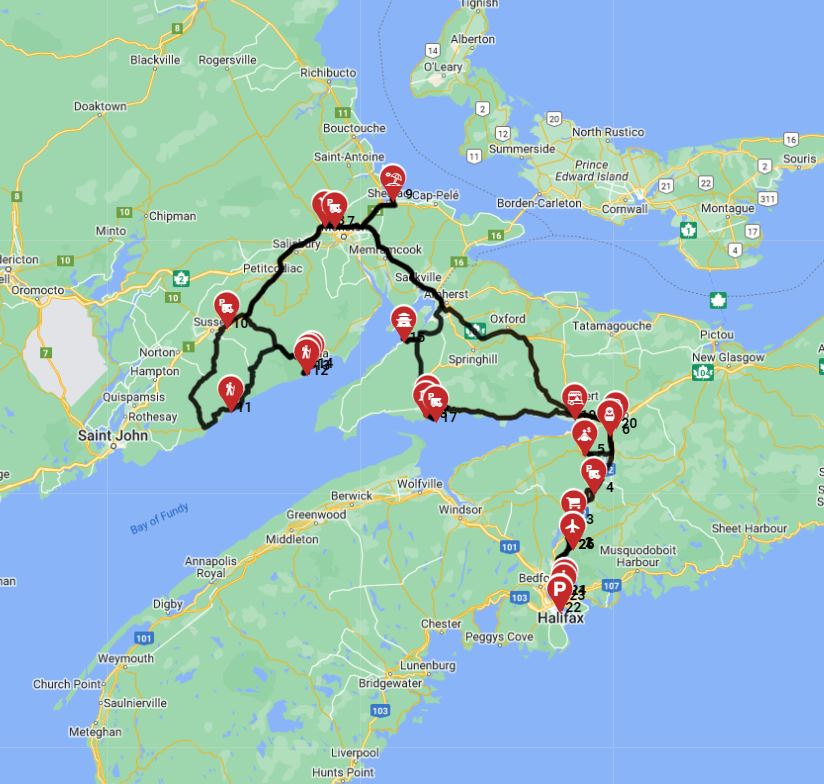
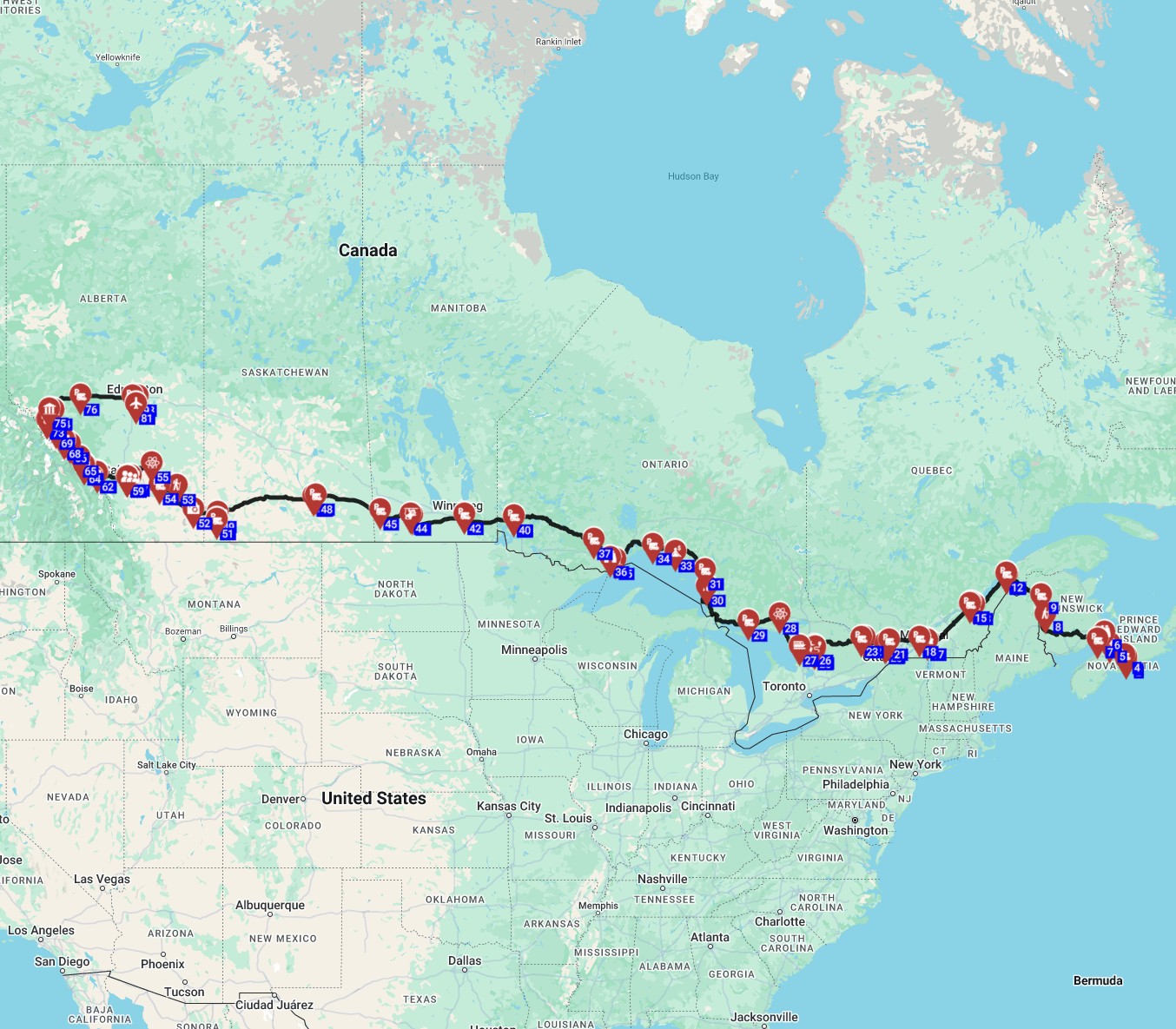
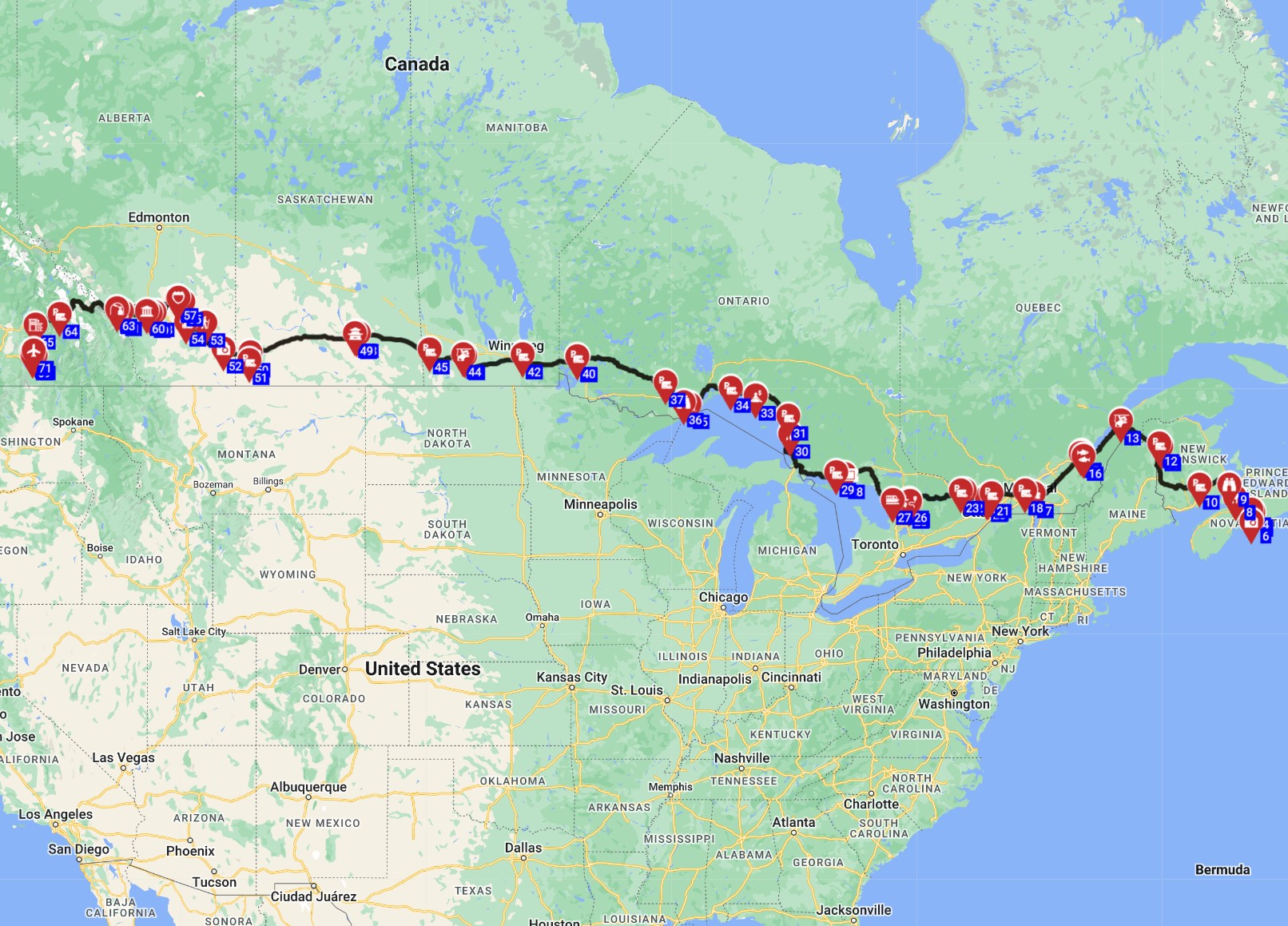
Both diesel and petrol (gasoline) are widely available across Eastern Canada, though diesel pumps might be less common in very rural or remote areas. Many larger rental RVs, including Class C Alcove and Class SI Semi-integrated models, often run on diesel, which can offer better fuel economy for long distances. Based on Bandana's global fleet averages, common fuel consumption for a Class SI - Semi-integrated RV is 10–11 Liters/100 km, for a Class C - Alcove it is 10–12 Liters/100 km, and for a Class B - Camper Van it is typically 8-10 Liters/100 Km. Average fuel costs per 100 km will fluctuate with market prices and RV model, but budgeting approximately CAD $15-20 per 100 km for petrol and CAD $12-18 for diesel is a reasonable estimate (as of 2026). Some RV rental agreements with Bandana may include fuel discount cards or perks, which can help offset costs over a longer trip. For easy budgeting and tracking of every expense along the way, we recommend using RV PLANET routes. This tool is invaluable for managing trip costs effectively. You can find more financial planning advice in our Cheap RV Rental in East Canada - Budget Guide 2026.Tolls, Vignettes & Border Rules
Tolls are primarily found on specific highways and bridges in provinces like Nova Scotia, New Brunswick, and Quebec within Eastern Canada; there are no country-wide vignettes required. Notable toll roads include parts of Highway 104 in Nova Scotia (Cobequid Pass) and some bridges connecting provinces or crossing into the U.S. For Americans crossing the border into Canada with a rented RV, ensure all occupants have valid passports, and be prepared to declare any goods, firearms, or restricted items. It's also vital to carry your vehicle registration and proof of insurance, which your rental provider will supply. While specific regional data on tolls can vary, checking provincial transportation websites before your trip is advisable for up-to-date information, and some rental RVs might offer options for pre-purchasing toll passes to avoid fines and streamline travel. For broader travel information, consult our RV Rental USA - Complete Guide 2026.Driving Tips for Winter RV Rental Travelers
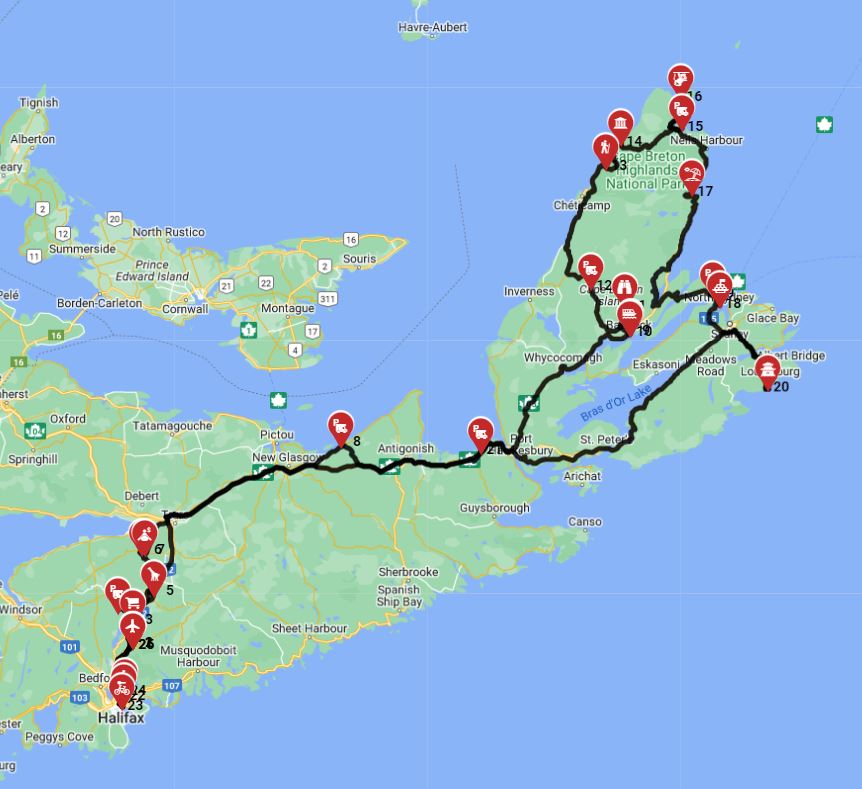
For a successful winter RV rental adventure in East Canada, meticulous planning is essential. Always check detailed weather forecasts and current road conditions before departing, especially when traversing less-traveled routes or mountainous areas where conditions can change rapidly. Allow for extra travel time, as icy roads, heavy snow, and reduced visibility mean your journey will take longer; budget for frequent stops, particularly if traveling with family. Ensure your rental motorhome is equipped with winter tires (mandated in Quebec for a specific season and highly recommended elsewhere) or all-season tires with a snowflake symbol, and confirm anti-freeze systems for water tanks are in place to prevent freezing. It's also wise to fuel up frequently, never letting your tank get below half-full, especially in remote areas where stations can be sparse or closed during severe winter weather. Always carry a robust winter emergency kit including blankets, extra warm clothing, non-perishable food, water, a shovel, booster cables, and a first-aid kit to be prepared for any situation. Remember, slow travel, averaging max 100-150 km per day, allows you to truly feel the place, connect to the culture, the food, and the scenery.Recommended RV Class for East Canada Roads
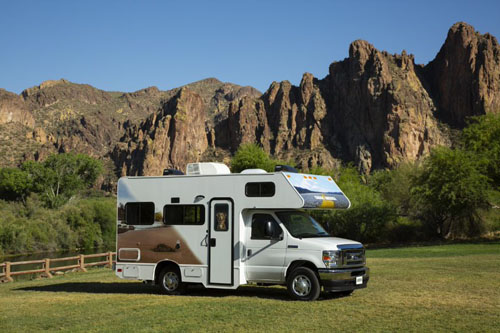
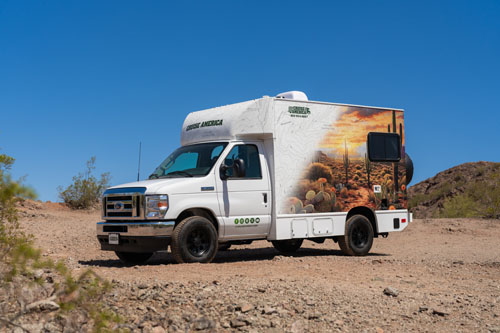
For a winter RV rental in East Canada, a Class SI - Semi-integrated or Class C - Alcove motorhome is often recommended, as these classes offer a good balance of interior space, essential amenities, and maneuverability. Bandana's fleet shows Class SI - Semi-integrated RVs average 6.9 meters in length with sleeping for 3.8 people, while Class C - Alcove RVs average 7.5 meters and sleep 5.8 people, providing ample comfort for families or groups. These larger classes typically provide sufficient ground clearance for most Canadian roads, even with moderate snow, and their robust construction usually includes better insulation for colder climates, ensuring your living space remains warm and cozy. While Class B - Camper Vans (averaging 5.8 meters) offer superior maneuverability and better fuel economy (8-10 Liters/100 Km), their smaller size might be less comfortable for extended winter trips, especially for families or those seeking more indoor living space during cold weather. For travelers interested in premium options, explore our Luxury RV Rental in East Canada - Premium Prices 2026 guide.Should I Choose a Compact Van Instead of a Large RV in East Canada?
The choice between a compact van and a larger RV for a winter trip in East Canada primarily depends on your comfort preferences and the specific nature of your itinerary, as driving any RV size is generally manageable. A compact campervan, like a Class B model averaging 5.8 meters, offers easier maneuverability in urban centers, simpler parking, and potentially better fuel economy (8-10 Liters/100 Km). However, the trade-off is significantly less indoor living space and fewer amenities, which can be crucial for comfort during an extended winter trip when outdoor time is limited. Larger motorhomes, such as Class C Alcove (averaging 7.5 meters) or Class SI Semi-integrated units, provide substantially more room for living, sleeping, cooking, and storage, along with better insulation. Unless your route specifically involves navigating extremely narrow historic streets or very challenging unpaved winter roads, the enhanced comfort, space, and facilities of a larger rented motorhome often make it a superior choice for a winter adventure in East Canada. Drive slowly and carefully, and you can drive almost anywhere without issues. No need to stress - just use common sense and pay attention.Can I Park Anywhere? Free & Wild Camping Rules in East Canada
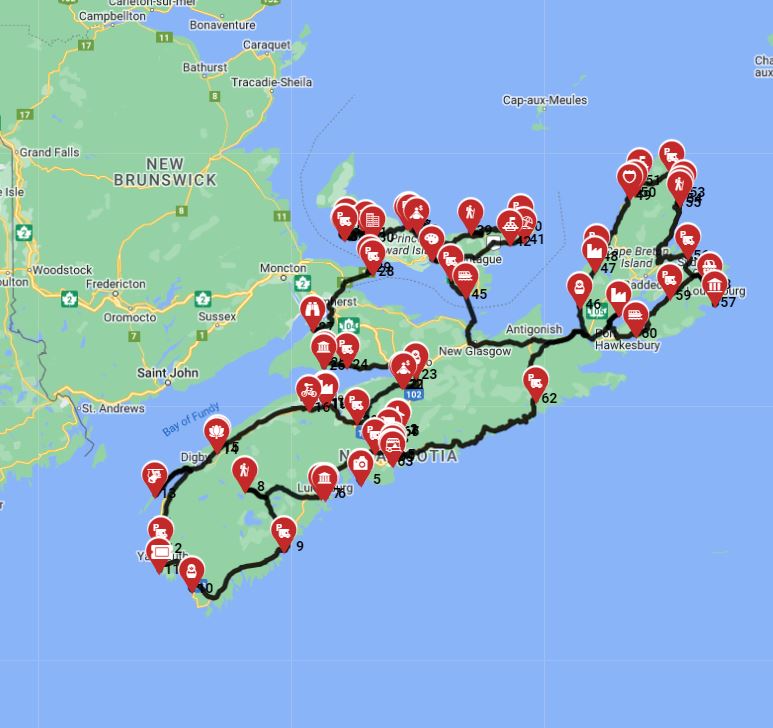
Free and wild camping in East Canada is generally restricted to designated areas or private land with explicit permission, as provincial and municipal regulations often prohibit overnight parking or camping on public lands outside of established campgrounds. While rules can vary, provinces like Quebec, New Brunswick, and Nova Scotia largely enforce regulations against 'boondocking' or wild camping in undesignated areas. Many provincial parks, national parks, and private campgrounds offer winter camping options, often equipped with essential electrical hookups and heated facilities that are crucial for cold-weather RVing. Some rural areas or smaller towns might have less stringent enforcement for overnight parking in certain spots, such as large store parking lots or rest areas, but it's always best to ask permission or look for explicit signage. Always check local regulations and follow local law before parking overnight, and prioritize official campgrounds for safety, reliability, and access to necessary winter services like dump stations. For finding campsites and campgrounds during your trip, we recommend using RV PLANET (rvplan.net) - a great resource for locating available spots along your route. You'll find a spot; if not at the first campground, then the next one. Always call ahead before driving to confirm availability, especially in winter.Can I Drive an RV Into the City Center? Heights, Tunnels & Local Signage
Yes, you can almost always drive a rented RV into city centers across East Canada, but it requires careful attention to local signage, particularly regarding height restrictions, tunnel clearances, and parking regulations. Major cities like Montreal, Quebec City, Halifax, and Saint John generally have RV-friendly main thoroughfares, but older, historic districts often feature narrower streets and lower bridge or tunnel clearances that necessitate caution. Always be vigilant for signs indicating maximum vehicle height, weight limits, or restricted zones (e.g., 'residents only' parking, environmental zones) before entering historic areas. Parking a large RV in city centers can be challenging; look for designated oversized vehicle parking, peripheral lots, or utilize public transport from a campground located outside the immediate core. While specific regional watchouts are important, exercising common sense and caution, especially with a larger vehicle, will ensure a smooth urban RV experience. Drive slowly and carefully, and you can drive almost anywhere without issues. No need to stress - just use common sense and pay attention.Can Americans RV in Canada?
Yes, Americans can absolutely RV in Canada, provided they meet standard entry requirements, carry valid identification, and ensure their RV meets Canadian safety standards. To enter, U.S. citizens need a valid passport for all occupants, and while not strictly required for a rental RV, proof of vehicle registration and insurance (which most rental companies provide) is essential for border crossing. For long-term stays, particularly for 'snowbirds' escaping colder climates, it's crucial to understand Canada's visitor visa duration limits and specific provincial health insurance requirements for non-residents. Canada's '10-Year Rule' for importing RVs primarily applies to permanent importation and ownership, not to temporary RV rentals by tourists, meaning it typically won't affect American renters planning a vacation. Bandana has helped tens of thousands of travelers explore the world by RV, including many Americans venturing into Canada. For a comprehensive overview of cross-border travel, our RV Rental USA - Complete Guide 2026 offers valuable information.What is the 3-3-3 rule for RVs?
The '3-3-3 rule' for RVs is a widely recommended best practice that suggests driving no more than 300 miles (approximately 500 km) in a day, arriving at your campsite by 3 PM, and staying at least 3 nights in each location. This rule is particularly beneficial for winter RV travel in Eastern Canada as it promotes a relaxed pace, allowing ample time to account for reduced daylight hours, slower driving conditions due to snow or ice, and setting up camp before temperatures drop significantly. Adhering to the '3-3-3 rule' helps prevent driver fatigue, reduces the stress of rushing in potentially hazardous winter weather, and allows for thorough exploration of an area, enhancing the overall travel experience. It also provides crucial time for critical winter RV maintenance, such as checking heating systems, water lines, and managing condensation, ensuring the motorhome is ready for cold nights. Remember, slow travel is key to truly connecting with the scenery and local culture.How cold is too cold for an RV?
An RV can be too cold for comfortable and safe operation typically when temperatures consistently drop below freezing (0°C or 32°F) for extended periods, especially if the RV is not adequately winterized or designed for four-season use. The primary concerns in sub-freezing temperatures are the freezing of water lines, tanks, and plumbing, which can lead to costly damage, and maintaining adequate interior heating without excessive fuel consumption. Modern rental RVs designed for colder climates, such as the "Koru Star 4 Freedom" with its powerful 2.2KW diesel heating system, often feature insulated tanks, heated utility compartments, and dual-pane windows, generally performing well down to -10°C to -20°C (14°F to -4°F) with careful management. For sustained extreme cold, practical aspects include using a dehumidifier to manage condensation, regularly checking furnace operation, and ensuring propane levels are sufficient for heating and cooking inside your RV. If you're planning to cook hearty meals to warm up, check out our RV-friendly recipes playlist.What licence do I need to drive an RV in Canada?
To drive most rental RVs in Canada, you typically need a standard Class 5 (or equivalent U.S. Class D) driver's license, as the majority of recreational vehicles fall within the weight limits for this classification. A higher class license (e.g., Class 1, 2, 3, or 4) is generally only required for very large commercial vehicles or RVs exceeding a Gross Vehicle Weight Rating (GVWR) of 11,000 kg (24,250 lbs), which is rare for standard rental units. Foreign licenses are usually accepted for short-term visitors (up to 3 months), but an International Driving Permit (IDP) is recommended in conjunction with your home license if it's not in English or French, or for longer stays, to avoid any potential language barrier issues with law enforcement. Always confirm with your specific RV rental provider regarding their exact license requirements and age restrictions (minimum age 21) before booking to ensure a smooth pickup process.What do you need to enter Canada with a RV?
To enter Canada with a rented RV, you will need a valid passport for all occupants, proof of the RV's registration, and proof of vehicle insurance that is valid in Canada. Specific border crossing requirements also include being prepared to declare all goods being brought into the country, including any alcohol, tobacco, and especially any firearms, which are heavily restricted. Ensure all required documentation, such as driver's licenses and your rental agreement, is readily accessible for inspection by Canada Border Services Agency (CBSA) officers. For American visitors, be aware of restrictions on certain agricultural products, firewood, and other items to prevent the spread of pests and diseases, which can be particularly relevant when traveling with an RV that might carry such items. It's always a good idea to check the latest CBSA guidelines before your trip to ensure a seamless entry.What is the best travel insurance for snowbirds in Canada?
The best travel insurance for snowbirds in Canada typically combines comprehensive medical coverage, emergency evacuation, trip interruption/cancellation, and often specific provisions for pre-existing conditions. For long-term stays, especially during the winter season, 'snowbird' insurance policies are specifically designed to cover extended periods (e.g., 3-6 months) and often include benefits like prescription drug coverage and repatriation of remains. When comparing options, look for policies that explicitly cover non-resident medical emergencies in Canada, as your home country's healthcare may not cover you abroad, and Canadian healthcare is not free for visitors. It's crucial to disclose all medical history accurately to ensure your policy remains valid, and consider adding coverage for RV-specific incidents like roadside assistance if not already covered by your rental agreement or a separate personal policy. Bandana also offers options to upgrade to a top-level deductible for extra peace of mind during your journey.How much is RV insurance in Canada?
The cost of RV insurance in Canada varies widely, typically ranging from a few hundred to over a thousand CAD annually, depending on factors such as the RV's value, type, age, coverage limits, deductible, and the driver's history. For a winter RV rental, the basic liability and collision insurance is usually included in the rental cost, but renters often have the option to purchase additional coverage for a reduced deductible or enhanced protection. In-depth information on RV insurance options for Canadian travel often highlights that rates can differ significantly by province, with factors like local accident rates influencing premiums. It's advisable to review your personal auto insurance policy or credit card benefits, as some may offer secondary coverage for rental vehicles, potentially reducing the need for additional rental company insurance. Bandana provides full transparency on all costs, ensuring what you see is what you pay, with no surprise fees at pickup. This commitment to honesty extends to all aspects of your booking.Do you need RV insurance in Ontario?
Yes, RV insurance is legally required in Ontario, just like for any other motor vehicle, to operate on public roads. All RVs, including motorhomes and campervans, must have valid liability insurance coverage to protect against costs from accidents causing injury or damage to others. For RV rentals in Ontario, the rental company will provide the legally mandated basic insurance, but it's important to understand what is included and consider purchasing supplemental coverage for peace of mind, such as collision damage waivers or coverage for personal belongings. Driving without proper insurance in Ontario can result in significant fines, license suspension, and vehicle impoundment, making it a critical aspect of your winter RV rental planning. We're here to help you compare final prices across suppliers, ensuring you understand all insurance options and what's included before you confirm your booking.Top Cities for RV Rental in East Canada
East Canada offers a fantastic array of cities that serve as excellent starting points or destinations for your winter RV adventure. These hubs provide convenient access to winter-ready rental motorhomes and campervans, allowing you to easily begin your exploration.- Halifax, Nova Scotia: As the vibrant capital of Nova Scotia, Halifax provides a charming coastal backdrop for winter RV travelers. It offers access to stunning maritime scenery, historic sites, and is a great base for exploring the South Shore or venturing towards Cape Breton Island.
- Moncton, New Brunswick: Situated strategically in the Maritimes, Moncton is a perfect central point for discovering New Brunswick's winter beauty, including the Bay of Fundy's unique tidal phenomena and nearby Kouchibouguac National Park's winter activities.
- Quebec City, Quebec: Imagine the fairytale-like charm of Old Quebec dusted in snow. Quebec City is an enchanting winter destination, with its European feel, festive markets, and proximity to excellent ski resorts and winter carnivals.
- Montreal, Quebec: This bustling metropolis is a cultural hub that transforms into a winter wonderland. Montreal offers a blend of city attractions and access to vast natural areas, making it a versatile starting point for a winter RV trip, perhaps exploring more in our RV Rental in East Canada - Prices and Best Deals 2026 overview.
- St. John's, Newfoundland and Labrador: For those seeking a truly rugged and dramatic winter landscape, St. John's is your gateway. Explore colorful row houses, dramatic coastlines, and a resilient culture, even in the colder months.
- Charlottetown, Prince Edward Island: The charming capital of PEI offers a cozy winter escape with picturesque snowy landscapes. It's an ideal spot for a slower pace, enjoying local hospitality and serene seaside views.
- Fredericton, New Brunswick: Nestled along the Saint John River, Fredericton provides a quieter, more relaxed winter experience. Enjoy local craft breweries, historical architecture, and easy access to snowshoeing and cross-country skiing trails.
- Sydney, Nova Scotia: A key port on Cape Breton Island, Sydney is an excellent access point for exploring the iconic Cabot Trail, even in its winter guise, offering breathtaking snowy vistas and solitude.
Country-Wide Practical Info for RV Travelers
Navigating East Canada in a rented motorhome during winter is an incredibly rewarding experience, and knowing a few key country-wide practical details will make your journey even smoother. Canada drives on the right side of the road, and speed limits are typically posted in kilometers per hour (km/h), generally ranging from 90-110 km/h on major highways and lower in urban and rural areas. Always adhere to posted limits, especially in winter conditions. For emergencies, the universal number across Canada is 911, connecting you to police, fire, or ambulance services. Connectivity is generally good in populated areas and along major routes, but can be spotty in remote regions; consider purchasing a local prepaid Canadian SIM card or an eSIM with a robust data plan for reliable navigation and communication. Many rental motorhomes come with USB charging ports, but bringing a portable power bank is always a smart idea for off-grid stops. Plan your longer trips with a focus on slow travel, aiming for a maximum of 100-150 km per day on average, to truly immerse yourself in the culture, food, and scenery of East Canada. This pace allows for spontaneous stops and adapting to changing winter conditions without stress.What You Shouldn't Miss
- Drive the Cabot Trail in Winter: Experience the iconic Cabot Trail on Cape Breton Island, Nova Scotia, transformed by snow. While some services might be limited, the dramatic coastal cliffs and pristine forests offer breathtaking, peaceful views and incredible photo opportunities.
- Explore Quebec's Winter Carnivals: Immerse yourself in the magic of the Quebec Winter Carnival, or visit charming smaller towns like Tadoussac to witness unique winter wildlife tours, including opportunities to spot seals and sometimes even belugas.
- Snowshoeing in Fundy National Park: Head to Fundy National Park in New Brunswick, where well-maintained trails become perfect for snowshoeing or cross-country skiing, offering stunning views of the Bay of Fundy's frozen coastline and unique tidal features.
- Ice Skating on the Halifax Oval: Enjoy a quintessential Canadian winter activity at the Emera Oval in Halifax, Nova Scotia – a large, outdoor skating rink perfect for families and couples. Then, warm up with local seafood at a cozy restaurant.
- Witnessing Icebergs from Newfoundland's Coast: During late spring and early summer, position your rented RV along Newfoundland's "Iceberg Alley" near towns like Twillingate for a chance to see colossal icebergs floating by, a truly unforgettable natural spectacle.
Looking for expert insights from Avi Bandana? Top 5 Adventures - recommendations from Avi Bandana
🎬 Video coming soon
Final Thoughts
A winter RV trip through East Canada is an opportunity for unparalleled beauty and adventure, offering a chance to see this incredible region in a truly unique light. From the snow-dusted maritime coasts to the festive charm of Quebec's cities, your rented motorhome or campervan provides the ultimate cozy base for exploration. By planning ahead and embracing the unique aspects of winter travel, you're not just renting an RV; you're unlocking a world of memorable experiences. We're here to support you every step of the way, ensuring you have all the information and assistance you need before, during, and after your booking. So, pack your warmest layers, prepare for breathtaking scenery, and get ready to create stories that will last a lifetime. Discover top destinations, planning tips, all in one place! Ready to start your winter escapade? Compare Motorhome Prices for East Canada and find your perfect home on wheels today!On the routes offered through RV PLANET routes, you can itemize and track every expense along the way for easy budgeting.