In This Guide
- Can You Drive an RV in Dusseldorf? License & Age Rules
- Road Conditions & Terrain in Dusseldorf
- RV Size Limits, Bridges & Restricted Zones
- Fuel: Diesel vs. Petrol & Cost per 100 km
- Tolls, Vignettes & Border Rules
- Driving Tips for Winter RV Rental Travelers
- Recommended RV Class for Dusseldorf Roads
- Should I Choose a Compact Van Instead of a Large RV in Dusseldorf?
- Can I Park Anywhere? Free & Wild Camping Rules in Dusseldorf
- Can I Drive an RV Into the City Center? Heights, Tunnels & Local Signage
- What do I need to drive my motorhome in Germany?
- Can I drive with winter tires all year in Germany?
- Can you drive an RV in the winter?
- What requirements do you need to drive an RV?
- Are RVs allowed in Germany?
- Do tourists need winter tyres in Germany?
- Can you sleep in a campervan anywhere in Germany?
- Which states require a special license to drive an RV?
- Can you park a campervan anywhere in Germany?
- Are RVs winter proof?
Exploring Dusseldorf and the wider North Rhine-Westphalia region by rented RV during the winter offers a unique blend of festive city charm and serene landscapes. Winter RV driving in Dusseldorf presents distinct considerations, from navigating seasonal road conditions to understanding local regulations and finding the perfect winter-ready campervan. At Bandana RV, we've helped tens of thousands of travelers explore the world by RV since 2001, providing direct partnerships with over 50 leading RV suppliers worldwide, ensuring you find the easiest, safest, and most affordable way to rent an RV. For live availability and current prices, start with our RV Rental Dusseldorf - Complete Guide 2026 guide.
Can You Drive an RV in Dusseldorf? License & Age Rules
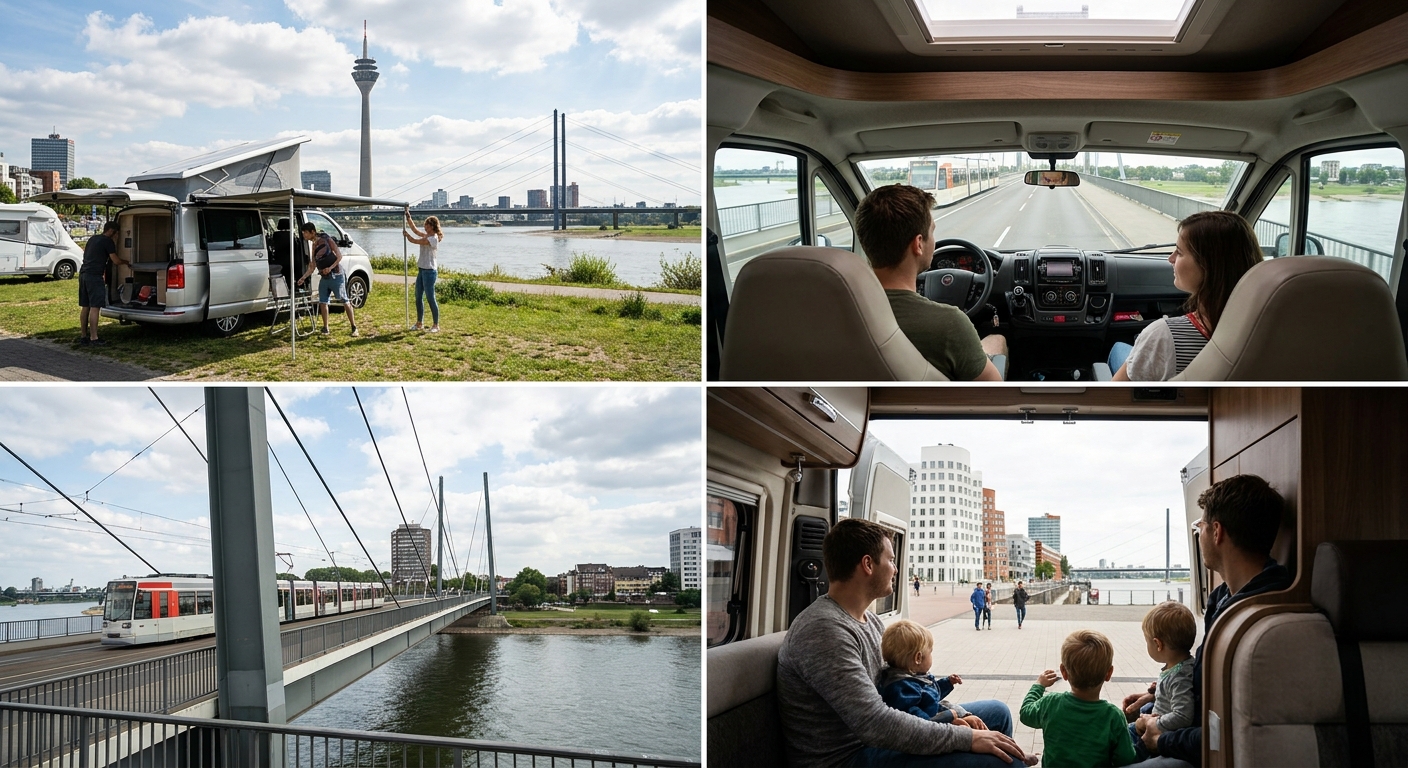
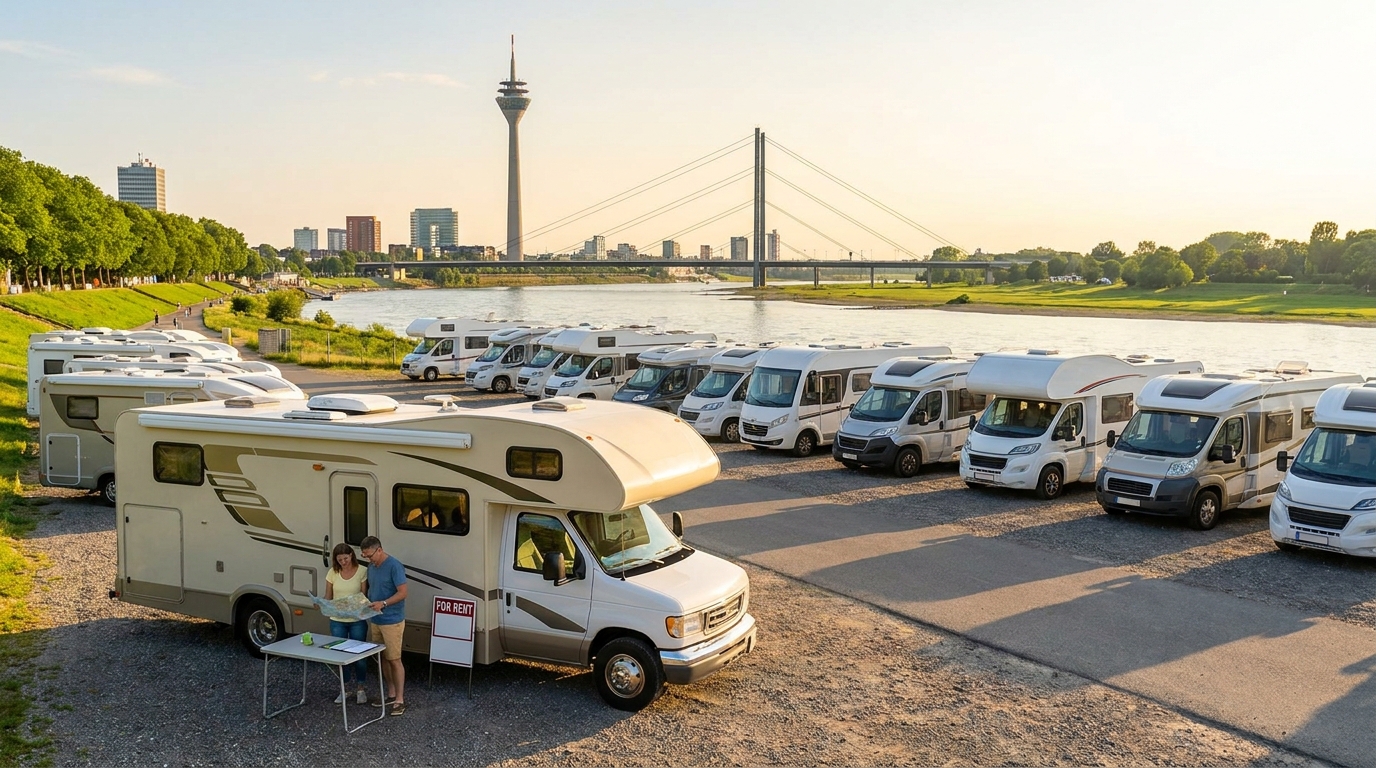
To drive a rented RV in Dusseldorf, standard European driving license categories apply, with a Class B license typically sufficient for vehicles up to 3,500 kg. This covers most popular campervans like the "2 Berth Hi Top" or "Active Standard", which are perfect for couples or small families. For larger RVs exceeding 3,500 kg but under 7,500 kg, a Class C1 license is generally required in Germany, though many smaller Class C motorhomes also fall under the Class B limit. Most rental companies for winter RV rentals in Dusseldorf require drivers to be at least 21 years old, with a minimum of 2 years driving experience; an International Driving Permit (IDP) is highly recommended for non-EU license holders, although not always mandatory, as it provides a multi-language translation of your domestic license. We always recommend checking with your specific rental supplier to confirm their exact requirements. Rest assured, you can drive almost anywhere without issues – just use common sense and pay attention.
Road Conditions & Terrain in Dusseldorf
Road conditions in and around Dusseldorf are generally excellent, featuring well-maintained highways (Autobahnen) and urban roads, even during winter months. The terrain around Dusseldorf and much of North Rhine-Westphalia is largely flat, which is advantageous for RV driving and makes for a relaxed journey. However, navigating urban centers like the bustling Königsallee or the historic Altstadt area requires attention to traffic, pedestrian zones, and clear signage. During winter, roads can experience snow and ice, especially outside the immediate city limits and on less-trafficked routes, necessitating careful driving, reduced speeds, and strict adherence to German winter tire laws. Many of our rented motorhomes, such as the "2 Berth Rover" or "4 Berth Henty", are "Winter Ready," ensuring you have the right equipment for colder conditions.
RV Size Limits, Bridges & Restricted Zones
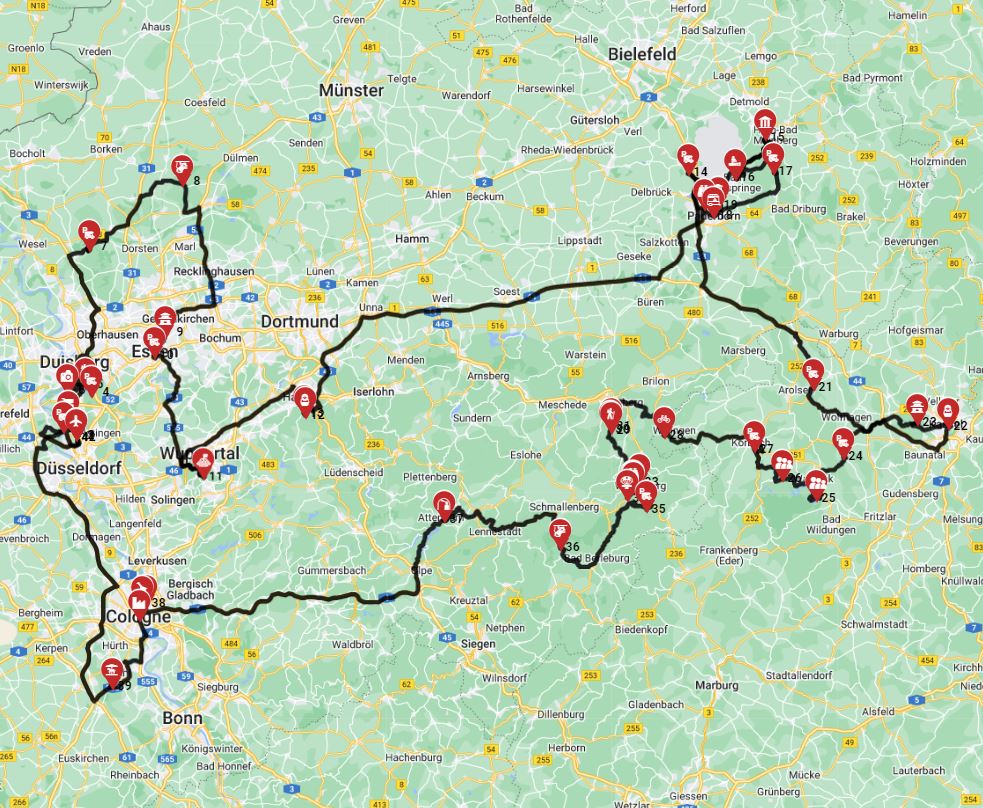
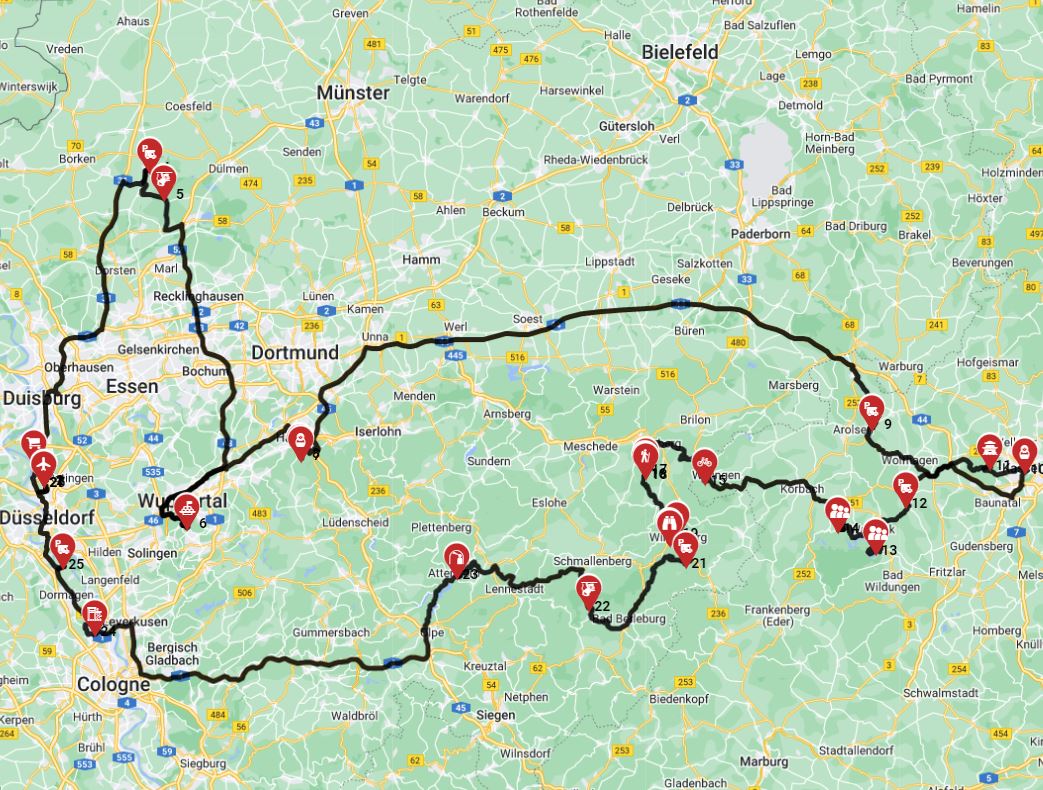
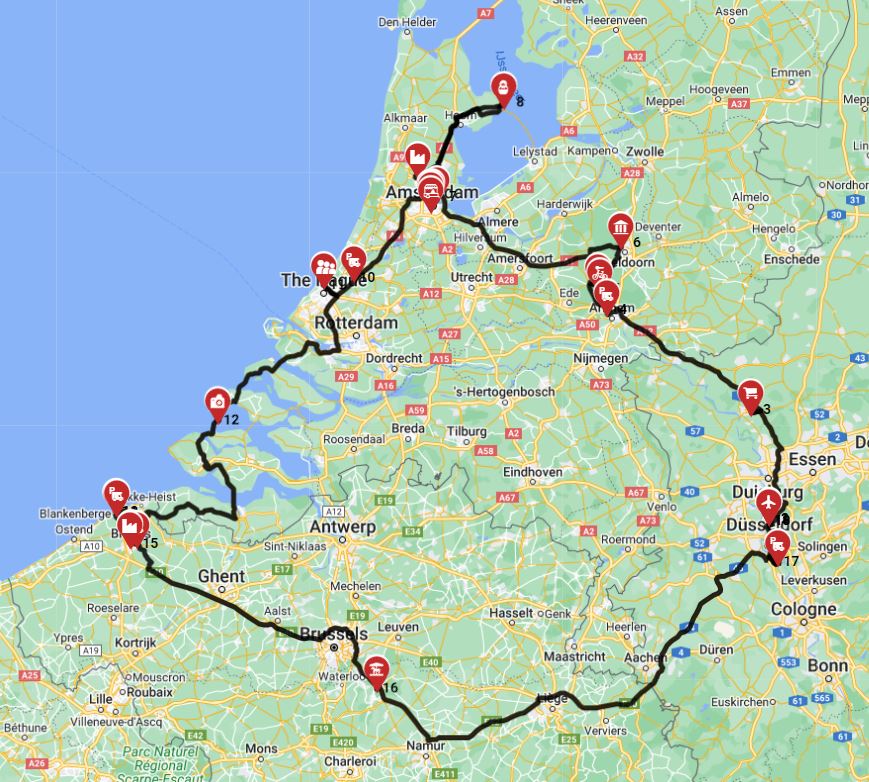
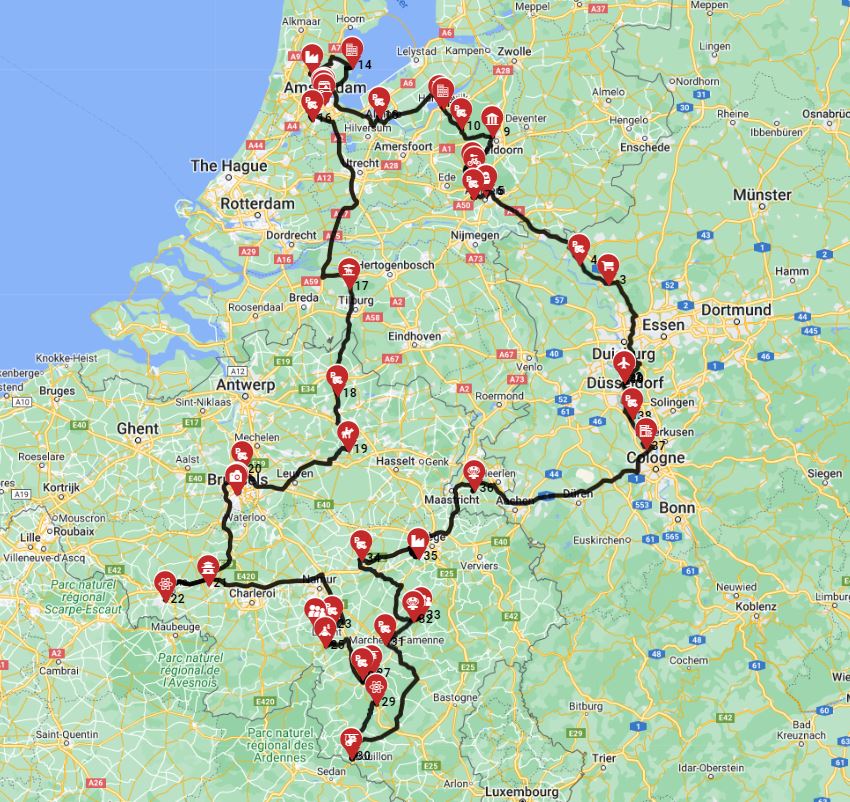
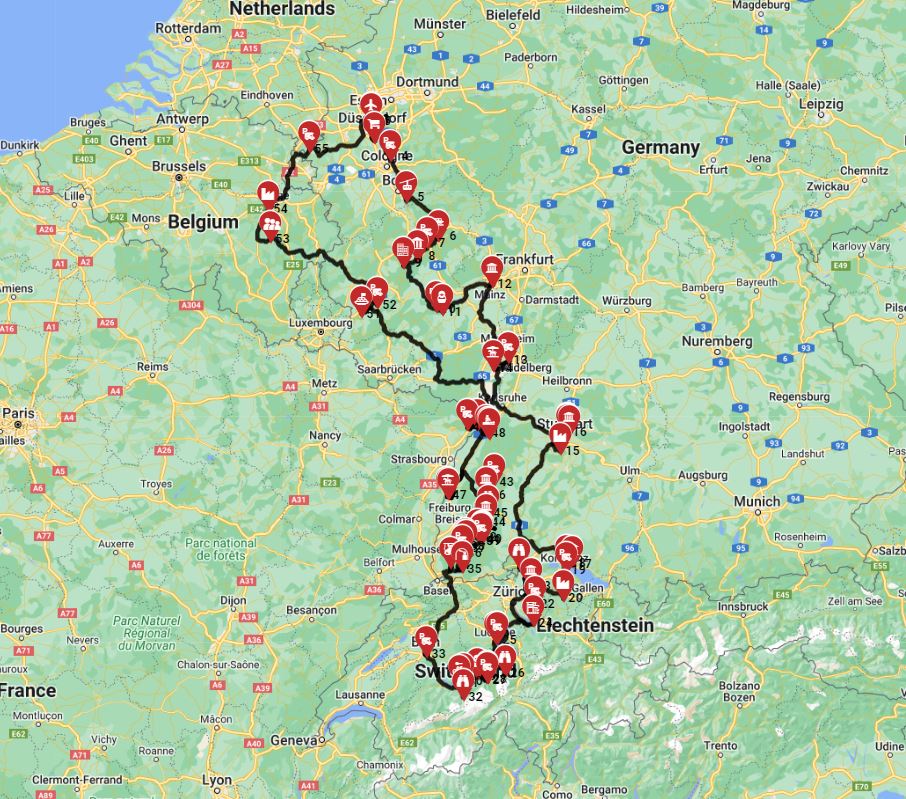
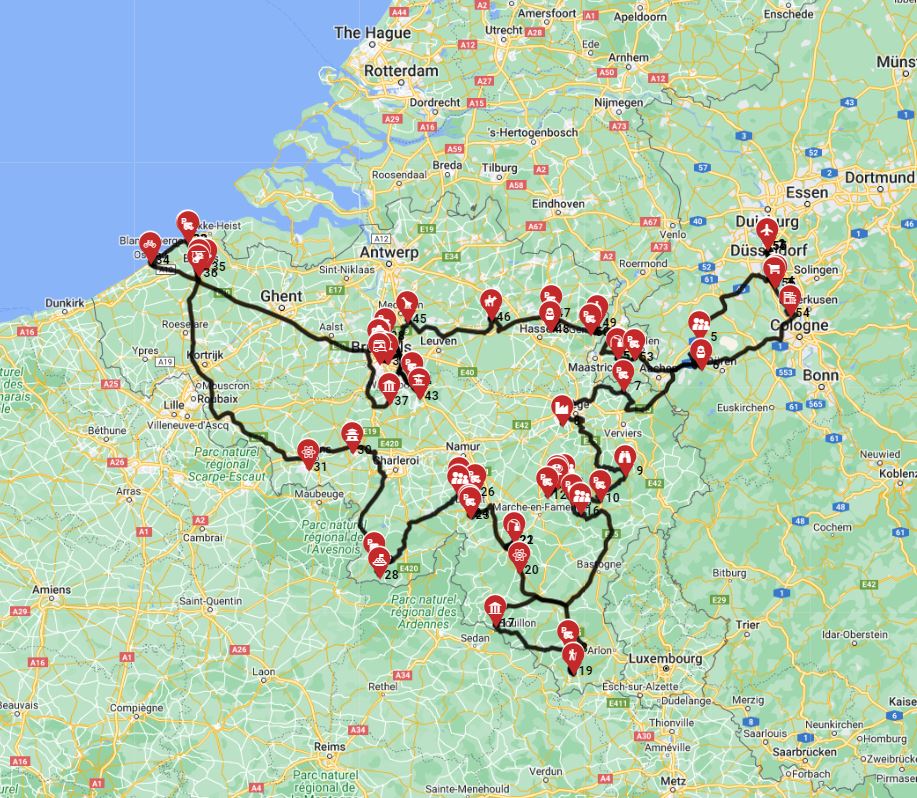
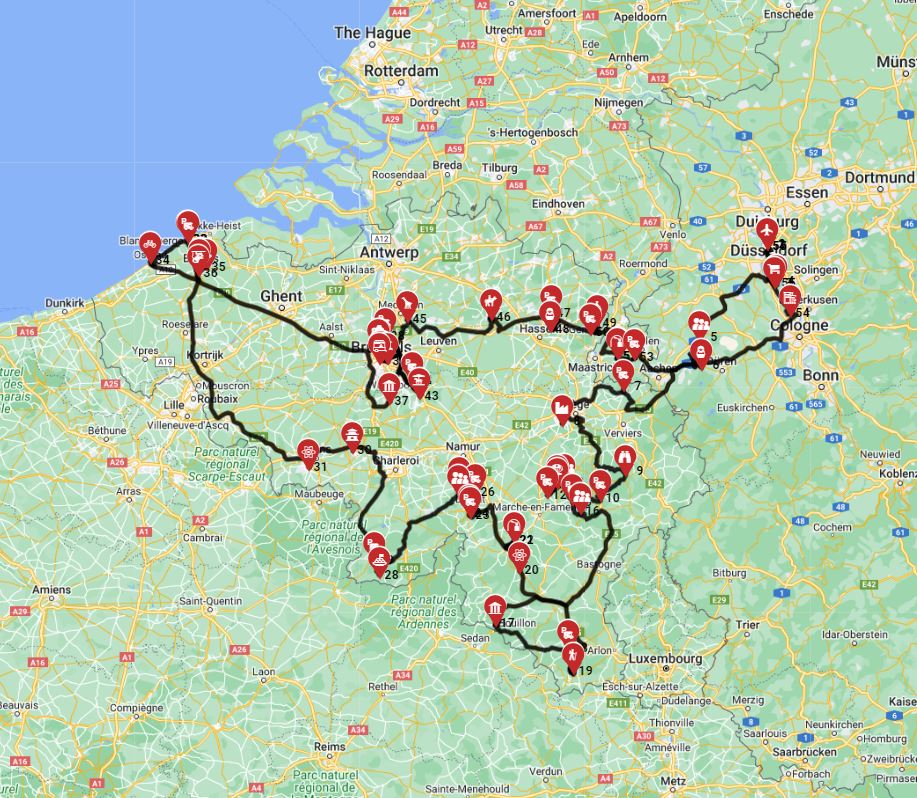
While there are no overarching national RV size limits in Germany beyond general road legalities, drivers of a rented motorhome must always observe local signage for height and weight restrictions, particularly under bridges and in older city areas of Dusseldorf. For example, many older underpasses near the train station or in some residential districts might have height limits of 3.5 meters or less. Dusseldorf is designated an 'Umweltzone' (environmental zone), meaning all RVs, regardless of size, must display a valid 'Umweltplakette' (emissions sticker) to avoid fines when entering the city center. This sticker is easily acquired before your trip or at local inspection stations. Ferry limits are not typically a concern within Dusseldorf itself, as the Rhine River is primarily crossed by bridges, but if traveling to surrounding water bodies or neighboring countries (like on a Dusseldorf Roundtrip - Germany / Netherlands / Belgium route, which covers 1076.2 km and includes 2 cruise terminal visits), always check specific ferry regulations for RV dimensions and weight in advance. You can compare different RV sizes and their features, like a compact "Active Compact Select" or a spacious "Family Sleeper (FS)," on our platform to find the right fit.
Fuel: Diesel vs. Petrol & Cost per 100 km
Most rented RVs available for winter rental in Dusseldorf, especially larger models like a Class C "Euro Deluxe", run on Diesel fuel, which is widely available across Germany at numerous fuel stations along the Autobahnen and in towns. Average fuel consumption for a Class B - Camper Van is typically 9-15 Liters per 100 km, while Class SI - Semi-integrated, Class C - Alcove, and Class A - Integrated RVs generally consume 9-14 Liters per 100 km, depending on the specific model and winter driving conditions. While exact costs fluctuate daily, budgeting approximately €15-€25 per 100 km for fuel is a reasonable estimate for a winter rv trip from Dusseldorf. We recommend inquiring with your rental provider about potential fuel discount cards for rent-motorhome vehicles, which can help manage trip expenses. Remember, on RV PLANET routes, you can easily itemize and track every expense along the way for seamless budgeting. On the routes offered through RV PLANET routes, you can itemize and track every expense along the way for easy budgeting.
Tolls, Vignettes & Border Rules
In Germany, there are no general tolls for RVs under 7.5 tonnes on federal highways (Autobahnen), meaning most recreational vehicles rented in Dusseldorf are exempt from highway tolls within the country. However, when traveling beyond Germany from Dusseldorf, be aware that neighboring countries like Austria and Switzerland require a 'Vignette' (toll sticker) for highway use, and some mountain tunnels, such as the Tauern Tunnel in Austria, may have separate tolls. For instance, a multi-country route like the "
Driving Tips for Winter RV Rental Travelers
Prioritizing safety during a winter rv rental from Dusseldorf involves driving cautiously, maintaining greater distances between vehicles, and adapting speed to potentially slippery road conditions. Germany's 'Autobahnen' are generally well-maintained, but black ice or sudden snowfalls can occur. Plan your route in advance, especially when traveling with family, to incorporate regular stops every 2-3 hours for rest and sightseeing, as winter daylight hours are shorter. Ensure your rented RV, such as a "Category Small AT" campervan, is equipped with proper winter tires (M+S or Alpine symbol) and essential winter accessories like snow chains (if traveling to mountainous regions like the Harz Mountains), a shovel, and extra blankets. Familiarize yourself with the RV's heating and water systems before setting off, ensuring tanks are adequately filled for heating and that antifreeze measures are in place for colder temperatures. If you enjoy cooking warm meals inside your cozy motorhome, check out our RV-friendly recipes playlist for inspiration.
Recommended RV Class for Dusseldorf Roads
For navigating Dusseldorf and its surrounding areas, a Class B - Camper Van (averaging 5.7 meters in length) or a Class SI - Semi-integrated RV (averaging 7.1 meters) are highly recommended due to their balanced maneuverability and comfort. Class B Camper Vans, like the "Juliette 2-3," offer excellent urban agility and easier parking in city environments, making them ideal for exploring Dusseldorf's attractions and navigating tighter streets. Class SI Semi-integrated RVs, such as the "Euro Quest," provide more living space and amenities suitable for winter travel while still being manageable on German roads, offering a good compromise between size and comfort. Drive slowly and carefully, and you can drive almost anywhere without issues. No need to stress - just use common sense and pay attention.
Should I Choose a Compact Van Instead of a Large RV in Dusseldorf?
Choosing between a compact van and a larger RV for your Dusseldorf adventure depends on your priorities; while compact vans (Class B) offer superior maneuverability and easier parking in urban settings like Dusseldorf, larger RVs (Class SI, C, A) generally provide significantly more comfort and indoor space, which is often a priority for winter rentals. For navigating Dusseldorf's relatively wide urban roads and accessing well-provisioned 'Stellplätze' (RV parking sites) like those near Rheincamping Meerbusch, a larger RV typically presents no significant driving challenge. A compact van is genuinely beneficial for very tight historic city centers or narrow mountain passes that are less common immediately around Dusseldorf. However, for overall winter comfort, ample storage, and full amenities when traveling with a family, a larger RV such as a "Comfort Family" often offers a better trade-off. Our fleet includes options like the "Challenger Genesis 36" (medium RV) which offers a balance of space and drivability.
Can I Park Anywhere? Free & Wild Camping Rules in Dusseldorf
In Germany, wild camping or free camping is generally prohibited, meaning you cannot set up camp (e.g., deploy awnings, chairs) just anywhere, including in and around Dusseldorf. Overnight parking to 'recharge driver fitness' is often tolerated for a single night, provided no camping behavior is exhibited, and the vehicle is parked in a legally permissible spot, such as a large supermarket parking lot or designated truck stops. For actual overnight stays in a rented RV, travelers must utilize designated 'Stellplätze' (official RV parking sites) or commercial campgrounds, which are plentiful across Germany and offer necessary facilities like electricity, water, and dump stations. An example near Dusseldorf is Reisemobilhafen am Rhein at Löricker Straße 57. You will find a spot, and if not at the first campground, then the next one – just remember to call ahead before driving.
🎬 Video coming soon
Can I Drive an RV Into the City Center? Heights, Tunnels & Local Signage
Yes, you can generally drive a rented RV into the city center of Dusseldorf, but it is crucial to pay close attention to local signage, especially for height restrictions, tunnels, and low bridges. All vehicles, including RVs, require an 'Umweltplakette' (emissions sticker) to enter Dusseldorf's environmental zone, which encompasses much of the city center, including popular areas like the Altstadt. While most main roads are accessible, some older or residential streets might have narrower passages or 'residents-only' restrictions; planning your routes using RV-specific GPS can help avoid potential issues. Drive slowly and carefully, and you can drive almost anywhere without issues. No need to stress - just use common sense and pay attention.
What do I need to drive my motorhome in Germany?
To drive your rented motorhome in Germany, you must carry your valid driving license (and an International Driving Permit if your license is non-EU), vehicle registration documents, and proof of insurance at all times. Mandatory vehicle equipment in Germany includes a warning triangle, a reflective safety vest for each occupant, and a first-aid kit, all of which must be easily accessible within the vehicle. An 'Umweltplakette' (emissions sticker) is essential for entering environmental zones, including Dusseldorf, and must be visibly displayed on the windshield. Rental suppliers typically provide these essential items with your rented RV, but it's always wise to double-check during pickup. For broader context on German regulations, consider our RV Rental Germany - Complete Guide 2026.
Can I drive with winter tires all year in Germany?
While it is legally permissible to drive with winter tires (M+S or Alpine symbol marked) all year round in Germany, it is generally not recommended due to increased wear, poorer braking performance, and higher fuel consumption in warmer conditions. German law mandates the use of winter tires in 'wintery conditions' (black ice, snow, slush, freezing rain), making them critical for winter RV rentals in Dusseldorf, typically from October to Easter. Many year-round tires are now available with the Alpine symbol (3PMSF), which are legal for winter use and can offer a practical compromise for varying conditions, though dedicated winter tires provide superior performance in true winter weather. When you rent a camper from a reputable supplier through Bandana, your vehicle will be equipped with the legally required tires for the season.
Can you drive an RV in the winter?
Yes, you can absolutely drive a rented RV in the winter in Germany, provided the vehicle is properly equipped with winter tires and suitable anti-freeze for its systems, and the driver is prepared for winter road conditions. Winter RV rentals in Dusseldorf are specifically designed for cold weather, featuring enhanced insulation, powerful heating systems, and often heated water tanks to prevent freezing. It is crucial to monitor weather forecasts, drive cautiously on potentially icy or snowy roads, and plan routes that avoid steep, unplowed, or restricted mountain passes. Traveling slowly, averaging 100-150 km per day, is highly recommended to fully enjoy the winter scenery and account for reduced daylight hours. To help plan your winter adventure, explore our RV Travel Guide to Dusseldorf - Tips and Top Spots 2026.
What requirements do you need to drive an RV?
To drive a rented RV in Germany, you need a valid driving license that corresponds to the vehicle's maximum permissible weight; a Class B license covers RVs up to 3,500 kg, while a Class C1 is necessary for RVs between 3,500 kg and 7,500 kg. Drivers must meet the minimum age requirements of the rental company (often 21 years old) and typically possess at least 2 years of driving experience. For non-EU citizens renting a motorhome, an International Driving Permit (IDP) in conjunction with your national license is strongly recommended, as it translates your license into multiple languages, easing interactions with authorities. You can find detailed information about different vehicle options on our RV Rental in Dusseldorf - Prices and Best Deals 2026 page.
Are RVs allowed in Germany?
Yes, RVs are widely allowed and very popular in Germany, with excellent infrastructure for motorhome travel, including a vast network of designated 'Stellplätze' (RV parking sites) and campgrounds. Rented RVs must comply with general German traffic laws, including posted speed limits, environmental zone regulations (requiring an 'Umweltplakette' in cities like Dusseldorf), and proper lighting. While permitted on most roads, RV drivers must observe specific local restrictions, such as height limits, weight restrictions, and prohibitions on wild camping. Germany's welcoming approach to RV travel makes it a prime destination for an extended road trip, offering plenty of support for travelers.
Do tourists need winter tyres in Germany?
Yes, tourists driving rented RVs or any vehicle in Germany are subject to the same winter tire laws as residents: winter tires (marked M+S or with the Alpine symbol) are mandatory in 'wintery conditions,' which include black ice, snow, slush, and freezing rain. These conditions are common in and around Dusseldorf during the colder months. Failure to have appropriate winter tires during these conditions can result in fines of at least €60 and may invalidate your insurance in the event of an accident. When renting an RV for winter in Dusseldorf through Bandana, reputable rental companies like El Monte or Apollo will ensure the vehicle is already equipped with legally compliant winter tires for your safety and peace of mind.
Can you sleep in a campervan anywhere in Germany?
In Germany, sleeping in a rented campervan is permitted for a single night to 'recharge driver fitness' on public parking spaces, provided no camping behavior (e.g., setting out chairs, tables, awnings) is displayed and it is not explicitly prohibited by local signage. This overnight stop is strictly for rest and not considered 'camping'; extending your stay beyond a single night or setting up camp outside designated areas is generally illegal and can incur fines. For genuine overnight camping and access to facilities such as fresh water and waste disposal, you must use official 'Stellplätze' (motorhome parking areas) or commercial campgrounds, which are widely available in and around Dusseldorf, like the Stellplatz am Tonhallenufer.
Which states require a special license to drive an RV?
In Germany, driver's license requirements for rented RVs are governed by federal law, not individual state (Bundesland) laws, meaning the same license categories apply nationwide, including for a winter rv rental in Dusseldorf. A standard Class B license permits driving RVs up to 3,500 kg, while a Class C1 is necessary for RVs between 3,500 kg and 7,500 kg, irrespective of which German state you are in. The notion of 'states requiring a special license' is more common in countries like the United States; in Germany, the federal system ensures consistent licensing rules for RV drivers. This simplifies planning your route and journey throughout Germany, whether you're staying in North Rhine-Westphalia or venturing further into Bavaria or the Black Forest.
Can you park a campervan anywhere in Germany?
No, you cannot park a rented campervan anywhere in Germany; general traffic laws and specific parking regulations apply, including prohibitions on parking in residential-only zones, no-parking areas, or obstructing traffic, particularly in busy cities like Dusseldorf. For daytime parking, a campervan can typically be parked in any legal public parking spot that accommodates its size, provided no restrictions are posted. For overnight parking, it is strongly recommended to use designated 'Stellplätze' (motorhome parking areas) or official campgrounds, as general public parking for extended periods, especially with camping equipment deployed, is usually not allowed. Our platform also offers information on Cheap RV Rental in Dusseldorf - Budget Guide 2026 which includes tips on finding affordable overnight spots.
Are RVs winter proof?
Modern RVs, especially those available for winter rental in Dusseldorf through Bandana's partners, are generally designed to be 'winter proof' or at least 'winterized,' featuring enhanced insulation, robust heating systems, and protection for water tanks and pipes. Key features of a winter-proof RV include double-glazed windows, insulated floors and walls, powerful auxiliary heaters (often diesel or gas-powered), and heated wastewater tanks to prevent freezing. While robust, it's essential for renters to understand how to operate the RV's winter systems, manage gas and water consumption for warmth and cooking, and ensure appropriate antifreeze is used in water systems if temperatures drop significantly. This preparation ensures a comfortable and worry-free winter adventure, even when visiting Dusseldorf's charming Christmas markets.
What You Shouldn't Miss
- Stroll through the Altstadt (Old Town) and explore its "longest bar in the world," enjoying a glass of local Altbier.
- Visit Schloss Benrath, a magnificent Rococo palace with extensive gardens, offering a serene escape.
- Explore the modern architecture of the MedienHafen (Media Harbour), including the iconic Gehry buildings and unique waterfront restaurants.
- Experience the magical Christmas markets that transform the city center into a festive wonderland during winter.
- Take a scenic drive along the Rhine River to the charming historic district of Kaiserswerth, with its picturesque ruins and riverside cafes.
- Consider a day trip to nearby Cologne, just 40 km south, to marvel at the awe-inspiring Kölner Dom (Cologne Cathedral).
Final Thoughts
A winter RV rental in Dusseldorf offers a magical way to experience this vibrant city and the serene landscapes of Germany. From cruising along the Rhine with your Class B campervan to exploring festive markets, the freedom of a motorhome allows you to immerse yourself in the culture and beauty at your own pace. Remember to embrace slow travel, averaging 100-150 km per day, allowing ample time to savor the local cuisine and scenic views.
With Bandana RV, you're not just renting a vehicle; you're gaining a partner who understands the nuances of RV travel, especially during winter. We’re here to help you navigate everything from licensing requirements to finding winter-ready RVs and planning the perfect itinerary. Get inspired for your next trip, discover top destinations, and plan a trip itinerary in advance with minimal effort and maximum enjoyment.
Find Motorhome Rentals in Dusseldorf