For live availability and current prices, start with our RV Rental Chicago - Complete Guide 2026 guide.
In This Guide
- Can You Drive an RV in Chicago? License & Age Rules
- Road Conditions & Terrain in Chicago
- RV Size Limits, Bridges & Restricted Zones
- Fuel: Diesel vs. Petrol & Cost per 100 km
- Tolls, Vignettes & Border Rules
- Driving Tips for Winter RV Rental Travelers
- Recommended RV Class for Chicago Roads
- Should I Choose a Compact Van Instead of a Large RV in Chicago?
- Can I Park Anywhere? Free & Wild Camping Rules in Chicago
- Can I Drive an RV Into the City Center? Heights, Tunnels & Local Signage
- Do You Need a License to Drive an RV in Illinois?
- Can You Drive an RV in the Winter?
- Can You Park an RV Anywhere in Chicago?
- What is the 3-3-3 Rule for RVs?
- Is It Safe to Drive in Chicago in Winter?
- Do You Have to Have Insurance on a Camper in Illinois?
- Does RV Insurance Cover Snow Damage?
- Can You Get Temporary RV Insurance?
Embarking on a winter RV adventure in Chicago offers a unique way to experience the city's festive spirit and snowy landscapes. While winter driving in any large city presents its own set of challenges, with careful planning and the right information, a rented motorhome can provide a cozy and flexible home base for your exploration of the Windy City. For live availability and current prices, start with our RV Rental Chicago - Complete Guide 2024 guide.
Can You Drive an RV in Chicago? License & Age Rules
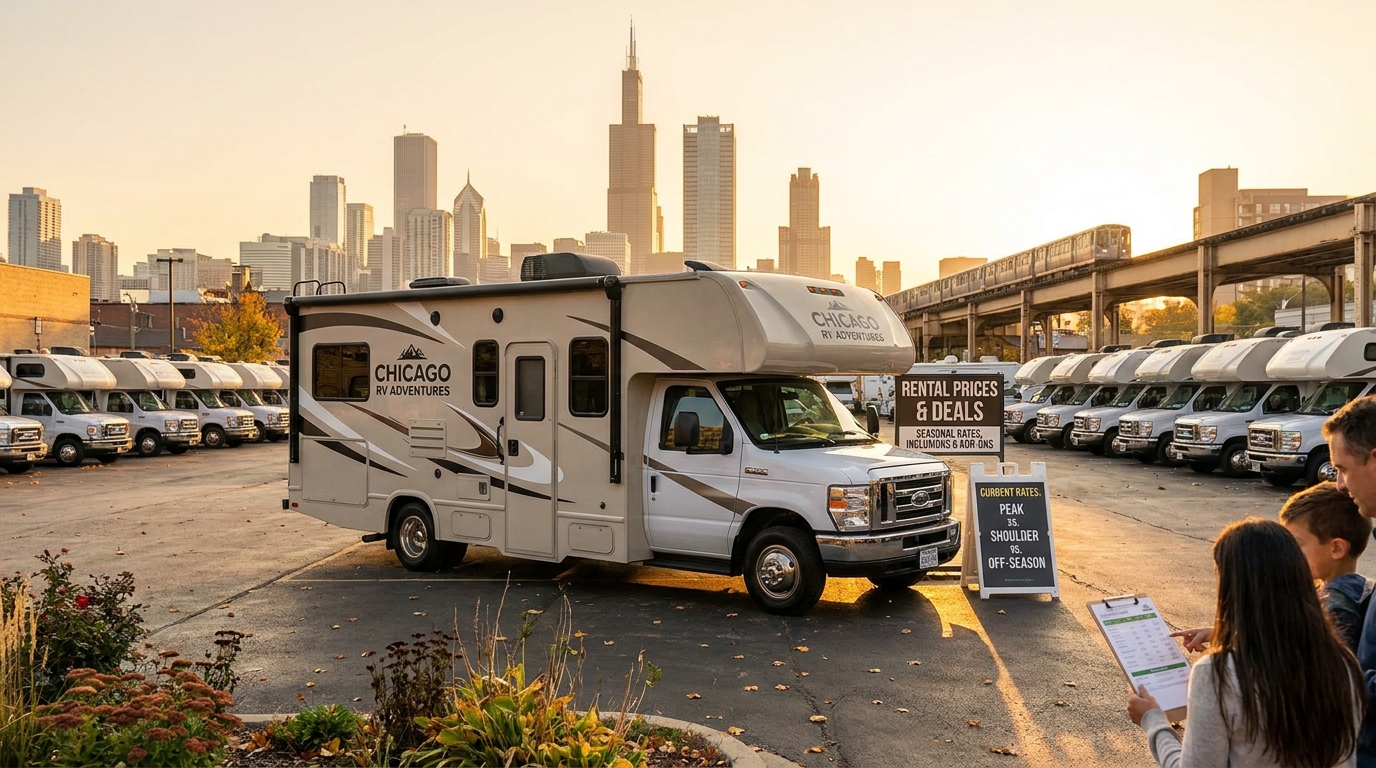
Yes, most rental recreational vehicles, including popular Class B campervans and Class C alcove motorhomes, can be driven in Chicago with a standard Class D driver's license. This Illinois license class covers motor vehicles with a gross vehicle weight rating (GVWR) of 16,000 pounds or less, which includes the vast majority of rental RVs from suppliers like El Monte and Cruise America. Drivers must generally be at least 21 years old to rent an RV through Bandana, with no young driver surcharges or vehicle class restrictions based on age. Foreign drivers can typically use their valid foreign driver's license for up to 12 months in Illinois, though an International Driving Permit (IDP) is highly recommended for ease of communication and translation, not because it's mandatory.
Understanding these rules is essential for any first-time RV renter in Chicago, ensuring a smooth start to your journey. Our team of true RV specialists at Bandana Caravan has over two decades of experience, having been founded in 2001, and can guide you through these details, providing supportive assistance before, during, and after your booking. For those considering a one-way trip, you can check our One-Way RV Rental in Chicago - Price Guide 2024 for more specific information.
Road Conditions & Terrain in Chicago
Chicago's terrain is predominantly flat, offering generally easy driving conditions in fair weather, but winter brings significant challenges, requiring heightened awareness from RV travelers. City streets often have potholes, particularly after freeze-thaw cycles common in winter, necessitating cautious navigation to avoid damage to your rented motorhome. During winter, Chicago experiences heavy snowfall, icy conditions, and strong winds, which dramatically reduce visibility and make roads slippery, even on major expressways like I-90 and I-94.
Snow removal efforts are extensive across Chicago, with main arterial roads usually cleared quickly, but residential streets may take longer, impacting urban navigation for larger RVs. Despite these conditions, driving slowly and carefully allows you to drive almost anywhere without issues; there's no need to stress, just use common sense and pay attention to road advisories. The city's famous Jane Byrne Interchange (where I-90, I-94, and I-290 converge) can be particularly complex and congested, especially during or after snowfall, making route planning crucial.
RV Size Limits, Bridges & Restricted Zones
While Chicago does not impose blanket RV size limits on most major roads, drivers of rented motorhomes must be vigilant for local signage indicating specific restrictions on certain streets, bridges, and underpasses. The standard legal height limit for vehicles on Illinois interstates is 13 feet 6 inches (approximately 4.1 meters), which most rental RVs, like a 7.1-meter long Cruise America Explorer Class C motorhome, fall under. However, older city streets and numerous underpasses may have lower clearances, sometimes as low as 7 feet (2.1 meters), which could be problematic for taller Class A or Class C RVs.
Unlike some European cities, Chicago does not impose environmental zones or restrictions on RVs based on emission standards within the city center, allowing greater freedom of movement. However, parking garages throughout the city almost universally have height restrictions, typically 7 feet or less, making them unsuitable for any RV size. This necessitates planning for ground-level parking solutions or utilizing suburban park-and-ride options. Always know the exact dimensions of your rented campervan or motorhome and plan your route to avoid potential obstacles.
Fuel: Diesel vs. Petrol & Cost per 100 km
The majority of Bandana's rental RVs, particularly Class SI (Semi-integrated) and Class C (Alcove) models, typically run on diesel fuel, which is widely available at numerous gas stations across Chicago and throughout Illinois. For example, a Class SI RV averages approximately 10-11 Liters/100 km, while a Class C RV like the `cruise america rv rental example Explorer` (7.1m long) typically consumes 10-12 Liters/100 km. Smaller Class B campervans, such as the `rv rental denver example Category Van`, are also available and often run on petrol (gasoline), consuming around 8-10 Liters/100 km.
Fuel prices in Chicago tend to be higher than in surrounding rural areas or neighboring states, making budgeting for this a crucial component of your winter RV rental trip. When planning your route, be aware that you can estimate and track every expense, including fuel, through our RV PLANET routes to ensure easy budgeting. Always inquire with your specific rental supplier about any fuel discount cards that may be included with your booking, as these can help mitigate costs. On the routes offered through RV PLANET routes, you can itemize and track every expense along the way for easy budgeting.
Tolls, Vignettes & Border Rules
Illinois features an extensive toll road system managed by the Illinois Tollway, requiring careful planning for RV travelers in and around Chicago. An I-PASS transponder is highly recommended for navigating these toll roads, as it offers significant cost savings; cash tolls are often double the I-PASS rate, and some exits are I-PASS-only. For your winter RV rental in Chicago, consider pre-purchasing an I-PASS or opting for rental RVs that include a toll pass service to avoid higher cash rates and potential fines for missed tolls.
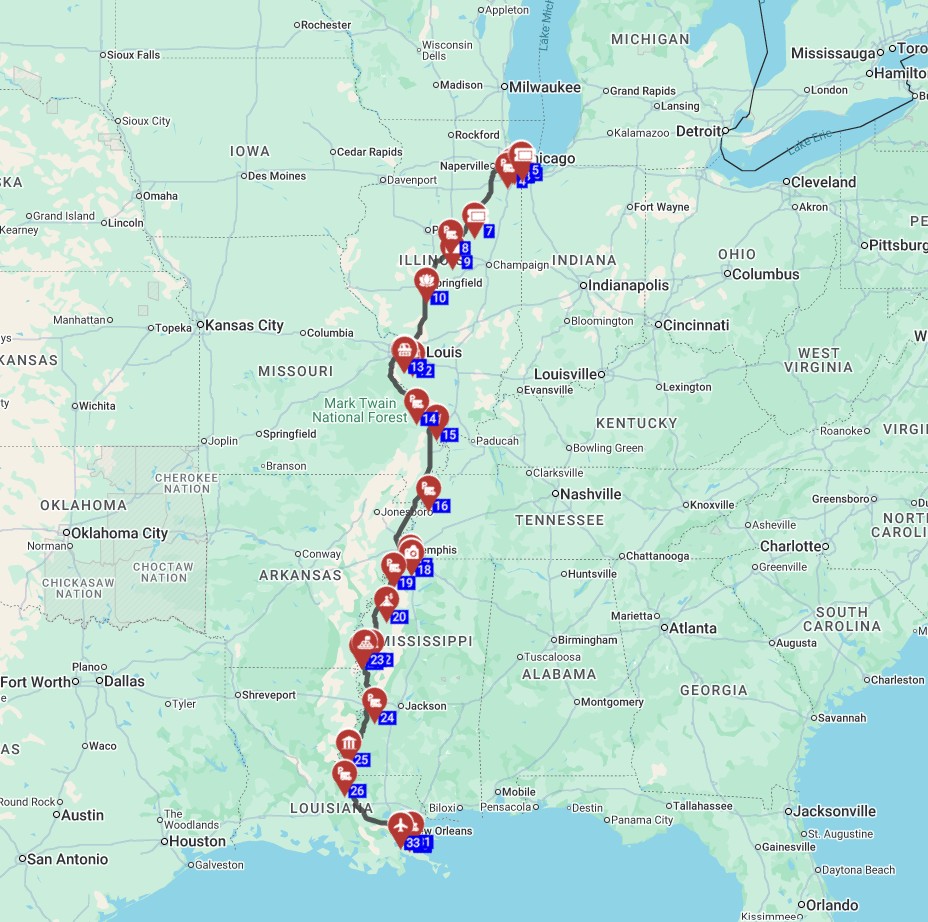
When driving a rented motorhome from Chicago into surrounding U.S. states, there are no vignettes or specific border rules to be aware of, but you should always familiarize yourself with differing speed limits and vehicle regulations in other states. For example, driving from Chicago to Milwaukee (Wisconsin) has different rules than a long route like Chicago To New Orleans - 61 Strings: A Musical Motorhome Trip Along the Blues Highway. Routes that utilize major expressways like I-55, I-80, or I-90 often have toll sections, especially around the complex Jane Byrne Interchange.
Driving Tips for Winter RV Rental Travelers
🎬 Video coming soon
1. **Prepare for Winter Conditions:** Ensure your rented RV is equipped with appropriate tires (all-season or winter-rated), check antifreeze levels, and verify all heating systems, including the furnace and hot water heater, are fully functional before setting out in Chicago's cold weather. It's also wise to carry extra blankets and warm clothing.
2. **Practice Defensive Driving:** Due to snow, ice, and reduced visibility, maintain significantly increased following distances (at least 3-4 vehicle lengths) and reduce your speed to 50-70 km/h, especially with the added weight and size of a motorhome like the 7.6-meter `rv rentals utah example Sunrise Escape`. Avoid sudden braking or steering maneuvers on potentially slippery Chicago roads. Imagine yourself driving on a glass-smooth surface and drive accordingly!
3. **Navigate Chicago's Urban Core:** Plan your routes meticulously to avoid narrow streets, low bridges, and high-traffic areas during peak times, especially downtown. Utilize GPS systems with RV-specific settings if available, and remember that driving slowly and carefully helps you navigate almost anywhere without issues. For more routing expertise, consider RV PLANET's professional route plans.
4. **Utilize I-PASS for Tolls:** To streamline travel and save money on Chicago's extensive toll roads, ensure your RV has an I-PASS transponder or understand the pay-by-plate options available for rental vehicles. This will prevent unexpected charges and simplify your journey on highways like the Tri-State Tollway (I-294).
5. **Prioritize Parking Research:** For exploring Chicago's attractions, identify RV-friendly parking lots or public transport hubs on the outskirts, as central street parking is often scarce, costly, and restricted for large vehicles. For example, consider parking at a Metra commuter rail station in a suburb like Evanston or Naperville and taking the train downtown, making your trip stress-free.
Recommended RV Class for Chicago Roads
For navigating Chicago's urban environment during winter, a Class B - Camper Van is often the most recommended option due to its compact size and superior maneuverability. Bandana's fleet includes agile campervans like the `Active Bunk Auto`, which averages around 5.8 meters in length, allowing for easier parking on city streets and in standard parking spaces, making access to attractions much less challenging. These smaller campervans are also less affected by heavy winds, a common winter factor in Chicago.
Alternatively, a Class SI - Semi-integrated RV, such as a `2 Berth Rover` (averaging 6.9 meters in length), provides more interior space and amenities while still being manageable for city driving compared to much larger Class C or Class A RVs. For families, the `Family RV Rental in Chicago - Pricing Guide 2024` often recommends these mid-size options. While larger RVs like a 7.46-meter `24 Class C Motorhome` or a 9.37-meter `Class A - Thor ACE 30` offer more comfort and sleeping capacity for 5-6 people, their size can significantly complicate driving, parking, and overall logistics within a dense city like Chicago, especially in winter conditions.
Should I Choose a Compact Van Instead of a Large RV in Chicago?
Choosing a compact campervan, like a Class B model (averaging 5.8m in length from Bandana's fleet), is generally advantageous for a winter RV rental trip to Chicago due to enhanced maneuverability and easier parking in an urban setting. These smaller vehicles, like the `hire campervan example Paradise S/T`, are often simpler to drive in heavy traffic and navigate narrow city streets, which are common challenges, especially when winter weather reduces visibility and road space. While a compact van offers less interior living space and fewer amenities compared to a larger Class C (averaging 7.5m) or Class A (averaging 7.5m) RV, its practicality for city exploration often outweighs the comfort trade-off, particularly if your focus is on frequent stops and city access.
However, if your itinerary includes extended stays at campgrounds outside the city for a week-long trip and you prioritize indoor comfort and spacious living, a larger RV can still be a viable option. Just plan meticulously for parking and city access, knowing that you can drive almost anywhere slowly and carefully. Ultimately, the best choice depends on your priorities: a compact van excels in urban mobility within Chicago, while a larger RV offers more spacious living for those less focused on frequent city center driving and parking.
Can I Park Anywhere? Free & Wild Camping Rules in Chicago
No, wild camping or boondocking is generally illegal within Chicago city limits and surrounding populated areas, with strict enforcement of overnight parking regulations for RVs. Finding free overnight RV parking within Chicago is exceptionally difficult and often prohibited; rented motorhomes are treated like any other large vehicle regarding parking restrictions, which are common in dense urban zones. Dedicated RV parks and campgrounds are primarily located further outside the city, such as those near Indiana Dunes National Park or Chain O'Lakes State Park, requiring a commute to access Chicago's attractions.
Some specific large lots, like McCormick Place Lot B, may offer paid RV parking for events or during non-event times, but it is essential to confirm availability and restrictions directly. When planning your route, we recommend using RV PLANET (rvplan.net) for finding campsites and campgrounds during your trip – a great resource for locating available spots along your route. Always check local regulations and follow local laws before parking overnight, and be prepared to utilize established campgrounds or paid RV-friendly lots.
For finding campsites and campgrounds during your trip, we recommend using RV PLANET (rvplan.net) – a great resource for locating available spots along your route.
Can I Drive an RV Into the City Center? Heights, Tunnels & Local Signage
Yes, you can generally drive a rented RV into Chicago's city center, but careful attention to local signage, especially for height restrictions and parking, is crucial for a smooth journey. Key challenges include low bridges on some older city streets and lower levels of expressways, requiring drivers to know their RV's height (e.g., a Class C motorhome like the `cruise america rv rental example Explorer` is 7.1m long but also has a specific height) and plan routes accordingly. Chicago's urban environment features narrow streets and heavy traffic, making navigation in a larger RV more demanding, particularly during winter conditions or peak hours. However, drive slowly and carefully, and you can navigate almost anywhere without issues.
There are currently no specific environmental zones in Chicago that restrict RV access based on emissions, unlike some European cities. The Jane Byrne Interchange, where I-90, I-94, and I-290 converge, can be complex for large vehicles, especially during congestion, requiring focused navigation. For detailed routes that consider these urban challenges, exploring options like the RV PLANET itinerary for "
Do You Need a License to Drive an RV in Illinois?
Most recreational vehicles rented from services like Bandana, including Class B campervans and Class C motorhomes, can be driven in Illinois with a standard Class D driver's license. This license is sufficient for operating RVs with a Gross Vehicle Weight Rating (GVWR) of 16,000 pounds or less, which covers the vast majority of rental RVs, such as the 5.8-meter long `Active Bunk Auto` or even a larger 7.46-meter `24 Class C Motorhome`. For RVs exceeding 16,000 pounds GVWR, a higher class license, such as a Class B Non-CDL, may be required, though these are less common in typical rental fleets.
First-time RV renters in Chicago should always verify the specific GVWR of their chosen rental unit to ensure they meet the Illinois licensing requirements, although this is rarely an issue for standard rental vehicles. Out-of-state and international drivers can use their valid licenses, but an International Driving Permit (IDP) is recommended for foreign nationals for clear identification and translation purposes, though it is not strictly mandatory. Remember, the minimum age to rent an RV with Bandana is 21, and there are no age-based restrictions on vehicle class.
Can You Drive an RV in the Winter?
Yes, you can absolutely drive a rented RV in the winter, but it requires significant preparation, careful driving techniques, and specific considerations for conditions in Chicago. Winter RV driving necessitates equipping the vehicle with appropriate tires (all-season or winter-rated), checking fluid levels (antifreeze, windshield washer), and ensuring all heating systems are functional for your comfort. Chicago's winter weather, including heavy snow, ice, and strong winds, can create hazardous driving conditions, reducing traction and visibility, especially for larger motorhomes, but this is manageable with attention and preparation.
Drivers should practice defensive driving techniques, including reduced speeds and increased following distances of at least 3-4 car lengths, to mitigate risks on slippery roads. It's crucial to monitor weather forecasts closely and be prepared for potential road closures or delays when planning a winter RV trip to Chicago. Many rental motorhomes, such as the `2 Berth Hi Top`, are built with "Winter Ready" features. We encourage slow travel, averaging no more than 100-150 km per day, allowing plenty of time to enjoy the winter scenery and account for any road conditions. For a longer winter journey, consider the "

Can You Park an RV Anywhere in Chicago?
No, you cannot park a rented RV anywhere in Chicago; street parking for motorhomes within the city center is generally restricted, difficult to find, and often prohibited overnight. For visiting attractions, consider designated RV-friendly parking options like McCormick Place Lot B, which may offer paid parking, though it's important to confirm availability and restrictions for your specific visit. Comprehensive parking solutions for RVs in Chicago typically involve utilizing campgrounds or RV parks located in the suburbs or surrounding areas, such as Joliet or Zion, which are usually within a 30-60 minute drive of downtown.
From these suburban RV parks, travelers can often use public transportation (Metra commuter rail, CTA trains/buses) to access Chicago's downtown attractions, avoiding the logistical challenges of city driving and parking. Day parking near major attractions can sometimes be found in large surface lots, but always check for height and length restrictions and ensure your RV doesn't impede traffic or violate local ordinances. Remember, our goal is to help you plan a seamless trip, and finding suitable parking is a big part of that.
What is the 3-3-3 Rule for RVs?
The 3-3-3 rule for RVs is a popular guideline for safe and enjoyable travel, advising drivers to limit daily driving to approximately 300 miles (around 480 km), arrive at a campground by 3 PM, and stay for at least 3 days in one spot. This rule encourages a slower, more relaxed pace of travel, significantly reducing driver fatigue and increasing safety, which is particularly beneficial for first-time RV renters or those driving in challenging winter conditions in and around Chicago. By limiting daily mileage, RVers can better manage unexpected delays, such as winter weather or traffic congestion around the Jane Byrne Interchange, without feeling rushed.
Arriving by 3 PM allows ample time to set up your rented motorhome at a campground, familiarize yourself with the area, and relax before dark, a significant advantage during shorter winter daylight hours. Staying at least 3 days at each location provides opportunities to fully explore the area, take a break from driving, and avoid the constant packing and unpacking that can make RV travel stressful. Adhering to this rule helps cultivate a truly memorable and stress-free RV experience, especially when navigating a city like Chicago and exploring the broader Illinois region, as highlighted in our RV Rental Illinois - Complete Guide 2024.
Is It Safe to Drive in Chicago in Winter?
Driving in Chicago in winter can be safe, but it unequivocally requires heightened caution, thorough vehicle preparation, and constant awareness of challenging road conditions due to snow, ice, and cold temperatures. Chicago's municipal snow removal efforts are extensive, but accumulation can be significant, leading to slick surfaces, slush, and reduced lane visibility on both expressways and city streets, particularly during and immediately after heavy snowfall. The added weight and size of a rented RV, even a medium-sized Class C like the `29′ Class C Motorhome` (approximately 8.8m long), make it more susceptible to skidding and difficult to stop on icy or snowy roads, emphasizing the need for slower speeds and increased following distances of at least 3-4 car lengths.
Winter hazards like black ice, particularly on bridges and overpasses along Lake Shore Drive or around the Jane Byrne Interchange, and limited visibility due to whiteout conditions or blowing snow, necessitate vigilant driving and monitoring of local weather advisories. To enhance safety, ensure your RV's tires are in good condition and appropriately rated for winter, check brakes, lights, and wipers, and pack an emergency kit including blankets, food, water, and jumper cables. We believe in being transparent and supportive, preparing you for all aspects of your journey.
Do You Have to Have Insurance on a Camper in Illinois?
Yes, in Illinois, all motor vehicles, including rental RVs or campervans, are legally required to have minimum liability insurance coverage to operate on public roads. For rented RVs, basic liability insurance is often included in the rental agreement, but it is crucial for renters to thoroughly understand the extent of this coverage and its limitations before embarking on a winter trip to Chicago. Illinois minimum liability requirements typically include $25,000 for bodily injury per person, $50,000 for bodily injury per accident, and $20,000 for property damage per accident.
It is highly recommended for RV renters to consider additional coverage beyond the state minimums, such as collision and comprehensive coverage, which can be purchased either through the rental company, an endorsement on a personal auto policy, or third-party providers. Before confirming your booking, contact your personal auto insurance provider to inquire if your existing policy extends coverage to rental RVs, as this can offer significant protection and peace of mind. Bandana offers full transparency on all costs and fees, so you will always know what insurance options are available without any surprises.
Does RV Insurance Cover Snow Damage?
Yes, RV insurance typically covers snow damage, specifically under the comprehensive portion of a policy, which protects against non-collision incidents. Comprehensive coverage generally includes damage from acts of nature such as heavy snow, ice, hail, freezing temperatures, wind, falling objects (like snow-laden branches), and even potential rodent damage from winter storage. Collision coverage, on the other hand, would address damages if your rented RV were involved in an accident with another vehicle or object while driving in snowy or icy conditions in Chicago.
When renting an RV for a winter trip to Chicago, confirm that any insurance purchased through the rental company or an external provider includes robust comprehensive coverage for winter-related perils. Always review the specific terms and conditions of your RV insurance policy, paying close attention to deductibles and any exclusions related to extreme weather or neglect in winterizing the vehicle. Bandana offers options for upgrading to a top-level deductible for extra peace of mind, ensuring you're well-protected against the unpredictable elements of a Chicago winter.
Can You Get Temporary RV Insurance?
Yes, you can often get temporary RV insurance, which is a common and practical solution for short-term rentals, private sales, or specific travel periods like a week-long trip to Chicago. Rental RV companies typically offer various insurance packages, including temporary coverage options, which renters can purchase directly to cover their rental period, usually built into the overall cost. Some personal auto insurance policies allow for an endorsement or extension of coverage to a rented RV for a short duration, so it's always advisable to check with your existing insurer first. This can often be the most affordable option.
Independent insurance brokers and online platforms also provide short-term RV insurance policies, which can be tailored for the exact dates of your winter RV rental in Chicago. Temporary insurance ensures you meet Illinois's minimum liability requirements and provides valuable peace of mind against unforeseen incidents during your trip, particularly relevant when facing winter driving conditions. We compare prices across 50+ suppliers to help you find the easiest, safest, and most affordable way to rent an RV, always with full transparency regarding insurance options and no hidden fees.
What You Shouldn't Miss
- **Ice Skating in Millennium Park**: Glide across the iconic McCormick Tribune Ice Rink with the stunning Chicago skyline as your backdrop, a quintessential winter experience just steps from the Bean.
- **Christkindlmarket Chicago**: Immerse yourself in the festive atmosphere of this traditional German-style Christmas market at Daley Plaza, enjoying unique gifts, traditional food, and warm spiced wine. Bring your camera, as this is one of Chicago's top tourist attractions.
- **Museum Campus Exploration**: Even in winter, Chicago's Museum Campus offers unparalleled cultural experiences. Park your smaller campervan on the periphery (check paid parking near Soldier Field) and visit the Field Museum, Shedd Aquarium, or Adler Planetarium, all offering warm indoor escapes.
- **Architectural River Cruise (Winter Version)**: While the traditional boat tours pause, some companies offer enclosed, heated boat tours on the Chicago River, providing a unique perspective on the city's famous architecture, even with a dusting of snow.
- **Lincoln Park Zoo Lights**: Experience a magical winter wonderland at the Lincoln Park Zoo's annual holiday lights festival, a free and family-friendly event that transforms the zoo into an illuminated spectacle.
- **Deep Dish Pizza Tour**: Warm up from the inside out with a culinary adventure, sampling Chicago's legendary deep-dish pizza at various iconic establishments like Lou Malnati's or Giordano's.
Looking for expert insights from Avi Bandana? Top 5 Adventures - recommendations from Avi Bandana.
Final Thoughts
A winter RV rental in Chicago offers a unique, cozy, and flexible way to experience the city's iconic landmarks and festive atmosphere. While winter conditions like snow, ice, and wind require careful planning and driving, they are entirely manageable with the right preparation and a bit of common sense. Choosing the right size motorhome or campervan for your adventure and understanding local driving nuances, such as toll roads and parking restrictions, will set you up for a fantastic trip.
Imagine waking up in your comfortable, heated motorhome, preparing a warm breakfast in your onboard kitchen (check out our RV-friendly recipes playlist for ideas!), and then heading out to explore Chicago's winter wonderland. With Bandana Caravan, you get full transparency, expert support, and the peace of mind to truly enjoy your journey. Don't let the thought of winter deter you; embrace the adventure and discover the magic of Chicago in a rented RV.
Find Motorhome Rentals in Chicago