In This Guide
- Can You Drive an RV in Central South US? License & Age Rules
- Road Conditions & Terrain in Central South US
- RV Size Limits, Bridges & Restricted Zones
- Fuel: Diesel vs. Petrol & Cost per 100 km
- Tolls, Vignettes & Border Rules
- Driving Tips for Winter RV Rental Travelers
- Recommended RV Class for Central South US Roads
- Should I Choose a Compact Van Instead of a Large RV in Central South US?
- Can I Park Anywhere? Free & Wild Camping Rules in Central South US
- Can I Drive an RV Into the City Center? Heights, Tunnels & Local Signage
- What is the 3-3-3 rule for RV driving?
- How cold is too cold for an RV?
- What states have banned RVs?
- What size RV can you drive without a special license?
- Where do RV snowbirds go in the winter?
- Can you drive a winterized RV?
- What is the 3-3-3 rule for RV living?
- Can I sleep in RV while driving?
- What You Shouldn't Miss
- Why Book with Bandana Caravan
- Final Thoughts
- Frequently Asked Questions
Embarking on a winter RV adventure in the Central South US offers a unique blend of mild temperatures, fewer crowds, and stunning landscapes from the Gulf Coast to the rolling hills of Tennessee. Here at Bandana RV, we believe RV travel is about freedom, discovery, and peace of mind, which is why we're dedicated to providing you with all the essential information for a safe and unforgettable journey. For live availability and current prices, start with our RV Rental Central South US - Complete Guide 2026 guide, designed by true RV specialists.
Can You Drive an RV in Central South US? License & Age Rules
Yes, most recreational vehicles (RVs) in the Central South US, including popular rental classes like Class C and Class A motorhomes, can be driven with a standard Class D driver's license, provided their Gross Vehicle Weight Rating (GVWR) is under 26,001 pounds. A standard Class D driver's license is sufficient for driving nearly all rental RVs, as commercial driver's licenses (CDL) are typically only required for vehicles over 26,001 lbs GVWR or those carrying hazardous materials. The minimum driver age for renting an RV in the Central South US is generally 21 years old, with no young driver surcharges applied by our partners, enabling more travelers to enjoy the road. Foreign drivers can operate a rented RV in the Central South US with a valid driver's license from their home country, and an International Driving Permit (IDP) is highly recommended for translation, though specific state laws vary on IDP requirements.
Road Conditions & Terrain in Central South US
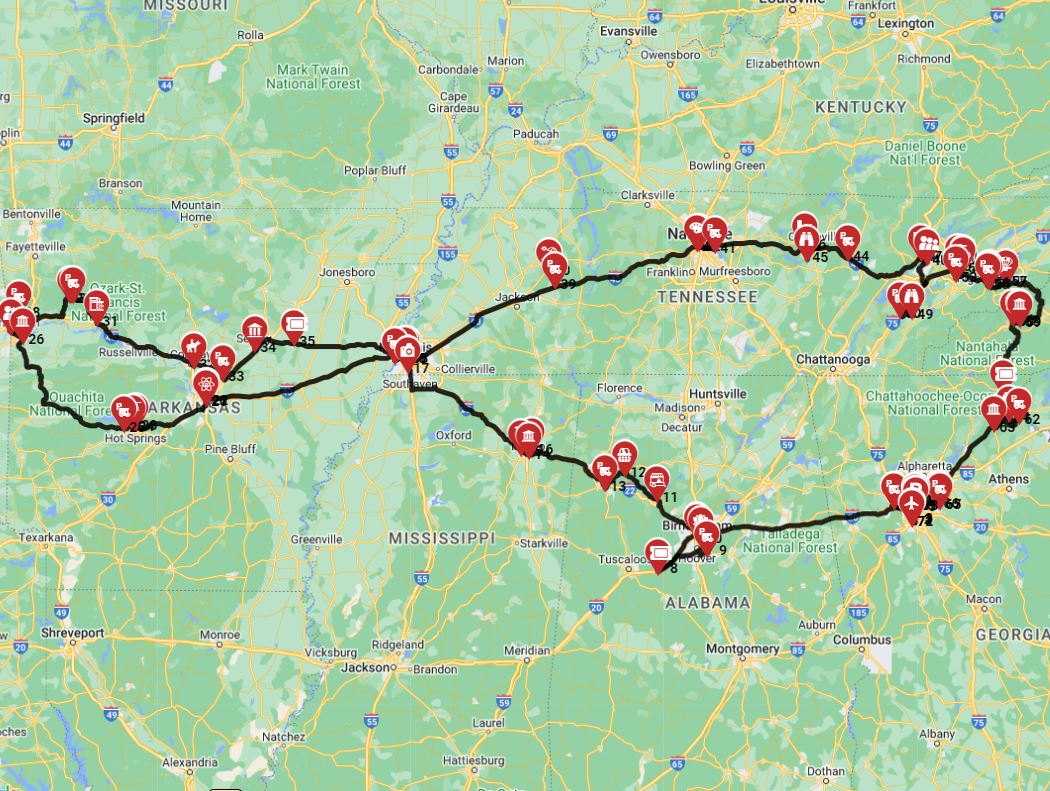
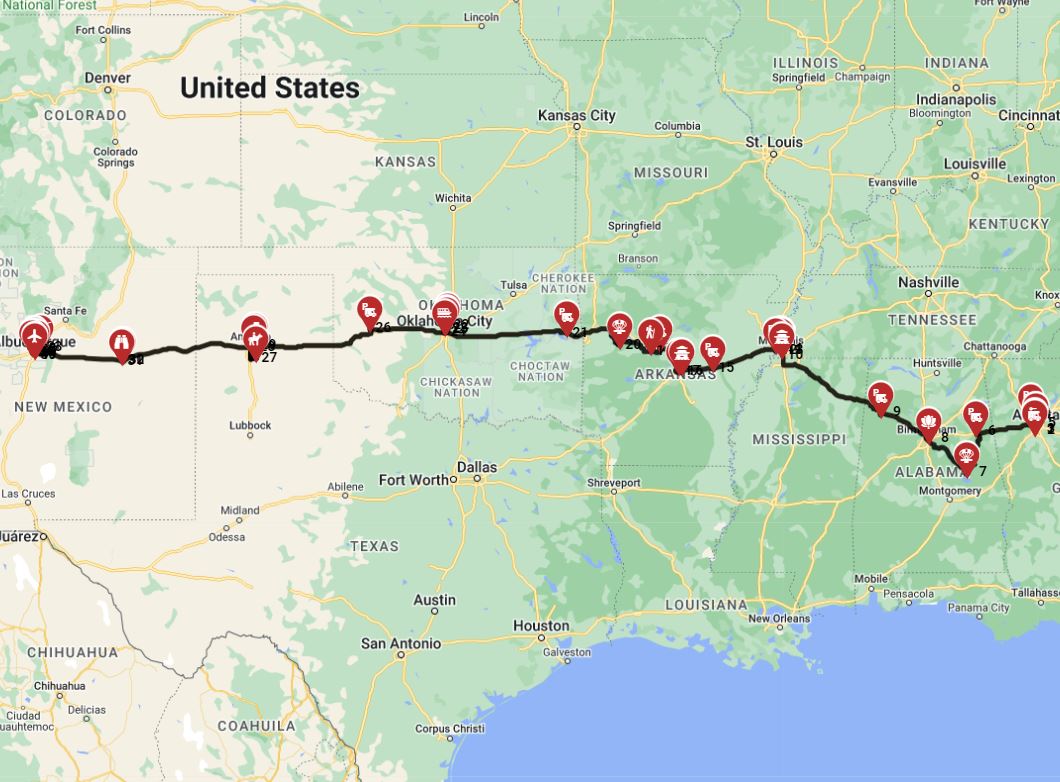
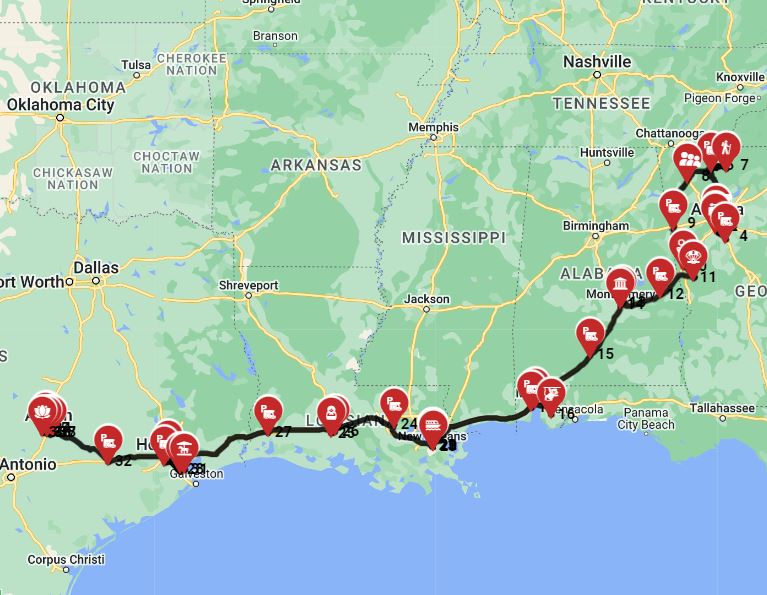
The Central South US offers diverse road conditions, ranging from well-maintained interstate highways to scenic, sometimes less-traveled state routes and country roads, which are generally suitable for RV travel in winter. Terrain varies significantly from the flat plains of Arkansas and Louisiana to the rolling hills and moderate mountains of Tennessee, Alabama, and northern Mississippi, with specific challenges in winter including potential for ice or light snow, particularly at higher elevations or in northern areas. Major roads are typically plowed quickly after winter weather events, but rural roads might remain icy longer, requiring cautious driving and immediate awareness of local conditions. We always encourage slow, scenic driving, aiming for a maximum of 100-150 km per day on average, especially on backroads through national forests or along riverways, to fully appreciate the region's winter beauty and allow ample reaction time to unexpected road conditions.
RV Size Limits, Bridges & Restricted Zones
RV size limits in the Central South US generally follow federal guidelines, with single motorhome lengths typically capped around 40-45 feet, allowing ample room for even a Class A motorhome like the "MHLUX" with its 10.7m (37 ft) length. Low bridges and underpasses are common in older towns and rural areas; always pay keen attention to posted height restrictions, typically under 13 feet, 6 inches (4.1 meters), and plan your routes accordingly using an RV-specific GPS or a route planner like rvplan.net. Environmental zones are not widely implemented for RVs in the Central South US, unlike some European cities, meaning most motorhomes and campervans can access urban areas without specific emissions restrictions. Ferry limits, particularly on smaller river crossings in states like Louisiana or Mississippi, may restrict larger RVs due to weight or length capacity, so verify ferry details in advance if planning such routes. Remember, a Bandana rental provides full transparency, so you'll always know the exact dimensions of your chosen vehicle.
Fuel: Diesel vs. Petrol & Cost per 100 km
In the Central South US, both diesel and petrol (gasoline) are widely available, though diesel pumps are less common at small, independent stations and more frequently found at truck stops or larger gas stations. Many Bandana rental RVs, such as Class SI Semi-integrated and Class C Alcove models, typically run on diesel, with average fuel consumption for a Class SI around 10-11 Liters/100 km and a Class C around 10-12 Liters/100 km, depending on the specific model like the "cruise america rv rental example Explorer" with its 11 Liter/100 km consumption. Class B Camper Vans often use petrol, averaging 8-10 Liters/100 km, while Class A Integrated models vary but average 8-12 Liters/100 km. To estimate cost per 100 km, multiply the average fuel consumption (e.g., 10 L/100 km) by the current local fuel price (e.g., $1.00/Liter = $10 per 100 km), keeping in mind regional price variations across states like Arkansas, Mississippi, and Tennessee. For budgeting your entire trip, including fuel and campground fees, remember that RV PLANET routes allow travelers to itemize and track every expense along the way. On the routes offered through RV PLANET routes, you can itemize and track every expense along the way for easy budgeting.
Tolls, Vignettes & Border Rules
The Central South US primarily uses electronic tolls on specific highways and bridges, particularly in states adjacent to the region like Florida, and occasionally in major metropolitan areas, rather than a vignette system common in Europe. Toll roads are less prevalent in states like Arkansas, Mississippi, and Alabama compared to others, but they do exist, so planning your route to either avoid or utilize them efficiently is advisable. As specific regional data for Central South US toll rules can vary by state and local authority, travelers should always research their specific routes for potential tolls in advance. There are no international border rules or crossings within the Central South US region (Alabama, Arkansas, Louisiana, Mississippi, Oklahoma, Tennessee) relevant to standard RV travel. Many of our partners offer options to pre-purchase toll passes or use transponders (e.g., E-ZPass compatible) to avoid fines and streamline travel through tolling stations, ensuring a smooth journey with no hidden fees.
Driving Tips for Winter RV Rental Travelers
Planning your route with weather in mind is crucial: Monitor forecasts for potential ice or snow, particularly when traversing the Ozarks or Appalachians, and always have alternative routes ready for a winter RV rental trip in Central South US. Allow for extra stopping time by maintaining greater following distances, as winter road conditions can reduce traction, even on dry pavement due to colder tires. Packing for cold weather is essential: While Central South US winters are milder than northern states, temperatures can still drop below freezing, requiring warm clothing, layers, and emergency supplies. We highly recommend slow travel, averaging max 100-150 km per day, to truly feel the place and enjoy frequent scenic stops every 2-3 hours at state parks or historical sites – the Central South offers numerous cultural and natural attractions that are less crowded in winter. Check tire pressure regularly, as cold weather can reduce tire pressure, impacting fuel efficiency and safety; ensure tires are properly inflated for the load and temperature for a stress-free experience. When planning your route, be sure to consult our "RV Travel Guide to Central South US - Tips and Top Spots 2026" for more localized advice.
Recommended RV Class for Central South US Roads
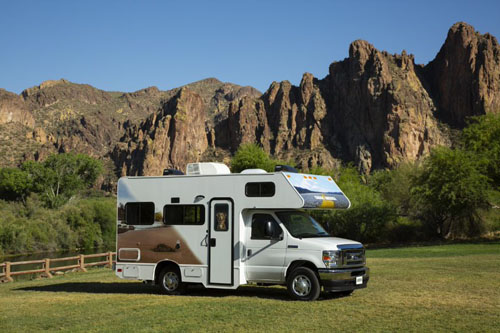
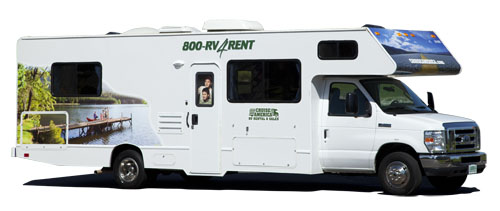
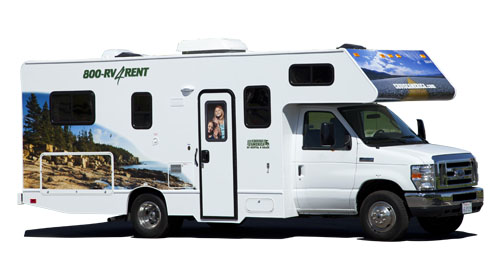
For a winter RV rental in the Central South US, Class C Alcove and Class SI Semi-integrated RVs are highly recommended due to their excellent balance of comfort, maneuverability, and typical amenities suited for cooler weather. Class C Alcove models, averaging 7.5 meters (24.6 feet) in length with 5-8 sleeping places, offer ample interior space for families and sufficient storage for winter gear, handling major highways and state roads comfortably. For example, a "24' Class C Motorhome" with sleeping places for 5 and 166 liters of fresh water is a great option. Class SI Semi-integrated RVs, with an average length of 6.9 meters (22.6 feet) and 3-5 sleeping places, provide a more compact option while retaining significant living comfort, making them nimble for navigating smaller towns and scenic routes. Both classes, based on Bandana's global fleet averages, typically have sufficient ground clearance for well-maintained roads in the region, including gravel campgrounds, and often feature robust heating systems crucial for winter travel.
Should I Choose a Compact Van Instead of a Large RV in Central South US?
While a compact van (Class B Camper Van) offers superior maneuverability and fuel efficiency, a larger RV (like a Class C or SI) often provides more comfort and indoor space, which can be a significant advantage for a winter RV rental in the Central South US where more time might be spent inside due to cooler temperatures. For navigating tight historic centers or very narrow mountain passes, a Class B Camper Van, with an average length of 5.8m (19 feet), is undeniably easier. However, such extreme conditions are less common on primary RV routes in the Central South US. The region's generally wide roads and ample parking at attractions mean that larger RVs, like a Class C Alcove with an average 7.5m (24.6 feet) length, are typically not problematic for driving or parking. The trade-off often leans towards the enhanced living space, larger tanks (water, waste), and more robust heating systems of a larger RV, which contribute significantly to comfort during a winter trip. Consider a compact van, such as the "Active Pop Top" if your primary goal is stealth camping or if you plan extensive urban exploration in cities like New Orleans or Nashville where parking can be tighter; otherwise, a larger motorhome offers a better winter living experience.
Can I Park Anywhere? Free & Wild Camping Rules in Central South US
Free and wild camping (boondocking) in the Central South US is generally permitted on designated public lands, primarily National Forests and Bureau of Land Management (BLM) lands, which exist in states like Arkansas and Mississippi. Always check local regulations before parking overnight, as rules vary significantly by state, county, and specific land management agency within the Central South US. Walmart stores often allow overnight RV parking, but this is at the discretion of individual store managers, so it's crucial to ask inside before settling in for the night. Avoid parking overnight in undesignated areas such as residential streets, private property without permission, or rest stops (which often have time limits) to prevent fines or conflicts. As specific regional data for Central South US free camping rules is not provided, always consult a current source like the iOverlander app or local forest service websites for up-to-date information; rules vary by region, so always check local regulations and follow local law before parking overnight. Remember, finding the right spot is part of the adventure, and RV PLANET (rvplan.net) is a great resource for locating available spots along your route.
Can I Drive an RV Into the City Center? Heights, Tunnels & Local Signage
Yes, you can drive almost any rented RV into city centers across the Central South US without issues, but it requires careful attention to local signage, especially regarding height limits, tunnels, and low bridges. Most RVs, even larger Class C or Class A models, can generally navigate main city streets, but historic districts or very narrow roads may present a challenge. Always verify your RV's height against posted limits on underpasses, particularly near railway overpasses or older infrastructure common in cities like Nashville, Memphis, or New Orleans. Environmental zones are not typically a concern for RVs in Central South US city centers, unlike some European cities. Drive slowly and carefully, and you can drive almost anywhere without issues. No need to stress - just use common sense and pay attention. Utilize RV-specific GPS navigation or apps like Google Maps' RV mode to help identify routes suitable for your vehicle's dimensions and avoid potential restrictions or residents-only streets; always prioritize local signage over GPS when in doubt.
What is the 3-3-3 rule for RV driving?
The '3-3-3 rule' for RV driving is a popular guideline recommending that RVers drive no more than 300 miles (approximately 480 km) a day, arrive at their destination by 3 PM, and stay for at least 3 nights. This rule is designed to promote a relaxed, enjoyable pace for RV travel, preventing driver fatigue and allowing ample time to set up camp, explore the area, and unwind without constant rushing. For a winter RV rental in the Central South US, adhering to the 3-3-3 rule is particularly beneficial as it allows for flexibility in case of unexpected weather changes and ensures you're not driving in potential low-light or icy conditions. Arriving by 3 PM is especially helpful in winter when daylight hours are shorter, providing enough time to set up camp before dark and ensuring better visibility for parking and maneuvering. Staying at least 3 nights offers a chance to experience local culture and attractions more deeply, whether it's exploring historical sites in Mississippi or enjoying the music scene in Tennessee, enhancing the overall winter RV experience. For customized routes that encourage this slow travel, check out the RV PLANET routes, offering 25% planning discounts.
How cold is too cold for an RV?
An RV can be considered 'too cold' when sustained temperatures drop below freezing (32°F or 0°C), risking frozen pipes, tanks, and potential damage to the plumbing system if the RV is not adequately winterized or heated. In the Central South US, winter temperatures can fluctuate significantly, with mild days followed by nights that regularly dip below freezing, making it crucial to monitor forecasts closely. For non-winterized RVs, any prolonged period below freezing is problematic; even a few hours can cause water lines to freeze and potentially burst, leading to costly repairs. Winterized RVs, which have had their water systems drained and replaced with non-toxic antifreeze, can withstand much colder temperatures, but living in them requires using bottled water and careful management of internal heat. When renting an RV for winter in the Central South US, always confirm with the rental company whether the vehicle is equipped with a 'four-season' package that includes heated tanks and insulated pipes to better withstand cold snaps, like a "2 Berth Hi Top" campervan with "Winter Ready" features. Keep climate and equipment advice general and positive, ensuring you're prepared without unnecessary worry.
What states have banned RVs?
No US state, including those in the Central South (Alabama, Arkansas, Louisiana, Mississippi, Oklahoma, Tennessee), has a blanket ban on RVs; however, specific local ordinances or highway restrictions can limit RV access. Restrictions are typically related to overnight parking bans in certain municipal areas, size limits on historic or very narrow roads, or weight limits on specific bridges. Some states or national parks may have restrictions on older RVs or those not meeting certain emission standards, though this is rare in the Central South US and usually pertains to specific environmental zones not common in this region. Always consult local signage and regulations when entering a new area, especially when planning to park overnight or drive through sensitive areas, to ensure compliance and avoid issues. While no state bans RVs outright, drivers must be aware that certain city centers or protected natural areas might have limitations on vehicle size or specific camping regulations. Bandana Caravan offers full transparency on vehicle details, so you'll always know your rented motorhome's specifications.
What size RV can you drive without a special license?
Most RVs, including Class A, B, and C motorhomes, can typically be driven in the Central South US with a standard Class D driver's license, provided their Gross Vehicle Weight Rating (GVWR) is below 26,001 pounds (11,793 kg). This 26,001-pound threshold is the common federal guideline for when a commercial driver's license (CDL) or special non-commercial license might be required, though specific state laws can vary slightly. Nearly all rental RVs, from compact Class B Camper Vans (averaging 5.8m in length) to larger Class C Alcoves (averaging 7.5m in length) and even many Class A Integrated models (averaging 7.5m in length), fall well within this standard license limit, like the "MHC24" with its 6-berth capacity and V-10 engine. It is always advisable to confirm the GVWR of your specific rental RV and check the driver's license requirements for your state of residence and any states you plan to visit, especially if the RV is unusually large or heavy. For a winter RV rental trip in the Central South, knowing that most common RV sizes won't require a special license simplifies the planning process, allowing you to focus on route and amenities rather than permits.
Where do RV snowbirds go in the winter?
RV snowbirds typically migrate to warmer climates during the winter months, with popular destinations including Florida, Arizona, Texas, and parts of Southern California, all offering mild weather and a plethora of RV resorts. Within the Central South US, RV snowbirds seeking milder winters without venturing too far south often choose coastal areas of Alabama and Mississippi, or the southernmost parts of Louisiana (like around New Orleans), which generally experience less severe cold. Destinations such as Gulf Shores, Alabama, or the Mississippi Gulf Coast provide access to beaches, fishing, and golf courses with moderate winter temperatures, making them attractive alternatives for snowbirds. Some also opt for regions of Central Texas (adjacent to the Central South) or the Ouachita Mountains in Arkansas for a change of scenery, though these areas can experience colder snaps than true southern coastal regions. Choosing a Central South US destination for winter allows snowbirds to enjoy unique regional cuisine, historical sites, and cultural experiences distinct from more traditional snowbird locales, often with fewer crowds. Our "RV Rental USA - Complete Guide 2026" provides a broader look at winter RV destinations across the country.
Can you drive a winterized RV?
Yes, you can absolutely drive a winterized RV; however, its living functionality will be limited as the water system is typically drained and filled with non-toxic antifreeze to prevent freezing. When driving a winterized RV for a winter rental in the Central South US, you will need to rely on bottled water for drinking, cooking, and handwashing, as the fresh water tank and plumbing lines are not in use. Flushing the toilet in a winterized RV usually involves pouring water (or a small amount of antifreeze) directly into the bowl before flushing to ensure waste goes into the black tank, which should also contain some antifreeze. The primary purpose of winterizing is to protect the RV's plumbing during cold storage, but it allows for safe transit through freezing conditions without risking burst pipes. If you plan to use a winterized RV for camping during winter, be prepared for a 'dry camping' experience or budget for frequent stays at full-hookup campgrounds to temporarily de-winterize or use their facilities. For inspiration on RV-friendly meals that work well with limited water, check out our RV-friendly recipes playlist. We're true RV specialists who genuinely know RV travel and love helping people discover it, ensuring you are prepared for every detail.
What is the 3-3-3 rule for RV living?
While predominantly known as a driving guideline, the '3-3-3 rule' for RV living is generally interpreted to mean staying at least 3 nights in one location, promoting a more settled and immersive experience. This 'living' aspect of the rule encourages RVers to slow down, fully explore their surroundings, and get a better feel for the local culture, rather than constantly moving from one stop to the next, which aligns perfectly with our slow travel philosophy. For a winter RV rental in the Central South US, embracing the 3-night minimum stay allows for deeper exploration of specific attractions like New Orleans' French Quarter or the Great Smoky Mountains National Park, even during cooler months when fewer people are around. Staying longer reduces the frequency of setting up and breaking down camp, which can be more challenging in cold weather, allowing for more time indoors enjoying the RV's amenities. This approach to RV living fosters community, allowing travelers to connect with other RVers or locals, which can significantly enhance the overall travel experience.
Can I sleep in RV while driving?
No, sleeping in a motorhome while it is being driven is only permissible in designated seating areas with seatbelts securely fastened, as required by law in the Central South US and across the nation. In a motorhome (Class A, B, or C), passengers may legally sleep or rest in designated seating areas while the vehicle is in motion, provided they are wearing seatbelts. The driver of any RV, whether a motorhome or a campervan, must never sleep while the vehicle is in motion, as this is a severe safety hazard and illegal. For any passenger sleeping in a motorhome, it is imperative they use available seatbelts and ensure any beds or sleeping areas are properly secured and do not obstruct emergency exits. Prioritize safety by pulling over at a designated rest stop or campground if anyone, especially the driver, needs to sleep, ensuring everyone is secured and stationary before resting. We handle the details, you live the journey, but safety on the road is always paramount.
What You Shouldn't Miss
- **Explore Nashville's Music Scene:** Visit the Country Music Hall of Fame and Museum and catch live music at the Grand Ole Opry. Winter offers fewer crowds and cozy evenings.
- **Wander Through New Orleans' French Quarter:** Experience the unique architecture, jazz music, and Creole cuisine. Enjoy a beignet at Café Du Monde, perhaps after finding an ideal parking spot for your campervan with the help of RV PLANET.
- **Hike in the Great Smoky Mountains National Park:** Discover stunning winter vistas (just outside the Central South US border but a popular regional extension) with accessible trails and wildlife viewing opportunities. Ensure your rental motorhome is prepared for potentially colder mountain conditions.
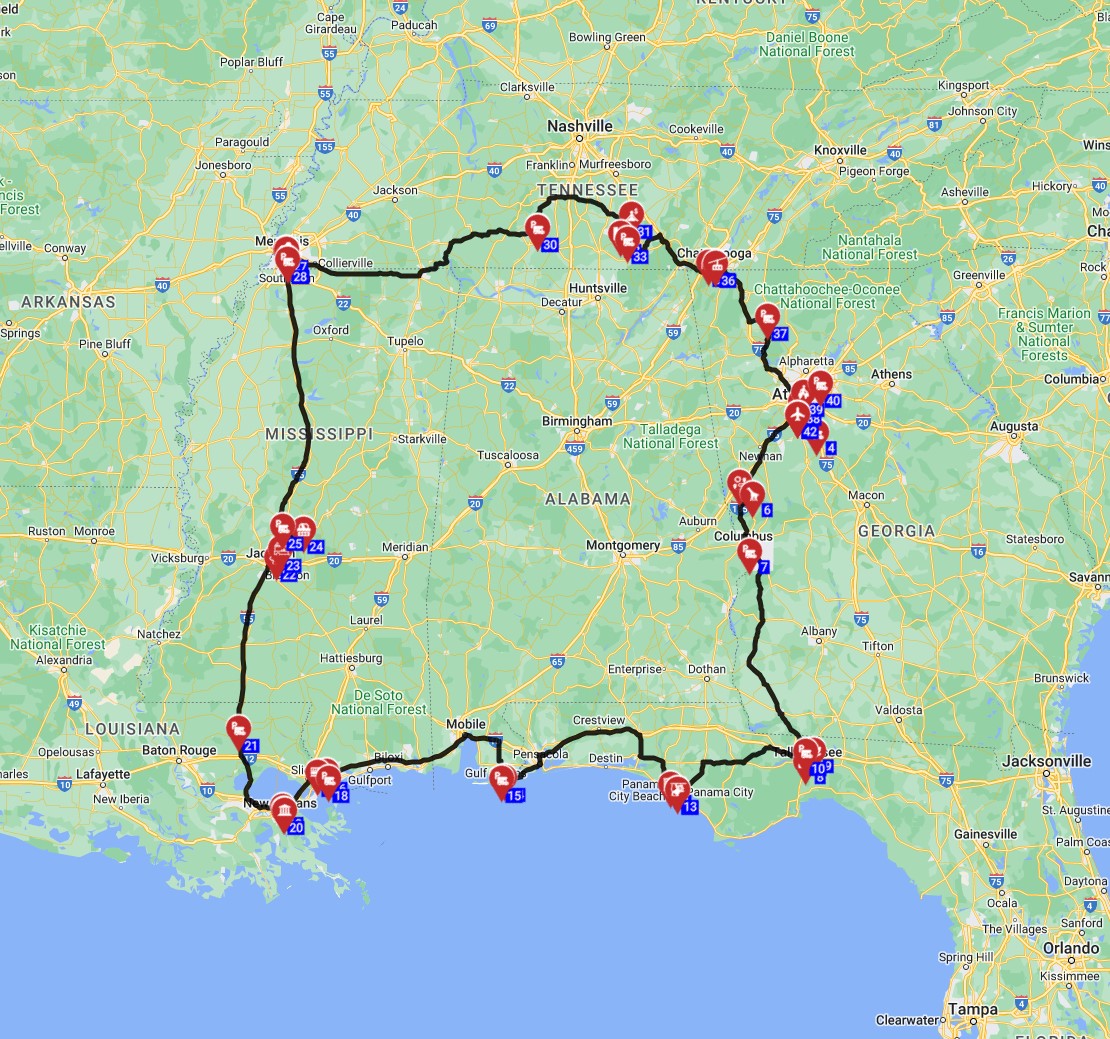
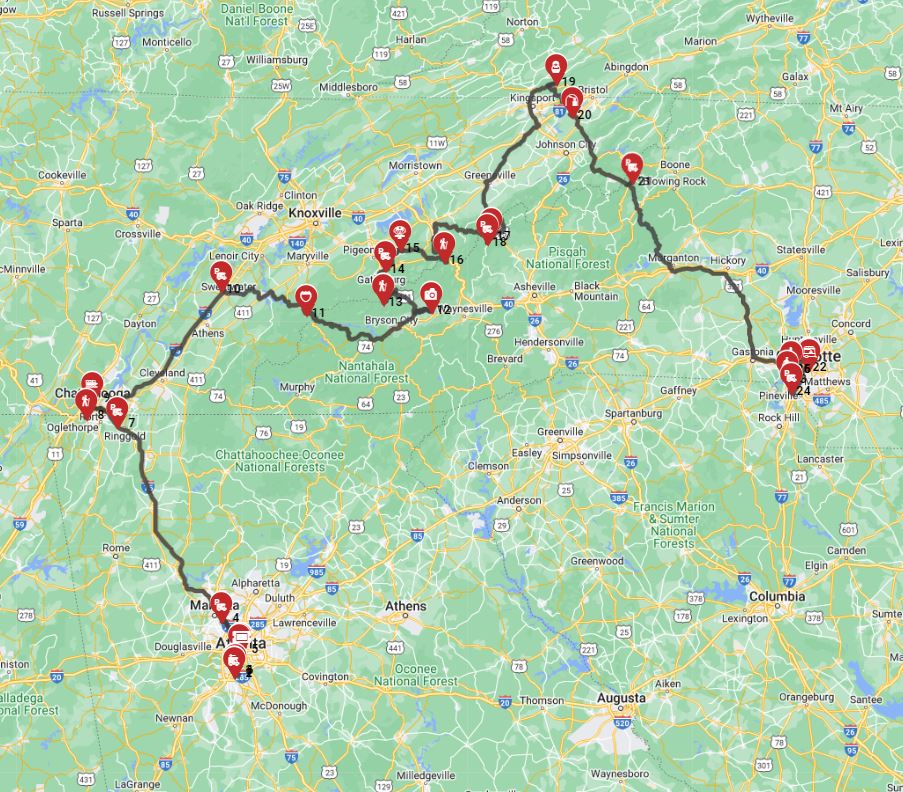
- **Drive the Natchez Trace Parkway:** Experience this historic 444-mile scenic route from Natchez, MS to Nashville, TN, offering a peaceful drive through nature and history, perfect for slow travel.
- **Visit the National Civil Rights Museum in Memphis, Tennessee:** Immerse yourself in important American history, followed by some authentic Memphis barbecue, easily prepared in your rented RV's kitchen.
- **Discover the Mystique of the Mississippi Delta:** Drive along US-61, the "Blues Highway," exploring the birthplace of American blues music, enjoying local juke joints and historical markers.
Looking for expert insights from Avi Bandana? Top 5 Adventures - recommendations from Avi Bandana
Final Thoughts
A winter RV rental in Central South US promises an enriching journey filled with cultural discoveries, natural beauty, and the freedom only a rented motorhome or campervan can provide. With mild temperatures in many areas and fewer tourists, it's an ideal time to explore at your own pace, savoring every moment. Remember our advice: drive slowly, embrace flexibility, and utilize resources like RV PLANET (rvplan.net) to plan your perfect route.
At Bandana RV, we’re passionate about helping you craft these unforgettable experiences. Our commitment to full transparency, expert guidance, and seamless booking means you can focus entirely on the adventure ahead. So, why wait? Imagine yourself unwinding in a cozy campervan after a day of exploring historical sites or enjoying a delicious meal with your family under the serene winter skies.
Discover top destinations, planning tips, all in one place! Plan a trip itinerary in advance with minimal effort and maximum enjoyment. Your Central South US winter RV adventure is calling!
Get inspired for your next trip! Check Central South US RV Rental Prices Now.