In This Guide
- Can You Drive an RV in Catalonia? License & Age Rules
- Road Conditions & Terrain in Catalonia
- RV Size Limits, Bridges & Restricted Zones
- Fuel: Diesel vs. Petrol & Cost per 100 km
- Tolls, Vignettes & Border Rules
- Driving Tips for winter RV rental Travelers
- Recommended RV Class for Catalonia Roads
- Should I Choose a Compact Van Instead of a Large RV in Catalonia?
- Can I Park Anywhere? Free & Wild Camping Rules in Catalonia
- Can I Drive an RV Into the City Center? Heights, Tunnels & Local Signage
Imagine crisp winter air, the scent of pine, and the freedom of the open road as you explore the stunning landscapes of Catalonia in a rented motorhome. Winter RV travel offers a unique perspective on this vibrant region, from snowy Pyrenean peaks to the serene Mediterranean coast. At Bandana, we're true RV specialists, with over two decades of experience since 2001, helping tens of thousands of travelers discover the world one motorhome adventure at a time. We provide full transparency with no hidden fees and 24/7 support to ensure your journey is as smooth and enjoyable as possible. For live availability and current prices, start with our RV Rental Catalonia - Complete Guide 2026 guide.
Can You Drive an RV in Catalonia? License & Age Rules
A standard B-category driving license is typically sufficient for driving most rented RVs up to 3,500 kg (3.5 tonnes) in Catalonia, which covers many campervans and smaller semi-integrated motorhomes. For larger motorhomes exceeding 3,500 kg, such as many integrated or alcove models (like the Class C 'Glamys 265' which can accommodate multiple families), a C1 license or equivalent may be required, depending on the vehicle's Maximum Authorized Mass (MAM). The minimum driving age for an RV rental in Catalonia is generally 21 years, with some suppliers requiring 2-3 years of driving experience, but Bandana has no young driver surcharges or vehicle class restrictions based on age. Foreign drivers from EU/EEA countries can use their national license, while others typically need an International Driving Permit (IDP) alongside their national license for legal compliance in Spain, though it's not always mandatory. Remember, our experienced team provides pre-booking comparison and booking support to help you navigate these details effortlessly.
Road Conditions & Terrain in Catalonia
Catalonia offers a diverse road network, from well-maintained motorways (autopistas) like the AP-7 connecting Barcelona to Girona, and national roads (carreteras nacionales) to narrower, winding regional and mountain routes. In winter, coastal roads are generally clear and accessible for your rented motorhome, but mountainous areas, especially in the Pyrenees and Pre-Pyrenees near Puigcerdà or La Molina, can experience snow and ice, often requiring caution, winter tires, or even snow chains (which many winter-ready rental RVs like the '2 Berth Hi Top' or '4x4 Camper B - TYR' might include or offer as an add-on). Drivers should anticipate varied terrain, including flat coastal plains, rolling hills around Penedès wine region, and steep mountain passes in the Pyrenees, encouraging a slow, scenic driving pace of max 100-150 km per day on average to fully appreciate the stunning landscape and connect to the culture and scenery. Navigating tight village roads and urban centers like those in the Gothic Quarter of Barcelona can be challenging for larger RVs due to narrowness and limited turning space, making a balance between vehicle size and planned routes essential.
RV Size Limits, Bridges & Restricted Zones
While there are no general overarching RV size limits for driving on Catalonia's main roads and autopistas, drivers of a rented campervan or motorhome must be vigilant for specific local restrictions. Pay close attention to height restrictions on bridges, tunnels (e.g., underpasses in Barcelona or the Túnel del Cadí in the Pyrenees), and in underground parking garages, especially in historic city centers; typical height limits for RVs can range from 2.8m to 3.2m, though specific signs must always be observed. Many Catalan cities, including central Barcelona and other urban areas, have established Zona de Bajas Emisiones (ZBE) or Low Emission Zones, which may restrict access for certain vehicles based on their environmental sticker (DGT label); check if your older rented RV qualifies before entering. Drivers of larger RVs, such as the 7.6-meter 'rv rentals utah example Sunrise Escape', should plan routes carefully to avoid narrow village streets and areas with limited maneuvering space, using GPS systems that allow for RV dimensions. Remember, you can drive almost anywhere without issues just by driving slowly and carefully, using common sense and paying attention.
Fuel: Diesel vs. Petrol & Cost per 100 km
Most rented RVs in Catalonia, including Bandana's fleet, primarily run on diesel fuel, which is widely available at service stations across the region, including major brands like Repsol, Cepsa, and BP along the highways and in towns. Based on Bandana's local fleet data, common fuel consumption for a rented RV ranges from 6-11 Liters/100 km for Class B Camper Vans (like the '2 Berth Hi Top'), 8-12 Liters/100 km for Class SI (Semi-integrated) and Class A models, and 11-13 Liters/100 km for Class C Alcove RVs (such as the '24' Class C Motorhome'). Fuel prices in Catalonia are generally comparable to other Western European countries, with diesel often slightly cheaper than petrol, though costs can fluctuate based on global markets and can be tracked on RV PLANET routes. To accurately estimate your budget, factor in an average cost per 100 km by multiplying your RV's estimated fuel consumption by the prevailing diesel price; some Bandana suppliers may offer fuel discount cards, so inquire during the booking process for your winter RV rental in Catalonia.
Tolls, Vignettes & Border Rules
Catalonia utilizes a toll road system (autopistas) for its major highways, meaning drivers pay directly at toll booths or via electronic systems; there is no vignette system like in some other European countries. Toll costs can add significantly to your travel budget, especially on longer journeys like the AP-7 from Barcelona towards Valencia or France; planning routes to balance speed (via tolls) with cost savings (via toll-free national roads like the N-II or C-31) is a smart strategy for a budget-conscious RV trip. For seamless travel, some Bandana RVs may offer the option to pre-purchase electronic toll passes or devices that automatically process payments, potentially avoiding fines for missed tolls. As part of the Schengen Area, crossing borders from Catalonia into neighboring France or Andorra involves no routine passport checks, but always ensure your vehicle and personal documentation, including an International Driving Permit (if applicable), are accessible and valid, especially for longer journeys covered by our "RV Rental Spain - Complete Guide 2026". On the routes offered through RV PLANET routes, you can itemize and track every expense along the way for easy budgeting.
Driving Tips for winter RV rental Travelers
Winter RV travel in Catalonia requires extra vigilance; always check local weather forecasts, especially for mountain passes in the Pyrenees near regions like Vall de Núria, and be prepared for potential snow or ice conditions, carrying snow chains if venturing into higher altitudes is part of your itinerary. Prioritize road safety by ensuring adequate stopping distances, particularly on wet or icy roads, and be mindful of reduced daylight hours, planning longer drives for earlier in the day. Embrace a slow travel mindset, allowing for frequent stops every 2-3 hours to stretch, refuel, and take in the diverse scenery, which is especially important for families or those on a relaxed schedule. This approach helps you deeply connect to the unique food, culture, and natural beauty of Catalonia. Respect local etiquette by driving courteously, being patient on narrow roads, and always adhering to posted speed limits and parking regulations to ensure a harmonious experience with local communities and environments. Budget-conscious travelers can often save on tolls by utilizing national (N-roads) and regional (C-roads) alternatives instead of the quicker autopistas, though these routes may take longer and pass through more charming towns.
Recommended RV Class for Catalonia Roads
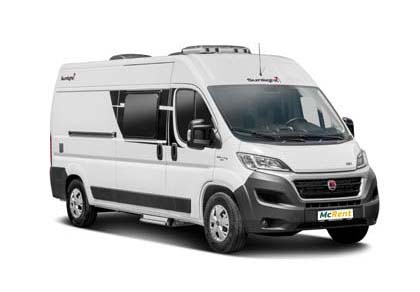
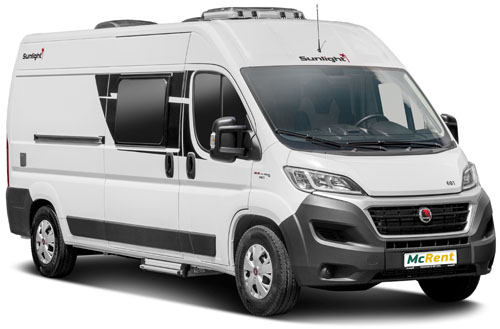
For navigating Catalonia's diverse roads while balancing comfort and maneuverability, a Class B - Camper Van or a Class SI - Semi-integrated RV are highly recommended for your winter adventure. Class B Camper Vans, with an average length of 6 meters (based on Bandana's local fleet, like the '2 Berth Hi Top'), offer excellent agility for narrower village streets in towns like Cadaqués and easier city parking in places like Girona, making them ideal for couples or small families seeking flexibility. A compact camper like the 'rv rental denver example Category Van' also fits this bill perfectly. Class SI Semi-integrated RVs, averaging 7.3 meters in length (like the '2 Berth Rover'), provide more spacious living and sleeping areas (often with 3.3 sleeping places) while remaining manageable on most national and regional roads. Both classes offer sufficient ground clearance for standard road conditions, and their dimensions generally allow for access to a wider range of campsites and parking spots compared to larger Class A or C models, enhancing overall travel ease. If you're comparing options, check out our "Weekly RV Rental in Catalonia - Pricing 2026" guide.
Should I Choose a Compact Van Instead of a Large RV in Catalonia?
While Catalonia's road network is generally accommodating for most RV sizes, choosing between a compact van and a larger rented RV primarily depends on your priorities for interior comfort versus ultimate maneuverability. A compact van, such as a Class B Camper Van like the 'V3' (6.36 meters long, 2.05 meters wide), genuinely offers an advantage in very tight historic centers like those in Tarragona, navigating extremely narrow mountain passes in the Pre-Pyrenees, and finding parking in busy urban areas of Barcelona. However, for most journeys across Catalonia, including main routes and access to larger towns, there is usually no significant issue driving even a larger Class SI or Class A RV, such as the 7.15-meter 'MIC' or the 'Class A - Thor ACE 30' (9.37 meters), which offer superior indoor space, amenities, and comfort. This is especially beneficial for winter travel, when more indoor space is appreciated for cooking warm meals or simply relaxing. The trade-off in maneuverability is often minimal on well-maintained main roads and easily mitigated by careful route planning, ensuring you don't need to stress about driving a larger vehicle. If you're looking for more space for your family, consider a larger RV with a refrigerator (like the 145-liter one in the 'MIC'), separate bathroom, and ample sleeping areas.
Can I Park Anywhere? Free & Wild Camping Rules in Catalonia
In Catalonia, wild camping (setting up camp with tables, chairs, awnings, or other external equipment outside designated areas) is generally prohibited to protect natural environments and private property, especially in coastal areas and national parks like Parc Nacional d'Aigüestortes i Estany de Sant Maurici. However, 'pernocta' – overnight parking in your rented RV without exhibiting camping behavior (i.e., staying self-contained within your vehicle) – is often tolerated in many municipal areas and specifically designated 'Áreas de Autocaravanas' (RV service areas). These areas, found in towns like Figueres or Lleida, often provide basic services for a small fee, or sometimes for free. To ensure compliance, always look for local signage for specific parking rules, especially in coastal towns such as Sitges, national parks, and popular tourist areas, which may have stricter regulations. Always prioritize official campsites or dedicated RV parking areas, like Camping Vilanova Park near Barcelona, which offer amenities and security, to ensure a hassle-free experience and respect for local laws and communities. Rules for overnight parking and camping vary by region, so always check local regulations and follow local law before parking your motorhome overnight.
Can I Drive an RV Into the City Center? Heights, Tunnels & Local Signage
Yes, you can almost always drive a rented RV into city centers in Catalonia, but careful attention to local signage is paramount due to specific restrictions. Drive slowly and carefully, and you can navigate almost anywhere without issues. Be highly vigilant for height limits on tunnels (e.g., under the Plaça de Catalunya in Barcelona), low bridges, and especially entrances to underground parking garages, which are almost always too low for RVs. Many larger cities, such such as Barcelona, have Low Emission Zones (ZBE), restricting access for vehicles that do not meet specific environmental standards, often indicated by DGT environmental stickers; check if your rented motorhome qualifies before entering these zones to avoid fines. Always heed local signage indicating 'residents only' streets, weight limits, and specific parking restrictions, as navigating and parking a large RV in historic city centers (like Barri Gòtic or El Born in Barcelona) can be challenging. Plan your parking in advance, perhaps utilizing dedicated RV parking at the outskirts of the city and using public transport to explore the core, as detailed in our "RV Travel Guide to Catalonia - Tips and Top Spots 2026".
What You Shouldn't Miss
- **Explore Barcelona's Architectural Wonders:** Park your RV at Camping Tres Estrellas in Gavà and take public transport into the city to marvel at Gaudí's Sagrada Familia and Park Güell, embracing the vibrant city life.
- **Skiing in the Pyrenees:** Head to ski resorts like Baqueira-Beret or La Molina for world-class winter sports, finding RV-friendly parking at nearby towns or designated areas.
- **Wine Tasting in Penedès:** Drive your campervan through the vineyards of the Penedès region, enjoying Cava tastings and local cuisine, perhaps even cooking up some local ingredients in your RV kitchen (check out our RV-friendly recipes playlist for inspiration!).
- **Discover Girona's Medieval Charm:** Park outside the old city walls and wander through the narrow streets, visit the cathedral, and walk along the Onyar River with its colorful houses.
- **Costa Brava Winter Serenity:** Experience the tranquil beauty of coastal towns like Cadaqués or Calella de Palafrugell in the off-season, enjoying seafood and peaceful beaches from your rented mobile home.
Looking for expert insights from Avi Bandana? Top 5 Adventures - recommendations from Avi Bandana
Final Thoughts
A winter RV rental in Catalonia offers a unique opportunity to experience this beautiful region without the summer crowds, blending the adventure of mountain exploration with the charm of coastal towns. By understanding local driving rules, parking nuances, and choosing the right vehicle class, you're set for an unforgettable journey. Remember to travel slowly, about 100-150 km per day, allowing yourself to truly feel the place, connect to the culture, the amazing food, and the breathtaking scenery that Catalonia offers.
Whether you're planning a week-long trip with your family to hit the slopes or an extended road trip exploring ancient Roman sites and serene beaches, Bandana is here to simplify your rental experience. We compare final prices across 50+ suppliers so you don't have to, ensuring you find the easiest, safest, and most affordable way to rent an RV. Get inspired for your next trip and plan your winter RV itinerary in Catalonia with minimal effort and maximum enjoyment!
Find Winter RV Rentals in Catalonia