For live availability and current prices, start with our RV Rental California - Complete Guide 2026 guide.
In This Guide
- Can You Drive an RV in California? License & Age Rules
- Road Conditions & Terrain in California
- RV Size Limits, Bridges & Restricted Zones
- Fuel: Diesel vs. Petrol & Cost per 100 km
- Tolls, Vignettes & Border Rules
- Driving Tips for RV Rental Travelers
- Recommended RV Class for California Roads
- Should I Choose a Compact Van Instead of a Large RV in California?
- Can I Park Anywhere? Free & Wild Camping Rules in California
- Can I Drive an RV Into the City Center? Heights, Tunnels & Local Signage
- What is the cheapest way to RV in California?
- How much does it cost to rent an RV for a week in California?
- What is the best month to RV in California?
- How do you find boondocking in California?
- What is the best RV to rent for California?
- What's the RV capital of California?
Can You Drive an RV in California? License & Age Rules
Most RVs under 26,000 lbs (approximately 11,793 kg) can be driven in California with a standard Class C driver's license. This applies to the vast majority of rental motorhomes and campervans available. You won't need a special license or additional permits to embark on your California adventure with a rented RV. A minimum driver age of 21 is typically required by rental companies for RVs, consistently across our fleet, with no young driver surcharges for any vehicle class. Foreign drivers can operate an RV in California with a valid driver's license from their home country for up to one year, and while not always mandatory, an International Driving Permit (IDP) is highly recommended for translation purposes to ensure smooth communication with authorities. For live availability and current prices, start with our RV Rental California - Complete Guide 2024 guide. RVs exceeding 26,000 lbs, specific combinations of vehicles, or those towing more than 10,000 lbs, may require a non-commercial Class B or Class A license, but these are rarely encountered in typical rental fleets. We focus on transparent, easy-to-understand rental terms, so you'll always know what you need before you book. Our team of True RV Specialists is here to support you before, during, and after your booking, clarifying any licensing questions you might have.Road Conditions & Terrain in California
California's roads generally range from excellent on major interstates to variable on rural routes, with diverse terrain including coastal highways, high desert plains, and steep Sierra Nevada mountain passes. RV drivers should expect well-maintained freeways for long stretches, but be prepared for winding roads, significant elevation changes, and potentially narrower lanes in mountainous or scenic areas. Driving a rented RV in California encourages slow, scenic travel, allowing drivers to appreciate the varied landscapes and navigate challenging sections safely. Embrace the journey; travel slowly, perhaps a maximum of 100-150 km per day on average, to truly connect with the culture, food, and scenery. Some challenging RV roads in California, especially in national parks or forests, feature steep grades and sharp turns, requiring careful route planning and attention. It’s all part of the adventure, and with common sense and careful driving, you can drive almost anywhere without issues.RV Size Limits, Bridges & Restricted Zones
Most RVs in California must adhere to a maximum length of 40 feet (approximately 12.2 meters) for single vehicles and 65 feet (19.8 meters) for vehicle combinations, though specific roads may have tighter restrictions. Drivers should always be vigilant for signage indicating low bridges, tunnels, and other height or weight restrictions, particularly on older routes or in urban centers. Our experience as True RV Specialists, founded in 2001, has shown that most common rental motorhomes fit within these parameters, ensuring a stress-free trip. Environmental zones in California primarily target emissions for commercial vehicles, but RVers should be aware of any 'no idling' ordinances or specific access rules in certain protected areas. Ferry limits, such as those to Catalina Island, will often have strict size, weight, and sometimes even propane tank restrictions for RVs, making advanced booking and inquiry essential. We encourage full transparency, so there are no hidden fees or surprises when it comes to understanding these rules.Fuel: Diesel vs. Petrol & Cost per 100 km
California offers widespread availability of both petrol (gasoline) and diesel fuels, with diesel typically found at larger truck stops and many standard gas stations across the state. Fuel costs for a rented RV in California vary significantly by vehicle type; for instance, our global fleet averages show Class B Camper Vans typically consume 8-10 Liters/100 km, while Class SI Semi-integrated RVs average 10-11 Liters/100 km. Larger Class C Alcove models generally use 10-12 Liters/100 km, and spacious Class A Integrated RVs consume around 8-12 Liters/100 km. Strategies like utilizing fuel discount cards, when available, can help mitigate California's generally higher fuel prices. For a comprehensive overview of all potential expenses and to help budget for your trip, remember that RV PLANET routes allow you to itemize and track every expense along the way for easy budgeting. This full transparency ensures no surprises during your journey.Tolls, Vignettes & Border Rules
California has several toll roads, bridges, and express lanes, particularly around major metropolitan areas like San Francisco and Los Angeles, but does not operate a statewide vignette system. Notable toll crossings include the Golden Gate Bridge, the Bay Bridge, and various express lanes on freeways; most operate as cashless systems (e.g., FasTrak). RV travelers should plan their routes to identify potential tolls and consider options like paying online, by mail, or through electronic toll transponders, some of which may be available for pre-purchase with your rental. When traveling to neighboring states like Nevada or Arizona, there are no specific border rules for RVs, but drivers should be mindful of state-specific driving laws and regulations. We pride ourselves on full transparency, ensuring you're aware of all potential costs and requirements before you hit the road. If you're considering a longer trip, our RV Rental USA - Complete Guide 2024 offers broader information.Driving Tips for Rv Rental Travelers
Careful route planning is paramount when exploring California with a rented motorhome, especially to account for vehicle size and avoid restricted roads. Utilize RV-specific navigation apps to identify suitable campgrounds and navigate mountain passes or urban areas efficiently. Maintaining safe speeds and distances is crucial, as RVs require longer braking distances; always keep extra space between your vehicle and others, particularly on California's busy highways and steep descents. Before long stretches, especially when heading into deserts or mountains, ensure tire pressure, oil, and coolant levels are optimal to prevent breakdowns, a practice that reflects our supportive approach to your travels. Consider practicing parking and maneuvering in an empty lot to familiarize yourself with your RV's dimensions, which is crucial for navigating California's diverse parking situations. Additionally, conserve resources like water and propane efficiently, especially when boondocking or traveling through remote areas, to support sustainable travel and comply with 'Leave No Trace' principles. This ensures you can fully enjoy your extended road trip without unnecessary stress.Recommended RV Class for California Roads
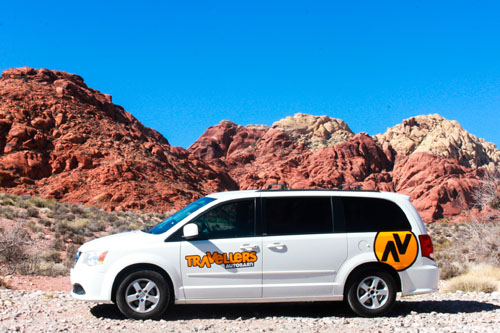
For diverse California roads, the Class SI - Semi-integrated or Class B - Camper Van are often highly recommended for their balance of comfort and maneuverability. A Class SI, averaging 6.9 meters in length with 3.8 sleeping places, offers ample living space for small families while still being manageable on winding coastal roads and national park access routes. For instance, a '2 Berth Rover' Class SI motorhome offers comfortable space with excellent drivability. Alternatively, a Class B Camper Van, with an average length of 5.8 meters and 3.2 sleeping places, excels in navigating tighter spaces, urban environments, and challenging mountain passes, making it ideal for those prioritizing agility and fuel efficiency. A 'Category Van' is a great choice for couples. While larger Class C Alcove (7.5m avg.) and Class A Integrated (7.5m avg.) RVs offer more amenities and sleeping capacity, their length and width are easily manageable if you drive slowly and carefully, allowing you to access almost anywhere without issues. Bandana RV offers a diverse fleet, partnering with 50+ leading RV suppliers worldwide, including El Monte and Cruise America, to ensure you find the perfect rented camper for your California adventure.Should I Choose a Compact Van Instead of a Large RV in California?
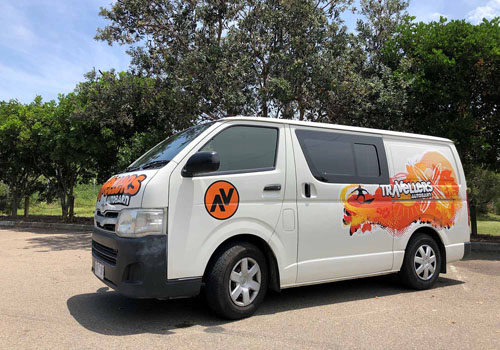
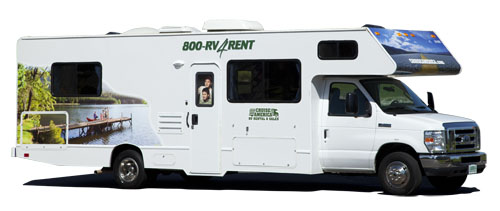
Choosing between a compact van and a larger RV in California depends on your travel style and comfort priorities, as you can drive almost any RV size without issues across the state's diverse landscapes. A compact campervan, such as a Class B model (e.g., 'Category Van' or 'Active Classic'), offers superior maneuverability, easier parking in cities and crowded attractions, and better fuel economy, making it ideal for urban exploration and very narrow mountain roads. These vans typically have front air conditioning and are ideal for a couple, offering a compact yet comfortable base for your journey. Conversely, larger RVs (Class C, Class SI, Class A) provide significantly more indoor space, amenities like full kitchens and bathrooms, and greater storage, enhancing comfort for longer trips or families. For example, a '29′ Class C Motorhome' (approximately 8.8m in length) offers generous space, a generator, and slide-outs for extended comfort. While a compact van genuinely helps in tight historic centers or on certain scenic byways with length restrictions, the added comfort and living space of a larger rented motorhome often outweigh minor maneuverability challenges for many California destinations, especially when you drive slowly and carefully.Can I Park Anywhere? Free & Wild Camping Rules in California
In California, free and wild camping (boondocking or dispersed camping) is generally permitted on designated public lands managed by the Bureau of Land Management (BLM) and within National Forests, provided specific regulations are followed. State Parks, State Beaches, and most city or county parks in California typically prohibit overnight RV parking or camping outside of designated campgrounds, often with strict enforcement. When boondocking, it's crucial to practice 'Leave No Trace' principles, including packing out all trash, properly disposing of human waste, and respecting wildlife and fragile ecosystems. Rules vary significantly by specific region and land management agency, so always check local regulations, fire restrictions, and any required permits before parking overnight, using resources like agency websites or ranger stations. RV PLANET (rvplan.net) is a great resource for locating available spots along your route, whether paid campgrounds or designated free areas. Our Rent&Plan service can also help you discover pre-planned routes that incorporate diverse camping experiences.Can I Drive an RV Into the City Center? Heights, Tunnels & Local Signage
Yes, you can almost always drive an RV into California city centers. Drive slowly and carefully, and you can navigate almost anywhere without issues. No need to stress - just use common sense and pay attention. Major cities like Los Angeles and San Francisco, while generally accessible, require vigilance for posted height limits for tunnels and underpasses, particularly with larger Class C or A RVs. For example, a 'C-30' Class C motorhome is approximately 9.1 meters in length and needs careful maneuvering. Be aware of local street signs indicating length restrictions, no-parking zones, or permits required for residential areas, which can be common in densely populated urban cores. While California does not have general environmental zones restricting RV access to cities, some areas may have specific rules regarding noise or generator use, so always check local ordinances. Our 24/7 support means real people are behind you every step of the way, even when clarifying rules for navigating different areas.What is the cheapest way to RV in California?
The cheapest way to RV in California typically involves choosing a smaller, more fuel-efficient RV like a Class B Camper Van, traveling during the off-season, and prioritizing boondocking or dispersed camping. Opting for a smaller RV, such as Bandana's Class B Camper Vans (averaging 5.8m in length with 8-10 Liters/100 km fuel consumption, like the 'Deuce' model), can significantly reduce rental costs and fuel expenses compared to a larger Class A or C. Boondocking on free public lands managed by the BLM or National Forests (where allowed) eliminates nightly campground fees, which can range from $20-$80+ per night. Further savings come from cooking your own meals onboard-check out our RV-friendly recipes playlist for inspiration, packing essentials from home, using free dump stations (often found at rest stops or certain gas stations), and pre-planning routes to avoid tolls and national park entrance fees where possible. Remember, prices are dynamic, like flight tickets, changing daily based on availability, seasonality, and supplier marketing decisions. For more pricing insights, consider our "RV Rental in California - Prices and Best Deals 2024" guide.How much does it cost to rent an RV for a week in California?
The cost to rent an RV for a week in California varies widely, typically ranging from $700 for a compact campervan to over $3,000 for a luxury Class A motorhome, depending on factors like RV class, season, and rental duration. A Class B Camper Van like a 'HiTop Campervan' might cost $100-$250 per night, while a Class C Alcove (e.g., '24 Class C Motorhome', 7.46m long, 5 sleeping places) or Class SI Semi-integrated could range from $150-$400 per night, and a Class A Integrated ('Class A - Thor ACE 30') $200-$600+ per night. Additional expenses include fuel (with Bandana's fleet averaging 8-12 Liters/100 km for most RV types), optional insurance upgrades to a top-level deductible for extra peace of mind, campground fees ($20-$80+ per night), propane, dump station fees, and potential national/state park entrance fees. Booking during the off-season (fall, winter, early spring outside of holidays) and longer rental periods often result in lower daily rates, and comprehensive budgeting should account for all these variable costs. Rent&Plan through rvplan.net offers pre-planned itineraries that allow for easy expense tracking.What is the best month to RV in California?
The best month to RV in California depends heavily on your desired region and activities, as the state boasts diverse climate zones from coastal to desert to mountains. For coastal regions and Northern California, late spring (April-May) and early fall (September-October) offer pleasant temperatures, fewer crowds than peak summer, and often clear skies, making it ideal for scenic drives like Highway 1. Desert areas like Death Valley or Joshua Tree are best visited in the cooler months of late fall (October-November) or early spring (March-April) to avoid extreme summer heat, with wildflowers often peaking in spring, providing a stunning backdrop for your rented RV. Mountain destinations such as the Sierra Nevada (Yosemite, Mammoth) are ideal in late spring to early fall (June-September) for hiking and scenic drives, while winter months are perfect for snow sports, requiring specific RV preparations for cold weather and tire chains. No need to worry about booking months in advance; many national and state parks reserve 25-30% of spots for first-come-first-serve visitors. You'll find a spot; if not at the first campground, then the next. Just call ahead before driving!How do you find boondocking in California?
Finding boondocking in California involves utilizing specific resources and understanding public land regulations, primarily focusing on Bureau of Land Management (BLM) and National Forest lands. Key resources include dedicated RV apps like iOverlander, Campendium, and FreeCampsites.net, which provide user-submitted reviews, GPS coordinates, and information on amenities and cell service for free camping spots. Consult official BLM and National Forest websites or visit local ranger stations for current regulations, road conditions, fire restrictions, and maps detailing dispersed camping areas. Always adhere to 'Leave No Trace' principles by camping on durable surfaces, packing out all trash, properly managing human waste, and being aware of local wildlife for a safe and sustainable experience. This approach ensures your rented RV trip through California is both economical and environmentally responsible. Our goal is to make RV travel accessible and joyful for everyone.What is the best RV to rent for California?
The best RV to rent for California depends on your group size, comfort preferences, and the specific areas you plan to explore, with Class B Camper Vans and Class SI Semi-integrated RVs often offering a good balance. For solo travelers or couples prioritizing maneuverability and access to tighter spots (e.g., city centers, narrow mountain roads), a compact Class B Camper Van (avg. 5.8m length), like the 'DVC' or 'V2L' models, is ideal. Families or groups seeking more space and amenities for longer trips might prefer a Class SI Semi-integrated RV (avg. 6.9m length for 3-4 people), like the '2 Berth Rover', or a Class C Alcove (avg. 7.5m length for 4-5 people) such as the '24 Class C Motorhome', which offer a comfortable balance of living space and drivability. These types provide excellent flexibility for diverse California itineraries. Larger Class A Integrated RVs ('MHLUX', 10.7m length, 7 sleeping places) provide the most luxurious experience with extensive amenities but are best suited for those comfortable with driving a larger vehicle on major highways and staying at developed campgrounds. As true RV specialists, we offer transparent comparison across 50+ suppliers to help you find the ideal camper for your dream trip.What's the RV capital of California?
While California doesn't have an officially designated 'RV capital' in the way some states do, the Coachella Valley in Southern California, particularly areas around Palm Springs and Indio, is a major hub for RV lifestyle and culture. This vibrant region attracts a significant number of snowbirds and RV enthusiasts, especially during the winter months, offering numerous RV resorts, outdoor activities, and community events. Other notable areas for RV culture and access in California include the Central Coast and regions surrounding the Sierra Nevada foothills, due to their proximity to national parks and recreational opportunities. These regions offer a high concentration of RV parks, services, and a welcoming atmosphere for RV travelers seeking adventure with their rented motorhome. Our extensive database, with bookings available in 30+ currencies, ensures you can find the perfect rental RV in these popular California locations and beyond.What You Shouldn't Miss
- **The Pacific Coast Highway (Highway 1):** Experience one of the world's most iconic scenic routes with your rented RV, stretching for over 1,000 km along California's stunning coastline.
- **Yosemite National Park:** Drive your camper through valleys carved by glaciers and stand in awe of towering granite cliffs like El Capitan and Half Dome. Plan to explore its hiking areas.
- **Big Sur:** Navigate the winding roads of this dramatic coastal stretch, stopping at overlooks to witness crashing waves and redwood forests.
- **
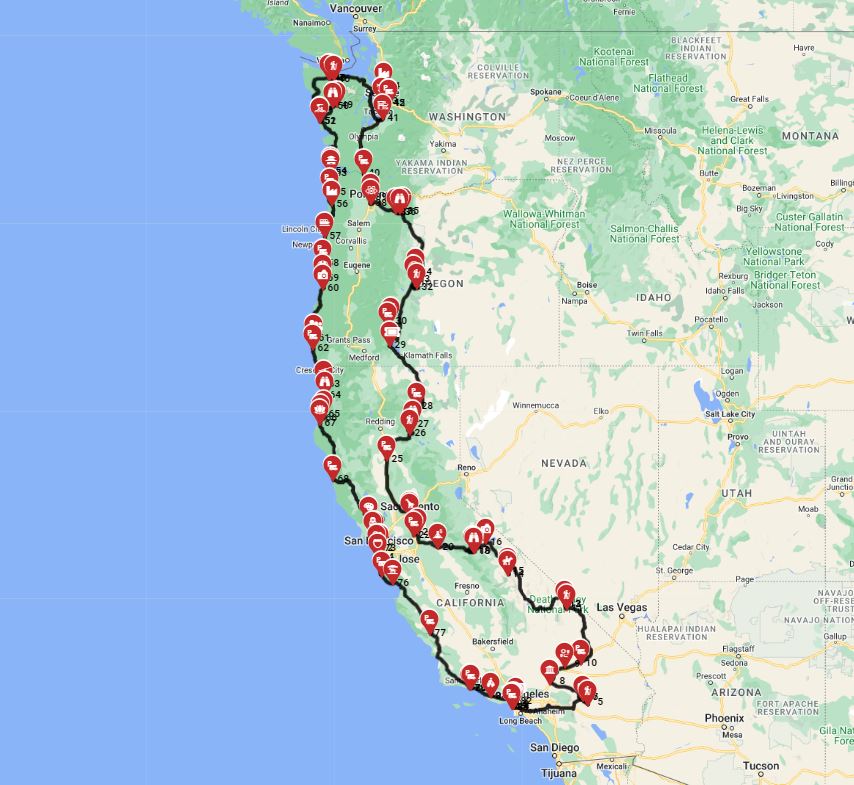
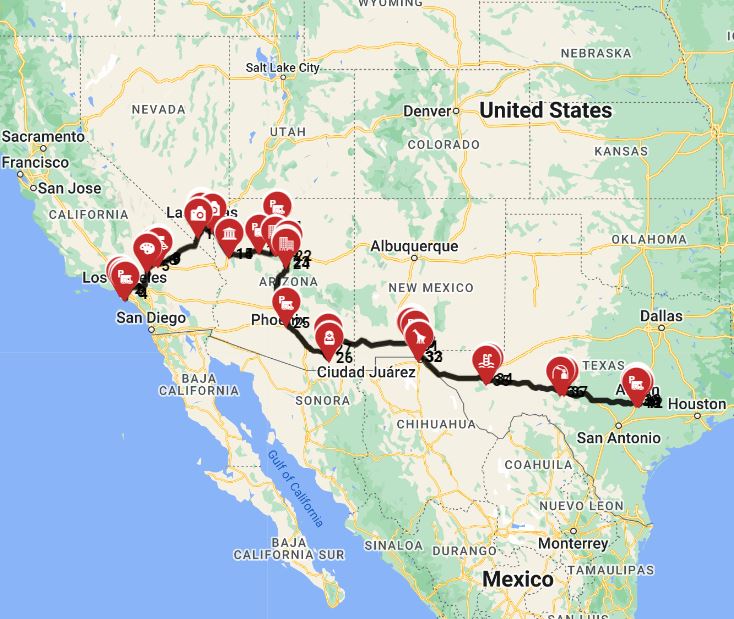
:** Embark on an epic 18-day, 3370 km journey from San Diego to Seattle, exploring a variety of attractions including 6 hiking areas and 2 museums.
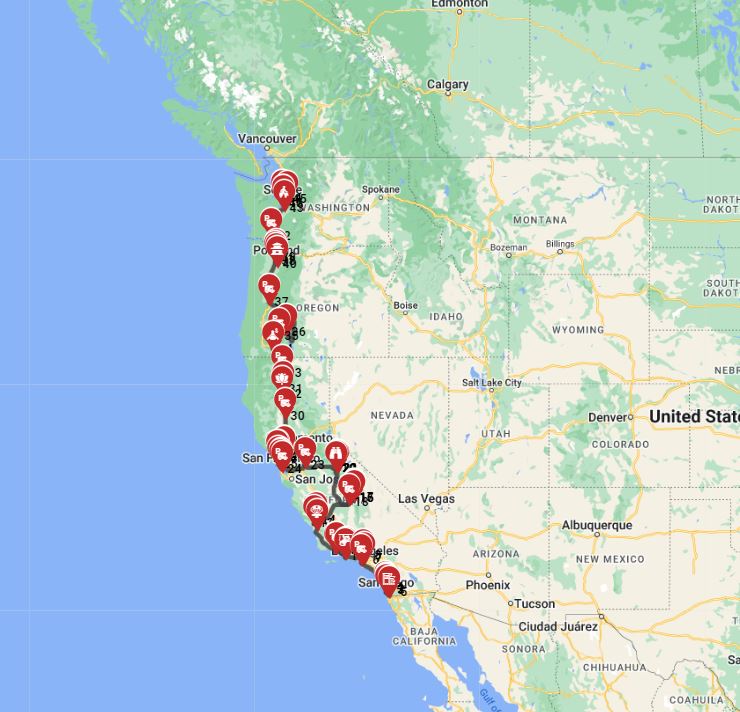 San diego to Seattle - California to the Pacific Northwest
 - **Joshua Tree National Park:** Discover the unique desert landscape where the Mojave and Colorado deserts meet, famous for its distinctive trees, rock climbing, and dark night skies for stargazing. This park offers numerous hiking areas.
- **
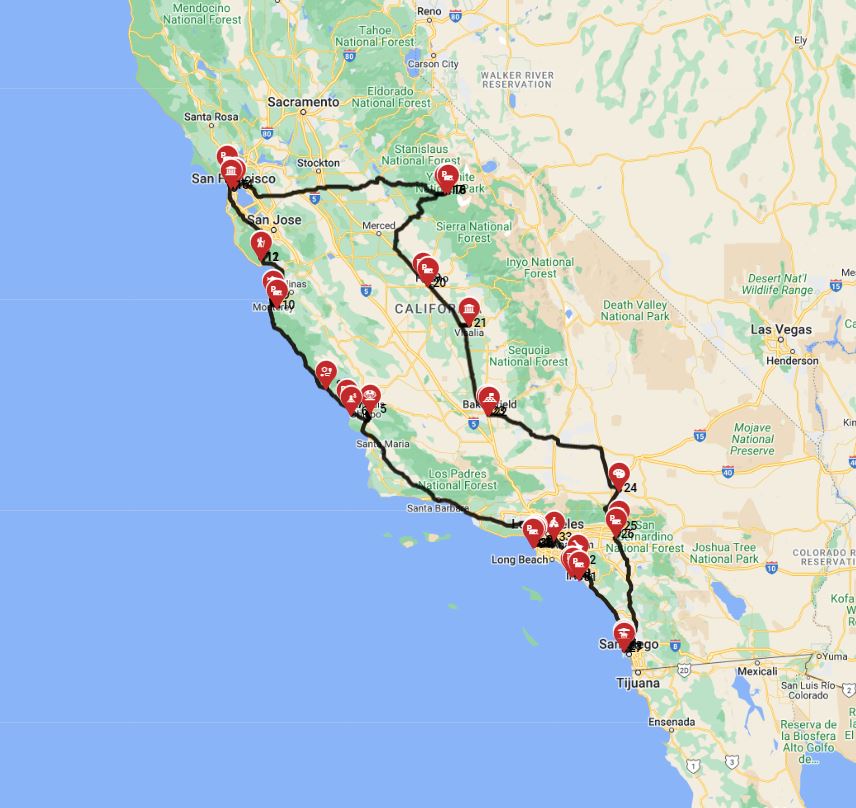
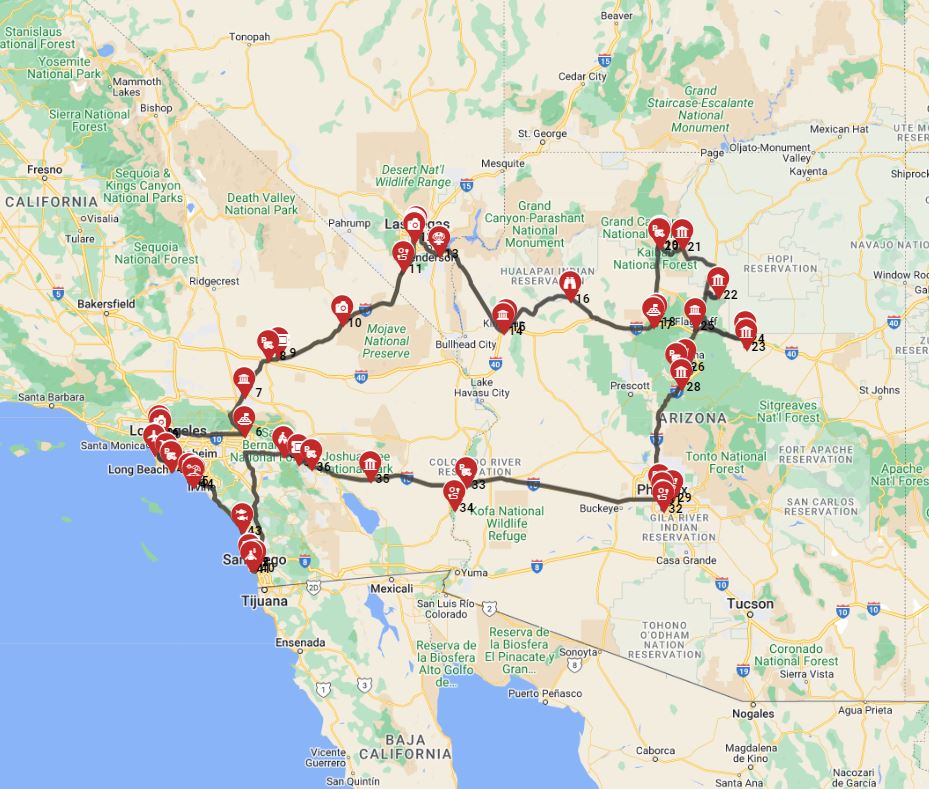
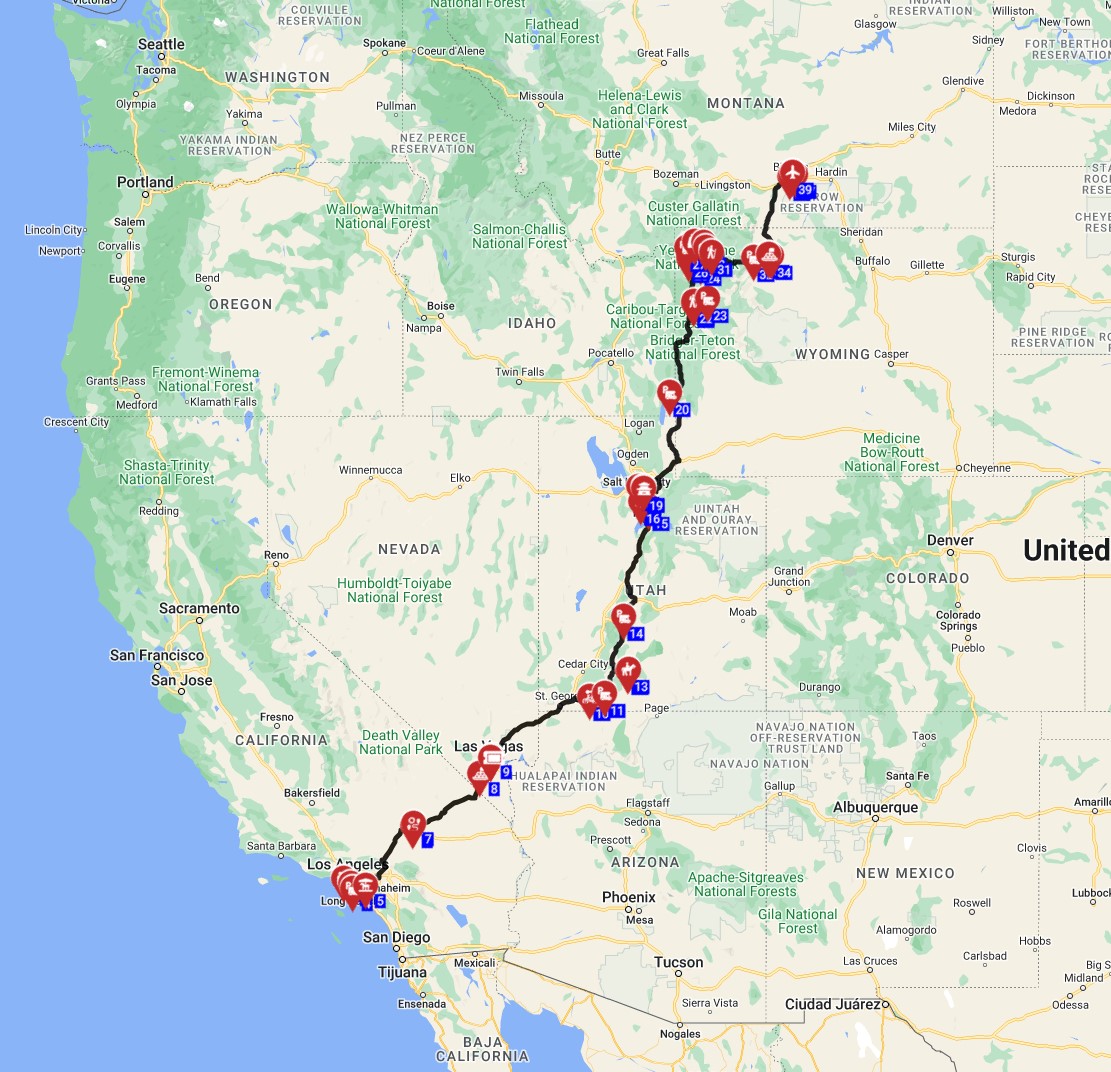
- The Best of the Southwest by Motorhome: From California’s Coast to Arizona’s Canyons:** Take a 25-day, 4463.4 km roundtrip from San Francisco, encompassing 4 scenic routes, 8 hiking areas, and 2 extreme activities.
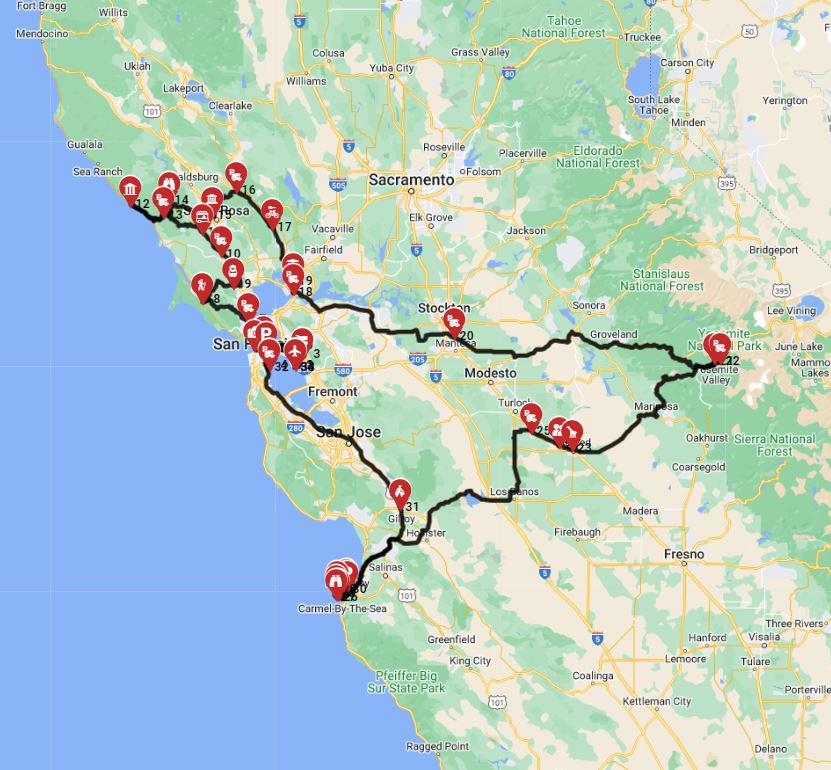 San Francisco Roundtrip
 - **Lake Tahoe:** Enjoy stunning alpine scenery, with opportunities for boating, hiking, and skiing depending on the season.
- **
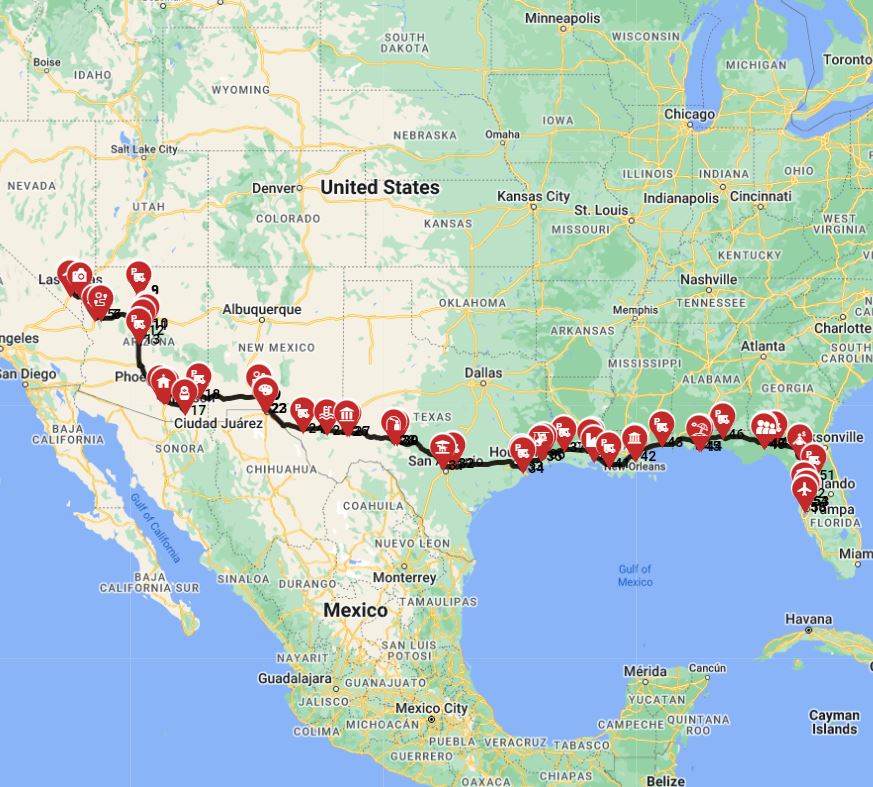
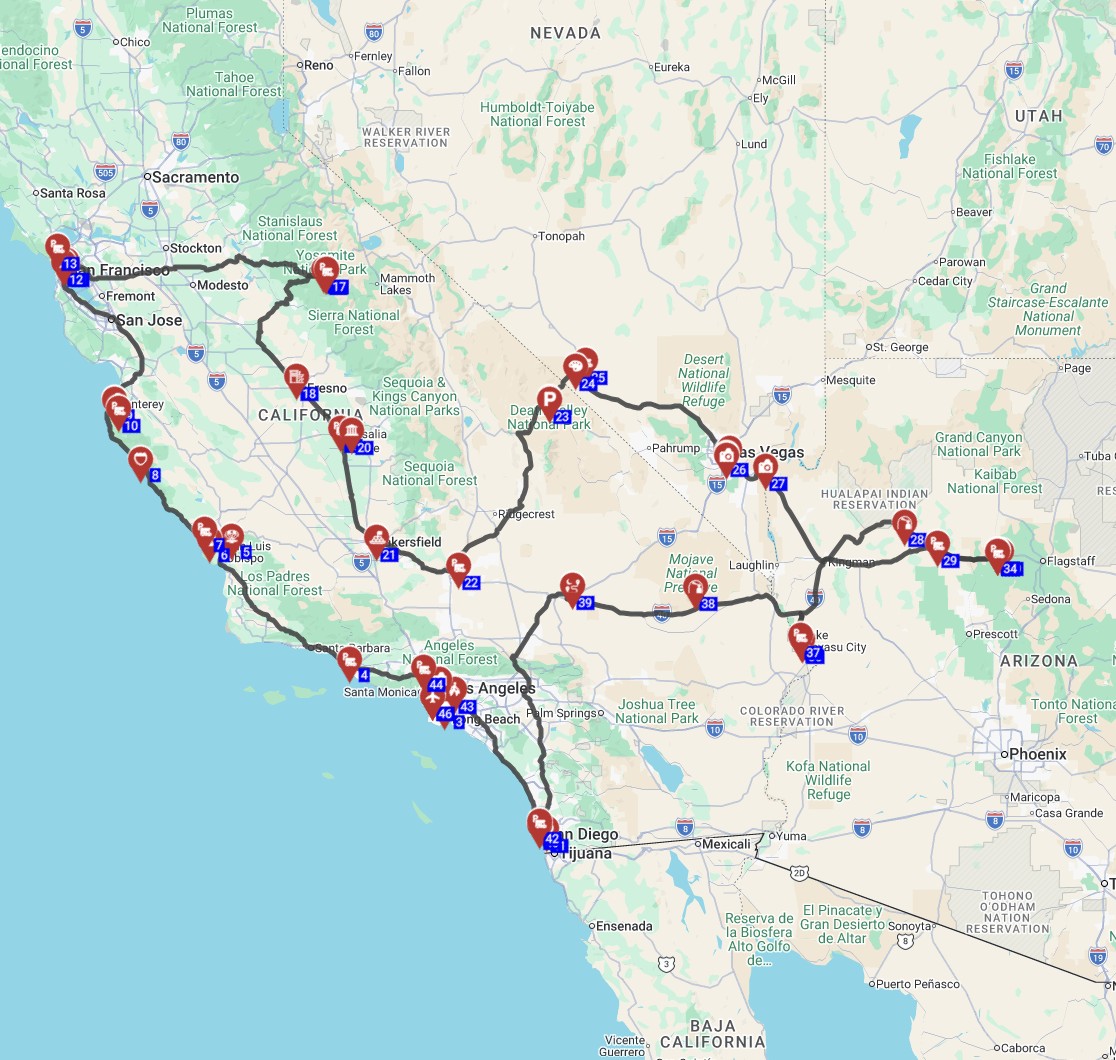
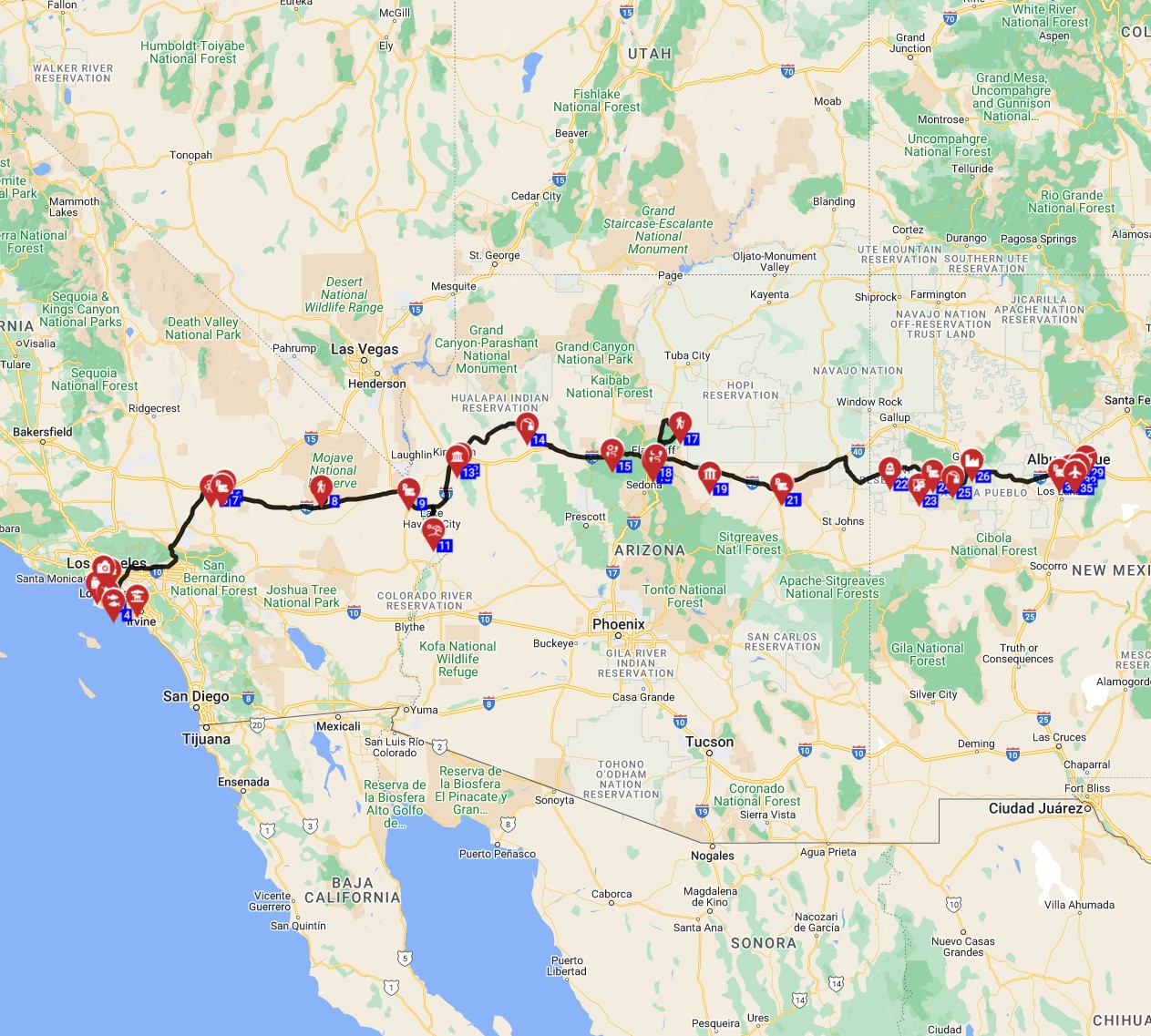
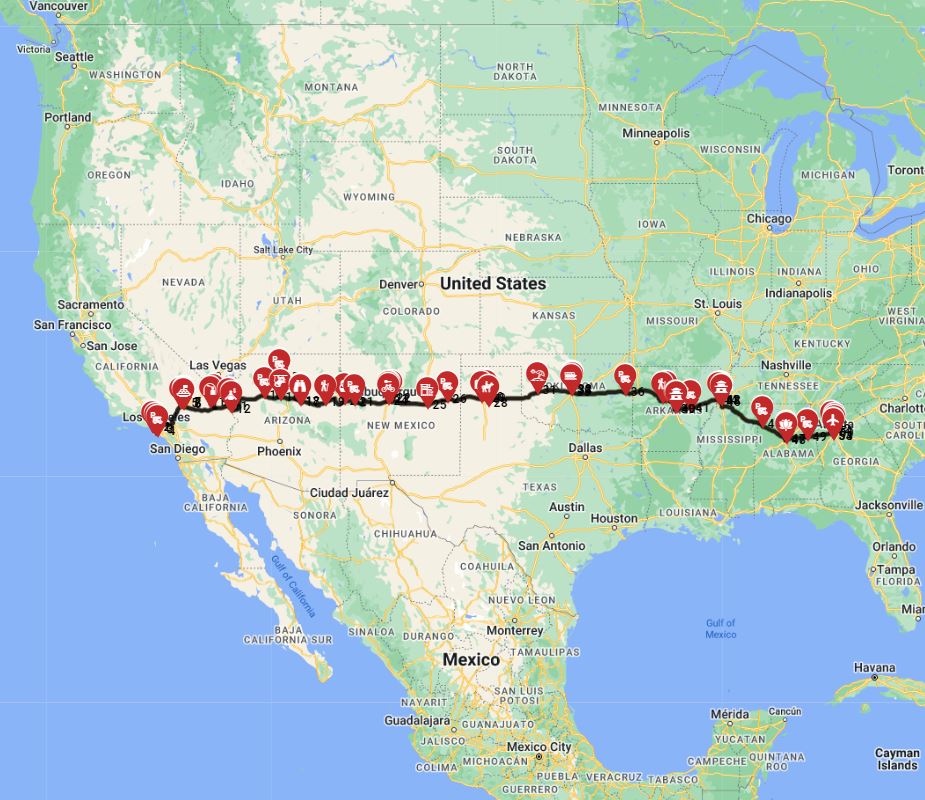
:** Consider an extensive 27-day, 5690.1 km cross-country journey from Charlotte to San Francisco, featuring 9 hiking areas, 6 museums, and 5 natural features.Charlotte to San Francisco - Southern Roots and California Shores
🎬 Video coming soon
Final Thoughts
Exploring California by rented RV is an experience unlike any other, offering unparalleled freedom to discover diverse landscapes, from sun-drenched beaches to majestic mountain peaks and bustling city centers. With a little planning and an adventurous spirit, you'll find that the Golden State welcomes motorhome travelers with open arms and endless possibilities. Remember to embrace slow travel, savor every moment, and let the road unfold before you.We handle the details, you live the journey. From clarifying licensing rules to helping you compare prices across 50+ suppliers for a "Luxury RV Rental in California - Premium Prices 2024", Bandana Caravan is with you every step of the way. Our commitment to full transparency and personalized support ensures your RV rental experience in California is seamless and truly unforgettable.
Ready to chart your course and create lasting memories? Discover top destinations, planning tips, all in one place! Compare Motorhome Prices for California today and embark on the adventure of a lifetime.
On the routes offered through RV PLANET routes, you can itemize and track every expense along the way for easy budgeting.