In This Guide
- Can You Drive an RV in Alice Springs? License & Age Rules
- Road Conditions & Terrain in Alice Springs
- RV Size Limits, Bridges & Restricted Zones
- Fuel: Diesel vs. Petrol & Cost per 100 km
- Tolls, Vignettes & Border Rules
- Driving Tips for winter rv rental Travelers
- Recommended RV Class for Alice Springs Roads
- Should I Choose a Compact Van Instead of a Large RV in Alice Springs?
- Can I Park Anywhere? Free & Wild Camping Rules in Alice Springs
- Can I Drive an RV Into the City Center? Heights, Tunnels & Local Signage
- At what temperature does an RV need to be winterized?
- Do you need a 4WD to get to Alice Springs?
- Can you drive an RV in the winter?
- Do I need a special license to drive an RV in BC?
- Can I sleep in RV while driving?
- How much does RV insurance cost a year?
- Does RV insurance cover snow damage?
- Is it illegal to not have RV insurance?
Can You Drive an RV in Alice Springs? License & Age Rules
Most standard RVs under 4,500 kg Gross Vehicle Mass (GVM) can be driven in Alice Springs with a regular Class C Australian driver's license. International visitors typically need a valid driver's license from their home country, and an International Driving Permit (IDP) translated into English is highly recommended for clarity, though not always mandatory in Australia. For live availability and current prices, start with our RV Rental Alice Springs - Complete Guide 2026 guide. The minimum driver age for RV rentals in Alice Springs is generally 21, with no young driver surcharges and no vehicle class restrictions based on age, ensuring accessibility for various travelers. However, for rented RVs exceeding 4,500 kg GVM, a Light Rigid (LR) or higher class license is legally required in Australia, so always confirm the GVM of your chosen motorhome before booking.Road Conditions & Terrain in Alice Springs
Major arterial routes leading to Alice Springs, such as the iconic Stuart Highway, are consistently well-maintained, fully sealed, and suitable for all types of rental RVs. Around Alice Springs, sealed roads connect to popular attractions like Simpsons Gap and Standley Chasm in the West MacDonnell Ranges, but many scenic routes, national park access roads, and remote tracks are unsealed gravel, dirt, or corrugated. Driving on unsealed roads necessitates slower speeds, increased braking distances, and constant vigilance for dust, loose gravel, and native wildlife, particularly kangaroos and emus, which are common hazards in the Outback. Winter conditions in Alice Springs (June-August) typically mean dry roads, minimal rainfall, and pleasant daytime temperatures, making driving generally favorable, though dust can still significantly impact visibility on unsealed surfaces.RV Size Limits, Bridges & Restricted Zones
Alice Springs itself presents no notable height or weight restrictions, low bridges, or environmental zones that would typically impede standard RV travel within the town. The town's infrastructure is generally welcoming to motorhomes and campervans of various sizes, including larger Class C and Class A units. However, travelers planning to venture into national parks or remote access roads around Alice Springs must be aware that some areas may have specific length or weight restrictions, or even require designated 4WD vehicles due to challenging terrain. Always check local signage carefully when entering national parks or conservation areas, such as those in the Tjoritja / West MacDonnell National Park, to avoid unexpected restrictions. Ferry limits are not a concern when traveling to or from Alice Springs by rented RV, as there are no car ferries on the primary overland routes.Fuel: Diesel vs. Petrol & Cost per 100 km
Most rental RVs in Alice Springs, particularly larger models such as Class C Alcoves and Class SI Semi-integrated units, typically run on diesel fuel, which is readily available at service stations along major highways like the Stuart Highway. Smaller campervans (Class B) might use petrol, so always confirm your specific rented RV's fuel type before embarking on your journey from Alice Springs. Based on Bandana's local fleet data, Class B Camper Vans average 10-13 Liters/100 km, Class SI Semi-integrated RVs average 13 Liters/100 km, and Class C Alcoves average 14-18 Litres/100km. Fuel costs in Alice Springs and remote Outback areas can be significantly higher than in major cities, making thorough budget planning crucial; you can itemize and track every expense along the way for easy budgeting with RV PLANET routes.Tolls, Vignettes & Border Rules
The Northern Territory, including the Alice Springs region, does not have any toll roads or require vignettes for vehicle use, simplifying travel expenses within the territory. When traveling to Alice Springs from other Australian states, there are no physical border controls or special permits required for domestic vehicle travel between states. However, it is crucial to be aware that strict quarantine regulations apply when crossing state borders into the Northern Territory (e.g., from Queensland, South Australia, or Western Australia), restricting certain fresh produce, plants, and other items to prevent the spread of pests and diseases. While some RV rentals may offer options for pre-purchasing toll passes in other regions, this is not a concern for your adventure within the Northern Territory.Driving Tips for winter rv rental Travelers
Managing fatigue is paramount when driving a rented RV in the vast expanses around Alice Springs, so plan regular stops every 2 hours to combat driver fatigue and stretch your legs, especially on long Outback stretches. Be extremely vigilant for native Australian wildlife, particularly kangaroos and emus, at dawn, dusk, and night, as collisions are common on Outback roads. Prepare for remoteness by carrying ample water, extra fuel, and having a reliable communication device, such as a satellite phone or UHF radio, for areas with limited mobile reception. Always be aware of road trains, which are multi-trailer trucks; give them plenty of space, allow for very long overtaking distances, and pull off the road if necessary for them to pass safely. On unsealed roads, reduce your speed significantly to minimize dust, maintain a safe distance from other vehicles, and be prepared for limited visibility. Remember to travel slowly, averaging a maximum of 100-150 km per day, allowing plenty of time to feel the place, connect to the unique culture, the local food, and the stunning scenery. For more local advice, check out "RV Travel Guide to Alice Springs - Tips and Top Spots 2026".Recommended RV Class for Alice Springs Roads
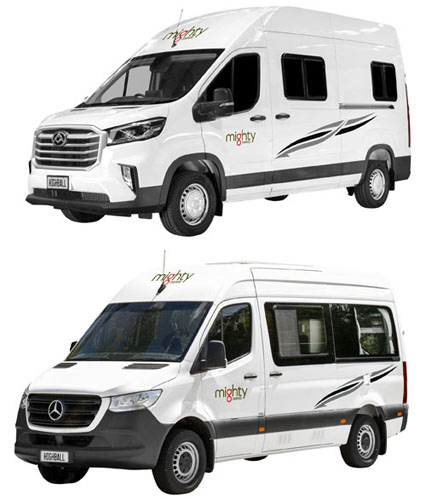
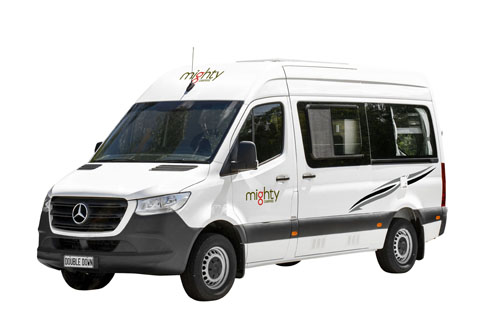
For RV travel in Alice Springs and when exploring the surrounding Outback, a Class B Camper Van or a Class TC Truck Camper are highly recommended due to their superior maneuverability and suitability for various road conditions. Class B Camper Vans, such as the '2 Berth Hi Top' or 'Active Original' (averaging 6.2 meters in length), offer an excellent balance of comfort and ease of driving on both sealed highways and more accessible unsealed roads. Class TC Truck Campers, like the 'Patagonia Camper 4x4 double cab' or '4x4 Jimny' (at an average length of 5.9 meters), are compact and often feature higher ground clearance, making them ideal for more adventurous routes while still providing comfortable amenities for two to three people. Larger Class C Alcove RVs (average 7.9m), such as the '24\' Class C Motorhome' or 'Euro Deluxe', and Class SI Semi-integrated RVs (average 6.9m), like the '2 Berth Rover' or 'Active Standard Auto', are also perfectly suitable for sealed major routes but might face greater limitations or be less comfortable on rougher tracks.Should I Choose a Compact Van Instead of a Large RV in Alice Springs?
For most travel within Alice Springs and on the main sealed routes of the Australian Outback, there is generally no issue driving almost any RV size, and factors like comfort and indoor space often matter more than extreme maneuverability. A compact van, such as a Class B Camper Van, can offer distinct advantages in terms of fuel efficiency and easier navigation on narrower, less-traveled unsealed tracks or for finding parking in smaller spaces within the Alice Springs town area. However, larger RVs (Class C or Class SI Semi-integrated) provide significantly more living space, enhanced amenities, and ample storage, which can be invaluable for longer extended road trips, families with kids, or those seeking a higher level of comfort in remote areas. The decision ultimately boils down to your personal travel style and priorities: a compact van for agile, budget-conscious exploration, or a larger motorhome for an extended comfort and facilities on your unforgettable Outback adventure.Can I Park Anywhere? Free & Wild Camping Rules in Alice Springs
No, you generally cannot park anywhere for overnight stays in a rented RV around Alice Springs, as "freedom camping" or "boondocking" in the Northern Territory is largely restricted to designated areas or private land with explicit permission. National Parks and reserves surrounding Alice Springs, including popular areas like the West MacDonnell Ranges, require visitors to stay in designated campgrounds, which often involve booking fees and specific rules. Illegal overnight parking on public land, town streets, or undesignated roadsides can result in substantial fines from local authorities or park rangers, which is why transparency and adhering to regulations are key. For water sourcing, rely on established campgrounds, roadhouses, or town facilities, and always ensure proper waste disposal at designated dump points to protect the fragile Outback environment. For finding campsites and campgrounds during your trip, we recommend using RV PLANET (rvplan.net) - a great resource for locating available spots along your route.Can I Drive an RV Into the City Center? Heights, Tunnels & Local Signage
Yes, you can almost always drive a rented RV into the city center of Alice Springs without encountering significant height restrictions, tunnels, or overly narrow streets. Alice Springs is generally an RV-friendly town, and its central area, including streets like Todd Mall and Leichhardt Terrace, is well-suited for navigation by standard motorhomes and campervans. Always pay close attention to local signage, particularly for any specific parking restrictions around popular landmarks or commercial zones, and be mindful of any marked height limits for specific multi-story car parks, although these are uncommon for general street access. There are no known low bridges, tunnels, or specific environmental zones within Alice Springs' main commercial or residential areas that would impede typical RV travel. Parking is generally available at various locations, including designated RV-friendly spots, but can be competitive during peak tourist season.At what temperature does an RV need to be winterized?
An RV typically needs to be fully winterized, involving draining all water systems and adding antifreeze, when temperatures are consistently at or below 0°C (32°F) to prevent water from freezing, expanding, and causing significant damage to pipes, pumps, and tanks. While Alice Springs winters (June-August) feature cold nights that can frequently dip below freezing, daytime temperatures are usually mild and sunny, with averages ranging from 10-20°C. This means full winterization is generally not required for temporary visits or rentals in Alice Springs, as the freezing conditions are usually short-lived and less severe than in truly arctic climates. Instead of comprehensive winterization, Alice Springs RV users might focus on practical measures like disconnecting external water hoses overnight and ensuring internal heating is used if temperatures are forecast to drop significantly, especially in a comfortable 'Winter Ready' motorhome like the '2 Berth Hi Top'.Do you need a 4WD to get to Alice Springs?
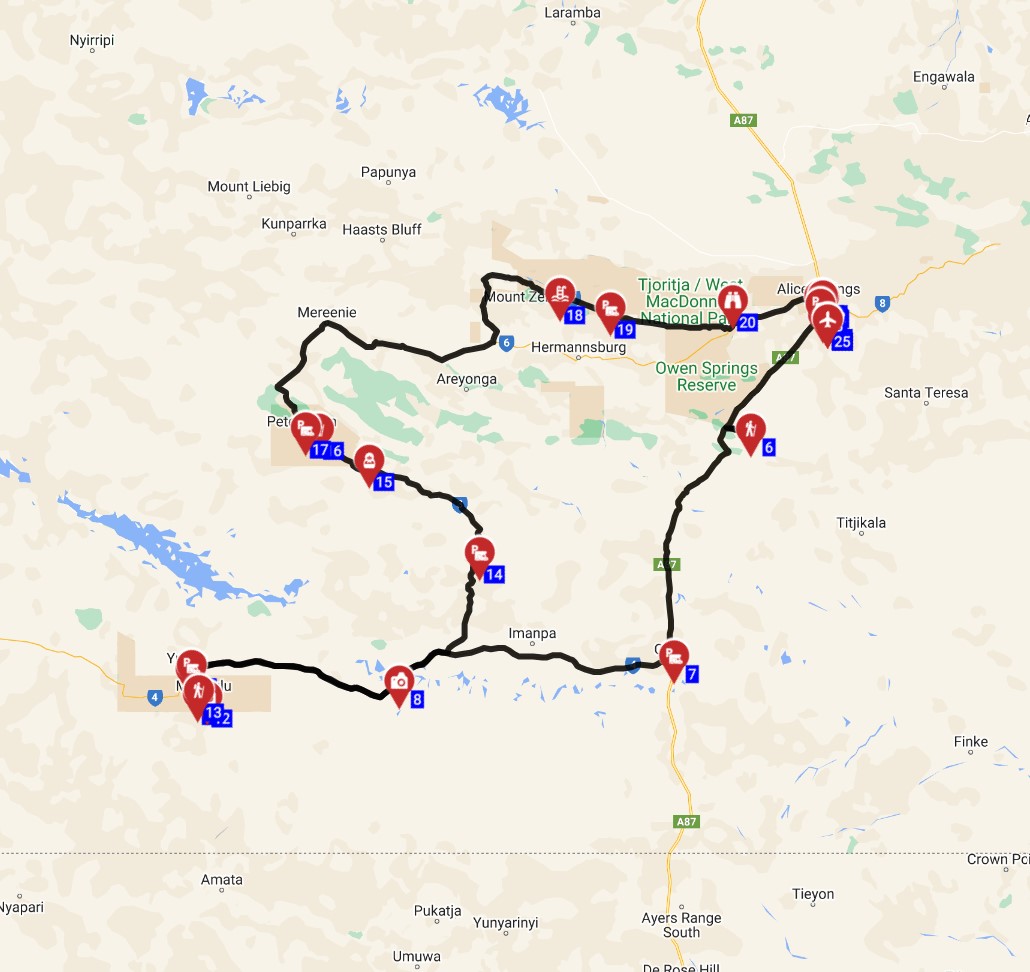
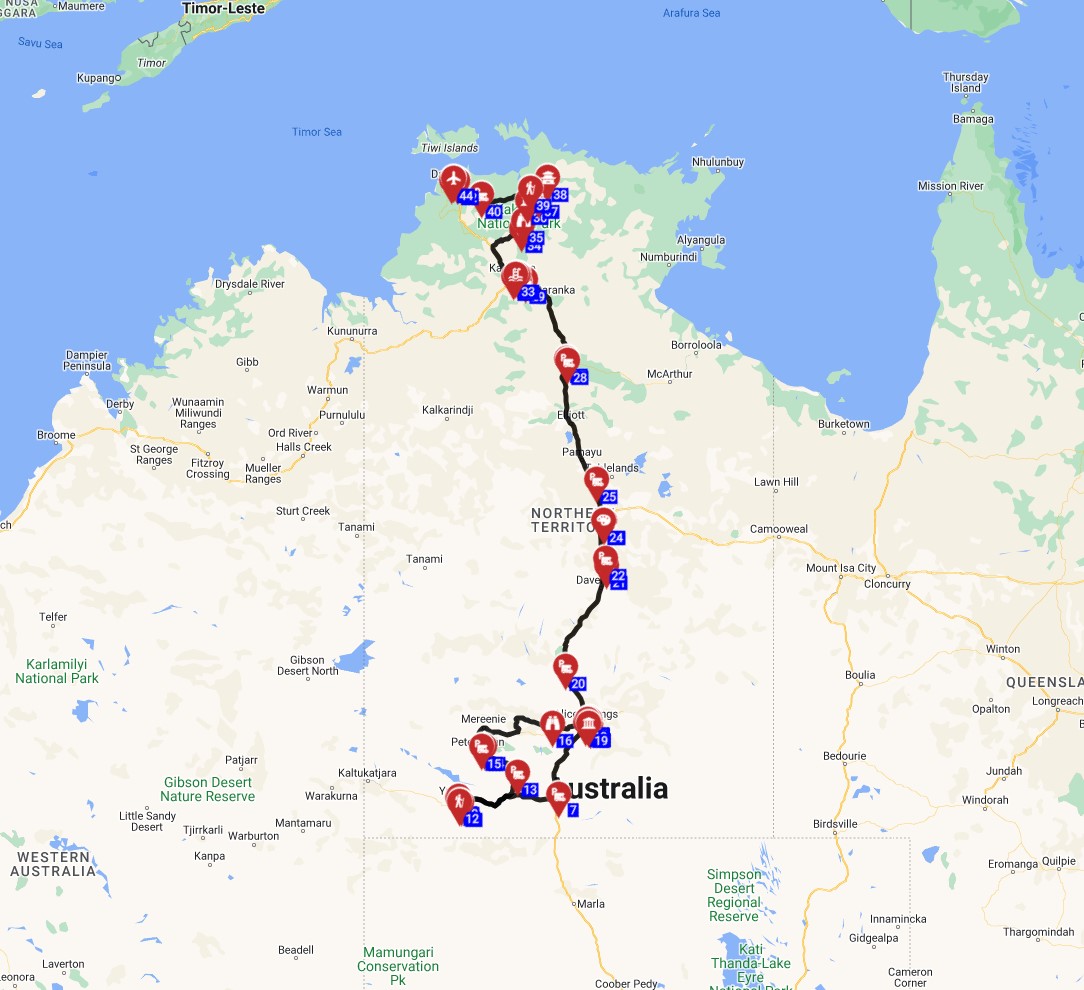
No, a 4WD vehicle is not strictly necessary to get to Alice Springs, as major routes like the Stuart Highway, connecting Alice Springs to Darwin and Adelaide, are fully sealed and accessible by 2WD vehicles, including standard RVs. The primary highways facilitating access to Alice Springs from other major Australian cities are well-maintained and suitable for all vehicle types, including large Class C and Class A motorhomes. A 4WD becomes essential only if you specifically plan to venture off these main sealed roads onto more challenging unsealed tracks, such as those leading to truly remote national park areas or iconic destinations like the Mereenie Loop. Many rental RV agreements strictly prohibit driving on unsealed roads unless the vehicle is specifically designed and approved for 4WD use, so always check your rental terms to ensure a worry-free journey.Can you drive an RV in the winter?
Yes, you can absolutely drive a rented RV in the winter, and in Alice Springs and the Australian Outback, winter (June to August) is often considered the optimal time for RV travel due to highly favorable weather conditions. Unlike northern hemisphere winters, Alice Springs experiences dry, sunny days with average temperatures ranging comfortably from 10-20°C (50-68°F), and clear, cool nights, rather than any snow or ice. This temperate climate makes for exceptionally comfortable driving and enjoyable outdoor activities, allowing travelers to avoid the extreme heat and humidity common in the summer months. While nights can get cold, most rental RVs are equipped with effective heating systems to ensure comfortable indoor temperatures, and careful packing for cooler evenings, including warm clothing and bedding, is always advised.Do I need a special license to drive an RV in BC?
Regarding the general query about special licenses, for most RVs in British Columbia, Canada, a standard Class 5 (car) license is sufficient if the RV's gross vehicle weight rating (GVWR) is under 11,000 kg (24,250 lbs). However, for RV travel in Alice Springs, Australia, the licensing requirements differ slightly: a standard Australian Class C (car) license is perfectly adequate for rented RVs with a Gross Vehicle Mass (GVM) up to 4,500 kg. For larger RVs in Australia exceeding 4,500 kg GVM, such as some Class A motorhomes, a Light Rigid (LR) or higher class heavy vehicle license is legally required. International visitors driving in Alice Springs typically need their valid home country license and often an International Driving Permit (IDP) in conjunction with it for seamless compliance.Can I sleep in RV while driving?
No, sleeping in a rented RV while it is in motion is both illegal and extremely unsafe for the person attempting to sleep and all other occupants of the vehicle. Australian road laws strictly mandate that everyone in a moving RV must be securely seated in an approved seat with a seatbelt fastened. Unbelted occupants or those lying down in beds or on couches are at a severe and unacceptable risk of serious injury or fatality in the event of sudden braking, an accident, or even sharp turns. RV bedrooms and beds, along with kitchen appliances like gas stoves for preparing meals from an RV-friendly recipes playlist, are designed exclusively for use when the vehicle is safely stationary and parked, ensuring everyone's well-being throughout your adventure.How much does RV insurance cost a year?
The annual cost of RV insurance in Australia can vary significantly, typically ranging from AUD$600 to over AUD$2,000 per year for privately owned vehicles, depending on factors such as the RV's value, type, age, desired coverage level, and the driver's history. For rental RVs in Alice Springs, basic insurance is usually included in the rental cost, but it often comes with a substantial excess (deductible) in case of damage. It is highly recommended to consider purchasing additional excess reduction options or comprehensive travel insurance that specifically covers rental vehicle excess, particularly for extended road trips in the remote Outback where incidents like wildlife collisions or remote breakdowns are more likely. You can upgrade to a top-level deductible for extra peace of mind, ensuring a worry-free experience far from home.Does RV insurance cover snow damage?
Standard comprehensive RV insurance policies typically cover damage caused by various weather events, including snow, hailstones, and storms, but the specific extent of coverage depends on the individual policy's terms and conditions. In Alice Springs, snow damage is virtually non-existent due to the arid, desert climate, making this particular concern largely irrelevant for winter RV rentals in the region. However, for Outback travel around Alice Springs, it is far more pertinent to ensure your RV insurance covers other common hazards, such as damage from unpredictable dust storms, heat-related mechanical issues (during warmer periods), and crucially, collisions with the abundant wildlife (e.g., kangaroos, emus), which are prevalent risks. When renting, always clarify what is covered by the basic insurance provided and consider additional options for enhanced coverage against unique Outback risks and potential remote breakdowns.Is it illegal to not have RV insurance?
Yes, in Australia, it is generally illegal to drive any registered vehicle, including a rented RV, on public roads without at least Compulsory Third Party (CTP) insurance. This mandatory insurance covers personal injury to others if you are at fault in an accident. CTP insurance is typically included in your vehicle registration fees in most Australian states and territories, ensuring basic protection for people, but it does not cover damage to your vehicle or third-party property. While CTP is legally mandated, it is highly advisable to obtain additional comprehensive insurance for your RV, or ensure your rental agreement includes it, to cover damage to your rented vehicle, third-party property damage, and theft, providing full transparency and peace of mind. For rental RVs in Alice Springs, a form of basic damage insurance is almost always included in the rental cost, but understanding the excess amount and potential exclusions for remote travel is absolutely critical.What You Shouldn't Miss
- **West MacDonnell Ranges:** Explore iconic gorges like Ormiston Gorge and Simpsons Gap, accessible via sealed roads, with stunning red rock scenery perfect for day hikes and photography.
- **Alice Springs Desert Park:** Discover local flora and fauna, including rare and endangered species, in a natural setting. It's a great spot for families to connect with the unique Outback environment.
- **Royal Flying Doctor Service Visitor Centre:** Learn about the incredible history and vital work of the RFDS in the Outback. This provides a fascinating insight into local life and challenges.
- **Anzac Hill:** Drive up for panoramic views of Alice Springs, especially beautiful at sunrise or sunset, offering a quiet moment of reflection over the vast landscape.
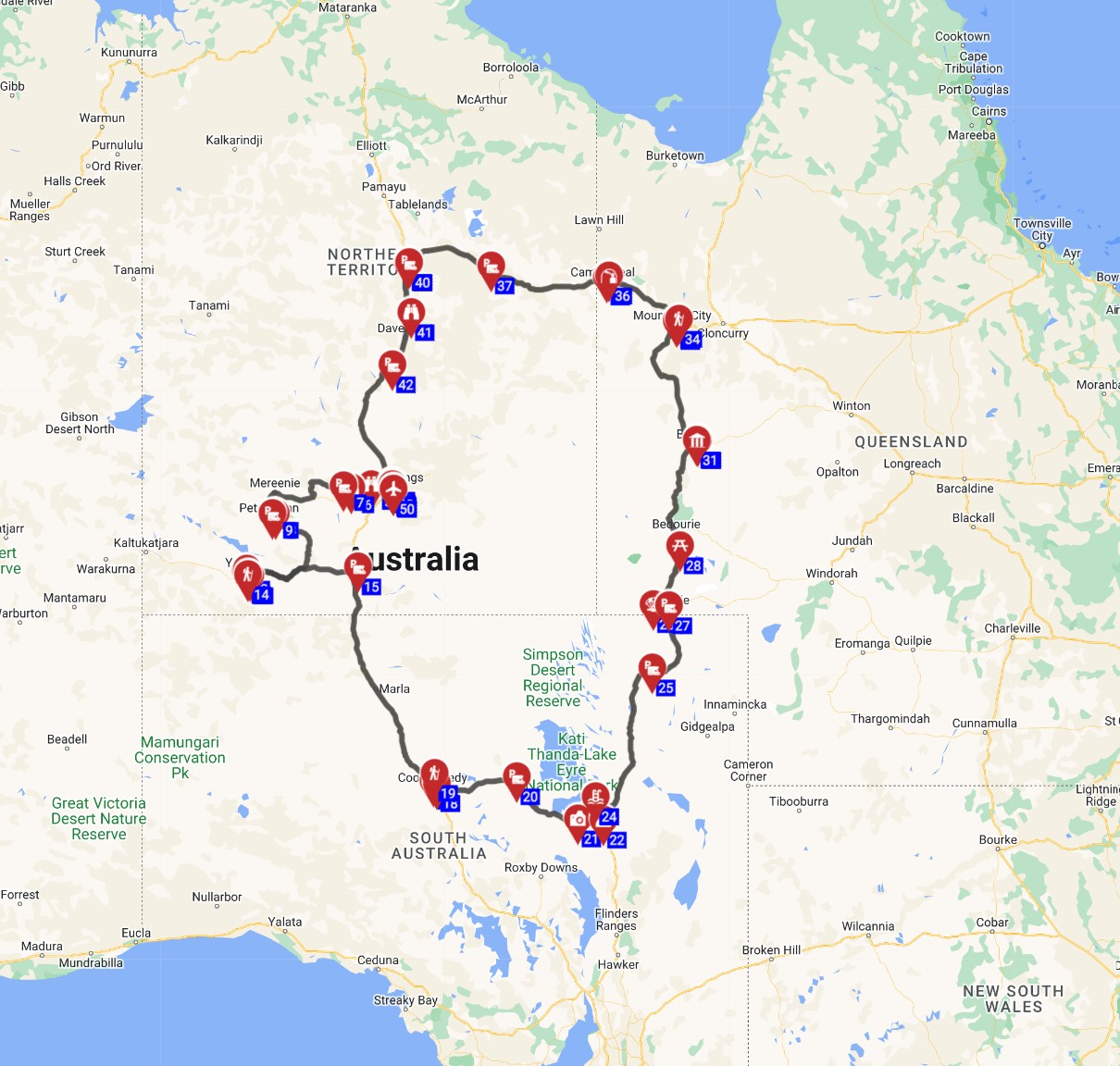
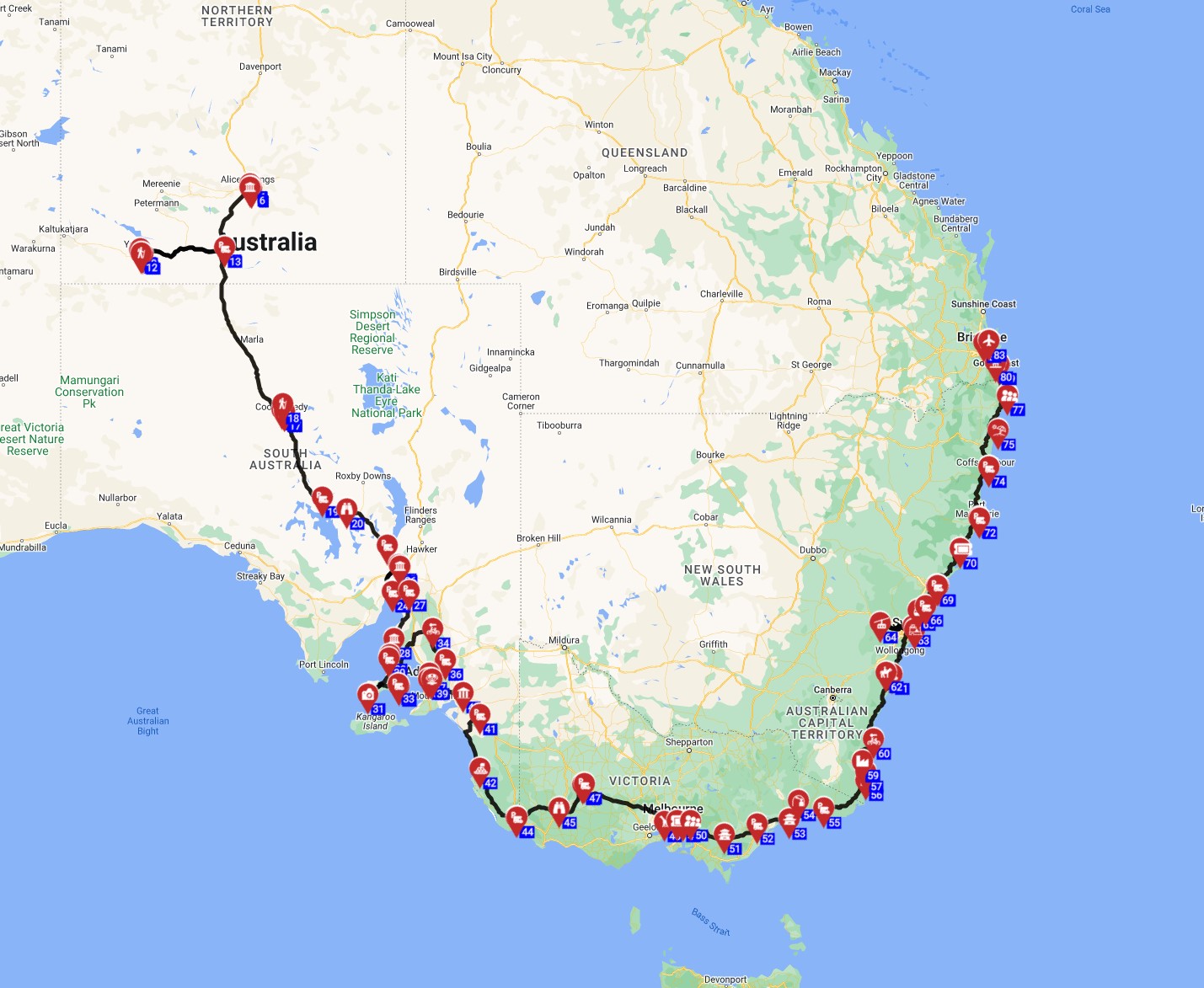
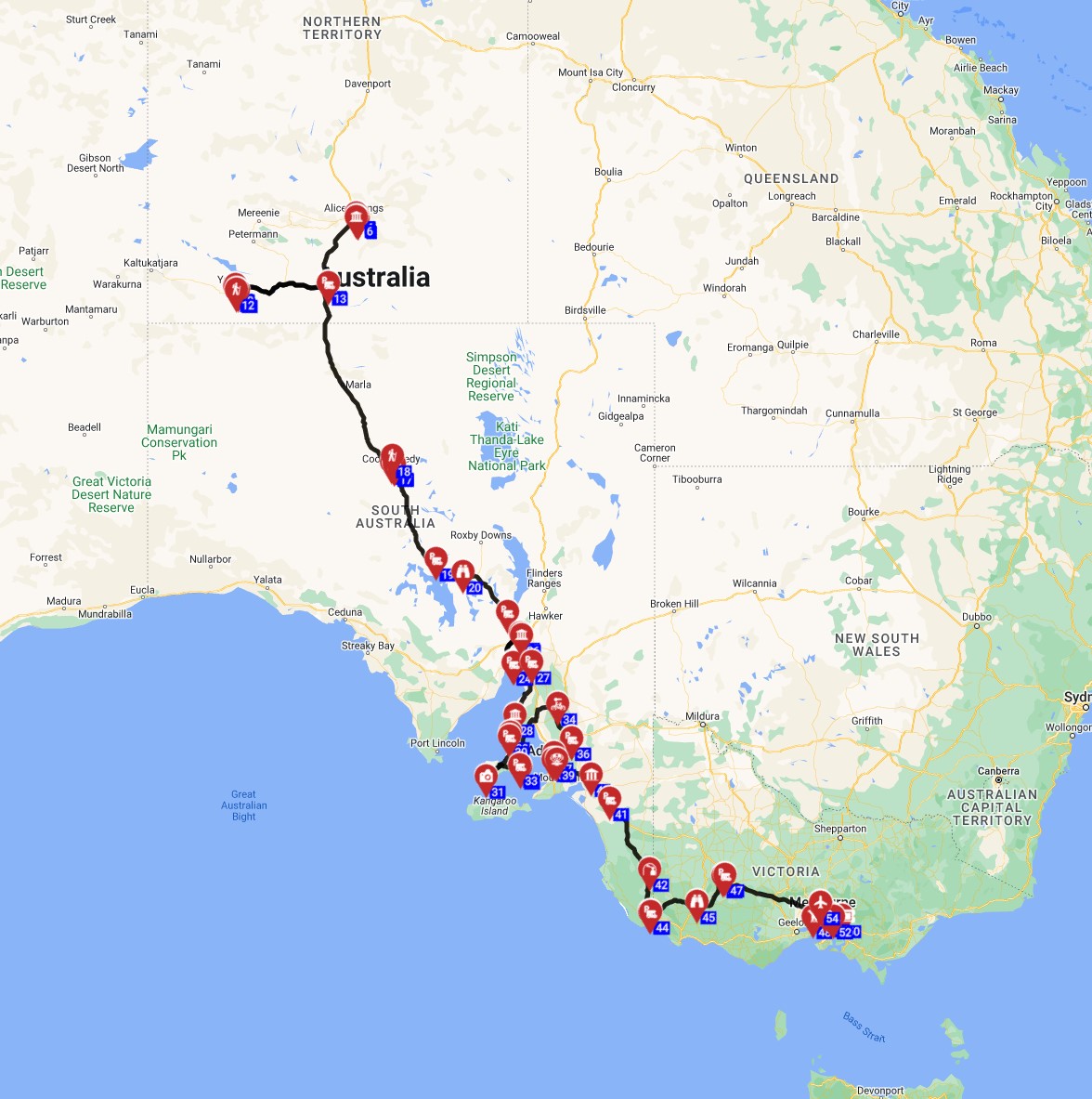
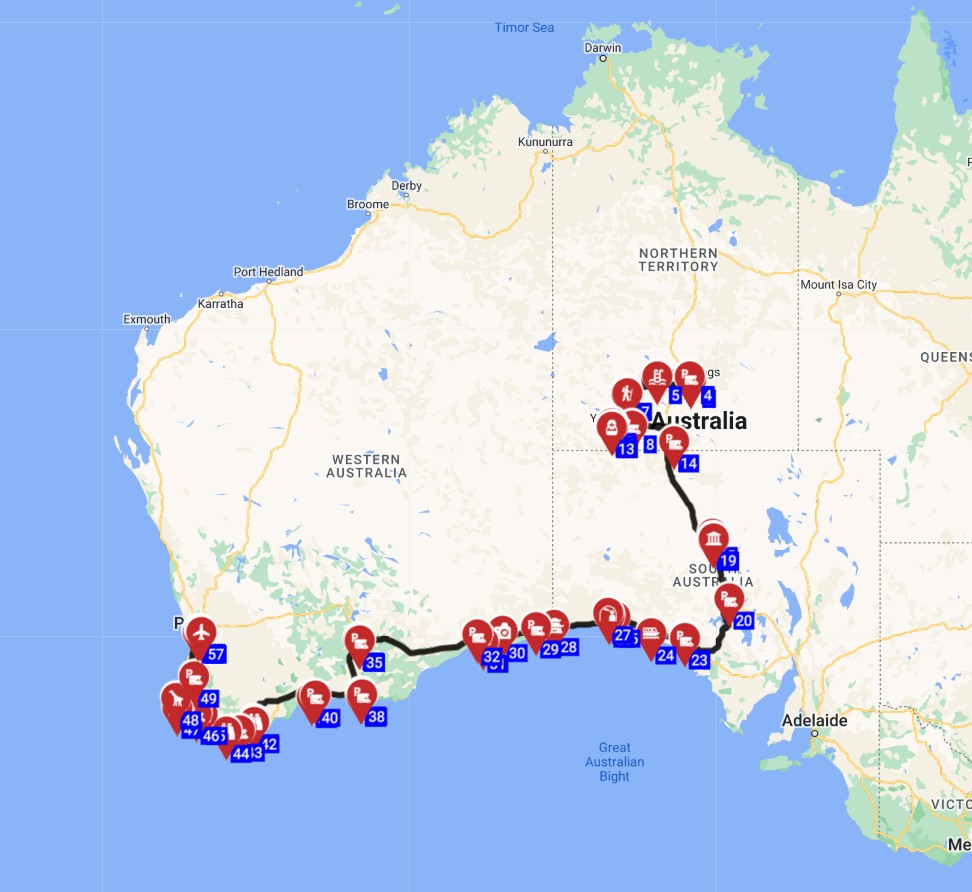
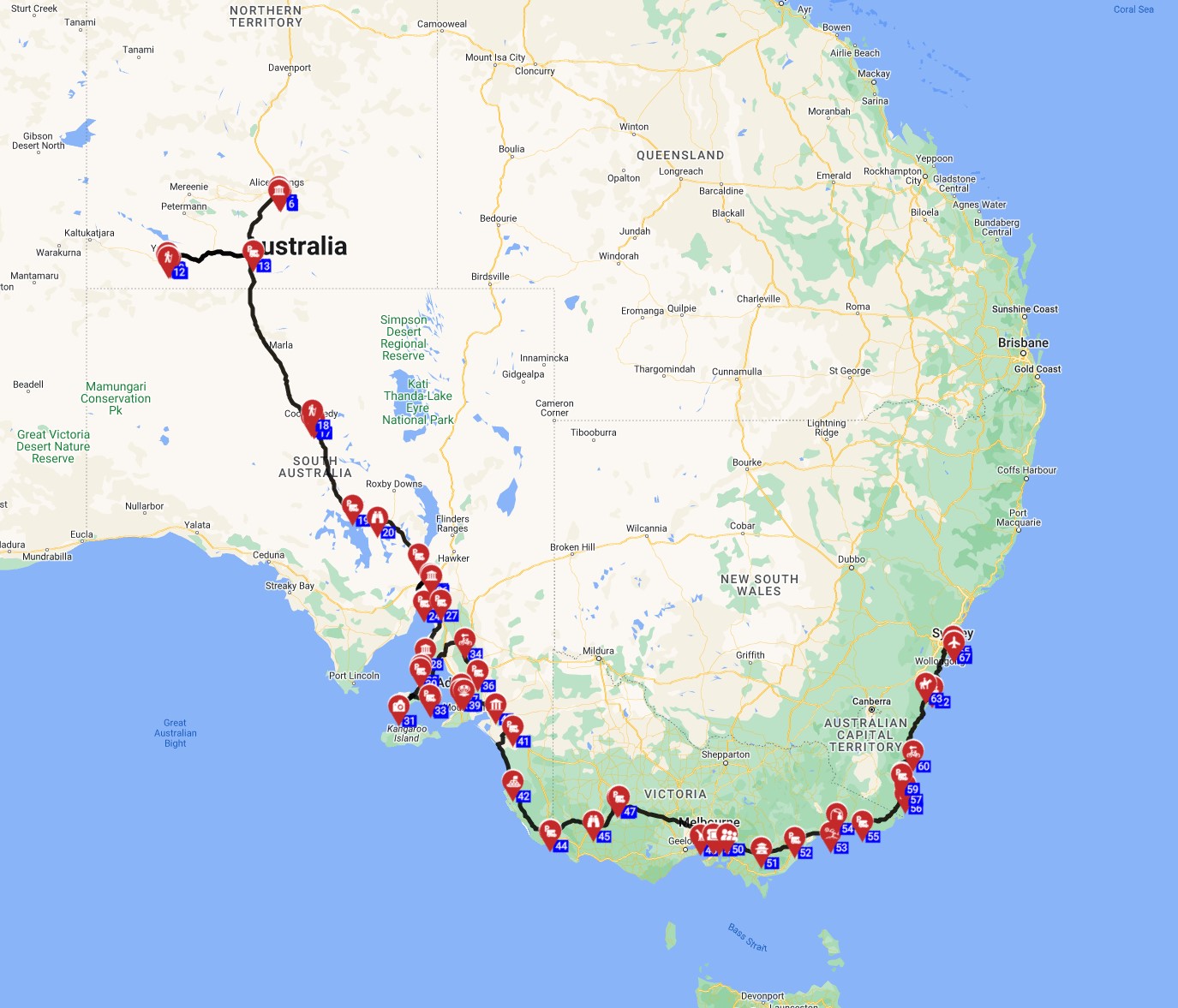
- **Road Trip from Sydney:** Imagine a grand adventure across Australia. A
is a 22-day, 4718.8 km route that includes 4 hiking areas, 4 museums, and 2 wildlife watch opportunities.
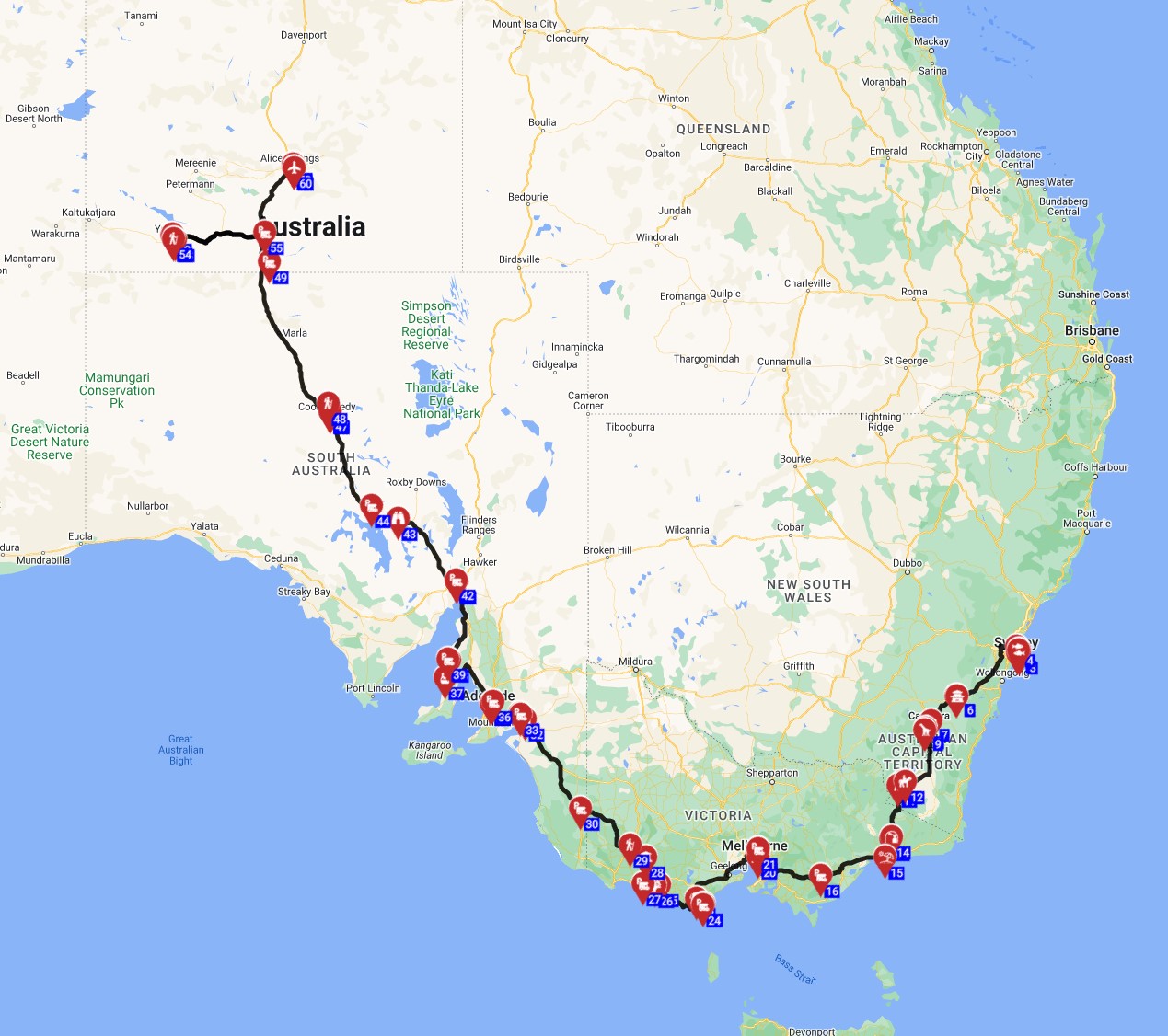 Sydney to Alice Springs - Down Under Odyssey
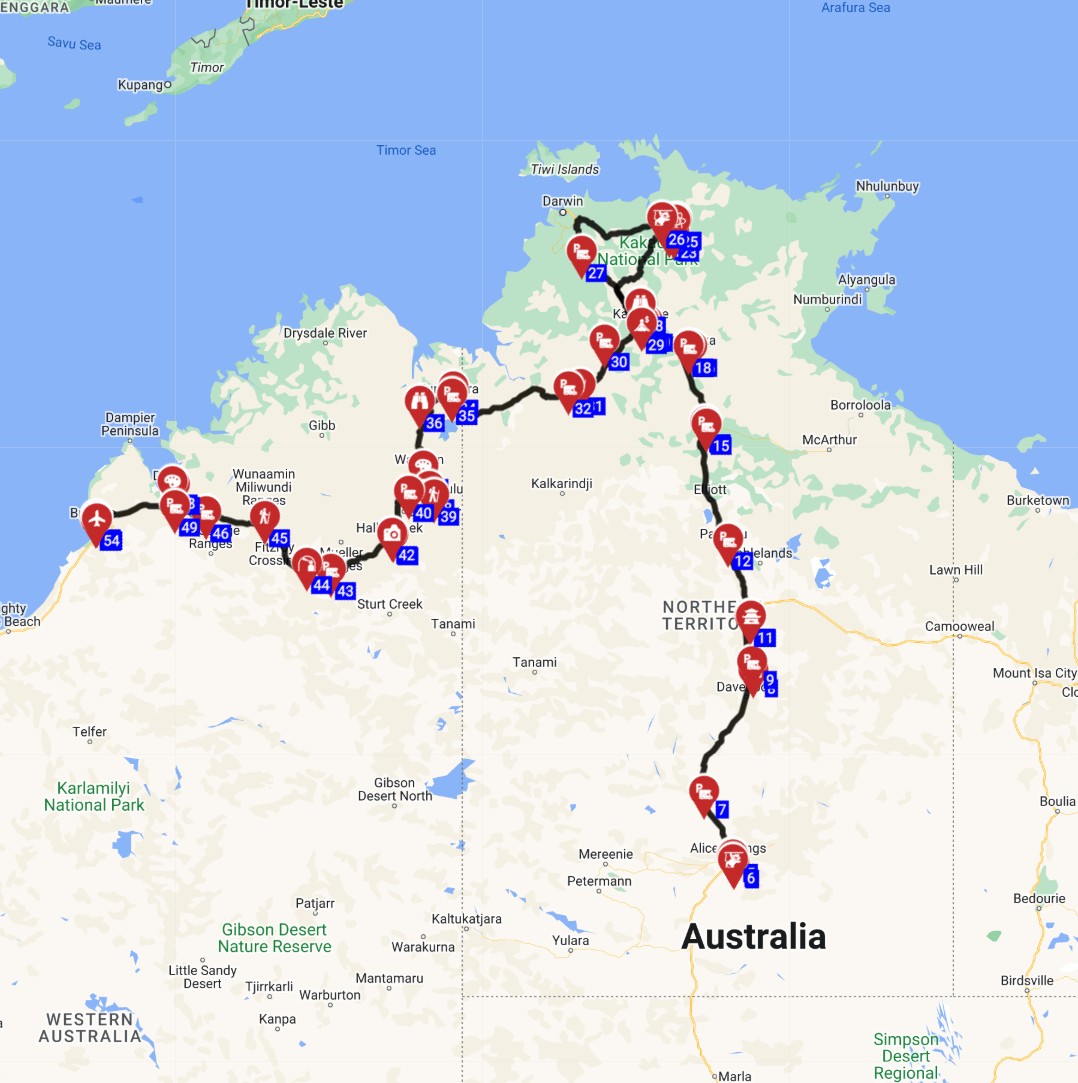
 - **Journey from Cairns:** For those starting in the tropical north, the Cairns to Alice Springs - Northern Horizons: A Journey Through Australia's Heartland offers a 17-day, 4003.6 km experience with 3 hiking areas and 2 natural features.
Looking for expert insights from Avi Bandana? Top 5 Adventures - recommendations from Avi Bandana
Discover Avi Bandana's personal top picks for unforgettable RV adventures. Avi, with over 25 years in the motorhome travel industry, has curated experiences that highlight the best of what RV travel offers. His recommendations go beyond the typical, providing unique insights for those looking to truly connect with their destination.
🎬 Video coming soon