In This Guide
- Where to Camp in Zambia - Top Options
- Campground Types in Zambia (National, Private, Wild)
- Featured RV Park or Campground in Zambia
- Hookups & Amenities - What to Expect
- Booking Windows & Reservations in Zambia
- Nearby Supermarkets & Resupply Points
- Best RV Class for Camping in Zambia
- How to Save on Campgrounds in Zambia
- Is it safe to RV in Zambia?
- What is the best time of year to RV in Zambia?
- What are the road conditions like for RVs in Zambia?
- Can you cross borders in an RV from Zambia?
- How much does it cost to RV in Zambia?
- What gear do I need for RV camping in Zambia?
- What are the best RV routes in Zambia?
- How do I deal with cultural Interactions while RVing in Zambia?
- What health precautions should I take for an RV trip in Zambia?
Embarking on a winter RV camping adventure in Zambia offers an unparalleled opportunity to explore breathtaking landscapes and vibrant wildlife during the country's most pleasant season. Imagine waking up to the sounds of the African bush from the comfort of your rented motorhome, ready for another day of exploration. Bandana RV makes discovering this incredible destination by camper easy and transparent, ensuring you have all the information and support you need for a truly unforgettable journey.
For live availability and current prices, start with our RV Rental Zambia - Complete Guide 2026 guide. We are true RV specialists, founded in 2001, with over two decades of experience helping tens of thousands of travelers explore the world by RV. We partner directly with over 50 leading RV suppliers worldwide, including trusted names like Apollo and Britz, to bring you a wide selection of vehicles and the best rental deals in Zambia.
Where to Camp in Zambia - Top Options
Zambia offers diverse RV camping experiences across its national parks and private reserves, providing unique settings for every type of traveler. Popular regions for RV camping in Zambia include Livingstone (home to Victoria Falls), Kafue National Park, and South Luangwa National Park, each offering distinct attractions and camping environments. Travelers seeking easier access to amenities and starting points should consider areas around Lusaka, the capital city.
For stunning natural beauty and access to major attractions, specific campgrounds within Mosi-oa-Tunya National Park near Livingstone are excellent choices. If your focus is wildlife viewing, campsites within Kafue and South Luangwa national parks provide immersive safari experiences, allowing you to be right in the heart of the action. Remember, traveling slowly, perhaps a maximum of 100-150 km per day on average, allows you to truly feel the place, connect to the culture, the food, and the scenery of Zambia.
Campground Types in Zambia (National, Private, Wild)
RV travelers in Zambia can choose from national park sites, private campgrounds, and limited opportunities for wild camping, each with distinct regulations and amenities. National Park Campsites are typically managed by the Department of National Parks and Wildlife (DNPW), often requiring pre-booking, and adhere to strict rules to protect wildlife and the environment; these sites usually offer basic facilities like ablution blocks and water. Private Campsites, including lodges with camping facilities, are more common near tourist hubs like Livingstone and offer a range of amenities from basic to luxurious, often including restaurants, pools, and organized activities, providing a more structured and comfortable experience.
Wild Camping, or bush camping, is generally not advised or legally permitted outside designated areas within national parks or private conservancies, though some remote community camps or private land may tolerate it with prior permission. Always prioritize safety, leave no trace, and respect local customs. Understanding legal camping regulations is crucial, as unauthorized wild camping can lead to fines or safety risks, making designated sites the safest and most recommended option for your rented campervan.
Featured RV Park or Campground in Zambia
When planning an RV trip in Zambia, look for campgrounds that balance natural beauty with essential amenities to enhance your experience. An ideal RV park or campground would offer spacious, level pitches, robust security measures, and convenient access to local attractions or wildlife viewing opportunities. Prioritize locations that provide reliable water access, waste disposal facilities (dump stations), and clean communal ablution blocks for a comfortable stay with your mobile home rental. On the routes offered through RV PLANET routes, you can itemize and track every expense along the way for easy budgeting.
Many lodges in key tourist areas like Livingstone or along the Kafue River offer dedicated camping sections, providing a secure base with optional access to lodge facilities such as restaurants or swimming pools. For example, some campsites near Victoria Falls provide shaded sites and easy access to the falls, which is an average entry fee of $50 USD per person. Seeking out campgrounds with positive reviews regarding cleanliness, staff helpfulness, and proximity to areas of interest will ensure a truly rewarding and stress-free RV adventure in Zambia. Remember, we handle the details, you live the journey – personal service from day one until your booking is confirmed.
Hookups & Amenities - What to Expect
RV camping in Zambia offers varying levels of hookups and amenities, with national parks typically providing more rustic options compared to private campsites. Most private campgrounds and some national park sites offer electrical hookups, typically 220-240V with type G (UK-style three-pin) outlets, so remember to pack appropriate adapters. Water refill points are generally available at established campsites, though it is crucial to confirm potability and carry your own purification system or bottled water for drinking.
Waste disposal facilities, commonly known as dump stations for grey and black water, are less common outside major towns or larger private campsites, necessitating careful planning for managing your tanks, particularly in remote areas. Wi-Fi access is often limited to reception areas or not available at all, especially within national parks, encouraging a delightful digital detox. Laundry services and hot showers are typically found at private lodges or larger paid campsites. When planning meals in your rental motorhome, check out our RV-friendly recipes playlist for delicious and easy meal ideas on the road.
Booking Windows & Reservations in Zambia
For RV travelers in Zambia, booking campsites in advance is generally recommended, especially during the peak winter dry season (May to October) for popular national parks and private reserves. Pre-planners should aim to reserve national park campsites several months ahead, as many only release a limited percentage (e.g., 25%-30%) of spots for reservations, with the remainder available on a first-come, first-served basis. Spontaneous travelers can often find same-day or next-day availability at private campsites or less-trafficked national park sites, particularly outside of peak periods, but it is always wise to call ahead before driving long distances.
Even during busy times, while your first choice may be fully booked, you will almost certainly find a place. If not at the first campground, then the next one. Winter RV travelers should prioritize booking for key destinations like Victoria Falls or major national parks to secure preferred spots and avoid disappointment. Planning ahead ensures peace of mind, and our Rent&Plan service can even provide pre-planned routes by professionals, making your trip seamless. You can also explore options like a Weekly RV Rental in Zambia - Pricing 2026 to manage your budget and stay durations.
Nearby Supermarkets & Resupply Points
RV travelers in Zambia can find well-stocked supermarkets in major towns, while smaller general stores are available in more rural areas for essential resupply needs. Cities like Lusaka, Livingstone, and Kitwe host larger supermarket chains such as Shoprite and Pick n Pay, offering a wide range of groceries, fresh produce, and household items. It is advisable to stock up on non-perishables, water, and fuel when passing through these major centers, as options become significantly limited and more expensive in remote regions.
Smaller towns and villages will have local markets and dukas (small shops) where you can purchase basic supplies, fresh vegetables, and sometimes local meat, though variety will be reduced. Always carry extra provisions, especially potable water, when venturing into national parks or off-the-beaten-path destinations, as dedicated resupply points for RVs are scarce. For budgeting and tracking these ancillary trip costs, remember that on RV PLANET routes, travelers can itemize and track every expense along the way for easy budgeting.
Best RV Class for Camping in Zambia
Choosing the best RV class for camping in Zambia depends heavily on your planned itinerary, desired comfort, and tolerance for varying road conditions. Class B - Camper Vans, such as the "rv rental denver example Category Van" averaging 5.8 meters in length, sleeping 3.2 people, and offering an average load capacity of 37 kg, with common fuel consumption around 8-10 Liter/100 km, are an excellent choice for Zambia. Their compact size and maneuverability are ideal for navigating diverse roads, and many are self-sufficient for boondocking.
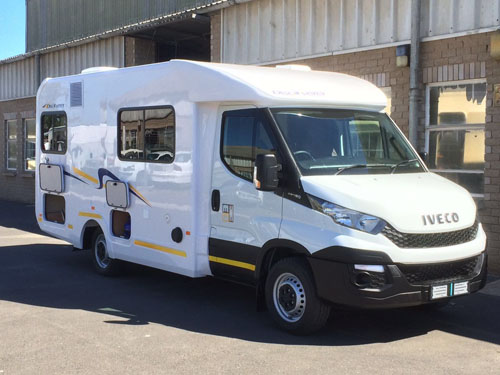
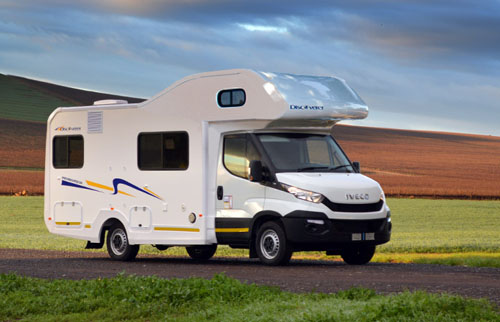
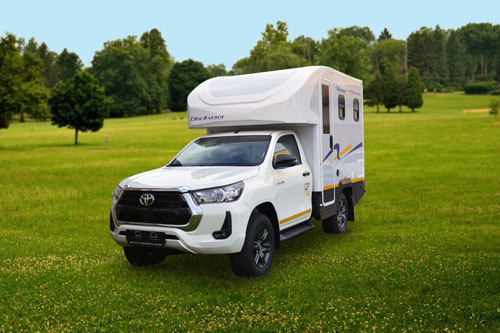
Class SI - Semi-integrated RVs, with an average length of 6.9 meters and sleeping 3.8 people, provide more comfort and space (avg. load capacity 72.2 kg) while still being relatively nimble, making them suitable for longer trips on improved roads and designated campsites, typically consuming 10-11 Liter/100 km. For more rugged adventures or challenging terrain often encountered off the main tar roads, Class TC - Truck Campers, like the "Patagonia Camper 4x4 double cab" averaging 5.5 meters in length and sleeping 2.4 people, can offer enhanced off-road capability, though their fuel consumption is higher (12-17 Liter/100 km).
Consider an RV with good ground clearance and reliable suspension for Zambia's diverse road network, ensuring it is robust enough to handle corrugated dirt roads while providing a comfortable living space. Remember, Bandana RV specializes in motorhomes and campervans, offering expert advice to help you select the perfect rental for your Zambian adventure. If you're comparing larger vehicles, you might check our guide to Luxury RV Rental in Zambia - Premium Prices 2026.
How to Save on Campgrounds in Zambia
Saving on campgrounds in Zambia is achievable through strategic planning and utilizing available discounts, making your winter RV trip more budget-friendly. Consider leveraging campground discount cards, which can offer significant savings on nightly rates at participating private campsites. Opting for shoulder season travel (e.g., late April/early May or October/November) can result in lower rates compared to the peak winter dry season when demand is highest.
Prioritize municipal or regional campgrounds over private luxury resorts, as they often provide more budget-friendly rates, albeit with potentially fewer amenities. Many campgrounds offer weekly rates that are more economical than daily bookings, so planning to stay 3+ nights in one location can lead to savings. In some cases, sharing hookups with another RV group can also reduce costs. Looking for the easiest, safest, and most affordable way to rent an RV? We compare final prices across 50+ suppliers so you don't have to, ensuring full transparency with no hidden fees, no surprises.
Is it safe to RV in Zambia?
RVing in Zambia can be a safe and rewarding experience with proper preparation and adherence to local safety protocols. Always prioritize road safety by driving defensively, especially during the day, and avoid driving at night due to poor visibility, pedestrians, and wildlife hazards; be aware of common road conditions like potholes and unpaved sections. Implement vehicle security measures such as locking all doors and windows, using anti-theft devices, and choosing secure, designated campsites with guards whenever possible for your rented motorhome.
Keep emergency contacts readily available, including local police, your rental company's roadside assistance, and your embassy, and consider carrying a satellite phone or reliable communication device for remote areas where mobile network coverage is nonexistent. Be aware of your surroundings, especially in urban areas and crowded markets, and avoid displaying valuables. Generally, rural areas and national parks are considered safer for tourists. With Bandana, you get 24/7 support from real people, giving you peace of mind before, during, and after your booking.
What is the best time of year to RV in Zambia?
The best time of year to RV in Zambia is generally during the dry winter season, from May to October, offering optimal weather and wildlife viewing conditions. During these months, temperatures are cooler and more pleasant, typically ranging from 20-25°C, humidity is low, and rainfall is minimal, making travel comfortable and reducing challenges from muddy roads. The dry season also concentrates wildlife around dwindling water sources, making game viewing in national parks like South Luangwa and Kafue particularly exceptional.
Be aware that popular areas, especially Victoria Falls, can be busier and require advance bookings during this peak period. While the green season (November to April) brings lush landscapes and migratory birds, it also means higher temperatures, heavy rains that can make some roads impassable, and increased mosquito activity, making RV travel more challenging. For more detailed pricing insights by season, explore our "RV Rental in Zambia - Prices and Best Deals 2026" guide.
What are the road conditions like for RVs in Zambia?
Zambia's road conditions for RVs are highly variable, ranging from well-maintained tar roads to challenging dirt tracks requiring careful navigation. Main arterial roads connecting major cities and tourist hubs, such as the T1 highway, are generally paved and in good condition, suitable for most motorhome classes, though potholes can be prevalent even on these routes. Many national park roads and routes to more remote campsites are gravel or dirt, often corrugated, sandy, or prone to deep potholes, which necessitate a Class C motorhome or a robust campervan with good ground clearance.
River crossings are common, especially during the wet season, and may involve pontoon ferries or causeways that can be impassable after heavy rains; always check local conditions before attempting these. Optimal navigation strategies involve driving slowly, maintaining a safe distance from other vehicles to avoid dust, avoiding night driving, and inquiring locally about current road conditions, especially if venturing off main routes. Drive slowly and carefully, and you can drive almost anywhere without issues. No need to stress - just use common sense and pay attention.
Can you cross borders in an RV from Zambia?
Crossing borders from Zambia in an RV is possible into neighboring countries like Malawi, Zimbabwe, Botswana, or Namibia, but requires thorough preparation and specific documentation for both the vehicle and occupants. Essential documentation typically includes your passport, visa (if required for your nationality), international driving permit (recommended for visitors from non-English speaking countries, though not mandatory in most cases), original vehicle registration papers, a letter of authority from the RV rental company granting permission for cross-border travel, and proof of vehicle insurance valid for the destination country (often purchased at the border). For an International Driving Permit (IDP), you must obtain it before you travel from your home country's automobile association.
For the vehicle, you will need to pay temporary import permits (TIP) and road taxes at each border, and ensure the vehicle has the correct reflective stickers (e.g., ZA for Zambia, warning triangles, reflective tape) as required by destination countries. For occupants, be prepared for potential health checks (e.g., yellow fever certificate), and declare any dutiable goods or cash above specified limits. Border crossing processes can be time-consuming, so allow ample time, have all documents organized, and maintain patience; research specific requirements for your intended destination well in advance as they can change. Our "One-Way RV Rental in Zambia - Price Guide 2026" can provide details on applicable fees for cross-border trips.
How much does it cost to RV in Zambia?
The cost of an RV trip in Zambia varies significantly based on rental fees, fuel, park entry fees, and personal spending habits, requiring detailed budgeting beyond just the rental itself. RV rental fees can range from $150-$400+ USD per day depending on the vehicle class, season, and duration; securing an appropriate RV from Bandana's diverse fleet, such as a Class B Camper Van, might be more fuel-efficient and cost-effective, typically with an average fuel consumption around 8-10 Liter/100 km. Fuel estimates are critical, with diesel and petrol prices fluctuating but generally higher than in many Western countries, necessitating substantial budgeting for long distances. A 2-week trip could easily involve 1,500-2,000 km of driving.
National park entry fees for international visitors are significant, often $25-$50 USD per person per day for many major parks, plus additional vehicle entry fees around $15-$20 USD. Campsite fees range from $15-$50 USD per person per night depending on location and amenities. Factor in food budgeting (cooking in your rented RV saves on restaurant costs), miscellaneous expenses like permits for specific activities (e.g., walking safaris, boat trips), potential vehicle maintenance, and unexpected costs when planning your overall trip budget. For families, these costs scale, so consider our "Family RV Rental in Zambia - Pricing Guide 2026" for more tailored advice. Bandana offers bookings in 30+ currencies with full price transparency - no hidden fees, no conversion commissions.
What gear do I need for RV camping in Zambia?
Essential gear for RV camping in Zambia includes recovery equipment, extra fuel and water, communication devices, and various provisions tailored to the local environment. Vehicle preparation is paramount: ensure your rented RV is well-serviced, tires are in excellent condition (including at least one spare, and ideally a second spare), and carry a comprehensive toolkit, tire repair kit, and jump leads. Recovery equipment such as a high-lift jack, shovel, tow rope, and traction boards are crucial for navigating unpaved roads and potential stuck situations.
Carry extra fuel (e.g., 20-liter jerry cans) and water containers (e.g., 20-30 liters of potable water), as fuel stations can be scarce in remote areas, and potable water sources may be unreliable; a water purification system is also highly recommended. Communication devices like a satellite phone or an emergency beacon are vital for remote travel where mobile network coverage is nonexistent, alongside a reliable GPS system (with offline maps) and a comprehensive first-aid kit, strong insect repellent, and sturdy camping chairs/table. God is in the small details, and we take care of them. That's what makes the big difference for your journey.
What are the best RV routes in Zambia?
Zambia offers diverse RV-specific itineraries, highlighting scenic drives and hidden gems suitable for various interests, from wildlife safaris to cultural immersion. Safari enthusiasts should consider a route connecting Livingstone (Victoria Falls) with Kafue National Park and then potentially South Luangwa National Park, offering contrasting wildlife experiences; this involves a mix of paved and challenging dirt roads, totaling around 1,500 km for a two-week trip. For a cultural and scenic drive, exploring the Lower Zambezi Valley combines stunning riverine landscapes with opportunities for respectful local interactions and fishing, often involving pontoon ferry crossings and rougher tracks.
A more relaxed itinerary might focus on the Livingstone area, allowing ample time for Victoria Falls, local markets, and nearby Mosi-oa-Tunya National Park, with day trips to easily accessible attractions. Optimal routing depends on your RV's capabilities and desired duration, but generally involves planning segments carefully, avoiding long distances in one day, and incorporating hidden gems like specific community camps or less-visited viewpoints. Our sister company, RV PLANET (rvplan.net), offers 1,300+ pre-planned routes across 5 continents, and you can get a 25% planning discount when using rvplan.net for your Zambia adventure!
🎬 Video coming soon
How do I deal with cultural interactions while RVing in Zambia?
Dealing with cultural interactions while RVing in Zambia requires an open mind, respect for local customs, and an effort to engage authentically with communities. Practice basic etiquette: greet people politely (e.g., 'Muli bwanji' in Nyanja or 'Mwapoleni' in Bemba for hello), always ask permission before taking photos, and dress modestly, especially when visiting rural areas or traditional villages. Opportunities for authentic community engagement include visiting local markets, supporting local craftspeople, dining at local eateries, and participating in village tours offered by community-based tourism initiatives. Remember, a simple thank you in a local language (Zikomo) can go a long way.
Be prepared for curious onlookers, especially in rural areas; a friendly wave and a smile go a long way, and avoid making promises you cannot keep, such as giving lifts. Learning a few basic phrases in local languages (Nyanja, Bemba, Tonga) is highly appreciated and can significantly enhance your interactions, fostering respect and breaking down barriers. Respecting local traditions and being mindful of your presence will enrich your rented motorhome journey through Zambia.
What health precautions should I take for an RV trip in Zambia?
RV travelers to Zambia should prioritize several health precautions, including recommended vaccinations, awareness of common ailments, and knowledge of accessing medical facilities. Recommended vaccinations typically include Yellow Fever (if arriving from an endemic country), Hepatitis A and B, Tetanus, Diphtheria, Polio, and Typhoid; consult your doctor well in advance (at least 4-6 weeks before departure) for personalized advice and ensure routine vaccinations are up-to-date. Zambia is a malaria-risk area, so take anti-malarial prophylaxis as prescribed, use insect repellent diligently (preferably one with DEET), sleep under mosquito nets (if not screened in your RV), and wear long sleeves/pants, especially at dusk and dawn. This is not a luxury, it is a necessity for your safety.
Be aware of common ailments such as traveler's diarrhea (practice strict food and water hygiene by drinking only bottled or purified water and eating well-cooked food), heatstroke (stay hydrated, especially in the early winter months), and potential animal-related injuries; carry a comprehensive first-aid kit for minor issues. Accessing medical facilities can be challenging outside major cities like Lusaka and Livingstone, where private clinics offer better standards; for remote regions, emergency evacuation insurance is highly recommended, as local facilities may be very basic. Ensure you have adequate travel insurance that covers medical emergencies and evacuation. Our goal is to be supportive before, during, and after your booking, providing information to help you prepare thoroughly.
What You Shouldn't Miss
- **Victoria Falls (Mosi-oa-Tunya):** Witnessing one of the Seven Natural Wonders of the World is a must. Explore the various viewpoints from the Zambian side, especially during the high-water season (April-July) to see the full grandeur of the "Smoke that Thunders."
- **South Luangwa National Park Safari:** Experience world-class walking safaris, considered the birthplace of this immersive wildlife encounter. Spot leopards, lions, elephants, and diverse birdlife in one of Africa's most pristine wilderness areas.
- **Kafue National Park:** Explore Zambia's largest national park, offering a vast and diverse ecosystem, less crowded than other parks. Enjoy boat safaris on the Lufupa and Kafue Rivers, and unique chances to see African wild dogs.
- **Lower Zambezi River Canoeing:** Paddle down the tranquil Lower Zambezi, a UNESCO World Heritage site, getting up close with elephants, hippos, and crocodiles from a unique perspective. Many camps offer guided canoeing tours.
- **Lake Kariba Sunset Cruise:** Relax on the shores of Lake Kariba, Africa's largest man-made lake, and enjoy a spectacular sunset cruise, perhaps spotting elephants coming to drink and abundant birdlife.
- **Livingstone Local Markets:** Immerse yourself in Zambian culture by visiting bustling local markets in Livingstone, where you can interact with vendors, practice local phrases, and discover traditional crafts and fresh produce.
Looking for expert insights from Avi Bandana? Top 5 Adventures - recommendations from Avi Bandana
Having personally traversed hundreds of destinations across five continents, I can tell you that Zambia truly holds a special place. The raw, untamed beauty of its national parks, combined with the sheer power of Victoria Falls, offers an adventure unlike any other. My top tip is to embrace the unexpected; the best moments often happen off the planned path. Prepare well, respect the local culture, and let the spirit of Africa guide your journey. "Life is now!"
Final Thoughts
A winter RV camping trip through Zambia promises an incredible journey filled with stunning landscapes, diverse wildlife, and rich cultural experiences. With the right preparation and a spirit of adventure, you can comfortably navigate its varied terrain and discover its hidden gems from the convenience of your rented motorhome or campervan. From the thundering Victoria Falls to the vast wilderness of its national parks, Zambia invites you to explore at your own pace.
Remember that Bandana RV is here to support you every step of the way, offering transparent pricing, expert advice, and a wide selection of vehicles from top suppliers. We want your experience to be seamless and joyful, allowing you to focus on creating lasting memories. So, imagine yourself on the route, watching a sunset over the Zambezi River, or spotting a leopard on a morning drive. The adventure awaits!
Discover top destinations, planning tips, all in one place! Plan a trip itinerary in advance with minimal effort and maximum enjoyment. Check Winter RV Rental Prices for Zambia now and start mapping out your epic Zambian expedition.