In This Guide
- Where to Camp in West Europe - Top Options
- Campground Types in West Europe (National, Private, Wild)
- Featured RV Park or Campground in West Europe
- Hookups & Amenities - What to Expect
- Booking Windows & Reservations in West Europe
- Nearby Supermarkets & Resupply Points
- Best RV Class for Camping in West Europe
- How to Save on Campgrounds in West Europe
- How do you prepare an RV for winter travel?
- Where can you go RVing in Europe in winter?
- What do I need to drive an RV in Europe?
- How much does it cost to RV Europe?
- Is it cheaper to RV in Europe?
- How much does it cost for extended RV rental trips in West Europe?
- What are the rules for wild camping in Europe?
- Top Cities for RV Rental in West Europe
- Practical Driving & Travel Information for West Europe
- What You Shouldn't Miss
- Why Book with Bandana Caravan
- Final Thoughts
- Frequently Asked Questions
Winter RV camping in West Europe offers a unique blend of snow-capped mountains and milder coastal escapes, providing an inspiring adventure for every traveler. Imagine waking up to a pristine snowy landscape, brewing fresh coffee in your cozy rented motorhome, and hitting the slopes, or perhaps enjoying the crisp air along the sunny Portuguese coast. With a wide array of options from dedicated winter RV parks to charming rural stops, West Europe is a fantastic destination for a winter road trip, whether it's a week-long trip or an extended adventure. For live availability and current prices, start with our RV Rental West Europe - Complete Guide 2026 guide.
Where to Camp in West Europe - Top Options
Winter RV camping in West Europe provides scenic opportunities in regions like the milder coasts of Portugal and Spain, or dedicated ski resorts in the Alps. Coastal regions, such as the Portuguese Algarve or Southern Spain (Andalusia), typically offer milder climates, with many campgrounds remaining open year-round for those seeking a warmer escape. In contrast, the Alpine regions across France, Switzerland, Austria, and Italy feature numerous ski resorts with dedicated RV parks, often providing winter-specific services and amenities like heated facilities and shuttle access to the slopes.
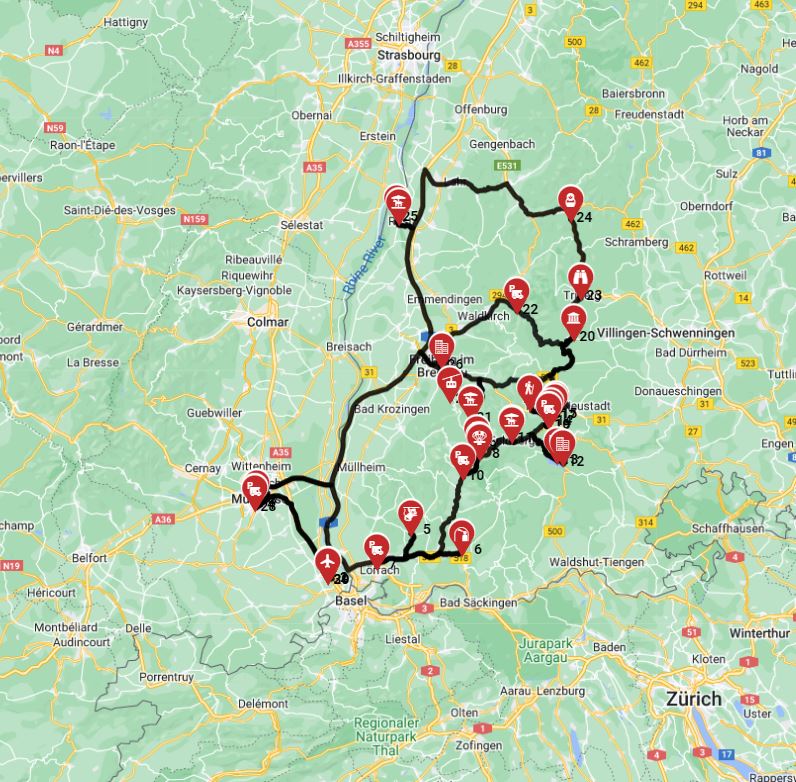
For a quieter, picturesque winter camping experience, Germany's Black Forest or France's Dordogne region offer charming options, though it is always essential to check specific campground opening times and winter readiness before arrival. Many campgrounds in these areas cater to winter travelers with enhanced services. For those seeking even more insights into planning such a journey, consider consulting the RV Travel Guide to West Europe - Tips and Top Spots 2026.
Campground Types in West Europe (National, Private, Wild)
West Europe offers a spectrum of camping options for rented RVs, including well-equipped private campgrounds, simpler national park sites, and highly regulated, often restricted, wild camping. Private campgrounds are the most common choice, offering diverse amenities like heated showers, laundry facilities, and on-site shops; many in popular tourist areas remain open during winter with varying price points, typically from €20-€50 per night for a pitch with electricity. National park sites are generally simpler and closer to nature, but often have limited amenities or reduced operations and potential closures during the deep winter months.
Wild camping (freedom camping) is broadly illegal or heavily restricted across most of West Europe, particularly on private land or in protected areas. However, designated overnight parking spots for RVs, known as 'aires de service' in France or 'Stellplätze' in Germany, are widely available. These sites are distinct from illegal wild camping, often provide basic services like water fill-up and waste disposal, and can be free or low-cost, making them a game-changer for budget-conscious RVers on a long-term rental adventure.
Featured RV Park or Campground in West Europe
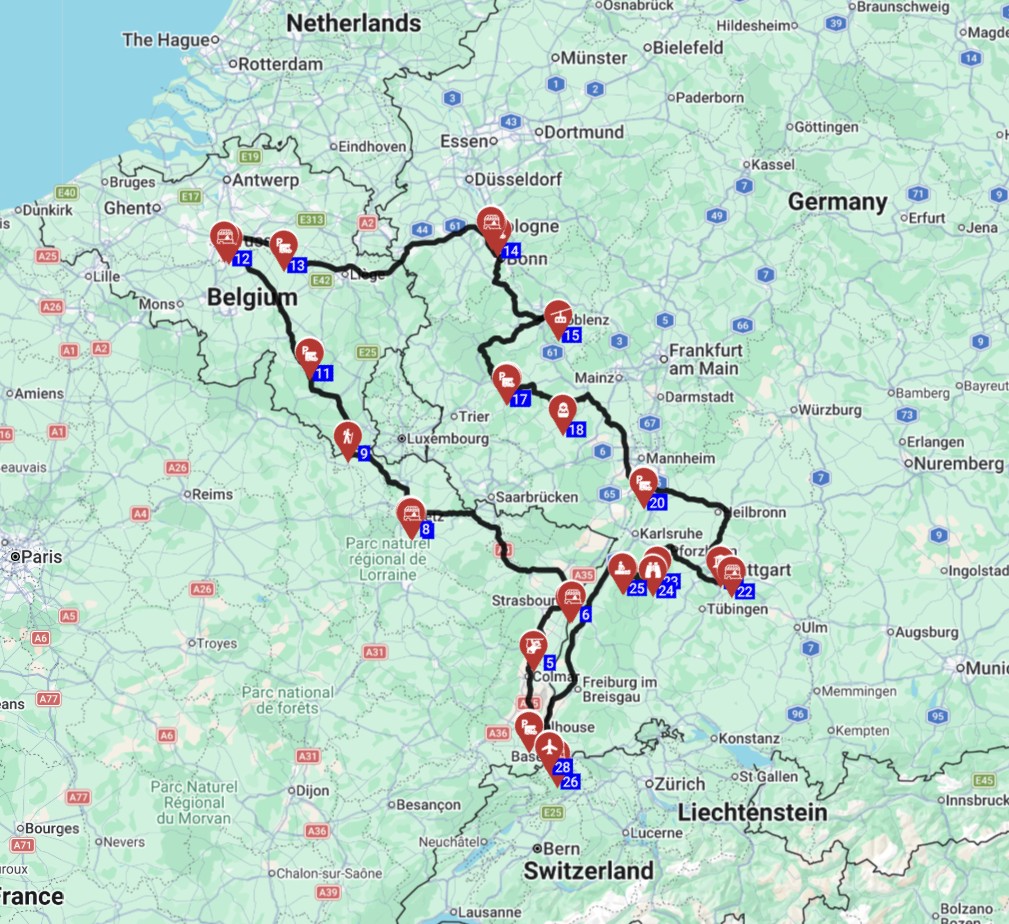
For a comfortable winter RV travel experience in West Europe, travelers should seek out specialized RV parks that provide comprehensive winterization features, such as heated facilities and reliable snow removal services. Ideal winter RV parks offer heated washrooms, robust electric hookups (typically 230V, requiring a Euro adapter) to ensure consistent warmth for your rented motorhome, and gray/black water dump stations specifically designed to prevent freezing. Many top winter campgrounds, particularly those near ski resorts in the Alps, provide convenient shuttle services to nearby slopes or even direct ski-in/ski-out access, significantly enhancing the winter sports experience. When specific data for a 'featured' campground isn't readily available, prioritizing locations that explicitly advertise winter camping readiness, often found in popular alpine or year-round coastal destinations, is always a wise approach for a successful winter trip with your rented campervan. On the routes offered through RV PLANET routes, you can itemize and track every expense along the way for easy budgeting.
Hookups & Amenities - What to Expect
At most West European campgrounds, you can expect electric hookups, typically 230V with a 50Hz frequency, requiring a Euro adapter for non-continental vehicles. Amperage can vary from 6A to 16A, so it's good to be prepared. Fresh water access is standard, though in winter, some taps may be turned off due to freezing risks; heated pedestals are a valuable feature of specialized winter sites. Gray and black water dump stations are generally available, but remember to winterize your rented RV's tanks carefully to prevent freezing. Other common amenities include Wi-Fi (often paid or slow), laundry facilities, hot showers (sometimes coin-operated), and on-site shops. Modern RV travel is enhanced by apps like Park4Night, which offer real-time amenity and condition checks, especially useful for finding available spots and services during a winter trip.
Booking Windows & Reservations in West Europe
For winter RV travel in West Europe, while popular ski resort campgrounds might require booking several months ahead, many other sites are less crowded, often allowing for same-day or next-day reservations, though calling ahead is always advisable. Peak winter periods, such as Christmas, New Year, school holidays, and prime ski resort dates, necessitate booking 3-6 months in advance due to high demand for these limited spots. However, during off-peak winter months, significantly more flexibility exists, often enabling last-minute bookings, although some campground services may be reduced compared to summer. Many national and state parks only reserve 25-30% of their spots in advance, leaving the rest for first-come, first-served arrivals. You will almost certainly find a place in West Europe, even in winter; if not at the first campground, then the next one. Just remember to call ahead before driving long distances to confirm availability and specific winter services for your rented motorhome.
Nearby Supermarkets & Resupply Points
Resupply points for your rented RV in West Europe are generally abundant, with major supermarket chains easily accessible, though smaller towns or remote winter destinations may have limited options. Major supermarket chains to look for include Carrefour, Lidl, Aldi, and E.Leclerc in France; Rewe and Edeka in Germany; Mercadona in Spain; and Intermarché, all providing extensive grocery options. These supermarkets are typically found on the outskirts of towns or within commercial zones, making them convenient stops for RV travelers to stock up their mobile home kitchen. We even have an RV-friendly recipes playlist on YouTube to inspire your meals! Utilize navigation apps to pinpoint the closest options. In winter, be aware that some smaller shops in very remote or highly seasonal areas might operate with reduced hours or be temporarily closed, necessitating larger grocery runs when you are in larger towns. For easier budgeting, remember that on RV PLANET routes, travelers can itemize and track every expense along the way.
Best RV Class for Camping in West Europe
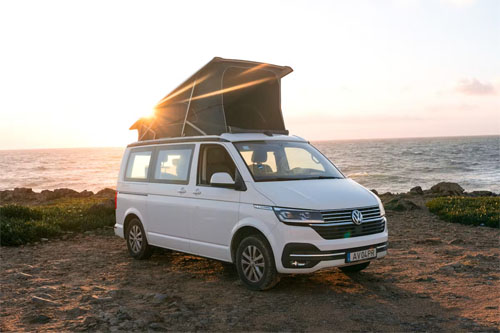
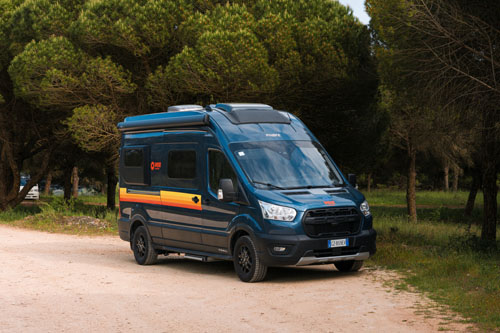
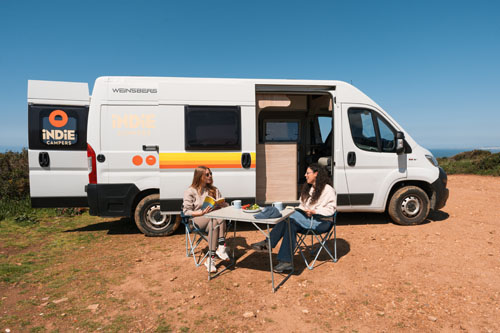
For winter RV camping in West Europe, Class B Camper Vans or Class SI Semi-integrated RVs are generally preferred for their maneuverability on narrower roads and often superior insulation properties. Class B Camper Vans, with an average length of 5.8m in Bandana's fleet, are highly maneuverable, making them ideal for navigating historic towns and challenging winter roads. They typically consume 8-10 Liters/100 Km and often feature excellent insulation for cold weather. Class SI Semi-integrated models, averaging 6.9m in length in our fleet, offer a strong balance of interior space and maneuverability. These are commonly equipped with robust heating systems, perfect for winter travel, and consume about 10-11 Liters/100 km. While Class C Alcove motorhomes, averaging 7.5m, provide ample space for larger groups, their size can pose challenges on narrow or snow-covered European roads and parking in winter, with fuel consumption typically around 10-12 Liters/100 km. When choosing your rented motorhome for a winter adventure, prioritize models with excellent insulation, powerful heating systems (like Truma), and insulated or heated waste tanks to prevent freezing. For more detailed information on specific models and their pricing, explore our RV Rental in West Europe - Prices and Best Deals 2026 guide.
How to Save on Campgrounds in West Europe
Saving on West Europe campgrounds for your rented motorhome involves utilizing discount cards, opting for off-peak travel, choosing municipal sites, and leveraging longer stays for better rates. Discount cards, such as those often offered by rental providers like Bandana, or international cards like ACSI and CampingCard International (CCI), provide significant off-season rates, making them particularly valuable for winter trips with your camper. Traveling in the shoulder or off-season, like winter outside of major holidays, generally yields lower rates and fewer crowds compared to peak summer months, potentially offering savings of 15-25% on nightly fees. Opting for municipal or regional campgrounds often proves more economical than staying at large private resorts, though amenities might be simpler. Many campgrounds also provide weekly or monthly rates that significantly reduce the per-night cost, rewarding travelers who plan longer stays. Additionally, utilizing designated free overnight parking areas ('aires' or 'Stellplätze') where permitted can eliminate accommodation costs entirely, though these typically lack hookups and full amenities.
How do you prepare an RV for winter travel?
Preparing a rented RV for winter travel in West Europe involves ensuring proper vehicle maintenance, equipping it with winter tires and essential safety gear, and thoroughly winterizing the water and heating systems for cold temperatures. Vehicle maintenance is crucial: confirm tires are suitable for winter conditions (winter tires or M+S are highly recommended and often mandatory in alpine regions of Germany, Austria, and Switzerland), ensure battery health, top up anti-freeze for both the engine and wiper fluid, and verify the heating system's functionality. For the interior, ensure you have adequate propane or diesel for heating, use thermal blinds on windows to prevent heat loss, and proactively manage condensation to keep the interior dry. For water systems, consider using heated hoses if connecting to external water sources in freezing conditions, insulate external pipes, or opt for dry camping to avoid frozen tanks and pipes, remembering to regularly drain grey and black tanks. Always carry an emergency kit with a shovel, sand/salt, warm blankets, a jump starter, a first-aid kit, mandatory reflective vests, and a warning triangle, and confirm that your rental RV is specifically equipped and winterized for cold weather conditions.
Where can you go RVing in Europe in winter?
Ideal winter RV destinations in West Europe include the mild coastal regions of Southern Spain and Portugal, the Canary Islands for warmer climates, or the snowy landscapes around ski resorts in the Alps (France, Switzerland, Austria, Italy) and Germany's Black Forest. For milder weather, consider the coastal areas of Andalusia in Southern Spain, the Portuguese Algarve, or even the Canary Islands, though factoring in ferry transport costs for rented RVs is necessary for the latter. Winter sports enthusiasts can head to the French Alps (e.g., Chamonix), Austrian Alps (e.g., Tyrol), Swiss Alps (e.g., Grindelwald), Italian Dolomites, or Germany's Black Forest, where many ski resorts offer dedicated RV parking with winter services. City exploration is also a great option, with major European cities like Rome, Barcelona, Paris, and Amsterdam being less crowded in winter, offering a different charm, though RV parking typically requires staying on the outskirts and utilizing public transport. For off-the-beaten-path experiences, explore quieter winter wine regions or national parks, always confirming road access and campground availability beforehand.
What do I need to drive an RV in Europe?
To drive a rented RV in West Europe, you generally need a valid driver's license (an International Driving Permit is often recommended alongside your national license for non-EU citizens), proof of insurance, your rental agreement, and specific safety equipment mandated by individual countries. Your national driver's license is usually sufficient if it's EU-issued or clearly shows your vehicle category; however, an International Driving Permit (IDP) is highly recommended for non-EU licenses to provide a multilingual translation and avoid potential issues. Essential vehicle documents include your Bandana rental agreement, the vehicle's registration (provided by your rental company), and proof of international insurance coverage, often a 'Green Card'. Mandatory safety equipment varies by country but commonly includes reflective vests for all occupants (e.g., Spain, France, Germany), a warning triangle in most countries, and a first-aid kit in countries like Germany. Winter-specific requirements often include mandatory winter tires or snow chains in certain regions or countries during cold months (e.g., Germany, Austria, Switzerland), while tolls (electronic or vignettes) and city-specific environmental zone stickers (e.g., Crit'Air in France) must also be considered. For specific pricing on one-way journeys, check our One-Way RV Rental in West Europe - Price Guide 2026.
How much does it cost to RV Europe?
The cost to RV in West Europe can range from €70-€150 per day for a mid-range experience, encompassing rental fees, fuel, tolls, campgrounds, and groceries, but this varies significantly by season, RV class, and travel style. Rental costs fluctuate based on RV class (e.g., a Class B Camper Van from Bandana versus a larger Class C Alcove), season (winter typically offers more affordable rates than summer, especially outside of holiday weeks), and rental duration, generally ranging from €70-€150+ per day. Fuel, predominantly diesel, is a major expense with prices varying by country (€1.50-€2.00+ per liter); Bandana's fleet typically consumes 8-12 Liters/100 km for common classes, making it a significant portion of the budget, especially for longer trips. Tolls and vignettes can add €10-€30+ per day depending on the countries traversed and distances covered, while campgrounds typically cost €20-€50+ per night for a pitch with electricity, with free 'aires' or 'Stellplätze' offering a cost-saving alternative. Groceries can average €30-€50 per day for two people, depending on how often you cook versus eating out, and heating fuel costs (propane/diesel) will be higher in winter due to increased usage. For insights on managing costs for weekly trips, see our Weekly RV Rental in West Europe - Pricing 2026 guide.
Is it cheaper to RV in Europe?
Renting an RV can be cheaper than traditional hotel and restaurant travel in West Europe, especially for families or longer trips, by offering flexibility in accommodation costs and enabling self-catering, though initial rental and fuel costs are significant. Accommodation savings are substantial, as one rented RV replaces multiple hotel rooms, which is particularly beneficial for groups or families of 4-6 people. The ability to cook most meals within the RV significantly reduces dining expenses compared to frequently eating out at restaurants, allowing for more control over your daily budget. RV travel also offers the flexibility to choose more affordable campgrounds or utilize free 'aires' or 'Stellplätze' (where permitted), allowing for greater control over daily costs. While initial rental costs, high fuel prices, and mandatory tolls/vignettes are significant, for a family of four on an extended trip, RVing is often considerably more economical than booking two hotel rooms and eating out daily, with off-season rates in winter enhancing overall cost-effectiveness. Our aim is full transparency, so you'll always know the true cost upfront.
How much does it cost for extended RV rental trips in West Europe?
The cost for extended RV rental trips in West Europe can approximate €1,000-€2,500+ per month, largely depending on your travel style, country choices, and reliance on paid campgrounds versus free overnight parking. Long-term RV rental expenses are influenced by fuel (budgeting €300-€800+ monthly depending on mileage and fuel prices), campground fees (potentially €600-€1,500+ if relying exclusively on paid sites at €20-€50/night), and groceries (€500-€800 for two people cooking most meals). Cost-saving strategies for extended trips include utilizing campground discount cards like ACSI, opting for slower travel to reduce fuel consumption (aim for max 100-150 km per day), focusing on countries with more permissive overnight parking options like 'aires', and cooking most meals within your rented motorhome. Additional expenses for extended RV rentals encompass mobile data/internet (€30-€60 monthly) and a buffer for unforeseen activities or emergencies, all of which can be managed and tracked on RV PLANET routes for easy budgeting. Bandana's full transparency policy ensures no hidden fees, helping you budget accurately for your long-term rental.
What are the rules for wild camping in Europe?
Wild camping rules in West Europe are largely restrictive, with it being illegal in most countries, though overnight parking in designated 'aires de service' or 'Stellplätze' is often permitted for RVs, and some Nordic countries have more liberal 'Right to Roam' laws. Across West Europe, wild camping (pitching a tent or parking a rented RV overnight outside designated areas without permission) is generally illegal or heavily restricted, particularly in popular tourist regions, national parks, and private land. Designated 'aires de service' in France and 'Stellplätze' in Germany are common, providing specific parking spots for RVs, often free or low-cost, with basic services like water and waste disposal, but they are not traditional campgrounds and usually have time limits (e.g., 24-48 hours). Country-specific regulations are crucial: Portugal, for example, has recently tightened its laws on wild camping, while Spain generally prohibits it, especially along the coast; Italy also largely restricts it, offering 'aree di sosta' as an alternative. Always consult local signage, research country-specific laws before your trip, and use reliable apps like Park44Night for current information and user-reported legality regarding overnight parking and wild camping spots for your rented campervan.
Top Cities for RV Rental in West Europe
West Europe offers numerous vibrant cities that serve as excellent starting points or key destinations for your RV rental adventure, each providing a unique cultural experience. Whether you're interested in historic landmarks, culinary delights, or gateway access to stunning natural landscapes, these cities make for fantastic stops. Drive slowly and carefully, and you can drive almost anywhere without issues. No need to stress - just use common sense and pay attention to signage.
- Paris, France: As a world capital of art, fashion, gastronomy, and culture, Paris offers iconic sights like the Eiffel Tower and the Louvre. RV parking is typically found on the city outskirts, with excellent public transport connecting you to the heart of the city.
- Munich, Germany: Gateway to the Bavarian Alps and a city rich in history and beer gardens, Munich is an ideal base for exploring Germany's snowy landscapes in winter. Several Stellplätze are available within easy reach of the city center.
- Barcelona, Spain: With its unique Gaudí architecture and vibrant street life, Barcelona offers a milder winter climate. RV parking is usually available in dedicated areas or campgrounds slightly outside the city, well-connected by metro.
- Rome, Italy: Immerse yourself in ancient history and incredible food in Rome. While driving a rented motorhome directly in the historic center is challenging, campsites and RV parks outside the city offer shuttle services or public transport links.
- Amsterdam, Netherlands: Famous for its canals, artistic heritage, and elaborate canal houses, Amsterdam provides a picturesque winter setting. Several excellent RV parks are located just a short tram ride from the city center.
- Lisbon, Portugal: Enjoy the pleasant winter temperatures and stunning coastal views from Lisbon. The city offers a charming historic center and great food, with RV-friendly parking available a bit further out.
- Zurich, Switzerland: A perfect base for ski enthusiasts, Zurich combines urban sophistication with immediate access to the Swiss Alps. You'll find well-equipped campgrounds suitable for winter RVs in the surrounding areas.
- Brussels, Belgium: Explore the Grand Place, enjoy Belgian chocolates, and discover historic sites. RV parking is often available at designated secure lots or smaller campgrounds around the city's perimeter.
Bandana RV makes it easy to compare and book your ideal winter RV rental in any of these incredible West European cities, with full transparency and no hidden fees.
Practical Driving & Travel Information for West Europe
Navigating West Europe in a rented RV during winter requires understanding key local regulations and practical tips to ensure a smooth journey. Most West European countries drive on the right-hand side of the road, with the UK and Ireland being notable exceptions where driving is on the left. Speed limits vary but are generally 50 km/h in urban areas, 90-100 km/h on rural roads, and 120-130 km/h on motorways, with lower limits often applied to larger RVs or those with a heavier gross vehicle weight (GVW). Always observe local signage. For emergency situations, the universal European emergency number is 112, accessible from any phone. Many countries in West Europe utilize toll roads, either through physical toll booths, electronic vignettes (e.g., Switzerland, Austria), or automatic plate recognition systems. Researching specific country requirements in advance (e.g., Crit'Air sticker for French cities, Umweltplakette for German environmental zones) is highly recommended. For connectivity, purchasing a local SIM card upon arrival is usually the most cost-effective solution for mobile data, offering better rates than international roaming. Many campsites also offer Wi-Fi, though quality can vary. With Bandana's 24/7 support before and after your booking, you can feel confident in your preparations, knowing we're true RV specialists who understand the nuances of European travel. We handle the details, so you can live the journey.
🎬 Video coming soon
What You Shouldn't Miss
- Experience the enchanting Christmas markets in Germany or Austria, transitioning from city lights to cozy campgrounds.
- Ski or snowboard in iconic Alpine resorts like Chamonix (France), Zermatt (Switzerland), or Kitzbühel (Austria), with your warm motorhome waiting nearby.
- Explore the dramatic coastal landscapes of Portugal's Algarve or Spain's Andalusia in their milder winter glory, often with fewer crowds.
- Indulge in a winter wine tasting tour through France's Bordeaux or Germany's Rhine Valley, sampling local vintages from the warmth of your campervan.
- Discover the historic charm of smaller, snow-dusted towns in regions like the Black Forest, enjoying their festive ambiance and local cuisine.
- Looking for expert insights from Avi Bandana? Top 5 Adventures - recommendations from Avi Bandana
Final Thoughts
Embarking on a winter RV adventure in West Europe is an experience unlike any other, offering a unique blend of festive city charm, thrilling alpine sports, and serene coastal beauty. It's about taking the scenic route, embracing flexibility, and discovering the magic of the continent during its quieter, more intimate season. Remember to travel slowly, perhaps averaging no more than 100-150 km per day, allowing yourself the time to truly feel the place, connect to its culture, savor the local food, and immerse in the stunning scenery.
With Bandana RV, you're not just renting a motorhome; you're gaining a partner dedicated to making your journey seamless and transparent. We're here to support you from your initial comparison and booking through to post-booking coordination, ensuring you have all the tools and information for an incredible trip. So pack your warm clothes, prepare your favorite RV-friendly recipes playlist, and get ready for the winter wonderland of West Europe!
Discover top destinations, planning tips, all in one place! Plan a trip itinerary in advance with minimal effort and maximum enjoyment. Compare Winter RV Rental Prices for West Europe now and set off on your unforgettable winter adventure.