In This Guide
- Is it good to RV in Canada in winter?
- Can you rent an RV in winter in Canada?
- How cold is too cold to camp in an RV?
- How do you heat an RV in cold weather?
- How much does it cost to RV in Canada in winter?
- Is it cheaper to rent an RV in the winter?
- What are the disadvantages of winter RVing?
- Where can I RV camp in winter in Canada?
- Where to Camp in West Canada - Top Options
- Campground Types in West Canada (National, Private, Wild)
- Featured RV Park or Campground in West Canada
- Hookups & Amenities - What to Expect
- Booking Windows & Reservations in West Canada
- Can you boondock in Canada in winter?
- How do you keep RV pipes from freezing in winter?
- Best RV Class for Camping in West Canada
- Nearby Supermarkets & Resupply Points
- How to Save on Campgrounds in West Canada
- Top Cities for RV Rental in West Canada
- What You Shouldn't Miss
- Why Book with Bandana Caravan
- Final Thoughts
- Frequently Asked Questions
Imagine yourself surrounded by snow-dusted peaks, cozy inside your warm, rented motorhome, sipping hot cocoa after a day of skiing or exploring frozen waterfalls. Winter RV camping in West Canada offers an incredibly unique and serene adventure, far from the summer crowds. This comprehensive guide will equip you with all the knowledge needed to confidently plan your frosty road trip, ensuring a comfortable and memorable journey. For live availability and current prices, start with our RV Rental West Canada - Complete Guide 2026 guide.
Is it good to RV in Canada in winter?
RVing in Western Canada during winter offers a unique and often serene experience, characterized by fewer crowds, stunning snow-covered landscapes, and access to winter sports, but it demands thorough preparation and an understanding of specific challenges. The advantages include breathtaking scenery, excellent opportunities for skiing, snowboarding, and snowshoeing, and a quieter atmosphere compared to the busy summer months. However, key challenges involve colder temperatures, potential road closures-especially mountain passes like parts of the Icefields Parkway-reduced daylight hours, and limited availability of full-service campgrounds. Successful winter RVing in West Canada requires a well-winterized RV, careful route planning, and preparedness for self-sufficiency in potentially remote areas.
Driving conditions in West Canada during winter can vary dramatically, from clear highways to snowy mountain passes. It is essential to continuously monitor provincial road conditions via resources like DriveBC for British Columbia and 511 Alberta, as well as checking local weather forecasts daily. Always ensure your rented RV is equipped with appropriate winter tires and an emergency kit including extra blankets, food, and a shovel. Drive slowly and carefully, and you can drive almost anywhere without issues. No need to stress - just use common sense and pay attention.
Can you rent an RV in winter in Canada?
Yes, you can absolutely rent an RV in winter in Canada, with many rental providers offering specially winterized units designed to withstand cold temperatures and provide comfort during your journey. Winterized RVs typically feature enhanced insulation, heated holding tanks, and winter-rated tires to maintain interior warmth and prevent plumbing issues. It is crucial to confirm with your rental provider that the specific RV model you choose is winter-ready and understand any special operating instructions for cold weather, such as managing water systems to prevent freezing.
Bandana Caravan partners directly with over 50 leading RV suppliers worldwide, including trusted names like El Monte and Apollo, ensuring you have access to a wide selection of winter-ready motorhomes and campervans. Our true RV specialists can help you compare options like a nimble Class B Camper Van, perfect for navigating snowy roads and city parking, or a spacious Class C Alcove, ideal for families seeking more interior room. For a deeper dive into vehicle choices and costs, explore our "RV Rental in West Canada - Prices and Best Deals 2026" and "Luxury RV Rental in West Canada - Premium Prices 2026" guides.
How cold is too cold to camp in an RV?
There isn't a single 'too cold' threshold for RV camping, as comfort and safety largely depend on the RV's winterization level and the occupant's preparedness, but sustained temperatures below -10°C (14°F) require significant precautions and specific RV features. Temperatures consistently dipping below freezing (0°C / 32°F) necessitate careful management of water systems to prevent pipes and tanks from freezing and bursting. For extreme cold, an RV equipped with a four-season package, heated underbelly, and strong furnace is essential to maintain comfortable interior temperatures and protect plumbing. Personal tolerance for cold, adequate clothing, and access to reliable heating and fuel sources are also critical factors in determining what constitutes 'too cold' for your specific winter RV experience. For instance, a basic campervan might be comfortable down to 0°C, while a fully insulated Class C motorhome can handle temperatures as low as -20°C (-4°F) with proper management.
When selecting your rental, consider models explicitly listed as "Winter Ready" in our comparison platform. For example, a 2 Berth Hi Top campervan with features like "Winter Ready" can provide surprising comfort for a couple, or a 24' Class C Motorhome with a "Winter Ready" package is perfect for families seeking more space. Always discuss the RV's winter capabilities with the rental supplier to ensure it meets your cold-weather needs.
How do you heat an RV in cold weather?
Heating a rented RV in cold weather primarily relies on its built-in propane furnace, supplemented by electric heaters, effective insulation, and techniques like skirting to minimize heat loss and ensure interior comfort. The RV's propane furnace is the primary heating source, circulating warm air throughout the unit, often including ducts to the underbelly to prevent pipes from freezing; monitor propane levels closely, as consumption increases significantly in colder temperatures. Electric space heaters can supplement the furnace, especially when hooked up to shore power, reducing propane consumption, but be mindful of amperage limits to avoid tripping breakers. Improving insulation with window coverings, thermal blankets, and RV skirting-panels placed around the base of the RV-helps retain heat and protects the undercarriage and plumbing from cold winds and freezing temperatures. Ensure proper ventilation, even in cold weather, to prevent condensation buildup and maintain healthy air quality. When cooking a warm meal indoors, remember to use ventilation to prevent condensation, and check out our RV-friendly recipes playlist for inspiration. On the routes offered through RV PLANET routes, you can itemize and track every expense along the way for easy budgeting.
How much does it cost to RV in Canada in winter?
The cost of RVing in Western Canada in winter varies widely based on rental duration, RV class, campground choices, and travel style, but typically ranges from CAD $150-$400+ per day when factoring in all expenses. Rental costs for a winterized RV can range from CAD $100-$250+ per day depending on the vehicle class-for example, a Class B Camper Van might be on the lower end, while a Class C Alcove for a family on the higher end-and booking duration. Fuel will be a significant expense, with common fuel consumption for Bandana's fleet ranging from 8-10 Liter/100 km for Class B Camper Vans to 12-17 Liter/100 km for Class TC Truck Campers, and prices fluctuating by region; budget for approximately CAD $100-$200 per day for fuel depending on travel distance and vehicle. Campground fees for winterized private parks with full hookups can range from CAD $30-$70+ per night, while national or provincial park sites with limited services may be CAD $15-$40, and boondocking costs nothing for the site itself. Additional expenses include park passes (e.g., Parks Canada Discovery Pass at CAD $75.25 for an adult or CAD $145.25 for a family/group for 2026), propane refills (budget CAD $30-$60 per refill), dump station fees (if not included with a campsite, typically CAD $5-$15), food (CAD $50-$100+ per day for a couple), activities (ski passes, hot springs), and miscellaneous items like bear spray (essential for hiking, even in winter; about CAD $50-$70), winter gear, and entertainment. For a transparent breakdown of all costs and to track your spending effortlessly, RV PLANET routes allow you to itemize every expense along the way.
Consider a two-week winter adventure in West Canada for a family of four in a Class C motorhome. The rental itself might average CAD $180/day, totaling CAD $2520. Fuel could add another CAD $1400-$2800 for 100-150 km/day over 14 days, with typical consumption around 15 Liters/100 km. Campground fees for 13 nights at an average of CAD $45/night would be CAD $585. Add a family Parks Canada pass (CAD $145.25), two propane refills (CAD $100), and groceries/activities (CAD $1000-$1500), bringing the total estimated cost for a two-week trip to CAD $5750 - CAD $8050. These are dynamic prices, and the final price is set at actual booking time.
Is it cheaper to rent an RV in the winter?
Generally, it is cheaper to rent an RV in Western Canada during the winter months compared to the peak summer season, due to lower demand. Rental companies typically offer reduced daily rates and special promotions for off-season bookings from roughly October to April. While the base rental cost may be lower, factor in increased expenses for propane-for heating-potentially higher fuel consumption due to heavier loads or snow, and specific winterization packages which may add to the overall cost. Despite some increased operational costs, the savings on the rental rate itself, combined with fewer crowds and unique winter experiences, can make winter RVing an attractive and cost-effective option for adventurous travelers. For instance, a Class B Camper Van like the "2 Berth Hi Top" often sees lower rates in winter, making it a budget-friendly choice for couples.
To find the cheapest winter RV rental in West Canada, consider being flexible with your travel dates, especially avoiding major holidays like Christmas and New Year's. Using a comparison platform like Bandana RV allows you to quickly compare rental prices from multiple suppliers for various vehicle types, such as a compact "Category Small AT" motorhome or a more spacious "Category Large 5 AT" Class C unit. This full transparency ensures no hidden fees and helps you secure the best deal. For even more savings, check out our "RV Rental Deals in West Canada - Latest Offers 2026" guide.
What are the disadvantages of winter RVing?
The primary disadvantages of winter RVing in Western Canada include extremely cold temperatures, limited campground availability, challenging road conditions, reduced daylight hours, and the increased logistical demands of managing a rented RV in freezing conditions. Extreme cold can lead to frozen pipes-a significant concern that requires constant vigilance-increased propane consumption for heating, and discomfort if the RV is not adequately winterized or insulated. Many campgrounds, especially national and provincial park sites, close entirely or offer significantly reduced services in winter, limiting options and requiring more meticulous planning. Snowy and icy road conditions, including potential closures of mountain passes like parts of the Trans-Canada Highway or the Icefields Parkway, make driving more hazardous and can lead to travel delays, necessitating constant monitoring of weather and road reports. Shorter daylight hours mean less time for outdoor activities and more driving in the dark, impacting visibility and potentially increasing fatigue.
However, with proper preparation and a flexible mindset, these challenges are entirely manageable. Pack appropriate winter clothing, extra layers, and supplies. Always carry an emergency kit and check weather and road conditions daily before setting out. Bandana's 24/7 support means real people are behind you during the booking process and for post-booking coordination, ensuring you have assistance if questions arise before your trip.
Where can I RV camp in winter in Canada?
In winter, you can RV camp in Western Canada at select national park campgrounds with winter operations-e.g., Tunnel Mountain Village II in Banff National Park-numerous private RV parks in gateway towns, and in designated areas on Crown land, provided you adhere to specific provincial regulations. National Parks like Banff, Jasper, and Kootenay offer limited winter camping, typically on plowed sites with electrical hookups and access to heated washrooms, but often without individual water or sewer connections at sites. Private RV parks in towns such as Canmore, Golden, Kelowna, and Revelstoke are often open year-round, providing full hookups, heated amenities, and proximity to ski resorts and other winter attractions. Seasonal planning is crucial, as many roads, including parts of the scenic Icefields Parkway, may close due to snow, avalanche risk, or lack of services, requiring daily checks of road conditions via provincial advisories like DriveBC and 511 Alberta. Be aware of wildlife patterns; while bears are hibernating, moose, deer, and elk are active and often forage near roadsides, requiring vigilance in driving and camping practices, including advanced wildlife safety protocols for encounters and responsible interaction guidelines.
Where to Camp in West Canada - Top Options
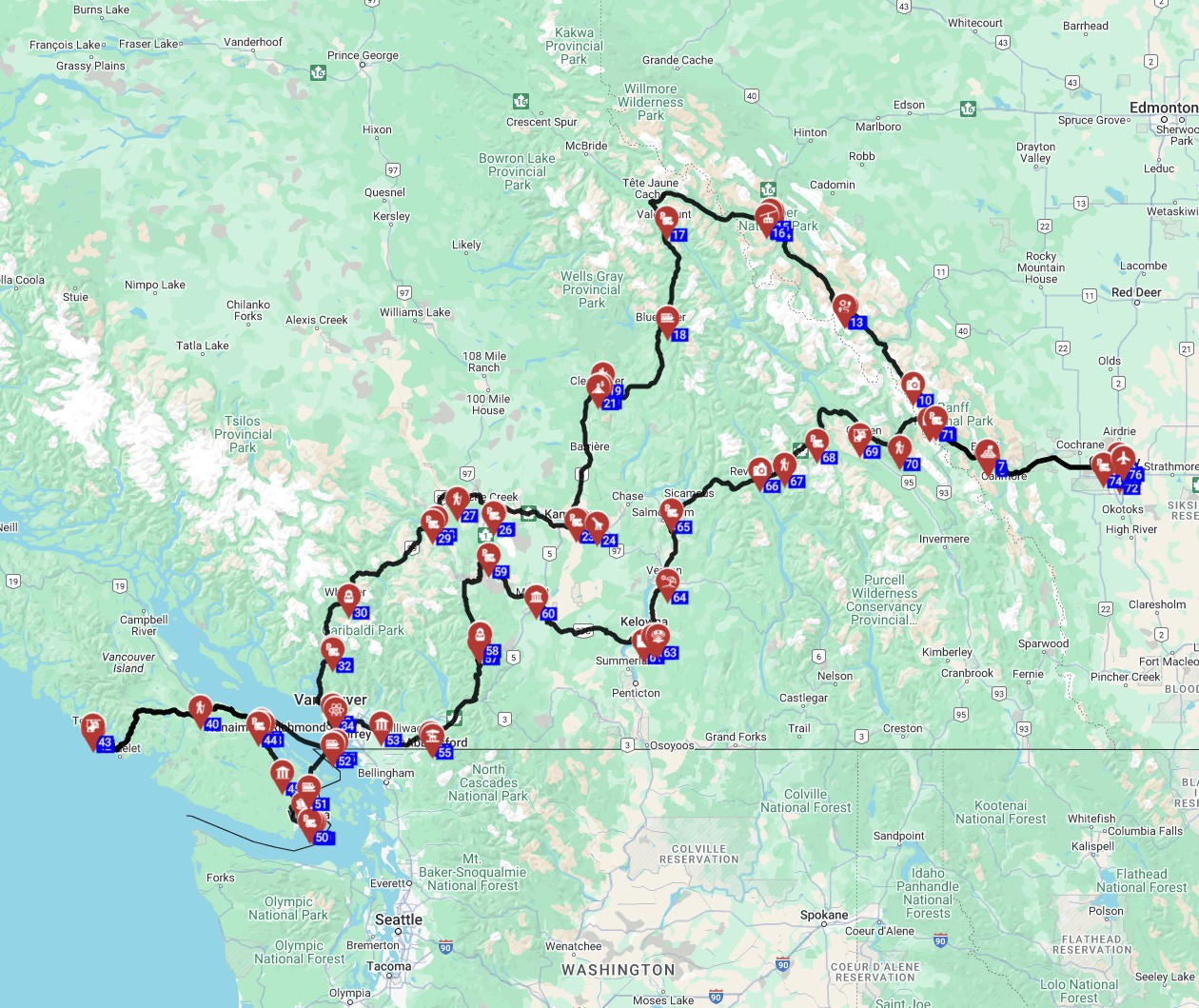
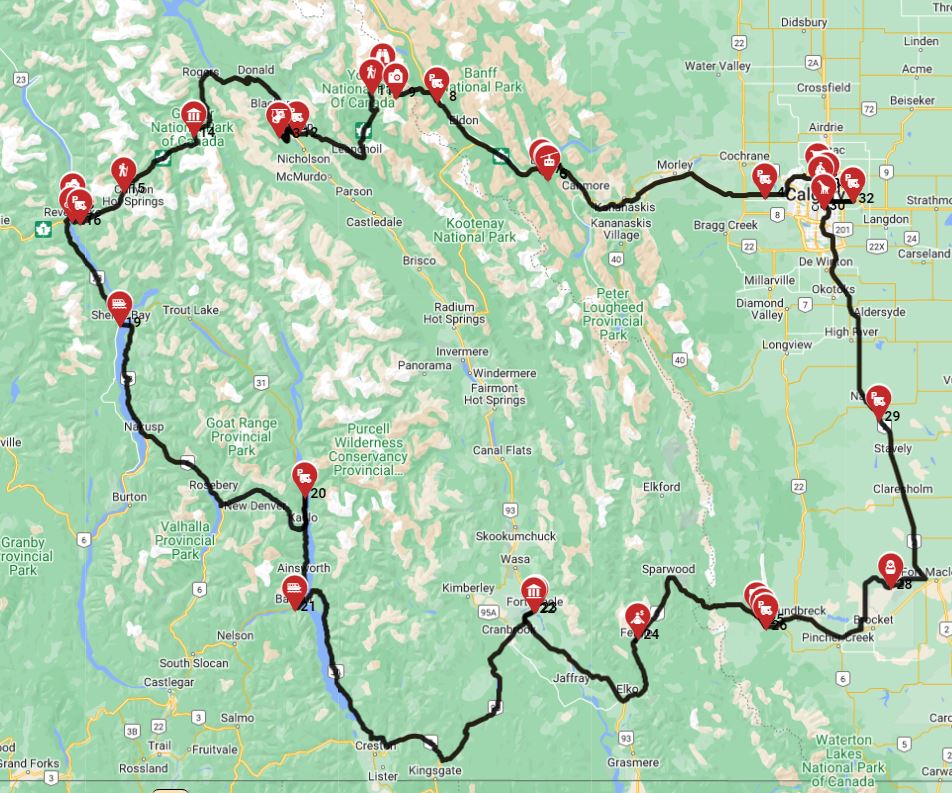
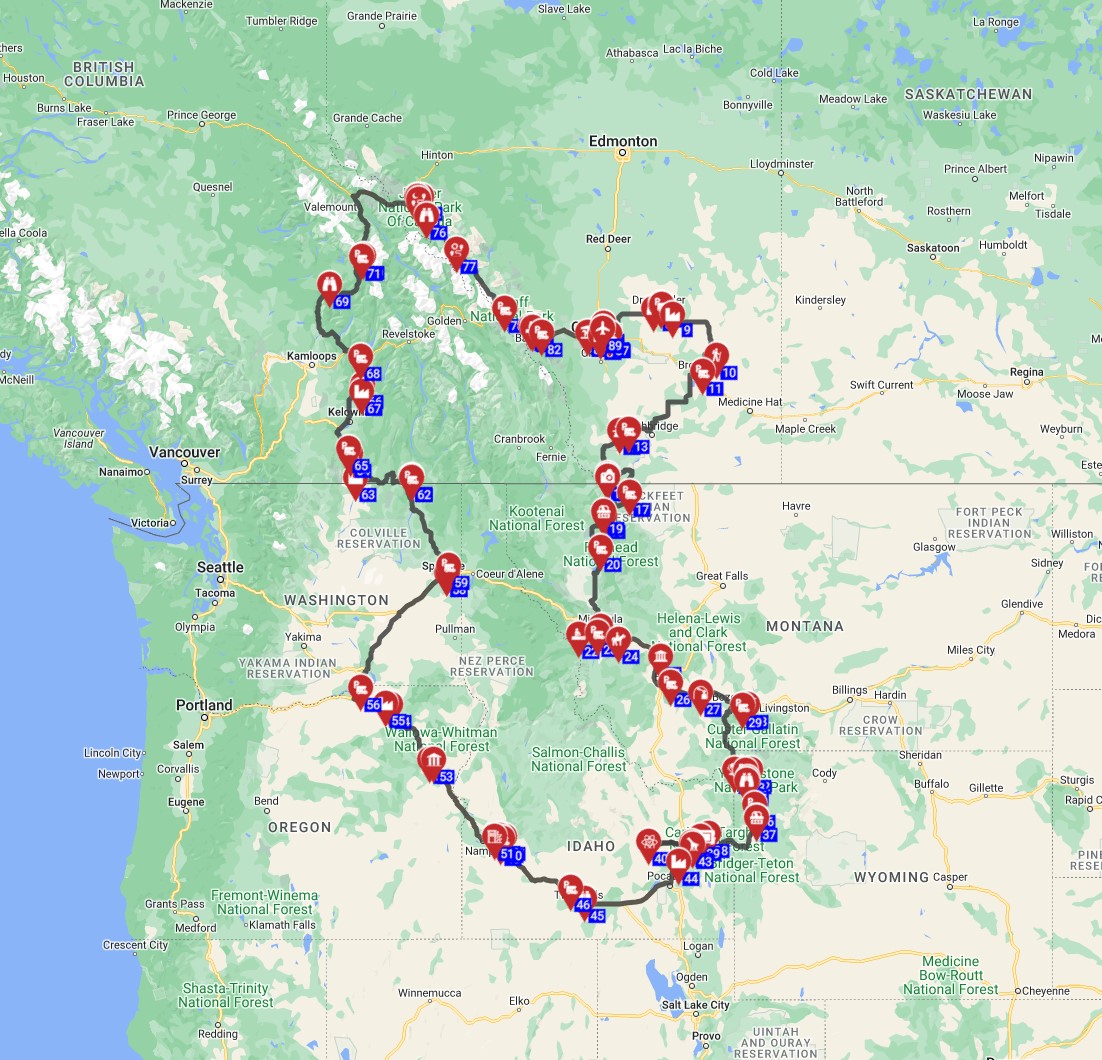
In winter, top RV camping options in Western Canada include specific sections of Banff National Park-e.g., Tunnel Mountain Village II, though amenities are reduced-and Jasper National Park-e.g., Whistlers Campground with winter services-as well as private RV parks in gateway towns like Canmore, Lake Louise, and Kamloops that remain open year-round with full hookups. While many national park campgrounds are closed in winter, select sites offer reduced services for hardy RVers, typically featuring plowed access and vault toilets. Provincial parks and private campgrounds near major routes, ski resorts, and cities-e.g., Kelowna in the Okanagan Valley-often provide more robust winter amenities like electric hookups and heated washrooms. Consider less-traveled scenic routes and local recommendations for unique winter experiences, such as exploring the Kootenay Rockies or lesser-known hot springs areas that offer a quieter escape.
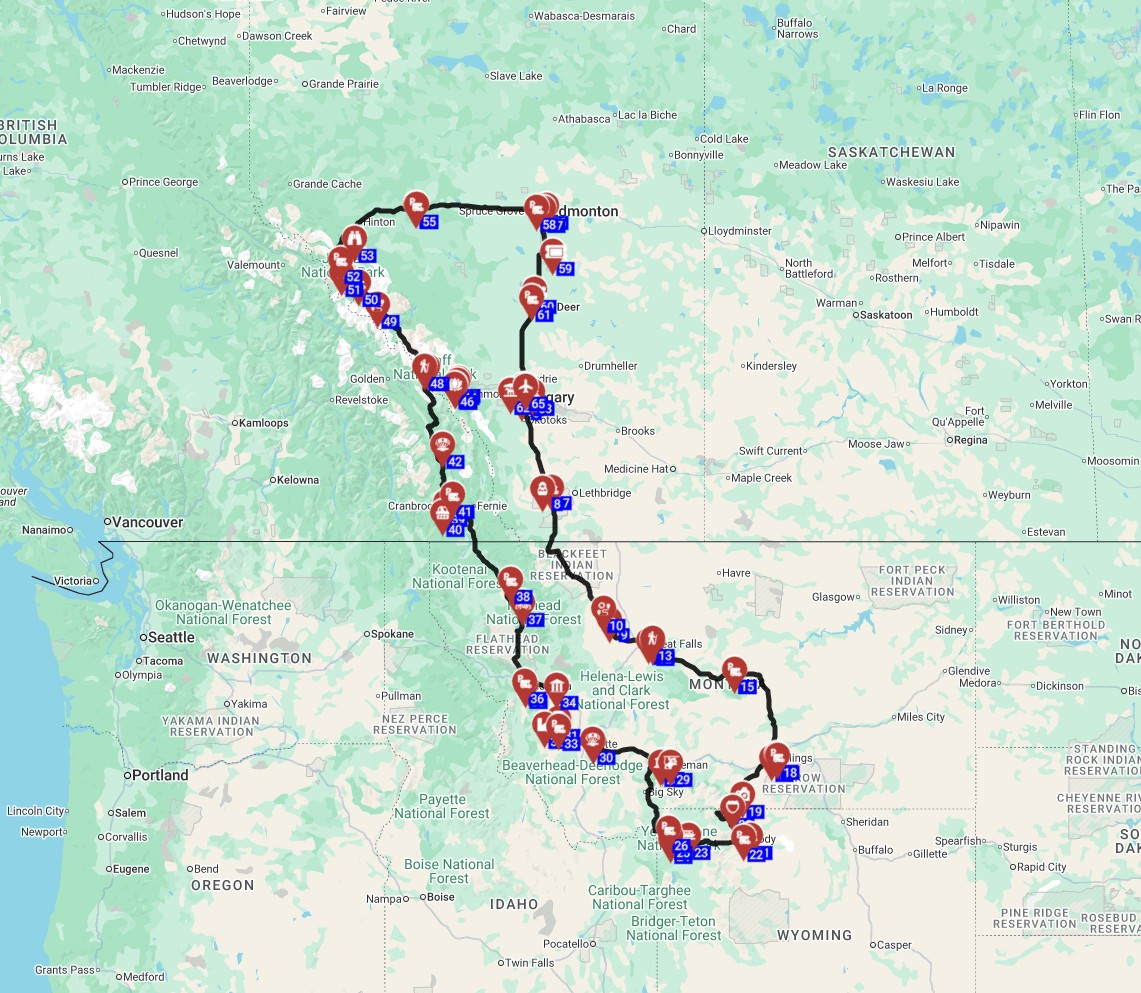
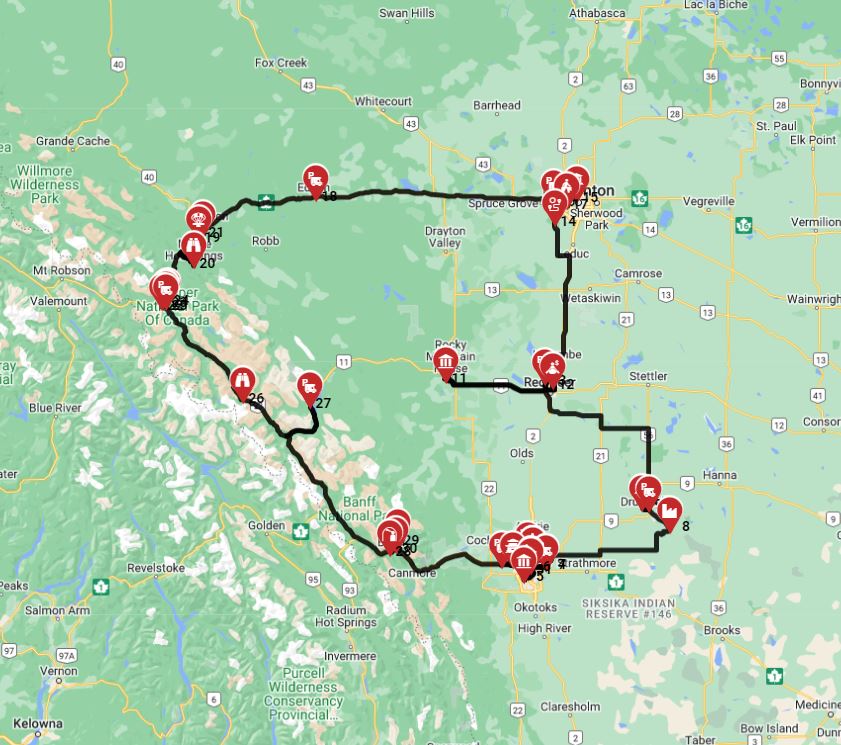
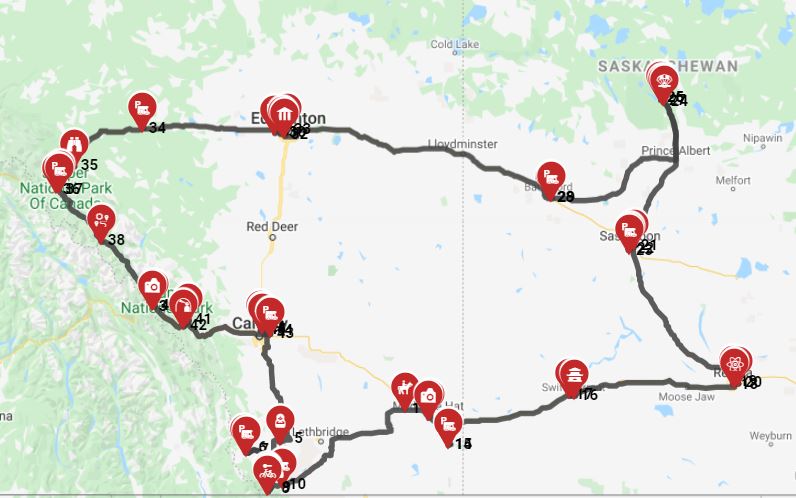
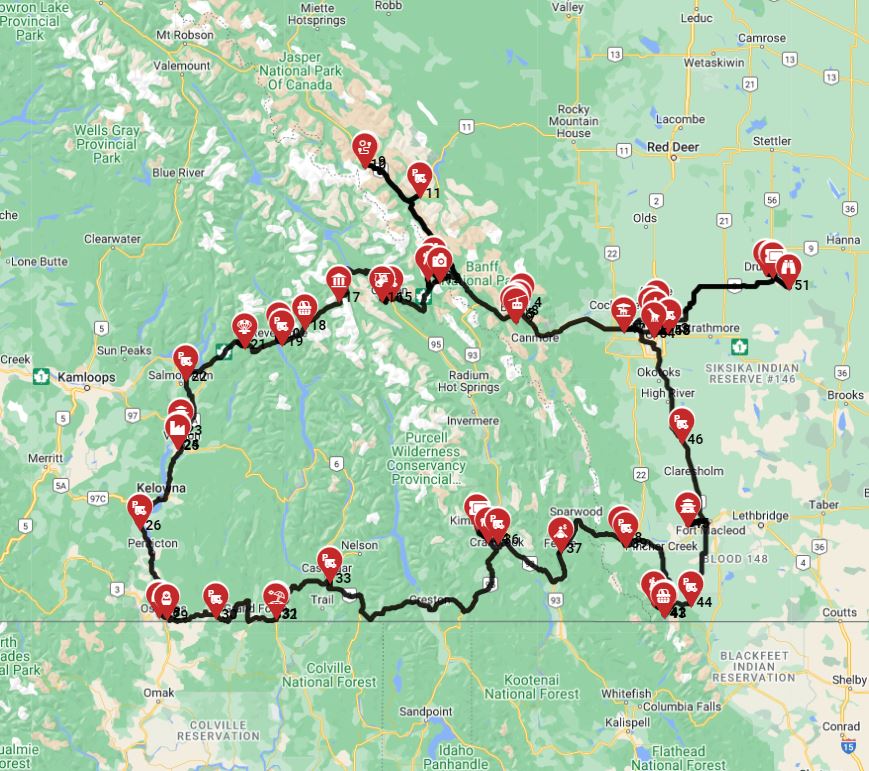
For example, the "

Remember to travel slowly in a rented RV, aiming for a maximum of 100-150 km per day on average. This allows you to truly feel the place, connect to the local culture, savor the food, and immerse yourself in the stunning winter scenery without rushing.
Campground Types in West Canada (National, Private, Wild)
Western Canada offers three primary types of RV camping: National Parks-managed by Parks Canada-Provincial Parks-managed by respective provincial governments-and private campgrounds, alongside limited options for freedom or wild camping on Crown land, each with distinct rules and facilities. National Park campgrounds, while stunning, often have limited winter operations with reduced services; reservations are highly recommended for the few open sites, and strict 'Leave No Trace' principles are enforced. Private campgrounds typically provide the most amenities, including full hookups (electricity, water, sewer), heated facilities, and often Wi-Fi, making them ideal for winter RVing comfort, though at a higher cost. Boondocking or dispersed camping on Crown land (public land) is generally permissible in many areas of British Columbia, Alberta, Yukon, and the Northwest Territories, but requires extensive research into provincial regulations, adherence to 'Can you sleep anywhere?' rules, and strict 'Leave No Trace' practices, especially concerning human waste and fire safety. Ethical considerations for wild camping include respecting local communities, wildlife, and natural ecosystems, ensuring you leave no trace of your stay, and understanding specific regional restrictions or closures, particularly in sensitive winter habitats.
For finding campsites and campgrounds during your trip, we recommend using RV PLANET (rvplan.net)-a great resource for locating available spots along your route, whether you're looking for a fully serviced private park or a more rustic provincial campground. Many sites allow for winter bookings, but availability can vary.
Featured RV Park or Campground in West Canada
When selecting a winter RV park in Western Canada, prioritize locations that explicitly advertise year-round operation, plowed access, and heated facilities to ensure a comfortable and accessible stay. Look for RV parks that offer 30 or 50 amp electrical hookups, potable water-sometimes available only at a central fill station in winter-and accessible dump stations, as many individual site water hookups are shut off to prevent freezing. Ideal winter campgrounds will often be located near amenities like ski resorts, hot springs, or urban centers for easy access to supplies and activities, providing a balance of wilderness access and creature comforts. For example, Tunnel Mountain Village II Campground in Banff National Park is a popular winter option, typically offering electrical hookups and plowed roads, though water access may be limited to central locations.
For those seeking luxury, some private RV resorts near ski destinations like Whistler or Revelstoke offer premium winter services including heated indoor pools, spas, and recreational facilities. These often come with a higher price tag but provide an unparalleled level of comfort. Our network of suppliers, like El Monte, often have RVs equipped with slide-outs and larger living spaces, such as the "Denali Searcher 30 - Gold" which sleeps up to 8 people, making them perfect for such upscale campgrounds. Travel with peace of mind knowing you can upgrade to a top-level deductible for extra coverage.
Hookups & Amenities - What to Expect
In winter RV camping in Western Canada, anticipate that full hookups (electric, water, sewer) may be limited to private RV parks or specific winterized sites, while many national and provincial parks offer basic electric-only sites or no hookups at all. Expect 15, 30, or 50 amp electrical service in most commercial campgrounds, requiring standard North American plug types, but prepare for reduced or no potable water at individual sites due to freezing risks; central water fill stations and dump stations are more common, though some may also be closed. Reliable cell service and Wi-Fi can be sporadic in remote areas of Western Canada, so consider satellite communication devices or cellular boosters for connectivity, especially when boondocking or traveling through mountain passes. While private campgrounds often provide amenities like heated washrooms, laundry facilities, and sometimes even hot tubs, always confirm winter operating hours and availability, as services may be reduced. This transparency helps you plan without surprises.
When planning your route, factor in the availability of dump stations and fresh water. Some national park campgrounds will have dedicated winter facilities, but it is always wise to call ahead. Many rented motorhomes, like a "Class C - Alcove" from our partners, are equipped with generous fresh water (e.g., 167 Liter) and waste water tanks (e.g., 132 Liter for the "rv rentals utah example Sunrise Escape"), allowing for more time between service points, which is especially useful in colder weather.
Booking Windows & Reservations in West Canada
For winter RV travel in Western Canada, pre-planners should book available campsites well in advance, especially for popular national parks or private resorts near ski hills, as winterized sites are fewer and can fill quickly. While many national park campgrounds release 25%-30% of their spots for reservations, the remaining sites are often first-come, first-served; however, in winter, availability is generally higher, making spontaneous travel more feasible for non-reserved sites. Spontaneous travelers can often find same-day or next-day bookings, particularly outside of holiday periods, but it is highly recommended to call ahead to a specific campground before driving there to confirm winter operating status and availability. Even in winter, you will almost certainly find a place to stay-if not at the first campground, then the next one-so there is no need to worry. Flexibility is your best friend when looking for campsites.
RV specialists like Bandana Caravan understand both planning styles. If you love everything organized, you can book your RV rental and plan your route months ahead. If you prefer day-to-day spontaneity, winter often offers more flexibility in securing campgrounds, especially outside of peak holiday weeks. For instance, finding winter RV Rentals in West Canada closer to your travel date is often possible, as long as you're adaptable to different campground choices. We compare final prices across 50+ suppliers, so you don't have to, ensuring full price transparency without hidden fees or surprises.
Can you boondock in Canada in winter?
Yes, boondocking (dispersed or wild camping) is possible in Western Canada in winter, primarily on Crown land, but it presents significant challenges and requires adherence to strict regulations and advanced preparation for cold-weather self-sufficiency. Boondocking regulations vary by province (British Columbia, Alberta, Yukon, NWT), so it's critical to research specific rules for Crown land access, permissible stay durations, and any seasonal restrictions or closures. Winter boondocking necessitates a highly winterized RV, ample supplies of propane, water, and food, a reliable power source-solar can be limited in winter-and robust recovery gear for potential snow entrapment. Be aware of ethical considerations for boondocking, including leaving no trace, respecting wildlife-especially during winter foraging-and understanding that emergency services may be delayed or unavailable in remote locations. It's not a luxury, it's common sense to be prepared.
Always ensure your rented motorhome is equipped for extended periods without hookups. Many rental campervans, such as the "4x4 Camper B - TYR," are designed for more rugged adventures and could be suitable for experienced boondockers, offering 4 Wheel Drive and a "Winter Ready" designation. However, remember that even these units have finite water and waste tank capacities (e.g., typically around 100 liters for fresh water and 80-90 liters for waste water) which deplete faster with heating and daily use.
How do you keep RV pipes from freezing in winter?
To keep rented RV pipes from freezing in winter, essential strategies include thorough winterization with RV antifreeze, using heat tapes and insulation on exposed lines, and maintaining warmth in the RV's underbelly. The most effective method is to completely winterize the RV's water system by draining all water and flushing lines with non-toxic RV antifreeze, especially if the RV will be parked or exposed to sustained freezing temperatures. For active winter camping, employ heat tapes on exposed water lines and sewer hoses, cover them with foam insulation, and ensure heated holding tanks (if available) are functioning, or add insulation to the tank areas. Keep the RV's interior heated and consider using RV skirting around the bottom of the vehicle to protect the undercarriage and plumbing from cold winds and freezing temperatures. If temperatures are only mildly freezing, running a small trickle of water from a faucet can sometimes prevent pipes from freezing solid, but this method consumes water rapidly and is not foolproof.
Reputable RV rental suppliers, many of whom Bandana partners with, will provide winterized units. These motorhomes come with robust insulation and heating systems, and the rental staff will offer specific advice on managing the water systems in cold weather. This is part of being true RV specialists: providing practical, honest information to ensure your comfort and safety.
Best RV Class for Camping in West Canada
For winter RV camping in Western Canada, the ideal RV class often balances maneuverability on snowy roads with sufficient insulation and heating capabilities, making Class B Camper Vans and Class SI Semi-integrated RVs popular choices. Class B Camper Vans, averaging 5.8 meters in length and sleeping around 3.2 people, offer excellent agility for navigating winter conditions and parking, often featuring robust insulation and efficient heating for smaller spaces. These are perfect for couples or small families, providing a cozy mobile base for exploring cities like Vancouver or ski towns like Whistler, and some even come with 4 Wheel Drive capabilities, like the "2 Person 4WD Camper". Class SI Semi-integrated RVs, typically around 6.9 meters long and sleeping about 3.8 people, provide a good compromise between space and handling, often equipped with more substantial winter packages for improved comfort in colder temperatures. The "2 Berth Rover" is a great example of a comfortable, medium-sized semi-integrated motorhome, often equipped with "Winter Ready" features.
While Class C Alcove (averaging 7.5 meters and sleeping 5.8 people) and Class A Integrated (averaging 7.5 meters and sleeping 4.4 people) RVs offer more living space, their larger size can be more challenging on icy roads and in tight winter campgrounds. For example, a "29' Class C Motorhome" provides ample room for a family of four but requires more cautious driving in snowy conditions. Class TC Truck Campers, averaging 5.5 meters in length and sleeping 2.4 people, are well-suited for more adventurous winter camping due to their 4x4 capabilities and robust construction, ideal for accessing remote or unpaved areas, such as the "4x4 Scout Adventure Truck Camper Gold". Remember, a standard car driver's license is sufficient for all motorhome classes, so no special permits are required for your winter adventure in West Canada.
Nearby Supermarkets & Resupply Points
When RVing in Western Canada, plan your resupply stops carefully, as distances between full-service towns can be considerable, especially in winter when some smaller stores may have reduced hours or be closed. Major supermarket chains like Save-On-Foods, Safeway, Superstore, and Walmart are reliable options in larger towns and cities, offering a wide range of groceries and supplies. For more remote areas, smaller independent grocers or general stores will be your primary resupply points, but expect potentially higher prices and a more limited selection. Always keep a good stock of essentials, including extra propane, water, and non-perishable food items, particularly when venturing into areas with limited services. It's also a good idea to bring extra warm gear, even if your motorhome is perfectly heated, for excursions outside the vehicle.
Cities like Calgary, Edmonton, and Vancouver offer abundant resupply options, but even smaller towns like Canmore (near Banff) or Revelstoke (in British Columbia) have adequate grocery stores and fuel stations. Look for signage indicating propane fill stations, as these are critical for heating and cooking in your rented RV. When planning a week-long trip, ensure your initial stock is robust, and use RV PLANET (rvplan.net) to map out resupply points along your chosen routes, minimizing any stress about finding necessities.
How to Save on Campgrounds in West Canada
To save on campground costs in Western Canada, leveraging specific discount cards, such as those offered by Bandana, can provide significant savings on many private RV parks and campgrounds. Choosing municipal or regional campgrounds over private resorts often results in lower nightly rates, and while amenities might be fewer, they can still offer essential services for winter camping. Opting for longer stays, such as 3+ nights, can frequently unlock weekly rates that are more economical than booking individual nights, especially if you plan to explore one area thoroughly. Consider visiting during the shoulder seasons-early winter/late spring-when demand is lower, leading to reduced rates and fewer crowds, though this article focuses on the specific challenges and opportunities of true winter RVing. If traveling in a group, inquire about sharing hookups or splitting costs at larger sites, which can further reduce individual expenses.
Bandana RV strives for full transparency: no hidden fees, no surprises. When you compare motorhome prices for West Canada through our platform, you see the complete picture. Additionally, by utilizing our sister company's resource, RV PLANET (rvplan.net), you can access pre-planned routes by professionals and even receive a 25% planning discount, helping you save on your entire trip. This makes discovering West Canada in a rented RV more accessible and affordable.
Top Cities for RV Rental in West Canada
Western Canada offers several excellent starting points for a winter RV rental adventure, each providing access to unique landscapes and experiences. Whether you prefer mountainous regions or coastal scenery, these cities serve as convenient hubs for picking up your motorhome or campervan and launching your journey.
- Vancouver, British Columbia: A vibrant coastal city offering access to ski resorts like Whistler Blackcomb and ferry routes to Vancouver Island. It's an ideal starting point for a "Vancouver Round Trip - West Canada Cycling Adventure," even if you're swapping bikes for skis in winter.
- Calgary, Alberta: The gateway to the Canadian Rockies, including Banff National Park and Kananaskis Country. Many winter RV Rental in West Canada options depart from Calgary, providing immediate access to world-class skiing and stunning mountain views.
- Edmonton, Alberta: North of Calgary, Edmonton offers access to Jasper National Park and more remote northern adventures, perfect for those seeking a true wilderness experience in a rented RV.
- Whistler, British Columbia: While primarily a ski resort, some rental options might be available here for those who want to jump straight into the action, though most pick-ups are in Vancouver.
- Canmore, Alberta: A charming mountain town adjacent to Banff, Canmore has several RV parks that remain open year-round, making it a great base for exploring the area.
- Kamloops, British Columbia: Situated in the Okanagan Valley, Kamloops offers a milder winter climate and access to a diverse range of activities, from wine tasting to snowshoeing.
- Revelstoke, British Columbia: Known for its exceptional skiing and snowmobiling, Revelstoke is a prime spot for adrenaline junkies with a winterized motorhome.
- Golden, British Columbia: Located at the confluence of the Columbia and Kicking Horse Rivers, Golden is surrounded by six national parks, offering endless winter exploration opportunities for your rented mobile home.
When selecting your pickup city, consider your desired itinerary and the availability of specific RV classes. Our detailed "One-Way RV Rental in West Canada - Price Guide 2026" can help if you plan to pick up in one city and drop off in another, for example, from Vancouver to Calgary, to maximize your exploration.
🎬 Video coming soon
What You Shouldn't Miss
Looking for expert insights from Avi Bandana? Top 5 Adventures - recommendations from Avi Bandana:
- Ski or Snowboard the Rockies: Drive your rented motorhome to world-class resorts like Banff Sunshine, Lake Louise Ski Resort, or Whistler Blackcomb. The convenience of having your own warm space close to the slopes is unmatched.
- Ice Skate on Lake Louise: Experience the iconic Fairmont Chateau Lake Louise with a breathtaking outdoor ice rink set against the Victoria Glacier. It's a quintessential Canadian winter scene perfect for families or couples.
- Explore the Frozen Waterfalls of Johnston Canyon: Near Banff, this popular hike transforms into a magical ice walk in winter, with frozen waterfalls that attract ice climbers and photographers alike. Access is easy from nearby campgrounds.
- Soak in Liard River Hot Springs: Drive your Campervan north to British Columbia's Liard River Hot Springs Provincial Park, where you can unwind in natural, mineral-rich hot springs, often with moose as your fellow bathers-a truly wild and unforgettable experience.
- Discover the Okanagan Valley's Winter Charm: Head to areas around Kelowna for a milder winter experience, where you can enjoy winter wine tours, cross-country skiing, and cozy evenings in your rented RV by a frozen lake.
Final Thoughts
Embracing a winter RV adventure in West Canada offers an unparalleled opportunity to witness breathtaking landscapes in a season of quiet beauty. From the snow-capped peaks of the Rockies to the serene hot springs of British Columbia, a rented motorhome provides the warmth and flexibility to explore at your own pace. While winter conditions demand thoughtful preparation and attention to detail, the rewards of fewer crowds and pristine scenery are immeasurable.
Remember that planning is part of the fun, whether you're a meticulous pre-planner or a spontaneous explorer. Focus on a comfortable, winterized RV, pack wisely, and stay informed about road and weather conditions. With Bandana Caravan, you have a dedicated team of RV specialists committed to providing full transparency and support throughout your booking process, ensuring your winter journey is as smooth and enjoyable as possible.
So, get inspired for your next trip! Discover your perfect winter escape, compare motorhome prices for West Canada, and prepare to create unforgettable memories amidst the majestic winter wonderland. The open road is calling, even when it's covered in snow!