In This Guide
- Where to Camp in Switzerland - Top Options
- Campground Types in Switzerland (National, Private, Wild)
- Featured RV Park or Campground in Switzerland
- Hookups & Amenities - What to Expect
- Booking Windows & Reservations in Switzerland
- Nearby Supermarkets & Resupply Points
- Best RV Class for Camping in Switzerland
- How to Save on Campgrounds in Switzerland
- How much does it cost to rent an RV in Switzerland
- Is it worth renting an RV in Switzerland
- What are the best places to visit in Switzerland in winter
- Can you winter camp in Switzerland
- What do I need to know about driving an RV in Switzerland
- Do you need snow tires for Switzerland
- How much does it cost for a week in Switzerland
- Can I wild camp in Switzerland in an RV
- Can you park an RV anywhere in Switzerland
- What is the best way to travel Switzerland in winter
- How do I prepare an RV for winter camping
- Is Switzerland good for motorhomes
- How do you get around Switzerland without a car in winter
- Is RV camping in Switzerland safe
- How do I dump grey water in Switzerland
- How much is gas in Switzerland
- Do you need to book campsites in Switzerland
- What is the vignette in Switzerland
- Is it illegal to sleep in your car in Switzerland
- Can you camp anywhere in the Alps Switzerland
- Are there tolls in Switzerland
- How do you dispose of RV waste in Switzerland
- Can you RV to Zermatt
- Is it hard to drive in Switzerland
- How to get from Zurich to Zermatt in winter
- How can I save money on RV in Switzerland
- What is the coldest month in Switzerland
- How do I get internet in Switzerland RV
- How do you fill propane in Switzerland
- What is the best month to RV in Switzerland
- Top Cities for RV Rental in Switzerland
Imagine waking up to fresh Alpine snow, brewing a warm coffee in your rented motorhome, and stepping right onto the slopes. Winter RV camping in Switzerland offers an unparalleled experience, combining the comfort of a mobile home with the breathtaking beauty of snowy mountains. It's an adventure waiting for those who love flexibility and the great outdoors. For live availability and current prices, start with our RV Rental Switzerland - Complete Guide 2026 guide.
Where to Camp in Switzerland - Top Options
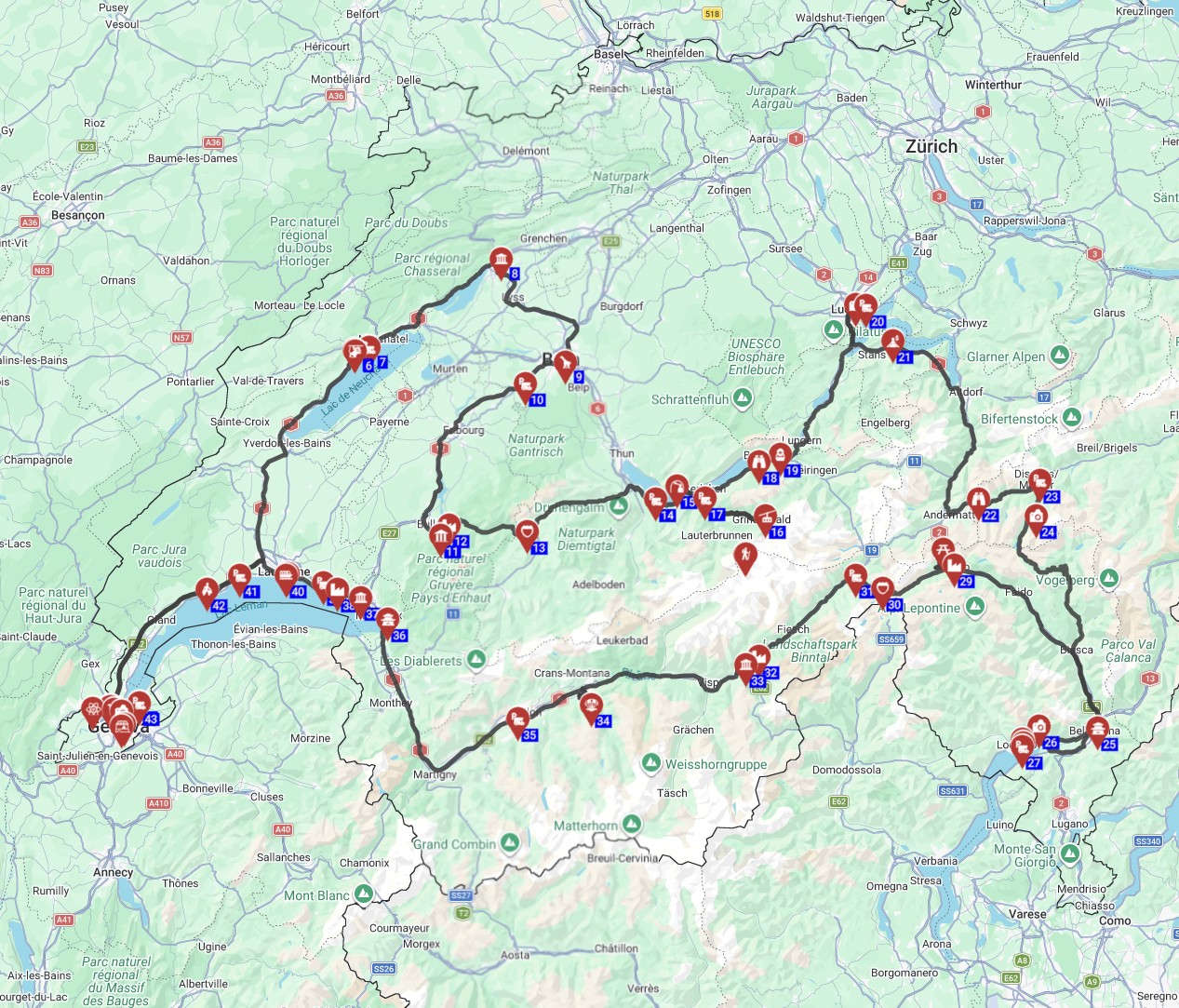
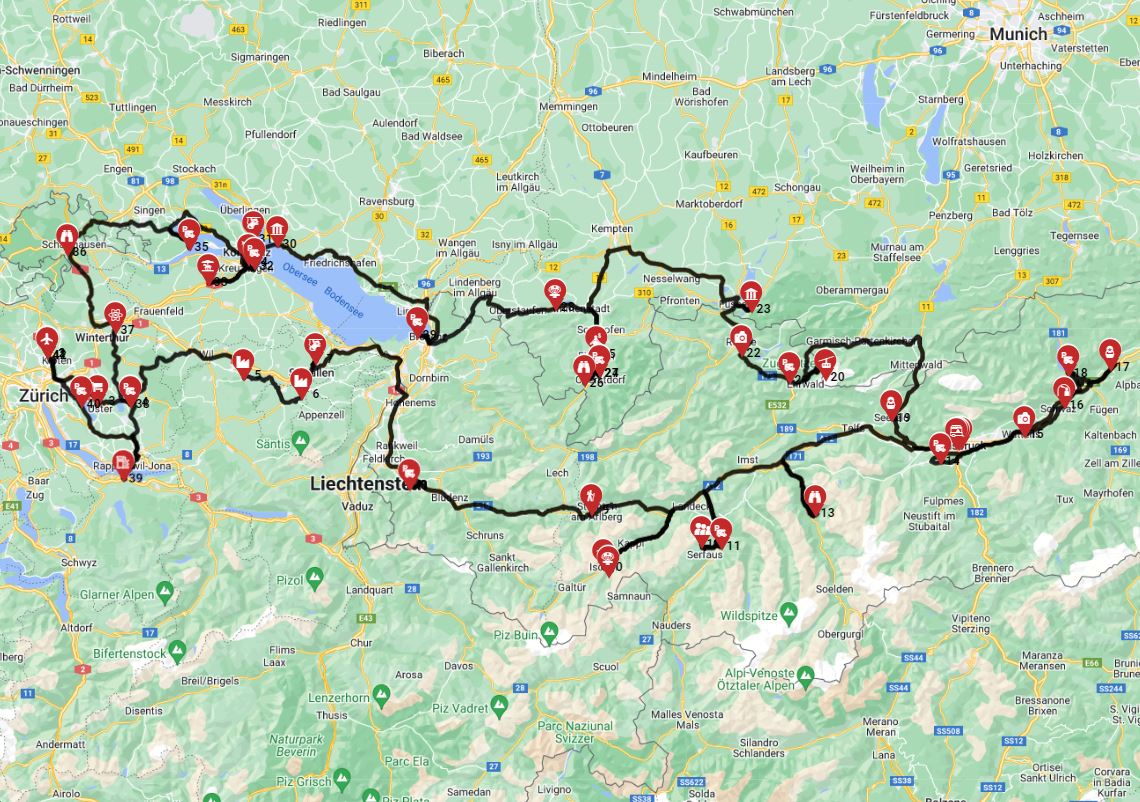
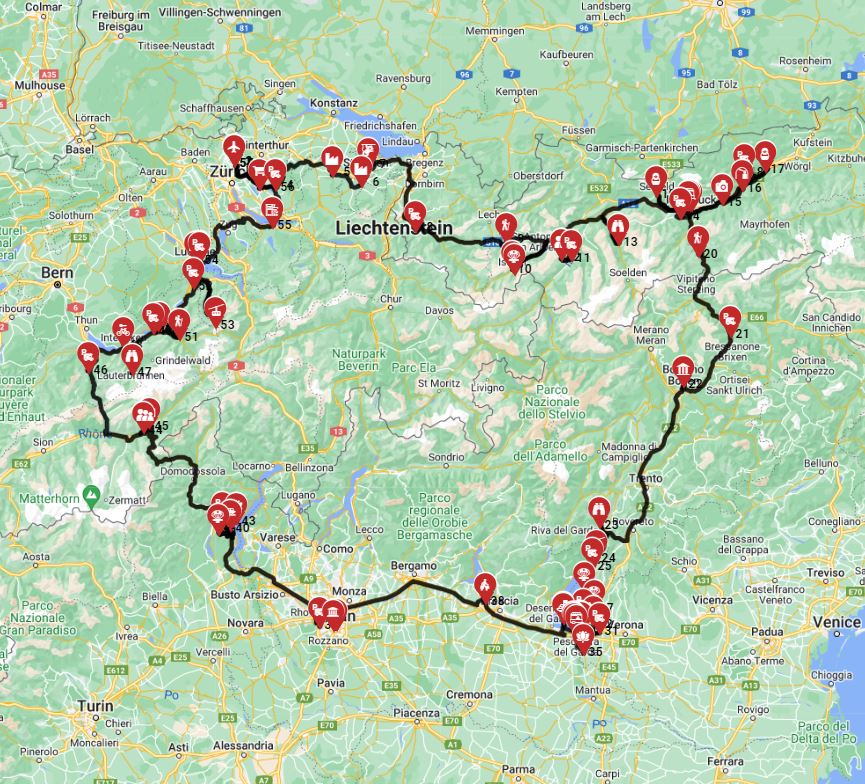
Switzerland offers diverse winter camping experiences, ranging from convenient ski-in/ski-out access to tranquil lakeside spots. Regions like the Bernese Oberland are excellent for direct mountain access, while the Lake Geneva area provides a milder climate, and the Valais canton boasts prime ski resorts. Many campgrounds remain open year-round, specifically equipped with heated facilities to cater to winter sports enthusiasts.When planning your route, consider how different regions of Switzerland offer unique camping possibilities. For instance, an itinerary like the "Nice Roundtrip - French Riviera toward North Italy, Switzerland, and the French Alps" could include overnight stays in scenic Swiss locations, allowing you to enjoy 1 amusement park, 2 animals shows, and 1 botanical garden among its many attractions over 15 days and 1742.8 km. This route offers a comprehensive introduction to the diverse landscapes, seamlessly blending coastal charm with alpine grandeur.
Campground Types in Switzerland (National, Private, Wild)
Private campgrounds are the most common type in Switzerland and reliably offer essential facilities for winter RVers, including electrical hookups and heated amenities. Unlike some other countries, Switzerland does not have designated 'national park' campgrounds; instead, most campsites are either privately managed or municipal. Wild camping (or freedom camping) in an RV is generally restricted and often illegal in most parts of Switzerland, particularly in populated areas, nature reserves, and agricultural zones. It is crucial to seek explicit permission from landowners or local authorities for any overnight stay outside official sites in remote, non-protected areas, to avoid potential fines.Featured RV Park or Campground in Switzerland
For winter RVing in Switzerland, prioritizing campgrounds that explicitly advertise winter readiness is essential. Look for key features like heated sanitary blocks, efficient snow removal services, and convenient proximity to ski lifts or winter hiking trails. Essential amenities include reliable electrical hookups (which are vital for heating your rental motorhome), access to fresh water (which is often winterized at central points), and proper waste disposal facilities. Many ideal winter RV parks are located near popular ski regions such as the Jungfrau area, providing easy access to winter sports activities and a vibrant community of fellow cold-weather adventurers.Hookups & Amenities - What to Expect
Most Swiss campgrounds, especially those open year-round, provide essential hookups for your rented RV, including 230V electricity (compatible with Type J or Schuko plugs), fresh water, and grey/black water disposal points. In winter, anticipate that water hookups may be winterized or only available at central points to prevent freezing; always confirm directly with the campsite before arrival. Standard amenities often include heated sanitary facilities, showers, laundry services, and Wi-Fi, though Wi-Fi quality and its availability can vary by location and may sometimes require additional fees. Propane or gas refills are typically available at larger service stations or specialized RV shops, and it's wise to check if your rental motorhome requires specific adapters for non-Swiss tanks.Booking Windows & Reservations in Switzerland
For winter RV rentals in Switzerland, it is highly advisable for pre-planners to book campsites well in advance, especially when targeting popular ski resorts or peak holiday periods like Christmas, New Year's, or school breaks. While spontaneous travelers might find same-day or next-day availability at less sought-after sites, specific winter-ready pitches with electrical hookups can fill up very quickly. Many national park-adjacent or popular campgrounds may reserve a portion of their spots for advance bookings while keeping others open for first-come, first-served arrivals; calling ahead before driving is always recommended. During off-peak winter months, such as late January or early March, more flexibility for spontaneous booking may exist, but always confirm directly with the campground.Nearby Supermarkets & Resupply Points
Major Swiss supermarket chains like Migros and Coop are widely available in most towns and cities across Switzerland, offering comprehensive options for groceries and essential supplies to stock your rented motorhome. Denner is another popular choice, often providing more budget-friendly options, particularly for beverages. Seek out smaller local markets in villages for fresh, regional produce; these can be a delightful way to experience Swiss culture and support local communities. Preparing meals in your RV kitchen can also be a fantastic way to enjoy delicious, fresh food while saving money. For inspiration, check out our RV-friendly recipes playlist.Best RV Class for Camping in Switzerland
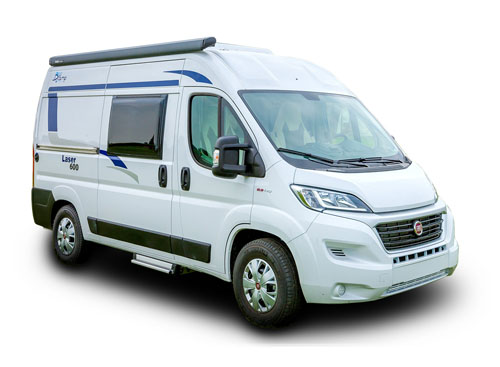
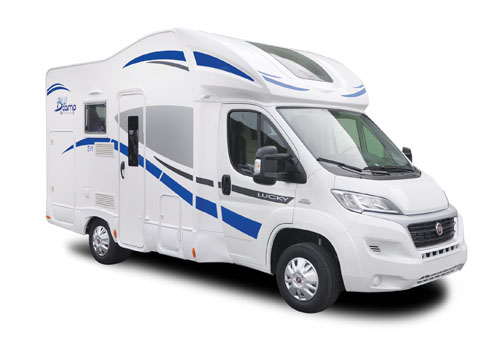
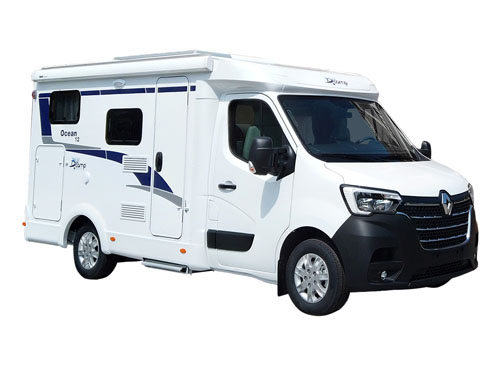
For winter RV camping in Switzerland, Class B Camper Vans are an excellent choice due to their exceptional maneuverability on narrow mountain roads and easier parking in towns. These campervans, averaging 5.8m in length and sleeping around 2.7 adults, typically have a fuel consumption of 8-10 L/100km for Bandana's fleet, making them efficient for traversing Switzerland's diverse terrain. Class SI Semi-integrated RVs, averaging 6.9m in length and sleeping around 3.4 adults, offer a comfortable balance of space and handling, often featuring good insulation for colder weather. While larger Class C Alcove (averaging 7.5m in length, sleeping 4.4 adults, with 10-12 L/100km fuel consumption) or Class A Integrated RVs (averaging 7.5m in length, sleeping 4 adults, with 8-12 L/100km fuel consumption) provide more living space, they can be more challenging to navigate on winding winter roads and may have restricted access in certain picturesque areas.How to Save on Campgrounds in Switzerland
You can save on campground costs in Switzerland by utilizing specific discount cards, such as CampingCard ACSI or ADAC CampCard, which often provide significant savings on off-season rates at participating Swiss campgrounds. Consider booking your rented motorhome trip during the shoulder season (late November/early December or late March/April) if world-class skiing isn't your only priority, as both rental and campsite rates tend to be lower. Opt for municipal or regional campgrounds over private resorts, as they usually offer more competitive pricing while still providing necessary winter amenities. For longer stays, always inquire about weekly or monthly rates, as many campgrounds provide discounts for commitments of three nights or more. To manage all your expenses, including campsite fees, keep in mind that RV PLANET routes allow travelers to itemize and track every expense along the way for easy budgeting.How much does it cost to rent an an RV in Switzerland
The cost to rent an RV in Switzerland varies significantly based on factors such as the RV class, rental duration, season, and specific features, typically ranging from CHF 100 to CHF 300+ per day. Winter rentals, particularly for well-equipped and insulated vehicles, can be towards the higher end of this scale due to increased demand and the specialized features required for cold-weather travel. Expect additional costs for comprehensive insurance, potential one-way fees (CHF 150-500), mileage packages, and essential winter accessories like snow chains or specific tires, which may not be included in the base rate. Fuel costs are notably high in Switzerland; a Class SI Semi-integrated RV might consume 10-11 Liters/100 km, while a Class B Camper Van typically consumes 8-10 Liters/100 km. For more detailed pricing insights, refer to our "RV Rental in Switzerland - Prices and Best Deals 2026" guide.Is it worth renting an RV in Switzerland
Renting an RV in Switzerland is highly worthwhile for travelers who seek unparalleled flexibility, immersive experiences, and direct access to stunning winter landscapes and world-class ski resorts. A rented motorhome allows you to make spontaneous itinerary adjustments, reach remote areas not always accessible by public transport, and enjoy the convenience of having your accommodation and kitchen readily available. The ability to stay close to ski slopes, experience unique Swiss customs by visiting local markets, and prepare your own meals can significantly enhance your winter adventure, providing a profound sense of local immersion. Imagine sipping hot chocolate with a view of the Matterhorn from your mobile home – that's the magic of it!What are the best places to visit in Switzerland in winter
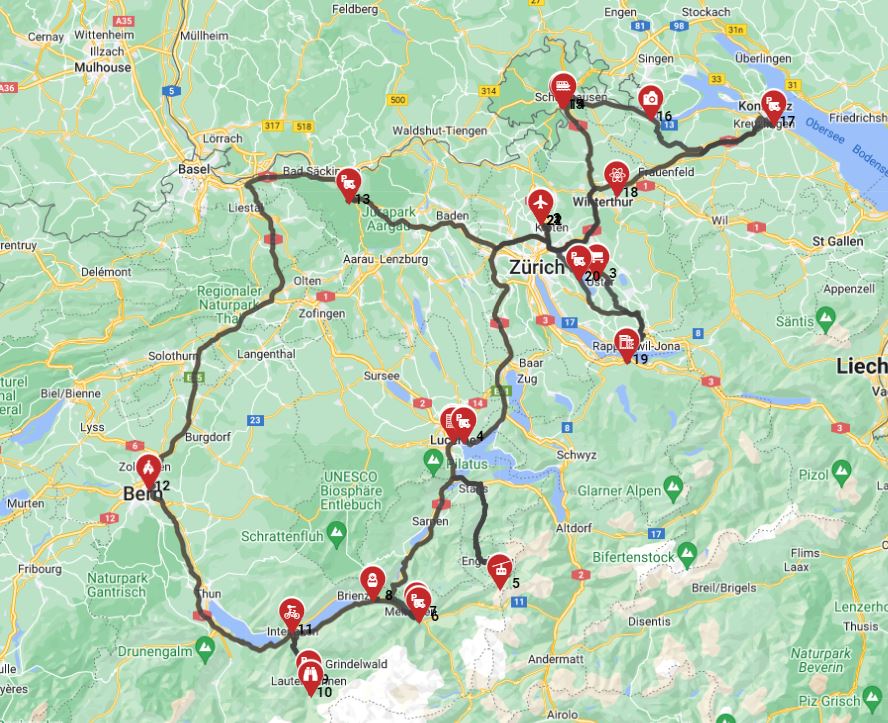
The best places to visit in Switzerland in winter by RV include the iconic Matterhorn region (requiring you to park in nearby Tasch and take the train to Zermatt, which is car-free), the Jungfrau region for stunning Alpine vistas, and the Engadin Valley for world-class skiing and winter hiking. Consider destinations like Grindelwald, Interlaken, and St. Moritz for a blend of winter sports, charming towns, and scenic drives. For unique experiences, explore less-traveled routes through the Valais canton, which offers numerous ski areas and traditional villages, ensuring a comprehensive route planning experience for different skill levels. It's crucial to note that specific mountain passes like Furka, Grimsel, and Gotthard are typically closed in winter, necessitating careful route planning for alternative, lower-elevation roads or car train options.A focused route plan such as "
Can you winter camp in Switzerland
Yes, winter camping in Switzerland is widely possible and remains a popular way to experience the stunning snowy landscapes, with many campgrounds offering specialized facilities designed for cold weather. Essential for comfort and safety are winter-ready RVs equipped with good insulation, reliable heating systems (often propane or diesel-powered), and appropriate tires. Many campsites conveniently located near major ski resorts remain open year-round, providing heated amenities, efficient snow removal, and direct access to various winter activities like skiing and snowboarding.What do I need to know about driving an RV in Switzerland
Driving an RV in Switzerland requires familiarity with specific mountain driving etiquette, including the use of engine braking on descents and always yielding to PostBuses, which have absolute priority on mountain routes. Be thoroughly prepared for winding, narrow roads and potential snow and ice conditions in winter, especially when navigating higher mountain passes (many of which are closed). A Swiss motorway vignette is mandatory for all vehicles, including rented motorhomes, using national highways (Autobahns and Autostrassen); this annual sticker, costing CHF 40, must be purchased and affixed to the windscreen before entering these roads. Drive slowly and carefully, and you can drive almost anywhere without issues. No need to stress - just use common sense and pay attention. Heed specific road restrictions for larger vehicles, which may be prohibited on very narrow or steep routes, particularly in historic town centers or high mountain passes.Do you need snow tires for Switzerland
While not legally mandatory across all of Switzerland, snow tires (or all-season tires marked M+S and the snowflake symbol) are highly recommended and often practically necessary for safe winter RV driving, particularly in mountainous regions. In certain specific areas or under particular conditions, such as heavy snowfall, snow chains may become compulsory, with requirements indicated by clear road signs. Many reputable rental companies, including Bandana's partners like Apollo and Britz, will equip their winter RVs with appropriate tires, but it is crucial to confirm this with your rental provider prior to booking your trip.How much does it cost for a week in Switzerland
A week-long RV trip in Switzerland can range significantly in cost, from CHF 1,500 to CHF 3,000+ or more, depending on the specific RV rental costs, fuel consumption, chosen campsites, planned activities, and food expenses. For example, a quality RV rental for a week can fall between CHF 700-2100+, while fuel costs can be substantial given high Swiss prices and average RV consumption (e.g., a Class SI at 10-11 L/100 km). Campsite fees typically range from CHF 30-60 per night for a powered pitch. Additionally, budget for tolls (the annual vignette is CHF 40), parking, and any ski passes or other winter activities, which can add significant amounts to your total trip cost. Our "Weekly RV Rental in Switzerland - Pricing 2026" guide provides more detailed breakdowns.Can I wild camp in Switzerland in an RV
Wild camping in an RV in Switzerland is generally not permitted and can lead to significant fines, particularly in protected areas, agricultural zones, and populated regions. While there isn't a single nationwide law, regulations are determined at the cantonal and communal level, making it difficult to ascertain legality without specific local knowledge. To avoid legal issues or disturbances, it is always best to utilize designated campsites or official Stellplätze (basic overnight parking areas) for your stays in your rented motorhome.Can you park an RV anywhere in Switzerland
No, you cannot park a rented RV anywhere in Switzerland; parking regulations are notably strict, especially within towns and cities, and overnight parking outside of designated areas is frequently restricted or outright prohibited. Always actively look for specific RV parking signs or designated Stellplätze for overnight stays to avoid fines. In some remote mountain areas, a limited tolerance may exist for a single night's discreet stay, but this is never guaranteed and is entirely dependent on local communal rules and private land ownership.What is the best way to travel Switzerland in winter
Traveling Switzerland in winter by rented RV offers unparalleled freedom and direct access to winter sports destinations, allowing you to follow the best snow conditions or explore charming villages at your own flexible pace. While Switzerland boasts an excellent public transport system (trains and PostBuses) that is highly efficient, an RV provides a private, self-contained basecamp, which is ideal for families or those with significant gear for activities like skiing or snowboarding. For maximum flexibility and comfort, especially when exploring multiple regions, an RV combines accommodation and transport, making it an excellent choice for a winter adventure despite the challenging driving conditions encountered on some routes. You can truly experience the magic of winter up close.How do I prepare an RV for winter camping
To thoroughly prepare a rented RV for winter camping in Switzerland, ensure it has proper insulation throughout, a reliable and efficient heating system (often powered by propane or diesel), and a fully winterized water system to prevent freezing. It's crucial to equip your RV with appropriate winter tires (M+S rated with the snowflake symbol) and always carry snow chains, particularly if your route ventures into higher altitudes. Stock up on adequate propane for heating, warm bedding, a supply of non-perishable food, and essential emergency items such as a shovel, sand or salt for traction, and a fully charged spare battery. For your specific rental, confirm all winterization features with your provider, such as El Monte or Cruise America, and ensure you understand how to operate the heating and water systems effectively in cold weather.Is Switzerland good for motorhomes
Switzerland is exceptionally good for motorhome travel, offering breathtaking scenery, well-maintained roads (though often narrow and winding in mountainous regions), and a reliable network of campgrounds equipped for all seasons. Despite its challenging mountainous terrain, a rented motorhome trip allows direct and flexible access to stunning hiking trails, picturesque lakeside towns, and, in winter, convenient proximity to world-class ski resorts. The experience is particularly suited to those who appreciate immersing themselves in nature, engaging in outdoor activities, and enjoying the freedom to explore at their own pace, making it an ideal destination for an RV adventure. You can find many pre-planned routes for Switzerland on RV PLANET (rvplan.net).How do you get around Switzerland without a car in winter
Getting around Switzerland without a car in winter is remarkably efficient and a popular option, thanks to the country's comprehensive, punctual, and highly integrated public transport network. The Swiss Federal Railways (SBB) connects all major cities and towns, while the iconic PostBuses reach even the most remote villages, often equipped with heated ski racks for convenience. Many travelers find that purchasing a Swiss Travel Pass offers excellent value, providing unlimited travel on trains, buses, and boats, and often includes free entry to numerous museums and attractions.Is RV camping in Switzerland safe
RV camping in Switzerland is generally very safe, benefiting from the country's famously low crime rates and impeccably maintained infrastructure. Primary safety concerns in winter predominantly revolve around driving conditions, such as the potential for ice, snow, and navigating narrow mountain roads, all of which require cautious driving and appropriate vehicle equipment. Always be prepared for rapidly changing weather conditions in mountain areas, carry essential emergency supplies, and it's prudent to inform someone of your planned route if you are venturing into particularly remote locations with your rented motorhome.How do I dump grey water in Switzerland
In Switzerland, grey water (wastewater from sinks and showers in your RV) must be properly disposed of at designated dump stations, which are readily available at most official campgrounds and some larger service stations. Never dump grey water illegally, as it is environmentally harmful and can lead to significant fines. Always look for clear 'Entsorgungsstation' or 'Servicestation' signs, as these indicators specify facilities equipped for emptying both grey and black water tanks in an environmentally responsible manner.How much is gas in Switzerland
Gas (petrol/diesel) prices in Switzerland are consistently among the highest in Europe, typically fluctuating but generally more expensive than in neighboring countries. As of 2026, expect to pay significantly for diesel, which is the common fuel type for Bandana's fleet, with average consumption for a Class SI RV being 10-11 Liters/100 km. Budgeting generously for fuel is a crucial aspect of planning your RV trip through Switzerland, especially when traversing long distances or frequently driving in mountainous terrain. Our "RV Rental in Switzerland - Prices and Best Deals 2026" itinerary includes detailed cost estimations.Do you need to book campsites in Switzerland
Yes, booking campsites in Switzerland is highly recommended and often necessary to secure a spot, particularly during the peak winter season (December-March) and in popular areas around ski resorts. While some flexibility might exist in less popular areas or during the shoulder seasons, winter-specific pitches that offer necessary amenities such as heated facilities and snow removal fill up quickly. Booking your spot in advance ensures you have a confirmed place to stay, which is especially important in cold weather when options for spontaneous overnight parking are much more limited for your rented motorhome. Remember that many national/state parks reserve only 25-30% of spots, with the rest being first-come-first-serve; it's always wise to call ahead before driving.What is the vignette in Switzerland
The Swiss vignette is an annual toll sticker that is mandatory for all vehicles, including rented RVs and campervans, to use Switzerland's national motorways (Autobahns and Autostrassen). It costs CHF 40 for the calendar year and must be purchased before entering a motorway; failing to display a valid vignette can result in a hefty fine. The vignette can be conveniently purchased at border crossings, post offices, petrol stations, and through online services, providing comprehensive guidance on the Swiss vignette system and other road-specific rules. Keep this in mind when comparing "Cheap RV Rental in Switzerland - Budget Guide 2026" options.Is it illegal to sleep in your car in Switzerland
Sleeping in your car in Switzerland, including in a rented RV or campervan, generally falls into a legal grey area, as there is no single nationwide law, but it is typically frowned upon and often restricted by local cantonal and communal regulations. It is usually illegal to sleep overnight in public parking lots or on private land without explicit permission. To effectively avoid fines or potential disturbances, it is always advisable to stay at designated campsites or official Stellplätze (motorhome parking areas) for all overnight stays.Can you camp anywhere in the Alps Switzerland
No, you cannot camp anywhere in the Swiss Alps, as wild camping restrictions apply throughout Switzerland, with strict prohibitions in national parks, nature reserves, and often above the treeline or near mountain huts. While some remote, non-protected areas may offer limited tolerance for a single, discreet overnight stay in your rented motorhome, this is never guaranteed and depends entirely on specific local communal rules and private land ownership. For responsible and legal camping, always prioritize using designated campgrounds or official Stellplätze located within or near the Alps.Are there tolls in Switzerland
Yes, Switzerland primarily utilizes a vignette system instead of traditional toll booths for its national motorways, which functions as an annual flat-fee toll. This annual motorway vignette costs CHF 40 and is mandatory for all vehicles, including rented RVs, when using the Autostrassen and Autobahns. In addition to the vignette, some specific tunnels or mountain passes (such as the Great St Bernard Tunnel) have separate, individual tolls that you'll need to pay. Always factor these into your overall trip budget, as discussed in our "RV Rental in Switzerland - Prices and Best Deals 2026" guide.How do you dispose of RV waste in Switzerland
RV waste, encompassing both grey water and black water from your rented motorhome, must be disposed of at designated service points. These facilities are commonly found at official campgrounds, some larger petrol stations, and specific Stellplätze (motorhome parking areas). Such service points are clearly marked with 'Entsorgungsstation' or 'Servicestation' signs and provide the necessary infrastructure for sanitary and environmentally responsible waste disposal. Illegal dumping is strictly prohibited in Switzerland and carries heavy penalties, underscoring the critical importance of utilizing established waste management infrastructure.Can you RV to Zermatt
You cannot drive your rented RV directly into Zermatt, as the picturesque village is entirely car-free. Visitors must instead park their RVs in the nearby village of Täsch. From Täsch, a convenient shuttle train runs frequently to Zermatt, making it a perfectly accessible base for exploring the iconic Matterhorn region by RV. Several campsites and parking options are available in Täsch that cater specifically to RVs, providing an excellent base for accessing Zermatt's renowned winter attractions.Is it hard to drive in Switzerland
Driving in Switzerland can present challenges due to its mountainous terrain, frequently narrow roads, and specific traffic rules, but it is generally manageable with adequate caution and preparation. Winter driving, in particular, demands extra vigilance due to potential snow and ice, requiring appropriate tires and sometimes snow chains, especially on higher mountain passes. Drivers should feel comfortable with steep ascents and descents, often featuring sharp turns, and always yield to the distinctive PostBuses, which have priority on mountain routes. Drive slowly and carefully, and you can drive almost anywhere without issues. No need to stress - just use common sense and pay attention.How to get from Zurich to Zermatt in winter
To get from Zurich to Zermatt in winter by rented RV, you would drive to Täsch, a journey of approximately 3-4 hours, depending on road conditions and your chosen route. Zermatt itself is car-free, so Täsch serves as your final driving destination. The most common RV route involves utilizing the A1 and A9 motorways, carefully bypassing mountain passes that are likely closed during winter. Alternatively, consider car-train services if they are available and suitable for your RV size. Once you arrive in Täsch, park your RV in the designated parking facilities and take the convenient shuttle train for the final leg directly into Zermatt. This approach offers practical route planning and avoids the complexities of navigating prohibited roads or high-altitude passes with a larger vehicle.How can I save money on RV in Switzerland
To effectively save money on an RV trip in Switzerland, opt for a smaller, more fuel-efficient RV class, such as a Class B Camper Van (consuming 8-10 Liters/100 km) or a Class SI Semi-integrated (consuming 10-11 Liters/100 km), to significantly reduce high fuel costs. Prepare most of your meals in your fully equipped RV kitchen to avoid expensive restaurant dining, and purchase groceries from larger, more affordable supermarkets like Migros or Coop. Utilize campground discount cards for lower nightly rates, choose municipal or less amenity-rich campsites, and consider traveling during the shoulder season for lower rental and campsite prices. Ensure your rented RV has all necessary winter equipment, like snow tires or chains, included in the rental price to avoid extra charges, and plan your routes efficiently to minimize unnecessary driving. For further savings, explore "Cheap RV Rental in Switzerland - Budget Guide 2026".What is the coldest month in Switzerland
The coldest month in Switzerland is typically January, with average temperatures frequently dropping below freezing, particularly in mountainous regions. December and February are also generally very cold, making these months prime for winter sports but requiring robust preparation and well-insulated rented motorhomes for camping. Temperatures can vary significantly by altitude, with valley areas often experiencing milder conditions compared to high alpine zones, directly impacting the seasonal specificities for RVing comfort and accessibility.How do I get internet in Switzerland RV
To ensure you have internet access in your rented RV in Switzerland, consider purchasing a local SIM card with a data plan from major providers like Swisscom, Sunrise, or Salt upon arrival. Many campgrounds offer Wi-Fi services, which are often included in the pitch fee or available for a small additional charge, though speeds and reliability can vary by location. Portable Wi-Fi hotspots or international roaming packages from your home provider are alternative options, ensuring continuous connectivity for navigation, communication, and entertainment throughout your Swiss winter adventure.How do you fill propane in Switzerland
Filling propane (LPG) for your rented RV in Switzerland typically requires visiting specialized service stations or dedicated RV supply stores, as not all petrol stations offer refills for foreign bottles. It is crucial to meticulously check the type of connection on your RV's propane system, as specific adapters may be necessary to match different European standards. Many rental RVs from suppliers such as El Monte or Cruise America utilize refillable tanks that can be topped up at designated stations, ensuring continuous heat and cooking capabilities throughout your winter trip.What is the best month to RV in Switzerland
While this article focuses on winter, the 'best' month to RV in Switzerland for general travel is subjective; for winter sports enthusiasts, December to March are ideal, offering abundant snow and prime conditions. For mild weather, extensive hiking, and open mountain passes, late spring (May-June) or early autumn (September-October) are generally considered the best months, as they avoid the peak summer crowds and offer pleasant temperatures. For winter RVing specifically, late January and February often provide the most reliable snow conditions and optimal access to ski resorts, though careful planning for road conditions and campsite bookings is paramount due to seasonal specificities.Top Cities for RV Rental in Switzerland
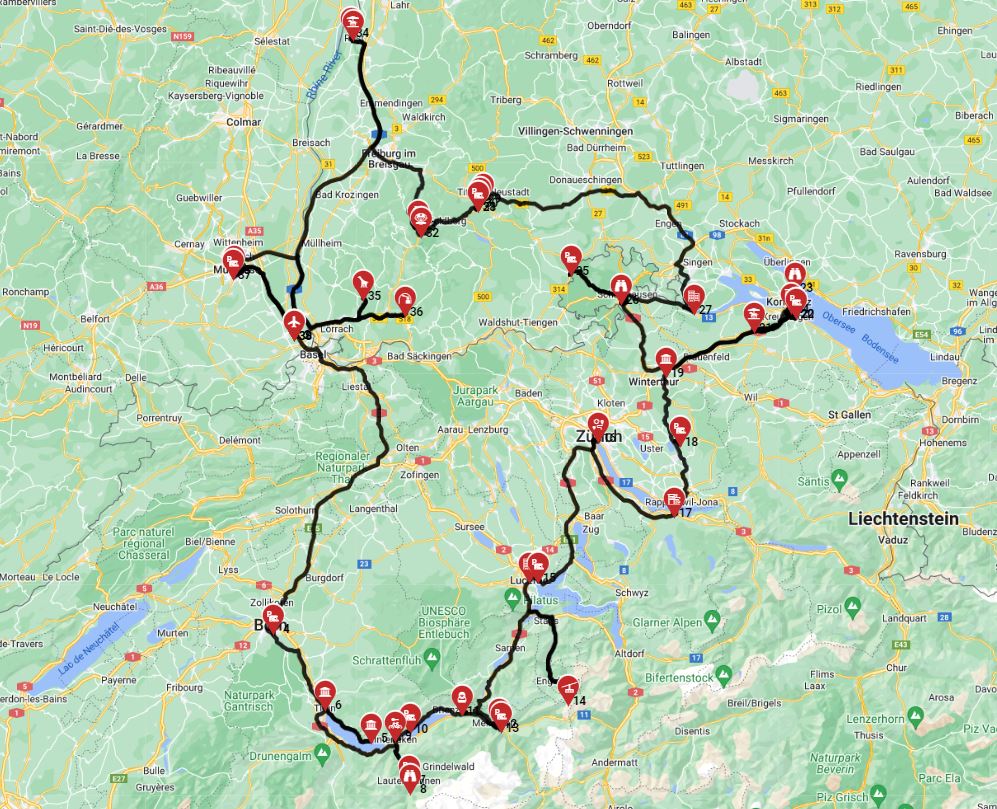
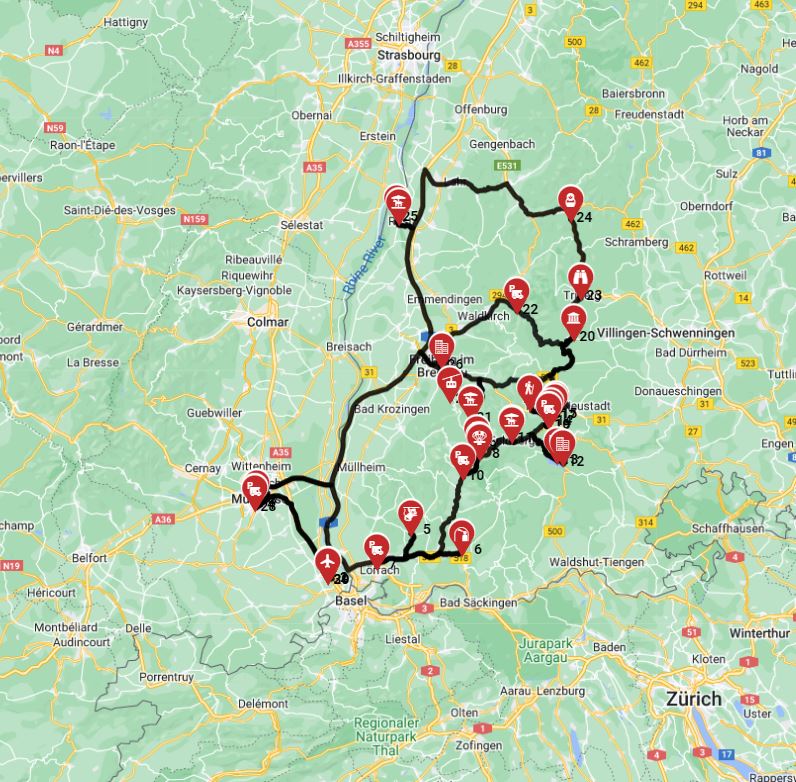
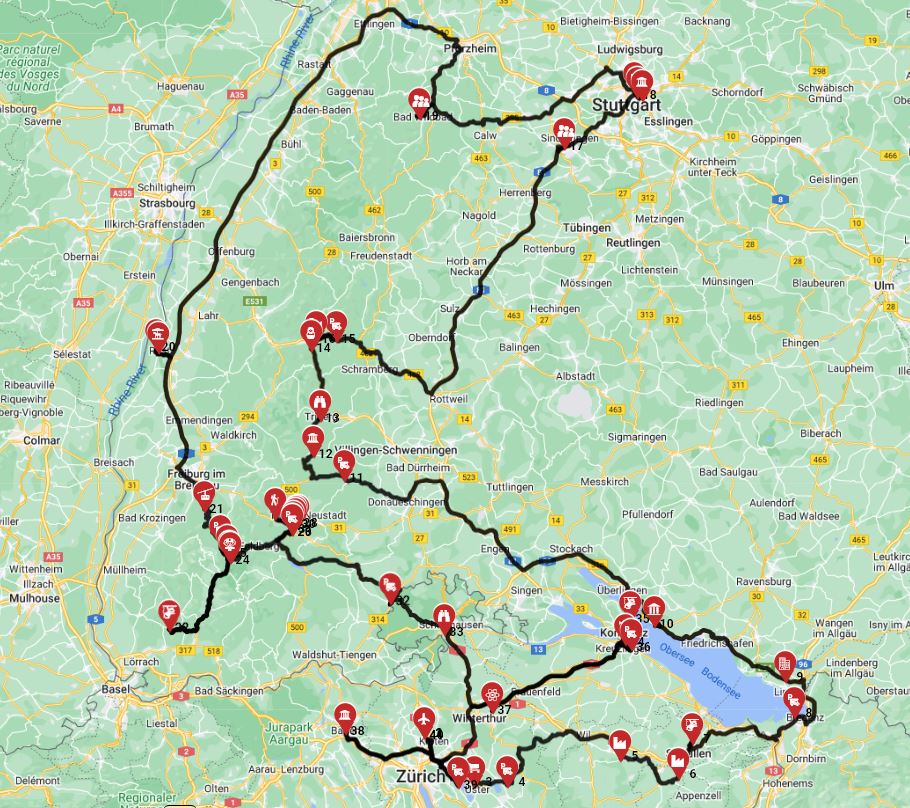
Switzerland offers several excellent starting points for your winter RV adventure, each providing unique access to the country's diverse landscapes.- Basel: Situated at the tri-border with Germany and France, Basel is a fantastic gateway to both the Swiss Alps and the nearby Black Forest. An itinerary like "Basel Roundtrip - Switzerland & Black Forest" offers 16 days of exploration across 1233.4 km, encompassing 2 amusement parks, 5 natural features, and 4 museums.
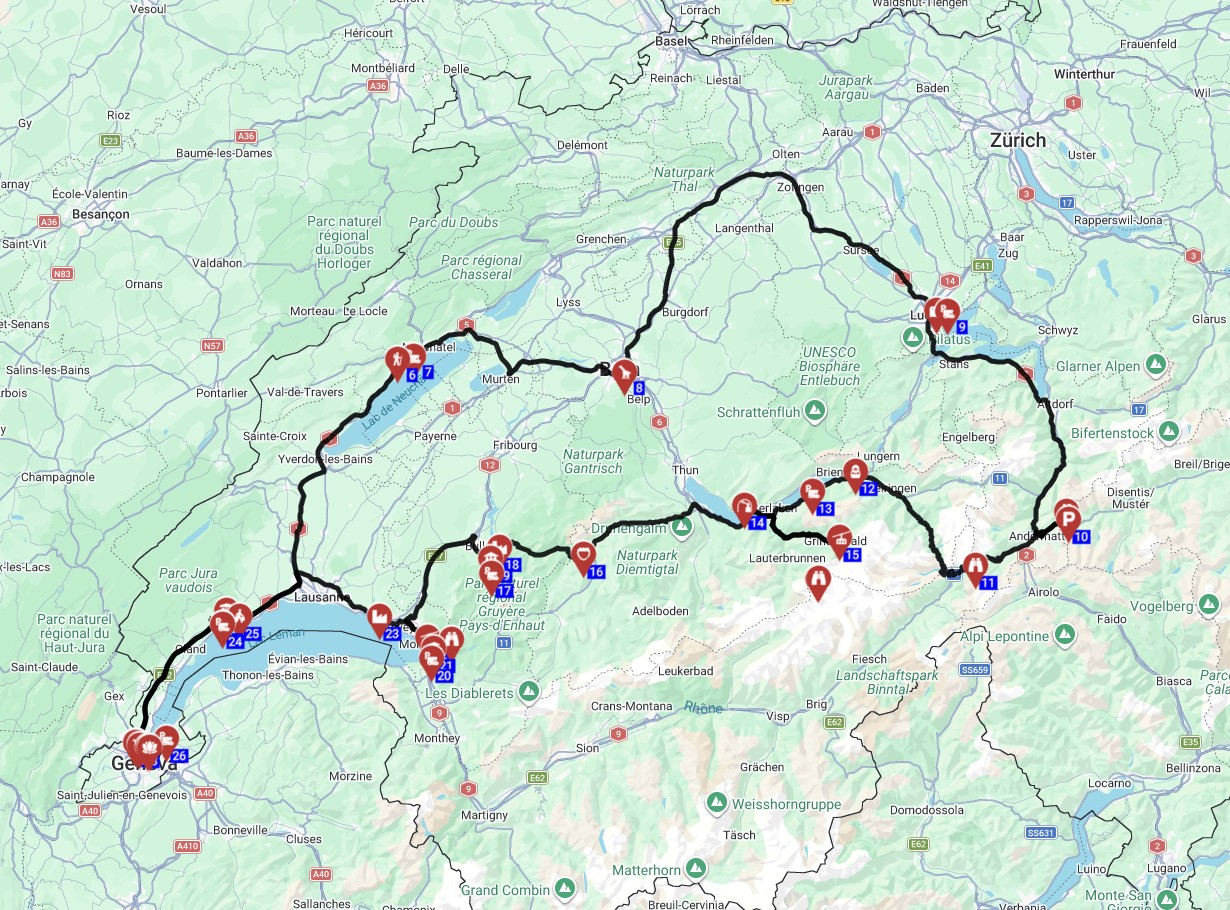
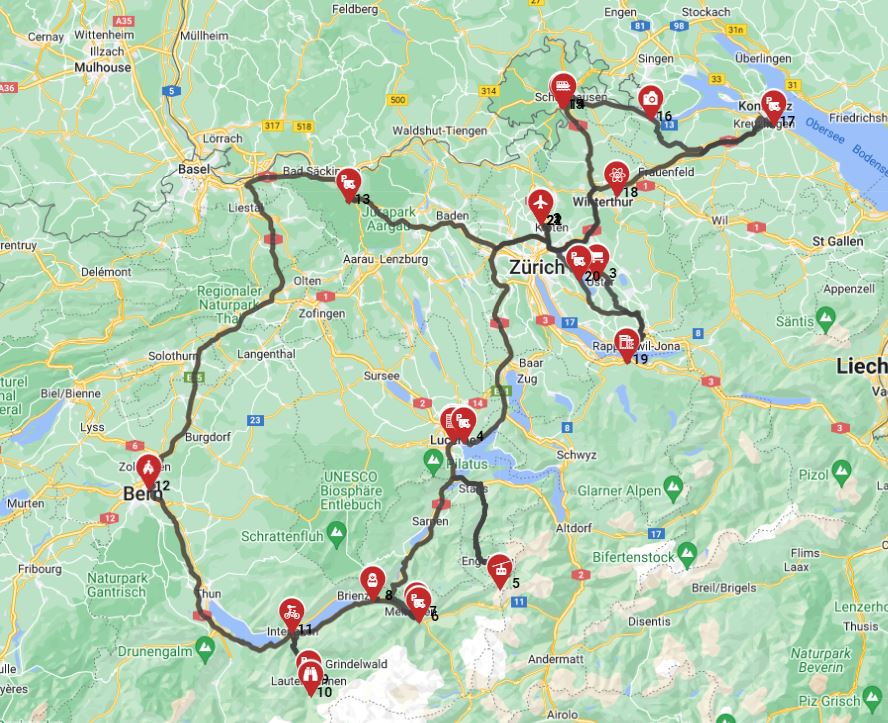
- Zurich: Switzerland's largest city, Zurich, offers convenient RV rental pickup options and direct access to central Switzerland and the eastern Alps. It’s ideal for those looking to combine city exploration with mountain escapes, and provides routes like the "Zurich Roundtrip - Switzerland Short".
- Geneva - Airport: Renting a campervan from Geneva - Airport places you perfectly to explore the Lake Geneva region, the nearby French Alps, and the western cantons of Switzerland.
- Bern: As the capital city, Bern provides a central starting point for exploring the Bernese Oberland and its stunning winter sports areas.
- Chiasso: Located near the Italian border, Chiasso offers a gateway to the warmer Ticino canton and can be a strategic point for those planning a longer RV Rental Europe - Complete Guide 2026 adventure.
What You Shouldn't Miss
- Skiing or Snowboarding in Zermatt: Experience world-class slopes with the iconic Matterhorn as your backdrop. Remember to park your rented RV in Täsch and take the shuttle train.
- Thermal Baths in Leukerbad: After a day on the slopes, relax in Switzerland's largest thermal spa resort. It's the perfect way to unwind in your motorhome.
- Exploring Lucerne: Visit the picturesque Chapel Bridge and enjoy the charming old town. Lucerne often hosts enchanting Christmas markets in winter.
- Winter Hiking in the Jungfrau Region: Discover serene, snow-covered trails around Grindelwald or Interlaken, offering breathtaking Alpine panoramas.
- Enjoying Swiss Fondue in a Cozy Mountain Hut: Savor traditional Swiss cuisine. With your RV kitchen, you can even try making your own!
- Visit the Swiss Transport Museum in Lucerne: For families or solo travelers interested in mobility, it's a fascinating indoor activity, especially on colder days.
Looking for expert insights from Avi Bandana? Top 5 Adventures - recommendations from Avi Bandana
Final Thoughts
Winter RV camping in Switzerland is an experience that truly redefines adventure. From the crisp mountain air to the warmth of your cozy rented motorhome, every moment is an opportunity to connect with nature and create lasting memories. Whether you're a family seeking snowy thrills or a couple dreaming of serene landscapes, Switzerland by RV offers an unforgettable escape. We’re here to help you navigate every detail, from comparing the ideal motorhome for your family to understanding local driving rules. Remember to travel slowly, aiming for an average of 100-150 km per day, allowing yourself ample time to truly feel the place, connect to the local culture, savor the delicious food, and immerse yourself in the stunning scenery. Your epic Swiss winter adventure is just a booking away!🎬 Video coming soon
Discover top destinations, planning tips, all in one place! Find winter RV rentals in Switzerland and embark on your journey today.
On the routes offered through RV PLANET routes, you can itemize and track every expense along the way for easy budgeting.