In This Guide
- Where to Camp in Sweden — Top Options
- Campground Types in Sweden (National, Private, Wild)
- Featured RV Park or Campground in Sweden
- Hookups & Amenities — What to Expect
- Booking Windows & Reservations in Sweden
- Nearby Supermarkets & Resupply Points
- Best RV Class for Camping in Sweden
- How to Save on Campgrounds in Sweden
- What are the essential items to pack for a winter RV trip in Sweden
- What are the rules for driving an RV in Sweden during winter
- Are RVs equipped for winter travel in Sweden
- What is the best time to rent an RV in Sweden for winter
- How much does it cost to rent an RV in Sweden during winter
- What is winter camping like in Sweden
- Where can I find winter RV campsites in Sweden
- Is it safe to wild camp in Sweden during winter
- What unique winter activities can I do with an RV in Sweden
- How do I manage water and waste in a winter RV in Sweden
- Can I bring my pet on a winter RV trip to Sweden
- What insurance do I need for a winter RV rental in Sweden
- Are there any specific apps or websites useful for winter RVers in Sweden
Where to Camp in Sweden — Top Options
Top regions for winter RV camping in Sweden include Swedish Lapland for Northern Lights, the ski resorts of Åre and Sälen for snow sports, and coastal areas like the West Coast for serene winter seascapes, though many private campgrounds operate year-round.
Lapland offers unique Arctic experiences but requires robust winterization and planning due to extreme cold and limited daylight. Ski resort areas provide excellent infrastructure, including heated facilities and access to winter sports activities directly from your campsite. Southern Sweden and coastal regions offer milder winter conditions and a different kind of tranquility, often with easier access to services.
Campground Types in Sweden (National, Private, Wild)
Sweden offers a mix of private campgrounds, national park sites, and "ställplatser" (designated RV parking spots), with wild camping generally tolerated under "Allemansrätten" but with specific restrictions for RVs.
**Private Campgrounds:** Often the best choice for winter, offering heated facilities, electricity, and snow clearance; many are members of organizations like SCR (Swedish Camping & Resort).
**National Park Sites:** While stunning, many may have limited winter services or access for RVs; check individual park regulations.
**Wild Camping (Allemansrätten):** While the Right of Public Access allows overnight tenting almost anywhere, RVs have stricter rules, primarily permitting parking for a single night without disturbance, away from private dwellings and agricultural land, and requiring all waste to be carried out.
**Ställplatser:** Designated parking areas, often found in towns or near attractions, providing basic services like electricity and sometimes waste disposal, making them ideal for short winter stops.
Featured RV Park or Campground in Sweden
When choosing an RV park for winter in Sweden, look for sites explicitly advertising year-round operation with heated facilities, reliable electrical hookups, and dedicated snow removal services to ensure a comfortable stay.
Ideal winter campgrounds will offer robust 16A or 10A electrical hookups to power internal heating, water heaters, and appliances in cold temperatures.
Look for parks with warm, modern service buildings, including showers, toilets, and laundry facilities, which are essential comforts during cold Swedish winters.
Consider proximity to winter activities like ski slopes, hiking trails, or Northern Lights viewing spots, as well as easy access to resupply points.
Hookups & Amenities — What to Expect
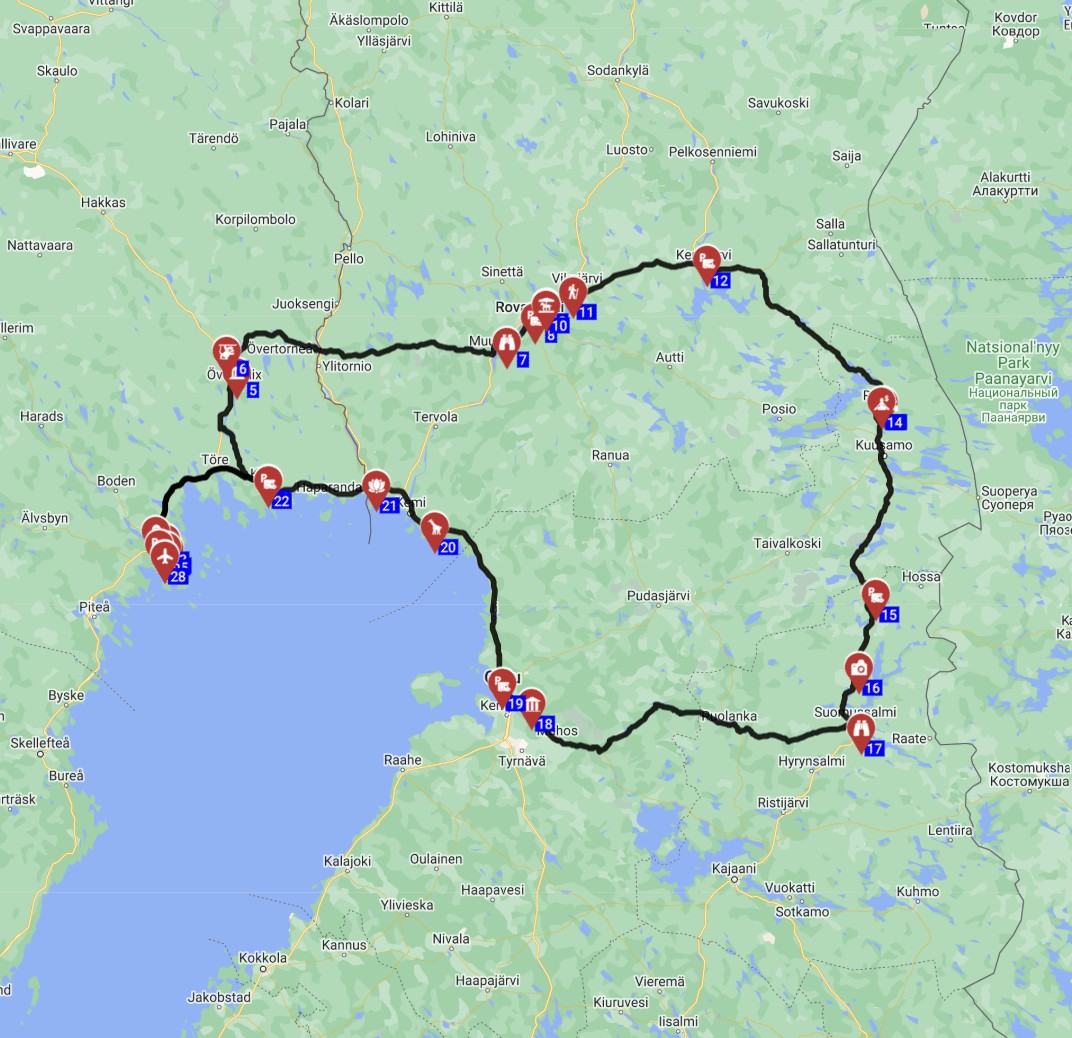
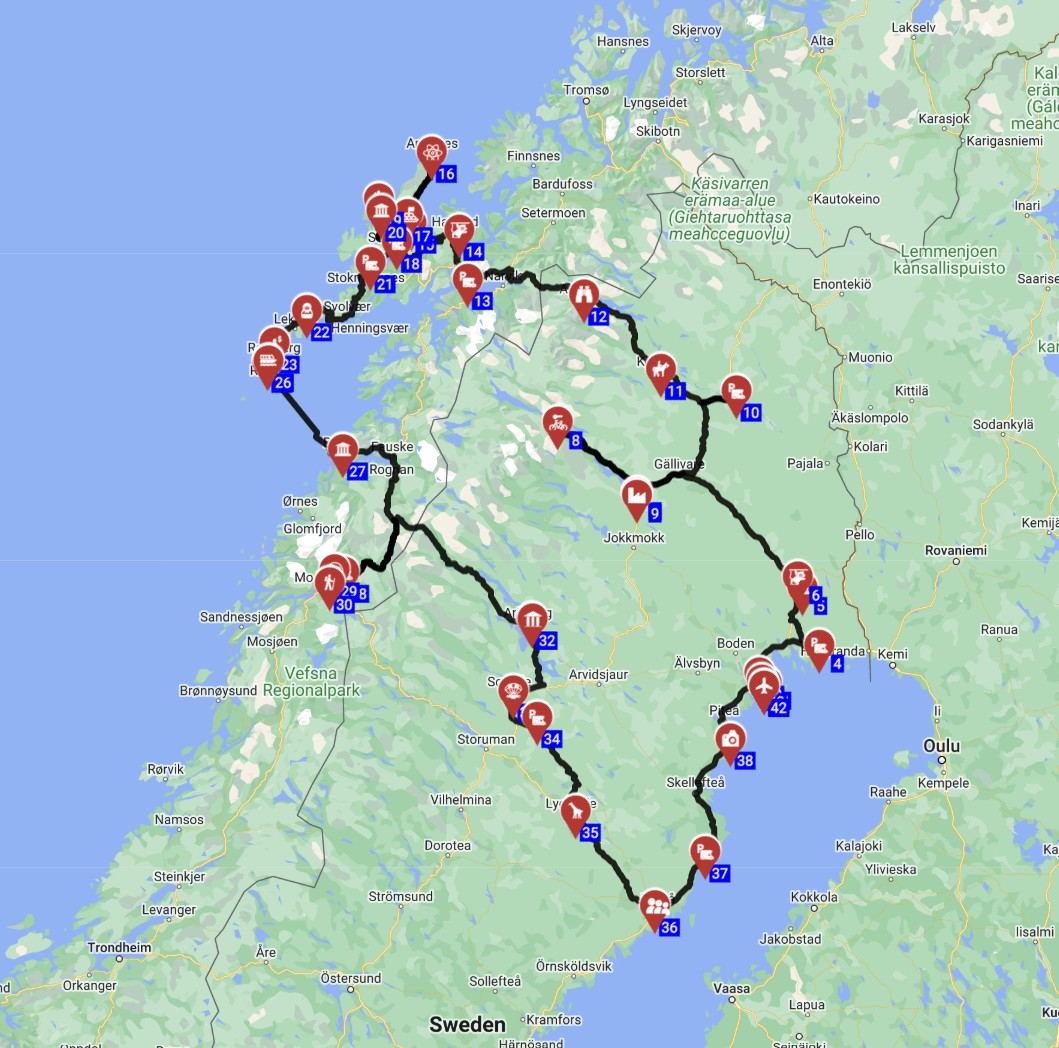
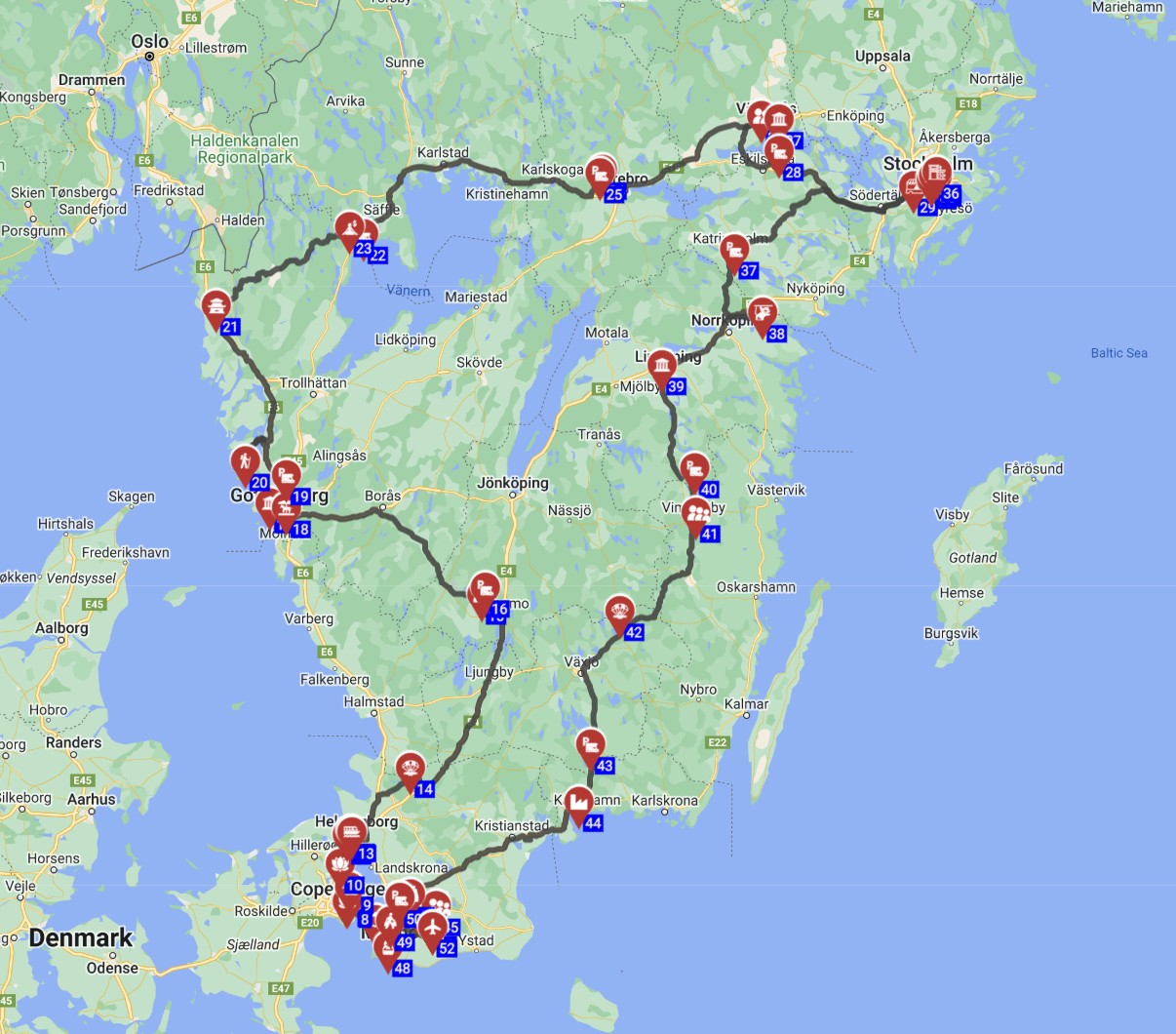
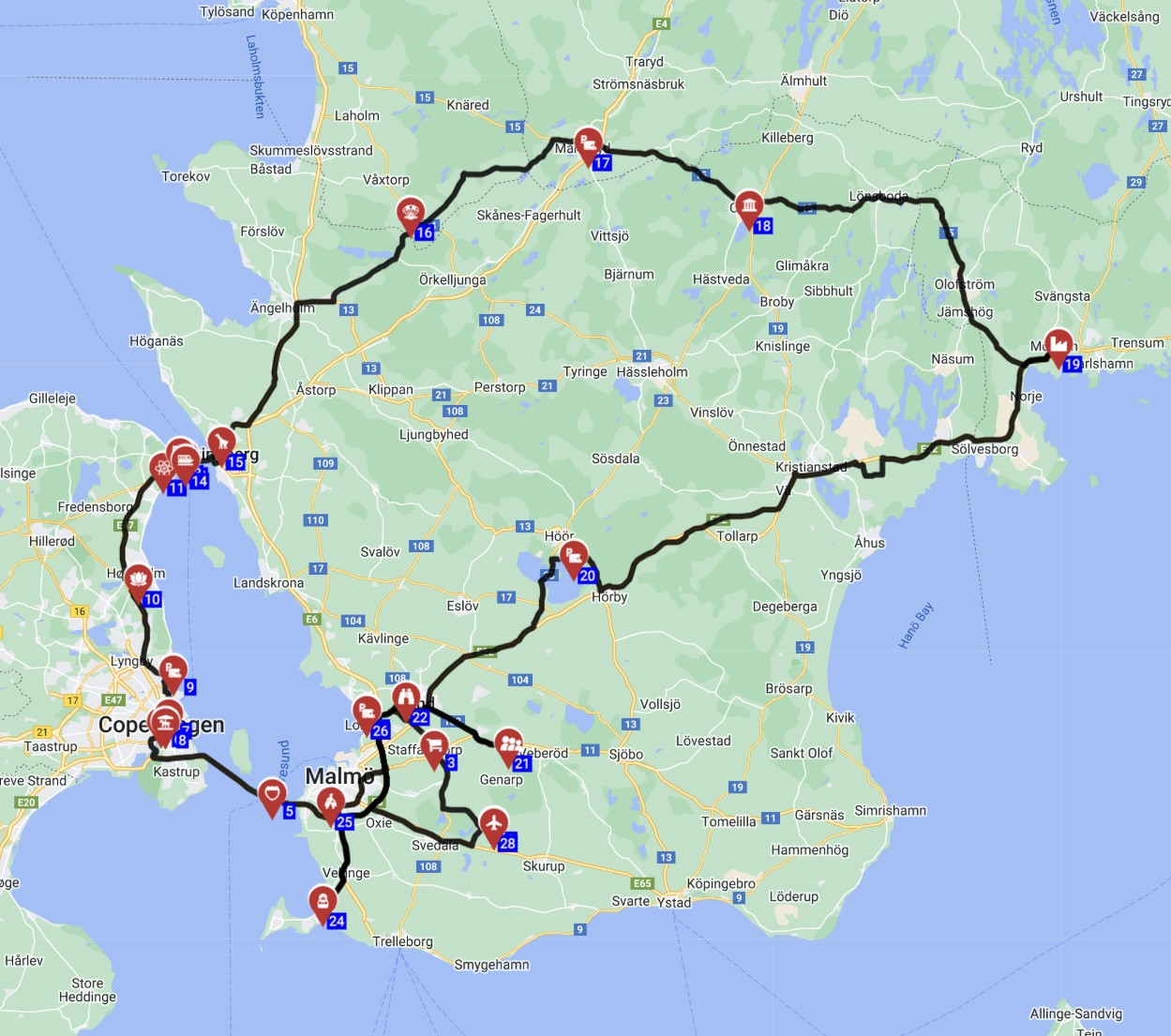
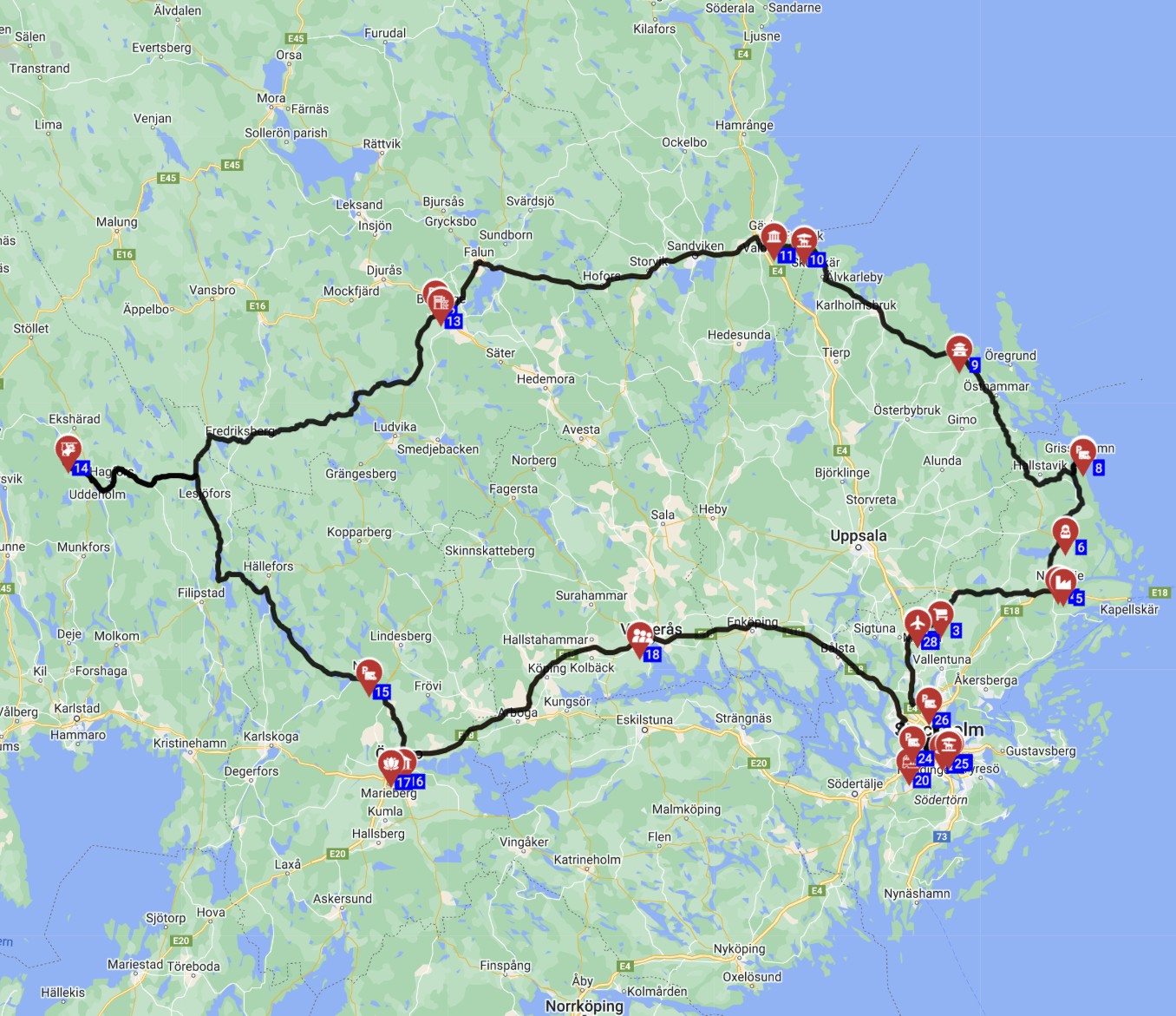
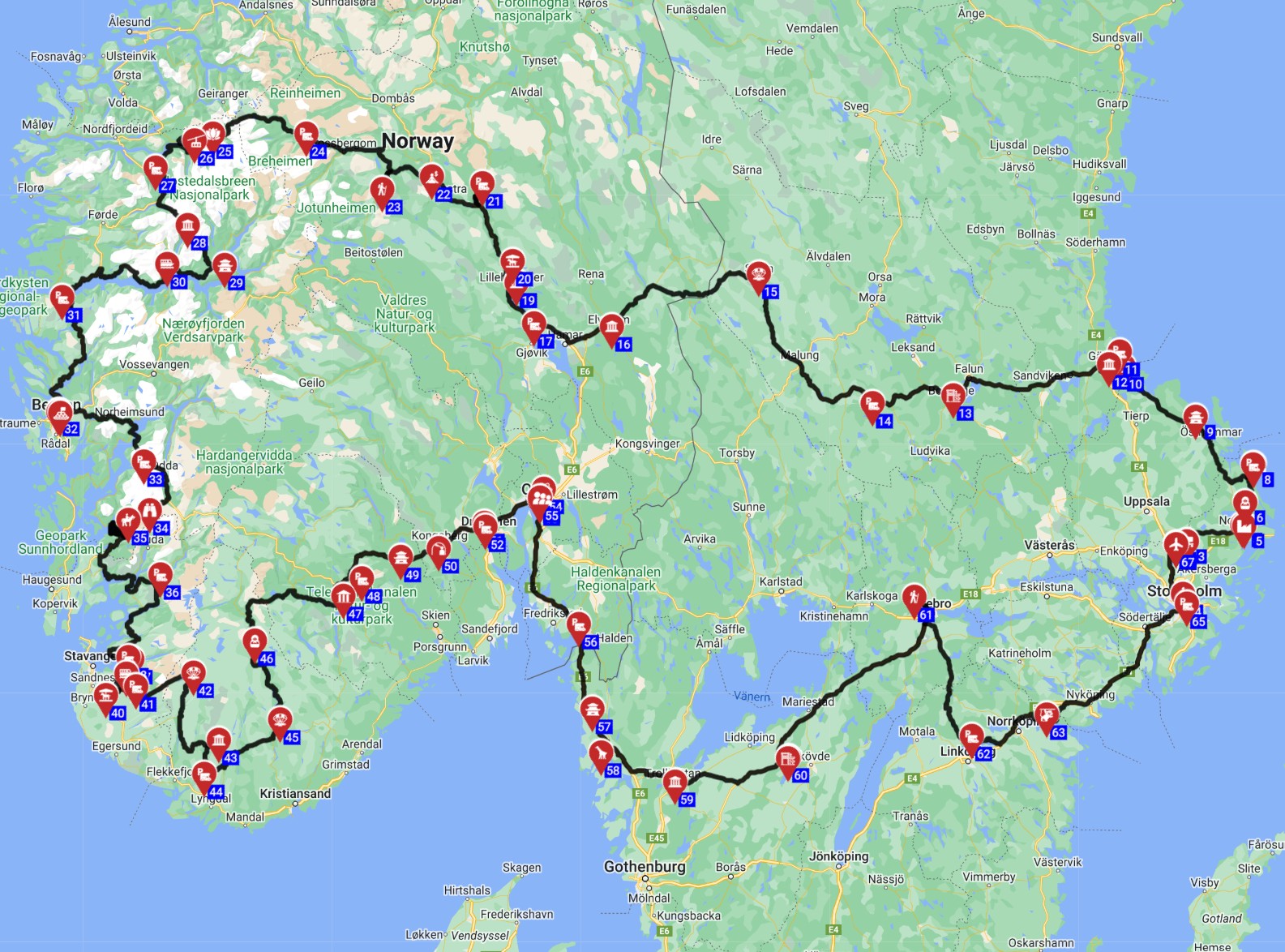
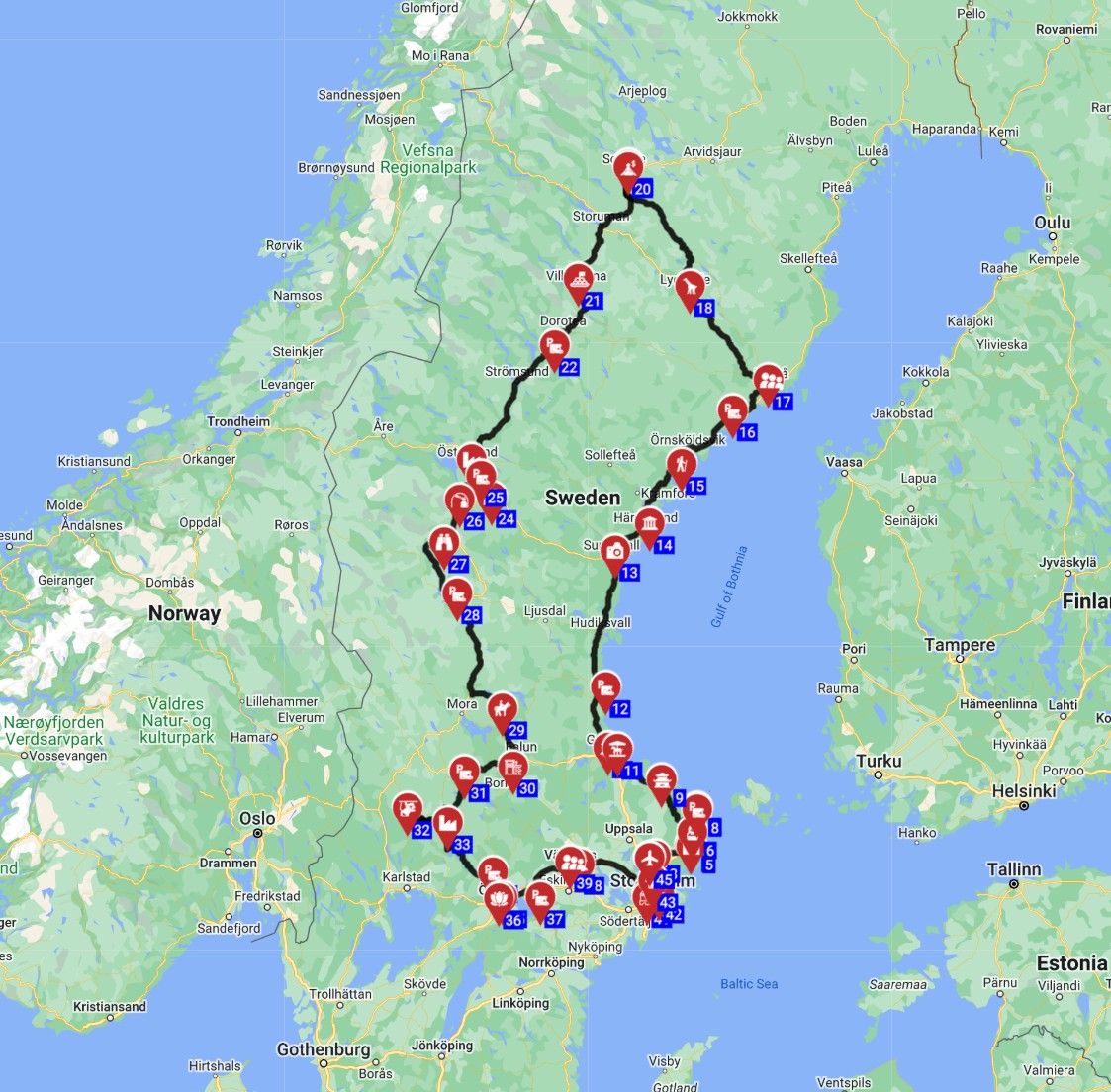
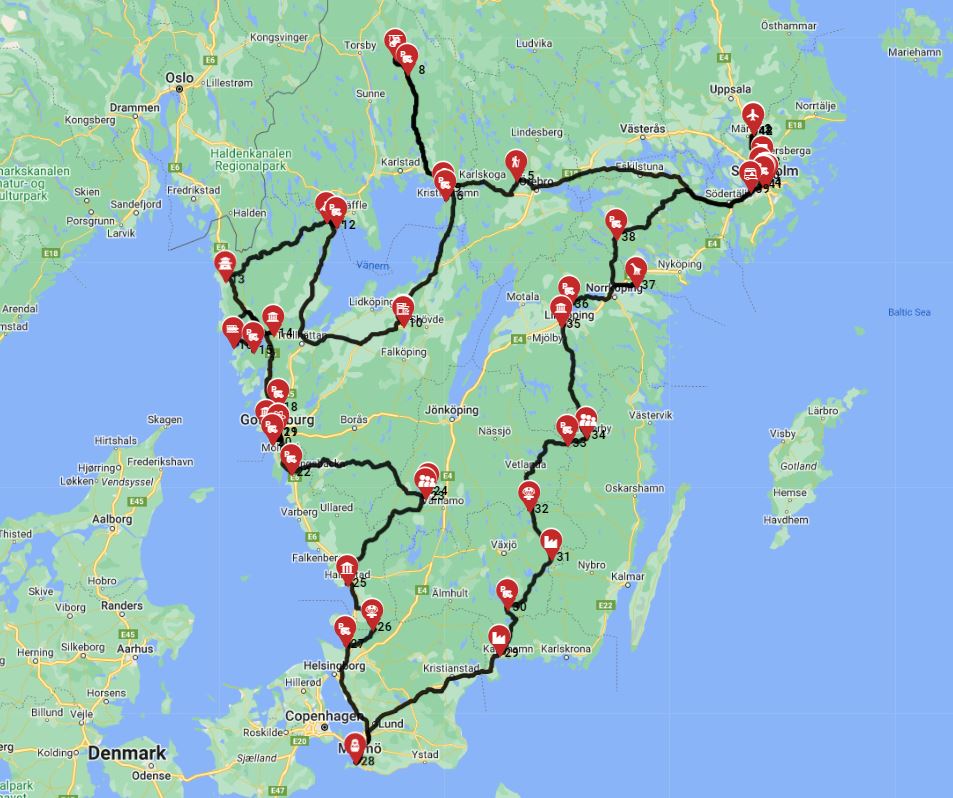
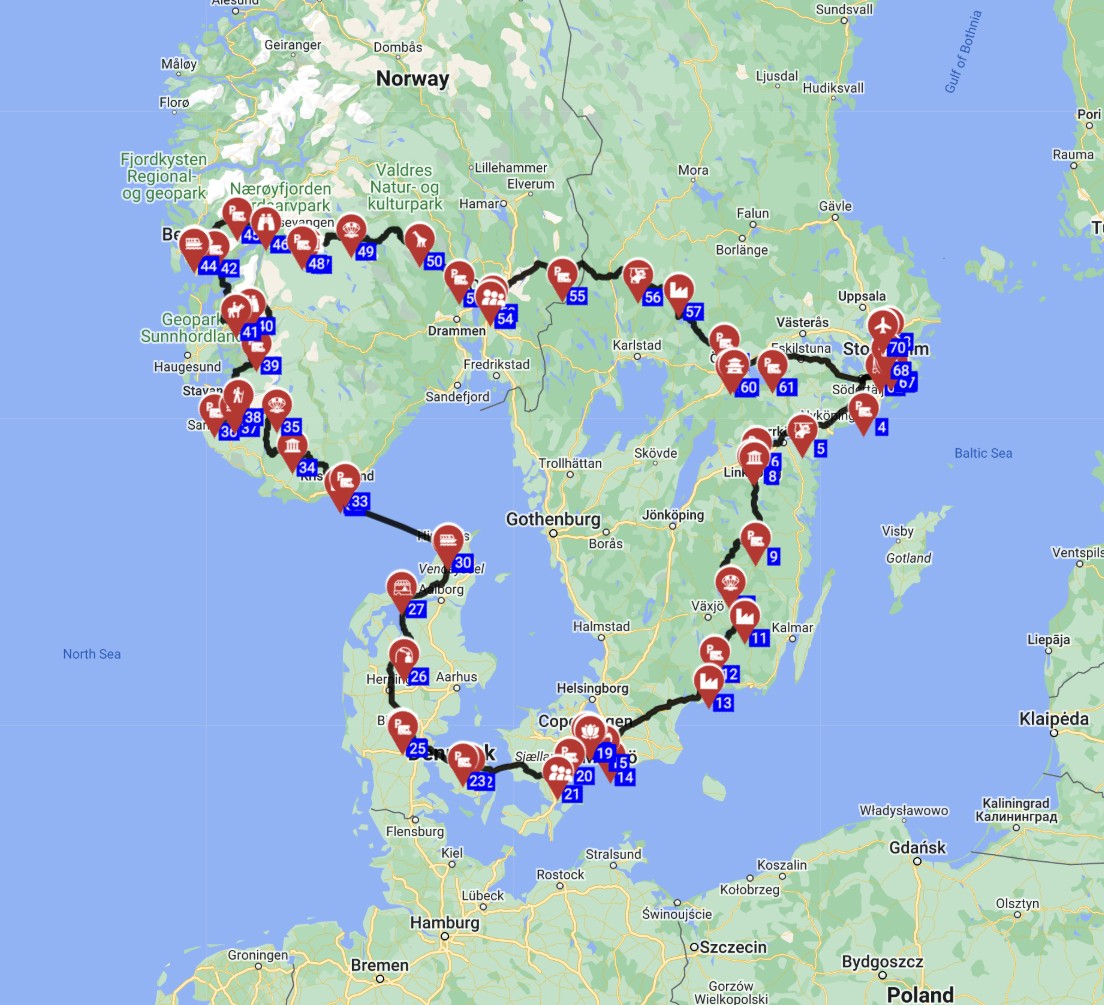
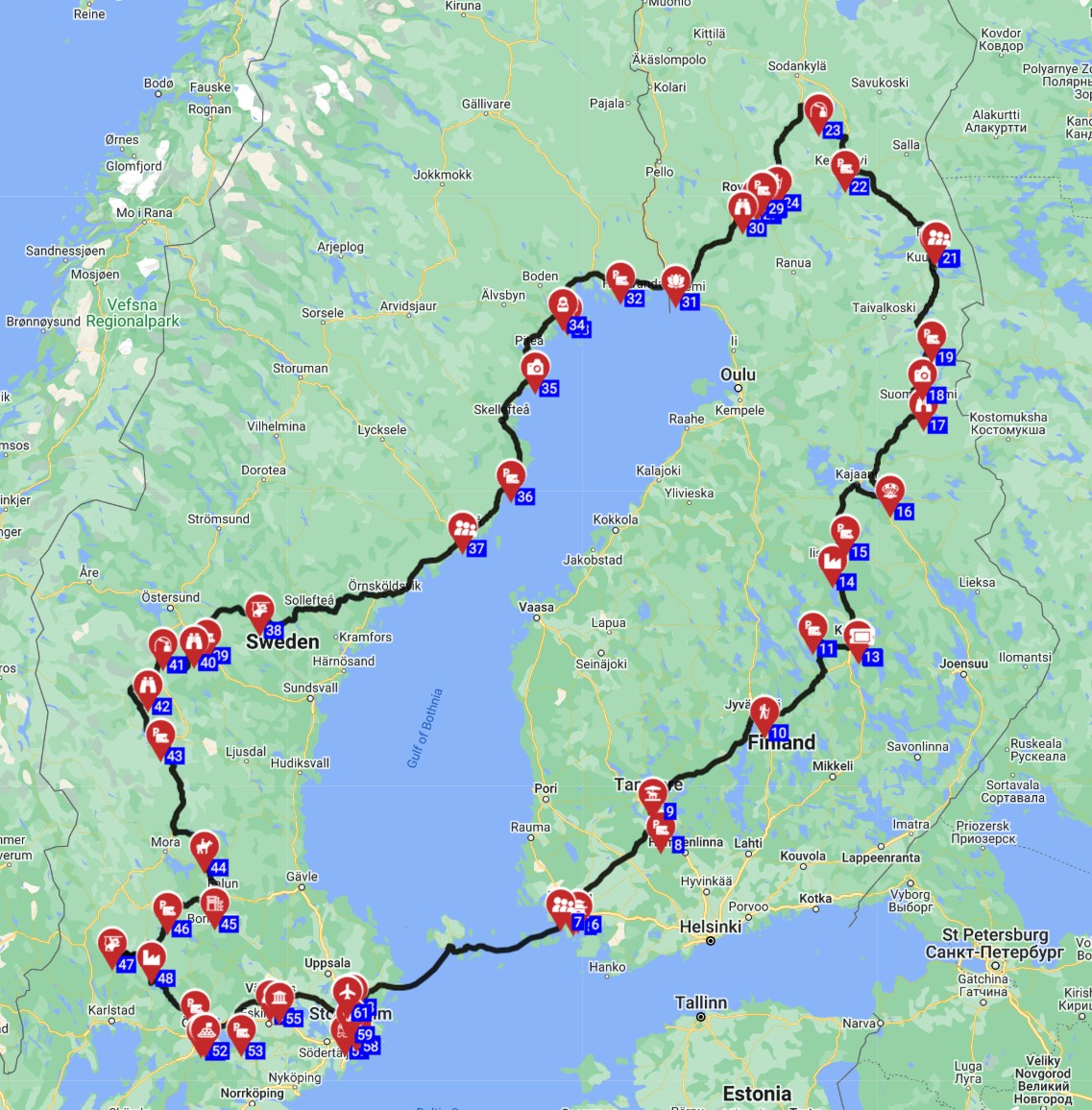
In Sweden, winter RV camping typically provides 230V electrical hookups using a CEE blue plug, alongside accessible water points (though sometimes heated or requiring heated hoses), and designated dump stations for grey and black water. On the routes offered through RV PLANET routes, you can itemize and track every expense along the way for easy budgeting.
Electric Hookups: Crucial for winter; expect standard European 230V outlets with CEE blue connectors, typically offering 10-16 Amps to power heating and appliances.
Water: Fresh water points are available, but in deep winter, spigots might be insulated, require heated hoses, or be located indoors to prevent freezing.
Dump Stations: Grey and black water disposal facilities are common, but verify winter accessibility and functionality, as some might close or require specific antifreeze usage.
Wifi & Laundry: Many private campgrounds offer Wi-Fi (sometimes for a fee) and heated laundry/shower facilities, which are vital for comfort and hygiene during colder months.
Booking Windows & Reservations in Sweden
For winter RV rentals in Sweden, while spontaneity is possible due to fewer crowds, booking ahead is recommended, especially for popular destinations like ski resorts or if specific winter amenities are crucial. Winter is generally considered a shoulder season for RV travel outside of major ski areas, meaning many campgrounds will have availability, but popular spots or those with unique winter facilities may fill up. Always call ahead, especially when traveling to more remote locations or during extreme weather, to confirm campsite opening hours, services, and accessibility for RVs. Unlike summer, the rule about national park campgrounds releasing only 25-30% of spots for reservation may be less relevant, as many facilities reduce services or close for the deepest winter months.
Nearby Supermarkets & Resupply Points
When RVing in Sweden, major supermarket chains like ICA, Coop, and Hemköp are reliable resupply points, though options become sparser in northern and rural regions during winter, necessitating careful planning. Stock up on essentials in larger towns before heading into remote areas, as village stores may have limited selections or shorter winter opening hours. Consider purchasing non-perishable goods and extra heating fuel (propane/diesel) when opportunities arise, as availability can vary.
Best RV Class for Camping in Sweden
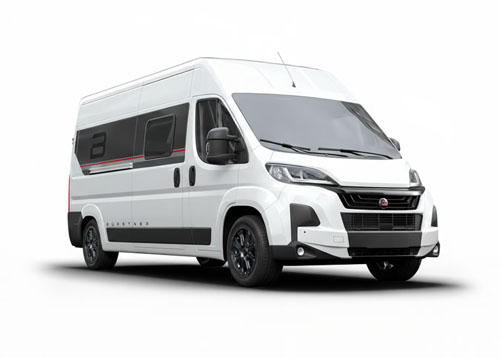
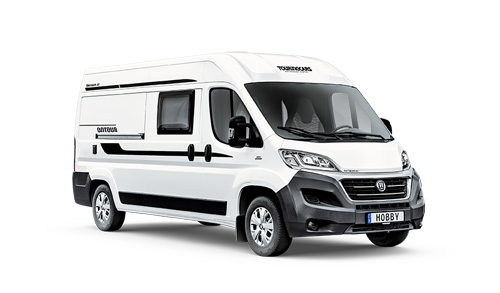
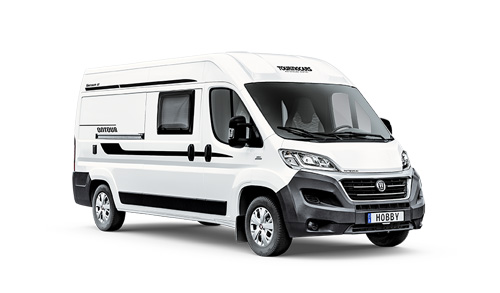
For winter RV camping in Sweden, Class SI - Semi-Seni-integrated and Class C - Alcove RVs are generally the most suitable due to their balance of comfort, insulation, and space, averaging 6.9m to 7.5m in length. Class SI - Semi-integrated models, averaging 6.9m in length and offering about 3.8 sleeping places (global fleet average), provide good insulation and heating for couples or small families. Class C - Alcove models, averaging 7.5m and accommodating about 5.8 sleeping places (global fleet average), offer more space and often superior winter insulation, ideal for larger families or longer trips. While camper vans (Class B, averaging 5.8m globally) are more maneuverable, their compact size may mean less robust insulation and storage for extensive winter gear, though some models are specifically winterized. Prioritize RVs with robust heating systems (e.g., Alde or Truma), double floors for improved insulation, and adequate tank heating to prevent freezing.
How to Save on Campgrounds in Sweden
To save on winter campgrounds in Sweden, utilize discount cards like Camping Key Europe, choose municipal or regional sites over private resorts, and aim for longer stays to access weekly rates. The Camping Key Europe (CKE) card can offer discounts at many SCR-affiliated campgrounds across Sweden and is often required for check-in at these sites. Winter is often considered off-peak (outside of specific ski resort areas), leading to lower nightly rates compared to the bustling summer season. Municipal/regional sites generally offer more budget-friendly rates than large private resorts, though amenities might be more basic. Many campgrounds provide reduced daily rates for stays of three nights or more, so consolidating your stops can lead to significant savings.
What are the essential items to pack for a winter RV trip in Sweden
For a winter RV trip in Sweden, essential packing includes warm layering clothing, insulated sleeping bags, sturdy winter boots, and specific RV winterization gear such as insulated water hoses and antifreeze. Personal gear should include thermal base layers, fleece mid-layers, waterproof and windproof outer jackets and pants, wool socks, waterproof winter boots, hats, gloves, and scarves for personal comfort and safety. RV-specific equipment should ensure your rental includes or you pack snow chains, a shovel, a sturdy tow rope, a high-capacity jump starter, and extra fuel (propane or diesel) for heating. A comprehensive first-aid kit, headlamps with spare batteries, an emergency blanket, reflective vests, and basic tools for minor repairs are vital safety items. Comfort items like a good thermos, warm blankets, high-quality camera gear for Northern Lights, and entertainment for long, dark evenings will enhance your experience.
What are the rules for driving an RV in Sweden during winter
Driving an RV in Sweden during winter requires adherence to specific regulations, including mandatory winter tires (studded or friction) from December 1 to March 31, and reduced speed limits on snow/ice-covered roads. It is mandatory for all vehicles, including RVs, to use winter tires (either studded or non-studded friction tires designed for winter conditions) between December 1 and March 31, or if winter road conditions prevail. Be mindful of reduced speed limits on roads affected by snow or ice, and always adjust your speed to conditions, prioritizing safety over posted limits. Daytime running lights are mandatory year-round, and ensuring all headlights and tail lights are clear of snow and fully functional is critical for visibility during the long periods of darkness. Drive with extreme caution, especially at dawn and dusk, as wildlife like moose, reindeer, and deer are common and pose significant hazards on roads, particularly in rural and northern areas. Carry a warning triangle, high-visibility vest, and have access to roadside assistance contact information; familiarize yourself with local emergency procedures.
Are RVs equipped for winter travel in Sweden
Many RVs available for rent in Sweden are indeed equipped for winter travel, featuring enhanced insulation, powerful heating systems (often Truma Combi or Alde wet central heating), and winter tires. Look for RVs with robust heating systems, commonly Alde or Truma, which are capable of effectively warming the living space and often include floor heating or heated water tanks. Quality winter-ready RVs typically have thicker wall/floor/roof insulation and often a double floor construction to protect against cold from below and insulate water tanks. Rental RVs for winter will come equipped with appropriate winter tires; inquire if they also feature insulated waste tanks and pipes, or if antifreeze is already applied. Adequate battery capacity is essential for cold starts and powering appliances, and sufficient propane or diesel storage for heating is vital for extended stays in cold conditions.
What is the best time to rent an RV in Sweden for winter
The best time to rent an RV for winter in Sweden depends on your desired activities, with late November to early April offering prime conditions for snow sports and Northern Lights, while March often provides longer daylight hours and slightly milder temperatures. December to February offers the longest nights, increasing the chances of witnessing the Aurora Borealis, especially in the northern regions. The ski season typically runs from December through April, with peak conditions often found from January to March. As winter progresses into March and April, daylight hours significantly increase, allowing for more outdoor exploration and driving during daylight. Early winter (November/early December) and late winter (March/April) often represent shoulder seasons with fewer crowds and potentially more favorable rental rates compared to the peak holiday periods around Christmas and New Year.
How much does it cost to rent an RV in Sweden during winter
The cost to rent an RV in Sweden during winter typically ranges from €80-€180 per night, depending on the RV class, rental duration, booking timing, and specific winter amenities, with prices often lower than peak summer season. Smaller camper vans (like Bandana's Class B, averaging 5.8m in length, at ~€80-€120/night) are generally less expensive than larger semi-integrated or alcove models (like Bandana's Class SI, averaging 6.9m, or Class C, averaging 7.5m, at ~€120-€180+/night), which offer more space and winter features. Verify what is included in the base price; winter tire fitting, additional propane/diesel for heating, bedding, kitchen kits, and final cleaning can incur extra charges. A security deposit (often €1000-€2500) is standard, refundable after the rental. Budget for increased fuel consumption due to heating and colder driving conditions, as well as campsite fees for electrical hookups and services. For ideas you can prep on the road, watch our RV-friendly recipes playlist on YouTube.
What is winter camping like in Sweden
Winter camping in Sweden offers a unique and serene experience characterized by snow-covered landscapes, crisp air, potential Northern Lights viewing, and cozy evenings inside a well-heated RV, requiring careful planning for cold weather conditions. Expect quiet, pristine environments with breathtaking snowscapes, often leading to a profound sense of tranquility and connection with nature. Opportunities abound for skiing, snowboarding, ice skating, dog sledding, snowmobiling, and dedicated Northern Lights chasing tours. Challenges include shorter daylight hours, especially in northern Sweden, and temperatures that can drop significantly below freezing, necessitating reliable heating and proper personal attire. Many winter-open campsites offer essential services like heated washrooms, drying rooms for gear, and robust electrical hookups, fostering a comfortable and communal atmosphere among winter adventurers.
Where can I find winter RV campsites in Sweden
Winter RV campsites in Sweden can be found across the country using online directories and dedicated apps like Acamp or Campercontact, with many private campgrounds and some municipal "ställplatser" offering year-round services suitable for cold weather. Websites like Camping.se (the official guide for SCR-affiliated sites) and apps such as Acamp, Husbilskompisar, and Campercontact allow filtering for winter-open campgrounds and "ställplatser," often with details on available amenities and hookups. Local Tourist Offices are excellent resources for finding smaller, local "ställplatser" or municipal campsites that might not be listed on larger platforms. Many major ski resorts (e.g., Åre, Sälen, Idre Fjäll) have dedicated RV parking areas with electrical hookups and access to resort facilities. Sweden boasts excellent mobile network coverage in most populated areas, making these apps and online resources highly accessible, though connectivity can be spotty in very remote northern regions.
Is it safe to wild camp in Sweden during winter
While Sweden's "Allemansrätten" (right to public access) generally permits wild camping, doing so in an RV during winter requires extra caution regarding legal restrictions, extreme weather preparedness, and safety from wildlife. Allemansrätten primarily applies to non-motorized access and temporary tenting; for RVs, it's generally interpreted as permission to park overnight for rest, not to set up a camp or obstruct private land without permission, and certainly not to dump waste. Winter wild camping carries significant risks from extreme cold, heavy snowfall, and potential isolation; ensure your RV is fully self-sufficient, well-insulated, and you have emergency communication. In winter, wildlife like moose and reindeer are more active in search of food and can be encountered on roads or in forested areas; understand how to react safely. Always inform someone of your route and expected return, carry comprehensive emergency supplies, and know Sweden's emergency number (112); mobile coverage can be unreliable in remote areas. Plan meticulously for grey and black water disposal and fresh water refills, as these services are virtually non-existent outside designated campsites or ställplatser, making proper management critical to avoid environmental damage.
What unique winter activities can I do with an RV in Sweden
An RV trip in Sweden during winter unlocks unique activities such as chasing the Northern Lights in Lapland, exploring Arctic landscapes, engaging in snow sports at various resorts, ice fishing on frozen lakes, and experiencing traditional Sami culture. Drive to remote, dark spots in northern Sweden for optimal viewing of the Aurora Borealis, an unforgettable celestial display. Access world-class ski resorts like Åre or Sälen for downhill skiing and snowboarding, or explore vast networks of cross-country ski trails accessible from many winter campsites. Visit indigenous Sami communities in Lapland to learn about their reindeer herding traditions, enjoy local cuisine, and experience authentic Arctic life. Try ice fishing on Sweden's numerous frozen lakes, or experience a stay at an ice hotel, some of which offer RV parking nearby. While less common for RVs in deep winter, using ferries to access specific islands or crossing into neighboring countries can offer unique coastal views and a different travel perspective if conditions allow and bookings are made.
How do I manage water and waste in a winter RV in Sweden
Managing water and waste in a winter RV in Sweden requires using antifreeze in your grey and black water tanks, ensuring heated hoses if filling freshwater, and emptying tanks only at designated facilities that are operational in freezing temperatures. Crucially, add non-toxic RV-specific antifreeze to your grey and black water tanks immediately after emptying to prevent freezing and potential tank or pipe damage. Fill your freshwater tank from a heated source whenever possible, and use an insulated or heated hose if connecting directly to an external water supply in sub-zero temperatures. Only empty grey and black water at official "tömning av gråvatten/svartvatten" (dump stations) found at campsites or specific service points, ensuring they are open and functional in winter. Conserve water wherever possible to reduce the frequency of tank emptying, which can be challenging in extremely cold conditions. For regular waste, utilize designated bins at campsites or public recycling stations; never leave trash in nature.
Can I bring my pet on a winter RV trip to Sweden
Yes, you can generally bring your pet on a winter RV trip to Sweden, provided you comply with all pet import regulations, carry necessary documentation, and ensure your chosen RV and campsites are pet-friendly. Ensure your pet has an EU pet passport, is microchipped, is up-to-date on rabies vaccinations, and has received specific deworming treatment (for Echinococcus multilocularis) if arriving from certain countries, typically verified by the Swedish Board of Agriculture (Jordbruksverket). Confirm with your RV rental company that pets are allowed (additional fees may apply) and verify that planned campsites welcome pets, as rules vary regarding pets in communal indoor facilities. Protect paws from snow and ice, ensure your pet has warm bedding in the RV, and never leave them unattended in extreme cold. Be aware of leash laws, especially in national parks or wildlife-sensitive areas, and always clean up after your pet.
What insurance do I need for a winter RV rental in Sweden
For a winter RV rental in Sweden, you will typically need comprehensive motorhome insurance, which rental companies usually include as a basic package, often with an excess (deductible) that can be reduced by purchasing additional coverage. Rental agreements usually include third-party liability and collision damage waiver (CDW) as standard, covering damage to the rental RV and third parties. Understand the amount of excess (självrisk) you are liable for in case of damage or theft, which can be substantial (e.g., €1000-€2500). Consider purchasing additional insurance directly from the rental company or an independent provider to reduce the excess, cover specific damages (like tires, windshield), or protect personal belongings. A refundable security deposit is standard, typically matching the excess amount, and is held by the rental company until the RV is returned undamaged. Supplement your RV insurance with personal travel insurance for medical emergencies, trip cancellations, or delays that might arise due to winter weather.
Are there any specific apps or websites useful for winter RVers in Sweden
For winter RVers in Sweden, essential apps and websites include Trafikverket for real-time road conditions, Acamp or Campercontact for finding operational campsites and ställplatser, and reliable weather apps for accurate local forecasts. The official website of the Swedish Transport Administration, Trafikverket (trafikverket.se), provides crucial real-time information on road closures, snow, ice, and traffic incidents. Apps like Acamp, Husbilskompisar, and Campercontact are invaluable for locating winter-open campgrounds and "ställplatser," often with details on available amenities and hookups. Utilize reputable weather services such as SMHI.se (Swedish Meteorological and Hydrological Institute) or Yr.no for detailed and localized forecasts, essential for planning activities and travel. Specialized Aurora Borealis forecast apps can help predict the best times and locations for viewing the Northern Lights. While Sweden has generally good mobile coverage, consider downloading maps and essential information offline, especially when venturing into remote areas where signal can be intermittent.
Final Thoughts
Embarking on a winter RV adventure in Sweden is a truly unique experience, offering a chance to witness breathtaking snowy landscapes and potentially the magical Northern Lights. While it requires more planning than a summer trip, the rewards of quiet, pristine beauty and exhilarating winter activities are immense.
By choosing the right vehicle, understanding the driving conditions, and booking strategically, you can ensure a comfortable and unforgettable journey. Remember to leverage resources like RV PLANET (rvplan.net) for route planning and campsite discovery to make the most of your Swedish winter escape.