In This Guide
- Can you RV in Scotland in winter?
- How much does it cost to rent an RV in Scotland in winter?
- Is Scotland busy in winter?
- Where to Camp in Scotland - Top Options
- Campground Types in Scotland (National, Private, Wild)
- Featured RV Park or Campground in Scotland
- Hookups & Amenities - What to Expect
- Booking Windows & Reservations in Scotland
- Nearby Supermarkets & Resupply Points
- Best RV Class for Camping in Scotland
- How to Save on Campgrounds in Scotland
- What are the best winter RV routes in Scotland?
- What should I pack for a winter RV trip in Scotland?
- Is it safe to drive an RV in Scotland in winter?
- What are the road conditions like in Scotland in winter?
- Can you park an RV anywhere in Scotland?
- Are RV parks open in Scotland in winter?
- What You Shouldn't Miss
- Why Book with Bandana Caravan
- Final Thoughts
- Frequently Asked Questions
Can you RV in Scotland in winter?
Yes, RVing in Scotland during winter is entirely possible and offers a unique, often serene experience with fewer crowds, provided you prepare for colder weather, shorter daylight hours, and potentially challenging road conditions. Imagine crisp winter air, stunning snow-capped landscapes, and the cozy comfort of your rented motorhome as you explore Scotland's dramatic beauty. This season provides unparalleled opportunities for winter sports enthusiasts in areas like the Cairngorms National Park, or peaceful contemplation of lochside views on the west coast. Many campsites catering to RVs remain open year-round, especially those equipped with hardstanding pitches and electric hook-ups necessary for comfort during colder months. Essential preparation includes ensuring your rental RV is properly winterized with adequate heating, carrying appropriate warm, waterproof clothing, and having emergency supplies. Staying updated on weather and road conditions daily through resources like Traffic Scotland is crucial for a safe and enjoyable adventure. For live availability and current prices, start with our RV Rental Scotland - Complete Guide 2026 guide.How much does it cost to rent an RV in Scotland in winter?
The cost to rent an RV in Scotland in winter is generally lower than in peak summer, with prices typically ranging from £70-£150 per night for a smaller campervan to £120-£250+ for a larger motorhome. These prices are dynamic, changing daily based on availability, seasonality, and supplier marketing decisions, with the final price set at the actual booking time. Rental costs often decrease significantly outside of the bustling school holidays (Christmas/New Year and February half-term), offering more budget-friendly options for extended road trips. Beyond the base rental fee, a comprehensive budget breakdown for a winter RV trip in Scotland needs to factor in several ancillary costs. Anticipate fuel expenses, which can average 10-12 Liters/100 km for many rental RVs, depending on the vehicle size and driving style. Campsite fees usually range from £20-£40 per night for an electric hook-up pitch, essential for winter comfort. Ferry costs should also be considered if planning island hopping adventures to places like the Isle of Skye or the Outer Hebrides. Factor in specific insurance add-ons for winter conditions, potential breakdown services, and unexpected expenses. Our RV PLANET routes allow you to itemize and track every expense for easy budgeting, ensuring full transparency with no hidden fees or surprises. To compare motorhome prices for Scotland, explore our comprehensive range of options.Is Scotland busy in winter?
Scotland is significantly less busy in winter compared to the peak summer months, offering a more tranquil travel experience with fewer tourists at popular attractions. This reduction in crowds means easier access to iconic landmarks like Edinburgh Castle or the mysterious Loch Ness, allowing for a more intimate experience of Scotland's natural beauty and cultural sites. While major cities such as Edinburgh and Glasgow maintain a vibrant winter atmosphere, complete with enchanting Christmas markets and world-renowned Hogmanay (New Year's Eve) celebrations, rural areas become much quieter, providing a sense of solitude and peaceful exploration for rental motorhome travelers. It is important to note that some tourist attractions, visitor centers, and even smaller local shops in remote areas might close or operate on reduced schedules from November to March. Therefore, checking opening hours and availability in advance is crucial for planning your winter RV adventure in Scotland. This off-peak season is also an excellent time to find Cheap RV Rental in Scotland - Budget Guide 2026 and more favorable rates on campsites, making it an attractive option for budget-conscious explorers.Where to Camp in Scotland - Top Options
Scotland offers diverse winter camping options for rented motorhomes across its national parks, coastal regions, and private campgrounds, many of which are specifically equipped for colder weather. For those seeking snow activities and stunning winter landscapes, consider areas like the Cairngorms National Park, which features multiple campsites with hardstanding pitches and electric hookups, perfect for a cozy stay. The dramatic west coast, with its breathtaking lochside views and proximity to iconic routes, also provides excellent options, though coastal weather can be more variable. Alternatively, milder Lowland regions offer easier access to amenities and are often a good choice for families with kids or those newer to winter RV travel. When selecting a site for your motorhome rental, always prioritize campgrounds offering hardstanding pitches for stability, reliable electric hookups for heating and appliances, and heated communal facilities like shower blocks for maximum comfort during your winter adventure. Popular cities for starting your winter RV adventure include Edinburgh, Glasgow, and Inverness, each offering unique regional exploration.Campground Types in Scotland (National, Private, Wild)
Scotland features a range of campground types suitable for rented RVs, including privately-owned sites offering comprehensive amenities, national park-affiliated campgrounds, and specific areas where responsible overnight parking, often referred to as 'wild camping' for motorhomes, is tolerated under strict conditions. Private campsites, many of which are affiliated with organizations like the Camping and Caravanning Club or Caravan and Motorhome Club, typically provide full facilities such as electric hook-ups, heated showers, laundry services, and even on-site shops. Many of these larger, well-equipped sites remain open year-round, making them a comfortable choice for winter motorhome travel. National Park campgrounds, while sometimes more basic in their offerings, boast stunning natural locations, but their winter opening schedules can be limited, so always check in advance. The concept of wild camping for motorhomes in Scotland, distinct from tent camping, generally refers to responsible overnight parking in suitable, non-restricted areas. It often requires obtaining specific landowner permission or adhering to strict 'leave no trace' principles, as the Scottish Outdoor Access Code's provisions primarily apply to non-motorized camping. This means you cannot simply park your rented RV anywhere you like; always be respectful, discreet, and ensure you leave no rubbish or waste behind.Featured RV Park or Campground in Scotland
When selecting an RV park in Scotland for winter travel, prioritize sites offering essential features for cold weather comfort, such as hardstanding pitches, electric hook-ups, and heated facilities. For instance, many well-equipped parks near popular routes like the North Coast 500 explicitly advertise their winter opening and specialized facilities. A prime example is Glenmore Campsite in the Cairngorms National Park, which often remains open year-round, offering hardstanding pitches and heated washrooms, making it an excellent base for winter sports. Look for campgrounds that go beyond basic amenities, providing insulated water points to prevent freezing, and on-site shops for basic provisions. Some may even offer drying rooms, which are invaluable for drying wet gear after a day exploring Scotland’s winter landscapes. Always confirm specific amenities and winter operating hours directly with the campground before heading out in your rented motorhome. Many of these parks can be found and booked through online resources like rvplan.net, which features pre-planned route plans and detailed campground information across 5 continents.Hookups & Amenities - What to Expect
Most Scottish RV campsites offer essential hookups like 230V electric connections (requiring a standard UK 3-pin adapter), fresh water refill points, and grey/black water dump stations, ensuring your rented motorhome remains fully functional. Many sites also provide heated showers, laundry facilities, and Wi-Fi, though rural connectivity can be spotty and unreliable in remote Scottish regions. Electric hook-ups are absolutely crucial for running heaters and other appliances during winter, so ensure your RV's heating system is robust enough for cold temperatures. Water points at winter-operating sites are typically insulated or frost-protected, but carrying a spare water container and a basic water hose with different adapters is always a wise precaution. When preparing meals in your RV's kitchen, remember that propane or LPG is your primary fuel source for heating and cooking, so monitor your levels carefully. Consider exploring our RV-friendly recipes playlist for delicious and easy meals on the road. Due to potentially unreliable cellular signal and Wi-Fi in remote Scottish areas, downloading maps, entertainment, and essential contact information beforehand is highly recommended for a smooth trip.Booking Windows & Reservations in Scotland
For winter RV rentals in Scotland, while generally less crowded than peak season, it is advisable for pre-planners to book popular campsites, especially those with hardstanding pitches and electric hookups, several weeks in advance. Travelers who prefer to plan everything meticulously will appreciate securing their preferred spots, particularly if they are starting their trip from cities like Edinburgh - Airport or Glasgow - Airport. However, spontaneous travelers often find availability by simply calling ahead on the day of travel. It's worth noting that many national park campgrounds and some popular private sites only release a portion of their spots for advance reservations, often around 25%-30%, with the remainder available on a first-come, first-served basis. Even in winter, calling ahead to confirm availability and specific pitch requirements (like hardstanding or electric hookup) on the day of travel is highly recommended before driving a significant distance to a site. While you will almost certainly find a place-if not at the first campground, then the next one-planning ahead ensures your preferred spot and avoids unnecessary driving in potentially challenging winter conditions. Remember, we are true RV specialists, and we're here to support you before, during, and after your booking, making sure you have all the information you need.Nearby Supermarkets & Resupply Points
Resupply for an RV trip in Scotland is straightforward, with major supermarket chains like Tesco, Sainsbury's, and ASDA found in larger towns and cities across the country, while smaller Co-op stores are prevalent in more remote villages. These supermarkets offer a wide range of groceries, allowing you to stock your rented motorhome's refrigerator and pantry for fresh, home-cooked meals on your journey. Planning your routes to include larger towns periodically for comprehensive grocery shopping is crucial, as smaller stores may have limited winter hours or reduced stock, especially in very rural areas or on islands like those accessible from Aberdeen - Airport. Local farm shops and delis can provide fresh, unique produce and are excellent for experiencing authentic Scottish culinary delights, though these charming establishments may have seasonal closures during winter. Always double-check their operating hours before making a special trip. Remembering to carry reusable bags is also a good practice, aligning with Scotland's commitment to environmental responsibility. For longer trips, consider checking out our "Weekly RV Rental in Scotland - Pricing 2026" guide to plan your budget and resupply stops efficiently.Best RV Class for Camping in Scotland
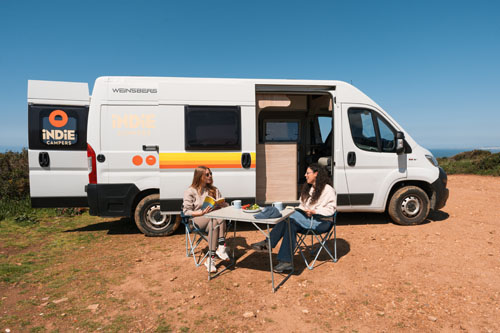
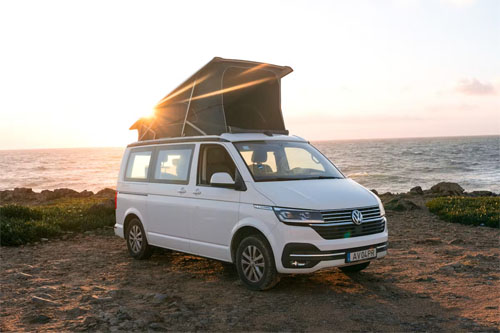
The best RV class for camping in Scotland, especially in winter, often leans towards smaller, more agile vehicles like Class B Camper Vans or Class SI Semi-integrated motorhomes, due to Scotland's narrow roads, limited parking, and potentially challenging winter conditions. A standard car driver's license is sufficient for all motorhome classes, so you won't need a special permit.- Class B - Camper Van: These compact vehicles, typically averaging 5.8m in length with 3.2 sleeping places from Bandana's global fleet, offer excellent maneuverability on Scotland's often narrow and winding roads. Their smaller footprint makes them ideal for navigating single-track routes, finding parking in quaint towns like those near Inverness, and generally being more fuel-efficient (often around 9-10 Liters/100 km). Vehicles like the "2 Berth Hi Top" or "Active Standard Select" are popular choices for couples or small families.
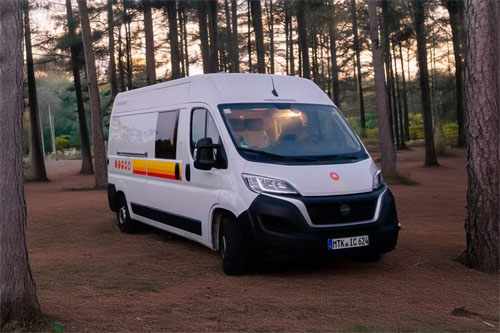
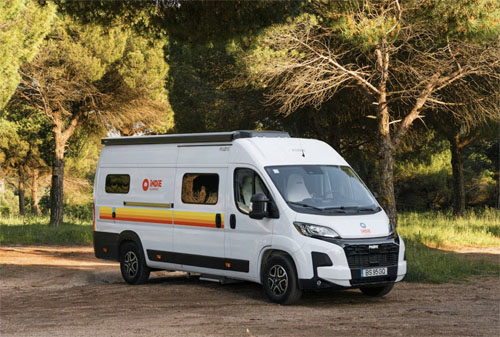
- Class SI - Semi-integrated: Representing a good balance between interior space and agility, Bandana's global fleet of semi-integrated RVs averages 6.9m in length with 3.8 sleeping places, providing more comfort than a campervan while still being manageable on most Scottish roads. They offer more living and storage space, making them suitable for longer week-long trips. Examples include the "2 Berth Rover" or "Elnagh Baron 579" which typically feature a shower and toilet.
- Class C - Alcove: Larger Class C alcove motorhomes (Bandana's global fleet averages 7.5m in length, 5.8 sleeping places) offer significantly more living space and usually include a shower and toilet, making them comfortable for families with 4-6 people. While they provide extra comfort, their larger size can be more challenging on very narrow roads and during parking in congested areas like Edinburgh. Fuel consumption for these models, such as the "24' Class C Motorhome," typically ranges from 10-12 Liters/100 km. Drive slowly and carefully, and you can drive almost anywhere without issues. No need to stress - just use common sense and pay attention.
- Class A - Integrated: While offering luxurious and spacious interiors, Class A integrated RVs (Bandana's global fleet averages 7.5m in length) are generally less suitable for the unique road infrastructure of rural Scotland, especially in winter. Their large dimensions can make navigating narrow roads and finding parking spots difficult.
How to Save on Campgrounds in Scotland
To save on RV campground costs in Scotland, especially during the winter, consider utilizing campground discount cards, booking during the shoulder season, opting for municipal or regional sites over private resorts, and taking advantage of weekly rates for longer stays. Many rental companies or camping clubs offer discount cards, like those for the Camping and Caravanning Club or the Caravan and Motorhome Club, which can provide significant savings of 10-20% on pitch fees at participating sites across Scotland. Winter, outside of school holidays (typically November to mid-December and late January to March), is inherently a shoulder season, meaning lower rates for both RV rentals and campsite pitches compared to the peak summer months. Look for council-run or community-managed sites, which often have lower fees than large commercial holiday parks, though amenities might be more basic. Opting for non-electric pitches if your rented motorhome has strong battery life or sufficient gas for heating can also reduce costs. Planning an extended road trip will also help save money, as many campgrounds offer weekly rates that are more economical than nightly bookings. You can find comprehensive information on RV Rental in Scotland - Prices and Best Deals 2026 to further optimize your budget.What are the best winter RV routes in Scotland?
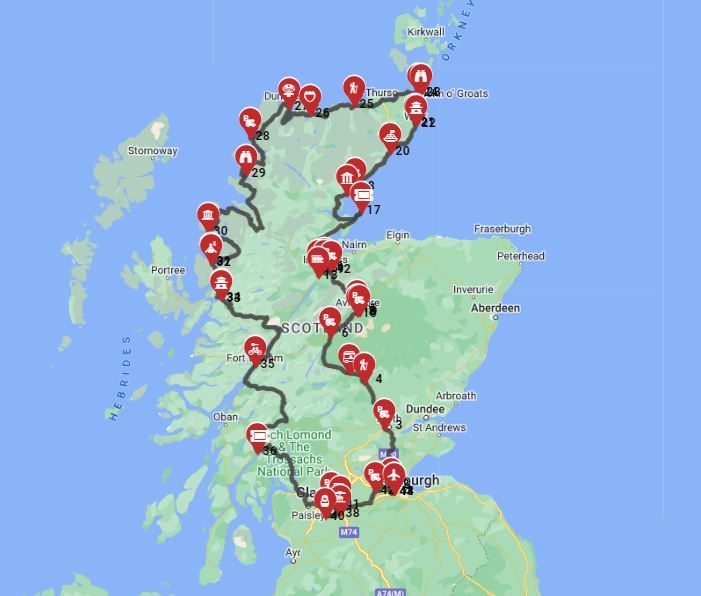
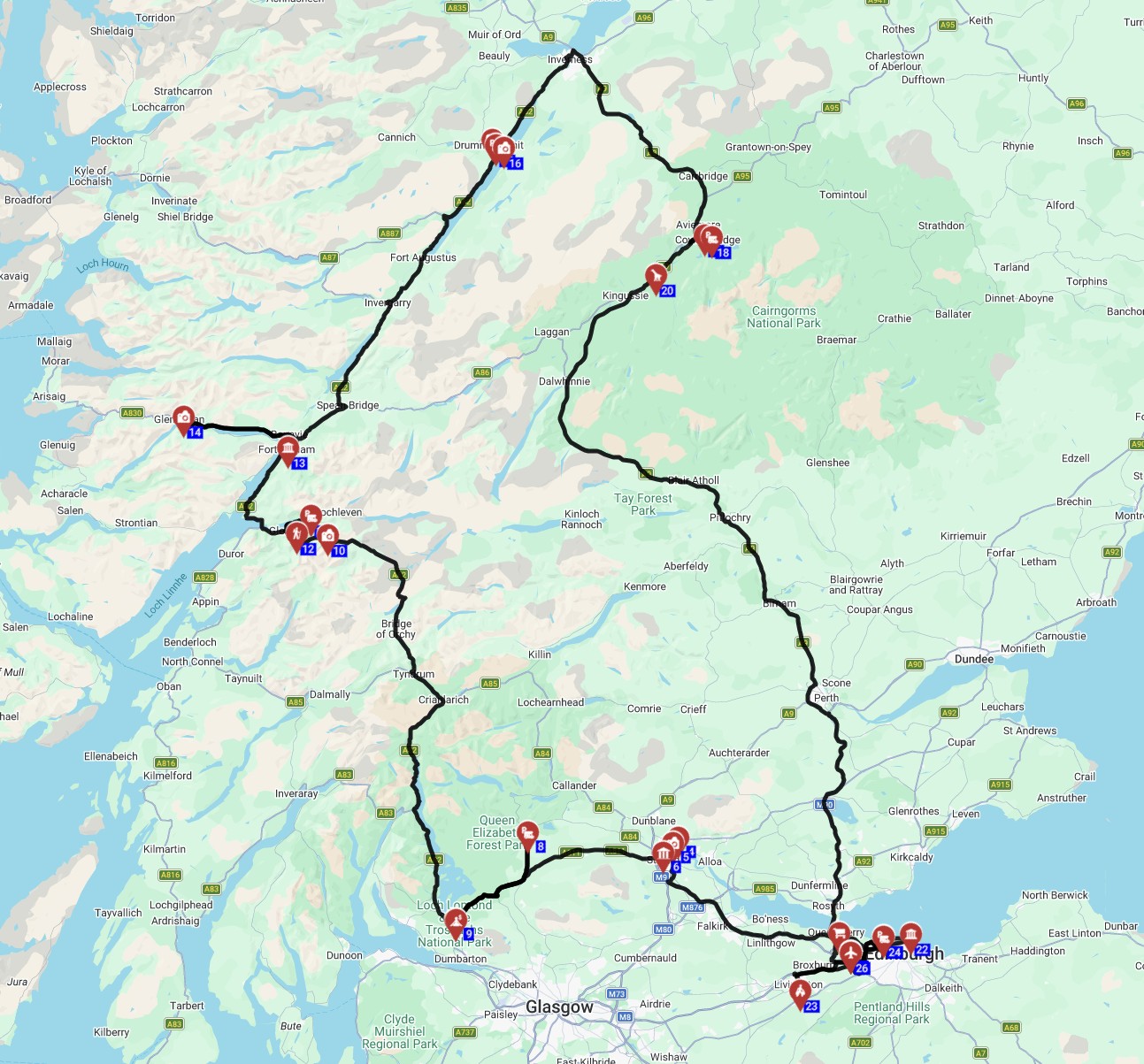
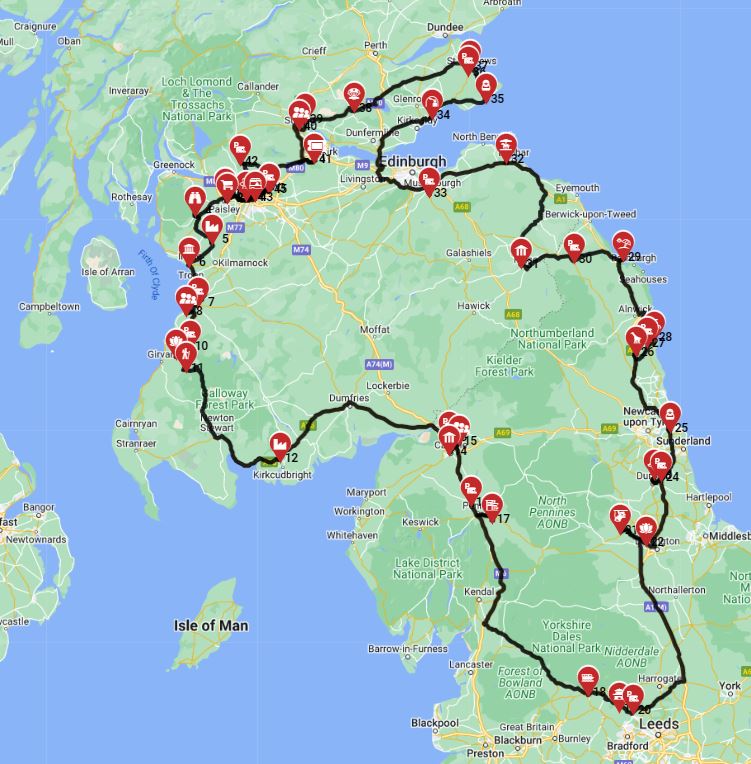
The best winter RV routes in Scotland often include sections of the North Coast 500, the picturesque West Coast through Glencoe, and the Trossachs National Park, all offering stunning scenery and access to amenities, though careful planning for road conditions and campsite availability is crucial. For the North Coast 500 (NC500), consider focusing on the eastern and northern sections, which tend to be less challenging than the western routes in winter, and always check for road closures, especially on high passes like Bealach na Bà, which warns against large vehicles. The West Coast route, following the A82 and A83, offers dramatic landscapes through Glencoe and along the banks of Loch Lomond, with numerous villages providing services and winter-ready campsites. The Trossachs National Park provides a charming mix of lochs, forests, and accessible towns, generally with more manageable roads suitable for winter RV travel, offering opportunities for dark sky stargazing on clear winter nights. Remember to travel slowly, a maximum of 100-150 km per day on average, to truly feel the place, connect to the culture, the food, and the scenery. For detailed itineraries and pre-planned route plans, RV PLANET (rvplan.net) offers more than 1,300 options across 5 continents, including many for Scotland.What should I pack for a winter RV trip in Scotland?
For a winter RV trip in Scotland, essential packing includes warm, waterproof clothing (layers are key), sturdy waterproof boots, thermal bedding, a hot water bottle, a first-aid kit, emergency supplies (extra food, water, blankets), and specific RV winterization items like antifreeze and insulated water hoses. Layering with thermal base layers, fleeces, and a waterproof/windproof outer shell is crucial for dealing with Scotland's famously variable winter weather, which can shift from sunshine to rain or snow rapidly. Don't forget hats, gloves, and scarves, even for short excursions from your rented motorhome, as temperatures can drop quickly. For the RV itself, ensure you have sufficient propane or LPG for heating and cooking, as it will be your primary source of warmth. A fully charged leisure battery is also vital, and while not strictly necessary, a small portable electric heater can provide extra warmth if you have electric hook-ups at your campsite. Emergency supplies like a small shovel for clearing snow, sand or grit for tire traction, a headlamp, and a fully charged power bank for phones are vital, especially for exploring remote areas around Inverness or in the Highlands. We're here to help you get inspired for your next trip!Is it safe to drive an RV in Scotland in winter?
Driving an RV in Scotland in winter can be safe with proper preparation and caution, but it requires awareness of potential icy roads, strong winds, shorter daylight hours, and specific skills for navigating narrow, often single-track roads, especially for larger vehicles. Drive slowly and carefully, and you can drive almost anywhere without issues. No need to stress - just use common sense and pay attention. RV drivers must be particularly vigilant for black ice, especially on shaded roads and bridges, which can be deceptive. Be prepared for strong crosswinds that can affect larger motorhomes, particularly in exposed coastal or highland areas. Navigating Scotland's numerous single-track roads with passing places requires patience, awareness, and courtesy; always be ready to pull into a passing place to allow oncoming traffic or faster vehicles behind you to pass. Remember to drive on the left side of the road, which can be an adjustment for international visitors. While many modern rental RVs feature automatic transmissions, some European models, like certain Class B campervans, may have manual transmissions, requiring familiarity with gear changes. For parking, look for designated RV spaces or consider utilizing out-of-town park-and-ride facilities near major cities like Glasgow to avoid congested centers.What are the road conditions like in Scotland in winter?
Winter road conditions in Scotland can vary significantly, ranging from clear on major routes to challenging with ice, snow, and strong winds, particularly in mountainous regions like the Highlands and on less-traveled single-track roads. Major A-roads, such as the A9 through the central Highlands, are generally well-maintained and gritted, ensuring relatively smooth passage. However, secondary roads and mountain passes can quickly become impassable due to heavy snow and ice, necessitating flexible travel plans for your rented motorhome. Websites like Traffic Scotland provide real-time updates on road closures, accidents, and adverse weather warnings, which are essential tools for daily winter RV planning. Shorter daylight hours, especially in December and January, mean more driving in darkness, increasing the importance of good headlights, reduced speed, and avoiding unnecessary night travel. Always consult local forecasts and road reports before setting out each day to ensure a safe journey for your winter rv rental in Scotland.Can you park an RV anywhere in Scotland?
While Scotland has a permissive approach to wild camping for tent campers, parking an RV "anywhere" is generally limited to specific designated overnight parking areas or requires explicit landowner permission, as the Scottish Outdoor Access Code's wild camping provisions primarily apply to non-motorized camping. For motorhomes and campervans, 'wild camping' typically means responsible overnight parking in suitable, non-restricted areas. It is crucial to understand that this is not a blanket right to park your rented RV wherever you choose. Always ensure you are not blocking access, causing a nuisance to local residents, or disturbing wildlife, and leave absolutely no trace behind, packing out all rubbish. Avoid pitching up in car parks that explicitly forbid overnight stays or in residential areas. Many local authorities are increasingly creating designated 'aires' or informal overnight parking spots for motorhomes to manage demand and encourage responsible tourism. Researching these options in advance will help ensure a stress-free experience for your Scotland RV adventure.Are RV parks open in Scotland in winter?
Many RV parks and campsites in Scotland remain open during the winter months, especially those catering to hardstanding pitches with electric hookups, though some smaller or seasonal sites may close from November to March. It is crucial to check individual park websites or call ahead to confirm their operating status and available amenities. Campsite search websites and apps often allow filtering by 'open all year' or 'winter pitches available' to help identify suitable options for your rented campervan. While on-site amenities like swimming pools or entertainment programs may not be fully operational compared to summer, essential services like waste disposal, fresh water refill, and heated shower blocks are usually maintained at winter-operating sites. Booking in advance is always recommended to secure a spot, particularly if you have specific requirements like a hardstanding pitch or an electric hook-up, especially around popular tourist cities like Edinburgh or Glasgow. We pride ourselves on full transparency, so you'll always know what to expect.What You Shouldn't Miss
- Explore the Fairy Pools on Skye: Even in winter, these crystal-clear blue pools on the Isle of Skye, accessible from Inverness, are magical. The cool air and fewer crowds make for a serene hike, perfect for adventurous couples.
- Whisky Distillery Tour on Islay or Speyside: Warm up with a tour and tasting at one of Scotland's renowned whisky distilleries. Many offer year-round experiences, and the festive season adds a special touch.
- Stargaze in Galloway Forest Park: As the UK's first Dark Sky Park, this is an incredible opportunity to witness breathtaking, unpolluted night skies from your cozy rental motorhome. Pack a warm drink and marvel at the cosmos.
- Winter Hike in Glencoe: The dramatic peaks and valleys of Glencoe are stunning under a blanket of snow. Choose a manageable trail suitable for winter conditions and be rewarded with spectacular views.
- Visit a Historic Castle: Scotland boasts countless castles, many of which remain open in winter. Imagine touring Edinburgh Castle or Eilean Donan Castle with fewer crowds, experiencing their grandeur in a truly peaceful atmosphere.
- Experience Hogmanay in Edinburgh or Glasgow: If your trip coincides with New Year's, immerse yourself in Scotland's legendary Hogmanay celebrations. The vibrant atmosphere is an unforgettable cultural experience.
🎬 Video coming soon
Looking for expert insights from Avi Bandana? Top 5 Adventures - recommendations from Avi Bandana
Final Thoughts
Embarking on a winter RV adventure in Scotland promises an unforgettable journey filled with stunning landscapes, serene moments, and cozy evenings in your mobile home. With fewer crowds and the unique beauty that only winter can offer, you'll discover a side of Scotland that many miss. While the weather calls for careful preparation, the rewards of exploring the Highlands, lochs, and charming towns from the warmth of your rented motorhome are immense. At Bandana Caravan, we are passionate about making your RV travel dreams a reality. We offer full transparency, dedicated support, and access to a wide range of top-quality rental motorhomes and campervans to ensure your trip is smooth and enjoyable. Let us handle the details, so you can immerse yourself fully in the magic of Scotland's winter. Compare winter RV Rentals in Scotland now, and start planning your cozy escape!On the routes offered through RV PLANET routes, you can itemize and track every expense along the way for easy budgeting.