In This Guide
- What Weekly RV Rental Costs in Scotland (2026)
- Seasonal Pricing - Peak vs. Shoulder vs. Off-Season in Scotland
- What is Included vs. What is an Add-On
- Hidden Costs to Budget For in Scotland
- How to Save on Weekly RV Rental in Scotland
- How much is it to hire a motorhome for a week in Scotland
- What is the best month to rent an RV in Scotland
- Is it worth renting an RV in Scotland
- Is it difficult to drive an RV in Scotland
- Can you wild camp anywhere in Scotland in an RV
- How long does it take to drive around Scotland in an RV
- What is the average cost of a campsite in Scotland
- Are there specific requirements for RV rentals in Scotland
- What are the best routes for a weekly RV trip in Scotland
- How do I prepare for midges when RVing in Scotland
- Can I travel with pets in a weekly RV rental in Scotland
Imagine yourself winding through the majestic Scottish Highlands, a cozy motorhome your personal castle on wheels. Scotland, with its dramatic landscapes, ancient history, and vibrant culture, is a dream destination for a weekly RV rental adventure. Whether you're a seasoned RVer or a first-timer, understanding the pricing and planning intricacies is key to unlocking an unforgettable journey. At Bandana Caravan, we believe in full transparency: no hidden fees, no surprises. We're here to support you every step of the way, making your dream trip a reality. For live availability and current prices, start with our RV Rental Scotland - Complete Guide 2026 guide.
What Weekly RV Rental Costs in Scotland (2026)
Weekly RV rental costs in Scotland during 2026 are dynamic, changing daily based on demand, availability, and supplier marketing decisions. For a standard Class C motorhome, you can expect weekly prices to range from approximately £600 in the cheapest months, up to £1,500 or more during peak season.
Costs vary significantly by RV class and rental duration. A compact campervan, like an "Active Classic" or "Category Van", offering basic amenities with sleeping for 2-4, will generally be more economical than a larger "Euro Deluxe" Class C motorhome designed for 4-6 people, which typically features a spacious living area, a full shower, and toilet. Always check the precise details of what's included before booking. For example, some Class C models like the "MHC28" or "MHC30" can accommodate up to 7-9 people and come with advanced features, influencing the price. To get an accurate weekly quote for your specific dates and preferred vehicle type, use our comparison platform, allowing you to see all-inclusive pricing upfront.
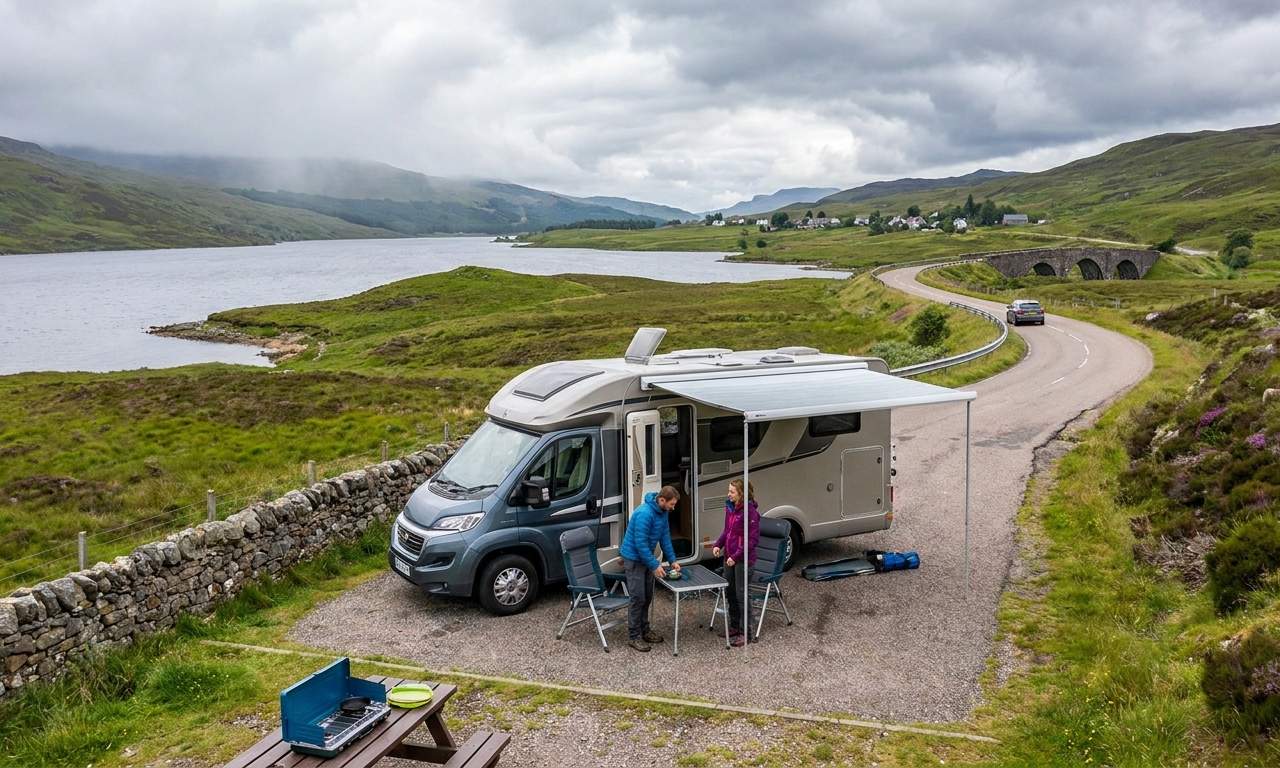
Seasonal Pricing - Peak vs. Shoulder vs. Off-Season in Scotland
Seasonal pricing for RV rentals in Scotland dramatically impacts your budget, with peak season rates reaching up to 150% higher than off-season prices. Peak season, typically July and August, sees the highest prices and demand due to warmer weather, longer daylight hours, and school holidays.
Shoulder seasons, which include May-June and September-October, offer an excellent balance of good weather, fewer crowds, and moderate pricing, often providing savings of 10-30% compared to peak season. For example, a 4-berth motorhome costing £1200 in August might be available for £900 in May. Off-season, from November to March (excluding festive holidays), generally provides the lowest rates and the most tranquil experience, although weather can be unpredictable. Travelers can often find weekly deals starting from £600-£800 for a compact campervan like an "Active Standard" during these times. Being flexible with your travel dates, even by a week or two, can significantly reduce your overall rental cost.
What is Included vs. What is an Add-On
Basic comprehensive insurance is universally included with RV rentals in Scotland, covering the vehicle itself, but often with a significant deductible, typically £1000-£2500. Common add-ons, which allow you to customize your rented motorhome experience, include enhanced insurance tiers to reduce this deductible (you can upgrade to a top-level deductible for extra peace of mind), additional mileage packages beyond the standard daily allowance (which might be 150-200 km/day), and convenience kits for kitchenware and bedding. Some larger models, like a "6 Berth Deluxe" RV, might have additional fees for a second gas bottle or specific cleaning services.
Offerings vary by specific RV model and rental station. For instance, a basic "Juliette 2-3" campervan might offer minimal extras, while a "Luxury AT" Class A vehicle could have options like bike racks (which might incur a £50-£100 fee) or outdoor furniture. It's crucial to review each supplier's terms and conditions carefully before booking to avoid surprises. We believe in full transparency, so our platform allows you to see all optional extras and their costs clearly outlined.
Hidden Costs to Budget For in Scotland
Beyond the initial rental fee, travelers must factor in several hidden costs for an RV trip in Scotland, which typically add 20-40% to your total budget. Fuel costs, for instance, can be substantial, especially for larger motorhomes like a "Comfort Family" with a 70-liter fuel tank and extensive touring of the North Coast 500, a route that spans over 800 km. Currently, petrol prices in Scotland average around £1.50-£1.60 per liter. Campsite fees are a regular expense, varying by location, amenities, and season, generally ranging from £20 to £45 per night for a pitch with electric hook-up. Our RV PLANET routes allow travelers to itemize and track every expense along the way for easy budgeting. On the routes offered through RV PLANET routes, you can itemize and track every expense along the way for easy budgeting.
Budget for potential tolls, although the famous Skye Bridge no longer has one, other private roads or ferry crossings for island hopping (such as to the Isle of Mull or Outer Hebrides) will incur charges, often £30-£100 for an RV. Dump-station charges for grey and black water disposal might apply at some facilities, typically £5-£10 per use, though many campsites include this service. Consider "Rent&Plan" options like pre-purchasing toll usage or campground discount cards to save money. We pride ourselves on full transparency, ensuring you know all potential costs upfront, so there are no surprises.
How to Save on Weekly RV Rental in Scotland
Savvy travelers can save on weekly RV rental in Scotland by employing several strategies, potentially reducing costs by 10-30%. Booking during shoulder seasons (May-June, September-October) typically offers better rates and favorable conditions, as daily rental prices for a "2 Berth Rover" might drop from £150 to £110 compared to peak summer. Being flexible with your pickup and drop-off dates can also reveal cheaper rates, as prices are dynamic and fluctuate daily.
Choosing a smaller RV class, like a compact "Active Classic" campervan over a large "6 Berth Derwent" motorhome, if your group size allows, will generally result in lower rental fees and significantly reduced fuel costs, saving potentially £50-£100 per week on fuel alone (e.g., a "Class I Van" with a 80L fuel tank is more economical than a larger Class C). Opting for longer rental durations can also decrease the average daily rate. Furthermore, monitoring flex-rate drops by checking prices frequently, especially outside peak booking windows, can lead to last-minute deals if you're a spontaneous traveler. Always check current deals for weekly RV rentals in Scotland through our comparison platform.
How much is it to hire a motorhome for a week in Scotland
The cost to hire a motorhome for a week in Scotland typically ranges from approximately £600 to over £1,500, heavily dependent on the season, RV class, and specific rental provider. For example, a basic 2-berth campervan in April might cost around £650 for a week, while a 6-berth "Euro Deluxe" motorhome in July could easily exceed £1,800. These prices are dynamic, much like flight tickets, and change daily based on availability and demand.
Luxury or larger Class A RVs will command higher weekly rates compared to smaller campervans or Class B models like the "Juliette 2-3" or "Active Bunk Auto." The exact price you pay is set at the actual booking time, reflecting current market conditions. We recommend comparing options from our direct partners like Apollo and Britz to find the best value for your week-long adventure. Consider starting your search for Glasgow motorhome rentals or Edinburgh motorhome rentals for convenient pick-up locations.
What is the best month to rent an RV in Scotland
The best month to rent an RV in Scotland largely depends on your priorities regarding weather, crowds, and cost, with May, June, and September generally considered ideal shoulder months. May and June offer longer daylight hours (up to 17 hours), blooming landscapes, and moderate temperatures (averaging 10-15°C) before the peak summer rush, providing a good balance between pleasant conditions and moderate pricing.
September provides crisp autumn scenery, fewer midges, and diminishing crowds while still enjoying pleasant weather (averaging 10-14°C), making it a favorite for many experienced RVers. For budget-conscious travelers, April and October can offer lower prices, with weekly rentals potentially 20% cheaper than August, but with cooler, more unpredictable weather. If you're planning a trip, be sure to check our guide "RV Driving Deals in Scotland - Routes and Savings 2026" for more seasonal advice.
Is it worth renting an RV in Scotland
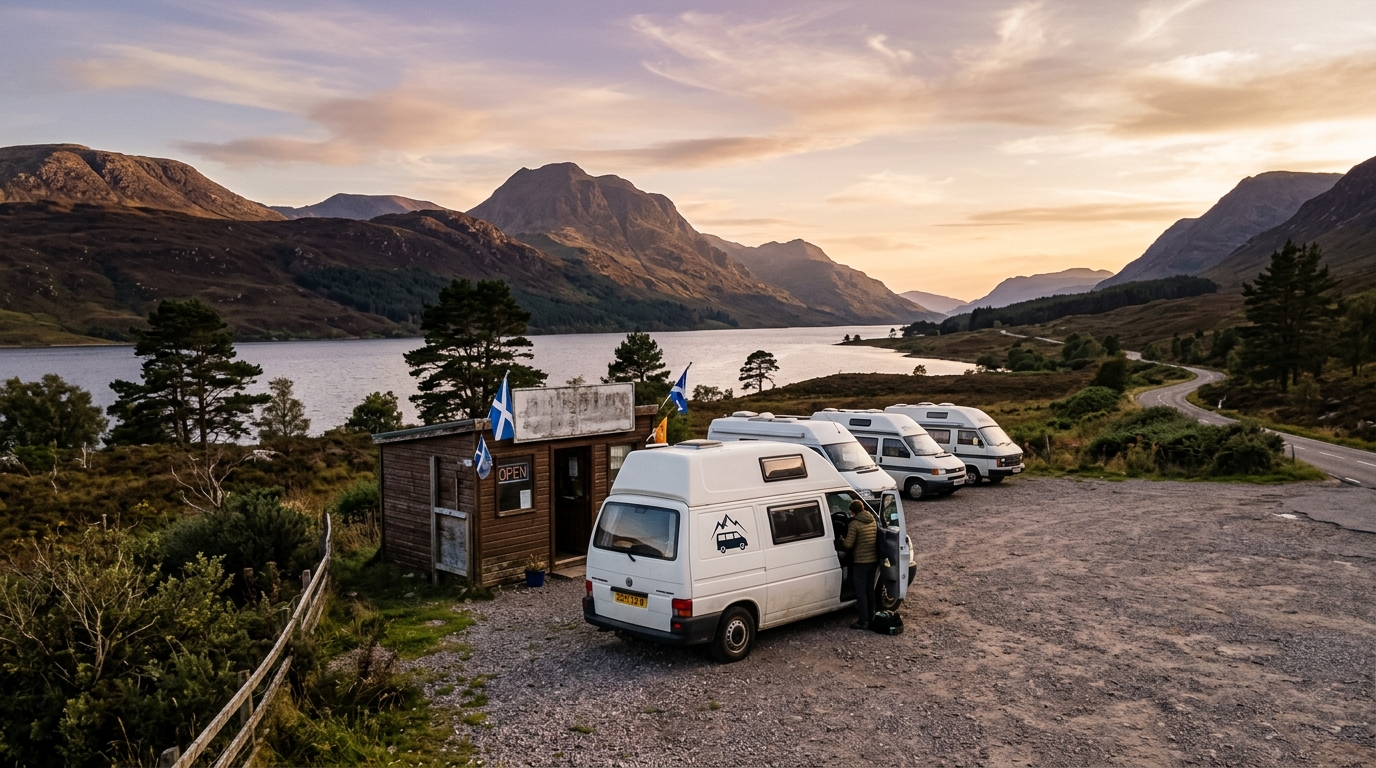
Renting an RV in Scotland offers unparalleled freedom and flexibility to explore diverse landscapes at your own pace, making it a highly rewarding travel option for many. Imagine pulling up to a stunning lochside view, stepping out of your "home on wheels" with a cup of tea, and taking in the tranquility.
It allows access to remote glens, coastal paths, and charming villages that might be inaccessible by public transport or less convenient with traditional accommodations. The ability to cook your own meals in your campervan's kitchen, using fresh local produce, can provide significant cost savings on food and hotels, especially in popular tourist areas. Here is our RV-friendly recipes playlist to get you started! An RV trip fosters a unique sense of adventure and allows for a deeper immersion into Scotland's natural beauty and local culture, making it an excellent choice for families (like those renting a "Category Family 5" motorhome) and couples alike. We recommend slow travel: aim for a maximum of 100-150 km per day on average to truly feel the place, connect to the culture, the food, and the scenery.
Is it difficult to drive an RV in Scotland
Driving an RV in Scotland can present unique challenges due to narrow, winding single-track roads, particularly in more rural and scenic areas like the Highlands and islands, but it is manageable with careful attention. Drive slowly and carefully, and you can drive almost anywhere without issues. No need to stress - just use common sense and pay attention. Navigating passing places correctly, especially when encountering oncoming traffic on roads like those found on the Isle of Skye, is a crucial skill to master for RV drivers. These are clearly marked pull-ins designed for vehicles to pass each other.
Awareness of vehicle height and width restrictions, particularly under bridges or on some ferry routes, is essential for safe travel. For example, a large "Euro Deluxe" motorhome with a length of 7.4 meters and height of 3.2 meters will require more vigilance than a compact "Condo" campervan. Planning parking in advance for larger vehicles in towns and at attractions can alleviate stress, as dedicated RV parking is not always readily available. Our comprehensive guide, "Driving an RV in Scotland - Complete Guide 2026," offers detailed tips and advice for navigating Scottish roads with confidence.
Can you wild camp anywhere in Scotland in an RV
While Scotland's 'right to roam' generally applies to walking and informal tent camping, wild camping in an RV has specific etiquette and limitations that differ significantly from tent camping. Under the Land Reform (Scotland) Act 2003, responsible access rights allow for overnight stays on most unenclosed land, but this requires finding suitable spots that do not obstruct roads or access, avoiding private land, and adhering strictly to the 'Leave No Trace' principles.
Disposing of grey and black water responsibly at designated dump stations (found at most campsites for £5-£10, or occasionally at public facilities) is paramount, as is proper refuse management to protect Scotland's pristine environment. You should never dispose of waste in an undesignated area. Always verify local regulations, as some areas (especially national parks like Loch Lomond & The Trossachs or popular tourist spots) may have stricter rules or designated overnight parking areas for motorhomes. Using resources like rvplan.net can help locate official campgrounds and dump stations along your itinerary.
How long does it take to drive around Scotland in an RV
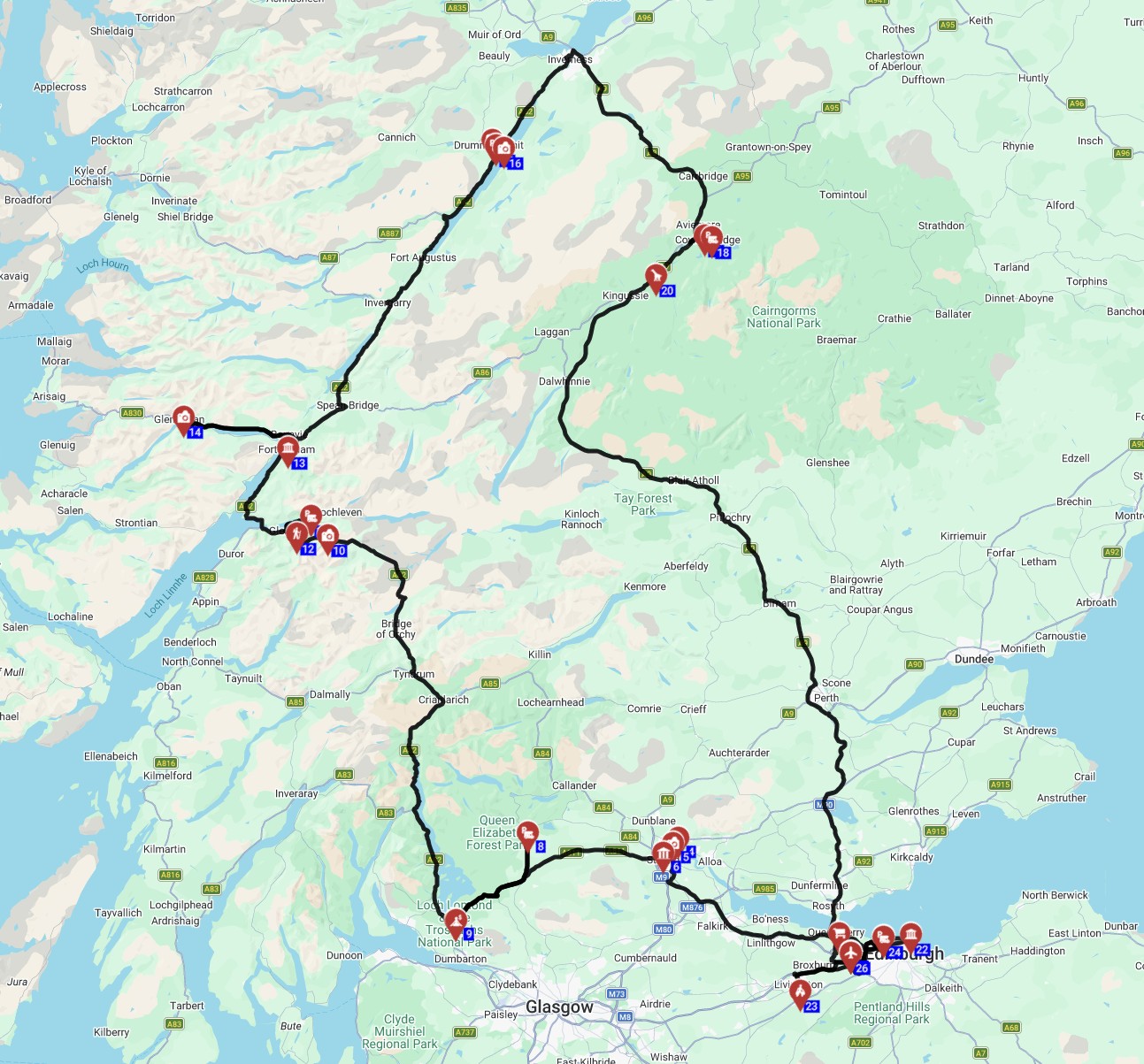
Driving around Scotland in an RV realistically takes a minimum of one to two weeks to cover major highlights, with a more comprehensive tour benefiting from three weeks or more. A one-week itinerary, averaging 150-200 km per day, allows for focused exploration of a specific region, such as a segment of the North Coast 500 (e.g., the northern section from Inverness to Durness and back) or a tour combining Loch Lomond & The Trossachs with the Isle of Skye, but requires efficient pacing.
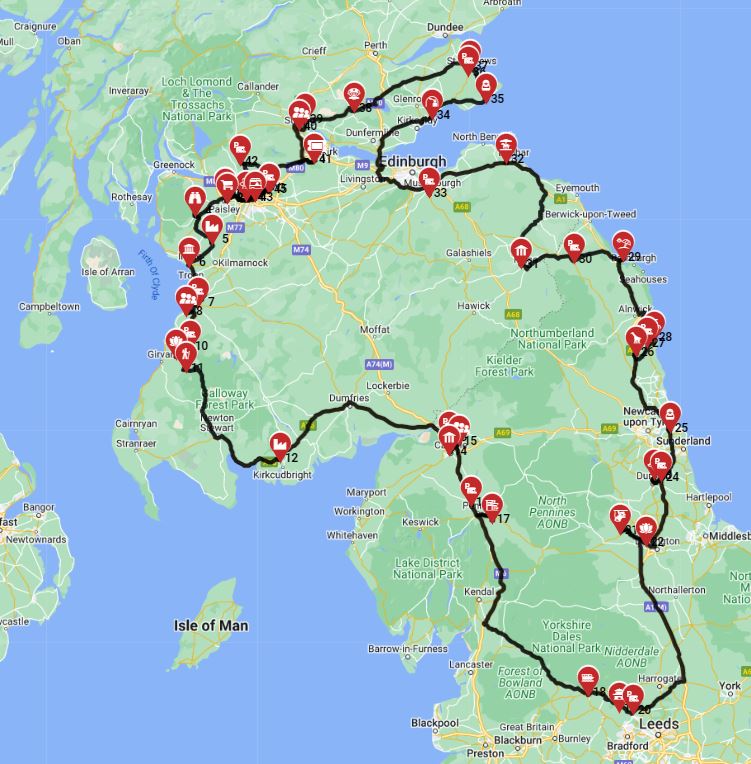
Planning should balance driving time with opportunities for sightseeing, hiking, and cultural experiences, as covering too much ground too quickly can lead to feeling rushed. For instance, a "Week-Long RV Driving Tour in Scotland 2026" could involve 500-700 km of driving. Consider themed journeys or lesser-known routes, such as the Galloway Forest Park, to experience Scotland beyond the most popular tourist trails, allowing for deeper immersion. Our "Rent&Plan" service offers pre-planned routes by professionals to help you optimize your time and experience.
What is the average cost of a campsite in Scotland
The average cost of a campsite in Scotland ranges from approximately £20 to £45 per night for an RV pitch with electric hook-up, varying significantly by location, season, and amenities. Basic 'no-frills' sites or Certified Locations (CLs) often fall on the lower end, sometimes as low as £15-£20 for a night.
Holiday parks with extensive facilities (e.g., showers, laundromats, shops, play areas for families) will be more expensive, typically costing £35-£50. Prices can also increase for prime coastal locations, national parks (like the Cairngorms), and during peak summer months, when a pitch for a "Category Family 5" motorhome might be at the higher end of the scale. Booking in advance, especially during peak season, is advisable to secure preferred sites and potentially better rates, with many popular campgrounds requiring reservations 3-6 months ahead of time.
Are there specific requirements for RV rentals in Scotland
To rent an RV in Scotland, drivers typically need to be at least 21 years old and possess a valid driving license for a minimum of 2-3 years, although some premium suppliers or Class A motorhomes might prefer drivers to be 25. There are no young driver surcharges and no vehicle class restrictions based on age when renting with our partners.
A standard car driver's license (Category B in the UK) is sufficient for driving all Class A, Class B, and Class C motorhomes, as most rental vehicles fall below the 3,500 kg maximum weight limit for this license. An International Driving Permit (IDP) is recommended for visitors from non-English-speaking countries to assist with identification and translation, but it is not mandatory in most cases for licenses written in English. Additional requirements often include proof of address (e.g., utility bill), a valid credit card for the security deposit (typically £1000-£2500), and an understanding of the specific insurance coverages offered. We handle the details, so you can live the journey, ensuring all paperwork is clear before you embark.
What are the best routes for a weekly RV trip in Scotland
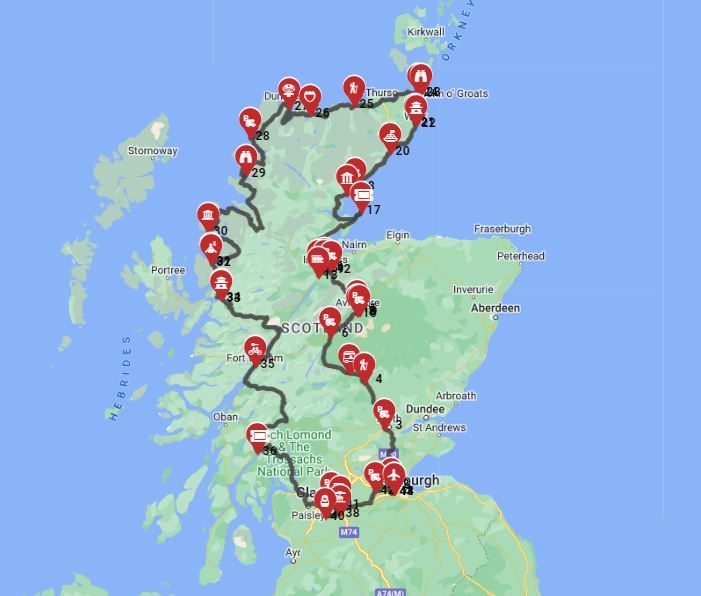
For a weekly RV trip in Scotland, popular and highly recommended routes include a focused section of the North Coast 500 (NC500) or a tour combining Loch Lomond & The Trossachs National Park with the magical Isle of Skye. The NC500, a roughly 830 km (516-mile) route, offers stunning coastal scenery and dramatic mountain passes in the northern Highlands; while tackling the full route in a week is ambitious, a segment like Inverness to Applecross and back provides an unforgettable experience.
The West Coast route, from Glasgow up to Oban and then across to Mull or Skye via ferry, offers stunning coastal scenery, opportunities for whisky tastings, and ferry adventures. Alternatively, exploring the Cairngorms National Park provides a different experience with mountains, wildlife, and charming villages, perfect for a 7-day itinerary focusing on outdoor activities and local culture. For a less crowded option, consider the scenic Galloway Forest Park and Ayrshire coast in the southwest, offering dark sky parks and historical sites. Our "Rent&Plan" service offers expertly curated itineraries, and you can even get a 25% planning discount when using rvplan.net for your route planning.
How do I prepare for midges when RVing in Scotland
Preparing for midges when RVing in Scotland, particularly during peak midge season (late spring to early autumn), involves a multi-pronged approach to prevention and relief. Effective strategies include using midge repellent containing DEET or Icaridin, wearing long sleeves and trousers (even on mild days), and having midge nets for hats and RV windows/doors.
Midges are most active at dawn and dusk, especially in still, humid conditions, so planning your outdoor activities around these times can help. Camp in open, breezy areas away from standing water or dense vegetation where midges thrive, or choose campsites specifically noted for being less midge-prone. Inside your rented campervan, keep doors and windows shut during dusk and dawn, and consider a midge repellent plug-in or diffuser for added protection. While they can be a nuisance, a little preparation ensures they don't overshadow Scotland's incredible beauty.
Can I travel with pets in a weekly RV rental in Scotland
Many RV rental companies in Scotland offer pet-friendly vehicles, allowing you to travel with your furry companions, but it's essential to confirm this policy at the time of booking. Expect to pay an additional cleaning fee for bringing pets, typically ranging from £50-£150, which covers extra sanitization after your rental, ensuring the next renter with allergies is comfortable.
Research dog-friendly attractions, pubs, and cafes along your route, as not all establishments will permit pets inside. Scotland generally welcomes dogs in many outdoor spaces, but leash laws apply in nature reserves and livestock areas, so always be respectful. Ensure your pet's vaccinations are up-to-date and carry their health records for travel. Traveling with pets in a "Pet Friendly" motorhome like the "Active Bunk Auto" can create incredible memories, offering them the chance to explore the stunning Scottish landscapes alongside you.
What You Shouldn't Miss
- Drive the North Coast 500: While ambitious for a week, dedicate at least a few days to a section of this iconic route, experiencing dramatic cliffs, white sandy beaches, and ancient castles. The stretch from Inverness to Ullapool is particularly stunning.
- Explore the Isle of Skye: Spend 2-3 days immersing yourself in Skye's otherworldly landscapes, from the Old Man of Storr to the Fairy Pools and the Quiraing. Book your ferry and campsite well in advance.
- Visit a Whisky Distillery: Take a tour and tasting at one of Scotland's renowned distilleries, especially along the Speyside Whisky Trail. Remember to have a designated driver or take advantage of sample kits for later enjoyment in your rented RV.
- Loch Lomond & The Trossachs National Park: Enjoy serene lochs, lush forests, and charming villages. There are plenty of campsites and opportunities for hiking, kayaking, or simply soaking in the views.
- Experience Edinburgh: Park your motorhome on the outskirts and use public transport to explore the historic Edinburgh Castle, the Royal Mile, and the vibrant Old Town. Even cities are manageable with a bit of planning.
- Taste Local Delicacies: Seek out traditional haggis, fresh seafood, and shortbread from local markets and eateries. Enjoying a warm meal inside your cozy campervan kitchen after a day of exploring is a true Scottish treat.
Final Thoughts
A weekly RV rental in Scotland offers an unparalleled opportunity to immerse yourself in a landscape of dramatic beauty and rich history. From the bustling streets of Edinburgh and Glasgow to the serene lochs and rugged peaks of the Highlands, a motorhome provides the freedom to explore at your own pace, creating memories that will last a lifetime.
While planning involves considering costs, seasons, and local driving nuances, the adventure and flexibility gained are truly priceless. Remember to travel slowly, allowing yourself ample time to connect with the culture, savor the local food, and truly feel the spirit of each place you visit. We're here to make your journey effortless, transparent, and absolutely incredible.
Ready to embark on your Scottish odyssey? Discover top destinations, planning tips, all in one place!
🎬 Video coming soon