In This Guide
- Where to Camp in New York - Top Options
- Campground Types in New York (National, Private, Wild)
- Featured RV Park or Campground in New York
- Hookups & Amenities - What to Expect
- Booking Windows & Reservations in New York
- Nearby Supermarkets & Resupply Points
- Best RV Class for Camping in New York
- How to Save on Campgrounds in New York
- Can you park an RV anywhere in NY?
- Is there a place to park an RV in NYC?
- What is the 3 3 3 rule for RV camping?
- Can you camp in an RV in the winter?
- Can you camp in NY state parks in winter?
- What is the closest RV park to New York City?
Embrace the serene beauty of winter in the Empire State by exploring New York in a rented RV. Imagine snow-dusted landscapes, cozy evenings by a campfire, and the unique thrill of discovering New York's winter wonders from your own mobile haven. For live availability and current prices, start with our RV Rental New York - Complete Guide 2026 guide.
Where to Camp in New York - Top Options
New York offers diverse winter RV camping opportunities, primarily through privately-owned campgrounds and select state parks that remain open with limited services. The Catskills and Adirondacks regions provide more secluded winter experiences, ideal for those seeking nature, while areas closer to major cities offer easier access to amenities and winter attractions. Privately-owned campgrounds like Coldbrook Campsites in the Adirondacks or Prospect Point Campground near Lake George often feature full hookups and heated facilities, which are essential for comfortable winter camping.
Always check individual campground websites or call ahead for specific winter operating dates and amenity availability, as many facilities reduce services or close entirely. For finding campsites and campgrounds during your trip, we recommend using RV PLANET (rvplan.net) - a great resource for locating available spots along your route. You can even plan your entire journey with RV PLANET routes, where you can itemize and track every expense along the way for easy budgeting. On the routes offered through RV PLANET routes, you can itemize and track every expense along the way for easy budgeting.
Campground Types in New York (National, Private, Wild)
In New York, RV camping typically falls into three categories: private campgrounds, state/national parks, and primitive (wild) camping, each with distinct rules and winter availability. Private campgrounds generally provide the most amenities for winter RVing, including heated bathhouses and full hookups, and often remain open year-round. These are often the best choice for first-timers or those seeking maximum comfort.
New York State Parks have limited winter camping options, with some sites open for cold-weather camping, though individual water hookups are often shut off due to freezing concerns. Campers should be prepared for this and plan to fill their fresh water tanks at central locations. Primitive camping or boondocking on state forest land in New York is generally allowed, but strict regulations apply; for example, you must camp at least 150 feet from roads, trails, or water sources, and permits may be required for stays over three nights. National forests, like the Finger Lakes National Forest, may also offer primitive camping, but always verify current regulations, fire restrictions, and any permit requirements, especially during winter months for safety and environmental protection.
Featured RV Park or Campground in New York
When selecting a featured RV park in New York for winter camping, prioritize locations that explicitly advertise year-round operation and offer robust winter-specific amenities. Consider the Lake George RV Park in Lake George, which often provides heated water lines, 30 or 50 amp electric service, heated bathhouses, and paved sites for easier snow removal and access. This park is ideally situated near winter recreation activities such as skiing at Gore Mountain or snowshoeing trails in the Adirondacks, and offers accessible local resupply options in Lake George Village.
Always verify direct accessibility via plowed roads and check their snow removal policies for RV sites before booking. Another excellent choice is Coldbrook Campsites, nestled in the Adirondacks, offering a rustic yet comfortable winter experience with electric hookups and a central heated water fill-up station. These types of campgrounds provide the necessary infrastructure to make a winter RV rental in New York truly enjoyable.
Hookups & Amenities - What to Expect
When RV camping in New York during winter, expect electric hookups (typically 30 or 50 amp) to be available at most private and some state park campgrounds; these are essential for powering your heating and appliances. Water hookups at individual sites are often shut off in winter to prevent freezing, meaning campers should plan to fill their freshwater tanks at a central, often heated, spigot and use a heated water hose if connecting directly to an available tap.
Dump stations may also be closed or have limited availability in freezing temperatures, so careful planning for grey and black tank management is crucial. Amenities like heated bathhouses, laundry facilities, and sometimes even Wi-Fi are more commonly found at private RV parks than at state parks during the winter season. Always confirm specific hookup and amenity availability directly with the campground to ensure a comfortable winter RV experience and avoid frozen systems. Remember that a reliable furnace and sufficient propane supply are key for enjoying your rented motorhome in New York's colder months.
Booking Windows & Reservations in New York
For winter RV rentals in New York, pre-planners should book ahead, especially for popular private campgrounds that offer full winter services, as availability can be limited. Many private campgrounds, particularly those near ski resorts or winter attractions, can fill up quickly. New York State Parks and DEC campgrounds typically open their booking windows months in advance; while winter sites are fewer, they can still be in high demand, so checking their specific reservation systems well before your trip is wise.
Spontaneous travelers may find same-day or next-day bookings easier in the quieter winter season, but it's always advisable to call ahead to confirm availability and road conditions before driving to a campground. You will almost certainly find a place-if not at the first campground, then the next one-but calling ahead mitigates the risk of arriving at a closed or fully booked site, particularly with variable winter weather. Whether you prefer to organize everything in advance or embark on a day-to-day adventure, our "RV Rental in New York - Prices and Best Deals 2026" guide offers insights into securing your ideal rental.
Nearby Supermarkets & Resupply Points
When RV camping in New York, particularly during winter, planning your resupply points is crucial, as some rural stores may have reduced hours or closures. Major supermarket chains like Wegmans, ShopRite, Hannaford, and Price Chopper are widely available in and around larger towns and cities throughout New York. For more remote winter camping destinations, such as in the Adirondacks or Catskills, stock up on essentials in larger gateway towns like Saratoga Springs or Lake Placid before heading into less populated areas.
Always keep extra non-perishable food, water, and propane on hand, as winter weather can cause unexpected delays or road closures, impacting your ability to resupply. Planning meals to be cooked in your RV's kitchen is a great way to save money and enjoy fresh food. Check out our RV-friendly recipes playlist for inspiration!
Best RV Class for Camping in New York
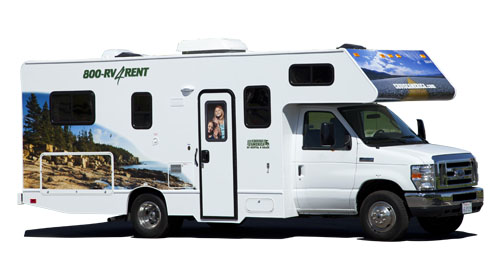
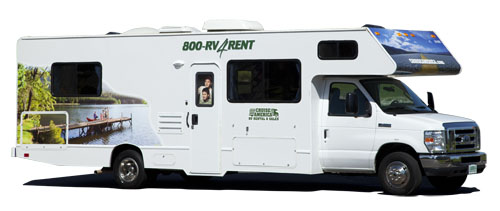
For winter RV camping in New York, Class C Alcoves and Class B Campervans are strong contenders from Bandana's local fleet due to their maneuverability and self-contained nature. Class C - Alcove RVs, averaging 7.7 meters in length and often sleeping 5-6 people, offer a good balance of space and amenities for winter comfort, frequently including dedicated heating systems and larger fresh and waste water tanks (e.g., 82-167 liters) suitable for longer stays without hookups. A popular model like the cruise america rv rental example Explorer (7.1m length, 82L fresh water) is a solid choice.
Class B Campervans, averaging 5.9 meters in length and often sleeping 2-4 people, are ideal for adventurers seeking more nimble travel, especially on snow-covered or narrower roads like those found in the Catskills, and can provide excellent boondocking capabilities. The DVC campervan, at 6.7m with 114L fresh water, is great for couples. Given the challenges of winter, an RV with good insulation, a reliable furnace, and sufficient tank capacity is paramount. Consider the fuel consumption (Class C typically 7-10 Miles/Gallon or 23 Liters/100 km) for your chosen RV class, as winter conditions can impact fuel efficiency and may require carrying more propane.
How to Save on Campgrounds in New York
To save on campgrounds in New York, leverage Bandana's campground discount cards, which can offer significant savings across participating RV parks, often 10-20% off nightly rates. Opt for winter camping, often considered the shoulder season, where rates are typically lower than peak summer prices, and crowds are minimal. For example, a site that costs $50/night in summer might drop to $30/night in winter.
Choosing municipal or regional campgrounds over private resorts can also lead to substantial savings, though amenities may be more basic. Many campgrounds offer weekly rates that are more economical than nightly stays, so planning a trip of three nights or more can reduce your overall cost. Consider exploring primitive camping options on New York State Forest lands where fees are minimal or non-existent, after thoroughly understanding local regulations for boondocking. Our "Cheap RV Rental in New York - Budget Guide 2026" provides more tips on stretching your travel dollar.
Can you park an RV anywhere in NY?
No, you cannot park a rented RV just anywhere in New York; parking regulations vary significantly by municipality, private property, and state land. Overnight parking or camping is generally prohibited on public streets and in most rest areas in New York, and violating these rules can result in fines or towing. For primitive camping, New York State Forests permit camping more than 150 feet from roads, trails, or water sources, often for up to three nights without a permit, but always check specific DEC regulations for the area.
Private landowners may allow RV parking with explicit permission, but it's essential to obtain this approval in advance to avoid trespassing issues. Always research local ordinances for the specific area you plan to visit, as rules can differ greatly between towns, counties, and state jurisdictions regarding RV parking and overnight stays. Drive slowly and carefully, and you can drive almost anywhere without issues. No need to stress - just use common sense and pay attention.
Is there a place to park an RV in NYC?
Parking a rented RV directly in New York City is extremely challenging and generally not recommended due to height restrictions, narrow streets, lack of suitable parking spaces, and high costs, which can easily exceed $75 per day. Most RVers visiting NYC choose to park their vehicles at RV parks outside the city in neighboring New Jersey, Long Island, or upstate New York, and then commute into Manhattan via public transit.
Recommended strategies include utilizing RV parks like Liberty Harbor RV Park in Jersey City or Croton Point Park in Croton-on-Hudson, NY, which offer convenient access to PATH trains or Metro-North commuter trains and ferries to NYC. Consideration must be given to tolls, bridge and tunnel restrictions (e.g., Holland Tunnel prohibits propane tanks), and the overall cost analysis of parking an RV near NYC, which can be significant. For safety and convenience, it's best to avoid attempting to navigate or park a large RV within the five boroughs, instead opting for a park-and-ride approach. Our "RV Rental New Jersey - Complete Guide 2026" also provides options for parking just across the Hudson River.
What is the 3 3 3 rule for RV camping?
The '3-3-3 rule' for RV camping is a popular guideline to ensure a relaxed and safe travel pace, recommending that campers drive no more than 300 miles a day, arrive by 3 PM, and stay for at least 3 nights. Driving no more than 300 miles daily helps prevent driver fatigue, allows for unexpected stops, and minimizes stress from long hauls, which is particularly important on New York's often winding roads. For a truly immersive experience, we encourage slow travel, averaging max 100-150 km per day.
Arriving by 3 PM provides ample daylight for setting up your RV, scouting the campground, and addressing any unexpected issues before dark, which is especially beneficial in winter with shorter daylight hours. Staying for at least 3 nights at each location offers sufficient time to explore the area, relax, and fully enjoy the camping experience without feeling rushed. While a guideline, adhering to the 3-3-3 rule can significantly enhance your RV trip, especially during winter when weather conditions can be unpredictable. You can learn more about pacing your travels in the "RV Travel Guide to New York - Tips and Top Spots 2026".
Can you camp in an RV in the winter?
Yes, you can absolutely camp in a rented RV in the winter, but it requires specific preparation, specialized equipment, and a suitable 'four-season' or 'winterized' RV rental. Essential preparations include insulating water lines with heat tape, using a heated water hose for hookups (if available), adding skirt insulation around the RV's base to protect plumbing, and ensuring your furnace and propane supply are robust.
Winter RV camping demands attention to potential issues like frozen pipes, battery drain in cold weather (which can reduce capacity by up to 50% at 0°C), and adequate ventilation to prevent condensation and mold buildup in your motorhome. Many modern RVs from Bandana's suppliers like El Monte or Cruise America are designed with enhanced insulation and heated underbellies to facilitate comfortable winter use, but even so, staying prepared is key. Beyond vehicle preparation, planning for fewer available campgrounds and potentially limited amenities like water hookups is crucial for a successful winter RV experience in New York.
Can you camp in NY state parks in winter?
Yes, some New York State Parks offer limited RV camping opportunities during the winter season, typically on a first-come, first-served basis or with advance reservations. Winter camping in NY State Parks often means fewer amenities; water hookups at individual sites are usually turned off from late October to early May, and comfort stations (bathrooms/showers) may be closed or have reduced services. For instance, in the Catskills, North-South Lake Campground might offer primitive winter sites, requiring self-sufficiency for water and waste.
Campers should check the New York State Parks website or call individual parks directly, such as the Department of Environmental Conservation (DEC) for the Adirondacks, for specific winter operating dates, availability, and details on which sites and facilities remain open. Be prepared for primitive conditions at some winter-open sites, meaning self-sufficiency regarding water, waste, and heating is paramount. Specific rules and reservation processes for winter camping vary by park, so it's essential to plan ahead and confirm details like permit requirements and any seasonal restrictions to ensure a smooth trip.
What is the closest RV park to New York City?
The closest RV park offering direct access to New York City is generally considered to be Liberty Harbor RV Park in Jersey City, New Jersey, located just across the Hudson River from Manhattan. Liberty Harbor RV Park provides stunning skyline views and boasts easy access to PATH trains and ferries for commuting into NYC, with journey times to midtown Manhattan often under 30 minutes. The average nightly rate for a full hookup site can range from $80-$120 depending on the season and RV size.
While not within New York City's boroughs, its proximity and convenient public transit connections make it the most practical base for RVers wanting to explore Manhattan without the challenges of driving a rental motorhome directly into the city. Other nearby options, slightly further out, include Croton Point Park in Croton-on-Hudson, NY, which offers Metro-North train access to Grand Central Terminal, approximately a one-hour ride. When choosing an RV park near NYC, consider not just distance but also public transit convenience, cost, and specific RV size compatibility, especially for larger units. Our "One-Way RV Rental in New York - Price Guide 2026" covers how to manage such logistics effectively.
What You Shouldn't Miss
New York offers an incredible array of experiences for the RV traveler, especially during winter. Here are some top adventures to consider for your rented motorhome journey:
- Adirondack Winter Wonderland: Explore the vast Adirondack Park, larger than five major US national parks combined. Park your RV at a heated campground like Lake George RV Park and hit the slopes at Gore Mountain, or enjoy snowshoeing on miles of pristine trails.
- Finger Lakes Wine Country Snowshoeing: Visit the Finger Lakes region in winter, where many wineries remain open for tastings. Pair this with snowshoeing through picturesque vineyards or along the Seneca Lake Wine Trail, and return to your warm campervan rental for a cozy evening.
- Hudson Valley Holiday Magic: Tour the historic Hudson Valley, visiting charming towns like Cold Spring or Rhinebeck adorned with holiday lights. You can find convenient RV camping at many private parks in the region, offering easy access to local shops and restaurants.
- Niagara Falls in Winter: Witness the breathtaking spectacle of Niagara Falls partly frozen. Winter RV camping nearby, perhaps in Youngstown, NY, provides a unique perspective without the summer crowds.
- Catskill Mountains Getaway: Head to the Catskills for winter activities like skiing at Hunter Mountain or Belleayre Mountain. Camp at heated sites and enjoy the crisp mountain air.
Looking for expert insights from Avi Bandana? Top 5 Adventures - recommendations from Avi Bandana.
Final Thoughts
A winter RV camping trip in New York is an unforgettable way to experience the state's natural beauty, from the snow-covered peaks of the Adirondacks to the tranquil Finger Lakes. With a rented motorhome or campervan, you unlock the freedom to chase winter adventures at your own pace, creating a cozy and comfortable base wherever you go. Remember to plan for the unique challenges of winter travel, but don't let them deter you-with a little preparation, your winter RV journey in New York will be a cherished memory for years to come.
Whether you're hitting the ski slopes, exploring charming winter towns, or simply enjoying the quiet solitude of a snowy forest, a Bandana RV rental provides the flexibility and comfort you need. We're here to support you every step of the way, offering full transparency and expert advice as you embark on your New York adventure. Discover top destinations, planning tips, all in one place!
Find Motorhome Rentals in New York