In This Guide
- Where to Camp in Italy — Top Options
- Campground Types in Italy (National, Private, Wild)
- Featured RV Park or Campground in Italy
- Hookups & Amenities — What to Expect
- Booking Windows & Reservations in Italy
- Nearby Supermarkets & Resupply Points
- Best RV Class for Camping in Italy
- How to Save on Campgrounds in Italy
- What are the driving rules for RVs in Italy?
- Is it safe to RV in Italy?
- What is the best time to RV in Italy?
- How much does it cost to rent an RV in Italy?
- What is the best route for an RV in Italy?
- How to navigate tolls in Italy with an RV?
- What documents do I need to rent an RV in Italy?
- How long can you stay in an RV park in Italy?
- What do you call an RV in Italy?
- What is the best way to see Italy by RV?
- Can I park my RV anywhere in Italy?
- What are the benefits of RV travel in Italy?
- Can you boondock in Italy?
- Are there specific RV rental age restrictions in Italy?
- How to handle language barriers and local customs for RVers in Italy?
- What are the best apps for RV travel in Italy?
- How to find unique farm stays or agriturismi with RV hookups in Italy?
- What are the best sustainable or eco-friendly RV travel practices in Italy?
- How to participate in local festivals and find non-touristy trattorias by RV in Italy?
Where to Camp in Italy — Top Options
For a winter RV rental in Italy, top camping options include private campgrounds, especially those near major cities or popular winter sports regions like the Dolomites or Tuscany, which often remain open year-round. Consider destinations such as the Tuscan countryside for milder weather and cultural exploration, or the mountainous regions for skiing and winter activities, where specialized RV parks cater to cold-weather campers. While specific locations vary seasonally, popular areas like Lake Garda, Florence, and Rome often have accessible campgrounds, though it's crucial to verify winter operating hours before arriving.
Campground Types in Italy (National, Private, Wild)
Italy offers diverse campground types, including national park sites, private campgrounds, and limited possibilities for wild camping, each with specific regulations and levels of amenities. National park campgrounds (e.g., within the Gran Paradiso or Abruzzo National Parks) provide scenic, often basic, facilities; however, many may be closed or have limited access during winter months due to snow. Private campgrounds are the most prevalent and reliable choice for winter RV travel, offering a wide range of services from full hookups to heated facilities, with many operating year-round. Wild camping, or 'sosta libera,' is generally illegal across Italy, particularly in popular tourist areas and national parks; while tolerated in very remote, non-signposted rural areas, it's safer and legal to use designated overnight parking areas ('Aree di Sosta') or paid campgrounds.
Featured RV Park or Campground in Italy
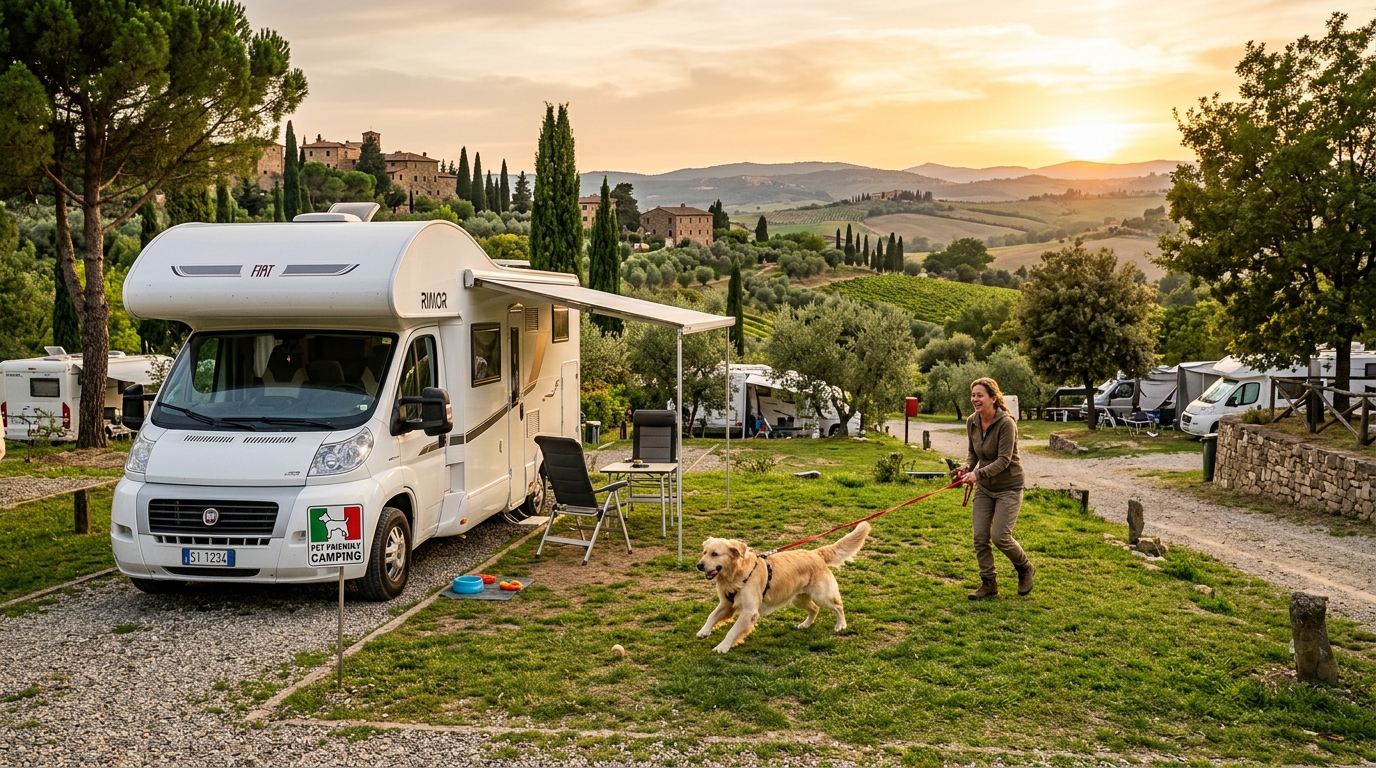
When selecting an RV park for a winter rental in Italy, prioritize sites that explicitly advertise winter services, heated amenities, and good accessibility despite potential snow. An ideal winter RV park in Italy should feature insulated and heated shower blocks, reliable electric hookups (at least 6-10A for heating), accessible fresh water and dump stations (winterized to prevent freezing), and often proximity to winter attractions or shuttle services. Look for campgrounds near ski resorts like those in the Dolomites, or sites close to thermal spas in Tuscany, which are popular for winter visitors and typically well-equipped for cold-weather camping. On the routes offered through RV PLANET routes, you can itemize and track every expense along the way for easy budgeting.
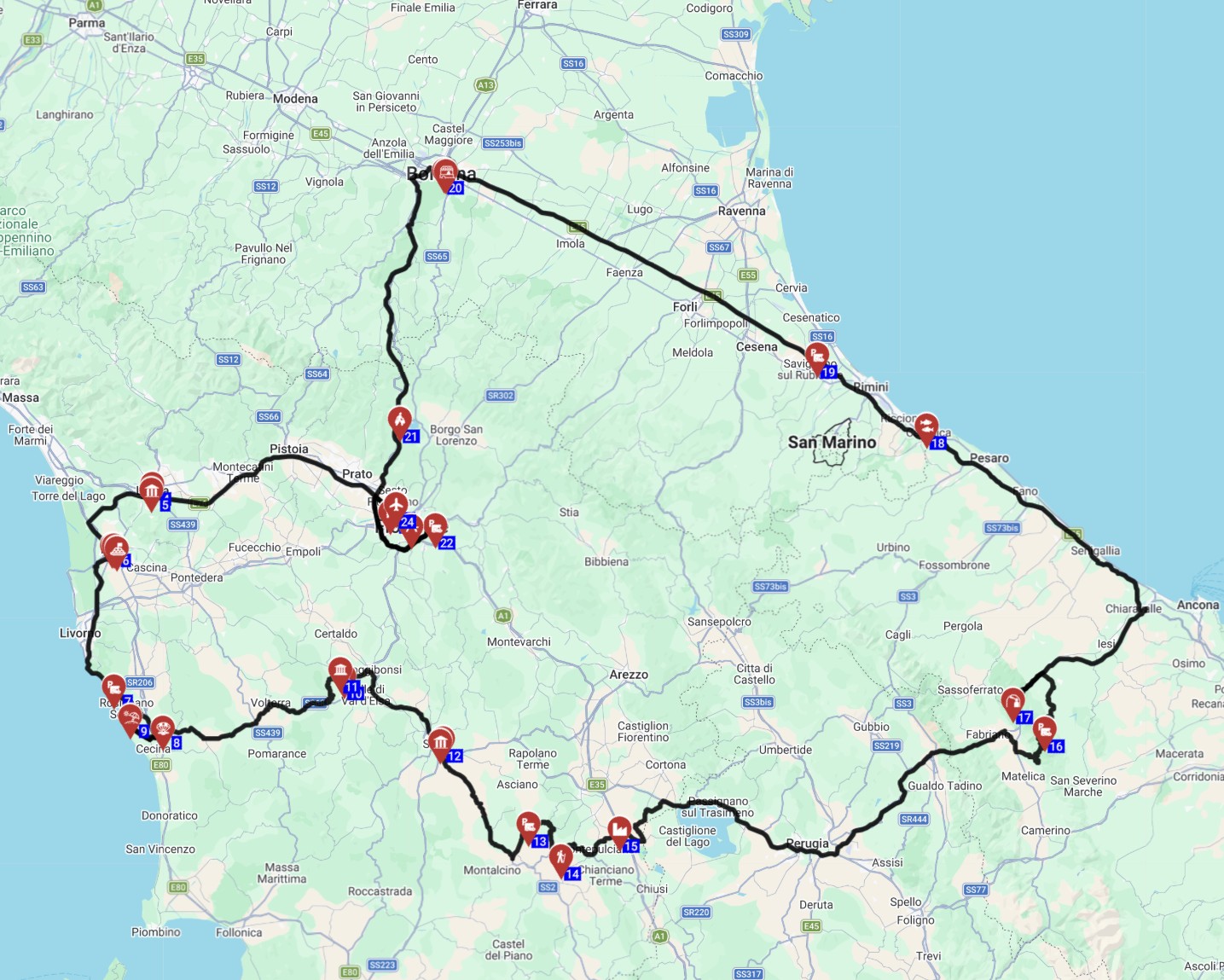
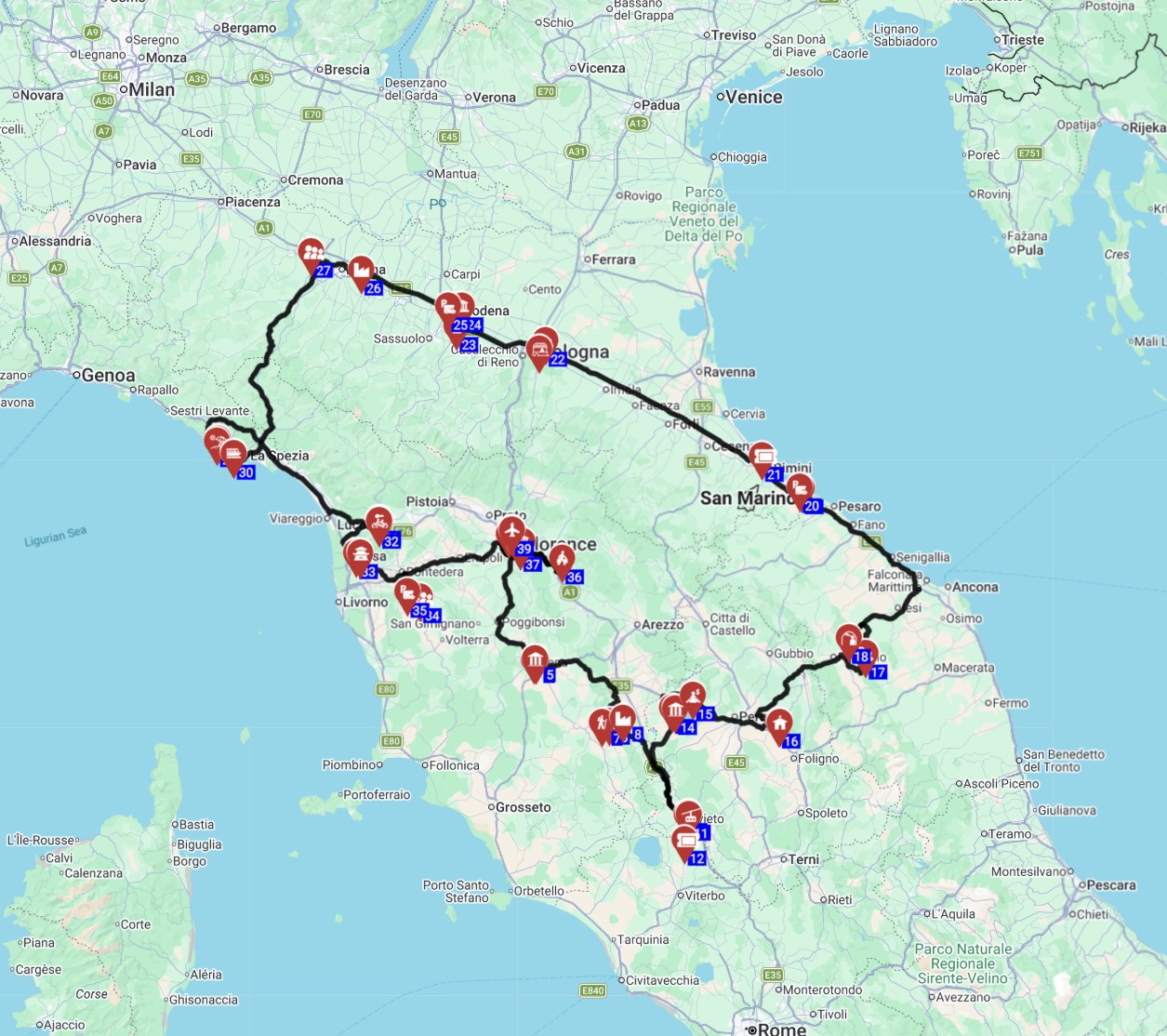
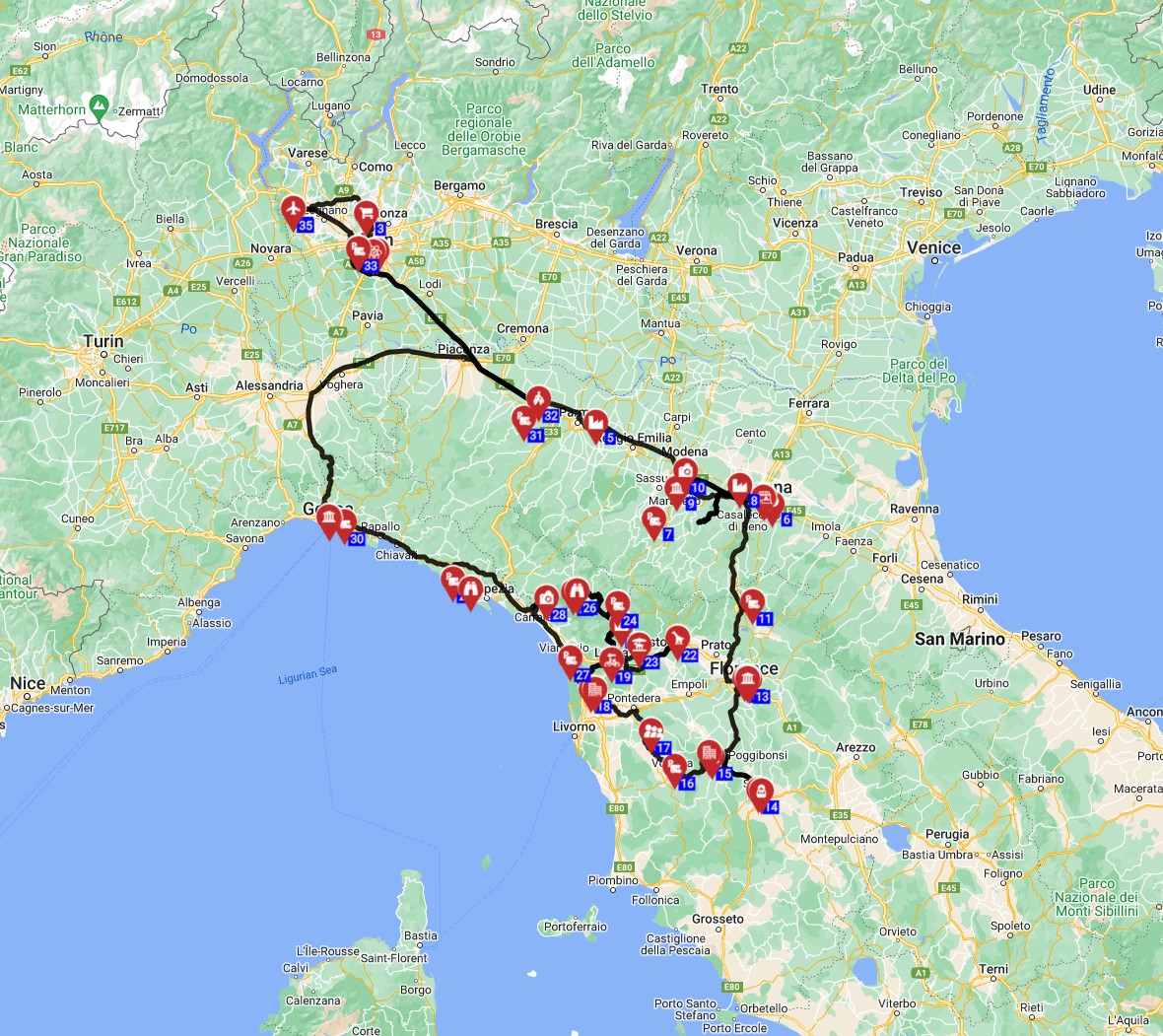
For travelers planning a comprehensive trip, consider the Ljubljana Roundtrip - Adriatic sea Round route, which spans 16 days and covers over 2,000 km, including visits to various attractions in Italy, offering insights into potential camping spots along the way.
Hookups & Amenities — What to Expect
Expect modern and comprehensive hookups and amenities at most private Italian campgrounds, which are essential for a comfortable winter RV rental experience. Standard electrical hookups provide 230V with typical CEE 7/4 (Schuko) or CEE 7/7 (Europlug) sockets, generally offering 6 to 16 amps, crucial for powering your RV's heating system in cold weather. Fresh water connections and grey/black water dump stations are widely available, though in freezing temperatures, some outdoor water taps might be turned off or require an insulated hose to use. Many campgrounds also offer amenities such as Wi-Fi (sometimes for a fee), hot showers (often included), laundry facilities, and occasionally heated common areas, which are particularly valuable during winter trips.
Booking Windows & Reservations in Italy
For winter RV rentals in Italy, while generally less crowded than peak summer, it is advisable to book campgrounds near popular ski resorts or major cities in advance, especially around holidays. Planners should aim to secure reservations several weeks to a few months ahead for popular winter destinations like the Dolomites or around Christmas and New Year. Spontaneous travelers may find more availability in less-touristy regions during winter, but it is always recommended to call ahead to confirm winter operating hours and pitch availability before driving to a specific site. Many national park campgrounds, if open, may release only 25-30% of spots for reservations, with the rest being first-come, first-served; private sites are primarily reservation-based.
Nearby Supermarkets & Resupply Points
Access to supermarkets and resupply points is generally excellent across Italy, even in winter, with major chains providing convenient options for RV travelers. Look for prominent Italian supermarket chains such as Conad, Coop, Esselunga, Carrefour, and Lidl, which are widely distributed in towns and cities throughout the country. Many larger campgrounds may also feature small on-site shops for basic necessities, though prices might be higher; for fresh local produce and specialties, local markets are recommended.
Best RV Class for Camping in Italy
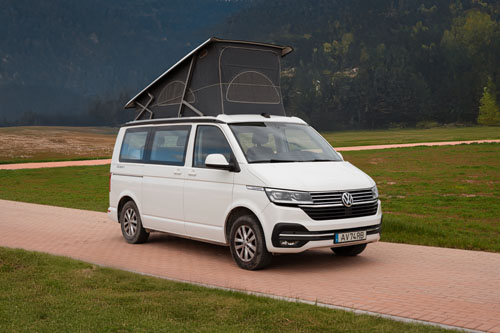
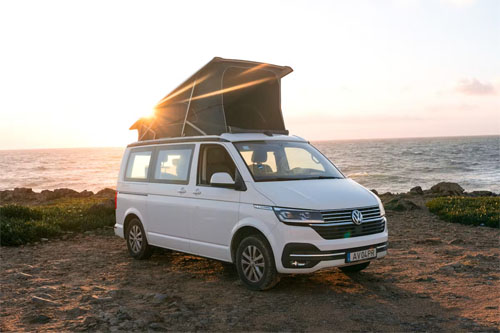
The best RV class for camping in Italy, particularly during winter, prioritizes maneuverability on often narrow Italian roads combined with adequate living space and insulation. Class B - Camper Vans, averaging 5.8 meters in length with 3.2 sleeping places, are highly recommended for their compact size, making them easy to navigate through historic villages and find parking, while offering fuel consumption around 10 Liters / 100 Km. For instance, the V3 model, a Fiat Ducato campervan, is a prime example of a compact yet comfortable option.
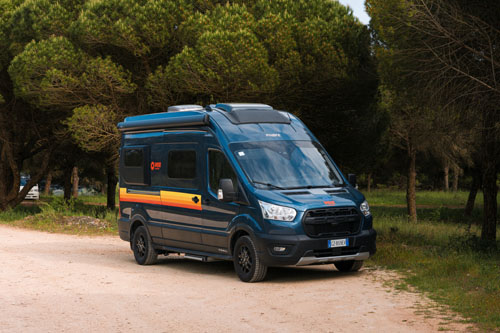
Class SI - Semi-integrated RVs, typically 6.9 meters long with 3.8 sleeping places, offer a good balance of comfort and agility, providing more spacious living areas than camper vans, suitable for longer winter trips with fuel consumption around 10 – 11 Liter/100 km. For larger groups or families needing more space, a Class C - Alcove RV (averaging 7.5 meters in length with 5.8 sleeping places) can be considered, but be mindful of its larger size on very narrow or steep winter roads. A good example of a semi-integrated RV is the 2 Berth Rover, offering a balance of space and practicality.
How to Save on Campgrounds in Italy
Saving on Italian campgrounds, especially during the winter season, can be achieved through strategic planning and utilizing various discounts. Many RV rental companies, like Bandana, offer campground discount cards that can provide significant savings at participating sites throughout Italy. Opt for municipal or regional campgrounds over private resorts, as they often have lower nightly rates, particularly outside prime tourist or ski destinations. Booking longer stays, such as 3+ nights, can frequently unlock more economical weekly rates, and inquiring about specific off-season winter specials can also lead to savings.
What are the driving rules for RVs in Italy?
Navigating Italy by RV requires adherence to specific driving rules, including strict awareness of ZTLs, understanding the toll system, and preparing for diverse road conditions, particularly in winter. Limited Traffic Zones (ZTLs) are common in historic city centers; RVs must avoid entering these zones without a specific permit to prevent heavy fines, making perimeter parking and public transport key strategies. Italy's extensive 'Autostrade' (motorway) network operates on a ticket-based toll system where you collect a ticket at entry and pay at a toll booth ('Pagamento') upon exit, with options for cash, credit cards, or specialized debit cards. RVs typically fall into Class B or 3, depending on their height and axle count; it is important to confirm your rental's classification to accurately estimate toll costs, which can range from a few euros to over €50 for extensive journeys. For winter travel, it is mandatory to have winter tires or carry snow chains in your RV from November 1st to April 30th in certain regions, especially in mountainous areas and where indicated by road signs.
Is it safe to RV in Italy?
RVing in Italy is generally safe for tourists, provided common travel safety precautions are observed and local nuances are understood. While violent crime is rare, petty theft, such as pickpocketing or break-ins, can occur, particularly in crowded tourist areas or when parking overnight in unsupervised locations; always secure your RV and keep valuables out of sight. Road conditions are generally good, but be prepared for narrow, winding roads in rural and mountainous regions, which can be challenging, especially with snow and ice in winter. Familiarize yourself with basic Italian phrases for emergencies and local interactions, and ensure you have roadside assistance contact information readily available for peace of mind.
What is the best time to RV in Italy?
The best time to RV in Italy depends on individual preferences, with winter (December to February) offering a unique experience characterized by fewer crowds and specific regional attractions. Winter in Italy brings cooler temperatures, with significant snowfall in the northern mountains (ideal for skiing) and milder, often rainy conditions in central and southern coastal areas. While many coastal campgrounds and some seasonal attractions close during the off-season, major cities like Rome, Florence, and Venice remain vibrant and less congested, making it an excellent period for cultural exploration. Travelers in winter must be prepared for potential road closures due to snow in higher mountain passes and ensure their RV is adequately equipped with good heating and appropriate tires for cold weather.
How much does it cost to rent an RV in Italy?
The total cost of an RV rental in Italy encompasses more than just the daily rental fee, including fuel, tolls, parking, specific food budgets, and activity costs. RV rental prices fluctuate significantly by season, RV class (e.g., Bandana's Class B Camper Vans consume around 10 Liters/100 Km, while Class C Alcoves are 10-12 Liters/100 Km), and rental duration, with winter rates generally being lower due to the off-peak season. Budget for fuel costs, which are higher in Italy compared to many other European countries, and factor in tolls for using the 'Autostrade,' which can accumulate on longer journeys. Additional expenses include campground fees (ranging from €20-€50+ per night depending on amenities and location), parking in urban areas, a food budget based on cooking versus dining out, and costs for specific attractions or guided tours. For ideas you can prep on the road, watch our RV-friendly recipes playlist on YouTube.
For a more detailed breakdown of costs and to compare pricing across various models, you can explore options through our sister company's platform, RV PLANET, which helps itemize and track expenses for easy budgeting on your chosen routes.
What is the best route for an RV in Italy?
The best RV route in Italy caters to specific interests and seasonal conditions, with winter providing excellent opportunities for cultural and off-the-beaten-path experiences. For a winter RV adventure, consider a cultural route through Tuscany and Umbria, exploring historic towns like Siena, Florence, and Assisi, with visits to wineries (some offering RV parking) and thermal baths. For winter sports enthusiasts, a route through the Dolomites (e.g., Cortina d'Ampezzo, Val Gardena) offers stunning alpine scenery, world-class skiing, and specialized RV parks with direct slope access.
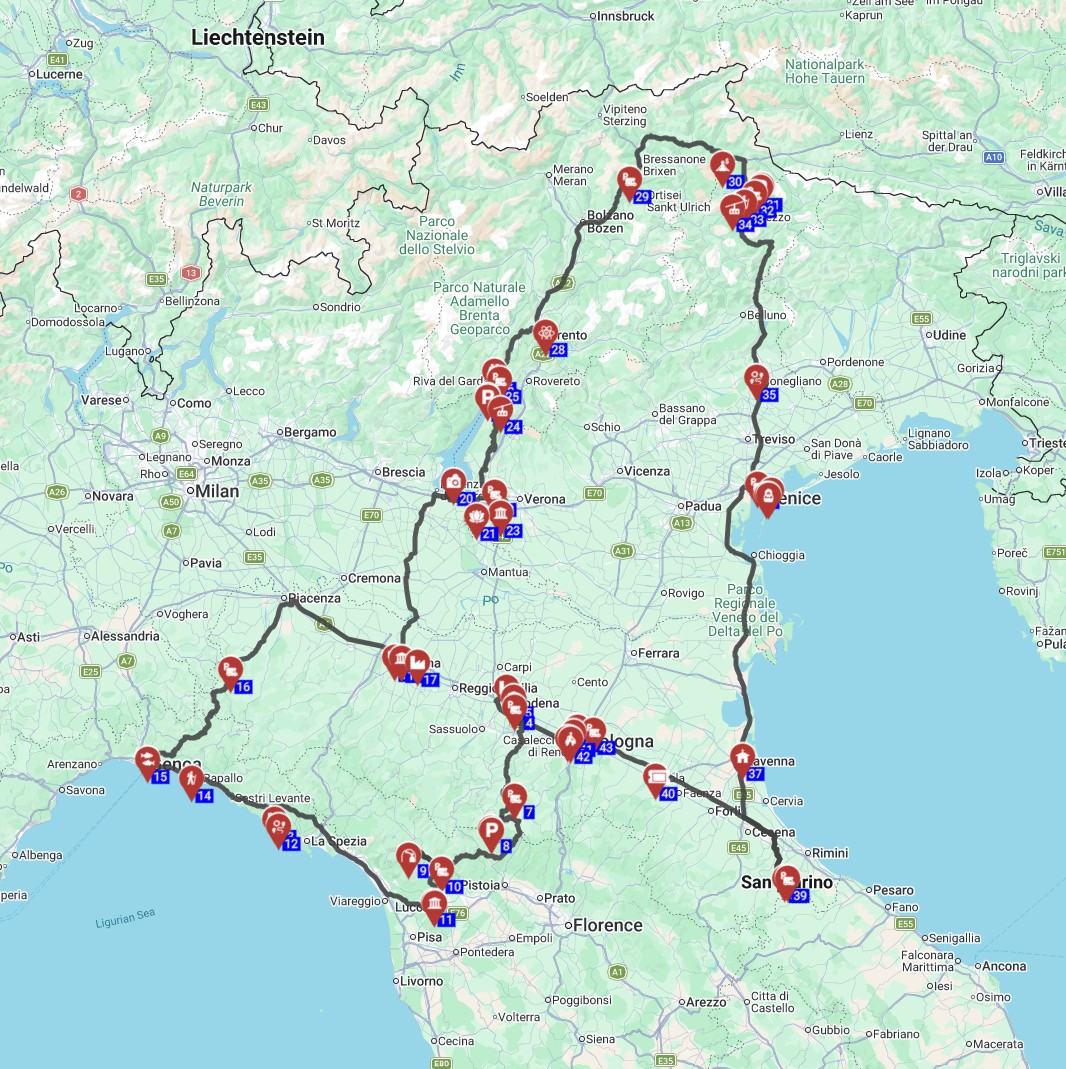
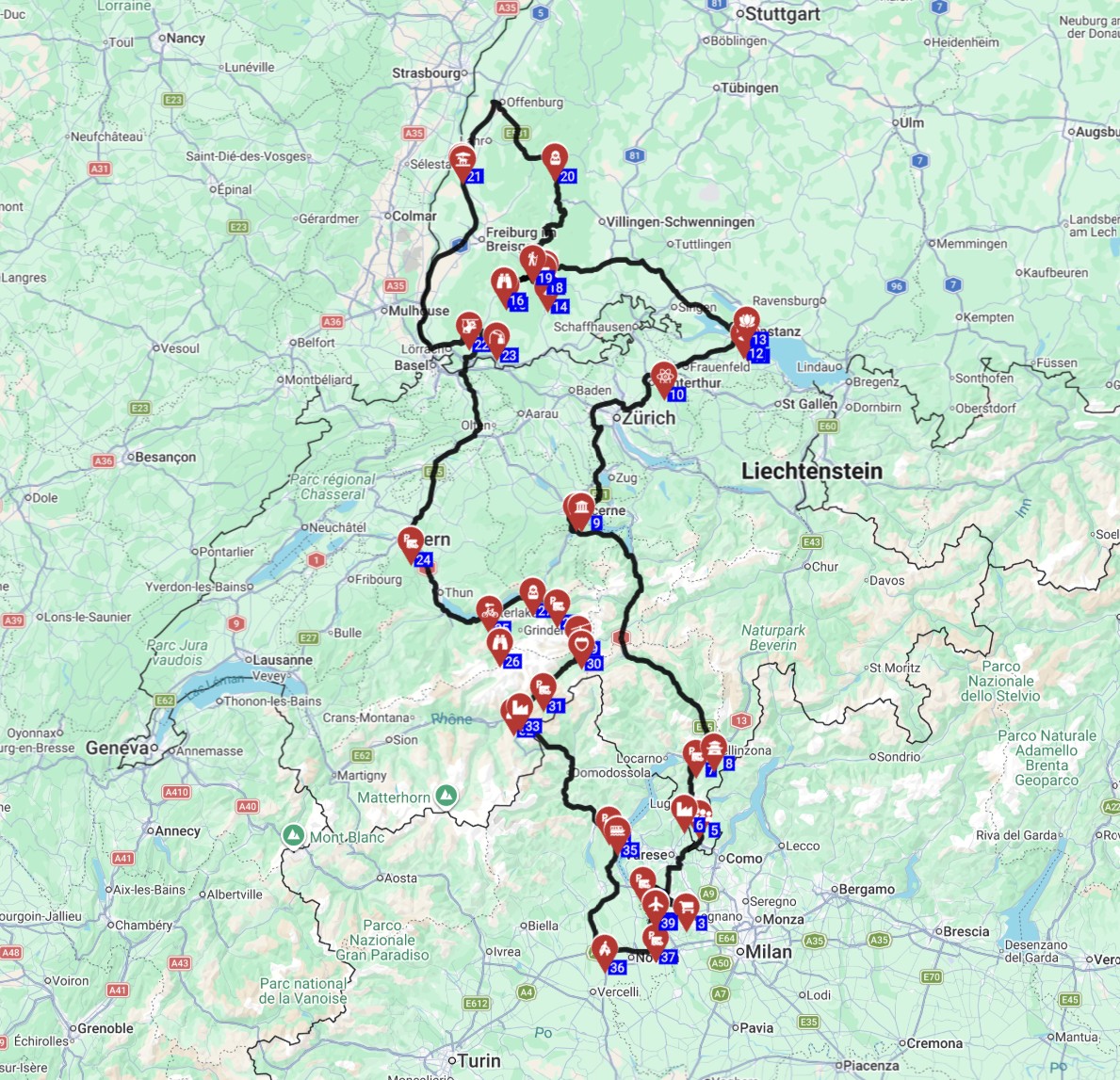
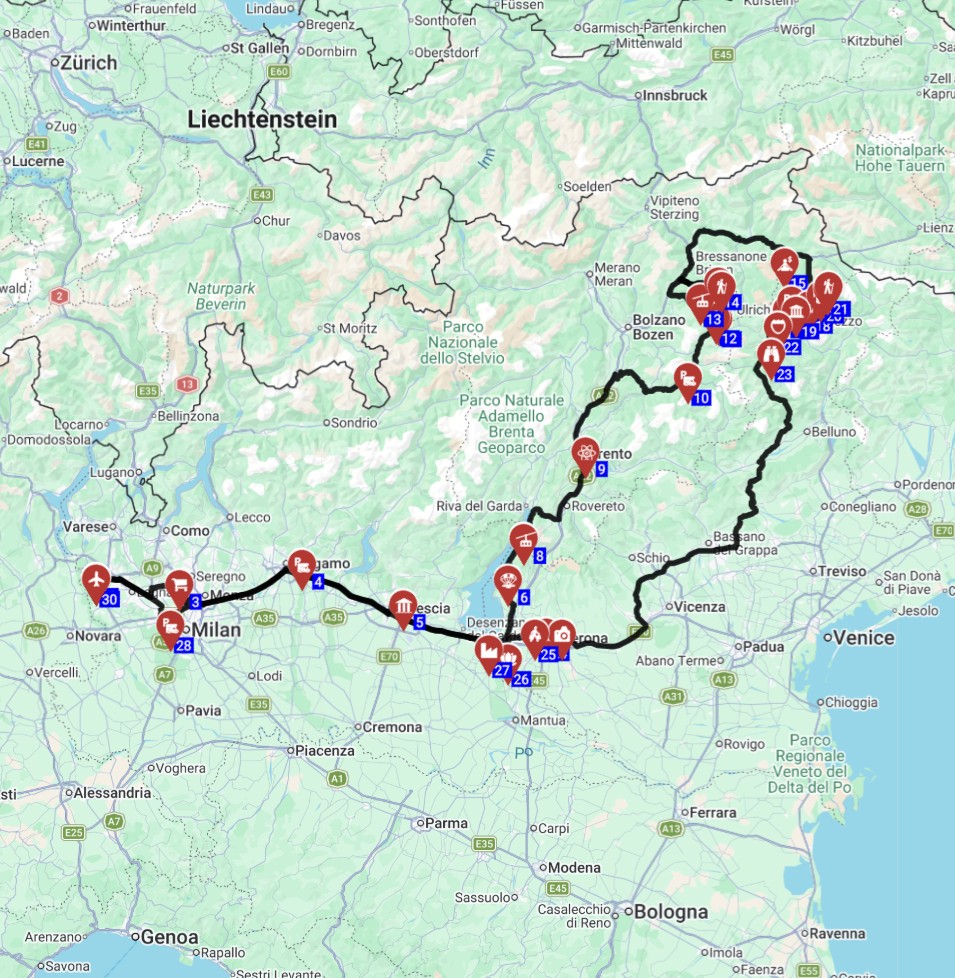
For a blend of culture and scenic driving, the Nice Roundtrip - French Riviera toward North Italy, Switzerland, and the French Alps route offers a 15-day journey covering over 1,700 km, showcasing diverse landscapes and cultural experiences relevant to Italy.
Alternatively, for milder winter weather and coastal beauty, explore Puglia in southern Italy, known for its unique 'trulli' houses, Baroque towns, and fewer tourists during the colder months.
How to navigate tolls in Italy with an RV?
Navigating tolls in Italy with an RV primarily involves understanding the 'Autostrade' system's mechanics and choosing the most convenient payment method. Most Italian motorways operate on a closed toll system: you collect a ticket ('Biglietto') upon entry and pay at a toll booth ('Pagamento') upon exit, with options for cash, credit cards, or specialized debit cards. For frequent use and seamless travel, consider acquiring a Telepass device, which allows for electronic toll payment and passage through dedicated lanes without stopping, significantly streamlining your journey.
What documents do I need to rent an RV in Italy?
To rent an RV in Italy, you will generally need a valid driver's license, an International Driving Permit (IDP), and a major credit card for the security deposit. Non-EU citizens are typically required to present an International Driving Permit in conjunction with their national driver's license, translated into Italian. Ensure your driver's license has been held for a minimum period, usually one or two years, and that you meet the minimum age requirement for RV rentals, which is often 21 or 25 years old. A major credit card in the primary renter's name is indispensable for the security deposit, which can be a substantial amount and covers potential damages or incidents during the rental period.
How long can you stay in an RV park in Italy?
The permissible duration of stay at an RV park in Italy varies, with most campgrounds offering flexible nightly rates but also encouraging longer stays through discounted weekly or monthly rates. Typical stays range from one night to several weeks; during the winter season, many parks, especially those catering to long-term visitors or located near winter resorts, are more accommodating for extended periods. While there isn't a universal maximum stay imposed across all of Italy, individual campgrounds may have their own specific policies, particularly during peak seasons; in winter, you'll generally find greater flexibility for longer durations. For stays exceeding 30 days, specific bureaucratic requirements like temporary residency registration might apply, though this is uncommon for standard tourist RV travel.
What do you call an RV in Italy?
In Italy, what English speakers commonly refer to as an 'RV' (Recreational Vehicle) is most frequently called a 'camper' or 'campervan,' or more formally an 'autocaravan.' The term 'motorhome' is also widely understood, especially in regions with a higher influx of international tourism, but 'camper' remains the most common and recognizable term among locals. For smaller, van-based RVs, the term 'furgone camperizzato' (converted van) is often used to specify its type. Knowing these local terms can be very helpful for asking for directions, finding campgrounds, or communicating with local services like mechanics.
What is the best way to see Italy by RV?
The best way to see Italy by RV involves embracing flexibility, actively seeking out local experiences, and respecting cultural nuances to forge an authentic and memorable journey, especially in the quieter winter months. Prioritize cultural immersion by visiting local markets, participating in regional festivals (even small winter 'sagre'), and seeking out non-touristy trattorias for genuine culinary delights. Cultivate a flexible itinerary that allows for spontaneous detours and discoveries, utilizing your RV's mobility to access charming villages and natural parks often overlooked by conventional tourists. Support local economies by purchasing regional products from artisans and farmers, dining at independent businesses, and choosing smaller, family-run campgrounds or agriturismi that welcome RVs.
Can I park my RV anywhere in Italy?
No, you cannot legally park your RV just anywhere in Italy; designated parking areas and campgrounds are the legal and recommended options. Wild camping ('sosta libera') is generally prohibited throughout Italy, with strict enforcement in national parks, coastal areas, and most urban centers to protect natural environments and maintain order. Look for 'Aree di Sosta,' which are designated overnight parking areas specifically for RVs, often providing basic services like water and dump stations, with varying fees or sometimes free of charge. Strictly avoid parking in ZTLs (Limited Traffic Zones) in city centers, as these are restricted to authorized vehicles, and unauthorized entry will result in significant fines.
What are the benefits of RV travel in Italy?
RV travel in Italy offers unparalleled freedom, flexibility, and the opportunity for deep cultural immersion, making it particularly appealing during the less crowded winter months. Enjoy the ultimate flexibility to alter your itinerary on a whim, spend more time in places you love, or easily explore hidden gems that are difficult to access with fixed accommodation. Experience Italy like a local by preparing meals with fresh produce from markets and staying in diverse locations, from bustling city outskirts to tranquil countryside agriturismi. RVing can be a highly cost-effective way to travel, combining accommodation and transportation, and allowing for greater control over your budget for meals and lodging.
Can you boondock in Italy?
Boondocking, or wild camping outside designated areas, is generally not permitted and is illegal in Italy, with regulations strictly enforced in most regions. While illegal, discreet overnight parking might be tolerated in very remote, non-touristy rural areas if no 'No Camping' signs are present and you practice strict 'leave no trace' principles. The legal and safer alternatives for overnight stays are 'Aree di Sosta' (designated RV parking areas, often with basic services) or registered private campgrounds. Always be respectful of local laws, private property, and environmental regulations; seeking advice from locals or campground hosts can sometimes help identify permissible spots.
Are there specific RV rental age restrictions in Italy?
Yes, RV rental companies in Italy typically impose specific age restrictions for drivers, usually requiring a minimum age and occasionally setting a maximum. Most rental companies require drivers to be at least 21 or 25 years old to rent an RV; some may also have a maximum age limit, often around 75, for insurance purposes. Drivers must generally have held a valid driver's license for a minimum period, often between one and three years, with an International Driving Permit (IDP) required for non-EU licenses. Younger drivers (typically under 25) may incur an additional 'young driver surcharge' as part of the rental agreement to cover higher insurance premiums.
How to handle language barriers and local customs for RVers in Italy?
Effectively handling language barriers and respecting local customs significantly enhances an RV trip through Italy, fostering positive interactions and a deeper cultural understanding. Learn a few essential Italian phrases such as 'Buongiorno' (Good morning), 'Grazie' (Thank you), 'Per favore' (Please), and 'Dov'è il campeggio?' (Where is the campground?), which are highly appreciated by locals. Utilize translation apps like Google Translate for more complex conversations, especially when seeking roadside assistance, discussing amenities at campgrounds, or ordering in local markets. Observe and adapt to local customs: Italians value politeness and a friendly demeanor; always greet shopkeepers, dress modestly when visiting churches, and understand that meal times, especially dinner, are often later than in other countries.
What are the best apps for RV travel in Italy?
Leveraging the best apps for RV travel in Italy can significantly enhance navigation, connectivity, and overall trip planning, especially when considering winter conditions. For navigation, Google Maps, Waze, or specialized RV navigation apps like Campercontact or Park4night are invaluable for finding RV-friendly routes, avoiding ZTLs, and locating campsites. Ensuring reliable connectivity is crucial; consider purchasing a local SIM card from major providers like TIM, Vodafone, or WindTre for consistent mobile data, as campground Wi-Fi can often be unreliable or costly. Apps like iOverlander, Park4night, or Campercontact provide extensive, user-generated databases of campgrounds, 'Aree di Sosta,' and service points, often including vital details on winter availability, amenities, and user reviews.
How to find unique farm stays or agriturismi with RV hookups in Italy?
Finding unique farm stays or 'agriturismi' with RV hookups in Italy offers a distinctive cultural experience, often in beautiful rural settings and providing access to local products. Websites and organizations like AgriCamper Italia and Fattore Amico specialize in connecting RVers with participating agriturismi that offer free or low-cost overnight parking, usually in exchange for purchasing local farm products like wine, olive oil, or cheese. Many agriturismi, particularly in popular regions like Tuscany, Umbria, or Piedmont, are increasingly providing dedicated pitches with basic hookups (electricity, water) for RVs, often including opportunities for tastings and farm tours. When searching online, look for terms like 'agricampeggio' or 'sosta camper in agriturismo,' and consider contacting farms directly for availability and specific amenities, especially during the quieter winter season.
What are the best sustainable or eco-friendly RV travel practices in Italy?
Adopting sustainable and eco-friendly practices during RV travel in Italy helps preserve its stunning natural beauty and supports local communities. Practice responsible waste disposal by utilizing designated recycling bins at campgrounds and avoiding littering, especially when wild camping is briefly tolerated in remote areas; always leave no trace. Conserve water and energy within your RV by taking shorter showers, using efficient appliances, and minimizing reliance on generators, which also reduces noise pollution. Support local economies by prioritizing the purchase of food and crafts from small, independent businesses, dining at local trattorias, and choosing campgrounds that demonstrate a commitment to environmental stewardship.
How to participate in local festivals and find non-touristy trattorias by RV in Italy?
Participating in local festivals and discovering non-touristy trattorias by RV in Italy offers unparalleled cultural immersion and authentic experiences, particularly beneficial during the off-peak winter months. Research regional events calendars or local tourist office websites for smaller, less-advertised winter festivals ('sagre') that often celebrate seasonal produce, historical traditions, or religious holidays. To find truly non-touristy trattorias, venture away from main squares and popular tourist areas, exploring side streets and looking for establishments that appear to be frequented by locals; asking campground hosts or shopkeepers for recommendations is also an effective strategy. Utilize your RV to access charming villages and smaller towns that are off the typical tourist path, increasing your chances of stumbling upon genuine local eateries and community gatherings.
What You Shouldn't Miss
- Explore the Dolomites for world-class skiing and winter landscapes, staying in well-equipped RV parks designed for cold weather.
- Discover the milder winter climate of Tuscany, visiting charming towns like Siena and Florence, and enjoying local wines and thermal spas.
- Experience the unique 'trulli' houses and Baroque architecture of Puglia in southern Italy, taking advantage of fewer crowds during the winter season.
- Take advantage of Italy's *Aree di Sosta* network for convenient and often free overnight parking, especially in less crowded regions during winter.
- Immerse yourself in local culture by visiting a winter sagra (food festival) and dining at non-touristy trattorias recommended by locals.
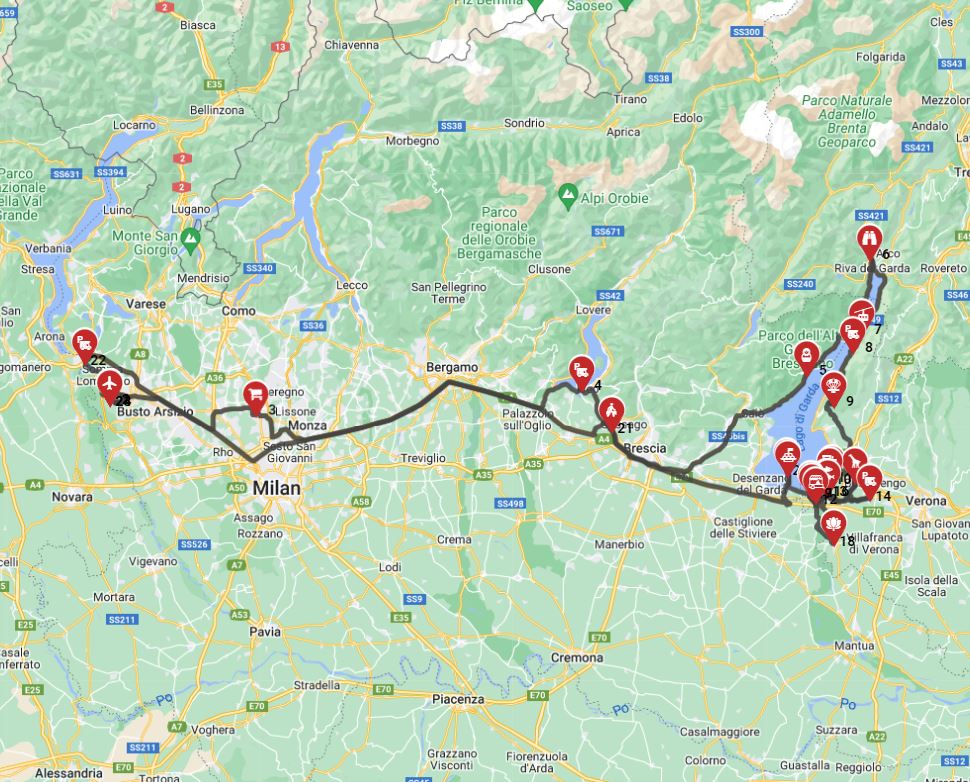
- Utilize the
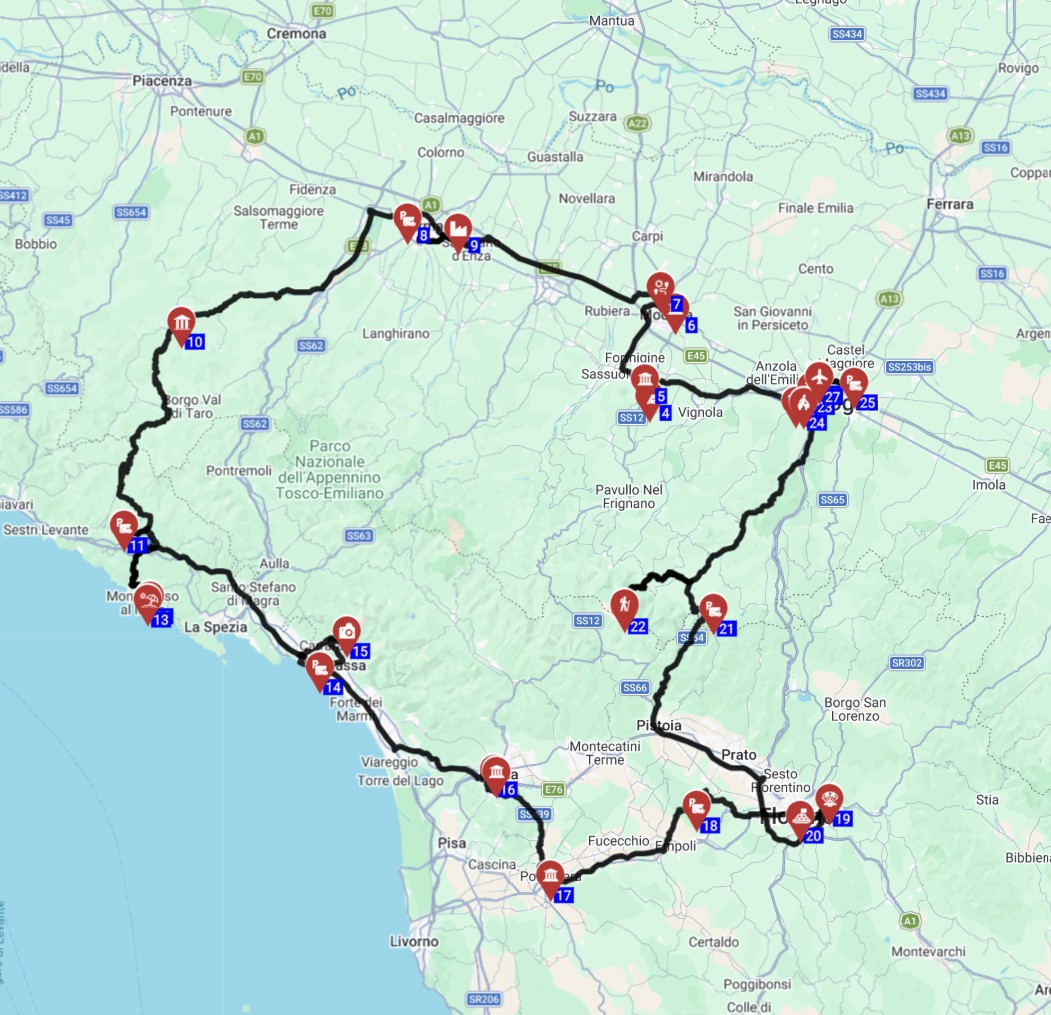
route for a 16-day, 1,300+ km journey exploring Italy's stunning lakes region, offering insights into potential winter RV stops.
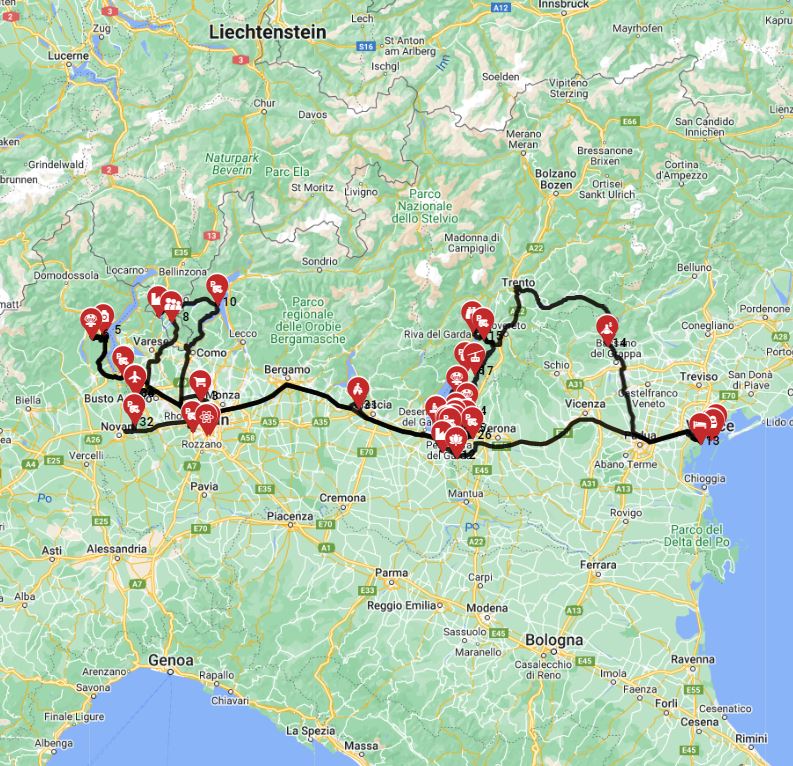 Milano Roundtrip - The Lakes of North Italy
Final Thoughts
Renting an RV in Italy for a winter adventure offers a unique perspective on this beautiful country, allowing you to experience its charm without the summer crowds. From the snowy peaks of the Dolomites to the milder, culturally rich landscapes of Tuscany, an RV provides the freedom and flexibility to craft your perfect winter getaway.
Embrace the spirit of slow travel, savoring each moment and discovering hidden gems at your own pace. With proper planning and the right vehicle, your Italian winter RV experience will be an unforgettable journey filled with stunning scenery, delicious food, and authentic cultural encounters.
Ready to start planning? Compare RV rental prices across Italy and discover pre-planned itineraries on RV PLANET (rvplan.net) to find your ideal winter adventure!