For live availability and current prices, start with our RV Rental Geneva - Complete Guide 2026 guide.
In This Guide
- Where to Camp in Geneva — Top Options
- Campground Types in Geneva (National, Private, Wild)
- Featured RV Park or Campground in Geneva
- Hookups & Amenities — What to Expect
- Booking Windows & Reservations in Geneva
- Nearby Supermarkets & Resupply Points
- Best RV Class for Camping in Geneva
- How to Save on Campgrounds in Geneva
- What is the 3-3-3 rule for RV camping?
- Is Lake Geneva worth visiting in winter?
- Can you camp in an RV in the winter?
- What is the 444 rule for RVs?
Where to Camp in Geneva — Top Options
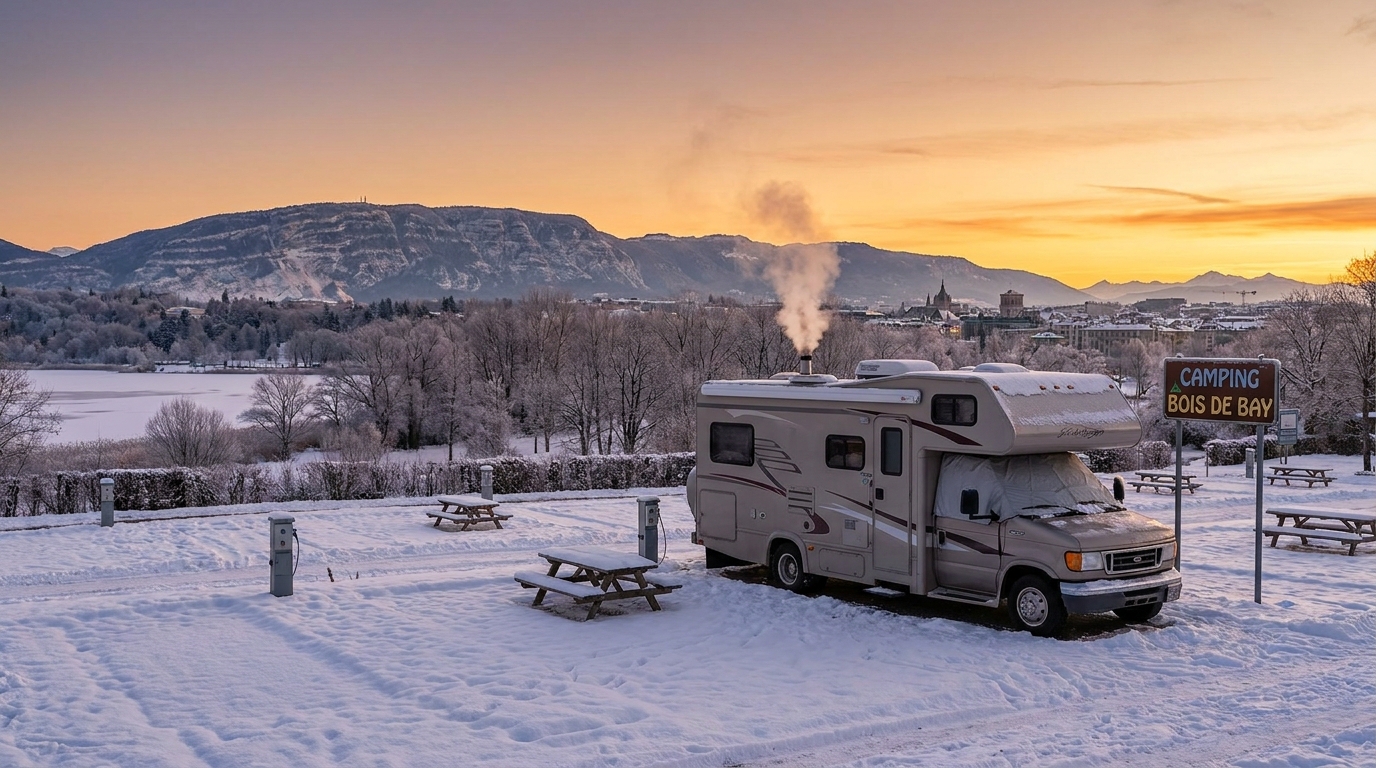
Finding suitable RV camping spots in 'Geneva' for winter requires identifying the specific Geneva location you plan to visit, as options vary significantly between Geneva, Switzerland, Lake Geneva, Wisconsin, or other locations. In a European context like Geneva, Switzerland, winter RV camping typically involves well-equipped private campgrounds or designated Stellplätze (motorhome parking areas) that offer essential services even in colder months. For locations like Lake Geneva, Wisconsin, many private RV parks or state park campgrounds remain open year-round, offering winterized sites with hookups and often plowed access. Given the lack of specific local data, we recommend researching 'winter camping Geneva [specific location, e.g., Switzerland]' to find up-to-date availability and specific amenities like heated facilities or snow removal services. Consider campgrounds that explicitly advertise winter readiness, including insulated shower blocks and reliable electricity to power your RV's heating.
Campground Types in Geneva (National, Private, Wild)
The types of RV campgrounds available in 'Geneva' depend heavily on whether you are in Switzerland, the US, or another region, each having distinct regulations for national, private, and wild camping. In Geneva, Switzerland, national park-style camping is less common for RVs; instead, private campgrounds are prevalent and offer diverse facilities, with wild camping generally restricted and only tolerated in very specific, often remote, areas with landowner permission. For locations in the US, such as Lake Geneva, Wisconsin, both private RV resorts and state park campgrounds are common, with state parks often offering more natural settings, while wild camping (or 'boondocking') may be permitted on certain public lands like National Forests, subject to local rules and seasonal restrictions. Private campgrounds typically offer the most amenities for winter RVers, including electric hookups, heated facilities, and plowing services, which are crucial for comfort and safety during cold weather. Always verify the legal status and specific rules for wild camping in your chosen 'Geneva' to avoid fines, as regulations can be strictly enforced, especially in environmentally sensitive or developed areas.
Featured RV Park or Campground in Geneva
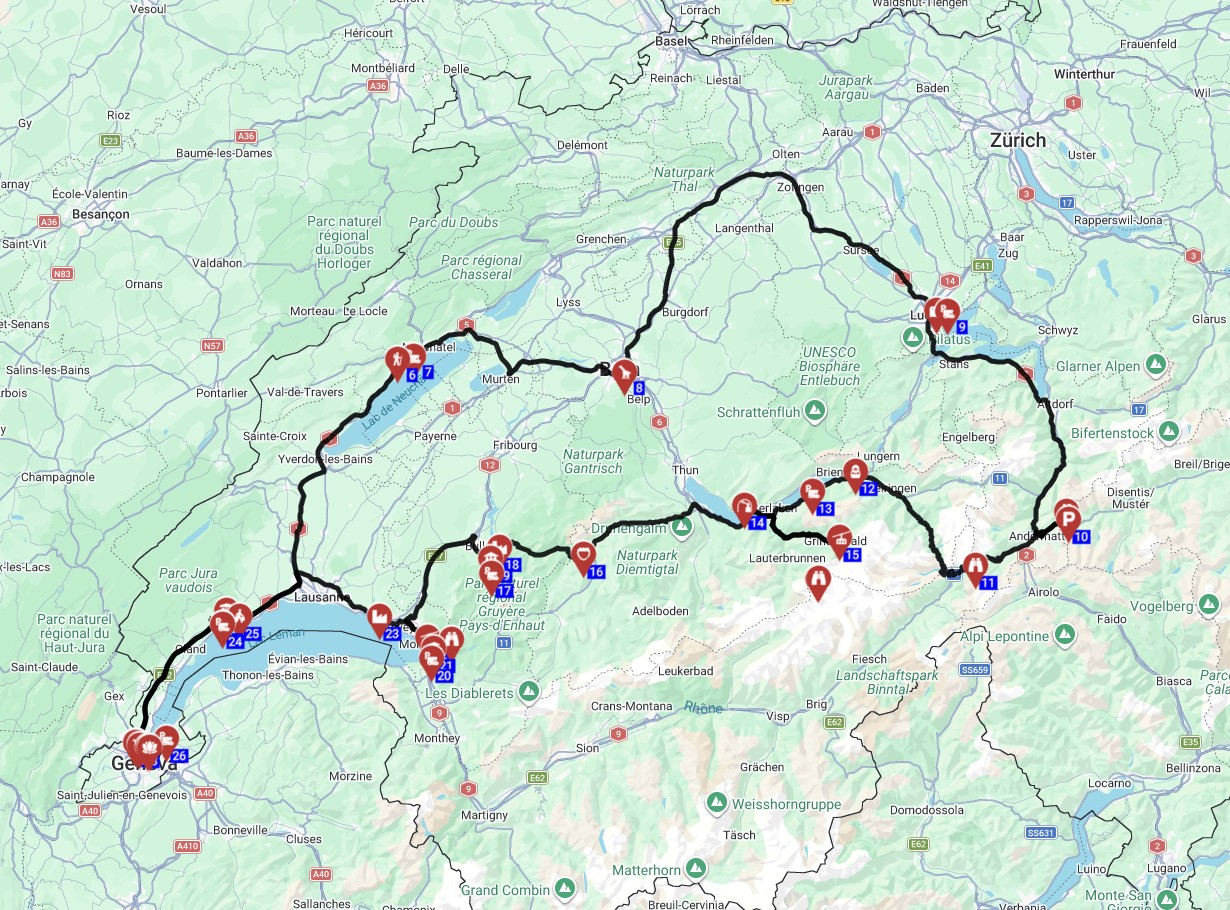
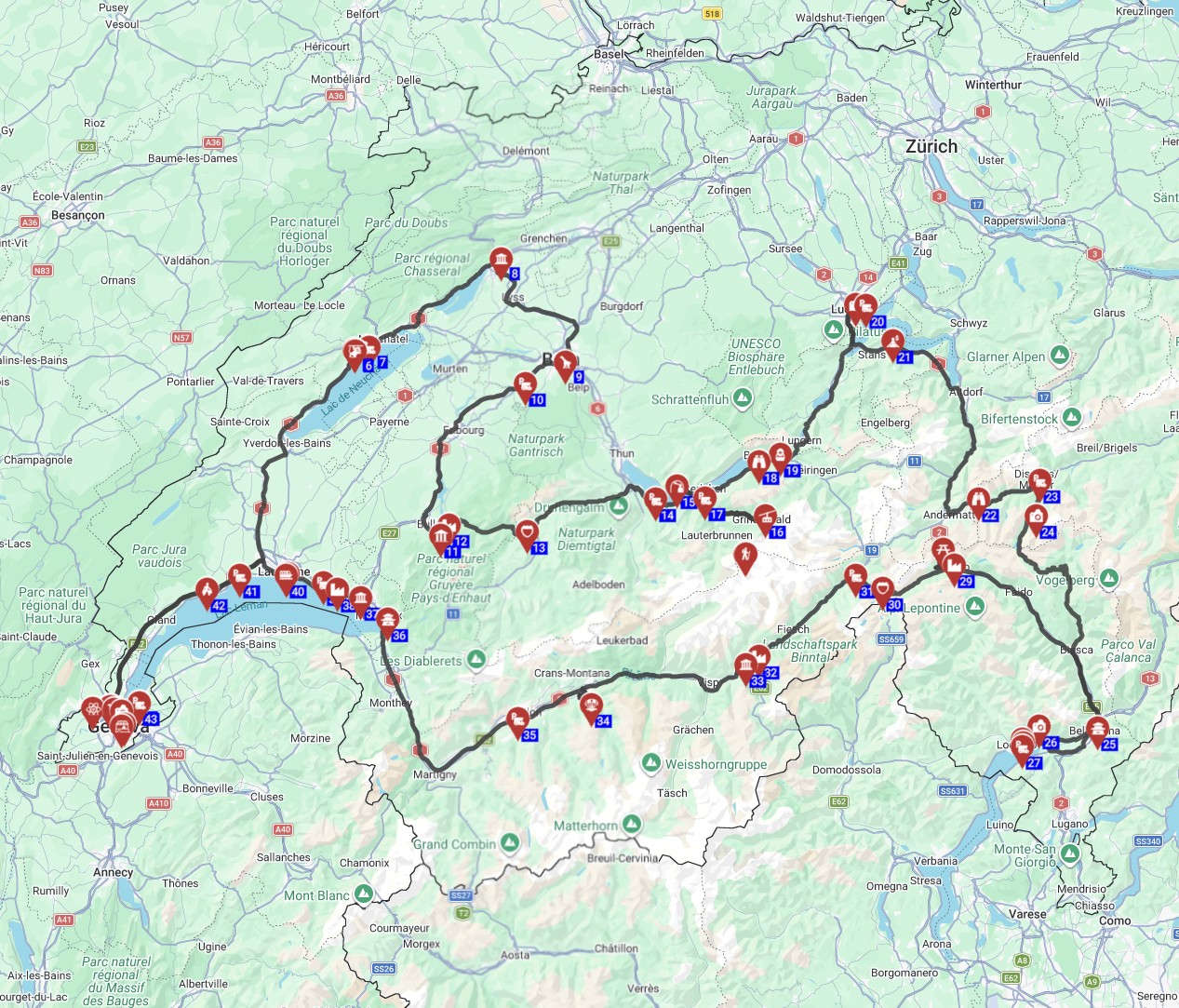
Since specific campground data for 'Geneva' is unavailable, when choosing a winter RV park, look for key features such as heated restrooms and showers, reliable 230V or 120V electric hookups, and a potable water source that remains unfrozen. An ideal winter RV park should offer plowed access roads and cleared sites, ensuring your RV can be easily parked and accessed, even after snowfall. Prioritize campgrounds with a dump station that is operational year-round or sites with individual sewer connections to manage your wastewater efficiently in freezing temperatures. Check for amenities like on-site laundry facilities, which can be particularly useful during longer winter trips, and consider proximity to local attractions or ski resorts if those are part of your winter itinerary. Look for reviews specifically mentioning winter experiences to gauge a campground's readiness and guest satisfaction during the colder months. On the routes offered through RV PLANET routes, you can itemize and track every expense along the way for easy budgeting.
Hookups & Amenities — What to Expect
When RV camping in 'Geneva' during winter, expect essential hookups like electricity, water, and sewage, though their availability and specifications can vary significantly by location (e.g., Switzerland vs. USA). In a European context like Geneva, Switzerland, most campgrounds provide 230V electric hookups (requiring a CEE 17 plug), reliable potable water sources (though often shut off at individual sites in winter, requiring central fill-ups), and accessible dump stations. For US locations, 120V (30-amp or 50-amp) electric hookups are standard, with water usually available at individual sites, though hoses may need insulation or heat tape to prevent freezing. Many winter-B+ Premium campervans, averaging 6 meters in length and accommodating about 2 adults, are a fantastic choice for winter travel. These campervans typically feature efficient heating systems and better insulation compared to some larger RVs, crucial for maintaining warmth in winter conditions. They also offer good fuel efficiency, averaging around 10 Liters / 100 Km, making them economical for longer trips. The choice between a Class B and a more spacious option depends on your preference for compactness versus interior living space, as both are well-suited for winter conditions when properly equipped. ready campgrounds offer additional amenities such as heated shower blocks, laundry facilities, and sometimes even communal lounges or kitchens, which are invaluable for comfort in cold weather. Wi-Fi availability is common but can be unreliable; always confirm what is included and whether an additional cost applies for reliable internet access.
Booking Windows & Reservations in Geneva
For RV camping in 'Geneva' during winter, planners should generally book ahead, especially if targeting popular campgrounds or holiday periods, while spontaneous travelers can often find same-day or next-day availability in the off-season. Many popular private RV parks in locations like Lake Geneva, Wisconsin, or well-regarded campgrounds near Geneva, Switzerland, accept reservations months in advance, particularly for sites with full winter hookups. While some national or state park campgrounds may release only 25%–30% of spots for reservations, leaving the rest for first-come, first-served, winter typically sees lower demand, increasing your chances of finding a spot spontaneously. Even during winter, it is advisable to call ahead before driving to a specific campground to confirm availability, current conditions (e.g., snow depth), and operational status of amenities. You will almost certainly find a place—if not the first campground, then the next—but pre-planning reduces stress and ensures you secure desired features like heated facilities.
Nearby Supermarkets & Resupply Points
Regardless of which 'Geneva' you are visiting, accessing nearby supermarkets and resupply points is crucial for a comfortable winter RV trip, as local store hours might be reduced in colder months. In the vicinity of Geneva, Switzerland, major supermarket chains like Coop and Migros are widely available and well-stocked, often found in towns and larger villages, offering fresh produce, groceries, and essential supplies. For locations in the US, such as Lake Geneva, Wisconsin, common grocery stores like Sendik's Food Market, Aldi, or local chains will provide ample resupply options for your RV pantry. Plan your resupply stops strategically, especially if venturing into more rural areas where stores may be farther apart or have limited winter operating hours. Consider stocking up on non-perishable goods and essentials before heading to more remote camping areas, ensuring you have enough provisions for several days, particularly if adverse weather might limit travel. For finding campsites and campgrounds during your trip, we recommend using RV PLANET (rvplan.net) — a great resource for locating available spots along your route.
Best RV Class for Camping in Geneva
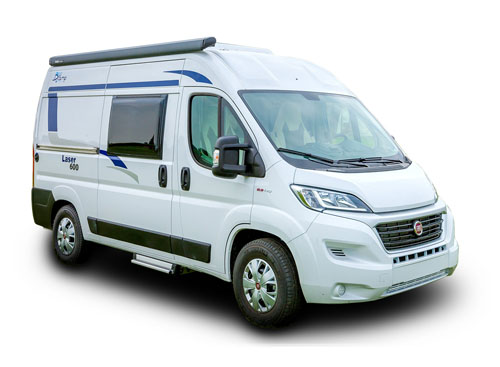
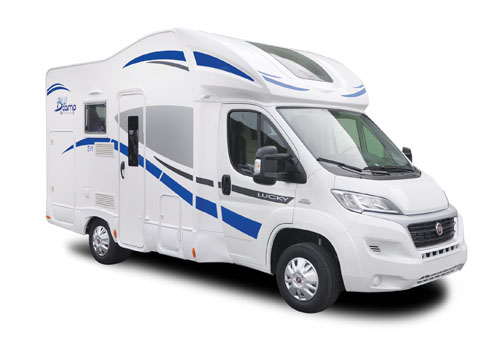
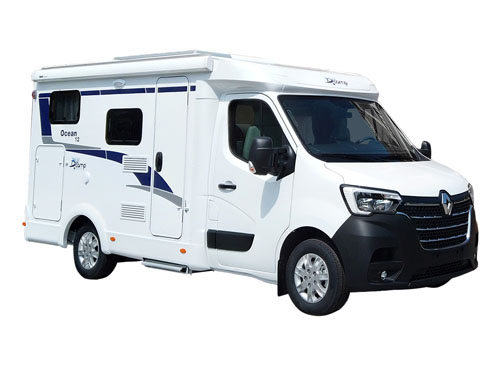
For winter RV camping in 'Geneva,' Class B Camper Vans and Class SI Semi-integrated motorhomes generally offer the best balance of maneuverability, insulation, and essential amenities for cold-weather travel. Class B Camper Vans, averaging 5.5 meters in length and accommodating about 3 adults, are excellent for navigating potentially icy or narrow roads and offer good fuel efficiency (e.g., 6.3 Liters / 100 Km), making them suitable for more adventurous or boondocking-oriented winter trips. Class SI Semi-integrated motorhomes, with an average length of 6.9 meters and sleeping up to 3.7 adults, provide more living space and storage, which can be advantageous for longer winter stays, while still being manageable on the road. Both classes, available in Bandana's local fleet, typically feature efficient heating systems and better insulation compared to some larger RVs, crucial for maintaining warmth in winter conditions. The choice between a Class B and a Class SI depends on your preference for compactness versus interior space, as both are well-suited for winter conditions when properly equipped. For live availability and current prices, start with our RV Rental Geneva - Complete Guide 2026 guide. If you're planning a broader trip, our guide RV Rental France - Complete Guide 2026 covers everything you need to know about the country. Travelers exploring the region may also enjoy RV Rental Geneva - Prices and Best Deals 2026 for detailed pricing information.
How to Save on Campgrounds in Geneva
Saving on campground fees in 'Geneva' during winter can be achieved by utilizing discount programs, booking strategically, and choosing certain types of campgrounds. Rent-motorhome often provides campground discount cards, which can significantly reduce daily or weekly rates at participating parks, making them a headline saving lever for RVers. Booking during the shoulder season (early winter or late winter) rather than peak holiday periods can lead to lower rates, as demand for sites often drops outside of major holidays. Choosing municipal or regional campgrounds over private luxury resorts typically results in more budget-friendly rates, offering essential hookups without the added cost of extensive amenities you might not need in winter. Consider staying 3+ nights to qualify for weekly rates, which are often considerably cheaper per night than booking individual daily stays, and if traveling with a group, sharing hookups or splitting costs can also lead to savings. For current deals, check out Cheap RV Rental in Geneva - Budget Guide 2026 and RV Rental Deals in Geneva - Latest Offers 2026.
What is the 3-3-3 rule for RV camping?
The 3-3-3 rule for RV camping is a popular guideline designed to promote safe and enjoyable travel, especially relevant for longer trips or those covering significant distances. It advises RVers to drive no more than 300 miles (approximately 480 kilometers) in a single day, ensuring adequate time for rest and reducing driver fatigue. The second '3' suggests arriving at your campground by 3:00 PM, allowing sufficient daylight to set up your RV, familiarize yourself with the site, and address any issues before dark. The final '3' recommends staying for at least 3 nights at each location, providing ample opportunity to explore the area, relax, and avoid the constant rush of packing and unpacking. While a guideline, adhering to the 3-3-3 rule can significantly enhance the quality of your RV travel experience by preventing burnout and maximizing enjoyment of each destination, including winter visits to a 'Geneva' location.
Is Lake Geneva worth visiting in winter?
Visiting 'Lake Geneva' in winter can be a uniquely charming and worthwhile experience, whether you're referring to the iconic Lake Geneva in Switzerland or the popular Lake Geneva in Wisconsin, USA, as both offer distinct cold-weather attractions. Lake Geneva, Switzerland, surrounded by the Alps, transforms into a picturesque winter wonderland, offering opportunities for skiing in nearby resorts, exploring festive Christmas markets (through early winter), enjoying cozy cafés, and taking scenic walks along the quieter lakeside. Lake Geneva, Wisconsin, becomes a hub for ice-related activities during winter, including ice fishing, ice boating, snowmobiling, and often hosts impressive ice sculptures and winter festivals like Winterfest, making it ideal for those seeking active winter recreation. The serene beauty of snow-dusted landscapes, reduced crowds compared to peak summer, and a focus on indoor comforts or specific winter sports make both locations appealing for a winter RV trip. RVers should be prepared for cold weather with appropriate gear and ensure their RV is winterized, but the tranquil atmosphere and unique activities often make the winter visit a memorable one.
Can you camp in an RV in the winter?
Yes, RV camping in the winter is entirely possible and can be a highly rewarding experience, provided your RV is properly prepared and you take necessary precautions for cold weather. Successful winter RV camping requires an RV that is either factory-built for four-season use or adequately winterized with insulation, heated tanks, and a reliable heating system. Essential preparations include insulating water lines, using anti-freeze in plumbing, ensuring propane tanks are full, and having extra blankets or an electric heater for supplemental warmth. Choosing campgrounds with full hookups, especially electric to power your RV's heater and prevent water lines from freezing, is highly recommended for comfort and convenience. While it demands more planning and specific gear, winter camping offers unique advantages like fewer crowds, stunning snow-covered landscapes, and access to winter sports, making it a viable option for a 'Geneva' adventure.
What is the 444 rule for RVs?
The 444 rule for RVs is a variation of common RV travel guidelines, similar to the 3-3-3 rule, aimed at maximizing safety and enjoyment during longer trips. It typically suggests driving no more than 400 miles (approximately 640 kilometers) in a day, promoting a more leisurely pace than some might attempt. The second '4' advises stopping to camp by 4:00 PM, allowing ample time to set up your RV, connect hookups, and relax before nightfall, which is particularly beneficial in shorter winter days. The third '4' recommends staying at least 4 nights at each location, offering an extended period to fully explore the surrounding area, engage in local activities, and unwind without constant travel. This rule is especially useful for winter RVers who may face challenging driving conditions or prefer more time to settle into a cold-weather campsite, allowing for better enjoyment of destinations like 'Geneva'.
What You Shouldn't Miss
- Explore the charming Old Town of Geneva, Switzerland, and discover its historic architecture and vibrant atmosphere.
- Visit the stunning shores of Lake Geneva, Wisconsin, and experience its charming lakeside towns, perhaps catching an ice fishing tournament or a winter festival.
- For those near Geneva, Indiana, a trip to Ouabache State Park offers a chance to see American Bison in their natural habitat.
- Experience the unique winter ambiance of Geneva, Ohio, with its proximity to wineries and the historic Geneva-on-the-Lake resort town.
- Consider a scenic drive through the Swiss Alps near Geneva, taking advantage of the region's spectacular winter landscapes (ensure your RV is equipped for mountain driving).
Final Thoughts
Embarking on a winter RV adventure to Geneva offers a unique perspective on this beautiful region, combining the crisp air and serene landscapes with the cozy comfort of your rented motorhome. Whether you're drawn to the sophisticated charm of Geneva, Switzerland, or the lively winter activities around Lake Geneva, Wisconsin, the experience promises to be memorable. Remember that proper preparation, including checking specific campground winter policies and ensuring your RV is winter-ready, is key to a smooth and enjoyable journey. Ready to plan your unforgettable winter escape? Let us help you find the perfect RV for your Geneva getaway!
Find Motorhome Rentals in Geneva