In This Guide
- Can you RV in Denmark in winter?
- What is the best time of year to RV in Denmark?
- Where to Camp in Denmark - Top Options
- Campground Types in Denmark (National, Private, Wild)
- Featured RV Park or Campground in Denmark
- Hookups & Amenities - What to Expect
- Booking Windows & Reservations in Denmark
- How much does it cost to camp in Denmark?
- What is the average cost of an RV rental in Denmark?
- What are the essential items for winter RV travel in Denmark?
- Best RV Class for Camping in Denmark
- How to Save on Campgrounds in Denmark
- What are the rules for wild camping in Denmark?
- Is it legal to sleep in your car in Denmark?
- How do you dispose of RV waste in Denmark?
- Are RVs allowed on ferries in Denmark?
- Is it easy to drive an RV in Denmark?
- Do you need a special license to drive an RV in Denmark?
- Can you take a dog on a campervan in Denmark?
- What is the Danish Camping Pass?
- Top Cities for RV Rental in Denmark
- Road Rules and Driving Tips in Denmark
- Connectivity and Emergency Services in Denmark
Imagine crisp winter air, snow-dusted landscapes, and the warm, cozy comfort of your rented motorhome as you explore Denmark. Winter RV camping here offers a truly magical and peaceful experience, far from the bustling summer crowds. At Bandana RV, we believe in full transparency and honest service, making your Danish adventure seamless and surprising-free. We’ve been helping tens of thousands of travelers explore the world by RV since 2001, providing direct partnerships with 50+ leading RV suppliers worldwide, including trusted names like El Monte, Cruise America, Apollo, and Britz. For live availability and current prices, start with our RV Rental Denmark - Complete Guide 2026 guide.
Can you RV in Denmark in winter?
Yes, you can absolutely RV in Denmark in winter, but it requires careful planning for colder weather, reduced daylight hours, and potentially fewer open campsites. Winter RV travel offers unique advantages like fewer crowds, the serene beauty of snow-covered landscapes, and often lower prices for both rentals and campgrounds. To ensure a comfortable trip, verify your rented motorhome or campervan is well-insulated and equipped with an efficient heating system, suitable tires for potential icy conditions, and extra gas bottles for heating. Many coastal areas and larger towns still offer open campgrounds and attractions, providing a tranquil yet active winter experience for those prepared.
🎬 Video coming soon
What is the best time of year to RV in Denmark?
The best time of year to RV in Denmark depends heavily on your preferences, with summer offering warm weather and full amenities, while winter provides a unique, tranquil experience with fewer crowds. Summer (June-August) is ideal for warm weather, long daylight hours, and when all attractions and campsites are fully open, though it is also the most crowded and expensive period. Shoulder seasons (April-May, September-October) offer a good balance of milder weather, fewer tourists, and reasonable prices, with most facilities still operating. Winter (November-March) is best for those seeking solitude, snowy landscapes, and a quiet, cozy experience, but travelers should prepare for colder temperatures, shorter days, and limited campsite and attraction availability.
Where to Camp in Denmark - Top Options
Denmark offers diverse RV camping experiences, from picturesque coastal sites perfect for scenic sea views to serene forest retreats and convenient campgrounds near urban centers. Popular regions for RV camping include the dramatic coastlines of Jutland, the charming islands of Funen (Fyn), and the diverse landscapes around Zealand (Sjælland). When planning an off-season trip, consider areas known for winter activities like ice skating or proximity to indoor attractions such as museums and thermal baths. While specific campground data can vary, prioritize well-maintained sites that explicitly advertise winterized facilities and hard-standing pitches to avoid soft ground.
Campground Types in Denmark (National, Private, Wild)
Denmark primarily offers private and municipal campgrounds, which typically provide a wide range of facilities and services, with national park camping being less common for RVs. Private campgrounds, often part of the Campingrådet (Danish Camping Council) system, are the most numerous, offering varied amenities from basic pitches to full-service resorts equipped for all seasons. While wild camping or 'free camping' is generally prohibited for RVs in Denmark, some municipalities or landowners may offer designated 'Autocamperpladser' (motorhome parking spots) or marina parking that can be used for overnight stays, sometimes for a small fee. It is crucial to respect local regulations and private property laws when seeking overnight parking to avoid fines, especially with a rented campervan. Remember, Bandana focuses on providing full transparency, so there are no hidden fees or surprises.
Featured RV Park or Campground in Denmark
When selecting an RV park in Denmark for your winter adventure, look for facilities that prioritize comfort during the colder months, such as heated shower blocks, hard-standing pitches, and winter-specific services like insulated water hookups. A good featured park for winter travel would typically offer full hookups including 10A or 16A electricity, fresh water, and convenient grey/black water disposal points. Proximity to grocery stores, winter attractions, and public transport is also a key factor for convenient winter travel, especially when driving a rented motorhome of any size. For example, some coastal campgrounds in Jutland remain open year-round, providing a peaceful escape and access to winter beach walks. Always research individual campgrounds for their specific winter opening hours and detailed services before heading out with your rented mobile home.
Hookups & Amenities - What to Expect
Most Danish campgrounds provide standard hookups, including 16A or 10A electricity, fresh water, and waste disposal points (dump stations) for grey and black water. Expect modern, clean facilities such as heated showers and toilets, laundry services, and often Wi-Fi access, though Wi-Fi quality can vary. During winter, it is essential to ensure that water hookups are protected from freezing; check if individual pitches offer direct water access or if communal taps are available and well-maintained. European two-pin plugs (Schuko type F) are standard for electrical connections, so remember to bring an appropriate adapter for your rented camper to ensure you can power up comfortably. Many campsites also offer cozy communal areas, enhancing the 'hygge' of your winter RV trip. On the routes offered through RV PLANET routes, you can itemize and track every expense along the way for easy budgeting.
Booking Windows & Reservations in Denmark
For winter RV travel in Denmark, booking ahead is generally less critical than during the busy peak summer season, as fewer campgrounds are open but there are also significantly fewer travelers on the road. Planners who like everything organized should aim to book at least a few weeks in advance, especially for popular holiday periods like Christmas or New Year's, to secure preferred pitches or winterized sites. Spontaneous travelers will often find availability, even for same-day or next-day bookings, at open campgrounds, but it's always recommended to call ahead before driving a long distance. Many national/state parks reserve only 25-30% of spots; the rest are often first-come-first-serve, so you'll find a spot. If not at the first campground, then the next one will welcome your rented RV. Our platform is always here to support you before and after your booking, making the process smooth.
How much does it cost to camp in Denmark?
The cost to camp in Denmark varies widely based on the season, campground amenities, and location, typically ranging from 150 DKK to 400 DKK (approx. $22-$58 USD) per night for an RV pitch. During winter, prices are generally at the lower end of this range due to reduced demand, though some premium sites with extensive winter facilities might charge more. Expect to pay extra for electricity hookups (often metered), showers (which can be token-operated), and sometimes Wi-Fi or waste disposal services at many campsites. Membership in a camping organization or possession of a Danish Camping Pass can also provide discounts on nightly rates. To help you budget, RV PLANET (rvplan.net) routes allow you to itemize and track every expense along the way.
What is the average cost of an RV rental in Denmark?
The average cost of an RV rental in Denmark varies significantly by season, RV class, rental duration, and included amenities, typically ranging from 800 DKK to 2,500 DKK (approx. $116-$360 USD) per day. Winter rentals are generally more affordable than peak summer rates, with Class B Camper Vans or smaller Class SI Semi-integrated RVs offering more budget-friendly options. For example, a compact campervan like the "2 Berth Hi Top" with a 30L fresh water tank and "Winter Ready" features might be on the lower end, while a larger "4 Berth Deluxe" motorhome with a 90 Liter fuel tank and "Winter Ready" features would be higher. Prices usually include basic insurance, but expect additional costs for mileage packages, supplementary insurance, bedding, kitchen kits, and winterization fees. Booking well in advance, especially for specific winter holidays, can secure better rates, and comparing different rental providers, as Bandana Caravan allows, is essential. For more detailed pricing insights, refer to our "RV Rental in Denmark - Prices and Best Deals 2026" page.
What are the essential items for winter RV travel in Denmark?
Essential items for winter RV travel in Denmark include warm bedding, winter-grade sleeping bags, thermal clothing, and waterproof outerwear for venturing outside. You'll also need a reliable heating system for the rented RV, extra gas bottles or a full diesel tank for heating, and potentially an electric heater for use at hookup sites. Consider bringing snow chains or winter tires if driving in areas prone to heavy snow and ice, and always carry a shovel, de-icer, and a powerful flashlight for darker winter days. Other crucial items include a European electricity adapter, long water hoses (potentially heated to prevent freezing), antifreeze for water tanks if your rental isn't already protected, and warm, comfortable footwear for exploring. Don't forget layers of clothing; Danish winters can be chilly!
Best RV Class for Camping in Denmark
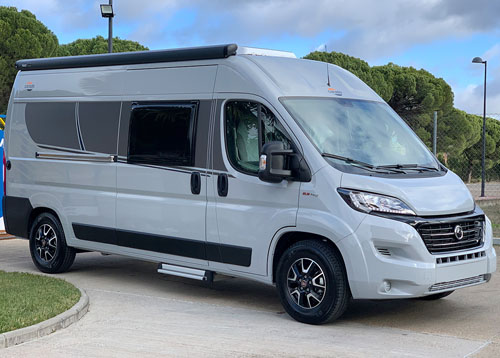
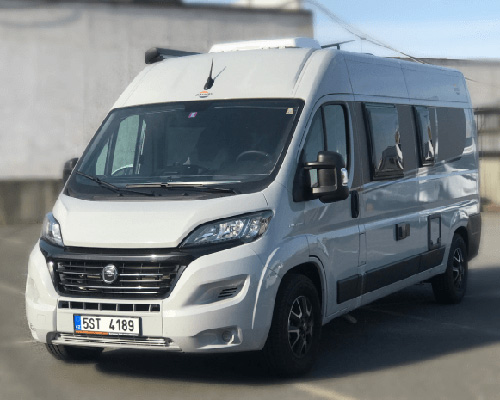
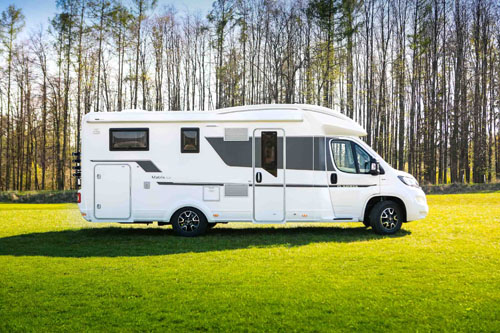
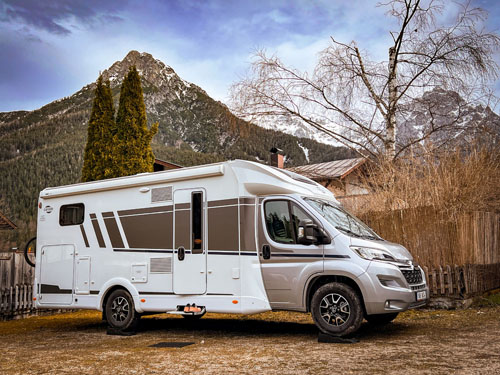
For camping in Denmark, particularly during winter, Class B Camper Vans or Class SI Semi-integrated RVs are often ideal due to their maneuverability and balance of comfort. Class B Camper Vans, averaging 5.8 meters in length and often offering 3-4 sleeping places, are excellent for navigating narrower roads and easier city parking, while providing adequate insulation for winter conditions. An example like the "Combi Van" with 4 sleeping places and a 60 Liter fresh water tank is very agile. Class SI Semi-integrated RVs, with an average length of 6.9 meters and 3-5 sleeping places, offer more space and comfort, making them suitable for longer winter trips with better heating systems and facilities, such as the "K2D" motorhome with 3 sleeping places, a 115 Liter fresh water tank and a 75 Liter fuel tank. Both classes typically have a fuel consumption of around 10-11 Liters/100 km, offering a good balance of efficiency and power for Danish conditions. We compare motorhome rentals across all sizes to find your perfect fit.
How to Save on Campgrounds in Denmark
Utilizing campground discount cards, such as the Camping Key Europe (CKE) or those offered by various European camping associations, can be a primary way to reduce camping costs in Denmark, especially during the off-peak winter season. Booking during the shoulder or off-season (like winter) automatically leads to significantly lower prices compared to peak summer rates, often offering savings of 10-25%. Consider staying at municipal or regional campgrounds, which are frequently more budget-friendly than larger private resorts with extensive facilities. Many campgrounds also offer weekly or monthly rates that are more economical than nightly stays, so planning for longer durations at a single site can further reduce your overall trip costs with your rented RV. Look for early bird deals or winter packages when planning your trip.
What are the rules for wild camping in Denmark?
In Denmark, wild camping for RVs is generally not permitted outside of designated campsites or specifically authorized areas. Overnight parking is tolerated in some public parking lots or roadside areas, but this is distinct from setting up camp and usually doesn't allow for deploying awnings, setting out chairs, or cooking outside. Instead, look for 'Autocamperpladser' or 'Stellplätze', which are designated motorhome parking areas often found in towns or marinas. These spots allow overnight stays, sometimes for a fee (e.g., 50-150 DKK), and often provide basic services like waste disposal and fresh water. Always respect private property and explicit 'no overnight parking' signs; severe fines can be issued for illegal wild camping with a rented caravan. For finding legal spots, rvplan.net is a great resource.
Is it legal to sleep in your car in Denmark?
Sleeping in your car in Denmark is generally legal if parked in a public space where parking is permitted, but this is distinct from setting up camp or wild camping with an RV. While you can technically sleep in your vehicle to rest during a long trip, deploying awnings, setting out camping furniture, or cooking outside is typically prohibited in non-designated areas. Overnight parking in municipal parking lots is often tolerated, but it's crucial to check local signage for any time restrictions or specific bans on larger vehicles. For true overnight comfort, safety, and access to services, it is always recommended to utilize official campsites or designated motorhome parking areas ('Autocamperpladser') when traveling in your rented campervan. Remember to keep common sense and pay attention when parking.
How do you dispose of RV waste in Denmark?
RV waste in Denmark is primarily disposed of at designated dump stations ('tømmestation' or 'serviceplads') found at nearly all official campsites and some public rest areas. These stations typically provide facilities for emptying greywater (wastewater from sinks and showers) and blackwater (toilet waste), as well as fresh water refills. It is crucial to only use designated disposal points and never to dump waste illegally, as Denmark has strict environmental regulations and significant fines for improper disposal. Many motorhome-specific parking areas ('Autocamperpladser') also offer basic waste disposal and fresh water services, sometimes for a small fee, which is a great option for responsible RV travelers. When planning your route, check rvplan.net for sites with these facilities.
Are RVs allowed on ferries in Denmark?
Yes, RVs are widely allowed on ferries in Denmark, which are essential for traveling between the many islands and connecting to neighboring countries like Sweden and Norway. Booking RVs on ferries typically requires specifying the vehicle's exact length and height, as these dimensions determine the price and available space. Major ferry operators, such as Scandlines and Færgen, service popular routes, but it's advisable to book well in advance, especially for longer RVs (like a "Class A - Thor ACE 30" with 9.37m length) or during peak travel times, even in winter. Consider the additional cost for the rented RV when budgeting, as ferry fares can significantly impact the overall trip expenses, a factor that Bandana RV always makes transparent with no hidden fees.
Is it easy to drive an RV in Denmark?
Driving an RV in Denmark is generally easy due to well-maintained roads and clear signage, though navigating narrow village streets or finding city parking can present minor challenges. Danish roads are typically wide and in excellent condition, especially major highways, making long-distance travel comfortable for rented RVs of all sizes. Drive slowly and carefully, and you can drive almost anywhere without issues. No need to stress - just use common sense and pay attention, particularly on older town roads or coastal routes where conditions might be tighter. Parking in larger cities like Copenhagen can be difficult and expensive for RVs, so consider utilizing park-and-ride options or public transport from campsites located on the outskirts. Remember to travel slowly, max 100-150 km per day on average, to truly connect with the culture and scenery.
Do you need a special license to drive an RV in Denmark?
For most standard RVs, international drivers generally do not need a special license beyond their home country's valid driving license to drive in Denmark, provided it's valid for vehicles up to 3,500 kg (a standard B license). If the rented RV's Gross Vehicle Weight (GVW) exceeds 3,500 kg, you may require a higher category license (e.g., C1 or C, depending on the weight), similar to national regulations in many European countries. Drivers from outside the EU/EEA should carry an International Driving Permit (IDP) in addition to their national license, as it translates their license into multiple languages, although it is not mandatory in most cases. Always verify the specific weight of your rental motorhome and check if your current license is valid for that category both in your home country and in Denmark for full peace of mind. The minimum rental age for all motorhome classes is 21.
Can you take a dog on a campervan in Denmark?
Yes, you can typically take a dog on a rented campervan in Denmark, as many campsites and rental companies are pet-friendly, but strict rules apply for pet entry and travel within the country. Dogs entering Denmark must have an EU pet passport, be microchipped, and be vaccinated against rabies at least 21 days prior to entry. Many campgrounds welcome well-behaved dogs, often requiring them to be on a leash, and some may charge a small additional fee per night, typically 10-30 DKK. When traveling by ferry, dogs often need to remain in the vehicle or in designated pet areas, and it's essential to check the specific ferry operator's pet policy when booking. Always look for pet-friendly filters when searching for campsites to ensure a smooth trip for your furry friend.
What is the Danish Camping Pass?
The Danish Camping Pass, officially known as Camping Key Europe (CKE), is an identification card used by many Danish campsites, often required for check-in and offering various benefits. While not strictly mandatory at all sites, many campgrounds belonging to the Campingrådet (Danish Camping Council) prefer or require it, as it simplifies check-in procedures and provides proof of identity. The pass includes liability insurance and often provides discounts on nightly rates, especially during off-peak seasons like winter. It can be purchased upon arrival at your first campsite or online for approximately 110 DKK. For short-term visitors, some campsites may offer a temporary 'Transit Pass' or simply register your details without requiring a full pass for your rented RV.
Top Cities for RV Rental in Denmark
Denmark offers several excellent starting points for your RV adventure, with easy access to motorhome and campervan rentals. Copenhagen, the vibrant capital, is a popular choice, offering access to urban attractions before heading out to the countryside. For those arriving by air, Copenhagen - Airport is a convenient pickup location, allowing you to hit the road quickly. Hedehusene, a town west of Copenhagen, provides another practical option for starting your journey, often with competitive rental prices. Other noteworthy cities for exploring Denmark by RV include Aarhus on the Jutland peninsula, known for its cultural sites, and Odense on Funen, famous as Hans Christian Andersen's birthplace. Each location provides a unique gateway to different regions, offering diverse landscapes and experiences for your rented mobile home. Bandana offers bookings in 30+ currencies with full price transparency, so you can compare easily.
Road Rules and Driving Tips in Denmark
Driving a rented RV in Denmark is generally a pleasant experience thanks to excellent road infrastructure and clear signage. In Denmark, you drive on the right side of the road, and all occupants must wear seatbelts. Speed limits are typically 50 km/h in urban areas, 80 km/h on rural roads, and 130 km/h on motorways, but always observe local signage. Headlights must be on at all times, day or night, a crucial safety rule. Tolls are primarily found on major bridges like the Storebælt Bridge and Øresund Bridge, with costs varying by vehicle size; factor these into your ancillary trip costs. For finding toll information and other expenses, RV PLANET routes offer detailed budgeting tools. While driving, be aware of cyclists, who have dedicated lanes in many areas. Drive slowly and carefully, and you can drive almost anywhere without issues. No need to stress - just use common sense and pay attention.
Connectivity and Emergency Services in Denmark
Staying connected while RVing in Denmark is straightforward, with widespread mobile network coverage (4G and 5G) throughout the country. Purchasing a local SIM card from providers like Telia, Telenor, or TDC upon arrival offers affordable data plans for navigation and communication. Many campgrounds also provide Wi-Fi, though quality can vary. For emergencies, the universal European emergency number is 112, connecting you to police, ambulance, or fire services. Roadside assistance services are also available for rented motorhomes, and it's wise to understand what your rental insurance covers. For more details on insurance requirements for RV rental in Denmark, consult your rental agreement. With Bandana Caravan, you benefit from top-level deductible reimbursement options, traveling with peace of mind. Furthermore, our team of true RV specialists, not just a travel agency side department, offers supportive assistance before, during, and after your booking, ensuring you always feel prepared.
What You Shouldn't Miss
- Explore the enchanting Christmas markets in Copenhagen, often open from mid-November through December, perfect for experiencing Danish 'hygge'.
- Drive a scenic route along the rugged west coast of Jutland, enjoying deserted beaches and impressive wind turbines, a testament to Denmark's green energy.
- Visit the Egeskov Castle on Funen, which often hosts special winter events and illuminates its grand gardens, providing a fairy-tale experience.
- Discover the Viking Ship Museum in Roskilde, where you can delve into Denmark's ancient history and learn about the seafaring Norsemen.
- Experience the tranquil beauty of the Mols Bjerge National Park, offering opportunities for winter hiking or cross-country skiing, with fewer visitors.
- Warm up with traditional Danish pastries, a 'wienerbrød' or 'snegl', often available at local bakeries even in smaller towns. RV-friendly recipes playlist
Looking for expert insights from Avi Bandana? Top 5 Adventures - recommendations from Avi Bandana
Our founder, Avi Bandana, personally curates top RV adventures based on his extensive travel experience across 5 continents. He knows the ins and outs of making every trip truly special. Discover his hand-picked recommendations for your next unforgettable journey.
Final Thoughts
Embracing winter RV camping in Denmark is an opportunity to discover a different side of this charming country, away from the summer crowds. The crisp air, cozy campsites, and unique cultural experiences make for a truly memorable week-long trip or extended road trip. Remember, careful preparation regarding your rented motorhome's winterization and packing essentials will ensure your comfort and enjoyment.
With Bandana Caravan, you get the expertise of true RV specialists committed to full transparency and comprehensive support, making your planning straightforward and stress-free. So, go ahead and imagine yourself parked by a tranquil, frozen lake, or exploring a historic town dusted with snow. Your Danish winter adventure awaits!
Discover top destinations, planning tips, all in one place, and compare Motorhome Prices for Denmark today.