In This Guide
- Where to Camp in Alaska - Top Options
- Campground Types in Alaska (National, Private, Wild)
- Featured RV Park or Campground in Alaska
- Hookups & Amenities - What to Expect
- Booking Windows & Reservations in Alaska
- Nearby Supermarkets & Resupply Points
- Best RV Class for Camping in Alaska
- How to Save on Campgrounds in Alaska
- Can I park my RV anywhere in Alaska?
- What is the 3 3 3 rule for RVs and campers?
- Where is the best place to park an RV for free?
- Is boondocking legal in Alaska?
- Can you park an RV anywhere in Alaska?
- What does FF mean in camping?
- What is the best time of year to RV to Alaska?
- How much are campsites in Alaska?
- What is the 200 rule for camping?
- What You Shouldn't Miss
- Why Book with Bandana Caravan
- Final Thoughts
- Frequently Asked Questions
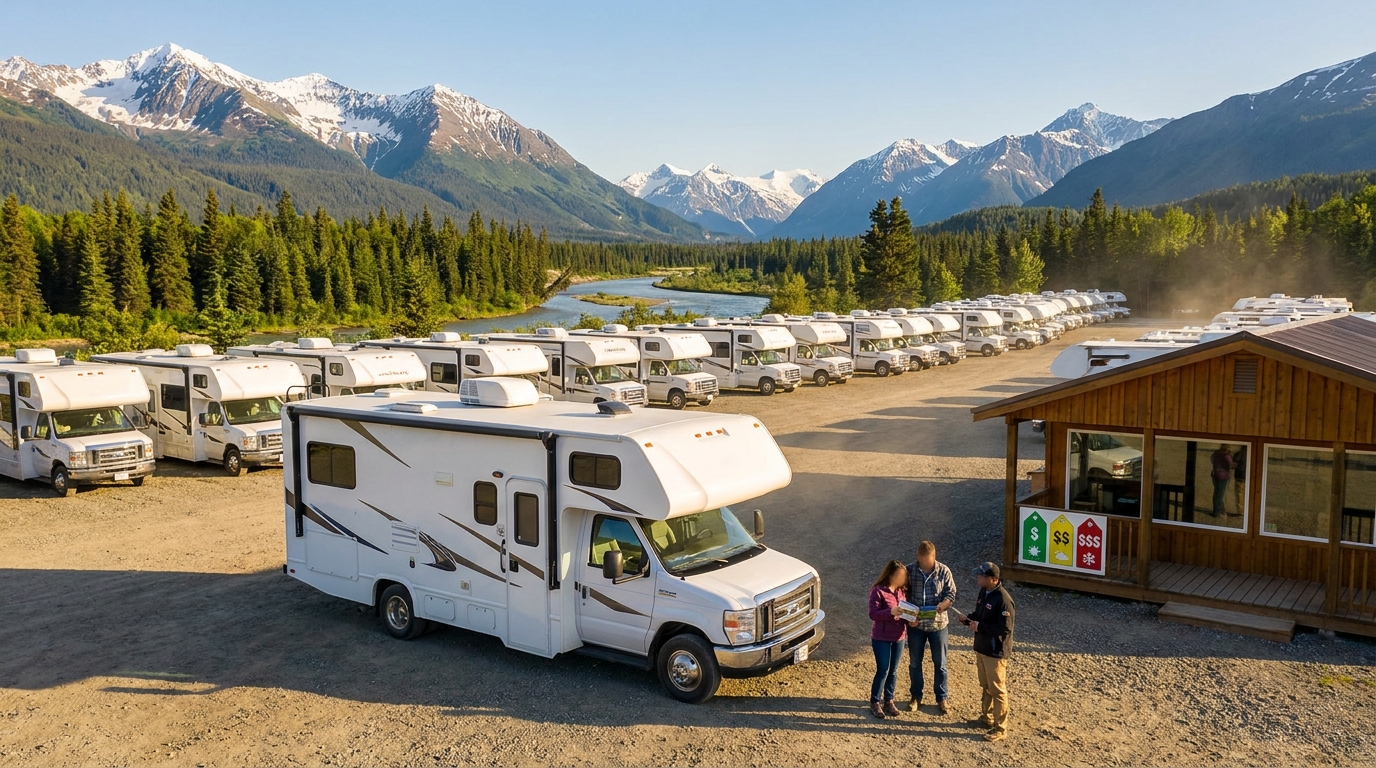
Embarking on a rented RV adventure in Alaska offers unparalleled freedom to explore its vast, untamed beauty, even during the cooler months. Imagine the crisp winter air, snow-dusted landscapes, and the chance to witness the Northern Lights from the cozy comfort of your heated motorhome. Alaska is a land of extremes, and RV travel provides the flexibility to experience its wilderness on your own terms. For live availability and current prices, start with our RV Rental Alaska - Complete Guide 2026 guide.
Where to Camp in Alaska - Top Options
Alaska offers diverse camping options, from developed sites in state parks to remote backcountry spots, catering to every type of RVer. Popular choices for a rented RV include Alaska State Parks, such as the accessible areas of Denali State Park, and numerous private campgrounds that offer more amenities. While RV access in Denali National Park is limited beyond Riley Creek Campground, many areas along scenic routes like the Kenai Peninsula provide stunning coastal views, while Fairbanks offers prime access for northern lights viewing, and Valdez is ideal for glacier exploration. Designated campgrounds provide essential amenities, while wild camping (also known as boondocking) offers true solitude in approved areas.🎬 Video coming soon
Campground Types in Alaska (National, Private, Wild)
Alaska features three primary campground types for rented RVs: National Park/Forest campgrounds, private RV parks, and wild camping (boondocking). National and State Park campgrounds, such as those found along the Alaska Highway, are often rustic with limited hookups, focusing on preserving natural beauty and offering direct outdoor access; reservations are often essential for popular spots, particularly around Denali National Park where RVs are restricted past Savage River. Private RV parks provide full hookups (electric, water, sewer), amenities like Wi-Fi, laundry, and showers, and are typically located near towns or attractions, offering comfort and convenience after a day of exploration. Wild camping, also known as boondocking, is legal and prevalent on public lands managed by the Bureau of Land Management (BLM) and National Forests, provided you adhere to Leave No Trace principles and local regulations; this option is ideal for experiencing Alaska's vast wilderness and saving on accommodation costs.Featured RV Park or Campground in Alaska
When planning your RV trip, choosing a rented RV park in Alaska often involves balancing accessibility with scenic beauty and essential amenities. A prime example is a well-regarded park situated near a major town like Anchorage or Fairbanks, which offers easy access to resupply points and local attractions, while still providing a genuine natural setting. Ideal features to look for in an Alaskan RV park include full hookups, convenient dump stations, potable water, and clean restrooms and laundry facilities, as Wi-Fi and cell service can be sparse in more remote Alaskan areas. Many top-rated private parks also boast stunning views of mountains, lakes, or abundant wildlife, significantly enhancing your authentic Alaskan RV experience.Hookups & Amenities - What to Expect
Hookup availability in Alaska varies significantly for your rented motorhome, with private RV parks typically offering a full suite of amenities while many state and federal campgrounds often have limited or no hookups. Most private parks provide 30 or 50 amp electric service, ensuring your heating and other appliances run smoothly, while public campgrounds may offer only limited 15/20 amp service for smaller units, or no electric hookups at all. Potable water and dump stations are common in private RV parks and available at many state park entrances, but can be scarce in truly remote boondocking areas, requiring careful planning for your water tanks. Connectivity, including Wi-Fi and reliable cell service, is generally found only in developed areas and private parks; it becomes highly unreliable or non-existent once you venture into Alaska's vast wilderness, making satellite communication or offline maps crucial for safety and navigation. Furthermore, amenities like laundry facilities and showers are standard in private RV parks, providing essential comforts, whereas public campgrounds typically offer only basic restroom facilities or vault toilets.Booking Windows & Reservations in Alaska
For an RV trip to Alaska, planning ahead is crucial for securing popular campgrounds, especially during the peak summer season (June-August), but flexible travelers can often find options. Many popular state and national park campgrounds, particularly in areas like Denali or the Kenai Peninsula, release reservations months in advance and fill up quickly, sometimes requiring bookings 6-12 months out. However, a significant portion (often 25-30%) of sites in national park campgrounds are held for first-come, first-served (FCFS) arrivals, providing opportunities for spontaneous itineraries. If your first choice is full, calling ahead to nearby campgrounds before driving there is highly recommended, as you will almost certainly find a place, even if it's not your initial preference. For more insights on securing your booking, check out RV Rental Deals in Alaska - Latest Offers 2026.Nearby Supermarkets & Resupply Points
Resupplying your rented RV in Alaska requires strategic planning due to the immense distances between major towns and limited options in truly remote areas. Larger supermarket chains such as Fred Meyer, Carrs-Safeway, and Walmart are primarily found in major cities like Anchorage and Fairbanks. Smaller towns along popular routes, including Homer, Seward, and Valdez, will have local grocery stores or smaller markets, although selection may be limited and prices generally higher. Always make it a priority to stock up on essentials like non-perishable food, fresh water, and a full tank of fuel whenever you encounter a major resupply point, as your next opportunity might be hundreds of miles away. For budgeting and tracking your trip expenses, remember that RV PLANET routes allow you to itemize and track every expense along the way.Best RV Class for Camping in Alaska
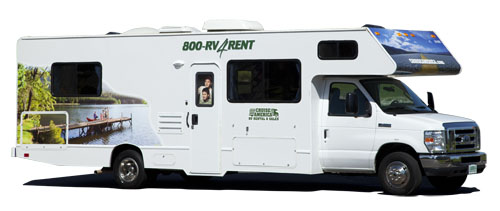
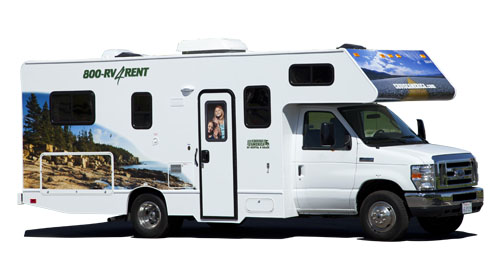
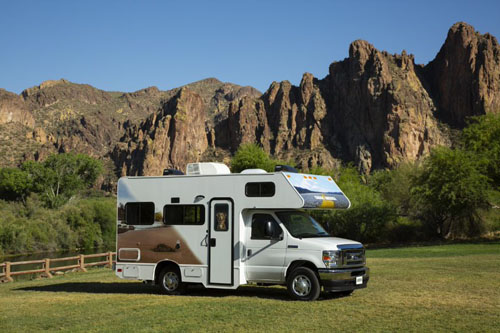
The best rented RV class for camping in Alaska truly depends on your travel style, balancing maneuverability for potentially rugged roads with the desired level of comfort and amenities. Class B Camper Vans from Bandana's fleet average 5.8m in length and offer 3.2 sleeping places, making them excellent for their compact size; this allows for easier navigation on narrower roads and greater agility for boondocking in diverse locations. For families or those seeking more space, Class C Alcove RVs (Bandana's fleet averages 7.5m in length with 5.8 sleeping places, ideal for 4.4 adults) provide a good balance of comfort and amenities, while remaining manageable on Alaskan highways. These Class C models often come with important "Winter Ready" features like robust heating. Consider fuel consumption as well; Bandana's Class B Camper Vans typically consume 8-10 Liters/100 km, while Class C Alcove RVs are around 10-12 Liters/100 km, a significant factor given Alaska's vast distances and fuel prices.How to Save on Campgrounds in Alaska
Saving on campground costs in Alaska involves strategic booking, utilizing available discounts, and opting for less expensive camping styles. Consider using campground discount cards, which can provide significant savings on daily rates at participating private RV parks across the state. Alaska offers extensive opportunities for free camping (boondocking) on BLM land or within designated dispersed camping areas, drastically cutting down accommodation expenses if you are self-sufficient. Traveling during the shoulder seasons of late spring (May-early June) or early fall (September) can lead to lower campsite fees and fewer crowds compared to the peak summer months. Additionally, municipal and state campgrounds are typically less expensive than private resorts, offering a good balance of basic amenities and a lower price point. Many campgrounds also offer weekly rates that are more economical than daily rates, so planning multi-night stays in one scenic location can further reduce your overall trip costs. Check out our Weekly RV Rental in Alaska - Pricing 2026 guide for more budget tips.Can I park my RV anywhere in Alaska?
No, you cannot park your rented RV just anywhere in Alaska; legality depends entirely on land ownership and specific local regulations. While private property always requires the owner's explicit permission for overnight parking, public lands like those managed by the Bureau of Land Management (BLM) and National Forests generally permit dispersed camping (boondocking) if you adhere to Leave No Trace principles and any posted local restrictions. State parks and national parks have designated campgrounds with varying rules and fees, and unauthorized overnight parking on roadsides, city streets, or within prohibited zones can result in significant fines. Always confirm local ordinances and land management agency rules for the specific area you plan to visit, as regulations can change and differ by jurisdiction within Alaska.What is the 3 3 3 rule for RVs and campers?
The '3-3-3 rule' is a popular guideline among RVers for ensuring a safe and enjoyable journey, especially relevant for covering the long distances typical in Alaska. This rule advises travelers to drive no more than 300 miles (approximately 480 km) a day, arrive at your destination by 3 PM, and stay for at least 3 nights. Following this guideline helps prevent driver fatigue, allows ample time to set up your rented motorhome camp before dark (which is critical in Alaska's varying daylight hours, particularly with the midnight sun in summer or short days in winter), and provides sufficient time to relax and thoroughly explore each location rather than constantly being on the move. While a general guideline, adapting it to Alaska's unique challenges, such as variable road conditions, wildlife encounters, and the need for preparedness in remote areas, can greatly enhance your travel experience.Where is the best place to park an RV for free?
The best places to park a rented RV for free in Alaska are typically on public lands managed by the Bureau of Land Management (BLM) and within National Forests, which offer vast opportunities for dispersed camping or boondocking. These areas often require complete self-sufficiency, as amenities are non-existent, and access may be via gravel or dirt roads, so it's essential to consult detailed maps and resources like iOverlander or Campendium for specific locations and current road conditions. Major retail chains such as Walmart and Cabela's sometimes permit overnight RV parking in their lots, but always seek explicit permission from store management beforehand, as policies vary by individual location. Keep in mind that while free, these remote spots in Alaska demand careful planning for water, waste disposal, and robust wildlife safety precautions, especially concerning bears.Is boondocking legal in Alaska?
Yes, boondocking (also known as dispersed camping without hookups) is largely legal and widely practiced in Alaska, particularly on public lands managed by the Bureau of Land Management (BLM) and the U.S. Forest Service. This type of camping is permissible as long as you adhere to all local regulations, diligently follow Leave No Trace principles, and respect any posted signage or temporary restrictions, such as those near developed areas or within national parks. Always confirm the specific land management agency for your intended area and check for any fire bans or seasonal closures, as these can affect boondocking legality. Boondocking with your rented campervan offers an unparalleled opportunity to experience Alaska's raw wilderness, but it demands thorough self-sufficiency, including proper waste management, ample supplies, and vigilant bear safety precautions.Can you park an RV anywhere in Alaska?
Practically, you cannot park a rented RV just anywhere in Alaska due to a combination of legal restrictions, road accessibility challenges, and critical safety concerns, despite the state's immense open spaces. While extensive legal boondocking opportunities exist on public lands, many remote areas are simply inaccessible to larger motorhomes or campervans due to unpaved, rough gravel roads, narrow trails, or a complete lack of safe turnarounds. Parking on private property always requires explicit owner permission, and most urban areas have strict ordinances against overnight street parking or unauthorized camping. Furthermore, personal safety is a paramount consideration; parking in unapproved or overly remote areas without proper preparation can expose you to significant wildlife risks (especially bears), a complete lack of emergency services, and extreme, rapidly changing weather conditions. Drive slowly and carefully, and you can drive almost anywhere without issues. No need to stress - just use common sense and pay attention.What does FF mean in camping?
In camping terminology, 'FF' stands for 'First-Come, First-Served,' indicating that campsites are assigned upon arrival rather than through advance reservations. Many popular campgrounds in Alaska, especially those within state and national parks like Denali, allocate a significant portion (often 25-30%) of their sites as FCFS. These sites can be a lifeline for spontaneous travelers or those who were unable to secure advance reservations for their rented RV. To successfully secure an FCFS site, it's generally best to arrive early in the day, especially during peak season or on holiday weekends, as these spots are often claimed quickly. While offering flexibility, relying solely on FCFS sites can be a gamble, particularly for larger RVs, so always have a backup plan or call ahead to nearby campgrounds before making a long drive.What is the best time of year to RV to Alaska?
The best time of year to RV to Alaska is generally from late May to early September, which aligns with the warmest weather, longest daylight hours, and the full operation of most tourist services. June and July offer the longest days, including the famous midnight sun phenomenon, providing ample time for extensive exploration, but these months also see the highest crowds and prices for RV rentals and campgrounds. August brings vibrant fall colors and excellent opportunities for wildlife viewing, though daylight hours begin to shorten and temperatures cool, making "Winter Ready" features on your rented motorhome more appealing. The shoulder seasons of late May/early June and early September can offer a desirable balance of pleasant weather, fewer crowds, and potentially lower costs for campsites and activities, perfect for a more tranquil week-long trip. For more planning advice, consider our RV Travel Guide to Alaska - Tips and Top Spots 2026.How much are campsites in Alaska?
Campsite prices in Alaska for your rented motorhome vary widely depending on the type of campground, its location, and the amenities offered, generally ranging from free to over $70 per night. Free camping, or boondocking, on BLM or National Forest land costs nothing but provides no amenities, requiring full self-sufficiency. State and Federal campgrounds typically cost between $15-$30 per night for basic sites, often including vault toilets and potable water access, but rarely offer full hookups. Private RV parks generally range from $35-$70+ per night, providing full hookups (water, electric, sewer), Wi-Fi, laundry, showers, and other conveniences, with premium sites in highly popular locations commanding higher prices. When budgeting your Alaskan RV trip, remember to factor in additional costs such as fuel (which can be expensive in Alaska), potential ferry costs for certain routes like the Alaska Marine Highway, and occasional fees for dump stations or water fill-ups if you plan on boondocking extensively. For detailed pricing, refer to our RV Rental in Alaska - Prices and Best Deals 2026 article.What is the 200 rule for camping?
The '200 rule' in camping typically refers to the suggested practice of carrying enough supplies (food, water, and fuel) to be self-sufficient for approximately 200 miles (320 km) or 200 hours (roughly 8 days), especially when venturing into remote areas. This rule is particularly pertinent for RV travel in Alaska, where vast distances between towns mean services like gas stations, grocery stores, and RV repair shops can be hundreds of miles apart. Adhering to the 200 rule ensures you have a sufficient buffer for unexpected delays, road closures due to weather, or simply for enjoying longer stays in remote boondocking locations without needing to rush for resupply. It emphasizes crucial preparedness for Alaska's expansive distances and limited infrastructure, including carrying extra water (many RVs like the "cruise america rv rental example Explorer" have an 82-liter fresh water tank), a full tank of fuel (e.g., 75 liters on a Class B Camper Van), and emergency supplies. For cooking on the road, our RV-friendly recipes playlist offers great meal ideas.What You Shouldn't Miss
Alaska's grandeur demands exploration, and with a rented RV, you have a mobile headquarters to venture out to its national parks, wildlife havens, and stunning coastal towns. Here are a few must-do experiences:
- Explore Denali National Park's Gateway: Drive the limited RV-accessible sections of Denali National Park, particularly to Riley Creek Campground, to immerse yourself in the Alaskan wilderness and potentially spot grizzly bears or moose.
- Witness the Northern Lights: Head north towards Fairbanks during the darker months for some of the best chances to see the aurora borealis dance across the sky from the comfort of your heated campervan.
- Discover the Kenai Peninsula: Drive the scenic Seward Highway, a designated All-American Road, to explore coastal towns like Seward and Homer, offering glacier cruises and world-class fishing.
- Embark on a Wilderness Tour: Take a boat tour from Valdez or Seward to see tidewater glaciers calving and abundant marine wildlife, including sea otters, whales, and puffins.
- Hike the Majestic Trails: Alaska boasts countless hiking areas. Whether it's a short nature walk or a challenging mountain ascent, the views are always rewarding.
Looking for expert insights from Avi Bandana? Top 5 Adventures - recommendations from Avi Bandana
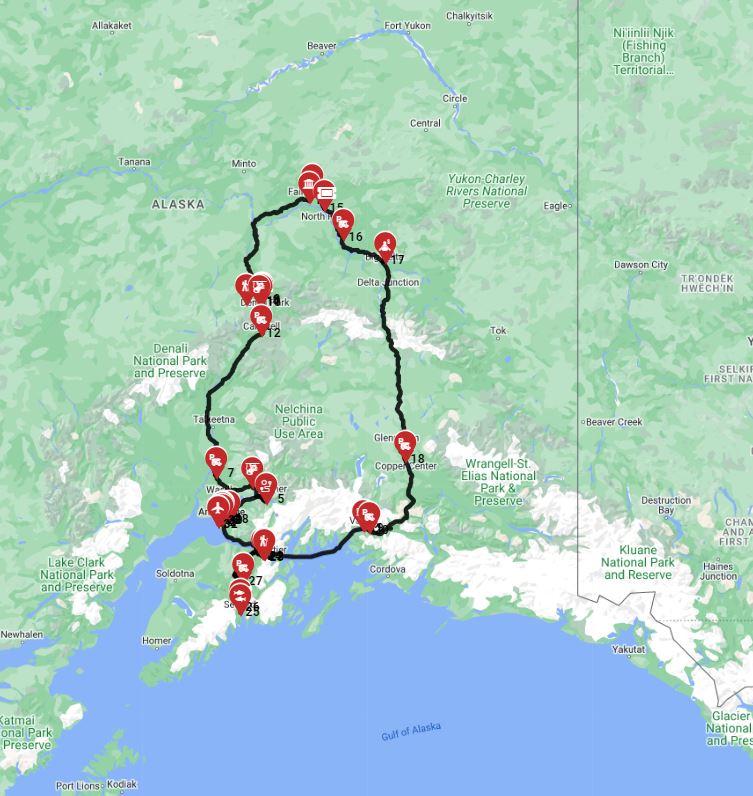
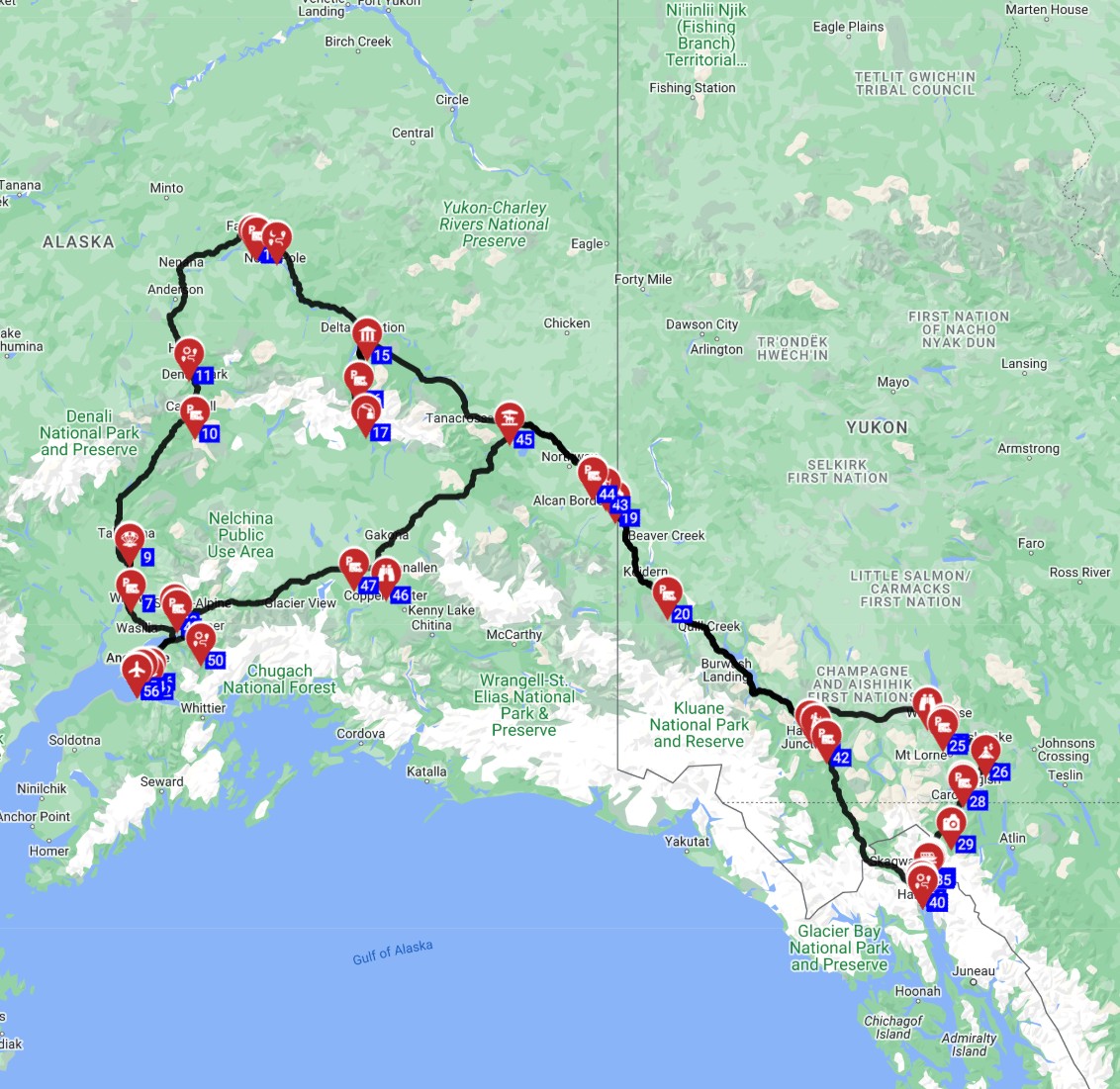
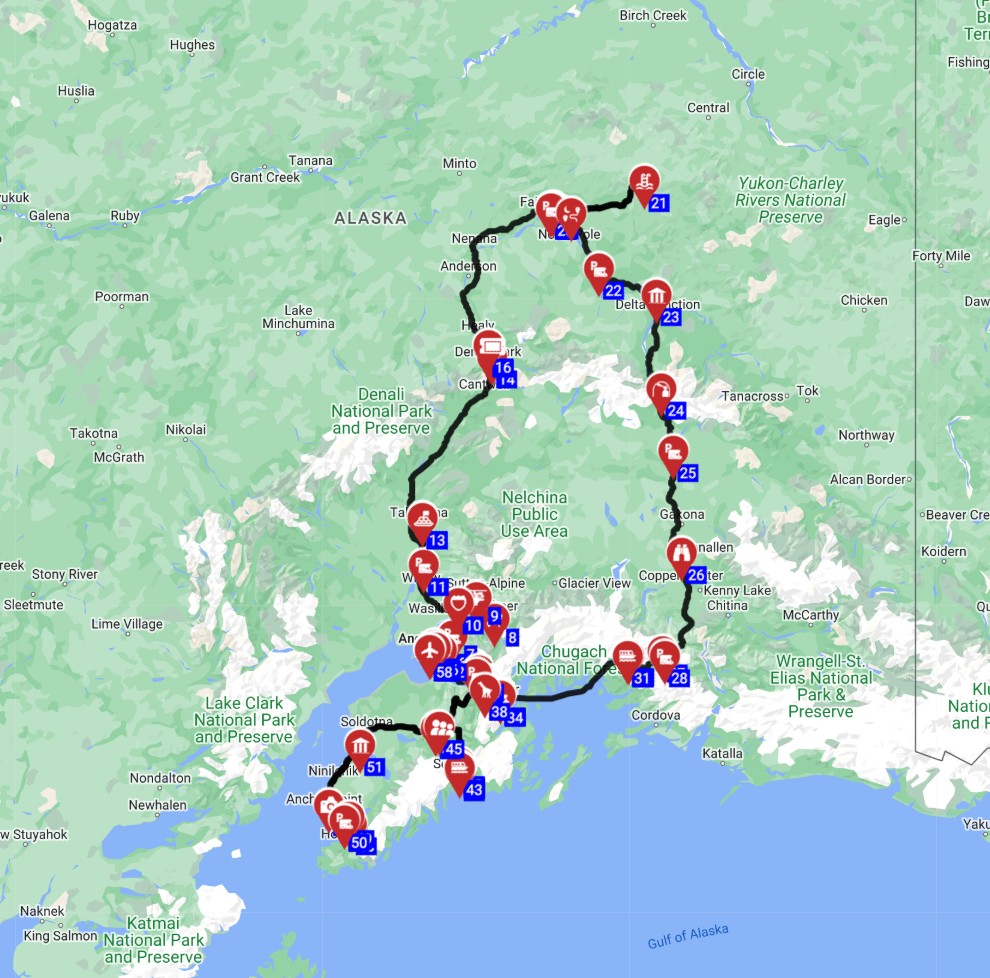
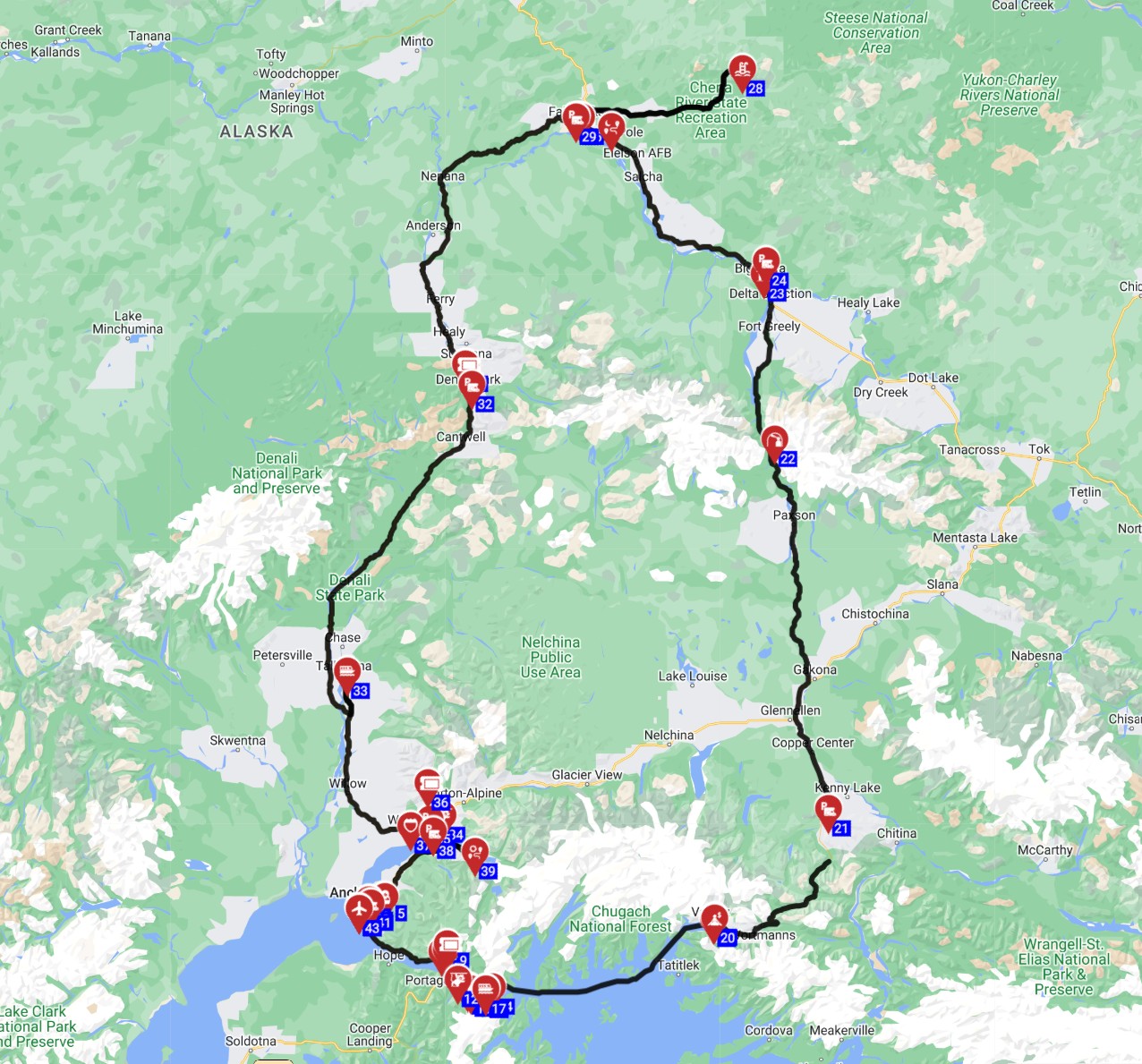
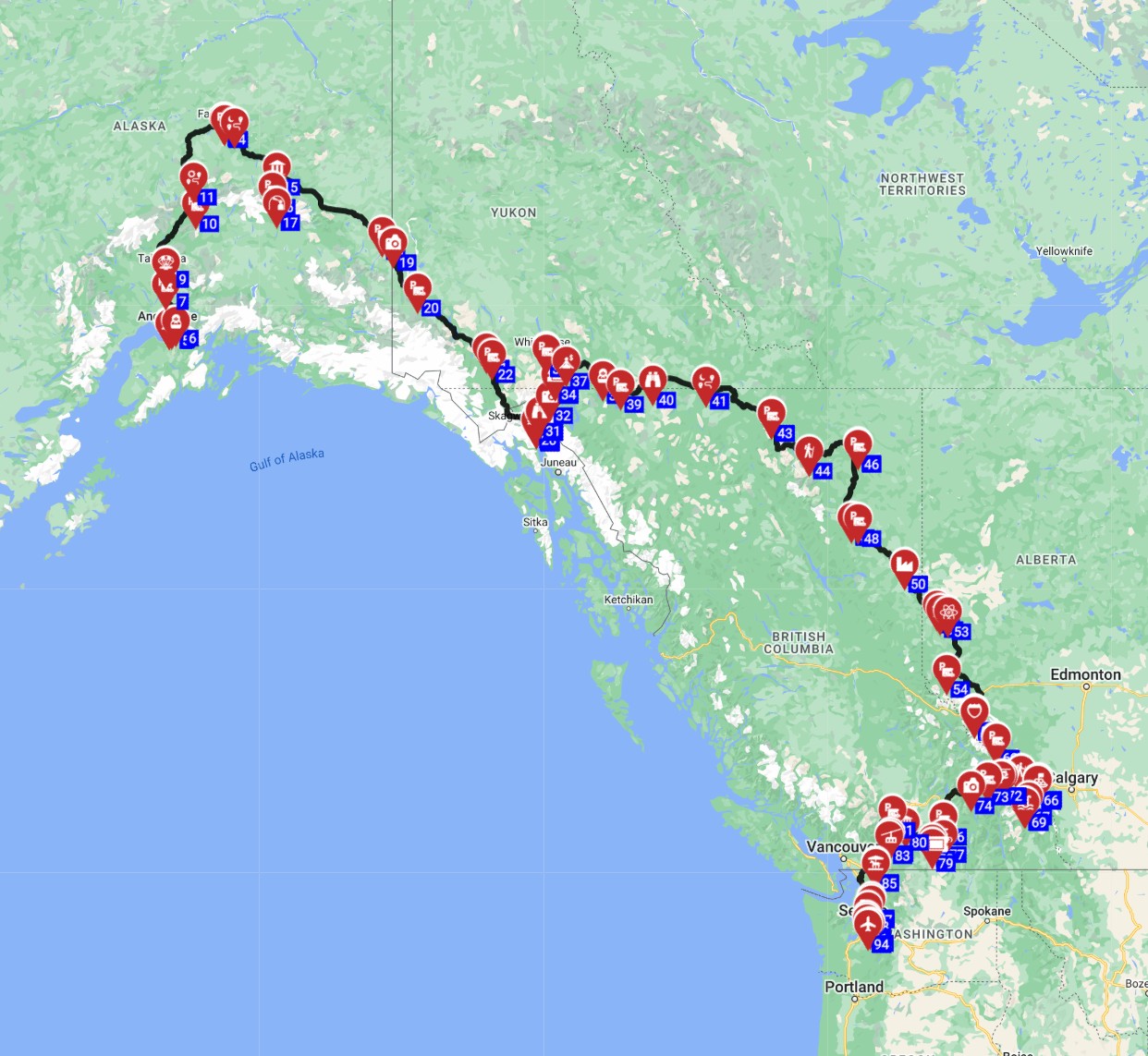
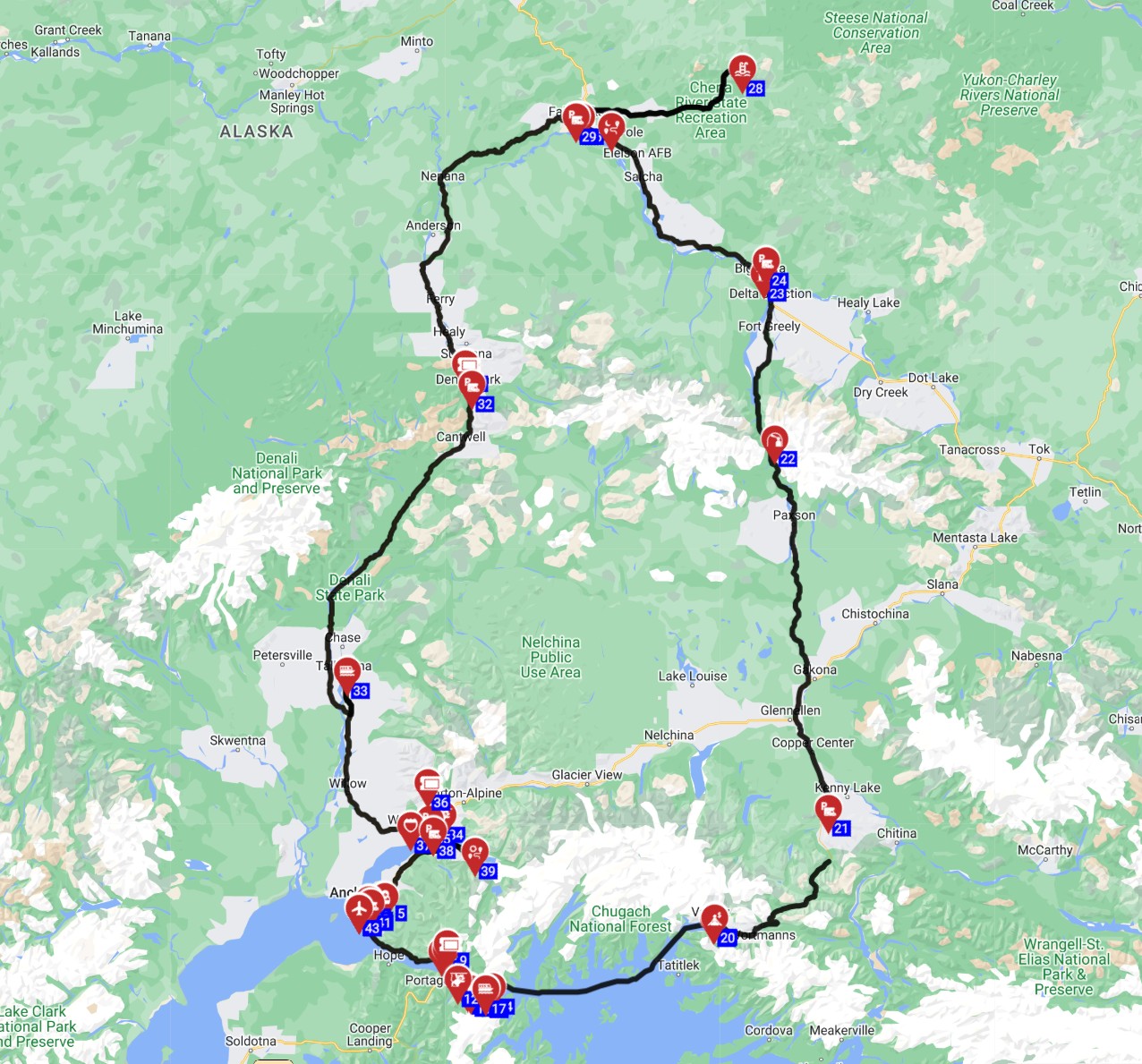
Avi's passion for RV travel shines through in his hand-picked routes. Consider these expertly crafted itineraries to truly capture the spirit of Alaska:
The "
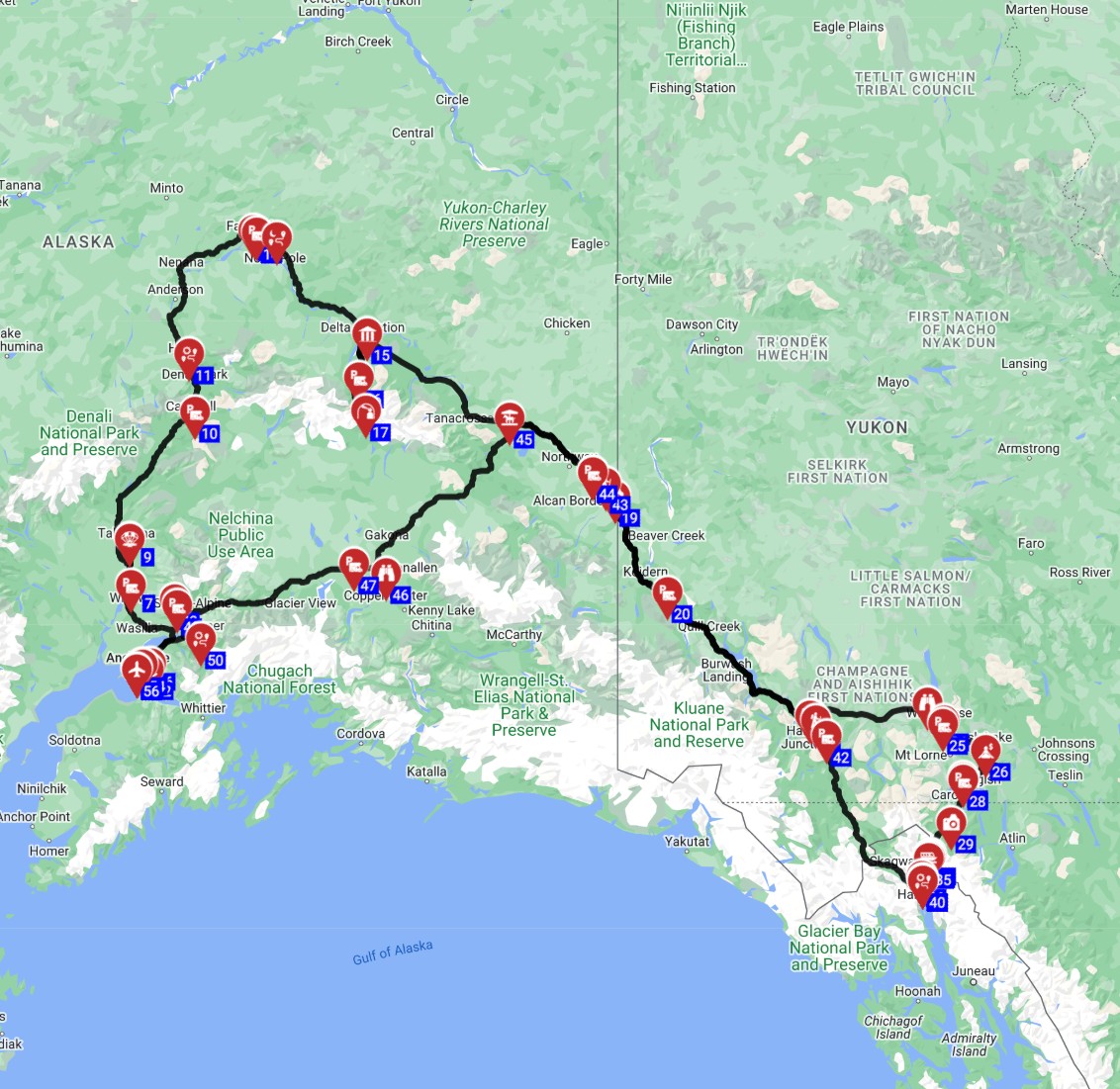
For a shorter, yet equally captivating adventure, the "
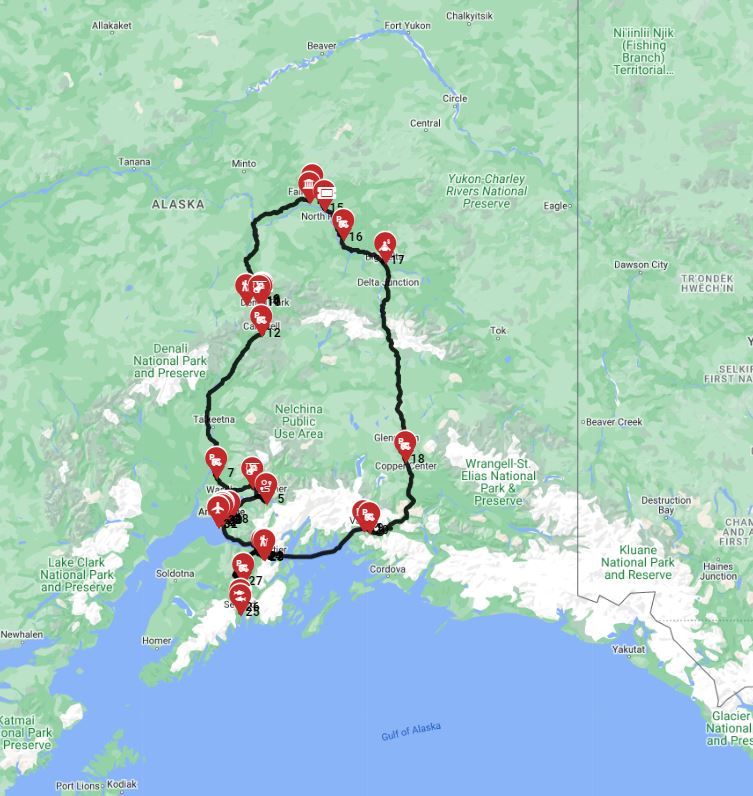
Lastly, the "
Final Thoughts
An RV camping adventure in Alaska, even during the magical winter or shoulder seasons, offers an unparalleled opportunity to connect with nature's grandeur. With careful planning and a comfortable, heated rented motorhome, you can embrace the unique challenges and rewards that Alaska presents. From navigating frost heaves to marveling at the Northern Lights from your cozy mobile home, the journey itself becomes an integral part of the unforgettable experience. Remember, preparation is key, but don't let the details overwhelm you. Bandana Caravan is here to support you with full transparency and expert knowledge, ensuring your booking process is as smooth as possible. So, pack your bags, prepare for incredible scenery, and get ready to discover why RVing in Alaska is truly a trip of a lifetime. Travel slowly, averaging a maximum of 100-150 km per day, and take time to feel the place, connect to the local culture, savor the food, and soak in the breathtaking scenery. Ready to start planning your Alaskan escape? We encourage you to explore our various routes and compare motorhome prices for Alaska, allowing you to tailor your adventure perfectly.On the routes offered through RV PLANET routes, you can itemize and track every expense along the way for easy budgeting.