In This Guide
- Top 5 Tips for weekly rv rental RV Rental in South Europe
- Before You Book - Class, Dates, Insurance
- Pre-Trip Prep - Packing Checklist for South Europe
- On the Road - Driving, Fueling, Navigation
- At the Campground - Setup, Hookups & Etiquette
- Weekly RV Rental-Specific Tips for South Europe
- Common Mistakes to Avoid in South Europe
- What are the true costs of a weekly RV rental in South Europe beyond the rental fee?
- What specific driving regulations and challenges should I expect when RVing in South Europe?
- How do I manage practical RV logistics like water, waste, and internet in South Europe?
- What cultural etiquette should I know for RV travel in South Europe?
- How can I ensure safety and prepare for emergencies during an RV trip in South Europe?
- What are the requirements for border crossings between South European countries with an RV?
- How do I handle RV maintenance and repairs while traveling in South Europe?
- Are there specific considerations for niche RV travel segments in South Europe?
Imagine yourself winding through sun-drenched coastal roads, savoring fresh seafood by the Mediterranean, or exploring ancient ruins from the comfort of your own mobile home. A weekly RV rental in South Europe offers an unparalleled sense of freedom and adventure, allowing you to immerse yourself in diverse cultures and breathtaking landscapes. At Bandana Caravan, we genuinely know RV travel and love helping people discover it, guiding you from your initial spark of inspiration to a seamless booking and unforgettable journey.
For live availability and current prices, start with our RV Rental South Europe - Complete Guide 2026 guide. This comprehensive resource is designed to answer all your questions, making your South European RV adventure a dream come true.
Top 5 Tips for weekly rv rental RV Rental in South Europe
To ensure a smooth weekly RV rental in South Europe, several key tips stand out. First, booking your motorhome 3 to 6 months in advance often secures better selection and potentially saves you up to 25% on rental costs, especially for popular models like a 4-berth "F2" Class C motorhome during peak summer season. Second, selecting an RV class appropriate for South European roads, which can often be narrower than in other regions, is crucial; a compact campervan like a "V3" is ideal for couples, while a mid-size Class C like a "MH23 Medium - Economy" (7.21 meters long) suits families. Third, thoroughly understand and adhere to local driving regulations, including speed limits (e.g., 90 km/h on main roads for RVs over 3.5 tons in many countries) and mandatory safety equipment like reflective vests. Fourth, plan for a balanced mix of official campsites and designated 'Aires' or 'Sostas', which offer varying levels of amenities and price points, from €15-€45 per night for full hookups to free or low-cost options with basic services. Finally, factor in all ancillary costs beyond the rental fee, such as diesel fuel (averaging €1.80/liter), road tolls (e.g., €30-€50 for a trip across Italy), and propane for cooking, ensuring full transparency in your budget. On the routes offered through RV PLANET routes, you can itemize and track every expense along the way for easy budgeting.
We handle the details, you live the journey - personal service from day one until your booking is confirmed. Our experienced team can help you navigate these choices for a seamless weekly RV rental.
Before You Book - Class, Dates, Insurance
Before confirming your RV rental in South Europe, carefully consider the vehicle class, rental dates, and insurance coverage. The right RV class makes a significant difference for a weekly trip; a compact Class B campervan, such as the "Active Classic" (RV size - Small), is agile for city driving and narrow country roads, while a larger Class C motorhome like the "Euro Deluxe" (RV size - Large) offers more space and comfort for families, often featuring 3 double beds and a 190-liter refrigerator. Your booking dates heavily influence pricing and availability, with shoulder seasons (April-May and September-October) offering a good balance of pleasant weather and lower rates compared to the July-August peak season where prices can surge by 50-70%. Understanding RV insurance options is also paramount; standard rental insurance typically covers third-party liability, but upgrading to a top-level deductible reimbursement option (often available as an add-on) can provide significant peace of mind by reducing your out-of-pocket expenses in case of an incident. Always review the included coverage and available upgrades, ensuring you're fully protected throughout your South European adventure.
Pre-Trip Prep - Packing Checklist for South Europe
A well-prepared packing checklist is essential for a comfortable and stress-free weekly RV trip in South Europe. For clothing, bring versatile layers suitable for varied weather, from warm coastal days in Spain to cooler mountain evenings in the Italian Alps; quick-drying fabrics are always a smart choice. When it comes to kitchen necessities for RV cooking, most rentals include basic cookware and utensils, but consider adding a small Moka pot for authentic coffee or your favorite sharp knife for meal prep. Don't forget safety gear and emergency items such as a first-aid kit, a European-standard reflective vest (mandatory in many countries like France and Spain), a warning triangle, and spare bulbs for your vehicle's lights. Crucially, gather all required travel and vehicle documents: your valid driver's license (minimum age 21, no special license required), an International Driving Permit (IDP) if your license is not in English, your passport, RV rental contract, and travel insurance details. Having everything organized will save you time and potential hassle on the road.
Enjoying delicious meals cooked right in your camper is one of the joys of RV travel. For inspiration, check out our RV-friendly recipes playlist.
On the Road - Driving, Fueling, Navigation
Successfully navigating your rented RV on the road in South Europe requires an understanding of local driving conditions and practical logistics. When navigating narrow roads and city centers, drive slowly and carefully, and you can drive almost anywhere without issues. No need to stress - just use common sense and pay attention. Many historic cities, especially in Italy, have ZTL (Zona a Traffico Limitato) zones that prohibit unauthorized vehicle access, so research these areas in advance or park outside and use public transport. Understanding fuel types is straightforward: most RVs in Europe run on diesel ("Gasoil" or "Diesel"), which is readily available at petrol stations. Always fill up when you see a station, especially in rural areas, as distances between stops can be greater. Utilizing GPS, preferably one with RV-specific routing that considers vehicle dimensions, is crucial for navigation, and supplementing it with offline maps (like Google Maps or a dedicated RV app) ensures you stay on track even without internet connectivity. Our trusted partners, like El Monte and Cruise America, provide reliable vehicles to make your journey enjoyable.
At the Campground - Setup, Hookups & Etiquette
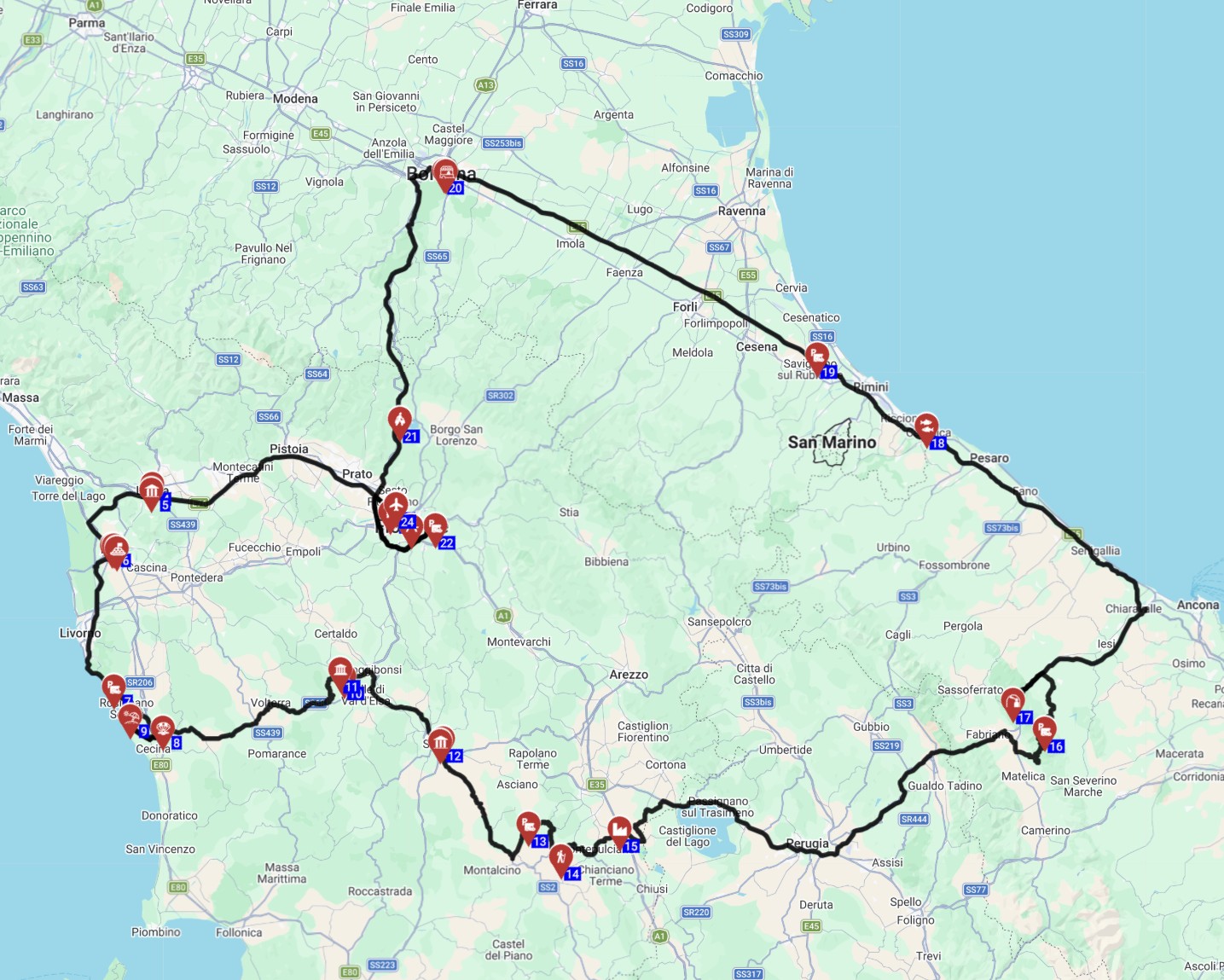
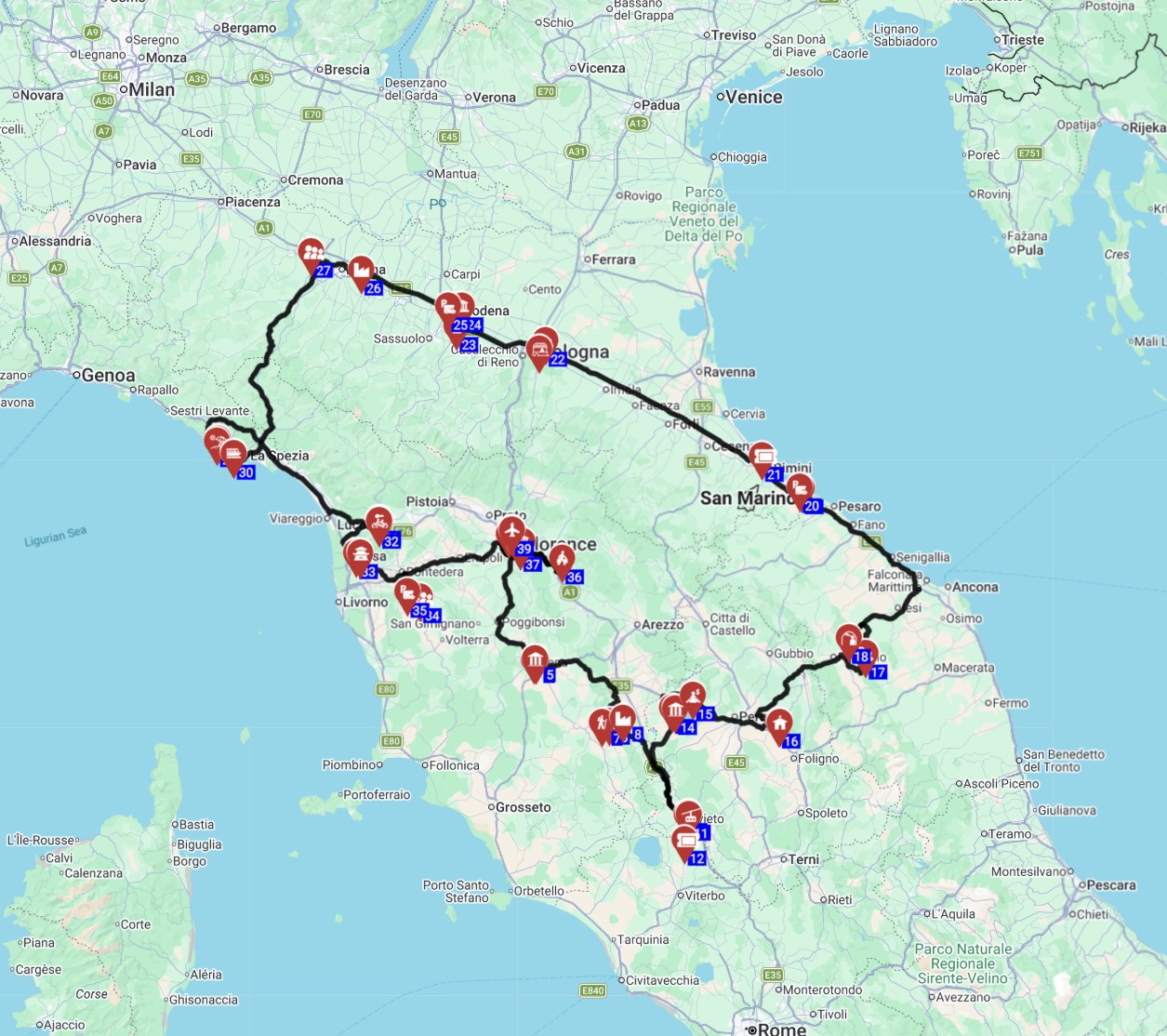
Setting up your rented RV at a South European campground involves a few simple steps and adherence to local etiquette. Upon arrival, perform a quick visual inspection of your assigned pitch for any obstacles, then carefully position your motorhome. The proper order for connecting utilities (hookups) is to connect the fresh water hose (if available), then the electricity cable, and finally, connect the gray and black waste water hoses if you're at a full hookup site. Always ensure electrical connections are secure and compatible with European 2-pin plugs and 220-240V systems. Observing campground quiet hours, typically from 10 PM to 7 AM, is important for respecting other campers. Most campgrounds will have clear rules on waste disposal, recycling, and pet policies, so familiarize yourself with these upon check-in. For finding campsites and campgrounds during your trip, we recommend using RV PLANET (rvplan.net) - a great resource for locating available spots along your route.
Weekly RV Rental-Specific Tips for South Europe
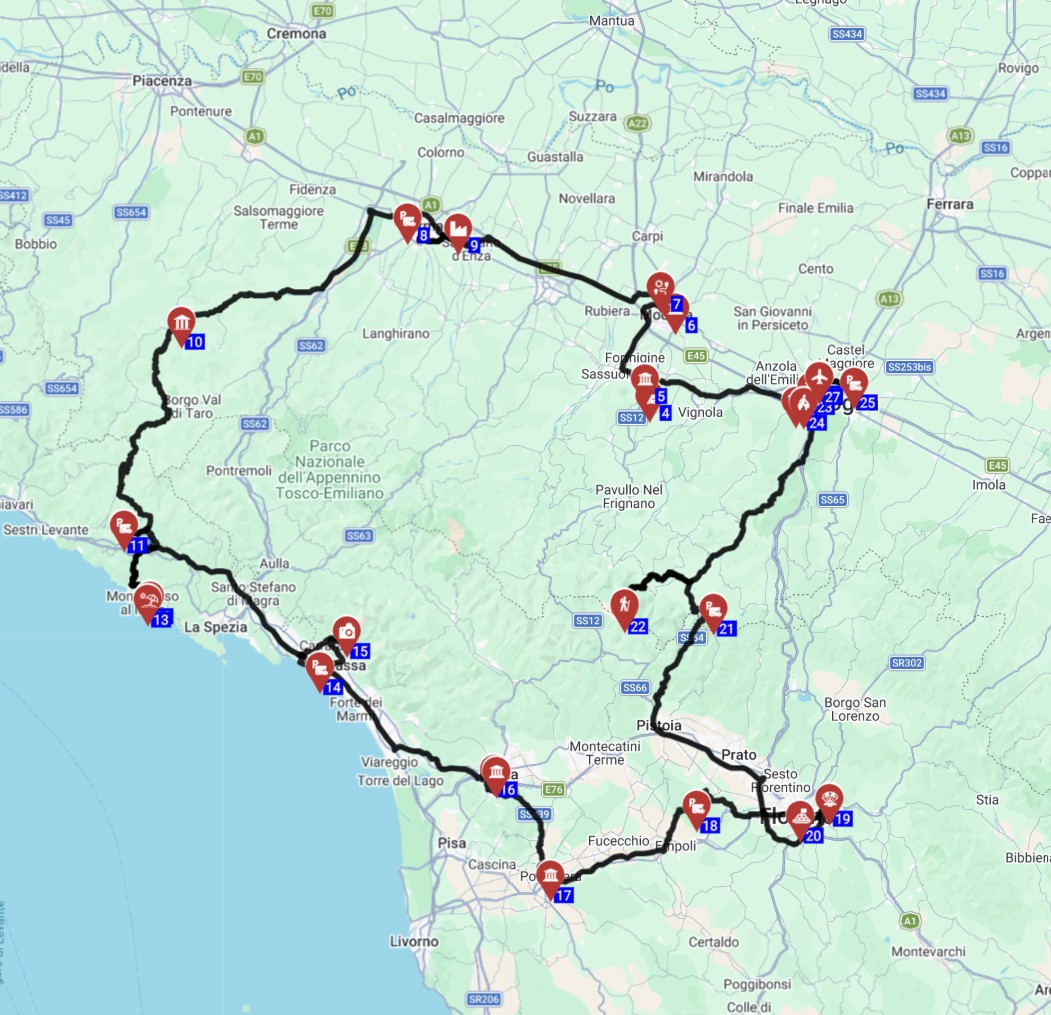
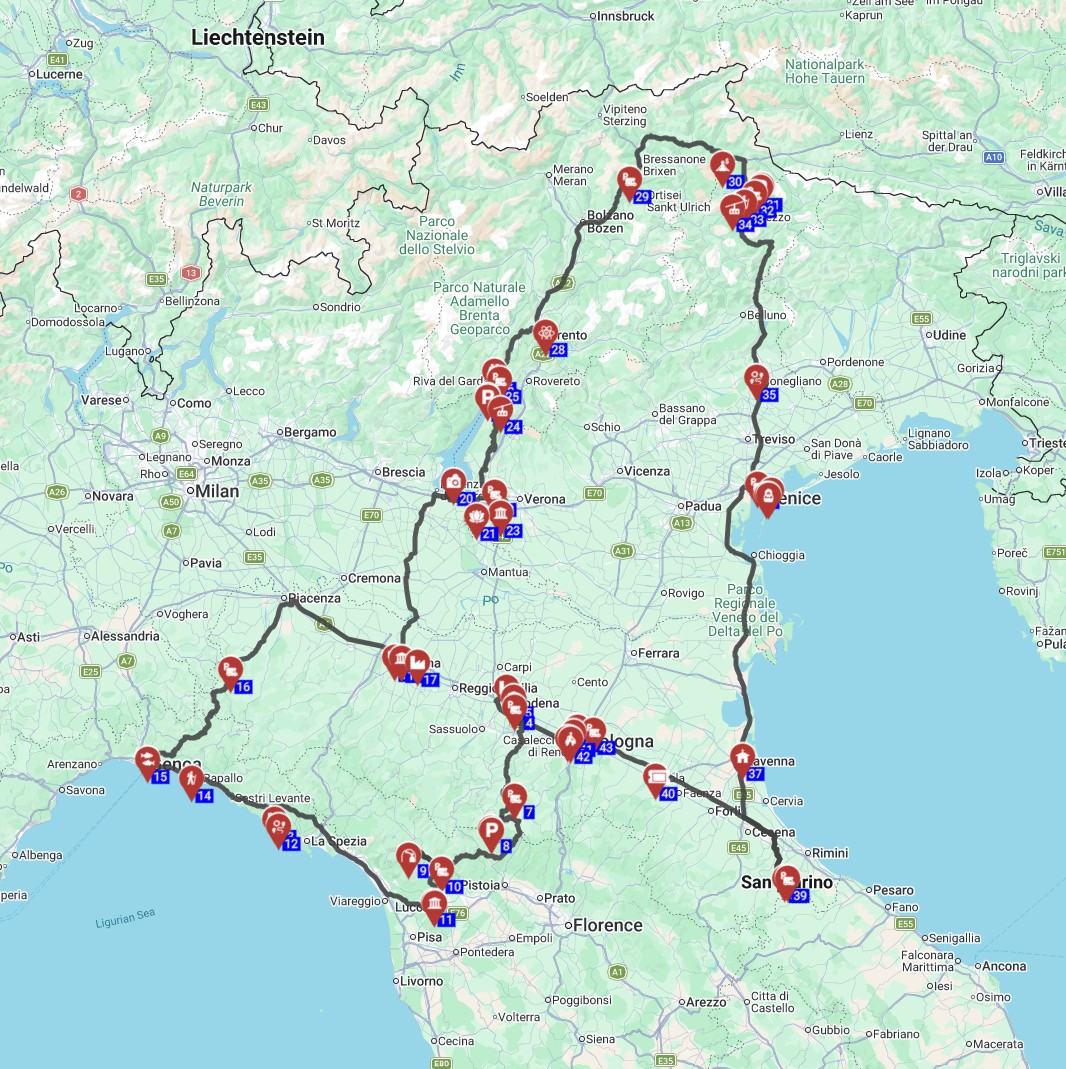
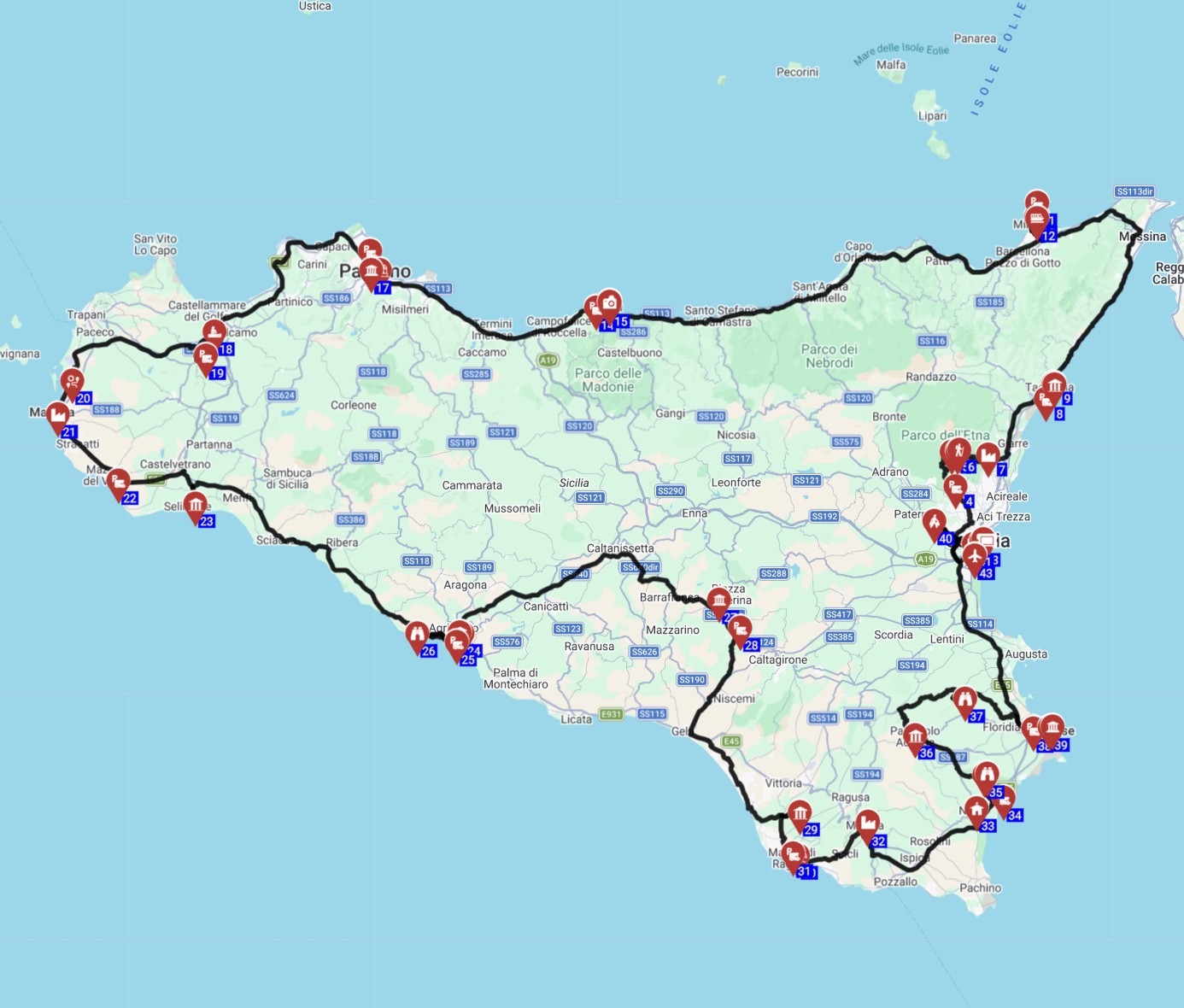
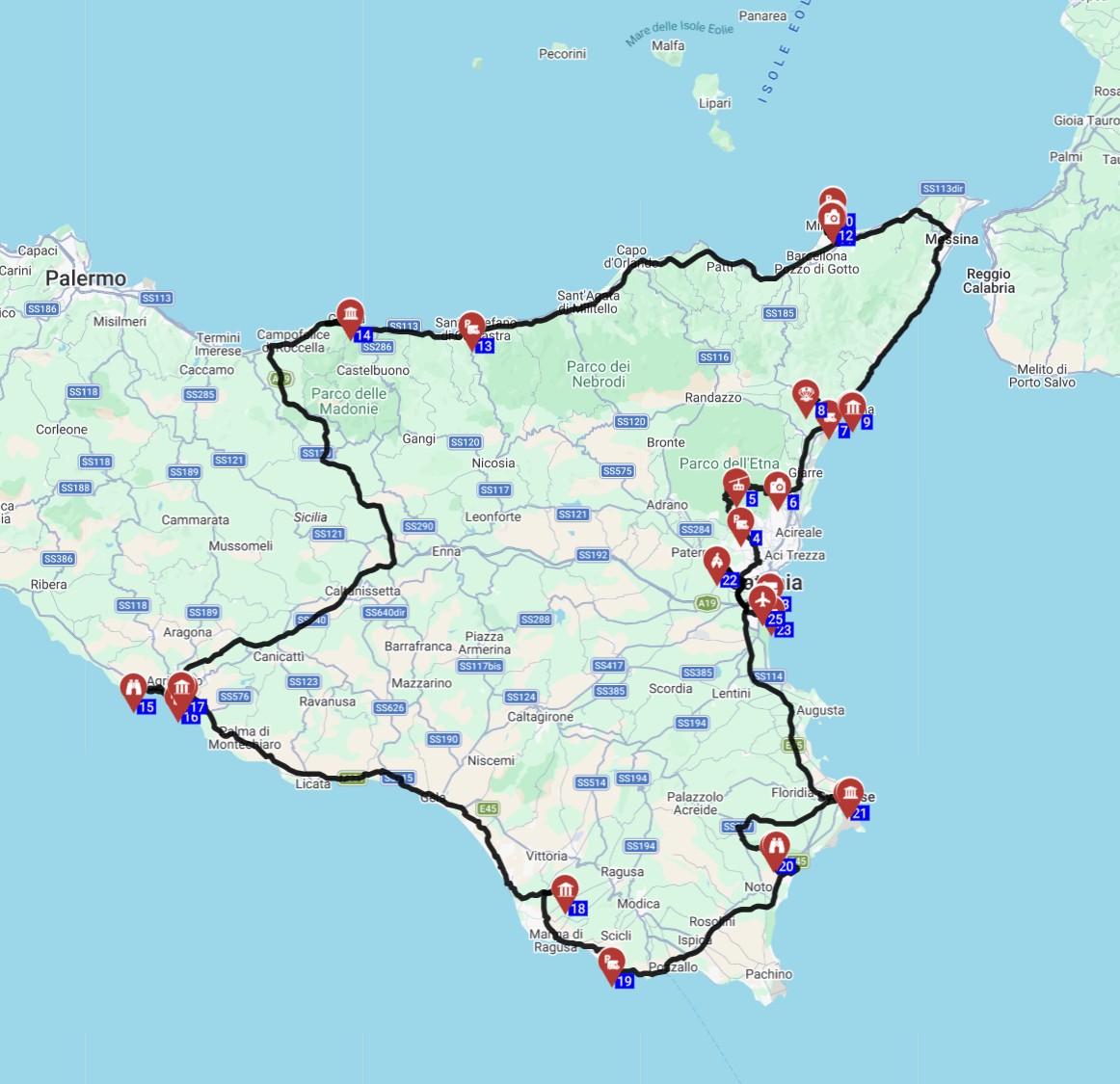
Optimizing your route for a weekly RV trip in South Europe involves focusing on a single region or two closely connected countries. Aim to travel slowly, covering a maximum of 100-150 km per day on average, which allows ample time to feel the place, connect to the culture, the food, and the scenery. For instance, a 7-day trip could focus on Tuscany's wine regions or the Amalfi Coast, rather than trying to cross multiple countries. Balancing activities with travel time is key; prioritize 2-3 main attractions per day and leave room for spontaneous stops. Packing light and efficiently is essential, as storage space in most rental campervans, such as a "Category Van" or a Class B "Combi Van", is limited. While some national parks reserve only 25-30% of spots (the rest are first-come-first-serve), pre-booking popular campsites, especially in coastal areas and during peak season, is highly recommended to secure your preferred spot and avoid driving around endlessly. Remember, you'll find a spot; if not at the first campground, then the next one – just call ahead before driving.
Common Mistakes to Avoid in South Europe
First-time RV renters in South Europe can easily avoid common mistakes with a little foresight. A significant pitfall is not understanding local driving laws and ZTLs (Limited Traffic Zones), particularly prevalent in Italian cities like Florence, Rome, and Verona. Driving into these zones without proper authorization can result in multiple, often delayed, fines up to €2000 per infraction. Another common error is over-scheduling a weekly itinerary; trying to cover too much ground in a 7-day period leads to exhaustion and less enjoyment of each destination. Instead, travel slowly, perhaps focusing on one country like Portugal or a region like Provence, averaging 100-150 km per day. Underestimating costs beyond the rental fee is also a frequent mistake; remember to budget for dynamic prices of fuel, tolls (e.g., French autoroutes can cost €0.10-€0.20/km), campsite fees, and propane. Failing to book popular campsites in advance, especially during the summer, can leave you scrambling for overnight spots. Lastly, not learning basic local phrases ("hello," "thank you," "excuse me") limits cultural interaction and can make simple tasks more challenging. True RV Specialists like Bandana Caravan are here to support you in avoiding these pitfalls.
What are the true costs of a weekly RV rental in South Europe beyond the rental fee?
The true costs of a weekly RV rental in South Europe extend beyond the initial rental fee, primarily including fuel, tolls, camping fees, and daily expenses. Fuel costs are a significant factor, with diesel (the most common fuel for European motorhomes) averaging €1.70-€2.00 per liter; a 7-day trip covering 700-1000 km in a medium-sized Class C RV (like a "MHC24" with ~18-20 L/100km consumption) could incur €150-€250 in fuel expenses. Tolls on motorways and expressways, especially in Italy, France, and Spain, can add €30-€50 or more to a week's travel, depending on your route and distance. Typical campsite fees range from €15-€45 per night for a pitch with electrical hookups, with wild camping alternatives offering free or low-cost overnight stays in designated areas, though regulations vary by country (e.g., Portugal's stricter rules). Budgeting for groceries, dining, and activities should factor in local prices, with average daily food costs for a family of four ranging from €50-€80 for self-catering to €100-€150 for a mix of cooking and dining out. Potential unexpected costs might include ZTL fines in Italian cities (potentially €80-€300 per infraction) or minor repairs, emphasizing the value of opting for a top-level deductible reimbursement. For easy budgeting and tracking every expense along the way, consider using RV PLANET routes.
What specific driving regulations and challenges should I expect when RVing in South Europe?
RVing in South Europe presents specific driving regulations and challenges that require careful attention from travelers. A major challenge is navigating ZTL (Zona a Traffico Limitato) zones in many historic Italian cities; these limited traffic areas are often monitored by cameras, and unauthorized entry by an RV can lead to multiple fines, sometimes totaling thousands of euros. Drive slowly and carefully, and you can drive almost anywhere without issues. No need to stress - just use common sense and pay attention. Many mountain roads in regions like the Alps or Pyrenees, and village streets, can be narrow and winding, requiring a cautious approach, especially in a larger motorhome like the 7.4-meter-long "6 Berth Discovery" Class C. Speed limits for RVs often differ from standard cars; for instance, RVs over 3.5 tons may be limited to 90 km/h on main roads where cars can go 120 km/h. Mandatory equipment includes a reflective vest (for each occupant in some countries), a warning triangle, and a spare bulb kit. Rules for parking and overnight stays are country-specific: while designated 'Aires' (France) or 'Sostas' (Italy) are common for RVs, wild camping is heavily restricted or banned in areas like Portugal, often resulting in fines up to €2,000 for unauthorized overnight parking.
How do I manage practical RV logistics like water, waste, and internet in South Europe?
Managing practical RV logistics such as water, waste, and internet connectivity in South Europe is straightforward with proper planning. Locating water refill points ("eau potable") and waste disposal stations ("vidange eaux grises et noires") is facilitated by dedicated RV apps and websites, as many campsites, service areas, and even some supermarkets offer these services, often for a small fee or free. Propane or gas bottle exchanges can be a minor challenge due to varying national standards; some countries use different connectors or bottle types, so it's advisable to understand your rental RV's system and check for adapter availability, or consider a universal refillable system if on an extended trip. For reliable internet access, purchasing a local SIM card (e.g., from providers like Orange, Vodafone, or TIM) upon arrival is typically the most cost-effective solution, offering ample data for navigation, communication, and entertainment across the Schengen Area. Alternatively, a portable Wi-Fi hotspot can provide connectivity for multiple devices, though data roaming charges for non-EU SIM cards can be substantial. Our partners offer models like the "Active Pop Top" which has a 90-liter fresh water tank, suitable for a few days of self-contained travel.
What cultural etiquette should I know for RV travel in South Europe?
Understanding cultural etiquette is crucial for enhancing your RV travel experience in South Europe and fostering positive interactions with locals. Respecting local customs in small towns and villages is paramount; this includes dressing modestly when visiting religious sites, greeting shopkeepers with a "Buongiorno" (Italy) or "Bonjour" (France), and being mindful of noise levels, especially in residential areas. Appropriate behavior in camping areas often means keeping your pitch tidy, avoiding excessive noise, and adhering to designated quiet hours (usually 10 PM to 7 AM). While many South Europeans speak English, learning basic language phrases (e.g., "please," "thank you," "excuse me," "do you speak English?") in the local language of the country you're visiting can go a long way in showing respect and facilitating interactions. Dining etiquette varies slightly; for example, tipping is generally less expected than in North America, often limited to rounding up the bill or leaving a small amount (5-10%) for exceptional service. Being considerate and open to local ways will undoubtedly enrich your weekly RV trip in South Europe.
How can I ensure safety and prepare for emergencies during an RV trip in South Europe?
Ensuring safety and preparing for emergencies during an RV trip in South Europe involves several key measures. Familiarize yourself with local emergency numbers; 112 is the universal emergency number across Europe for police, ambulance, and fire services. In case of a breakdown, contact your RV rental company immediately, as they will provide specific protocols for roadside assistance and approved service centers. Strategies for dealing with petty crime, such as theft, include always locking your motorhome or campervan, avoiding leaving valuables visible, using campground safes if available, and being vigilant in crowded tourist areas. It's wise to carry copies of all important documents separately from the originals. Preparation for weather-related risks is also important; South Europe can experience heatwaves in summer (ensure your RV's air conditioning is functioning well, like in the "Comfort" Class C model) and sudden storms in spring or autumn, so monitor local weather forecasts closely. Keep emergency supplies like a power bank, extra water, and a basic tool kit on board. You can upgrade to a top-level deductible for extra peace of mind, protecting against unexpected damages.
What are the requirements for border crossings between South European countries with an RV?
Border crossings between South European countries with an RV are generally straightforward, especially within the Schengen Area. For travelers from most countries, required documentation includes your passport, valid driver's license, and vehicle registration (provided by the rental company). An International Driving Permit (IDP) is recommended for non-EU visitors whose licenses are not in English, though it's not strictly mandatory in all cases. Within the Schengen Area, comprising most EU countries (e.g., Spain, France, Italy, Portugal, Greece), there are typically no physical border checks, making transitions between countries seamless, almost like driving between states. For non-EU travelers, ensure your visa or entry stamps cover all intended countries. Specific vehicle requirements are minimal but important; ensure your rental motorhome has a visible country sticker (e.g., "F" for France, "E" for Spain) and carries the mandatory safety equipment (reflective vests, warning triangle). Always check the latest regulations for any specific non-Schengen borders you plan to cross, though these are less common in South Europe. For broader travel planning, our "RV Rental Europe - Complete Guide 2026" provides continent-wide insights.
How do I handle RV maintenance and repairs while traveling in South Europe?
Handling RV maintenance and repairs while traveling in South Europe involves a proactive approach and clear communication channels. Conduct basic DIY maintenance checks regularly, such as monitoring tire pressure, fluid levels, and ensuring all interior components (e.g., refrigerator, stove, toilet) are functioning correctly. If you encounter major mechanical issues, contact the rental company immediately, as they will guide you on the next steps, including roadside assistance or approved repair shops. They have direct partnerships with over 50 leading RV suppliers worldwide, ensuring support is readily available. Locating RV service centers or mechanics can be done through dedicated RV apps, campground staff recommendations, or by simply searching online for "camper service" or "camping car réparation" in the local area. Dealing with specific RV component issues, such as a water pump malfunction or an electrical problem, should always involve consulting the rental company first, as attempting unauthorized repairs might void your contract or insurance. Knowing who to call and having a clear emergency plan will help keep your journey stress-free.
Are there specific considerations for niche RV travel segments in South Europe?
RV travel in South Europe offers considerations for various niche segments, including pet owners and travelers with disabilities. RVing with pets requires specific documentation, such as an EU pet passport with up-to-date vaccinations (especially for rabies), and microchipping is mandatory. Finding pet-friendly campsites is relatively easy, but always check in advance, as some parks or beaches may have restrictions. For travelers with disabilities, accessible RVs, such as specific "Cat B - Sky Free" models that offer wheelchair accessibility features, are available but require early booking. Planning routes to include accessible attractions and campsites is crucial. Long-term versus short-term trips also have different considerations; weekly rentals focus on intensive exploration of a smaller region, while longer trips allow for deeper cultural immersion and slower travel, averaging 100-150 km per day. Families with young children might consider RVs with bunk beds, like the "Glamys 40" model, and look for campsites with playgrounds and kid-friendly facilities. Regardless of your travel segment, Bandana Caravan, founded in 2001 and having helped tens of thousands of travelers explore the world by RV, can help tailor your South European adventure.
What You Shouldn't Miss
- **The Amalfi Coast, Italy:** Drive the iconic coastal road from Sorrento to Salerno, stopping in picturesque towns like Positano and Ravello. Book campsites well in advance, especially for a week-long trip, to secure a spot with stunning sea views.
- **The Douro Valley, Portugal:** Navigate the terraced vineyards and winding river of Portugal's wine region. Enjoy wine tastings and river cruises, parking your RV at scenic overlooks or quinta (wine estate) campsites.
- **Andalusia, Spain:** Explore the Moorish architecture of Granada (Alhambra), Seville, and Cordoba. Look for 'Areas de Servicio' on the outskirts of cities to park your RV before taking public transport into historic centers.
- **The Dalmatian Coast, Croatia:** Discover ancient Roman ruins in Split and Dubrovnik, and relax on pristine beaches. Utilize the extensive ferry network to hop between islands like Hvar and Korčula with your motorhome.
- **Provence, France:** Wander through lavender fields (seasonal), bustling markets, and charming villages. Enjoy local food and take advantage of the numerous 'Aires de Camping-Car' for easy overnight stays.
Final Thoughts
Embarking on a weekly RV rental adventure through South Europe is more than just a vacation; it's an invitation to experience incredible diversity, from the sun-kissed beaches of Greece to the historic cities of Italy and the dramatic coastlines of Portugal. With the right planning and a spirit of adventure, your motorhome becomes your personal gateway to discovery. Remember, the journey itself is the destination, so take it slow, savor every moment, and let the magic of South Europe unfold around you.
At Bandana Caravan, we're passionate about making your dreams of RV travel a reality. We're here to support you before, during (with our comprehensive guides), and after your booking, ensuring you have all the tools and confidence for an unforgettable trip. So, what are you waiting for? Get inspired for your next trip, discover top destinations, and plan a trip itinerary in advance with minimal effort and maximum enjoyment. Your South European weekly RV adventure awaits!
Ready to start planning? Find weekly RV Rentals in South Europe today!