In This Guide
- Top 5 Tips for Weekly RV Rental in South America
- Before You Book - Class, Dates, Insurance
- Pre-Trip Prep - Packing Checklist for South America
- On the Road - Driving, Fueling, Navigation
- At the Campground - Setup, Hookups and Etiquette
- Weekly RV Rental-Specific Tips for South America
- Common Mistakes to Avoid in South America
- What is the 3-3-3 rule for RV travel?
- What is the 444 rule for RV travel?
- How much is a 1 week RV rental?
- Where is the cheapest country to rent a campervan?
- Can you RV in South America?
- What are some important tips for traveling around South America?
- What is the 2-2-2 rule for RV travel?
Embarking on a weekly RV rental in South America offers an unparalleled sense of freedom and adventure, allowing you to discover its breathtaking landscapes and vibrant cultures at your own pace. With a rented motorhome, you're not just booking a vehicle; you're unlocking a mobile home base for exploration, from the towering Andes to the Patagonian steppes. For live availability and current prices, start with our RV Rental South America - Complete Guide 2026 guide.
At Bandana RV, we are true RV specialists, dedicated exclusively to motorhome and campervan rentals. We know the ins and outs of RV travel and are here to support you before, during, and after your booking, ensuring full transparency with no hidden fees or surprises. We believe that what you see is what you pay, making your planning straightforward and stress-free.
Top 5 Tips for Weekly RV Rental in South America
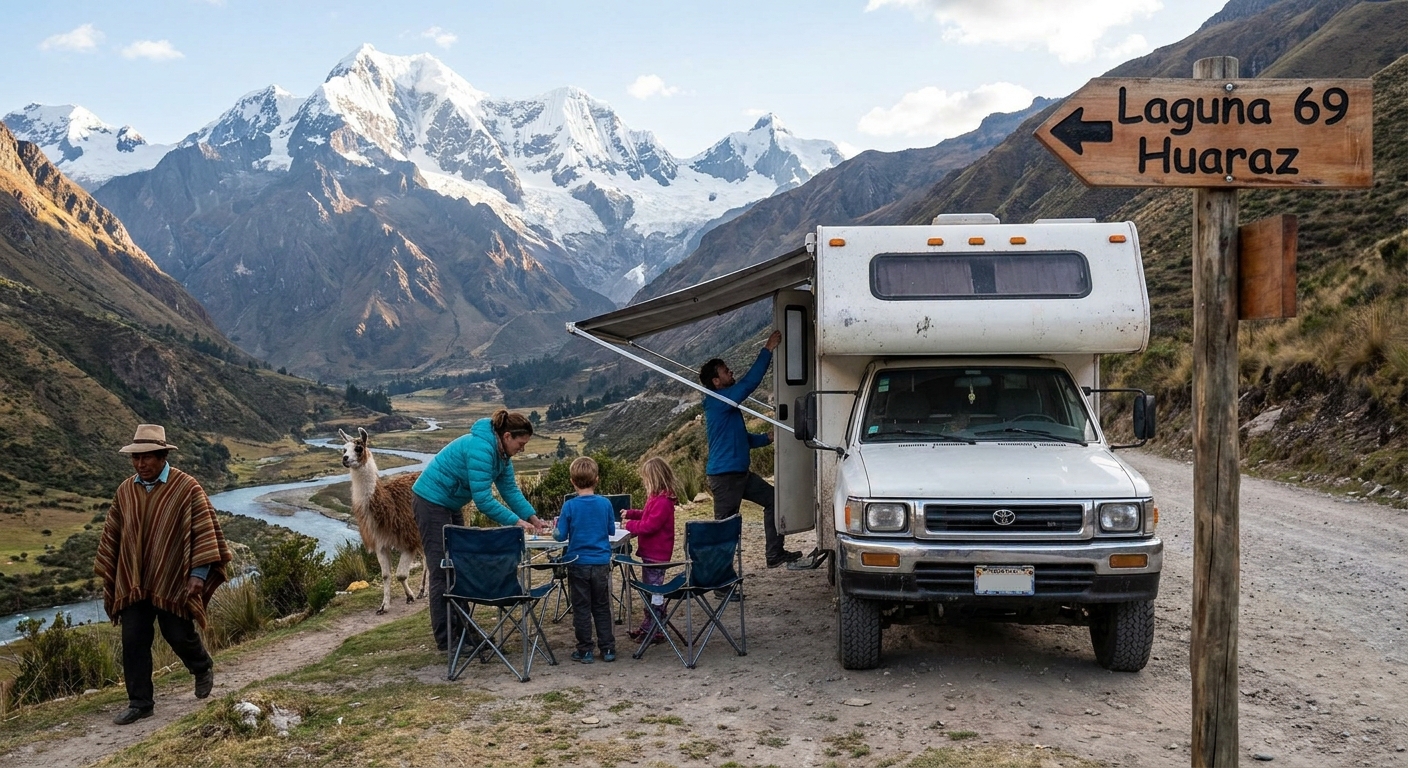
Successfully navigating a weekly RV rental in South America begins with meticulous planning that considers the continent's diverse conditions and requirements.
- **Plan routes with varying road conditions and fuel availability in mind.** South America features everything from modern highways to gravel or unpaved tracks, especially in remote areas; it is advisable to research road quality for your specific route and ensure regular fuel stops, as petrol stations can be sparse.
- **Understand and prepare for specific border crossing requirements between countries.** Each country may have unique temporary vehicle import permits, documentation requirements, and fees, necessitating thorough research to avoid delays. For instance, crossing between Chile and Argentina with a rented RV requires specific paperwork from your rental company.
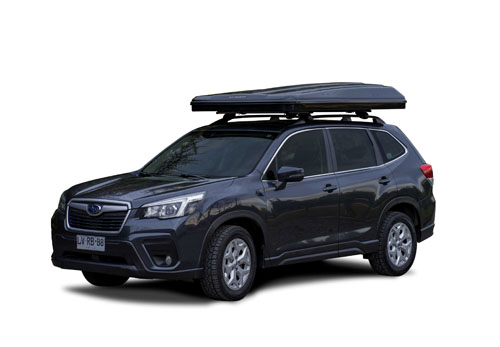
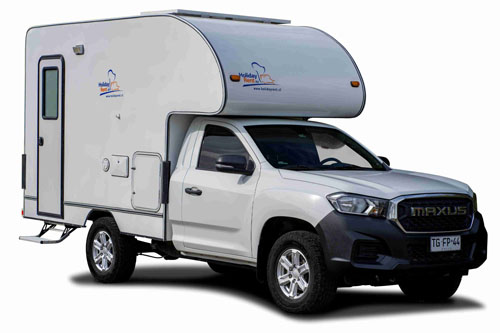
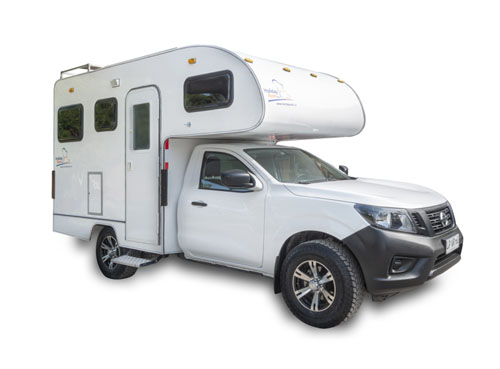
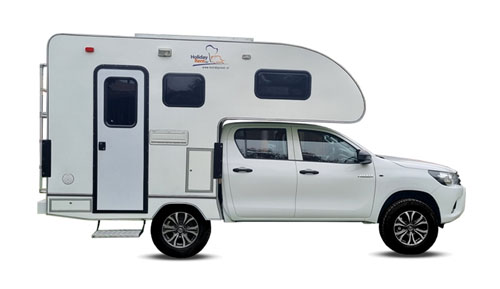
- **Choose an RV class suitable for South America's diverse terrains and accessibility needs.** Smaller motorhomes or campervans, such as a compact "rv rental denver example Category Van" or a 4x4 "Patagonia Camper 4x4 double cab" (both ideal for a couple with front air conditioning), often offer greater maneuverability on narrower roads and better access to remote national parks compared to larger Class A motorhomes.
- **Research and implement local safety, security, and communication protocols.** Always consult local advice regarding secure parking and camping, and consider purchasing a local SIM card upon arrival for reliable mobile data and emergency communication, as connectivity can be inconsistent.
- **Embrace opportunities for cultural immersion and respectful local interaction.** Learning basic Spanish or Portuguese phrases can significantly enhance your experience, fostering positive interactions and allowing you to connect more deeply with the local culture and food.
Before You Book - Class, Dates, Insurance
Selecting an appropriate RV class is crucial for weekly rentals in South America, with smaller models often offering better maneuverability on diverse roads and easier access to remote areas.
For a short 7-day trip, a compact campervan like the "hire campervan example Paradise S/T" (automatic transmission, ideal for a couple, small RV size) or a Class C motorhome like the "rv rentals example Comfort Class" (large RV size, ideal for a family of 2+2) can be excellent choices, offering flexibility and comfort. Drive slowly and carefully, and you can drive almost anywhere without issues. No need to stress - just use common sense and pay attention. Looking for the easiest, safest, and most affordable way to rent an RV? We compare final prices across 50+ suppliers so you don't have to.
Locking in rental dates well in advance, especially during peak seasons (e.g., December-February for Patagonia), ensures better availability and potentially more favorable weekly rates. Prices for weekly RV rental in South America are dynamic, much like flight tickets, changing daily based on availability, seasonality, and supplier decisions. Booking 3-6 months ahead of your trip can often provide more options and better deals, but last-minute availability is also possible. You can explore options like "RV Rental Deals in South America - Latest Offers 2026" or "Cheap RV Rental in South America - Budget Guide 2026" by using our comparison platform.
Regarding insurance, basic coverage is typically included with your rental; however, considering comprehensive options can provide greater peace of mind against varied road conditions and potential incidents. Insider tip: Basic insurance is always included. To see prices including the most comprehensive coverage, select that option during search - then all relevant insurance options will be shown. You can also upgrade to a top-level deductible for extra peace of mind, an optional upgrade that many travelers find invaluable.
Pre-Trip Prep - Packing Checklist for South America
A comprehensive packing checklist for a weekly RV rental in South America should cover essential items for diverse climates and conditions.
- **Clothing:** Pack layers, waterproof rain gear, sturdy hiking boots, warm sleepwear, swimwear, and sun protection (hat, sunglasses, high-SPF sunscreen). Temperatures can vary significantly even within a single day, especially in mountainous regions.
- **Kitchen:** Include basic cooking utensils, reusable water bottles, a small coffee maker, non-perishable food items, and water purification tablets. Having the flexibility to cook your own meals in your rented motorhome, such as the "cruise america rv rental example Explorer" with its 4-burner gas stove and 90-liter refrigerator, saves money and enhances the experience. Check out our RV-friendly recipes playlist for ideas.
- **Safety:** Assemble a first-aid kit, emergency contact information, a basic vehicle toolkit (including jumper cables and tire repair kit), reflective vests, headlamps, and a personal safety alarm. A 12V refrigerator/freezer, like the 170-liter one found in the "rv rentals utah example Sunrise Escape", is also excellent for keeping food safe.
- **Documents:** Gather your passport, any required visas, an International Driving Permit (recommended for visitors from non-English speaking countries, though not always mandatory), the RV rental agreement, insurance details, physical and digital copies of all important documents, and an emergency contact list.
- **Connectivity:** Bring an unlocked phone, research local SIM card options, a portable charger, and appropriate power adapters. Reliable navigation apps with offline map capabilities (like Maps.me or Google Maps offline) are critical.
Remember that Bandana is with travelers before, during, and after their booking to assist with any questions about documentation or rental specifics.
On the Road - Driving, Fueling, Navigation
Driving a rented RV in South America requires awareness of highly varied road conditions, which can range from well-paved highways to gravel or unpaved tracks, and vigilance for local driving customs and wildlife.
Always drive slowly and carefully, especially on unpaved roads or through small towns. Remember, you can drive almost anywhere without issues; just use common sense and pay attention. For instance, a medium-sized motorhome like the "bcampervan hire new zealand example Euro Deluxe" (large RV size, ideal for big families) handles well but still requires caution on remote routes.
Fueling logistics demand planning, as petrol stations may be sparse in remote regions; it is advisable to refuel whenever possible and understand local fuel types, especially the prevalence of diesel. Carrying an extra jerry can of fuel can be a wise precaution on long stretches. Ancillary costs like fuel, tolls, and campground fees can add up, but with RV PLANET routes, travelers can itemize and track every expense along the way for easy budgeting. On the routes offered through RV PLANET routes, you can itemize and track every expense along the way for easy budgeting.
Navigation is best managed with reliable offline maps (e.g., Maps.me, Google Maps offline) and a physical backup map, as mobile data coverage can be inconsistent, and GPS devices may not always reflect current road conditions. For longer trips, consider RV PLANET for pre-planned routes that include detailed navigation and points of interest.
Border crossings necessitate specific research into temporary vehicle import permits and required documentation for each country, expecting potential delays and variable fees. Ensure all your vehicle and personal documents are in order. Practical vehicle maintenance on the road involves performing daily checks (tires, fluids) and knowing how to locate reliable local mechanics for assistance with common issues. Our partners, such as El Monte, Cruise America, Apollo, and Britz, provide well-maintained vehicles, but a quick visual check each morning is always a good habit.
At the Campground - Setup, Hookups and Etiquette
Arriving at a South American campground before dark facilitates easier RV maneuvering and setup, ensuring a smooth start to your stay.
Many national and state parks offer campsites on a first-come, first-serve basis for 70-75% of their spots, so don't fret if you haven't pre-booked every night. You'll find a spot; if not at the first campground, then the next one. Always call ahead before driving a long distance to confirm availability. For finding campsites and campgrounds during your trip, we recommend using RV PLANET (rvplan.net) - a great resource for locating available spots along your route.
For hookups, connect in a specific order: typically sewer first (if applicable), then water, and finally electricity, always checking for secure connections and leaks; disconnect in reverse. This simple routine helps prevent issues and keeps things sanitary. A motorhome like the "brent rv example D2" (bunk bed, ideal for a big family, with shower and toilet) provides all the facilities you need, making campground setup straightforward.
Campground etiquette involves observing quiet hours, usually from late evening to early morning, maintaining a tidy campsite, respecting the privacy of other campers, and properly disposing of all waste. Being a good neighbor enhances everyone's experience. Water and waste logistics require planning, as safe water sources and grey/black water disposal sites may be less common than in other regions; always verify water potability and plan your dump station stops. Carrying some extra water in your rented motorhome, which typically has a freshwater tank of around 80-160 liters (like the "MIA" or "MH2-IDUNN"), is always a good idea.
Cultivating respectful interactions with local communities and fellow campers enhances the overall travel experience. A simple "Hola" or "Gracias" goes a long way!
Weekly RV Rental-Specific Tips for South America
Maximize your weekly RV rental in South America by focusing on a specific region or country to avoid extensive travel days and better experience local attractions.
For example, a 7-day rental is ideal for exploring a specific region like the Atacama Desert in Chile or the Lake District in Argentina, allowing you to travel slowly, max 100-150 km per day on average, and truly connect to the culture, the food, and the scenery. Trying to cover too much ground in a week will lead to rushing and missed opportunities.
Pre-booking campgrounds, particularly in popular national parks or tourist hotspots, can save valuable time during your limited rental period. While many campsites are first-come, first-serve, securing a spot in high-demand areas can provide peace of mind. Check out "Long-Term RV Rental in South America - Monthly Rates 2026" if you decide a week just isn't enough time!
Budgeting for potential border crossing fees, such as temporary vehicle import permits and tolls, is essential as these can add up over a week-long international itinerary. These fees, along with fuel and provisions, are part of the total trip cost. Remember, RV PLANET offers comprehensive route plans that allow you to estimate and track these RV PLANET routes for better financial control.
Utilize local markets for fresh, affordable produce and unique ingredients to enhance your RV cooking experience and manage meal costs effectively. Cooking in your motorhome, equipped with a gas stove and refrigerator, is a fantastic way to savor local flavors while keeping your budget in check. For recipe ideas, don't forget our RV-friendly recipes playlist.
Establish a clear emergency communication plan with contacts at home and research local emergency numbers for the specific regions you plan to visit. Prioritize vehicle suitability, selecting a smaller, more robust RV if your weekly trip involves diverse terrains or remote areas. Options like the "Patagonia Camper 4x4 double cab" are built for more rugged exploration.
Common Mistakes to Avoid in South America
A common mistake is underestimating South American travel times; instead, factor in varied road conditions, potential border crossing delays, and scenic stops into your daily itinerary.
Always allocate more time than Google Maps suggests, especially on unpaved roads or in mountainous areas. Ignoring local safety advice can lead to issues; instead, research current conditions for your routes, consult locals, and choose recommended, secure parking or campgrounds. Your safety is paramount, so be proactive in understanding local dynamics.
Lack of reliable offline navigation is a frequent oversight; instead, download maps for all planned travel areas, as mobile data coverage can be inconsistent. Even modern RVs like the "rv rental atlanta example Eclipse Camper" (automatic transmission, large RV size, with TV) benefit from robust offline navigation. Not carrying sufficient local currency for tolls, small purchases, and areas where card payments are not accepted can cause inconvenience; always have small denominations on hand for these situations.
Overlooking basic vehicle preparation and maintenance can lead to breakdowns; instead, conduct thorough pre-trip checks and carry essential tools for minor repairs. Familiarize yourself with your rented motorhome before departure. Disregarding cultural nuances is a mistake; instead, learn basic Spanish or Portuguese phrases and observe local customs to foster positive interactions and cultural immersion. Remember, driving in cities with any RV size is manageable if you drive slowly and carefully, using common sense and paying attention.
What is the 3-3-3 rule for RV travel in South America?
The 3-3-3 rule for RV travel is a widely recommended guideline suggesting that travelers aim to drive no more than 300 miles (approximately 480 km) a day, arrive at their destination by 3 PM, and stay for at least 3 nights.
This rule is designed to promote a more relaxed pace of travel, reduce driver fatigue, allow ample time for campsite setup and exploration, and prevent rushing through scenic areas in South America. For a 7-day RV rental, this approach enables a deeper connection with each location.
While a useful guideline, flexibility may be required in South America due to varied road conditions, sparse fuel stops, or longer distances between attractions. Planning your journey with tools like RVPLAN.net can help you balance this rule with local realities.
What is the 444 rule for RV travel in South America?
The 444 rule for RV travel is a variation of common driving guidelines, suggesting travelers drive no more than 400 miles (approximately 640 km) a day, aim to arrive at their campsite by 4 PM, and stay for at least 4 nights.
This rule allows for slightly longer daily drives compared to the 3-3-3 rule, while still emphasizing a balanced pace to avoid burnout and allow for a more in-depth experience at each stop. It’s ideal for those with a bit more driving experience or a desire to cover slightly more ground on a weekly rental.
In South America, adhering to the 444 rule might be challenging on certain routes due to road quality, elevation changes, or border crossing times, making flexibility key. Always be prepared to adapt your schedule based on unforeseen circumstances.
How much is a 1-week RV rental in South America?
The cost of a 1-week RV rental in South America typically ranges from approximately $700 to $2,500 USD, though prices can vary significantly based on several factors.
Key determinants include the RV's class and size (e.g., a compact campervan like the "rv rental nj example Category Small" for around $129/day versus a larger motorhome like the "MHC24" with a 150-liter freshwater tank, sleeping 6, for around $178/day), the specific country of rental (Chile and Argentina are popular hubs), the time of year (peak season generally costs more), and how far in advance the booking is made. For detailed cost breakdowns, refer to our "RV Rental Deals in South America - Latest Offers 2026" or "Luxury RV Rental in South America - Premium Prices 2026" guides.
Additional costs might include optional insurance upgrades, one-way fees (which can be $150-$700), mileage limits, taxes, and optional extras like kitchen kits or linens. We ensure full transparency on all costs, so you'll never face hidden fees or surprises at pickup.
Where is the cheapest country to rent a campervan in South America?
Identifying the absolute cheapest country to rent a campervan in South America can fluctuate due to currency exchange rates and local market conditions, but Argentina and Chile are often competitive options for budget-conscious travelers.
These countries have a more established RV rental infrastructure with several suppliers like El Monte and Britz, which can lead to more competitive pricing. For instance, a campervan for 2 people might start around $100-$150 USD per day in off-peak seasons.
While initial rental costs might be lower in some countries, it is important to also consider fuel prices, campground fees, and potential border crossing expenses to assess the overall trip budget effectively. Our "Cheap RV Rental in South America - Budget Guide 2026" provides more insights into finding cost-effective options.
Can you RV in South America?
Yes, RV travel in South America is entirely possible and offers an incredible way to explore the continent's diverse landscapes, vibrant cultures, and natural wonders.
Thousands of travelers successfully navigate countries like Chile, Argentina, Peru, and Ecuador by RV, utilizing a growing network of campgrounds, and embracing the adventure of self-sufficient travel. With a rented motorhome, you have the flexibility to chase good weather, follow spontaneous detours, and truly immerse yourself in the journey.
While rewarding, it requires thorough planning for varying road conditions (from modern highways to unpaved rural tracks), understanding specific border crossing procedures and vehicle import requirements, and being mindful of safety protocols in different regions. However, with the right preparation and support from true RV specialists like Bandana RV, it's an accessible and unforgettable experience.
What are some important tips for traveling around South America?
For traveling around South America in a rented RV, key tips include learning basic Spanish or Portuguese phrases to enhance cultural interaction, carrying physical and digital copies of important documents, and researching local safety conditions for your specific routes.
It's advisable to prioritize flexible travel plans, be prepared for diverse climates and terrains by packing layers, and ensure your vehicle is well-maintained and suitable for varied road conditions. Consider a robust Class C motorhome like the "MH-A" (sleeps 6, with 167-liter fresh water tank) or a smaller campervan depending on your route.
Additionally, utilize reliable offline navigation, have access to local currency for unexpected expenses, and be mindful of water sourcing and waste disposal logistics to ensure a smooth and respectful journey. Always check local guidelines for water and waste. Our "Last-Minute RV Rental in South America - What to Expect 2026" guide also provides useful flexibility tips.
What is the 2-2-2 rule for RV travel in South America?
The 2-2-2 rule for RVs is a conservative travel guideline suggesting that drivers aim to drive no more than 200 miles (approximately 320 km) a day, arrive at their destination by 2 PM, and stay for at least 2 nights.
This rule is particularly beneficial for new RVers, those traveling with young children, or individuals preferring a very leisurely pace, as it minimizes driving fatigue and maximizes time for relaxation and local exploration. For a 7-day rental, this allows for three longer stops, creating a relaxed pace.
In South America, applying the 2-2-2 rule can be especially practical when navigating challenging mountain passes, unpaved roads, or desiring deeper immersion in a specific area without feeling rushed. It allows for plenty of time to explore local markets, enjoy meals, and connect with the unique character of each stop.
What You Shouldn't Miss
- **Patagonian Road Trip (Argentina & Chile):** Drive Ruta 40 in Argentina and Carretera Austral in Chile for glacier views, pristine lakes, and epic hiking in Torres del Paine and Los Glaciares National Parks.
- **Atacama Desert (Chile):** Explore the driest non-polar desert in the world with its otherworldly landscapes, geysers, salt flats, and incredible stargazing opportunities from your rented motorhome.
- **Peruvian Highlands & Sacred Valley:** Discover ancient Inca ruins like Machu Picchu (park your RV nearby and take local transport), vibrant indigenous cultures, and breathtaking Andean scenery.
- **Brazil's Green Coast (Rio de Janeiro to São Paulo):** Drive a rented campervan along the picturesque coastline, stopping at charming colonial towns and secluded beaches.
- **Avi Bandana's Top 5 Adventures in South America:** Looking for expert insights from Avi Bandana? Check out our special recommendations for unique experiences across the continent.
- **Colonial Cities & Volcanoes (Ecuador):** Journey through historic cities like Cuenca and Quito, and venture to active volcanoes and cloud forests for diverse natural beauty.
🎬 Video coming soon
Final Thoughts
A weekly RV rental in South America is more than just a vacation; it's an opportunity to create unforgettable memories, immerse yourself in diverse cultures, and witness some of the planet's most spectacular natural wonders. From the rugged peaks of Patagonia to the mystical landscapes of the Atacama, your rented motorhome becomes your personal gateway to adventure.
With Bandana RV, you're choosing a partner dedicated to making your journey as seamless and enjoyable as possible. Our commitment to full transparency, dedicated support, and expertise as true RV specialists means you can focus on the excitement of the open road, knowing every detail is covered.
So, what are you waiting for? Start dreaming, start planning, and get ready to experience South America like never before. Compare Motorhome Prices for South America and begin your incredible 7-day adventure!